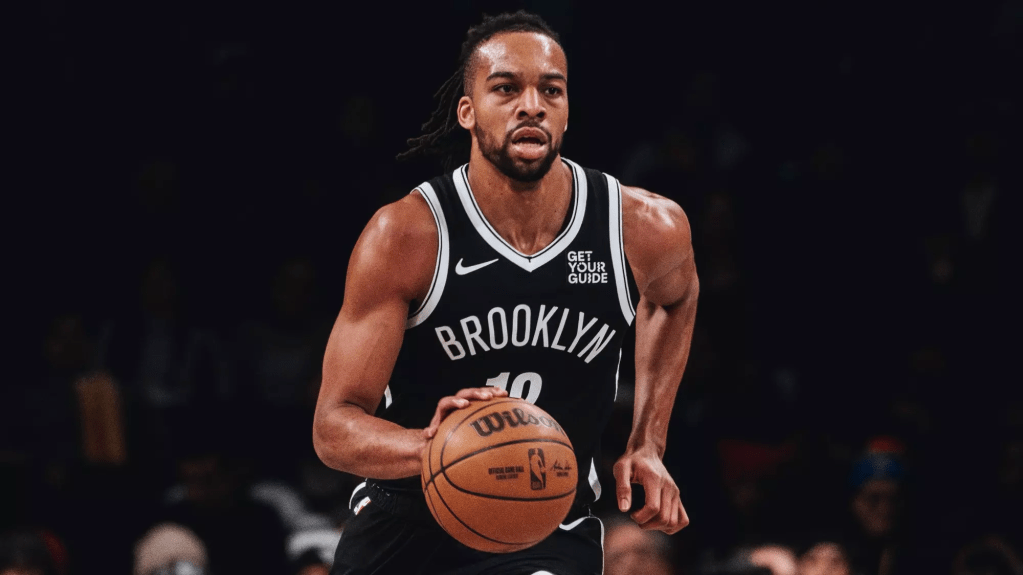
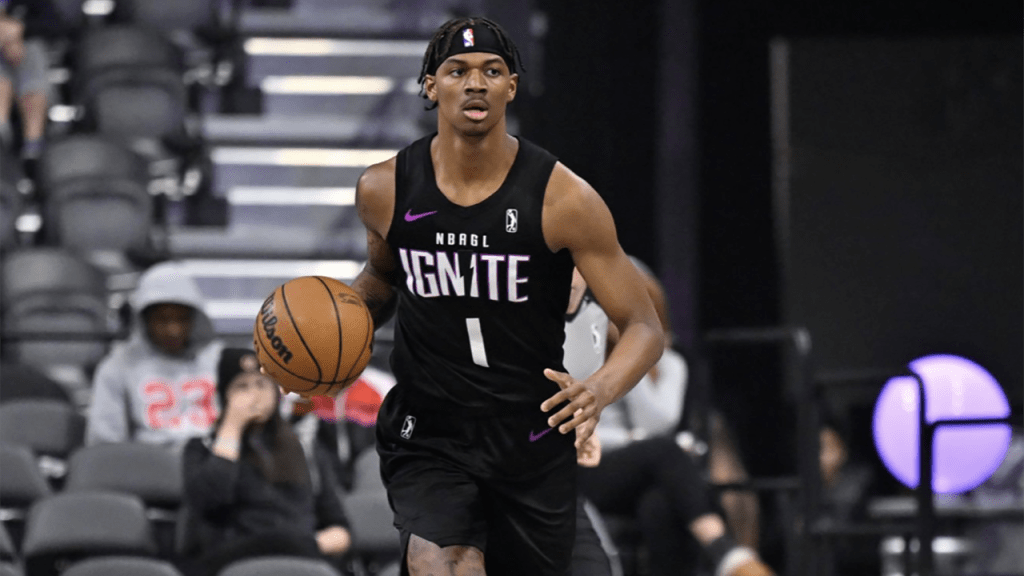
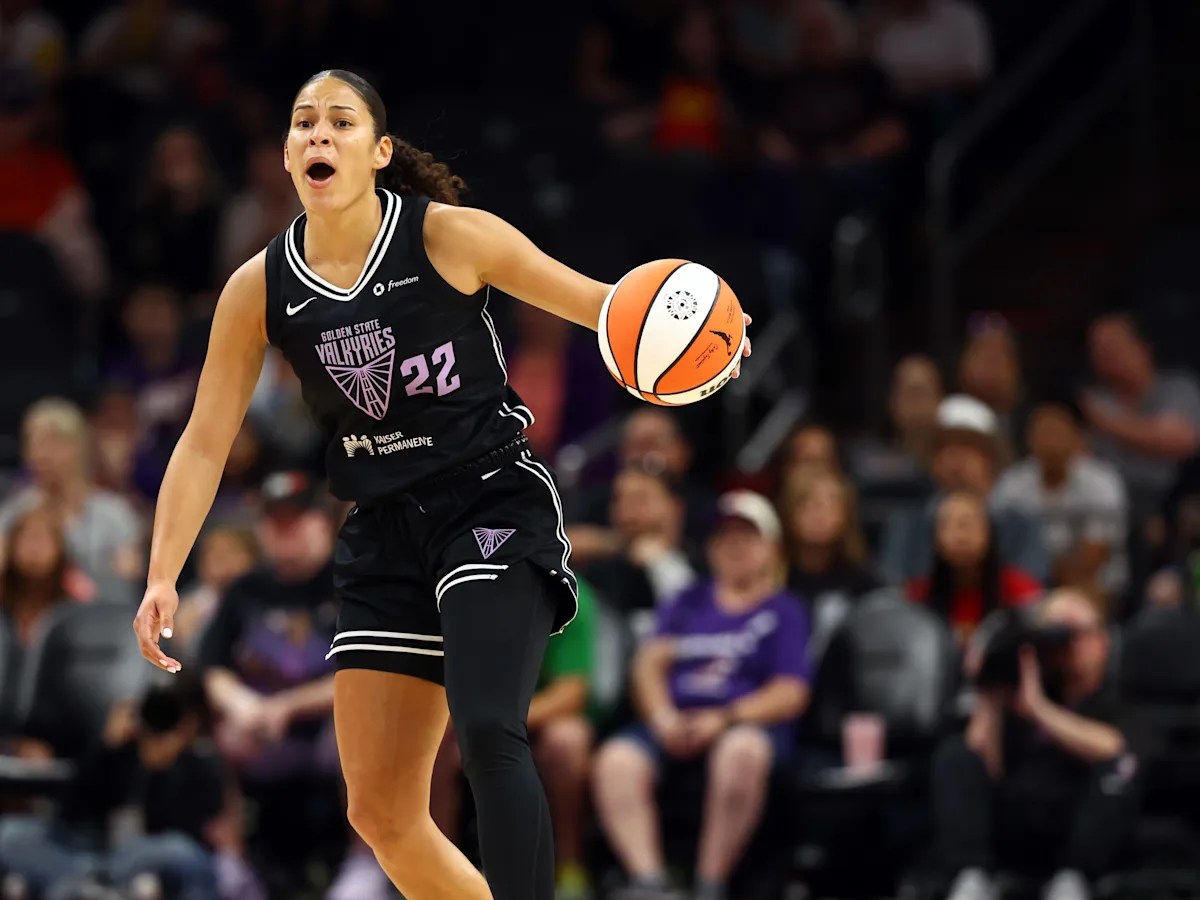
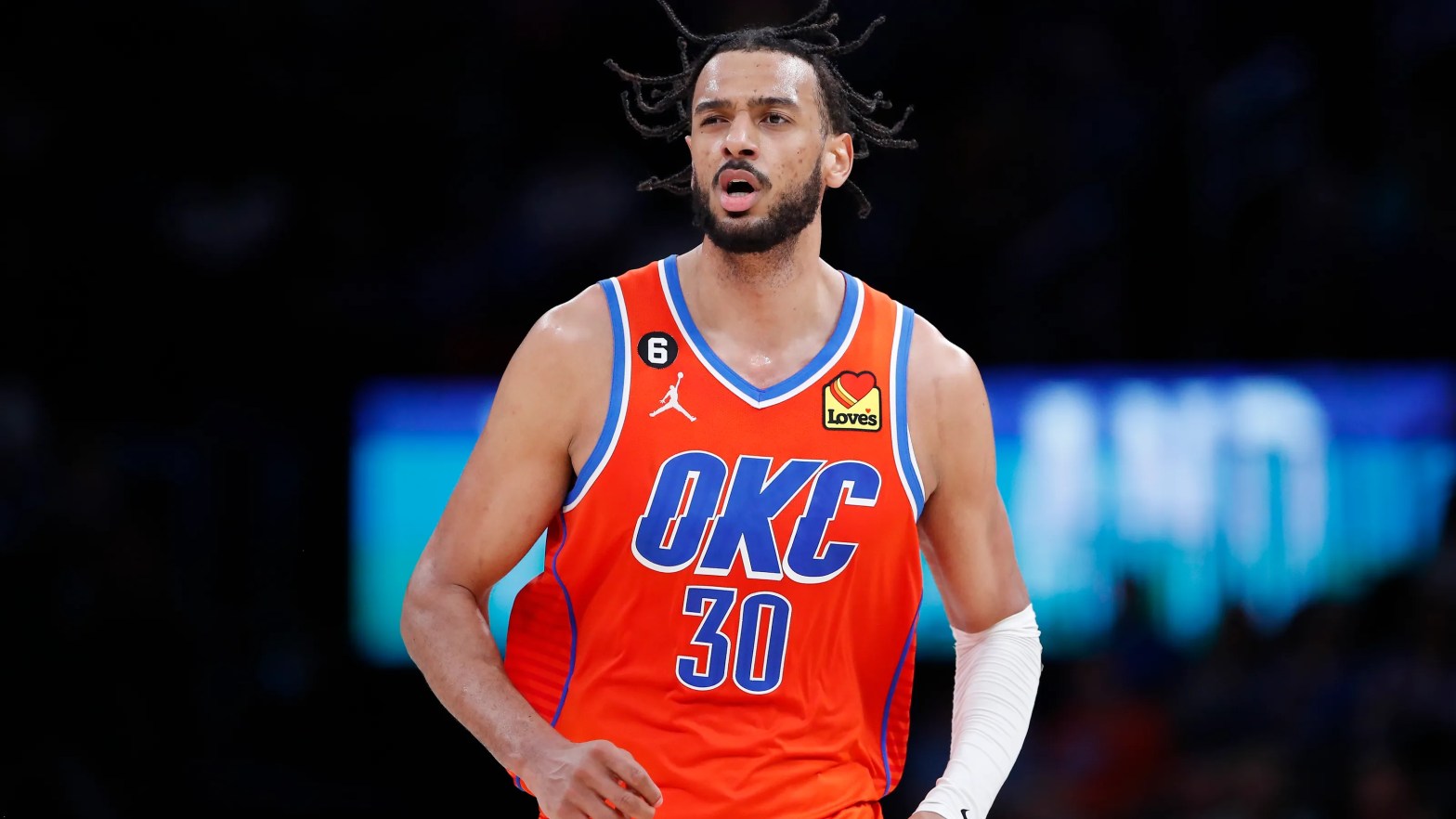
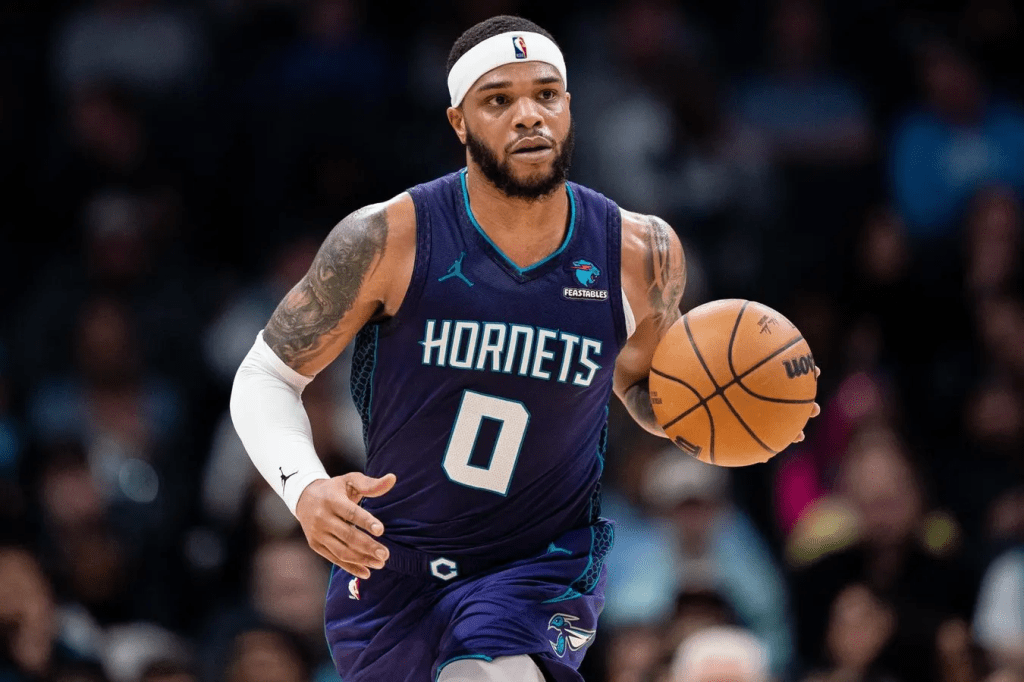
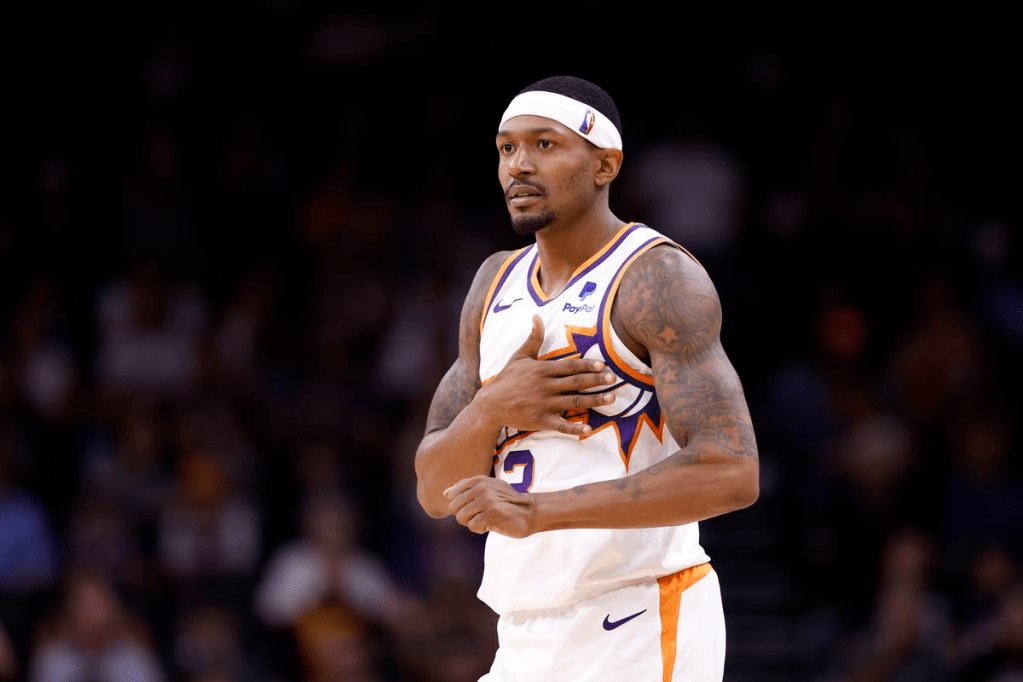
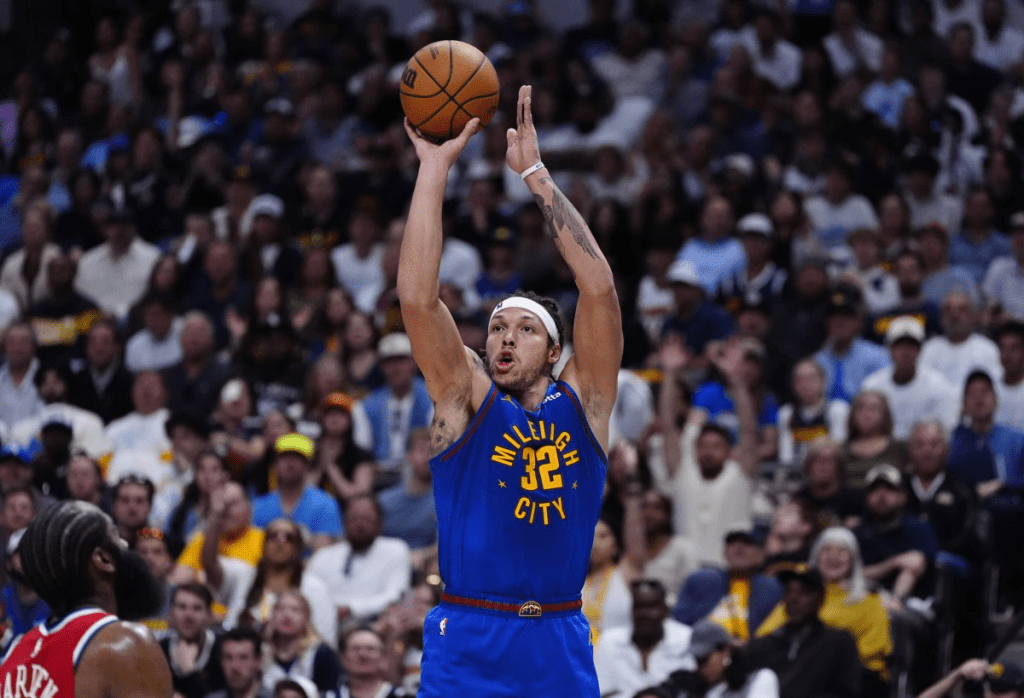
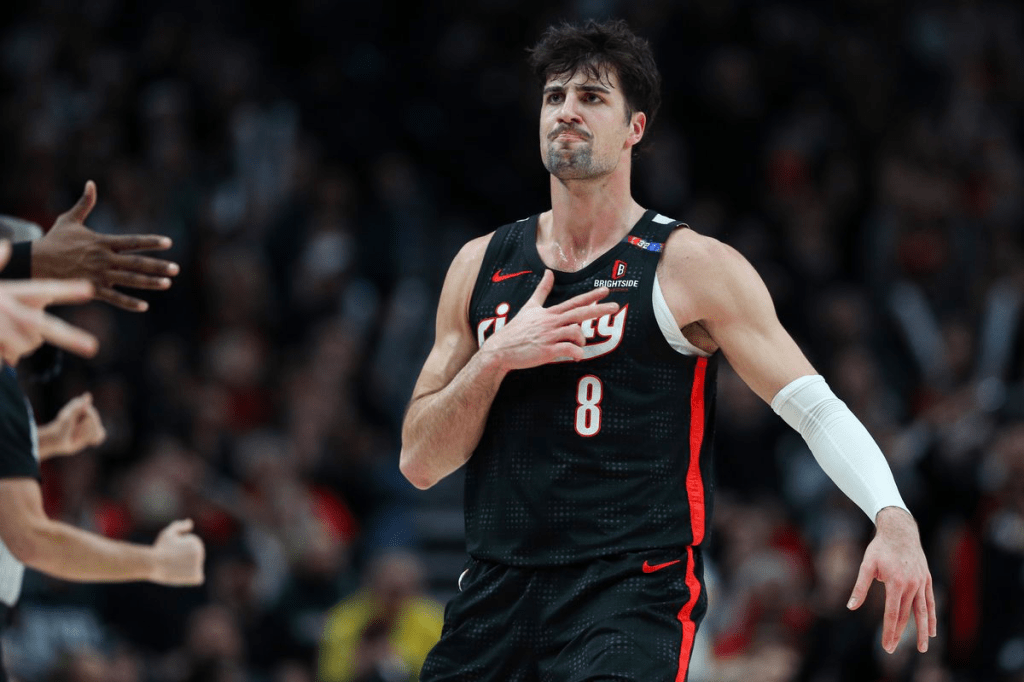
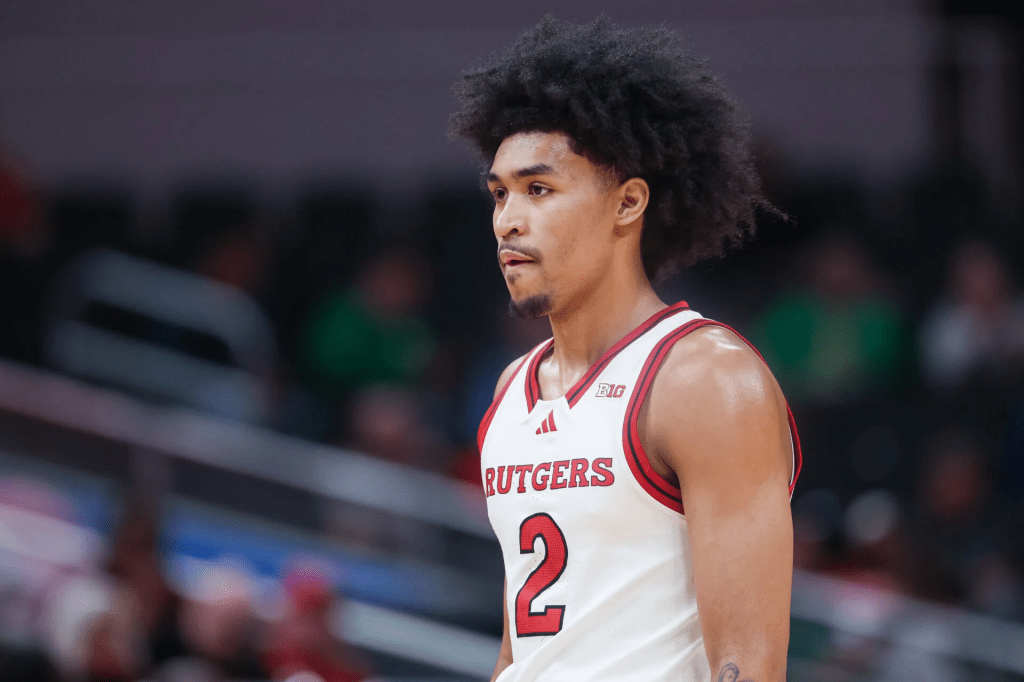
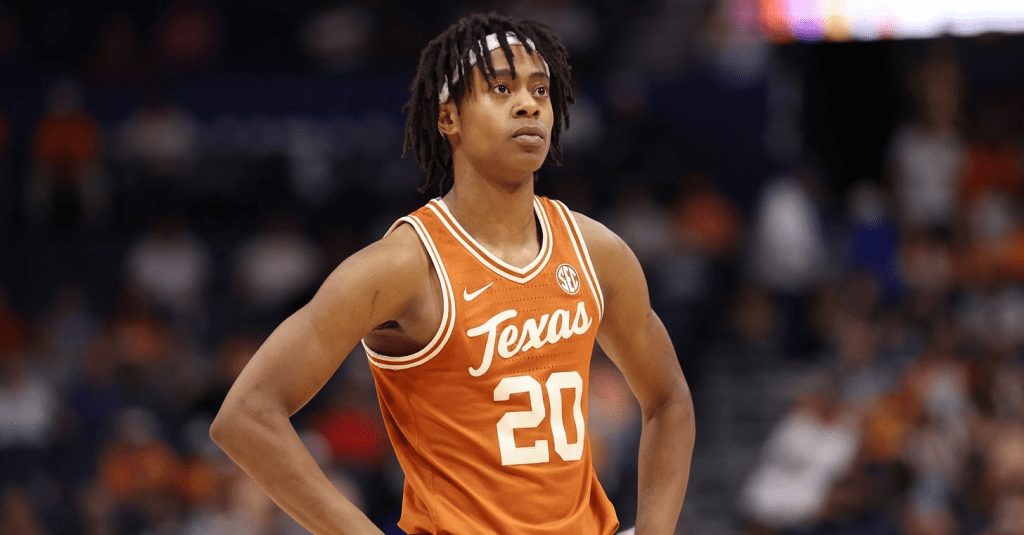
Every year, it seems like more and more NBA teams wake up to the idea that two-way contracts are a meaningful pipeline for player development. Twenty-six players were converted from two-way contracts to standard deals during the 2024-25 season, including playoff role players like Scotty Pippen Jr. and Ryan Rollins. Smart teams (Memphis and Miami, for example) have managed to find gems with their two-ways on an annual basis.
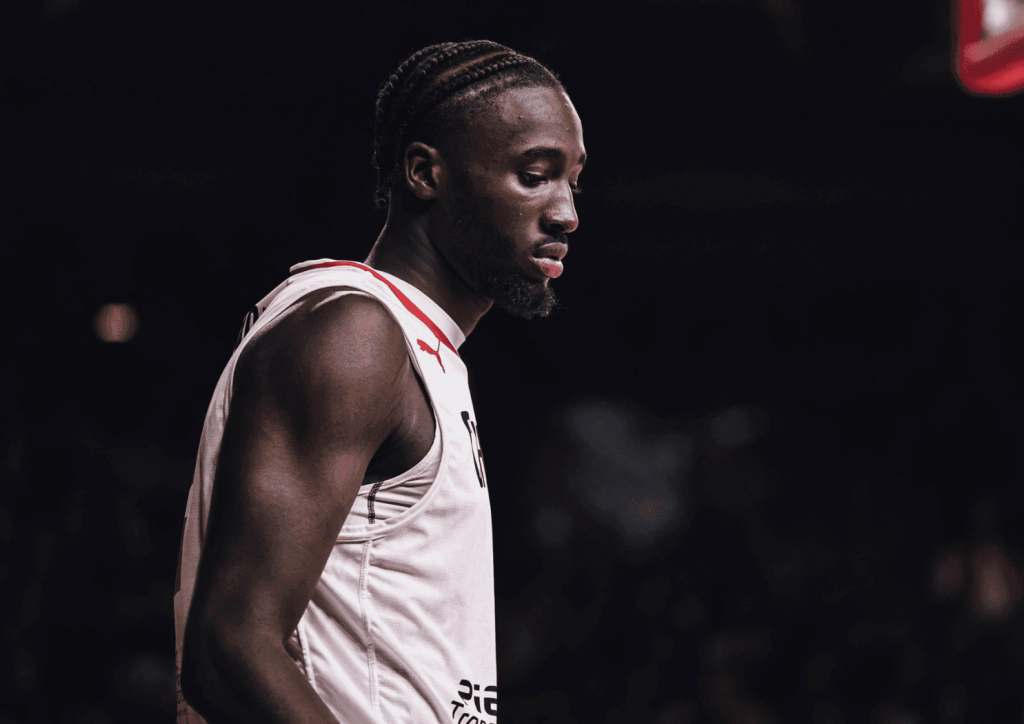
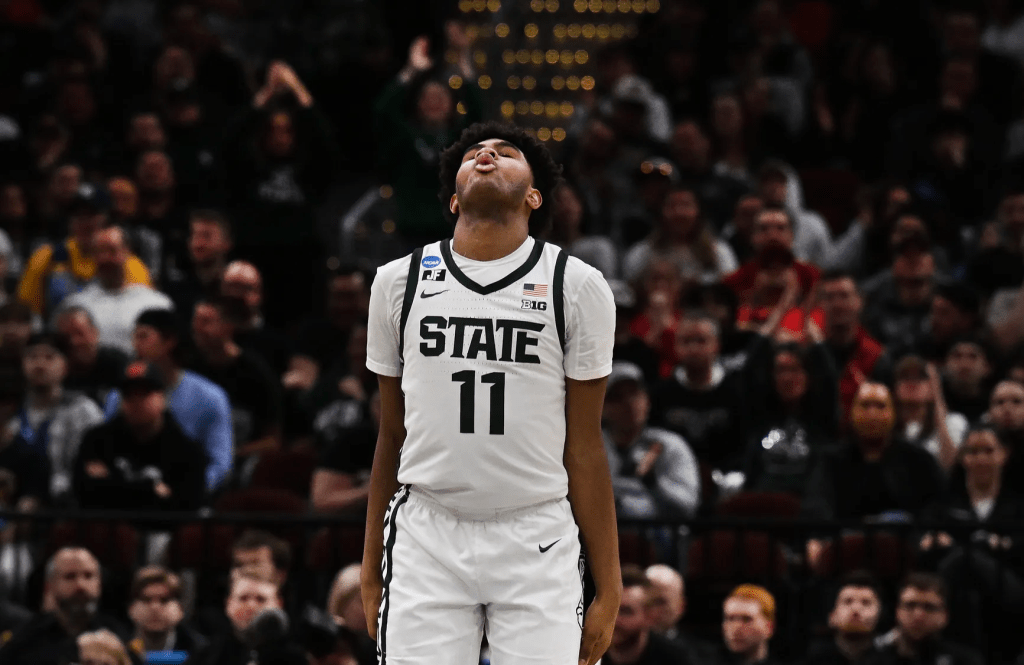
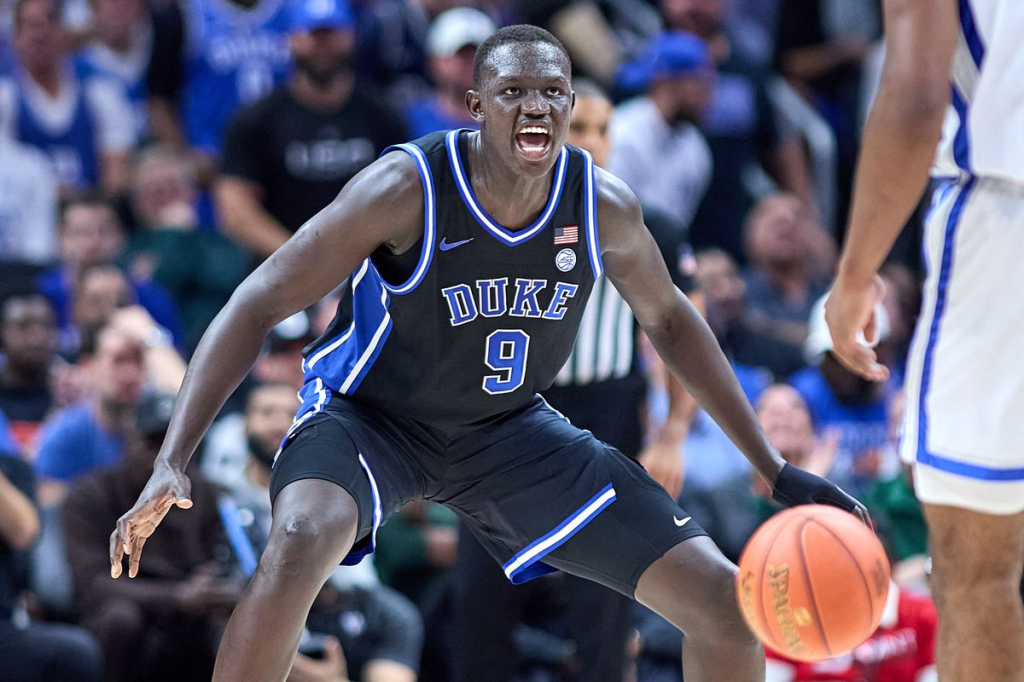
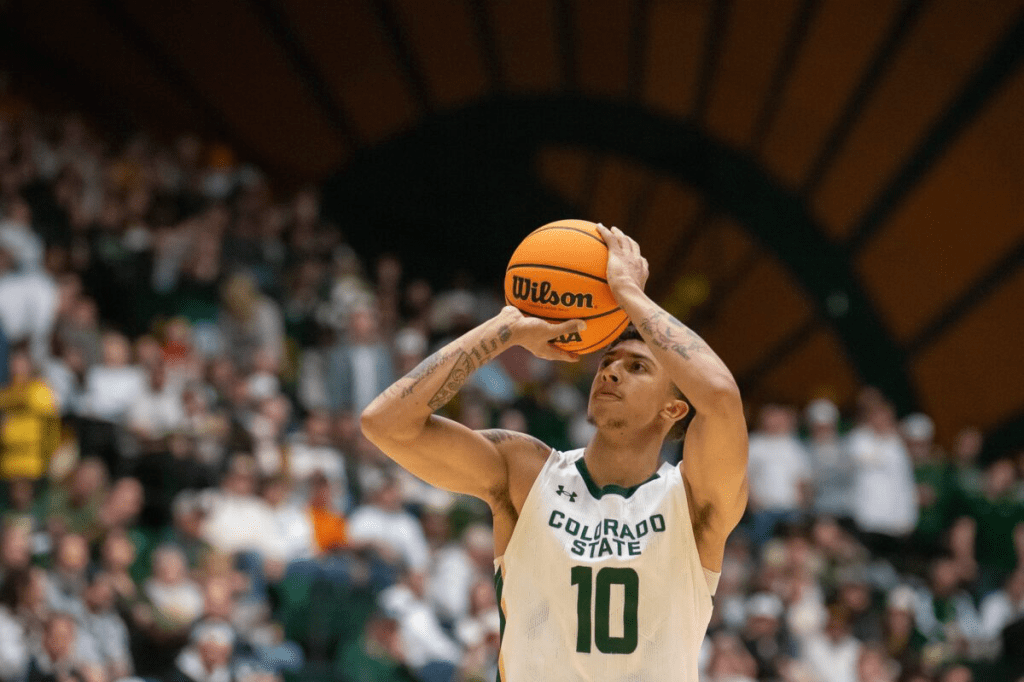
Here are five two-way contract players who have a strong chance at becoming the next two-way contract success stories during the 2025-26 NBA season:
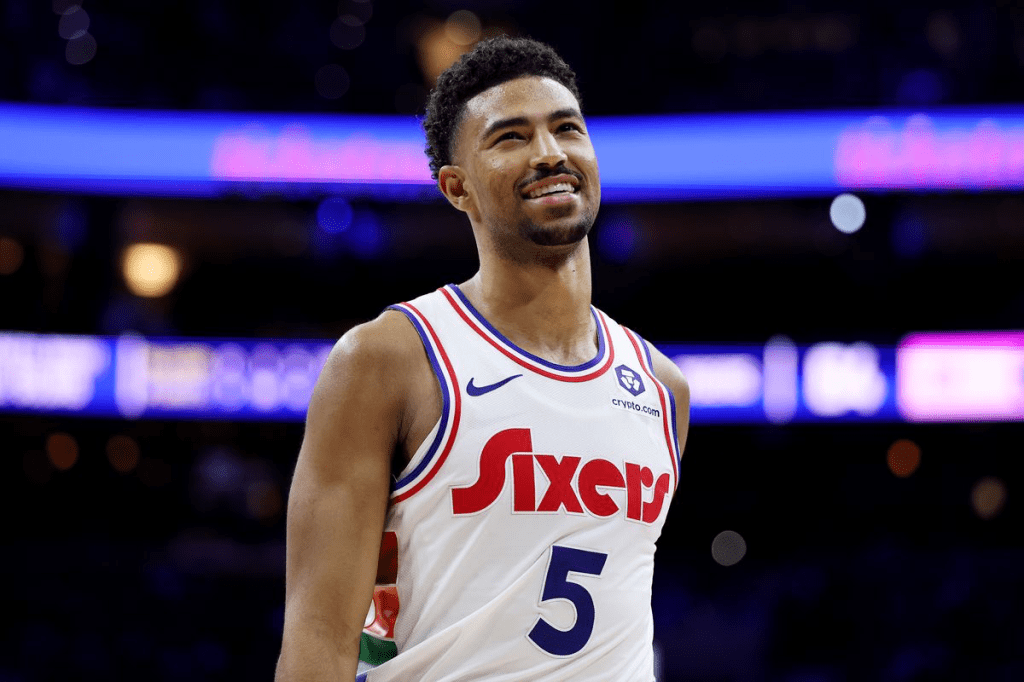
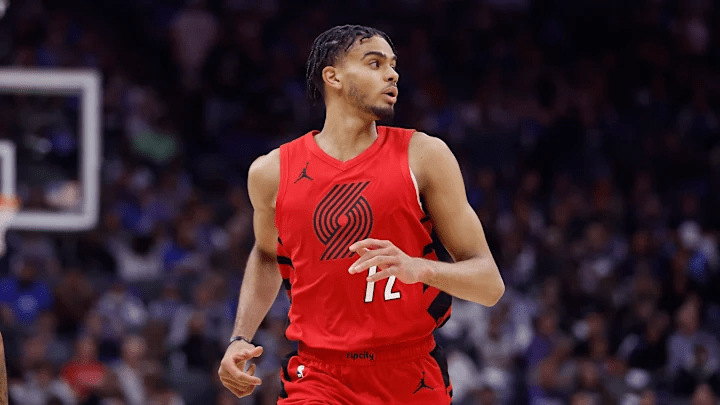
Quenton Jackson (Guard, Indiana Pacers)
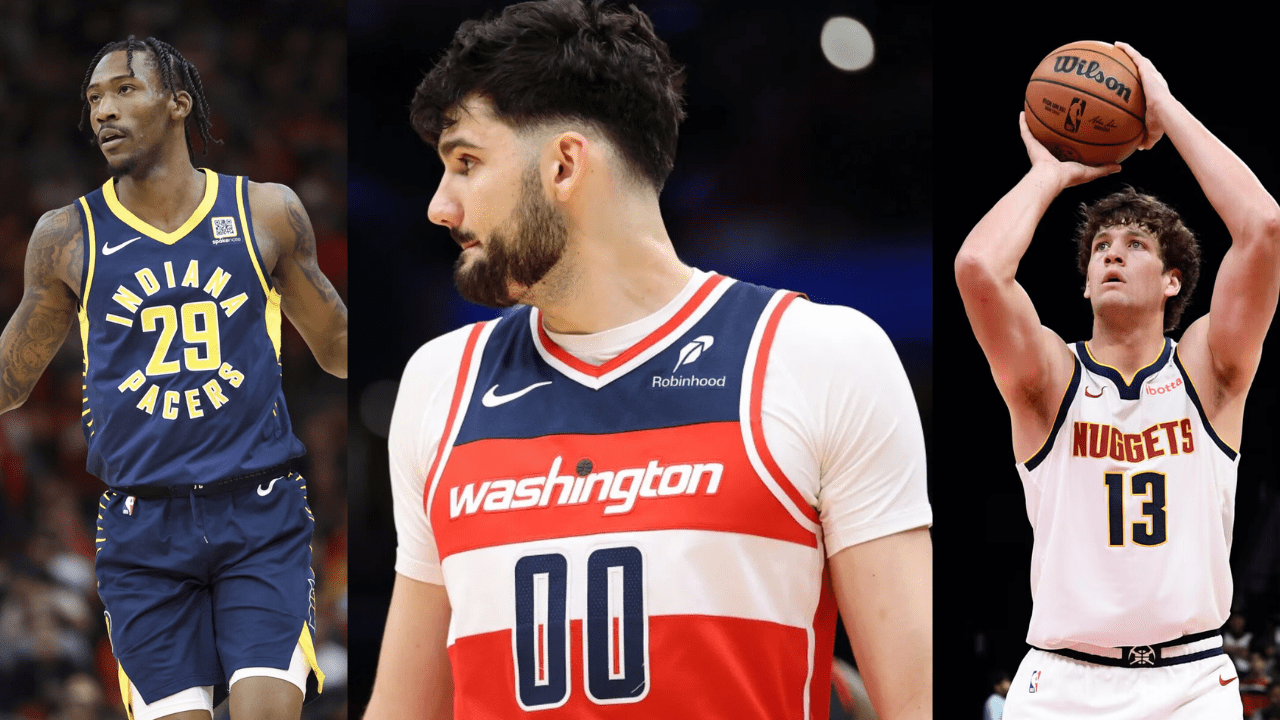
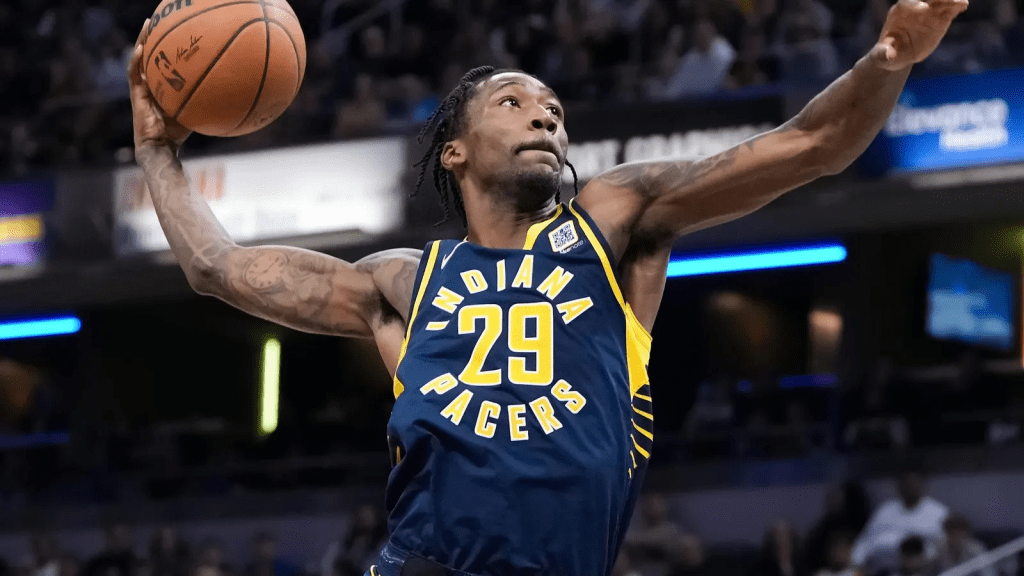
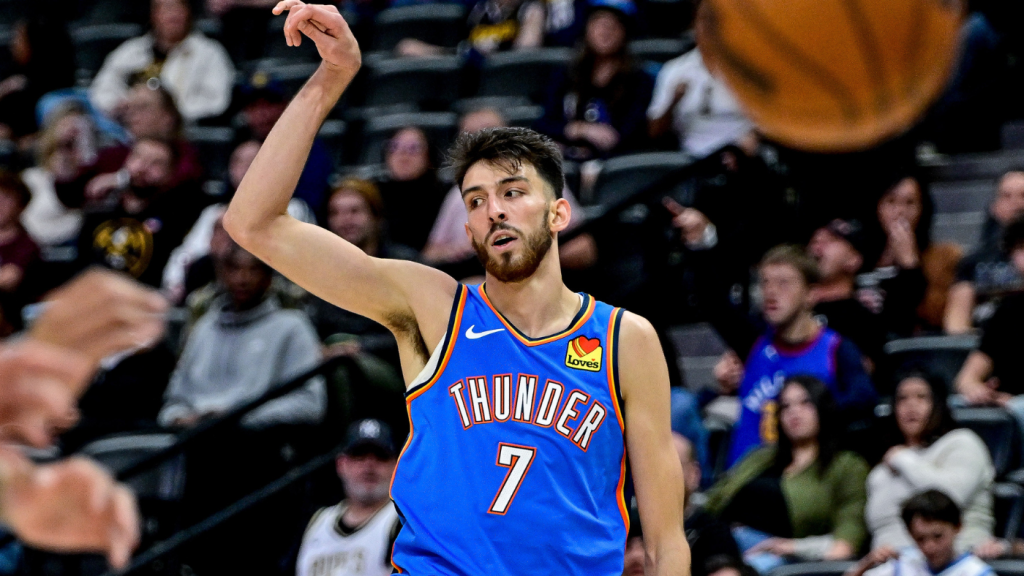
With Tyrese Haliburton out of the picture for a year, Indiana will need other guards on the roster to step up. Andrew Nembhard is a popular breakout candidate for that reason, but Quenton Jackson could also make an out-of-left-field leap with increased opportunity. Jackson has had some productive moments in the league already. He averaged 9.1 points on 50/47/69 splits in seven starts and 5.8 points on 47/37/77 splits overall last season. The explosive guard can score effectively, especially as a slasher, but he’s also made strides as a ball handler/playmaker in his career. If he keeps trending upward in the floor general department, “Fly Guy Q” could find himself as a full-time rotation player.
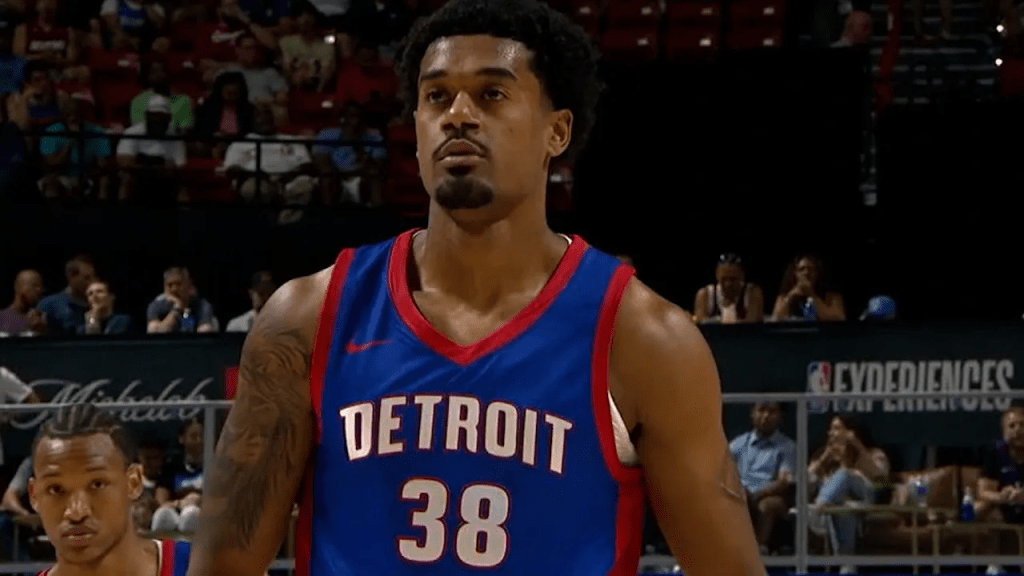
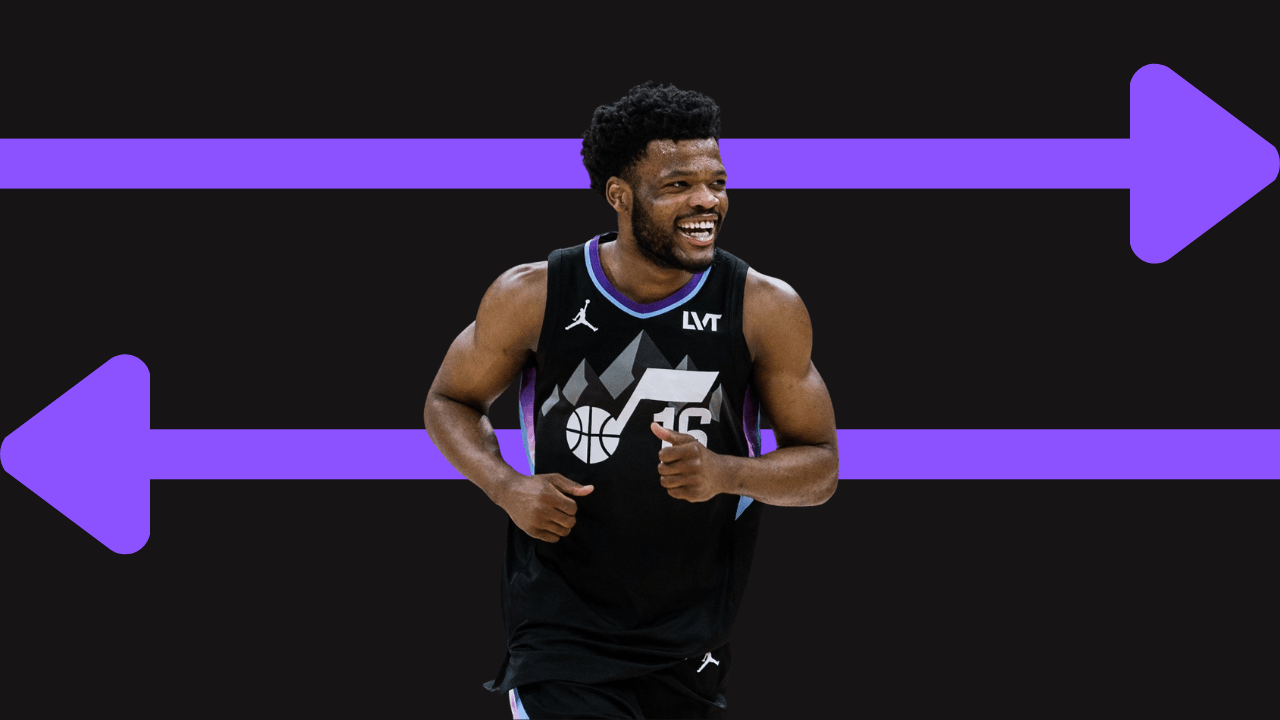
Elijah Harkless (Guard, Utah Jazz)
The Jazz as a whole lack grit and defensive aptitude. Their core guards (Isaiah Collier, Keyonte George, Walter Clayton Jr.) are all offensively inclined. Elijah Harkless could be the spark of energy the team needs in the backcourt. The second-year man is a stubborn stopper on the perimeter defensively and a determined rebounder as well. Most importantly, he doesn’t need the ball to impact the game, meaning he could share the court with Utah’s young prospects without stepping on their development. For more on Harkless, check out this article from July.
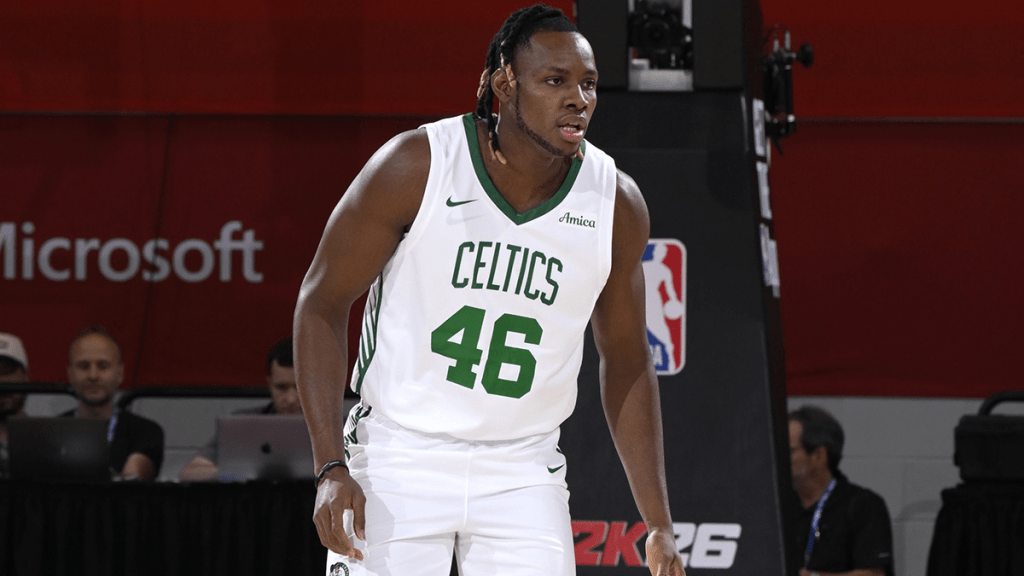
Jackson Rowe (Forward, Golden State Warriors)
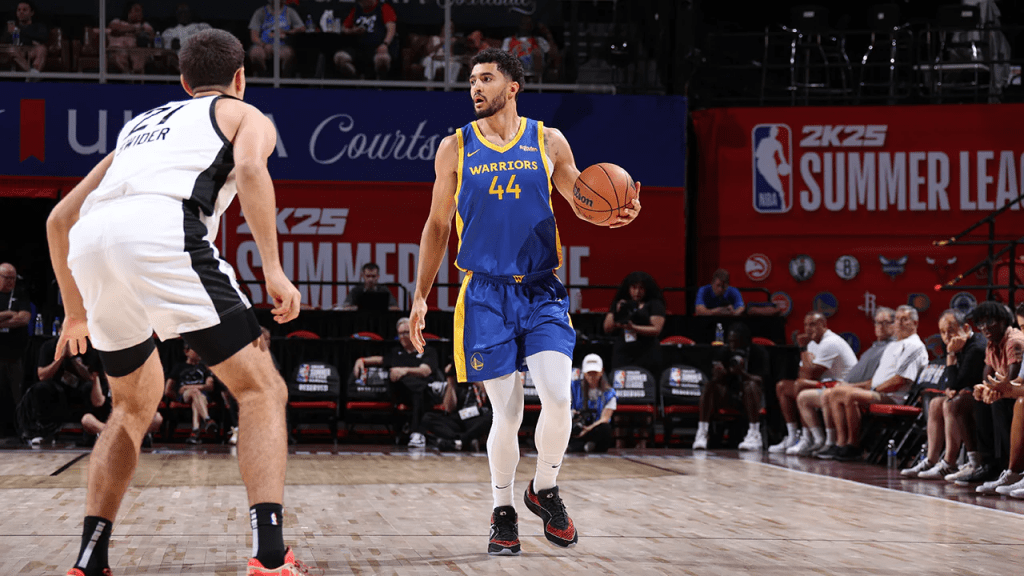
Golden State has done an excellent job utilizing their two-ways in recent years, unearthing quality contributors such as Ty Jerome, Quinten Post and Pat Spencer. Steve Kerr trusts every man on his bench and gives each guy a chance. Jackson Rowe could be the next rotation piece to emerge from their two-way program. The sophomore stands at 6’7” with a strong frame and has all the ideal traits for a complementary forward. He spaces the floor, cuts sharply and gets after it on the glass. Rowe will turn 29 this season, but his age/experience should only boost his odds of making an impact on winning in 2025-26.
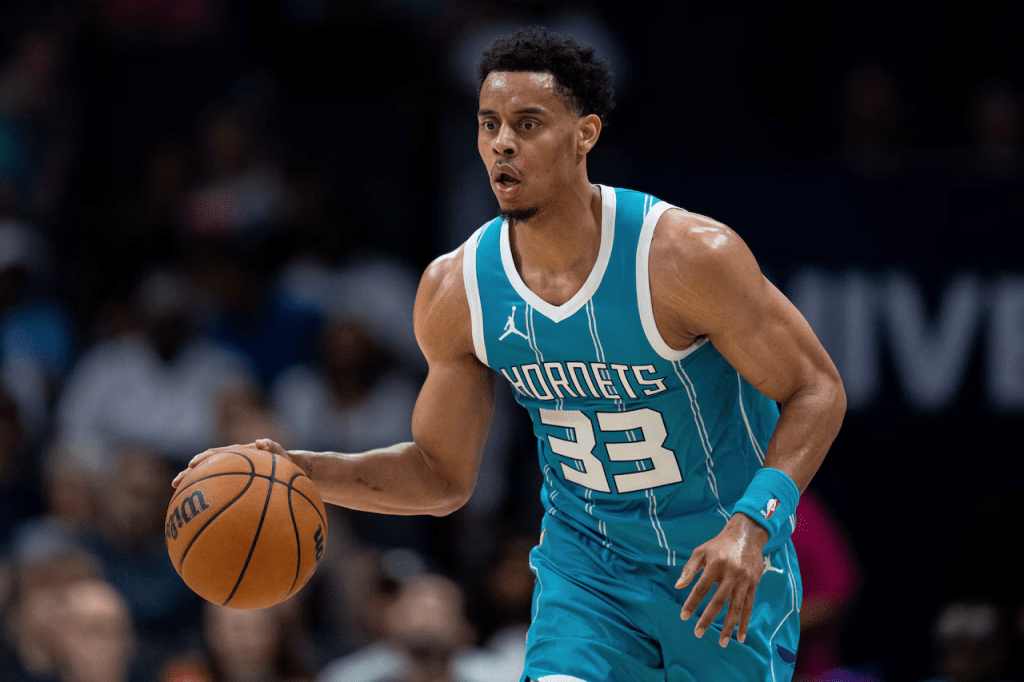
PJ Hall (Big, Memphis Grizzlies)
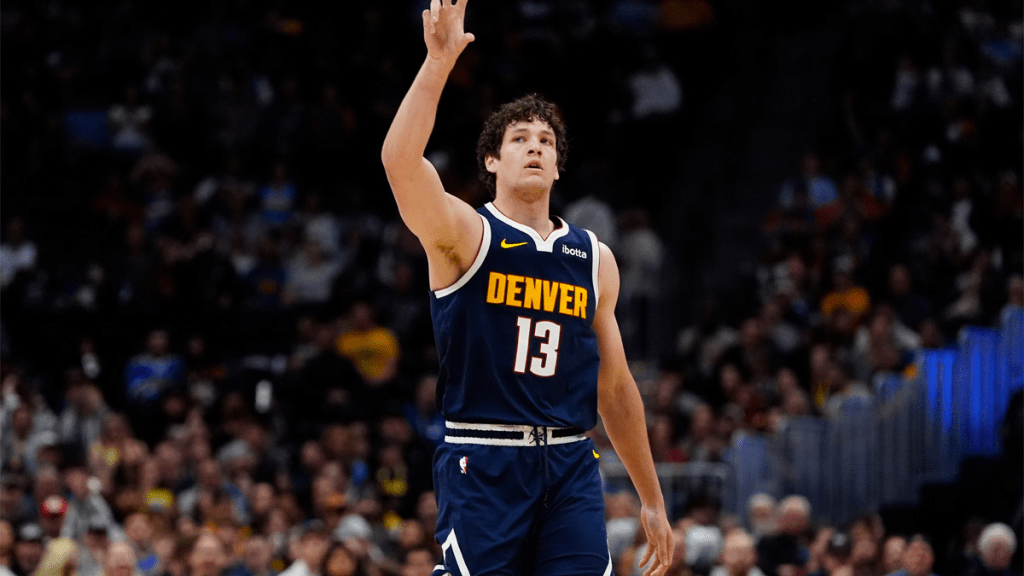
After an impressive career at Clemson, PJ Hall surprisingly went undrafted in 2024. He barely saw the floor as a rookie with Denver last season, playing just 3.5 minutes a night. This year, though, the script should flip. The Grizzlies have a shallow frontcourt, especially while Zach Edey is out, meaning Hall’s number may be called early on. The big man has the potential to be the next Jay Huff with his toughness and inside-outside versatility. If he shows out, Hall could become Memphis’ full-time backup five.
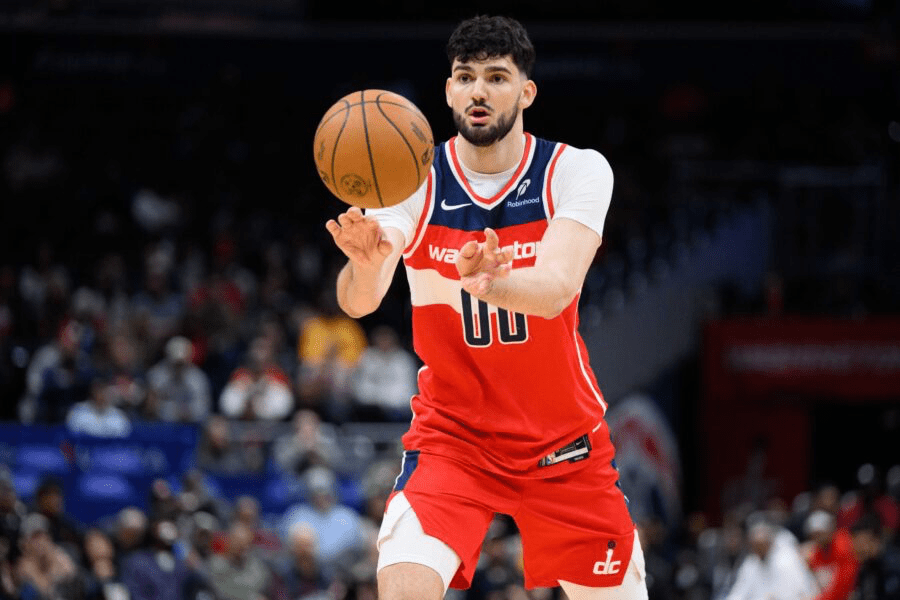
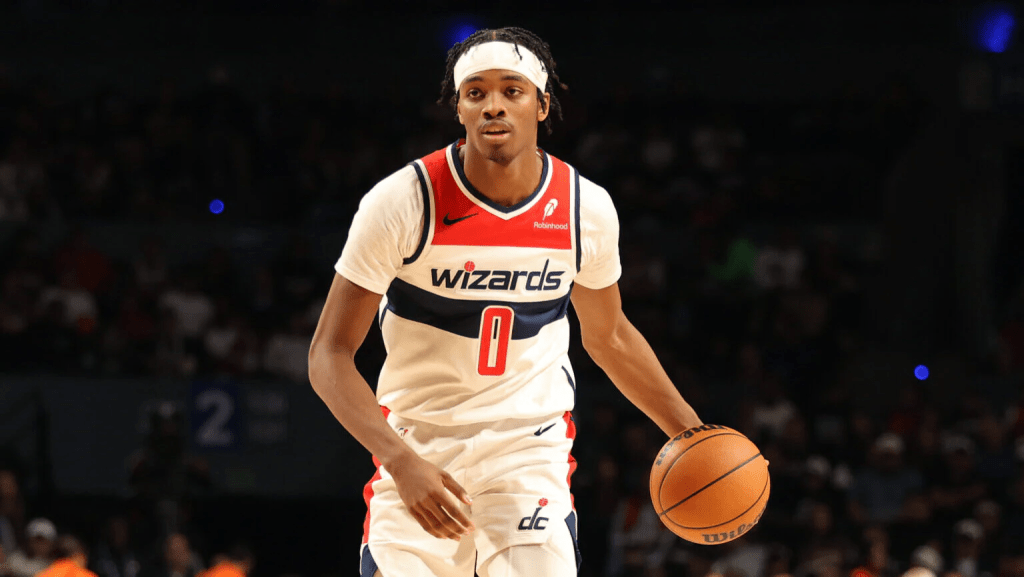
Tristan Vukcevic (Big, Washington Wizards)
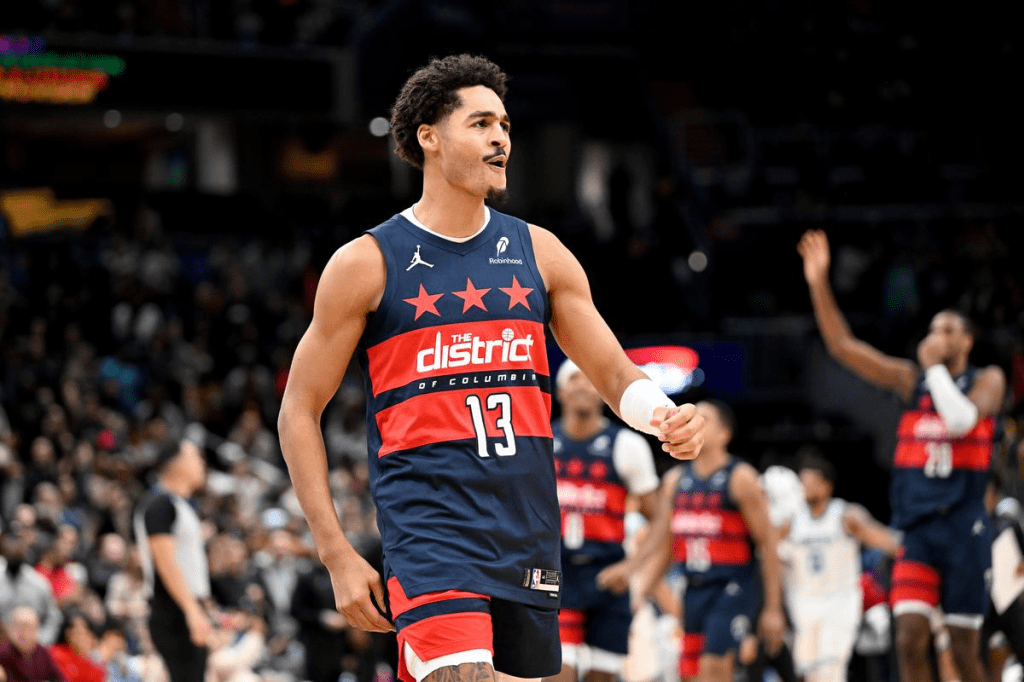
Vukcevic offers an enticing perimeter skillset at the five spot. He shot 37.3% from deep last season, and he can hit contested and rhythm jumpers. His jumper is much cleaner than the average center’s. The 22-year-old is also comfortable putting the ball on the deck and attacking a closeout. Through two campaigns with the rebuilding Wizards, Vukcevic hasn’t found a stable role yet, but 2025-26 could be his year. It’s easy to picture him and Alex Sarr sharing the court for long stretches in the frontcourt.
Honorable mentions for this list include Keaton Wallace, Nae’Qwan Tomlin, RayJ Dennis, E.J. Liddell and Amari Williams. Overall, the league’s two-way contract pool is rich with talent and teams will be rewarded if they invest in their guys.
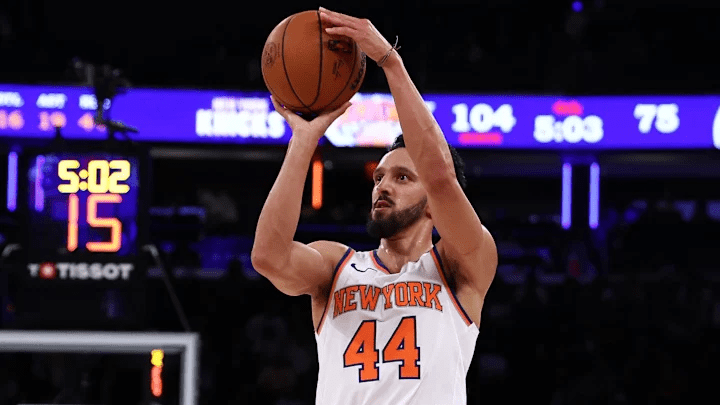
The New York Knicks have been busy over the last couple days, working out several free agents and subsequently inking a flurry of training camp deals. The batch of tryout players includes players of all ages and positions, including some former Knicks, setting the stage for an intriguing camp battle. The team has two open roster spots (plus two two-ways), but only have the financial means to bring in one vet minimum player. The other spot can only be filled by a rookie-scale minimum player at this point.
Let’s go over the pros and cons of potentially signing each Exhibit 10 guy to a regular-season deal, and decide who would ultimately be the best fit for New York.
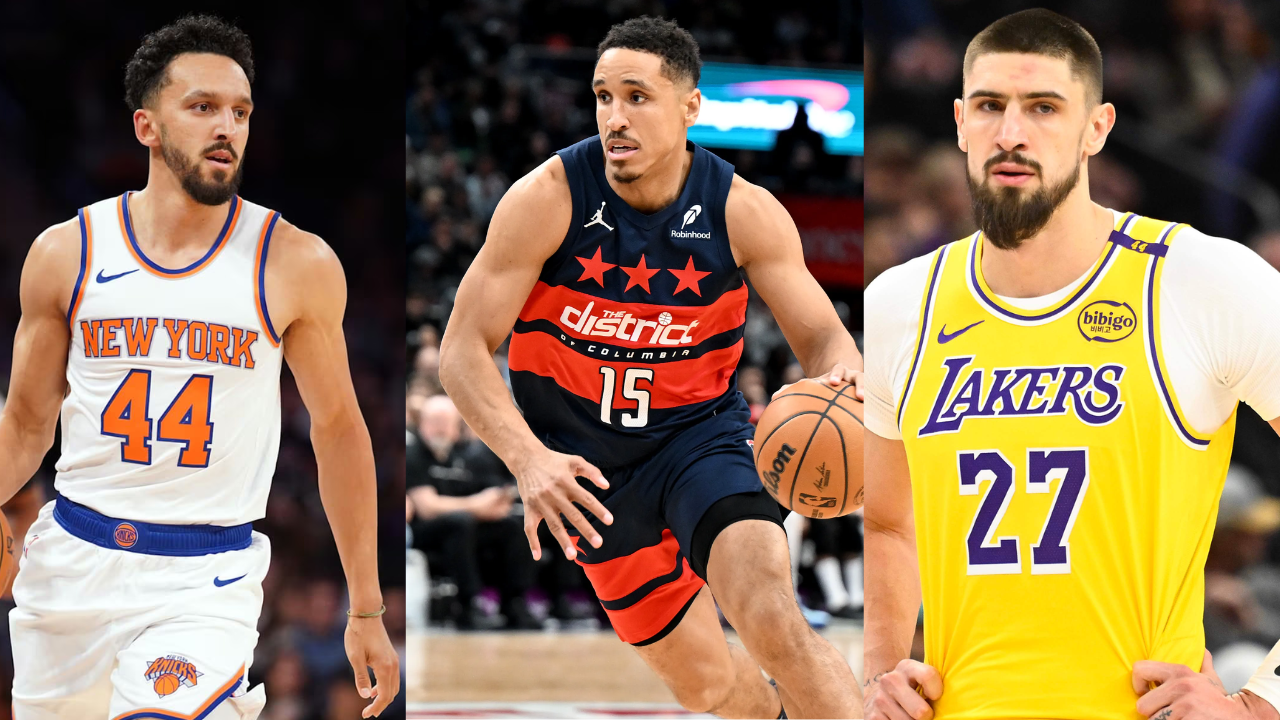
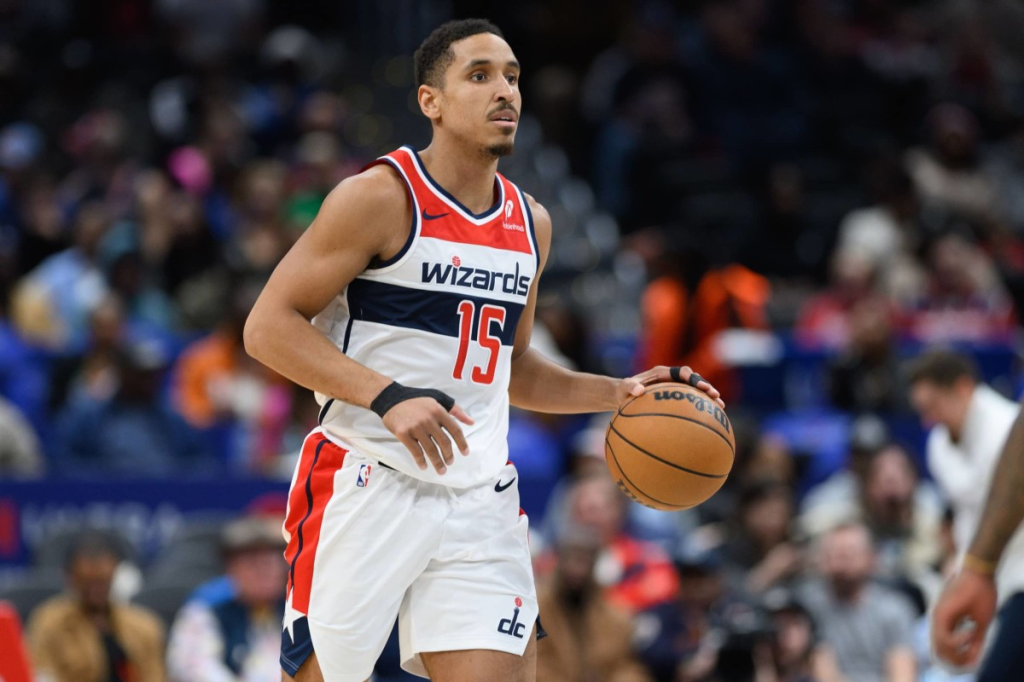
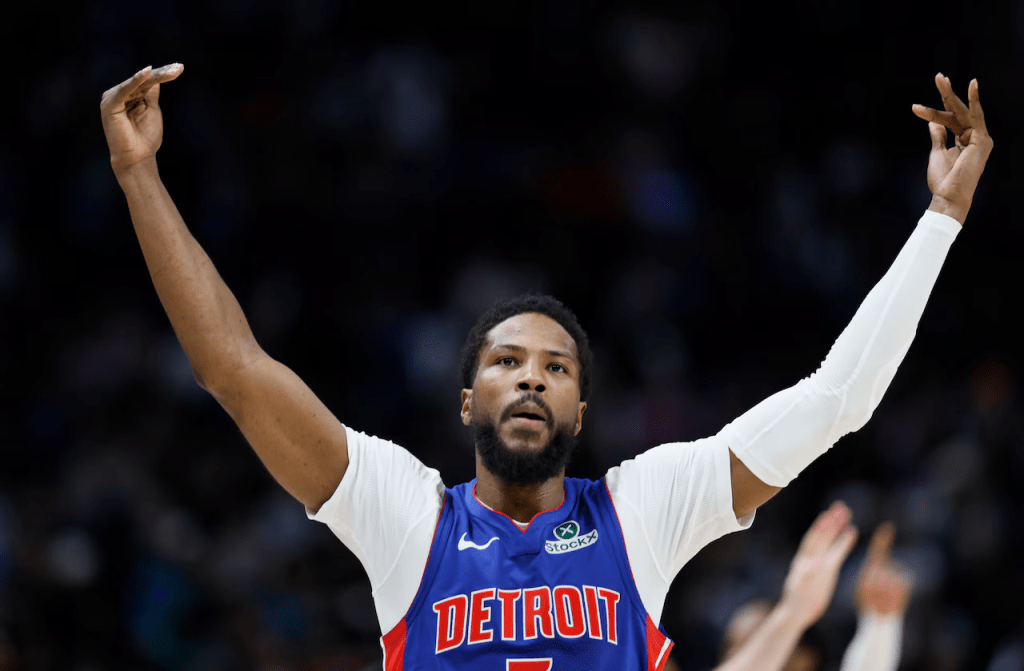
Malcolm Brogdon (vet minimum)
Pros: Brogdon is far and away the best player in this group, and has the highest chance at being a playoff rotation contributor. He clearly deserves to be on a 15-man roster somewhere. The veteran guard is only two seasons removed from his Sixth Man of the Year award and can still operate at a solid level off the bench. He averaged 12.7 points and 4.1 assists in 23.5 minutes per game for the Wizards in 2024-25.
Cons: The former Rookie of the Year struggles majorly with injuries. He’s played less than 40 games in three of the last four seasons. If he can’t be relied on to stay healthy, the Knicks may want to look another direction.
Landry Shamet (vet minimum)
Pros: Shamet spent 2024-25 with the Knicks and performed well in a reserve role. He played some good minutes in the postseason, knocking down timely threes and competing on defense. While his ceiling is low, Shamet is a proven bench player in this league who Mike Brown could trust in high-leverage contests.
Cons: His ceiling is low. Shamet can be good in 10-15 minutes, but anything past that is pushing it, especially in a playoff game.
Garrison Mathews (vet minimum)
Pros: Like Shamet, Mathews can be a valuable weapon to keep in the back of the rotation. He’s an all-world-caliber shooter, probably more dynamic in that area than Shamet. It’s easy to see him getting hot and swinging the tide of a few regular season games for this team.
Cons: Mathews has only played 17 playoff minutes in his career, and they all came in 2021 with Washington. Not only is he inexperienced in that sense, he just doesn’t project well as a postseason player due to his limited defensive ability and specialist playstyle.
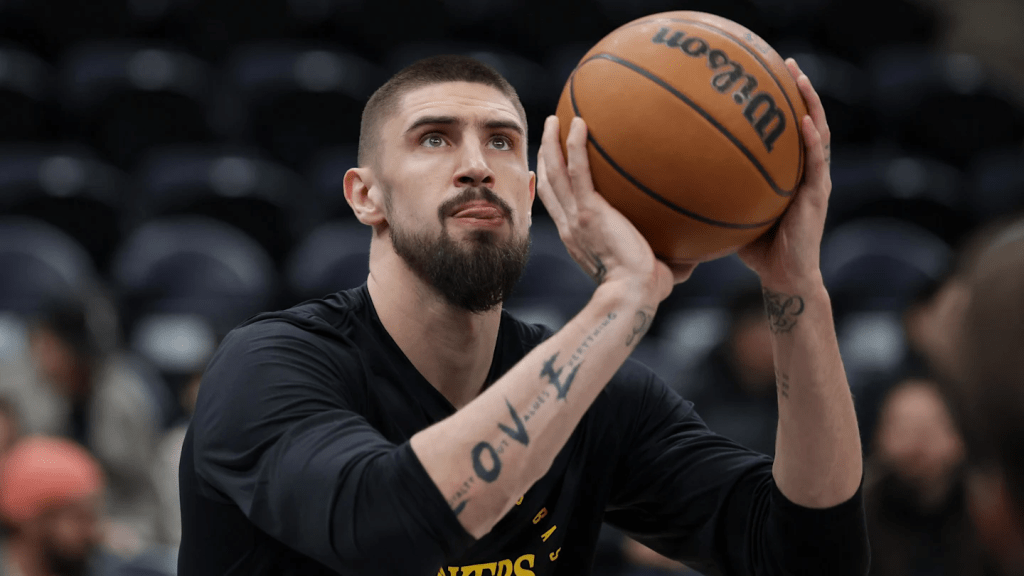
Alex Len (vet minimum)
Pros: Len has played 12 NBA seasons and knows what it takes to be a successful backup. He rebounds, blocks shots, and finishes inside effectively. New York needs some center depth, and Len, if nothing else, can be a trusty third-string big (on paper).
Cons: He might be washed. Len was an awesome per-minute producer as recently as 2023-24, but his play last season with the Lakers was very underwhelming. Signing him would be more of a gamble than most realize.
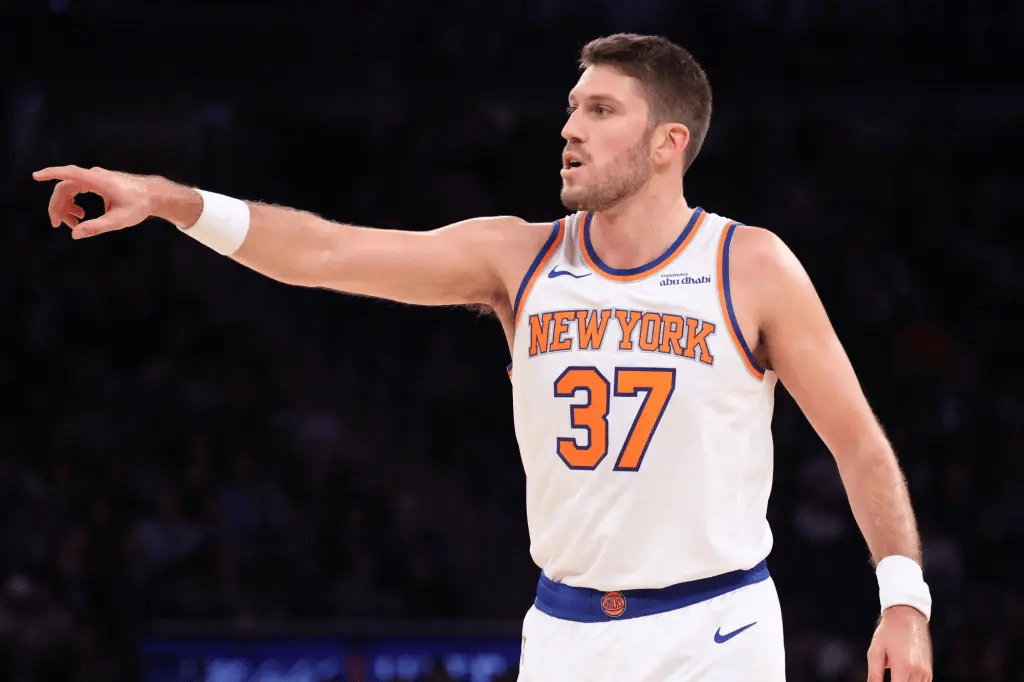
Matt Ryan (vet minimum)
Pros: Ryan is a quality shooter with decent size who can soak up regular season minutes. He’s been around the league and he understands his role. He also has an awesome story.
Cons: There is zero postseason upside with Ryan. He’s a pure specialist. This would be a regular season injury insurance (and locker room vibes) signing, nothing more.
Mohamed Diawara (rookie minimum or two-way)
Pros: The Knicks drafted Diawara 51st overall this past June. Bringing the 20-year-old over to the NBA now, rather than stashing him, would likely be the best move for his development. There is also a chance he could play some regular season minutes as a rookie, given his advanced physical tools and defensive capabilities.
Cons: Diawara is generally raw, especially on offense. If New York doesn’t anticipate any form of early contribution from the Frenchman, they may be better off stashing him
Tosan Evbuomwan (vet minimum or two-way)
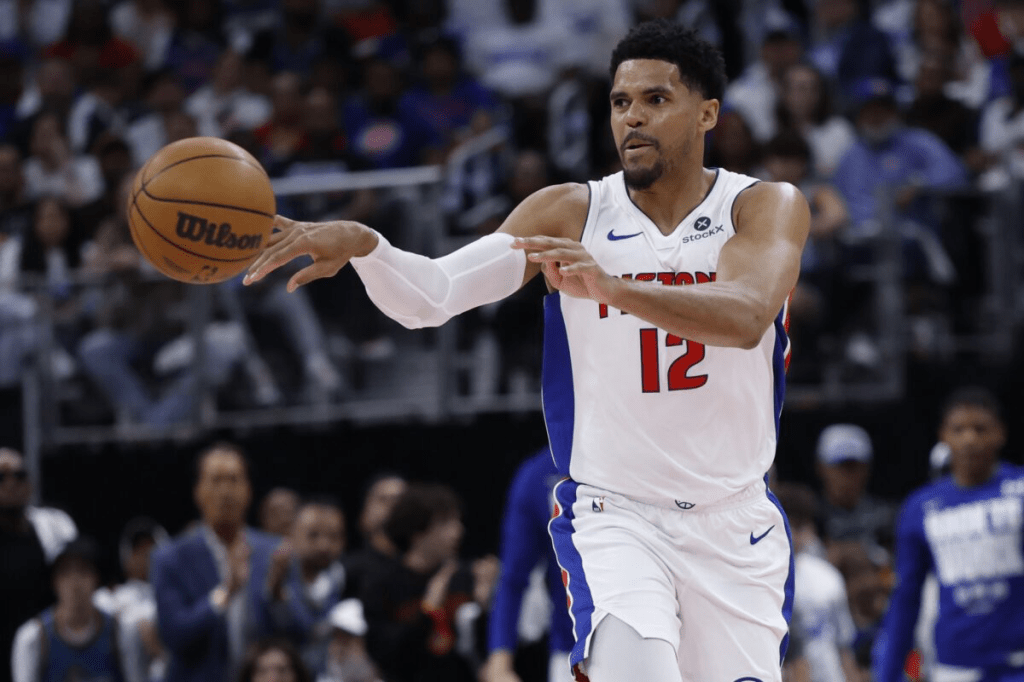
Pros: Evbuomwan is way too good for a two-way, and yet he’s still eligible for one. The Princeton product spaces the floor, finishes at the basket and makes decisions at a pro level. He averaged 9.5 points and 2.0 assists for the Nets last season. It’s tough to picture New York finding a better use of a two-way slot than giving one to Evbuomwan.
Cons: He hasn’t logged any minutes for a competitive team in his two-year career. There’s no guarantee he could translate to a real bench role.
Trey Jemison III (vet minimum or two-way)
Pros: Jemison is more or less a younger Alex Len. He has solid positional size, he catches lobs and he protects the rim. The Alabama native could be the center depth the Knicks are looking for, and they could get him on a two-way, which would allow them to sign someone like Brogdon to a vet minimum (whereas Len would take Brogdon’s spot).
Cons: He isn’t a proven NBA player. Jemison’s brightest flashes came on the awful 2023-24 Grizzlies, where he was thrust into big minutes out of necessity more than anything else.
Dink Pate (rookie minimum or two-way)
Pros: Pate was one of the more surprising undrafted names from the 2025 draft. He’s a high-upside prospect who was once regarded as a borderline top-five pick. Investing a two-way in Pate could pay major dividends for the Knicks in the future.
Cons: There is a <1% chance Pate could play any rotation minutes as a rookie. He’ll require some serious developmental attention that the Knicks may not be willing to provide.
Verdict
So, who should the Knicks keep out of this group? The optimal combination is probably this:
Vet minimum deal: Malcolm Brogdon
Rookie minimum deal: Mohamed Diawara
Two-ways: Tosan Evbuomwan, Trey Jemison III
G League: Dink Pate
It really feels like New York shouldn’t let Brogdon escape their hands, as he could turn into a major difference maker elsewhere. Shamet is the only other vet minimum guy they should legitimately consider if they’re worried about Brogdon’s health.
As only a rookie can fill their 15th standard roster spot, bringing in Diawara over Pate is the pretty obvious choice. Pate could spend the year with Westchester and iron out his game before getting called up.
Lastly, there is no reason why the team shouldn’t take advantage of having two potential regular season rotation guys (Evbuomwan and Jemison) on two-way deals, especially since one fills a position of need.
Veronica Burton has been one of the most improved players in the WNBA throughout the 2025 season. Supercharged by opportunity and belief from coaches in Golden State, she’s grown from a low-efficiency, low-production bench player to an All-Star talent. She averaged 11.9 points and 6.0 assists as the leader for a Valkyries squad that made the playoffs in their first season as a franchise.
While her pull-up shooting and adamant perimeter defense are impressive, Burton’s development has primarily been fueled by her playmaking. She’s one of the best passers in not just the W, but basketball, period. The 5’9” guard is one of the last true pass-first PGs in the sport, and she’s flourished in a dying archetype by mastering the simple stuff.
In a game with so many spectacular athletes capable of making insane highlight plays, the fundamentals often go overlooked by fans and analysts alike. Burton has achieved stardom from mastering the things that don’t stand out to the untrained eye, or that the average person would consider unexciting. Her impeccable passing isn’t the flashy kind. She makes her impact by delivering entry, pocket, and kickout passes so pinpoint it’s like she’s a robot programmed to do so. Every type of bounce, chest, and lob pass is in her arsenal. Her natural feel as a punch-and-spray maestro is the driving force of Golden State’s three-point-heavy offense. By excelling at the “boring” skill of passing, she’s separated herself from all the players who neglect the fundamentals in favor of the “fun” stuff (scoring, crazy dribble moves, etc).
Burton is similar to NBA All-Star Tyrese Haliburton in many ways. Both are wicked smart (insert Morgan O’Mally accent here) offensive engines who lead their teams not as high-volume scorers, but elite table setters. Don’t get it twisted, though; both can also get hot in a hurry, especially from beyond the arc. Not only are the two guards continuing to prove the worth of playmaking-minded floor generals, they’re also symbols of the importance of the fundamentals. Just like life in general, there’s so much beauty and value in the simple stuff in hoops. That’s what makes watching players like Veronica Burton such a joy, and why it’s impossible to not be romantic about basketball.
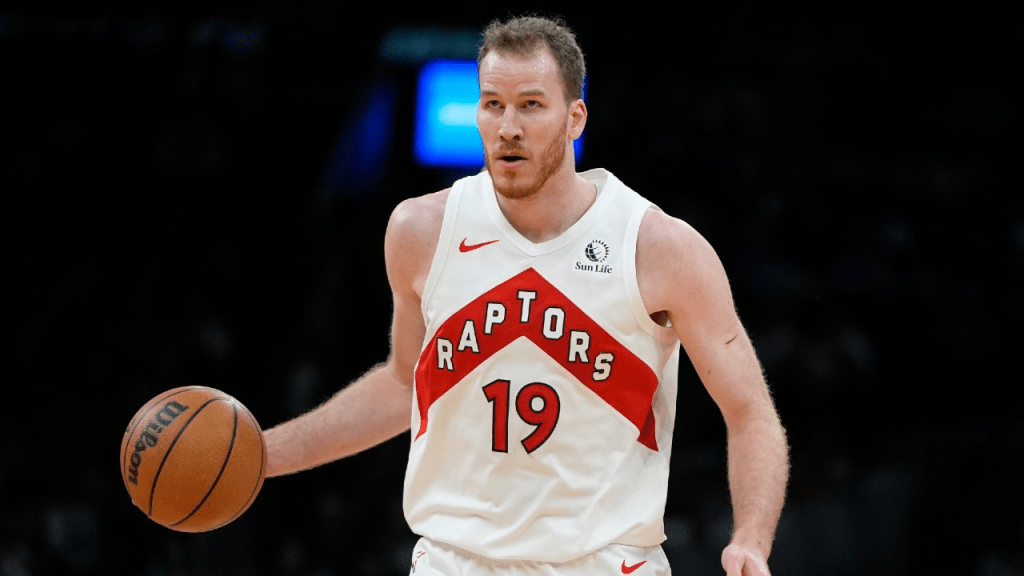
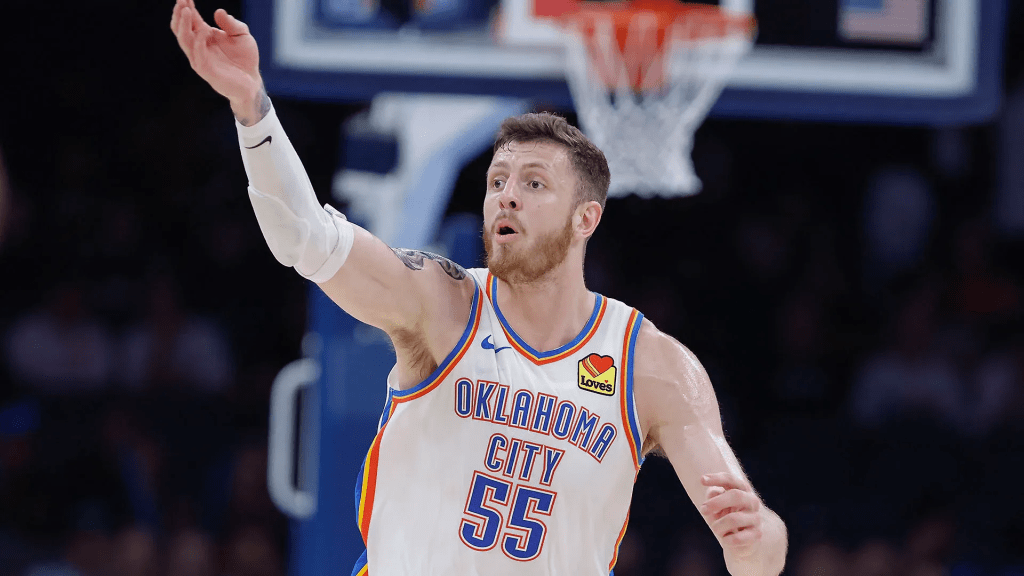
NBA training camp is fast approaching, which means Exhibit 10 deals are being signed in flurries. Most players signing these non-guaranteed tryout contracts will end up being cut once preseason is over. However, a few will inevitably crack the final roster on a two-way, or even a standard, deal. Olivier Sarr, who is going camping with the Toronto Raptors, has a strong chance at being one of those survivors.
As you may have guessed from his last name, Sarr is the (elder) brother of 2024 second-overall pick Alex Sarr. The 7’0”, 237lb big man has three years of NBA experience under his belt, all with the Oklahoma City Thunder. He missed the 2024-25 season with a ruptured Achilles, but a fruitful comeback may be on his horizon.
Like his little bro, Sarr has a versatile two-way skillset and can impact the game in multiple ways on both sides. He’s a towering presence in the paint with some perimeter juice too. As a rim protector, Sarr is very disciplined and impactful, especially in drop coverage. He has impressive standing reach and he knows how to best position himself to alter shots. The Frenchman delivered 1.3 blocks per 75 possessions in 2021-22, the season in which he played the most NBA minutes, while grading out as a 91st percentile rim protector according to BBall Index. In the G League in 2023-24, he swatted 2.2 shots a night.
Offensively, Sarr is a versed roll man and dunker spot finisher with a knack for finding gaps in the defense off-ball. His standing reach is one again an asset here, as he can sky up for a catch above defenders and throw down lobs. The Kentucky product can also be used as a pop big— he’s a comfortable spot-up shooter who has hit 37.2% of his career triples.
Sarr would be a nice fit on the Raptors as a backup. Their spacing looks a little shaky on paper, especially with Jakob Poeltl in the lineup, so adding a stretch five like Sarr into the fold could be useful. The team did sign Sandro Mamukelashvili, a talented frontcourt scorer, but he’s nowhere near the defender Sarr is. On top of that, Sarr fits Toronto’s favored archetype of versatile frontcourt players with above-average positional size. He could play a role similar to Chris Boucher, the rangy veteran who left for Boston in free agency.
The Raptors currently have 13 of their 15 roster spots filled with guaranteed contracts, and Sarr will be battling with Jamison Battle, A.J. Lawson, and David Roddy for the last two open slots. While he isn’t head-and-shoulders better than any of those three, he would make more sense as a signing, as Toronto already has a lot of talent at the wing positions (Scottie Barnes, Brandon Ingram, RJ Barrett, Gradey Dick, Ochai Agbaji, etc). Overall, Olivier Sarr is a name to keep an eye on heading into preseason as a potential hidden gem.
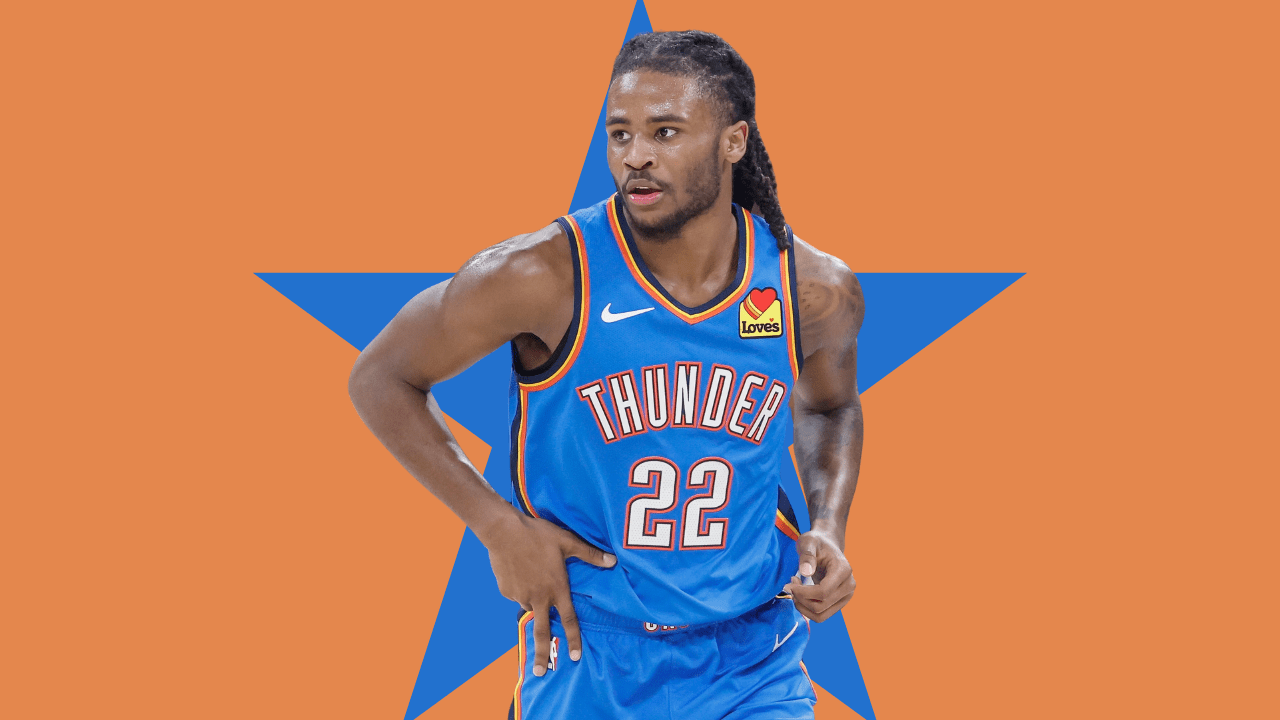
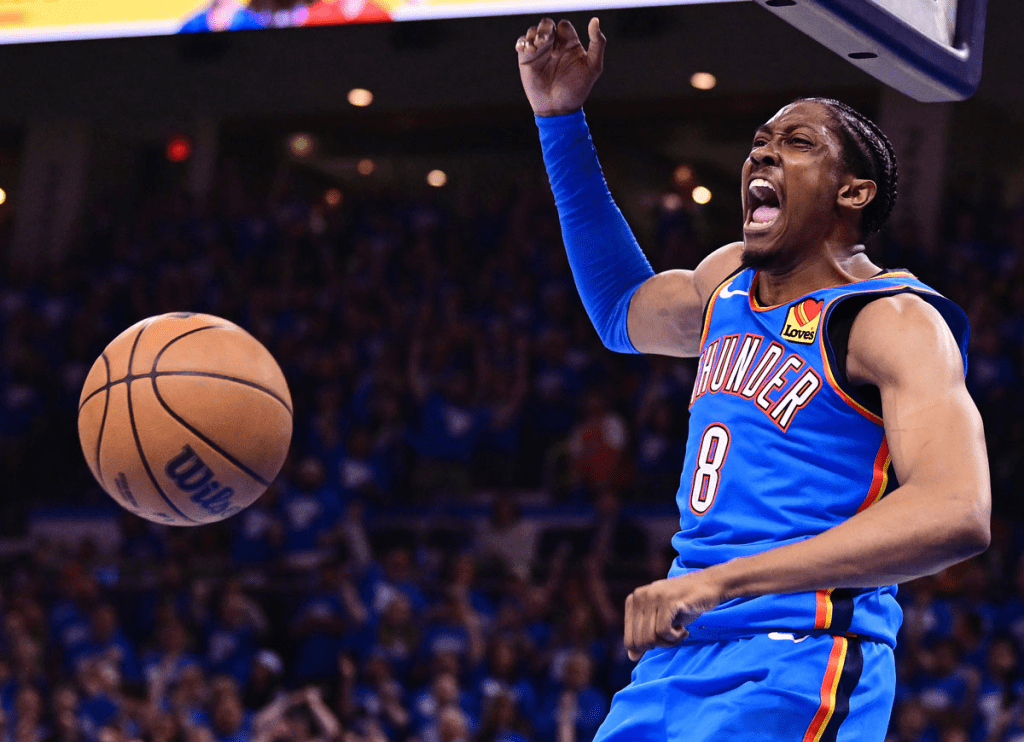
The Oklahoma City Thunder have the brightest future in the NBA, and it’s not just because they’re the reigning champs with a 27-year-old MVP and a 24-year-old All-NBA player. It’s not only because of their stockpile of picks, either. People are sleeping on the fact that Cason Wallace, who is their fourth-most important prospect at best (depending on who you ask), is going to be a starter in this league for the next decade.
After making an All-Rookie team in 2023-24, Wallace enjoyed a very successful sophomore campaign last season. The former 10th overall pick started 43 games in the regular season for the eventual champs, averaging 8.4 points and 1.8 steals while seriously contending for an All-Defensive nomination. In the playoffs, even when his shot wasn’t falling, he was an integral part of OKC’s title push, playing 22.4 minutes a night. Now, heading into year three, Wallace is primed to improve and become even more impactful. Here’s a breakdown of his game on both ends and what it will take for him to break out in 2024-25.
Offense
On this loaded Thunder squad, Wallace is almost exclusively tasked with a supporting role. He’s assigned a lot of hands-off work, with most of his shot attempts being of the open, assisted, off-ball variety. Over 98% of his threes came by way of helpers last season, and he operated on an 100th percentile 3PT shot quality diet (per BBall Index), meaning he had plenty of time and space to set his feet and line up the laces. He shot just 35.6% from deep overall in 2024-25, which isn’t an ideal output given his typical shot demographic, but he’s a better shooter than the numbers suggest. Real hoopers know that sometimes the in-rhythm, slightly contested looks are easier to hit than the wide open ones. More space means more time to overthink. Wallace is generally competent from beyond the arc. He’s unafraid to keep letting it fly and will take and make some more difficult movement shots. He’s left open so often not because he’s a poor shooter, but because his teammates (mainly Shai and JDub) attract so much help. It’s true that Wallace needs to find some more consistency in his release and increase his efficiency at least a little bit, but there’s no reason to believe he can’t do so.
Even when his shot isn’t on point, Wallace is able to impact the game offensively as a glue guy. He’s a super sharp ball mover who keeps turnovers at a minimum. In 2024-25, he ranked in the 87th percentile in passing efficiency according to BBall Index. The young guard excels as a stationary passer, dishing out timely extras and making plays from the middle of the floor on the short roll or against a zone. He even has some juice as a pick-and-roll ball handler, something we’ll get to later. One skill Wallace needs to work on is his decision-making speed. He placed in just the 50th percentile in quick decision percentage last season (the % of a player’s possessions that lasted under 4 seconds), showing how sometimes he’s either too hesitant to shoot or not quite hasty enough to swing the rock. His passes occasionally lack oomph, something that causes a decent amount of his turnovers. Wallace is a solid shooter and he reads the court well, he just needs to find more comfort in his ability to do those things.
Wallace does a lot of other small things that keep OKC’s offense chugging along. He has a keen sense for cutting/relocating off the ball. He rebounds pretty well offensively for a guard. He’s also a surprisingly good screener and can be used in pick-and-pop or pick-and-roll scenarios. Most impressively, though, he’s a true force in transition. The Kentucky product’s end-to-end speed in the open floor can be blinding, and he’s very assertive in pushing the pace and attacking the rack in fast break/semi-transition scenarios. He’ll bullishly bludgeon the rim with some unexpected high-flying jams or finish tough layups through contact, even with his off hand. This is definitely the play type in which Wallace is the most confident at this point. His halfcourt slashing is more of a mixed bag, with his touch being spotty at times. He prefers to get to his left hand when going downhill, an interesting quirk for a righty player.
As a whole, Wallace is a very capable role player on offense already, but he has a lot of untapped potential left to dive into.
Defense
As mentioned in the intro, Wallace contended for an All-Defensive spot last season, and he may have just flat-out deserved to make it. The Thunder built their championship foundation on their disruptive perimeter coverage, and Wallace was an integral cog of their scheme. His instincts at the point of attack are among the best in basketball. The Texas native has lightning quick hands and gets a finger on virtually every ball that comes his way. He grabbed 2.3 steals per 75 possessions in 2024-25 (95th percentile) and racked up 4.7 deflections (95th percentile). Wallace’s pickpocket ability is out of this world— no ball handler is safe in his vicinity.
On the ball, Wallace is pretty steady and can keep his matchup in front of him reliably. He dances through screens with ease, and finished in the 93rd percentile of BBall Index’s screen navigation metric last season. He’s also eager to take on star opponents— his matchup difficulty graded out in the 90th percentile. The 6’4” guard’s lateral mobility isn’t elite, and he sometimes struggles to contain super speedy guys (T.J. McConnell in the Finals, for example), but he makes up for that with strength and can cover bigger forwards on switches with little trouble. Plus, he has excellent recovery skills and lodges out steals from behind when he does get beat. All in all, Wallace is one of the premier perimeter defensive aces in the league.
Between his courageous clamping chops and complementary offensive game, Cason Wallace has the skillset to be a coveted role player in the NBA for a long time. However, he still has plenty of room to grow, and the path for him to break out needs to start with an increase in usage. Remember how transition is where Wallace is the most confident? That’s because he has freedom when he’s running the break. On most of OKC’s possessions, he’s confined to standing in the corner, waiting for the rock to come his way so he can put up a spot-up triple. That’s all the team really needs from him, given what Shai and JDub can do on offense, but he could blossom into more of a secondary creator, or even a true point guard, if provided the chance to spread his wings. Wallace has shown the ability to operate as a pick-and-roll handler both in college and in the league. He has a knack for jailing his defender on his back hip and creating lanes to score in the in-between, and can also make smart reads as a live-ball passer. Tapping further into this aspect of his game would put Wallace into the Andrew Nembard-type tier of guard.
There is no guarantee the Thunder will give Wallace the opportunity to expand as an on-ball creator in the upcoming season. They’re more focused on winning now than player development. That said, the added experience that comes with another year in the NBA and from competing deep in the playoffs alone will help the 21-year-old hone his skills within his current role. That’s why no matter what way you spin it, Cason Wallace is in for a breakout year in 2025-26.
The offseason is prime time for player rankings. Media giants and small outlets alike crank out top 100 lists (like I did earlier this month) or similar arrangements during the dead period of the news cycle. Many of these lists place emphasis on highlighting the biggest stars in basketball, with offense, box score stats, and accolades being held at the utmost importance. Rarely, though, do people turn their attention solely to the defensive end of the court. Today, I’ve put together a pool of who I’d consider the 75 best defenders in the NBA right now (2025 draftees not included) and separated them into five separate ordered tiers. I made my selections using a combination of the eye test, advanced stats, and trophy cabinets. Defense isn’t black-and-white enough to take a player-by-player approach to this ranking, which is why I went with tiers instead.
Let’s dig in and show some deserved love to the game’s top stoppers.
Tier 1: Best in the World, Perennial DPOY (1-5)
Bam Adebayo
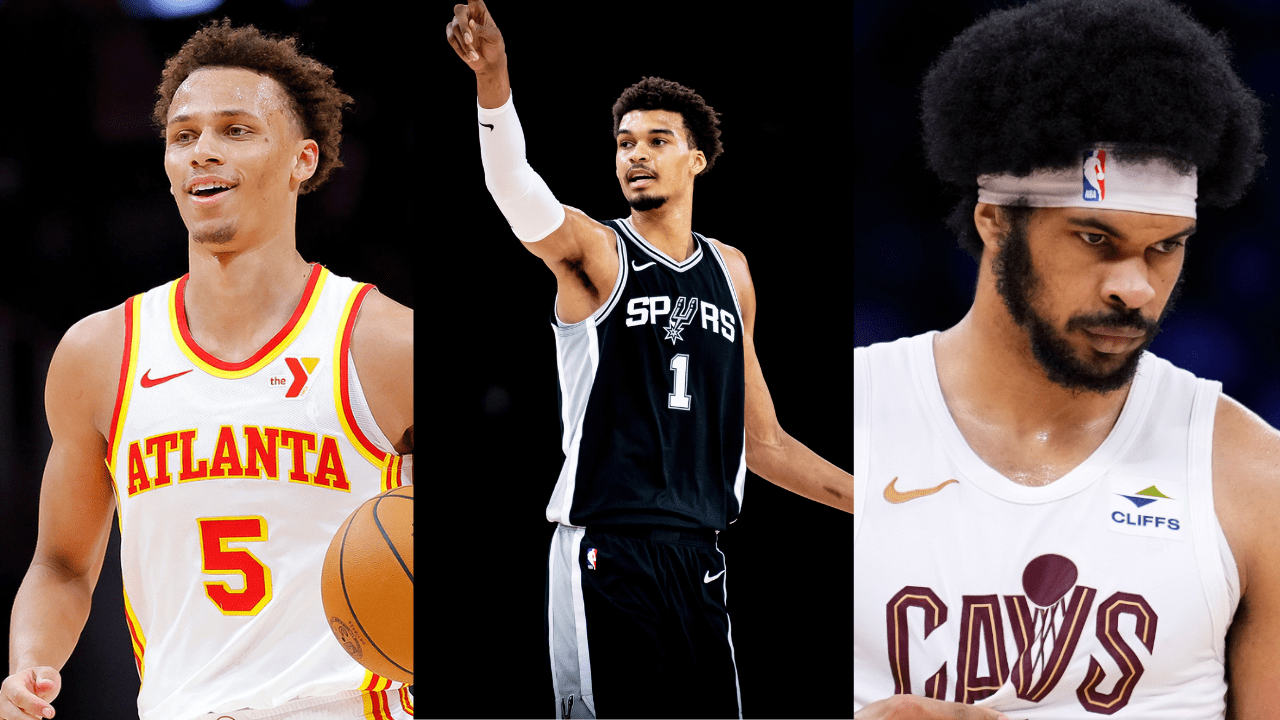
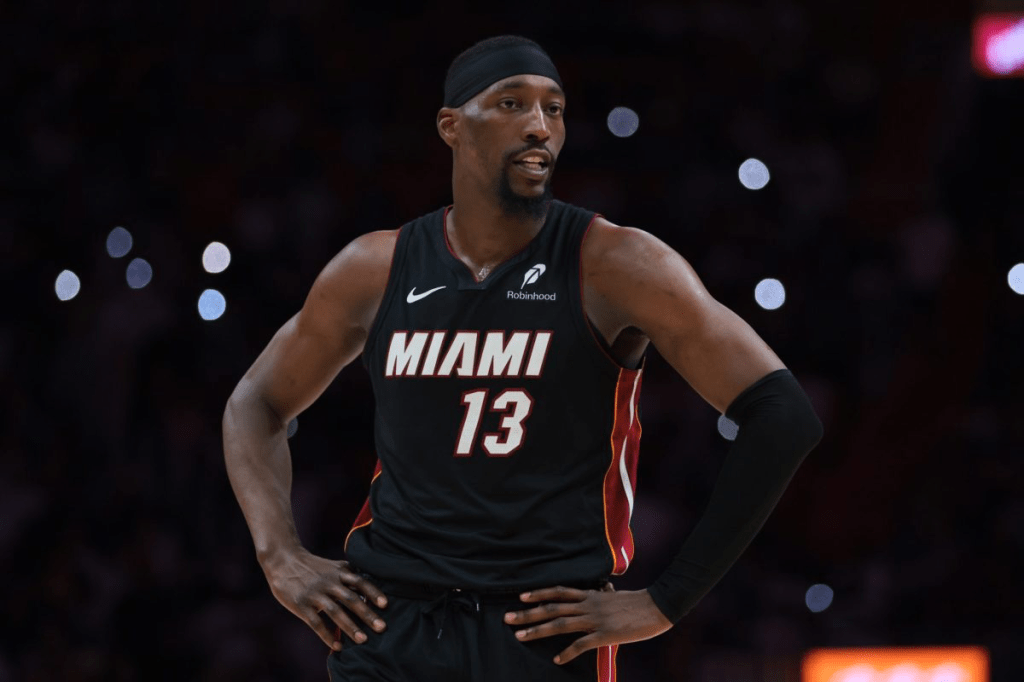
An uncharacteristic down year put a stop to what could have been a ten-year All-Defense streak for Bam Adebayo. He’s played eight years in the league and had earned that recognition in all of his last five prior to 2024-25. Despite that, the whole world knows how extraordinary Adebayo is on that end. He’s a brick wall when protecting the rim as both a four and a five man, and he moves his feet as well as any big man in basketball.
Anthony Davis
It’s pretty insane to think that AD has never won a Defensive Player of the Year. When he’s able to stay healthy for a whole season (which isn’t always), he’s a lock for All-Defense, and he has four top-five DPOY finishes in his career. The Brow blocks shots and walls up the interior with a ferocity few players ever have been able to match.
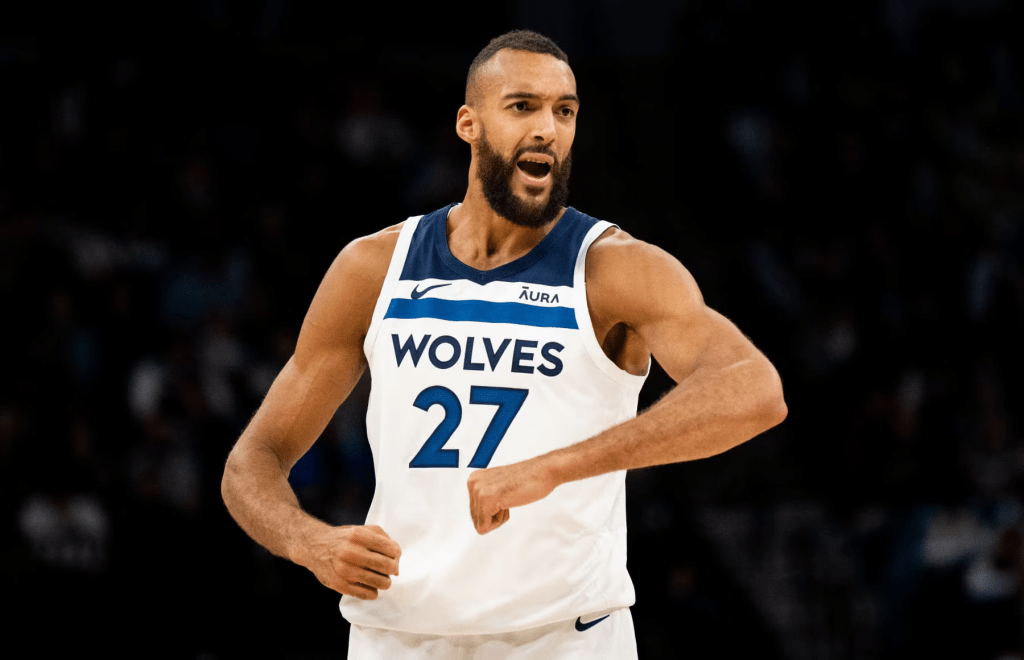
Rudy Gobert
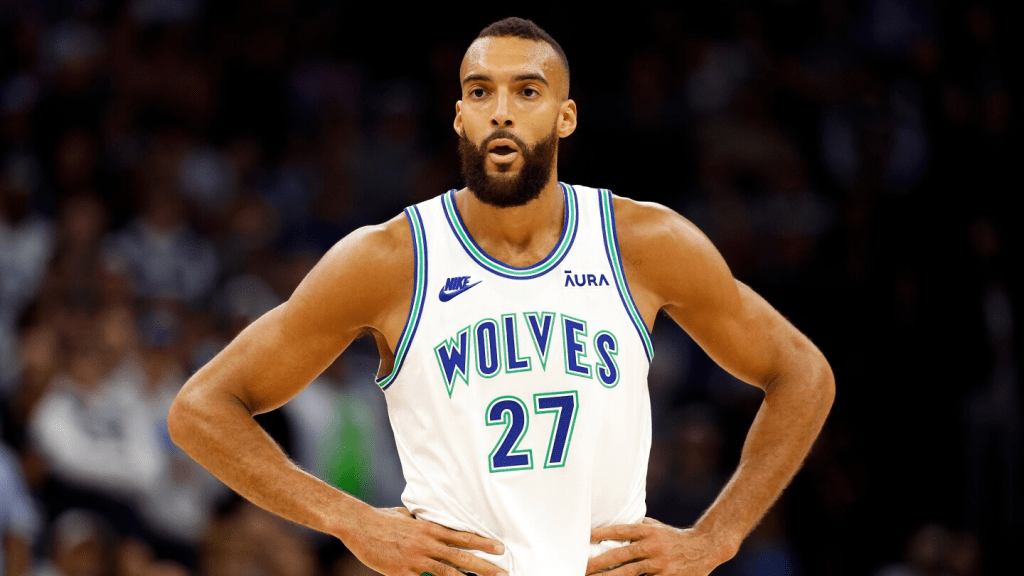
With each passing year, Gobert further cements himself as one of the greatest defenders the game has ever seen. 2024-25 could be considered a bit of a down season for him, but he still made his eighth All-Defensive team while helping the Wolves finish sixth in defensive rating. In the playoffs, he did an admirable job guarding Luka on switches and was a key catalyst in Minnesota’s five-game victory over the Lakers. Given how Gobert has always been behind the curve in terms of explosiveness and foot speed, never overly-reliant on physical advantages, it’s tough to imagine him dropping off much more in the twilight years of his career.
Evan Mobley
Coming off his first Defensive Player of the Year win, Mobley has as much of a claim as anybody to the title of best in the world defensively. The 24-year-old is a monster in the paint and on the perimeter. He gives the Cavs nearly infinite optionality schematically because he can mold into any sort of role at the four or the five. Mobley is on an all-time trajectory on D and the sky is the limit for him.
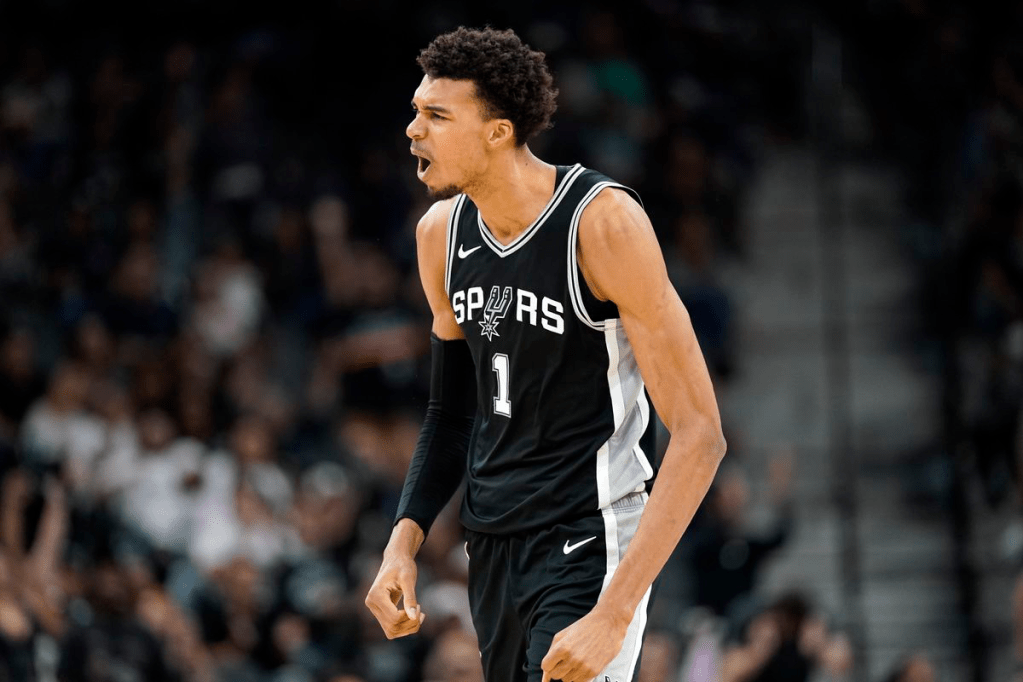
Victor Wembanyama
Speaking of all-time trajectories, Wemby may already have a case to be a top-ten defender ever if you throw out accolades and longevity and just look purely at the on-court sample. He’s an absurd shot blocker who eats up worlds of space, forcing tough looks inside and outside against anyone who dares challenge him. He led the NBA in total rejections as a sophomore despite only playing 46 games. The Alien was a virtual lock for DPOY in 2024-25 before he went down with a blood clot, and the trophy is probably his to lose both next year and for the foreseeable future.
Tier 2: The Anchors (6-12)
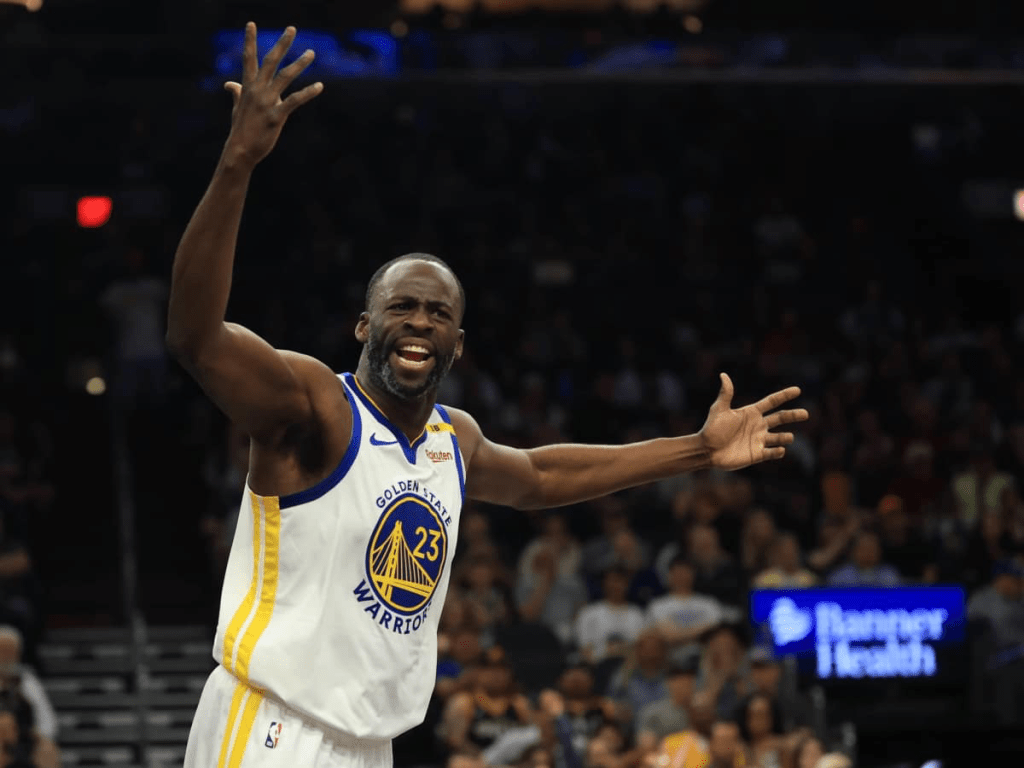
The value of an anchor will always transcend that of an on-ball stopper or defensive playmaking dynamo. An anchor is a player who can carry the weight of an entire five-man unit on their shoulders, directing his teammates and being involved in nearly every possession in some way. Traditionally, anchors are centers (like Jarrett Allen), but some smaller players are able to play the role too. Draymond Green’s ranking here needs no explanation, but his status as an all-time anchor despite being just 6’6” always deserves recognition. OG Anunoby is the premier example of a 1-5 wing stopper who can truly be thrown at the opposing team’s best player no matter what. Alex Caruso is such a game-breaking point-of-attack warden that he can elevate lineups without rim protecting centers (i.e. the Vucevic-led Chicago Bulls). While these guys aren’t quite the very best in business, any team they’re on can feel pretty good about their chances of having a good defense, regardless of supporting cast.
Jarrett Allen
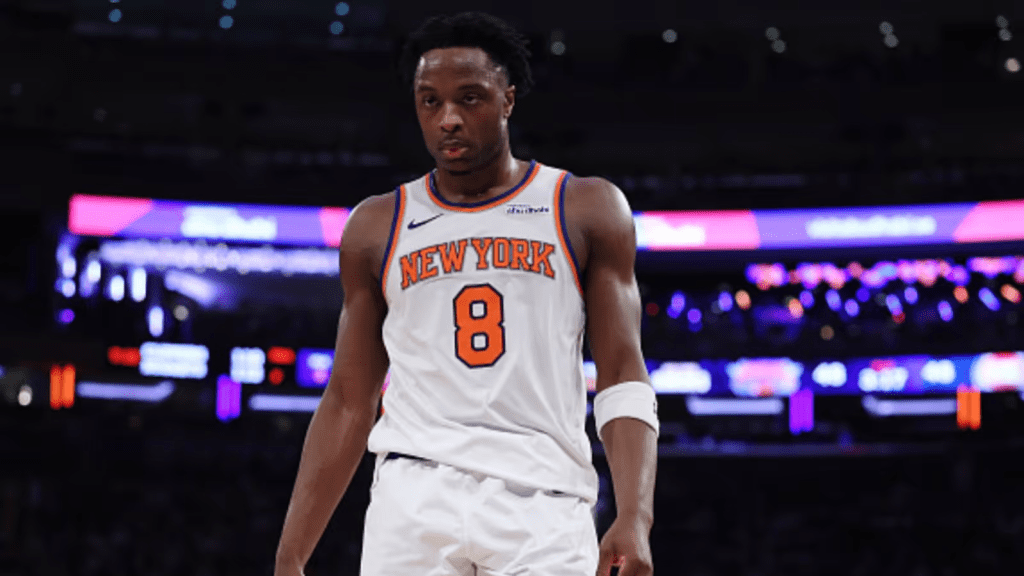
OG Anunoby
Alex Caruso
Draymond Green
Chet Holmgren
Jaren Jackson Jr.
Amen Thompson
Potential riser to watch for in 2025-26: Chet Holmgren
Holmgren’s only weakness right now is his skinny frame. It can be a little too easy for stocky opponents to move him out of the way and score inside. Beyond that, he has all the tools to win multiple DPOYs in his career. The Minnesota native has freakishly quick feet for a seven-footer, and his timing and feel for blocking shots without fouling is uncanny. He was just the anchor of a championship team and he’s only 23 years old. There is no limit on how good he can become on either end of the floor, but especially defense.
Tier 3: All-Defense Mainstays (13-28)
The players in this tier routinely make appearances on All-Defensive ballots. Thirteen of them have made at least one All-Defensive team. As for the others, Nic Claxton absolutely should have in 2022-23— he was a legitimate DPOY candidate, finishing ninth in voting for the award— and Ausar Thompson and Walker Kessler will both probably make at least one in their careers. Most of these guys do more than just one thing at an elite level on defense. Jones and Camara can guard every position and even masquerade as rim protectors. Kessler and Zubac turn the paint into a no-fly zone while also hogging defensive rebounds. Jrue Holiday is maybe the most versatile guard defender we’ve ever seen. Overall, if you’re not at least considering the members of this club for your end-of-season defensive awards, you’re probably doing it wrong.
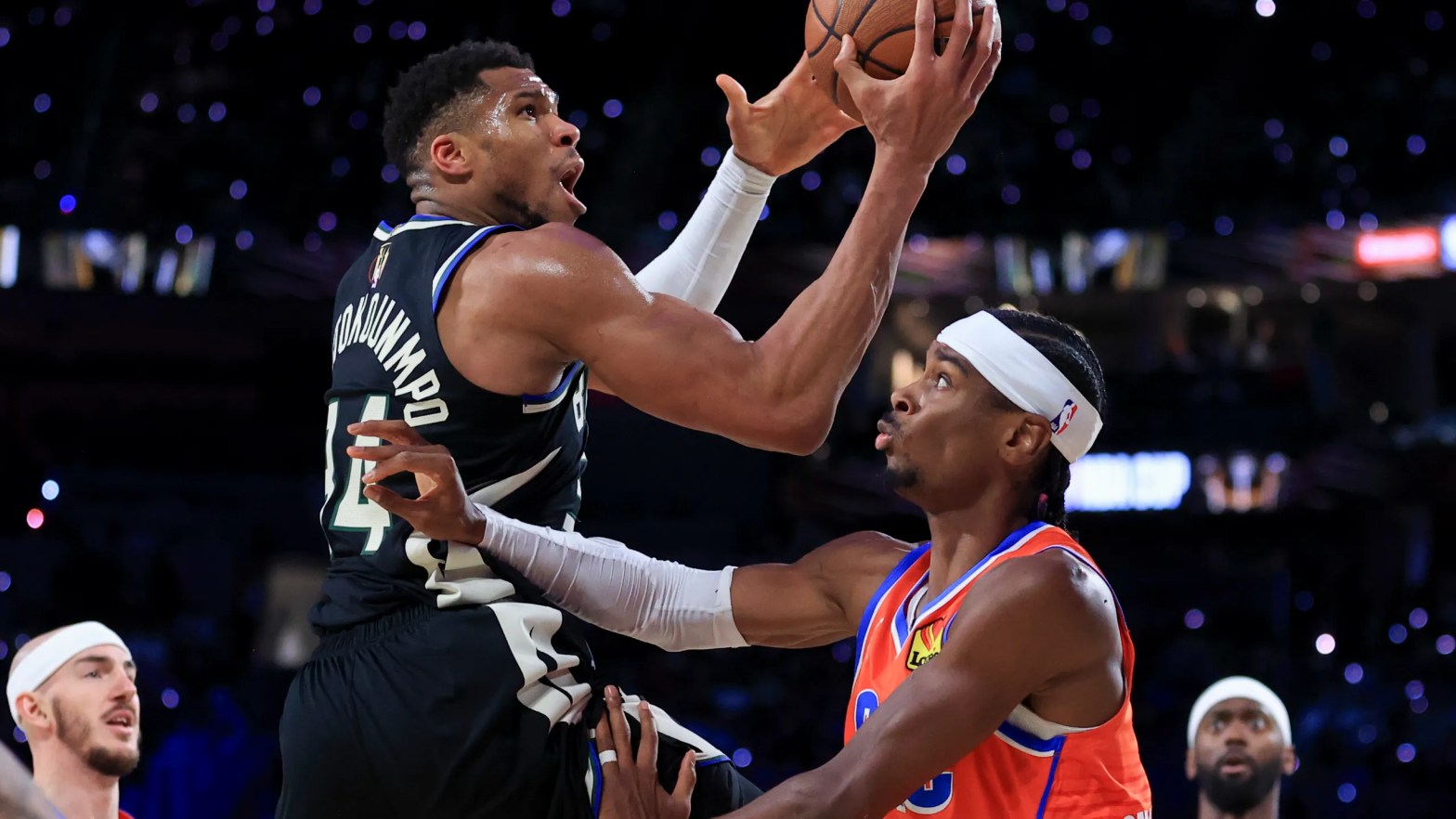
Giannis Antetokounmpo
Dillon Brooks
Toumani Camara
Nic Claxton
Dyson Daniels
Luguentz Dort
Jrue Holiday
Herb Jones
Walker Kessler
Brook Lopez
Jaden McDaniels
Jalen Suggs
Ausar Thompson
Derrick White
Jalen Williams
Ivica Zubac
Potential riser to watch for in 2025-26: Herb Jones
Last time Herb Jones was healthy, which was 2023-24, he made All-Defensive First Team and finished fifth in DPOY while commanding a top-ten Pelicans defense. Because he only played 20 games last season, a few other guys were able to get a leg up on him. However, if he’s on the court often once again in 2026, Jones will be right back in the “best wing defender in ball” conversations.
Tier 4: Just Below Elite (29-43)
It’s hard to consistently clamp up at an All-Defense level year in and year out. The guys in this tier all have one or two flaws holding them back from reaching that level. For Embiid, Isaac, and Porzingis, it’s injuries. For Dunn, Smart, and Thybulle, it’s offensive limitations that keep them from staying on the court and making their defensive presence felt as much as possible. For Eason, Nembhard, and Wallace, it’s simply lack of experience in the league. On their best nights, though, all of these players look incredible on defense.
Donovan Clingan
Kris Dunn
Tari Eason
Keon Ellis
Joel Embiid
Dorian Finney-Smith
Isaiah Hartenstein
Jonathan Isaac
Davion Mitchell
Andrew Nembhard
Kristaps Porzingis
Mitchell Robinson
Marcus Smart
Matisse Thybulle
Cason Wallace
Potential riser to watch for in 2025-26: Donovan Clingan
Portland has constructed an impressive defensive infrastructure, with strong stopples at all five positions. Clingan, who’s slated to start at the five, will be at the center of it all. The incoming sophomore has the potential to be a DPOY-caliber rim protector— he was already one of the top per-minute shot blockers in the league as a rookie. If he can find more stamina and clean up his fouling habits, he’s in the right situation to realize that outcome.
Tier 5: Steady Schematic Stoppers (44-75)
Only a select few players in the league can be trusted to regularly guard stars or anchor an entire defense by themselves. Most are tasked with fitting into a system, pulling their weight in a team’s scheme. The 32 guys in this final tier excel with that defensive role player responsibility. They do whatever their team needs, from making the right rotation, to switching up and down the lineup, to delivering the occasional highlight steal or block. Without the players in this group, the lives of anchors like Gobert and Wemby would be a lot more difficult.
Nickeil Alexander-Walker
Lonzo Ball
Scottie Barnes
Goga Bitadze
Adem Bona
Jaylen Brown
Bilal Coulibaly
Kevin Durant
Shai Gilgeous-Alexander
Aaron Gordon
Al Horford
Andre Jackson Jr.
Derrick Jones Jr.
Luke Kornet
Kawhi Leonard
Cody Martin
Aaron Nesmith
Josh Okogie
Onyeka Okongwu
Isaac Okoro
Gary Payton II
Jakob Poeltl
Pascal Siakam
Ben Simmons
Isaiah Stewart
Jayson Tatum
Myles Turner
Jarred Vanderbilt
Fred VanVleet
Dean Wade
Franz Wagner
Peyton Watson
Potential riser to watch for in 2025-26: Bilal Coulibaly
Washington’s rebuild is far from over, but they have the foundation for a future identity on the defensive end. They boast activity, versatility, and length up and down their lineup, and Coulibaly is the personification of that. He stepped into the league in 2023-24 ready to guard stars and he’s a stock machine. As he finds more discipline and fills out his frame over time, we could see him rise to All-Defense contention.
The 2024-25 NBA season was one for the ages. Individual talent and competitive balance were off the charts league-wide. The Oklahoma City Thunder took home the championship, but all 30 teams had their time to shine throughout the year. In celebration of such a fun chapter in NBA history, it’s time to deliver my annual top 100 players list.
Making these rankings proved to be a difficult task. I started with a pool of 184 players and had to painstakingly whittle it down to 100, plus 10 honorable mentions. The list is based solely on performance in the 2024-25 season. Past years and future potential were not factored in.
A quick note: over a dozen players here have already switched teams this offseason, but none of that movement will be mentioned in this piece.
Here we go!
Injury Leaveoffs: Joel Embiid, Brandon Ingram, Cam Thomas, Brandon Miller, Herb Jones, Mitchell Robinson, Jared McCain
The above players did not appear in at least 30+ regular season contests and therefore did not qualify for the list. Had they not been injured, they likely would have made it.
Honorable Mentions (110-101):
110: Toumani Camara
109: Luguentz Dort
108: Andrew Nembhard
107: Aaron Nesmith
106: Mark Williams
105: Devin Vassell
104: Nic Claxton
103: Walker Kessler
102: Brook Lopez
101: Deandre Ayton
There are some GOOD players in this honorable mention section. Lopez, Claxton, Ayton, and Vassell have all been much higher on this list before. Nembhard, Dort, and Nesmith made important contributions to Finals teams. Toumani Camara, member of the 2024-25 All-Defensive Second Team, is one of the best stoppers at his position. While these guys didn’t end up in the Top 100 itself, they deserve lots of love for the years they had.
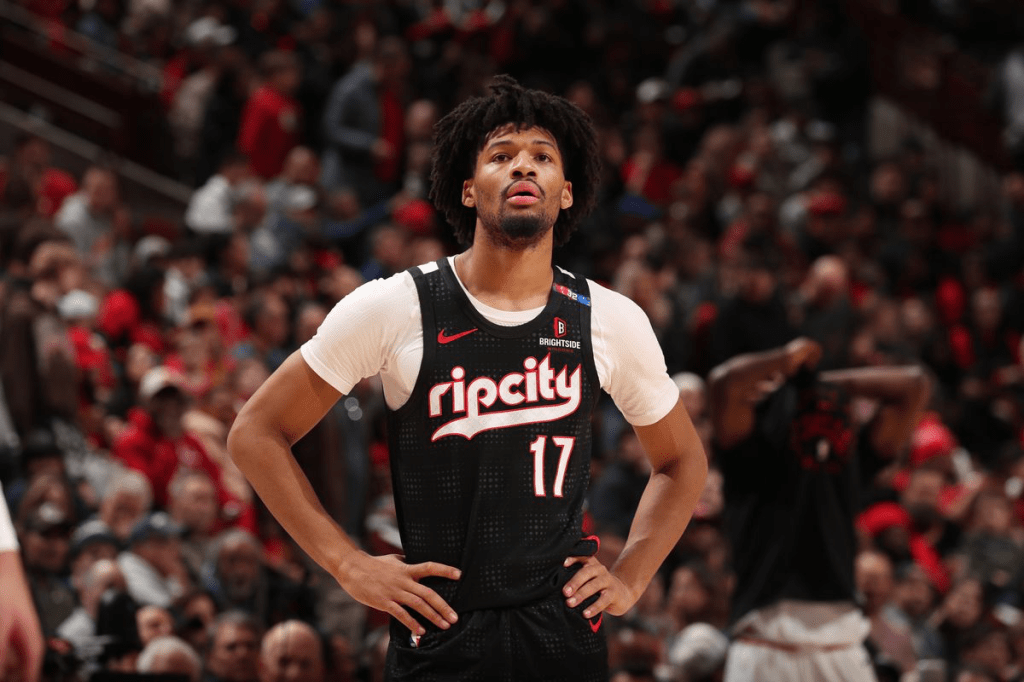
100: Shaedon Sharpe
Kicking off the list is one of Portland’s many promising young guys, Shaedon Sharpe. The Abnormality, as he was dubbed during the season’s nickname craze, averaged a career-high 18.5 points in what was just his third year in the league. He’s one of the best athletes in the game— he threw down the best dunk of 2024-25 according to the NBA itself and had multiple other mind-boggling posters throughout the year. Sharpe played like a future star in 2024-25 and it won’t be long before we see him soar even higher.
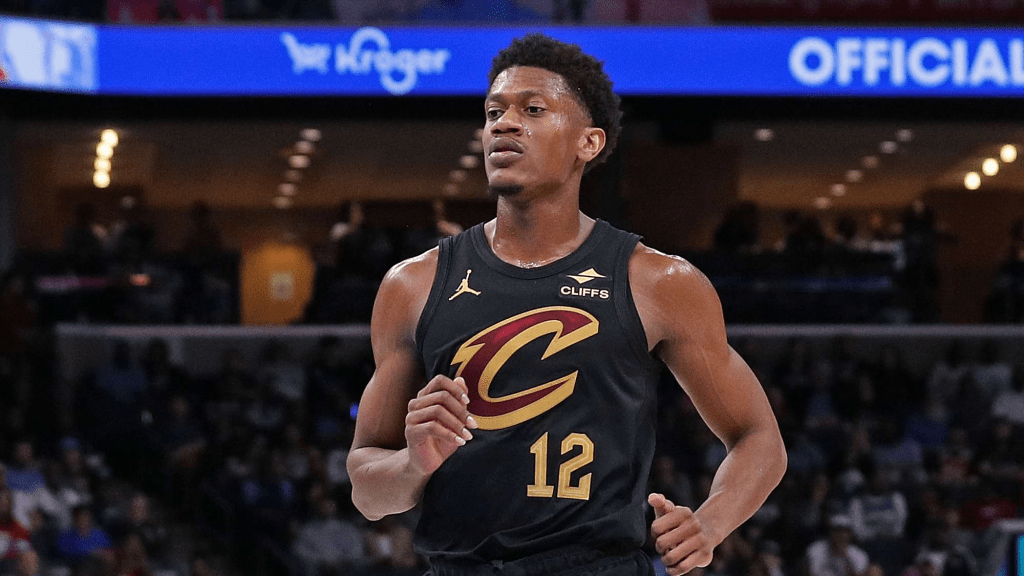
99: De’Andre Hunter
De’Andre Hunter was on a heater in 2024-25. He led the league in points per game off the bench, averaging 18.9 with the Hawks and 13.8 with the Cavaliers. The former fourth overall pick finished fourth in actual Sixth Man of the Year voting but was a finalist on the Bench Mob Blog ballot. Unfortunately, he couldn’t push Cleveland over the top and into the Conference Finals, but injuries also played a part in their demise.
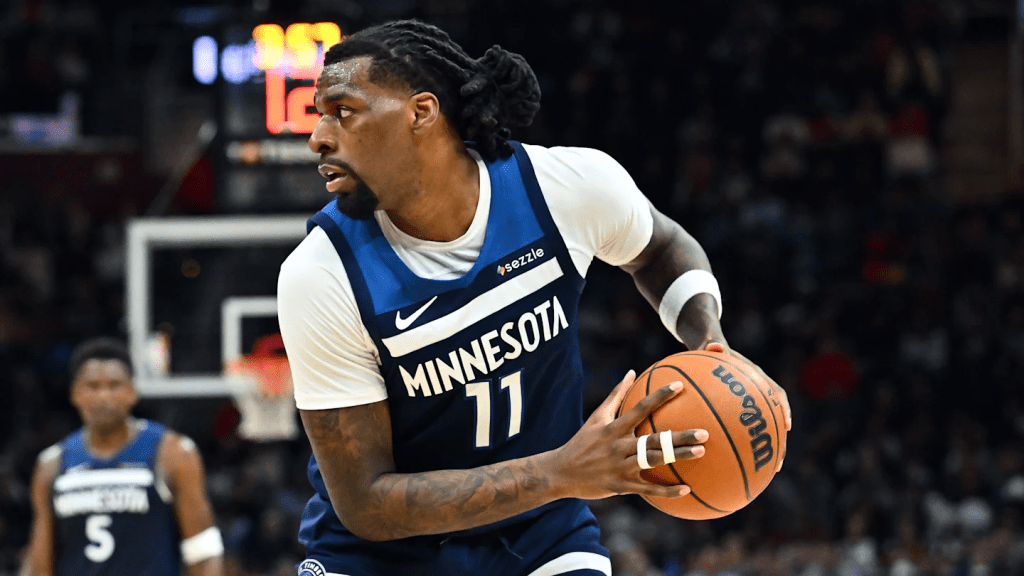
98: Naz Reid
Two words: Naz Reid.
The 2023-24 Sixth Man of the Year had arguably an even better year in 2024-25. Reid is a one-of-one versatile baller at the big man spot whose shooting and driving abilities are integral for the Timberwolves. The Big Jelly earned a serious bag this summer for a reason.
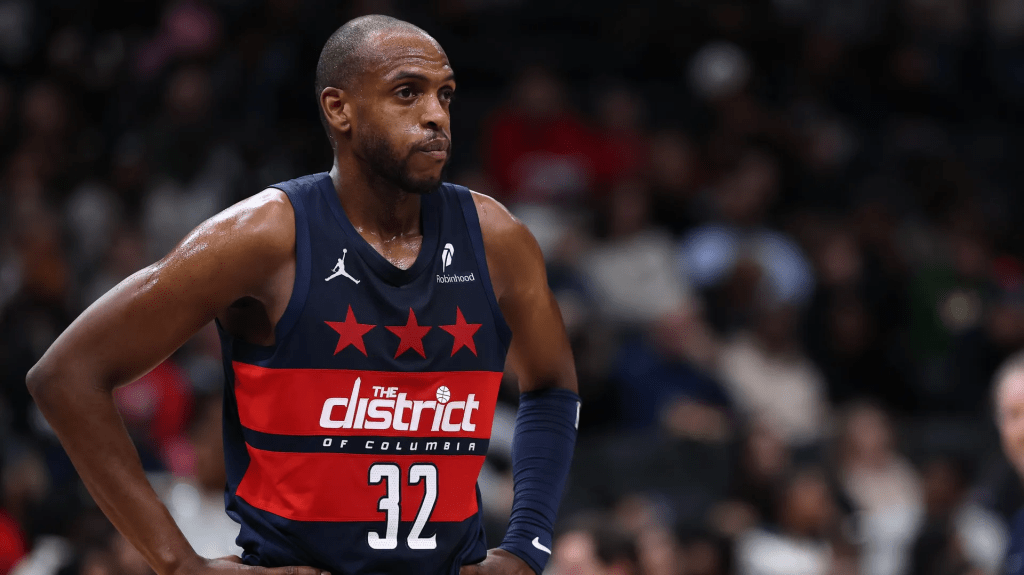
97: Khris Middleton
Not to put bad omens in the air, but this may be the last we see of Khris Middleton: Top 100 player. The 33-year-old’s lower body is starting to fail him— he was held to just 22.8 minutes in 37 games this past season due to injury. Still, Khash Money was capable of heating up and dropping a smooth 20 on any given night. More importantly, he was a leader, helping the 18-64 Wizards go 6-8 in his 14 games with the team.
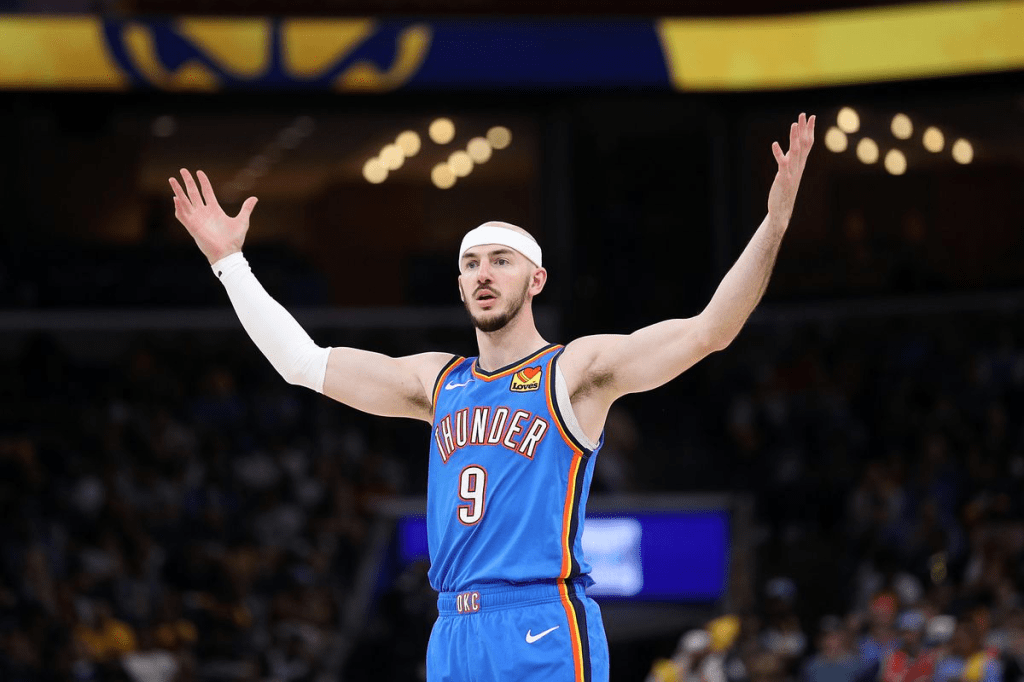
96: Alex Caruso
What better word is there to describe Alex Caruso than champion? Now a two-time champ, the Bald Mamba is one of the premier role players in all of sports. His linchpin defense and unwavering willingness to do the dirty work are the stuff coaches dream of. Without him, Oklahoma City wouldn’t have a new banner in their rafters.
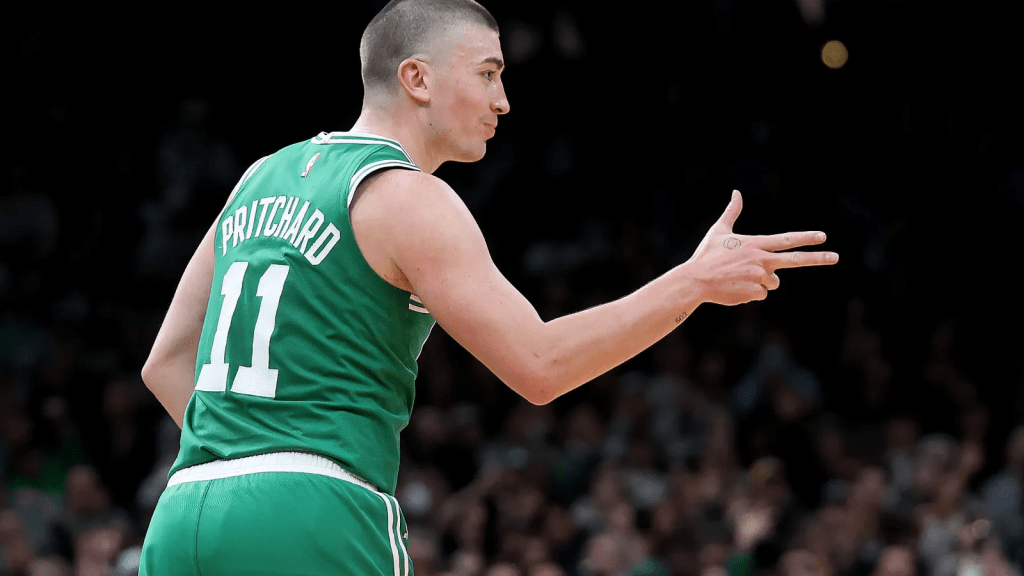
95: Payton Pritchard
Payton Pritchard took the league by storm off the bench after finally being given the bigger role he requested back in 2023. He averaged career-highs in minutes, points, rebounds, assists, and steals on his way to winning Sixth Man of the Year. He wasn’t always able to impact the game in high-leverage contests, but Pritchard was a crucial part of Boston’s 61-win campaign.
94: Quentin Grimes
After a really disappointing 2023-24 season, Quentin Grimes started to bounce back at the beginning of 2024-25 with the Mavericks, rediscovering his confidence and three-point stroke. The seed was planted in Dallas for the colossal jump he took with the 76ers. In 28 games (25 starts) with Philly, Grimes put up 21.9 points and 4.5 assists on good efficiency. The Texas native showed the world what he could do with a green light, fulfilling the prophecy written here on the Bench Mob Blog back in 2023.
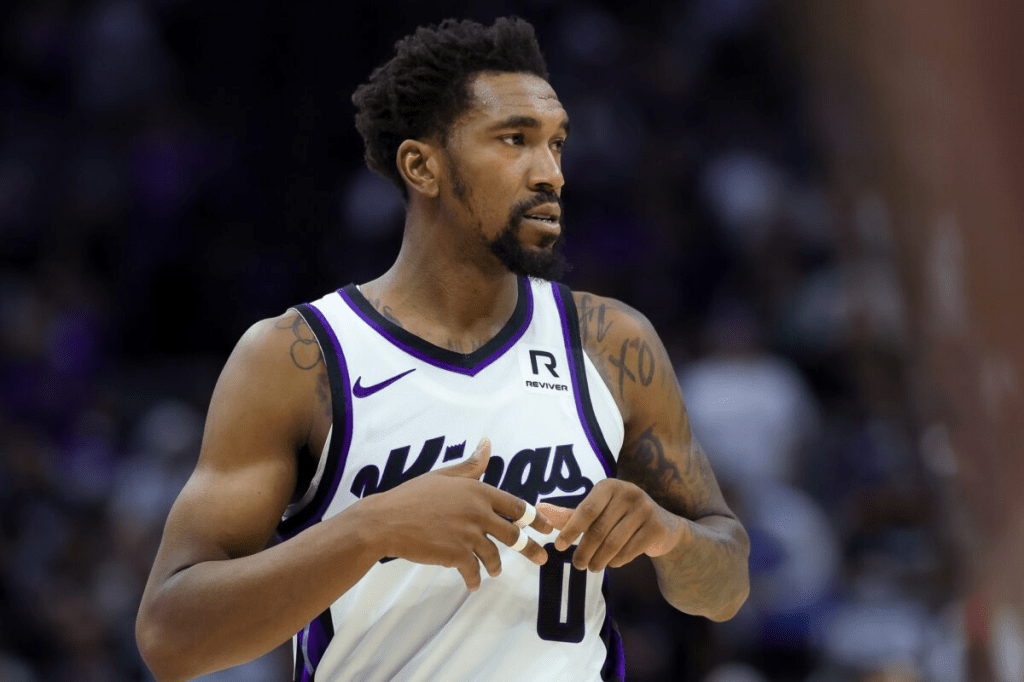
93: Malik Monk
For years, Malik Monk has been an electric microwave scorer, but he’s gotten better and better as a playmaker throughout his time in Sacramento. Now, he’s a guy you can trust to lead your offense for stretches off the bench or as a starter. Monk averaged career-highs in points (17.2) and assists (5.6) in 2024-25.
92: Christian Braun
Braun complements three-time MVP Nikola Jokic as well as any wing in the league could. He’s an opportunistic off-ball mover, he runs like a track star in transition, and he cares about winning more than anything else. All of those qualities set the table for his breakout 2024-25 campaign, in which he posted career-bests in all major statistical categories. Braun was Bench Mob Blog’s pick for Most Improved player.
91: Malik Beasley
No reserve was more important to their team than Malik Beasley last season. He had an all-time shooting year, becoming one of five players ever to knock down 300+ triples in a single season. Without the spark Beasley provided off the bench, Detroit wouldn’t have been in the playoffs. He was Bench Mob Blog’s pick for Sixth Man of the Year.
90: Jakob Poeltl
Jakob Poeltl has been one of basketball’s most underrated big men for what’s felt like a decade. The Austrian seven-footer is a textbook traditional center who holds things down in the paint on both ends. Poeltl averaged the most points, rebounds, assists, and steals of his career in 2024-25. His contributions are never flashy but always valuable.
89: Tobias Harris
Every young team needs a vet to stabilize things in big moments. Tobias Harris played that “unc” role for the Pistons admirably last season. He deferred to the squad’s up-and-coming stars most of the time, but asserted himself as a leader in the clutch and the playoffs. Harris scored less than he has since his third season as a pro (13.7 PPG), but his winning impact was felt as much as ever.
88: Isaiah Hartenstein
The Thunder overpaid to get their guy, Isaiah Hartenstein, in 2024 free agency, and the bet paid off. The big fella solved rebounding and rim protection issues the team had in the past, and he fit into their culture phenomenally overall. Hartenstein is the ultimate grinder. It’s why he’s grown from a G Leaguer to a top-100 player, and now, an NBA champion.
87: Dyson Daniels
Daniels made a meteoric rise last season, putting himself on the shortlist of the best perimeter defenders in the league while also finding a groove as an offensive player. His growth earned him a ton of new hardware: the Australian won Most Improved Player, made All-Defensive First Team, and led the NBA in steals per game. He’s like the ying to Trae Young’s yang in Atlanta’s backcourt, and that pairing is sure to terrorize opponents on both ends for years to come.
86: Jalen Suggs
Injury held Jalen Suggs to just 35 games played in 2024-25, but when he was on the court, he was building off his breakout 2023-24 campaign. The Gonzaga product is a total bulldog on defense. He looks like Jrue Holiday out there at times with his ability to quarterback his team and cover all five positions on that end. Suggs also has continued to grow on offense. He averaged a career-high 16.2 points last season.
85: Immanuel Quickley
IQ has smoothly transitioned from microwave sixth man to full-time starter since arriving in Toronto. The speedy combo guard can effectively oscillate between being an on-ball playmaker and an off-ball scorer, which makes him well-suited to play next to his point forward teammates (Scottie Barnes, RJ Barrett, and Brandon Ingram). Quickley posted career-highs in points (17.1) and assists (5.8) while shooting 37.8% from deep on high volume in 2024-25, although he played just 33 games.
84: Fred VanVleet
Houston’s takeoff season wouldn’t have been possible without Fred VanVleet. He wasn’t the All-Star on the team, or the leading scorer, but he was the steady presence at the point that kept things chugging along. The former champion elevated his game in the playoffs, pouring in some impressive shotmaking performances when the Rockets needed it most. He averaged 18.7 points and made 3.9 threes per game against Golden State in the first round.
83: Anfernee Simons
While he hasn’t blazed the same trails as his mentor, Damian Lillard’s former heir apparent has become an offensive star in his own right. Simons can catch fire faster than a handheld lighter, and when he does, then look out because it’s bombs away. The 26-year-old finished 12th in the league in threes made per game and 17th in total triples while averaging 19.3 points.
82: Jaden McDaniels
“They got KD, but we got Jaden McDaniels” resonated more than ever in 2024-25, because McDaniels had the best two-way season of his young career. He took some massive strides on offense, becoming someone Minnesota can trust to create something out of nothing with the ball in his hands. In the postseason, he dropped 14.7 points a night while shooting 51.5% from the field and 38.2% from deep. All that scoring only amplified the impact of his all-league-caliber defense.
81: Michael Porter Jr.
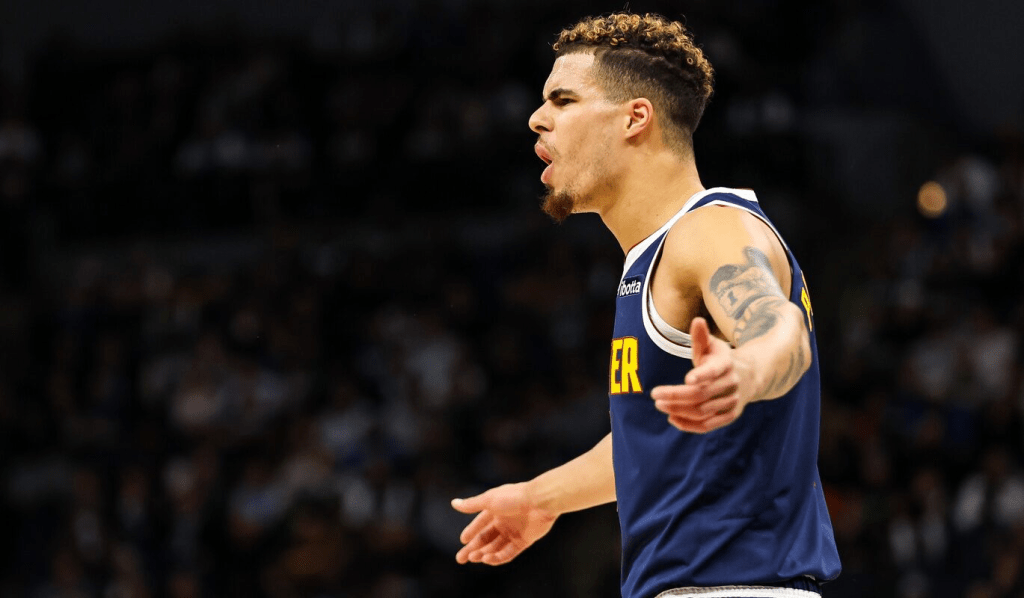
MPJ was the most well-rounded version of himself last season. He got after it on the glass, dished out over two assists per game for the first time in his career, had some solid defensive moments, and, of course, drained a ton of jumpers. Unfortunately, a lingering shoulder injury haunted him in the playoffs, and his production dropped off significantly.
80: Andrew Wiggins
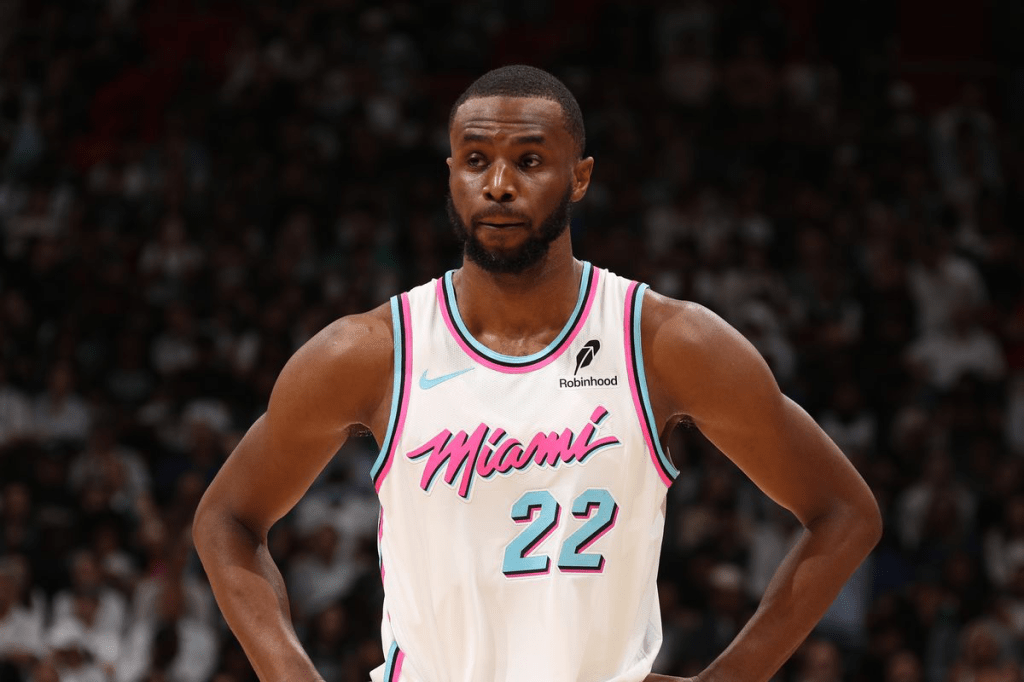
Wiggins shouldered serious responsibility for the Heat after joining the team in February, and he didn’t fold under the pressure. According to BBall Index, he defended stars 21.6% of the time (a 93rd percentile rate), and he still had the energy to score 19 points a night on the other end. The former All-Star may just be a role player, but he’s one of the best in basketball.
79: John Collins
Although he only played 40 games, John Collins quietly had his best season since 2021, when he helped the Hawks make the Conference Finals. The Utah native notched 19.0 points per game in 2024-25, the third highest mark of his career, while chipping in 8.2 rebounds and 2.0 assists on 52.7% from the field and 39.9% from deep. His combination of two-way versatility and size will only become more valuable as jumbo front courts continue to become cool again.
78: Cam Johnson
Brooklyn was a land of opportunity last season, and Cam Johnson prospered in it. On the back of the highest usage rate of his career, the steady shooter turned himself into one of the most coveted players on the trade market. Johnson was highly efficient as a scorer and a decision maker despite his embiggened role, showing why he’s the type of guy every team would want playing for them.
77: Josh Giddey
Chicago was a much better situation for the still-developing Josh Giddey than OKC was towards the end of his time there. The SLOB Wizard had the freedom to run the offense, and with that privilege, he fueled a high-octane attack that started a culture shift in Chi-Town. After the trade deadline, when Zach LaVine was gone, Giddey averaged a jaw-dropping 21.2 points, 10.7 rebounds, and 9.3 assists. On top of that, he drained a half-court game winner against the Lakers that was maybe the best highlight of the year.
76: Miles Bridges
Outside of the efficiency department, Bridges’ numbers from last year are strikingly close to those of his 2021-22 breakout campaign. He was as reliable of a contributor as anyone on Charlotte’s roster (which isn’t really saying much), appearing in 64 games (20 more than LaMelo Ball, 40 more than Brandon Miller) and filling up the stat sheet no matter who he was sharing the court with. Defensive lapses and occasional bone-headed offense blemish his resume, but on his best nights, Bridges is a low-tier star.
75: Bradley Beal
Nobody talks about Bradley Beal anymore unless they’re bringing up his contract, which has killed his reputation. However, money aside, the former All-NBA guard is still a cream-of-the-crop third option. He gave Phoenix 17.0 points a game last season on nearly 50/40/80 splits. Beal could really surprise some people on his next team.
74: Aaron Gordon
Every contender needs a heart and soul, and Aaron Gordon is the definition of that for Denver. He means so much to the franchise that fans dubbed him Mr. Nugget. Gordon did all the junkyard dog work he’s known for last season while sprinkling in timely triples throughout the regular season and into the playoffs. His 43.6% mark from beyond the arc was far-and-away a career high.
73: Amen Thompson
Nobody in the current NBA, or even all of history, is quite like Amen Thompson. The third-year phenom is essentially a real-life video game character. Thompson was the anchor of an elite defense as a 22-year-old 6’7” wing and rightfully earned an All-Defensive First Team nod. Oh, and he averaged 14.1 points in the regular season and 15.7 in the playoffs. In the words of Michael Jordan, the ceiling is the roof for this kid, and he’s destined to achieve the XLNC his middle name has prophesied.
72: Deni Avdija
Deni Avdija was Portland’s all-around best player last season. After a slow start to the year, Turbo took off and played like a future stud. He dropped 23.3 points, 9.7 rebounds, and 5.2 assists a night post-All-Star-break while shooting 50.8% from the field and 41.7% from three. Avdija has very few holes in his game and he’s just 24 years old. It would be unwise to put a limit on what he can be by the time he hits his prime.
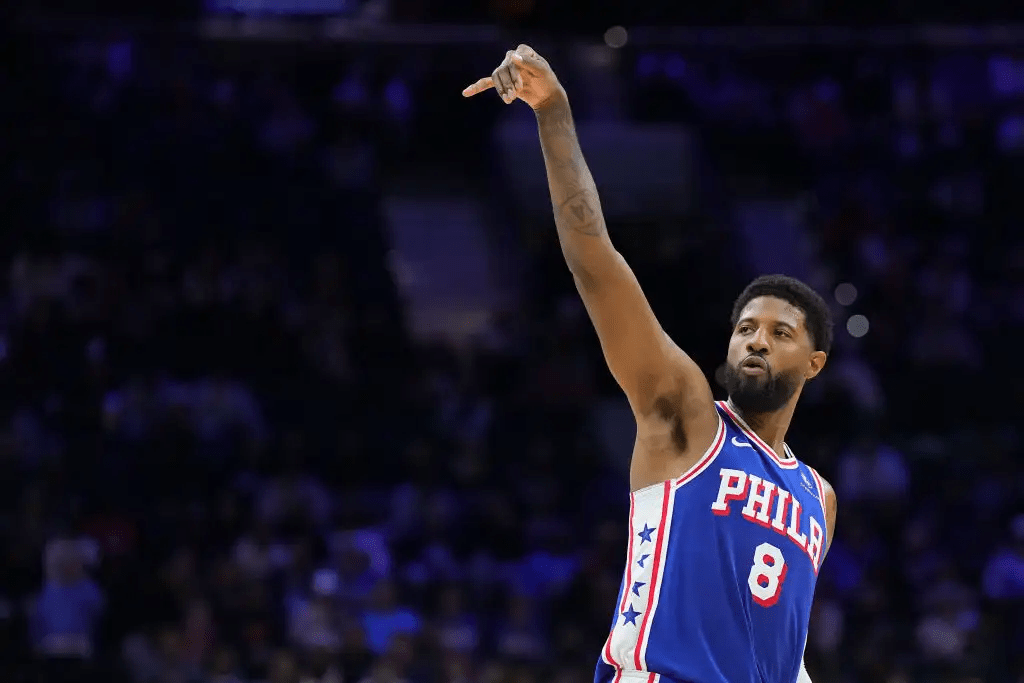
71: Paul George
Paul George might be the most memed player ever. His 2024-25 season certainly didn’t help change that reputation. In fact, he’s now one of the poster children for being washed. However, despite fighting through multiple injuries, PG13 gave Philly low-tier-star-level play most of the time. He’s definitely not his OKC self anymore, but he’s far from completely washed up.
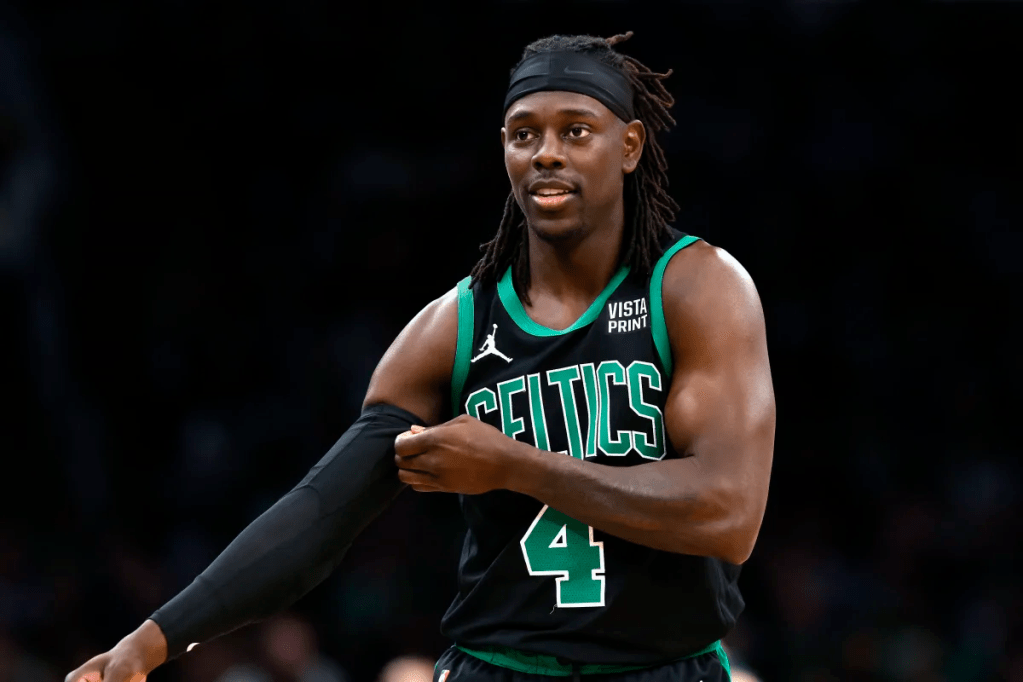
70: Jrue Holiday
Jrue isn’t the All-Star he once was, but he’s found comfort being a star in his role. He hasn’t lost much of a step on defense, and he’s a crisp connector that greases Boston’s motor on both sides of the ball. However, his scoring can be a little rough at times. His 35.3% three-point clip last season was by far his lowest since he left New Orleans, as was his 9.5 points per game in the playoffs.
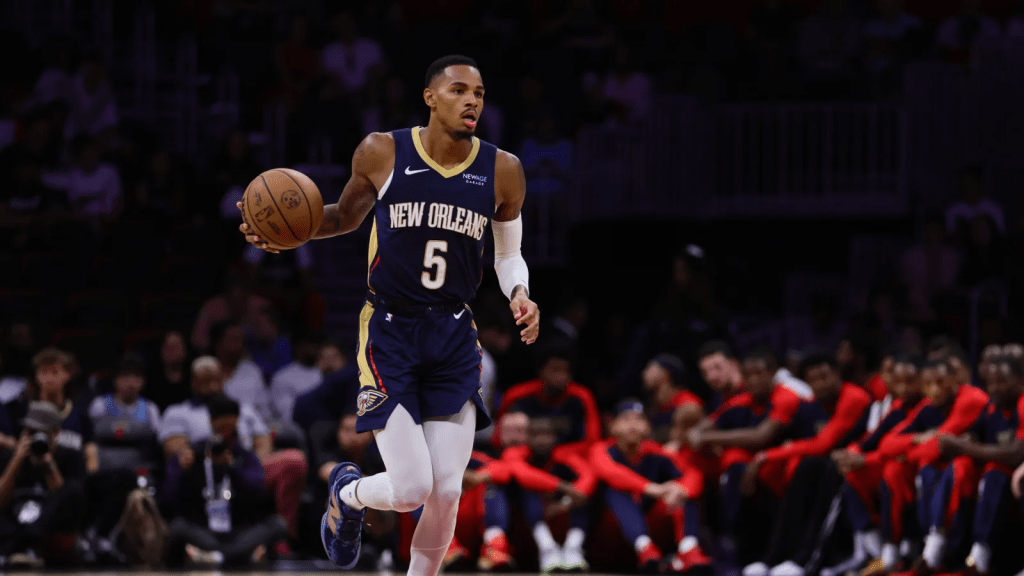
69: Dejounte Murray
Dejounte Murray’s first season with the Pelicans was dampened by injuries. He played only three games in October and November combined, which threw off his game, but he started to find a rhythm in January. That month, the former All-Star averaged 19.1 points, 6.1 rebounds, and 7.2 assists before he suffered a ruptured Achilles mid-season that ended his year prematurely.
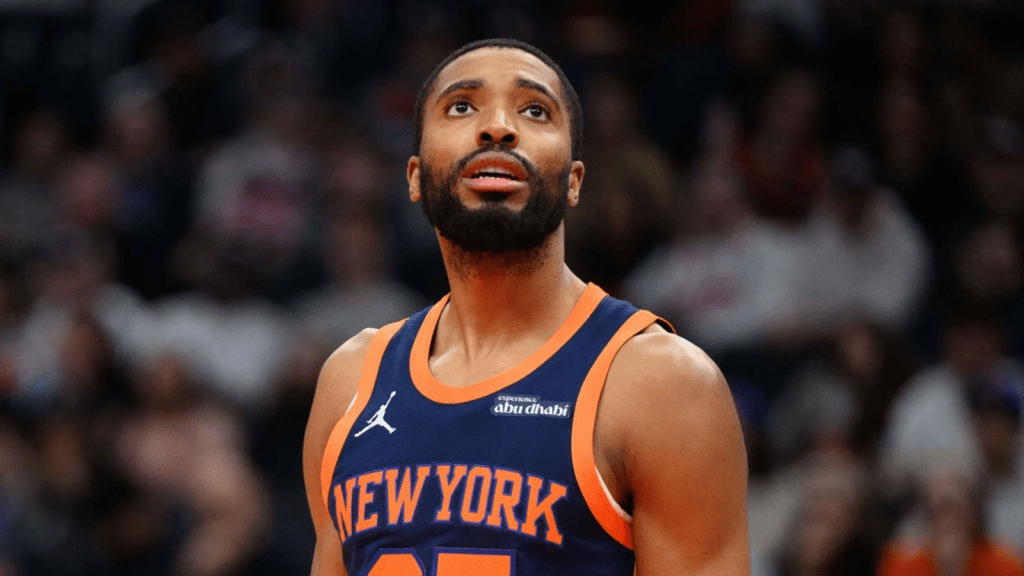
68: Mikal Bridges
Was Mikal Bridges worth five first-round picks? No. But, was he super important to New York’s first Conference Finals run in over two decades? Absolutely. The Warden shifted the tides of games when he had a hot shooting night, and he came up huge defensively in big moments in the playoffs. Bridges wasn’t quite as inconsistent as people seemed to think, either, as he averaged 17.6 points on 50% shooting across the regular season.
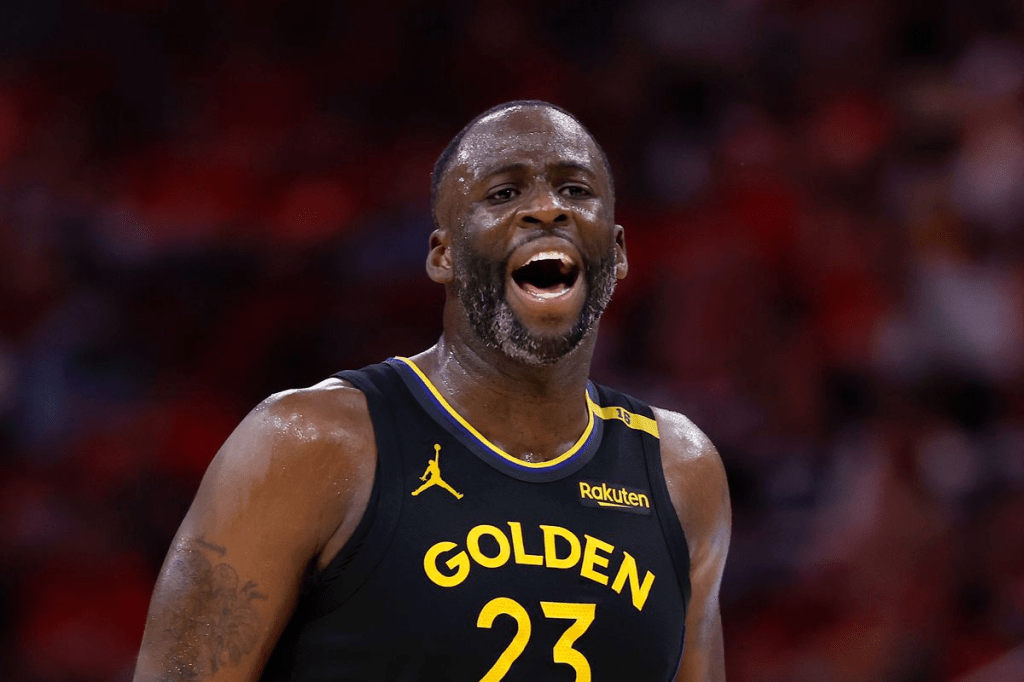
67: Draymond Green
People discounted Draymond’s DPOY case because it was self-advertised, but he should have been in the running the whole time. He anchored the league’s seventh-best defense with his unmatched versatility and crushed it across the board analytically. Green brought some juice on offense this year too, hitting backbreaking threes in the clutch and even walking down Rudy Gobert for a dagger dunk. Most impressive is the fact he did it all at 34 years old.
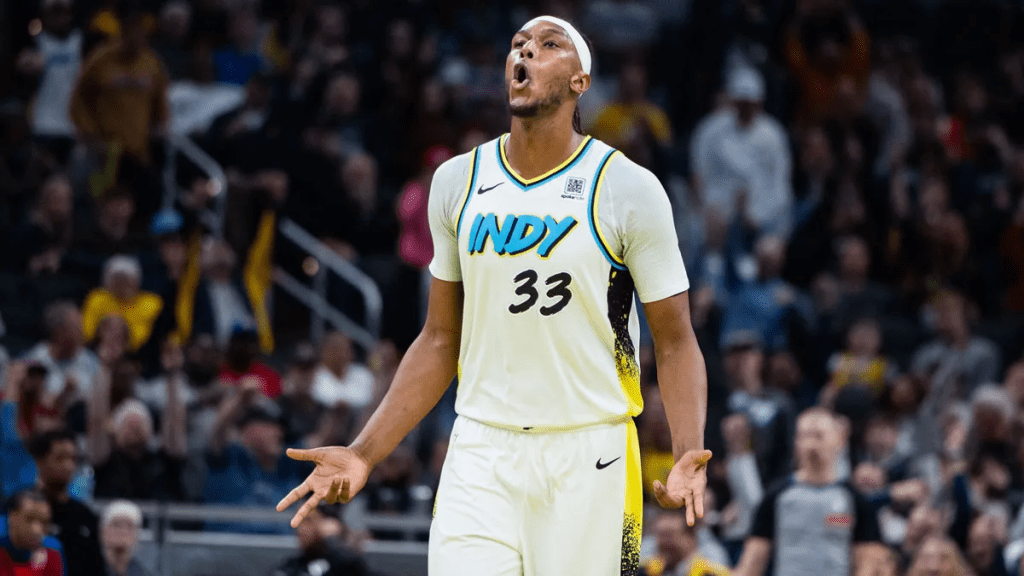
66: Myles Turner
Indiana’s mainstay big man was finally able to help his squad go on a deep playoff run this past spring. Turner’s renowned pick-and-pop shooting and formidable shot blocking were indispensable for the Pacers all year. His 39.6% success rate from deep on 5.5 attempts per game was a career-high. There’s a reason why the Texas native has constantly been in trade rumors throughout his career: everyone would be stoked to have him on their team.
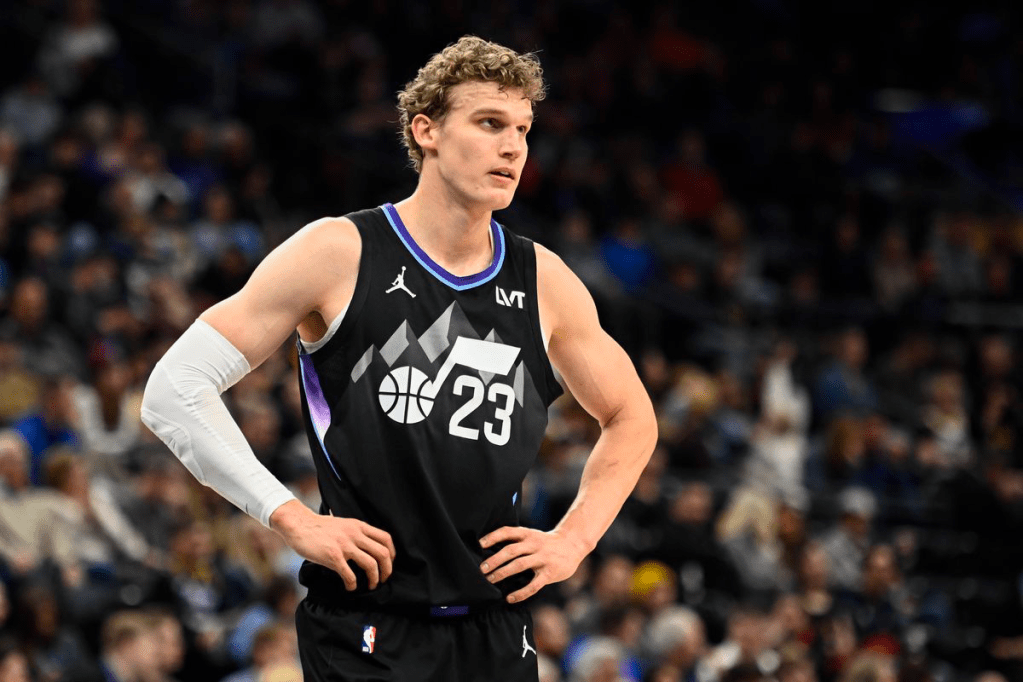
65: Lauri Markkanen
Markkanen got his bag and got complacent. The seven-foot sniper has become known for his hyper-efficient play finishing, but he shot just 42.3% from the field and 34.6% from three last season. His 19 PPG was a significant drop off from the 25.6 points he averaged in his All-Star year. The Marksman hasn’t been to the playoffs once in his career, and that needs to change because he’d look a lot better on a competitive team.
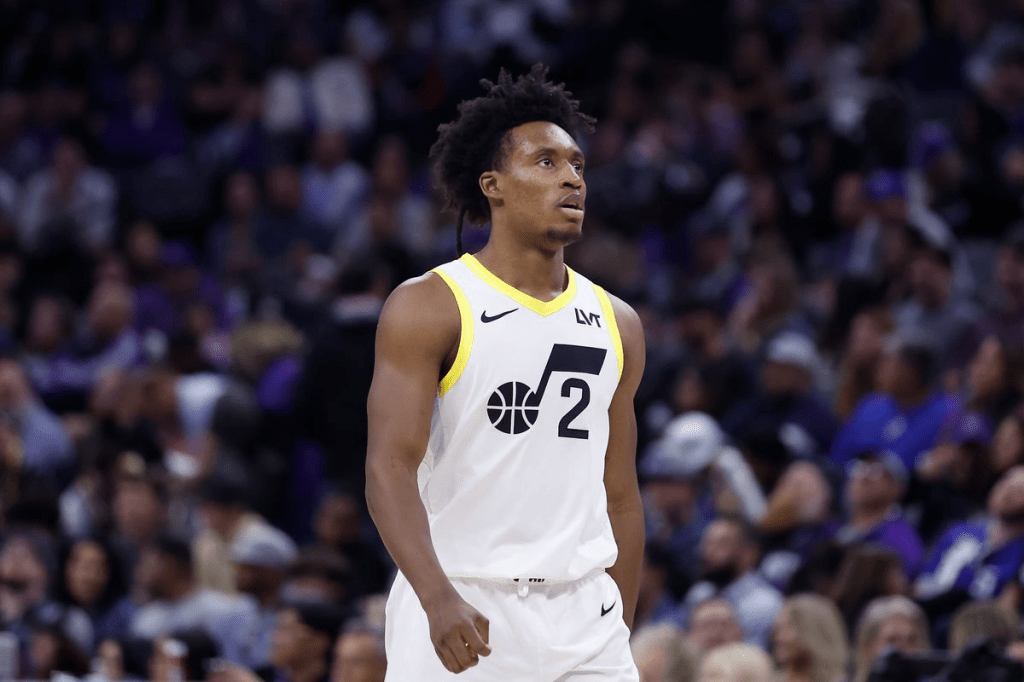
64: Collin Sexton
Collin Sexton needs more respect. He’s an offensive star who scores with superb efficiency and never backs down in big moments. He’s an unselfish leader who elevates those around him. Best of all, he cares about winning above all and gives 110% effort night in and night out, even for a bad Utah Jazz squad. Sexton averaged 18.4 points and 4.2 assists on 48% from the field and 41% from three last season.
63: CJ McCollum
There’s consistency, and then there’s CJ McCollum-level consistency. The veteran just averaged over 20 points for the 10th season in a row. He’s a steady hand on and off the ball who can fill up the scoring column as the third option or the first. Every year McCollum excels as a pro just further cements his spot amongst the league’s all-time best zero-time All-Stars.
62: Norman Powell
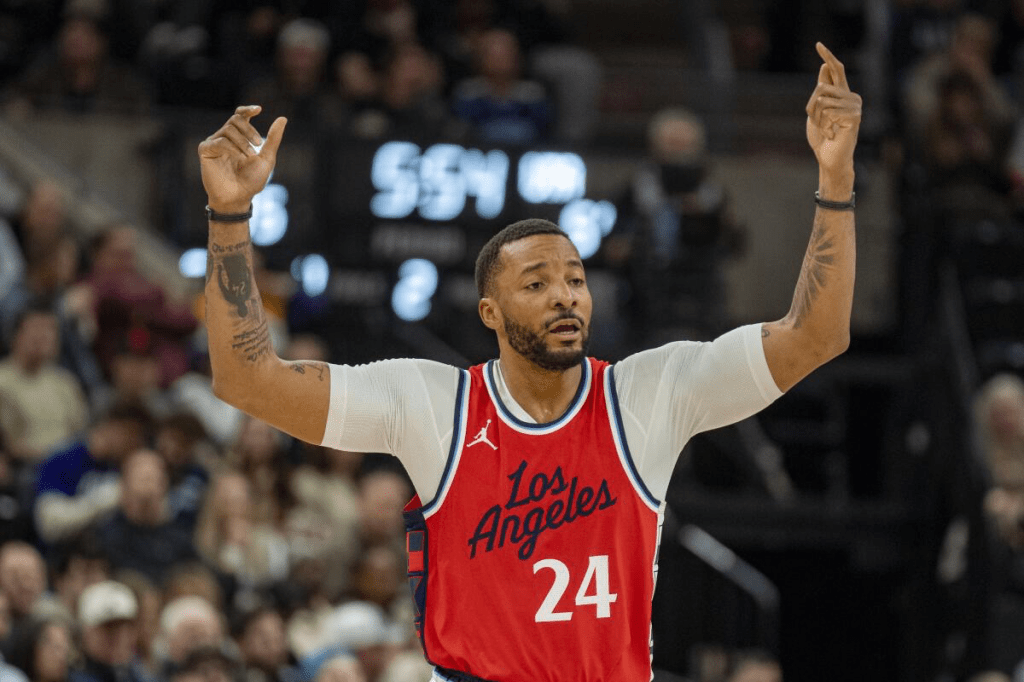
Norman Powell is a quintessential example of opportunity being everything in the NBA. His eyes lit up when Paul George left LA last summer, and he ended up putting together a Most Improved-worthy campaign despite being a 10-year vet. Stormin’ Norman dropped 21.8 points per game on 48.4% shooting in 2024-25, stepping up as a scorer when the Clippers needed it most.
61: Nikola Vucevic
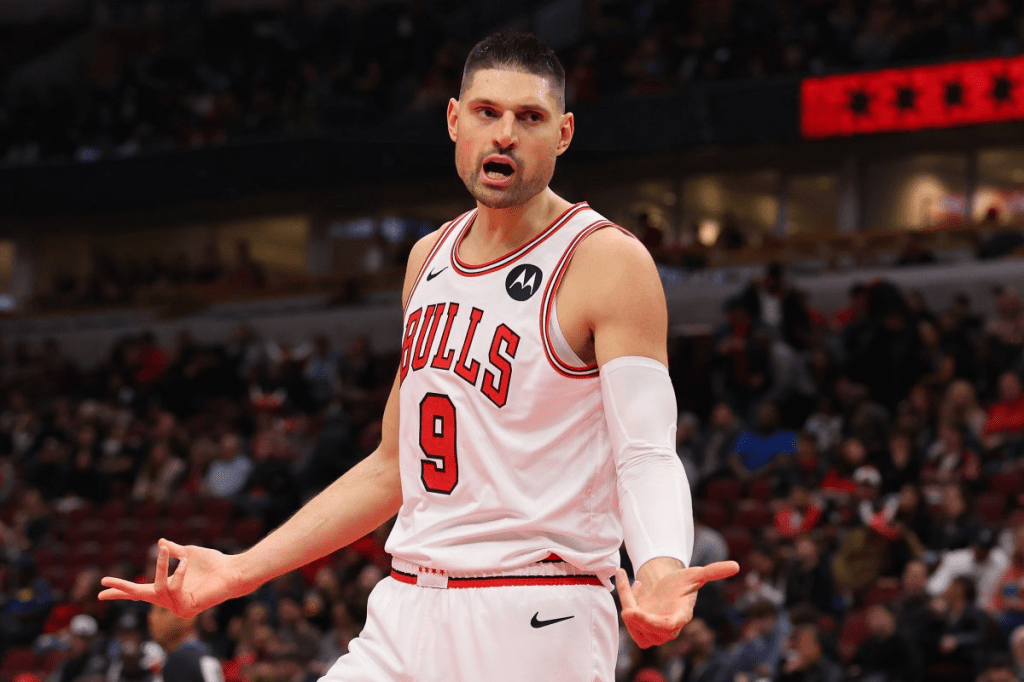
Montenegro’s finest came out of the gates last season playing like an All-Star. While he eventually slowed down, he still broke out of an extended shooting slump, connecting on 40.2% of his triples for the year while adding 18.5 points and 10.1 rebounds. Overall, Vucevic was one of the main reasons Chicago was so mediocre. Yes, that’s a complementary statement, because without him, they would have been awful.
60: Jordan Poole
While he’s known for his AAU-esque street ball flair, Jordan Poole played with more maturity in 2024-25, and he was better because of it. The 25-year-old shot 37.8% from deep on nine attempts a game, a level of efficiency on considerable volume we’ve never seen from him. He also put more effort in on defense and became a leader in the locker room for a super young Wizards team.
59: Rudy Gobert
His lacking offensive aptitude can be a problem, but Gobert remains an all-powerful defensive presence. Teams try time and time again to hunt him on switches, but he rarely concedes advantages. As a rim protector, he’s still close to peerless. Without the Stifle Tower, Minnesota wouldn’t have back-to-back Conference Finals appearances under their belt.
58: OG Anunoby
The ultimate switchblade stopper, OG Anunoby can shut down anybody. Guards, wings, bigs, whoever. He wasn’t named to an All-Defensive team, but there aren’t more than twelve defenders on the planet better than him. Anunoby has also made leaps and bounds as an offensive player over time. He posted a career-high 18.0 points in 2024-25 and scored 30+ six times, the most of any of his professional seasons.
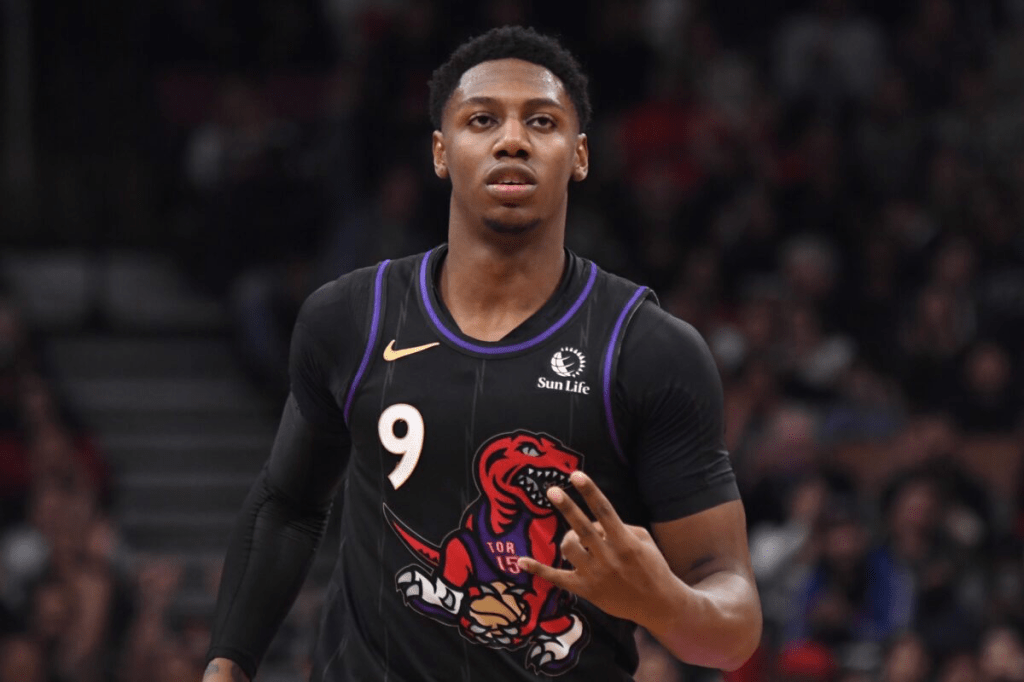
57: RJ Barrett
Playing in his home country has given RJ Barrett the comfort to ascend his game to another level. He averaged the most points (21.1) and assists (5.4) of his career last season on his second-highest field-goal percentage (46.8%). When Scottie Barnes, Immanuel Quickley, and others missed time for Toronto, Star-J stepped up as a leader. His long-term future with the Raptors has been put in jeopardy, but Barrett has become a player who can succeed anywhere.
56: Trey Murphy III
A new star emerged from the basketball dystopia that was the 2024-25 Pelicans. Trey Murphy rose from the flames like a phoenix, giving hope to the organization with his growth on both ends. The rangy forward scored 21.2 points per game, filling it up at every level while also averaging a career-high in assists (3.5).
55: Jalen Johnson
A torn labrum unfortunately cut short what was on track to be a Most Improved, or even All-Star, level campaign for Jalen Johnson. The Duke product is the epitome of a modern power forward. He’s an imposing 6’9” force of nature with a mind teeming with hoops IQ and hands graced with silky touch. Johnson recorded 18.9 points, 10.0 rebounds, 5.0 assists, 1.6 steals, and 1.0 blocks last season. Very few players in basketball can match that type of production, and most of those who can are superstars.
54: Jalen Green
Jalen Green is as polarizing as anyone in the sport, and that’s because of his polar play. Some nights he’s unstoppable, making scoring 30 look like the easiest thing ever, and others, he’s barely noticeable on the court because his shot isn’t falling. Even though we saw more of the latter in the playoffs, Houston wouldn’t have been there in the first place without him.
53: Austin Reaves
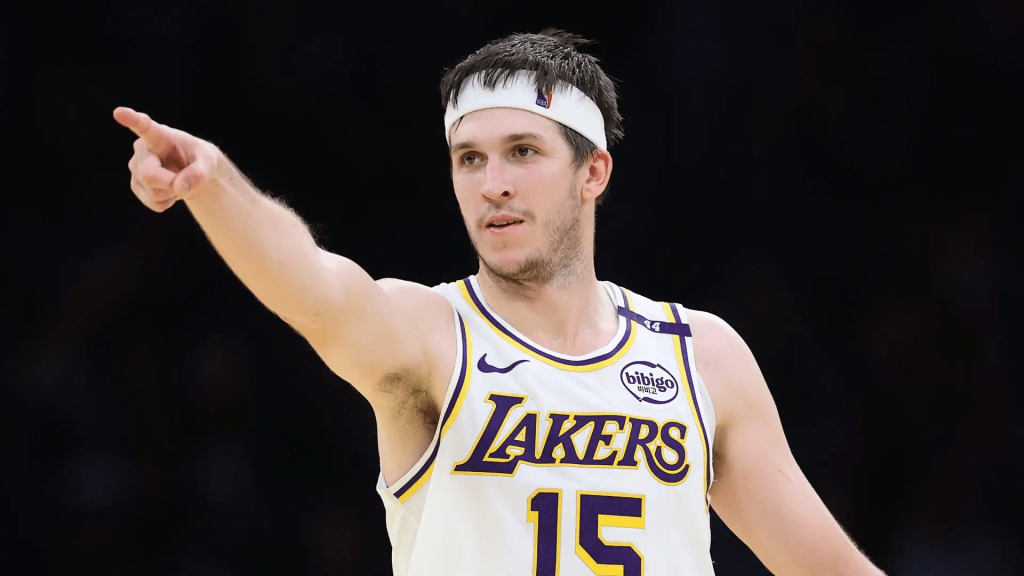
Reaves, who was undrafted (in case you forgot), has become an exceptional third banana for the Lakeshow. He complements LeBron and Luka off-ball with his knockdown shooting (37.7% on 7.3 attempts in 2024-25), and he can take over with the ball in his hands whenever it’s needed. Reaves is poised, measured, and precise in his approach, and he’s a cold-blooded killer, justifying his Hillbilly Kobe moniker.
52: Scottie Barnes
Toronto holds the highest belief in their former Rookie of the Year, but Barnes hasn’t yet become the franchise-altering star that the team envisioned. His production has plateaued, and his jumper hasn’t come around (27.1% from deep on 4.3 attempts last season), leaving questions in the air surrounding his ceiling. Still, we’re talking about one of basketball’s most ferocious free safety defenders and keenest point forwards. Barnes is a star in this league, just probably not a top dog.
51: Coby White
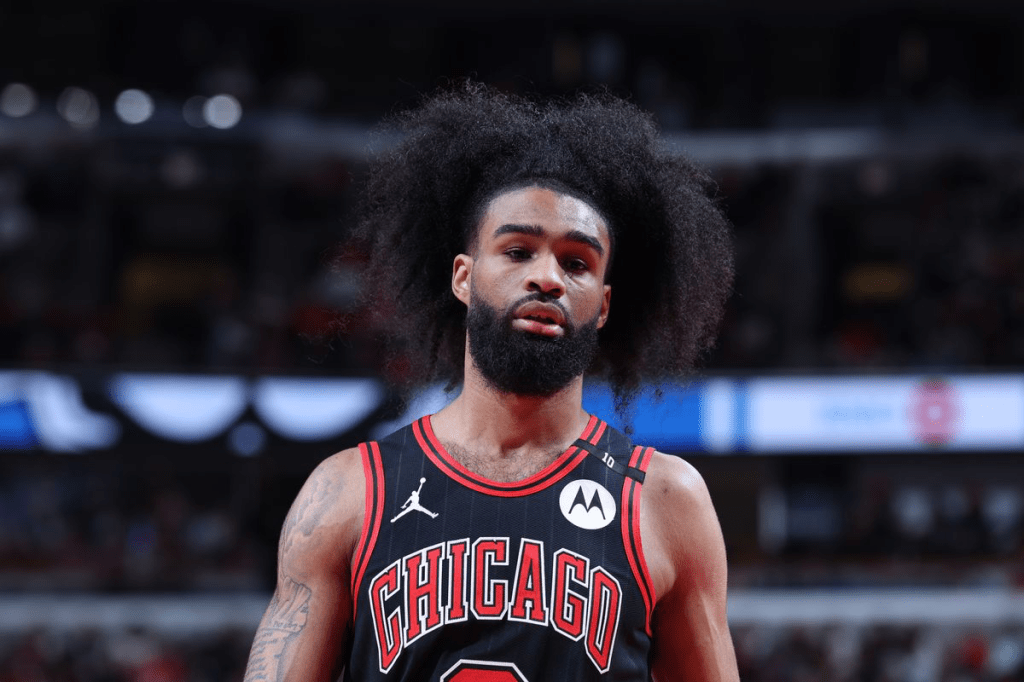
White’s late-bloomer breakout in 2023-24 wasn’t just a flash in a pan. The bouncy guard with bouncy hair was even better last season, putting up a career-high 20.4 points by bombing deep threes and lacerating the lane. Most importantly, though, he’s given downtrodden Bulls faithful something to believe in.
50: Desmond Bane
If you still think Desmond Bane is just a shooter, you’ve been living under a rock for the past three years. The former 30th overall pick has honed his ancillary skills and become a complete offensive star. In 2024-25, he averaged 5.3 assists and graded out as a 94th percentile finisher, per BBall Index. He struggled in the playoffs, shooting a measly 31.7% from the field, but many guards would have met the same fate if they ran into OKC’s buzzsaw perimeter defense.
49: Jamal Murray
Year in and year out, Jamal Murray proves he’s an All-Star talent despite not ever officially earning the title. He and Jokic put the dynamic in dynamic duo, and that’s in large part due to Murray’s breathtaking craft as a creator and movement scorer. The Blue Arrow balled out in the playoffs as always last year, putting up some especially huge performances in Denver’s hard-fought series win over the Clippers.
48: Zach LaVine
Although he was trapped on mediocre rosters, LaVine’s individual play was nothing short of fantastic last season. He shot 51.1% from the field and 44.6% from deep, some absurd efficiency considering his volume, shot diet, and size. Young Hollywood is one of the game’s best shooters— he finished eighth in the league in total 3PM (239) and fourth in games with 7+ threes (six). Here’s hoping he can get the chance to play postseason hoops again soon.
47: DeMar DeRozan
DeMar DeRozan is one of the most reliable stars in the league. He doesn’t create drama, rarely misses time (70+ GP in the last four seasons, 77 in 2024-25), and never shows up without his trusty mid-range jumper. The six-time All-Star averaged 22.2 points while being the only player in the league to make over 100 shots between 15-19 feet, and he also finished fifth in total clutch points.
46: Kristaps Porzingis
The Unicorn’s year was ravaged by injuries— he checked in to just 42 games in the regular season and barely made a difference in the ‘offs. When he did play, though, Porzingis was a human cheat code. Only two seven-footers (Wemby and Markkanen) connected on more threes per game than him, and he was a mismatch nightmare inside the arc with his ability to shoot over anybody.
45: Chet Holmgren
2024-25 was set to be a major breakout year for Chet Holmgren, but then he fractured his pelvis in November and was forced to sit out for three months, which halted his momentum. Even so, we got a glimpse of peak Chet during both the first month of the season and OKC’s championship run. The former second-overall pick is almost a game-breaking defender already at age 23, and the sky is the limit for him offensively as well.
44: Derrick White
Derrick White’s evolution from rock-solid role player to 3&D star has been one of the coolest stories of the last few seasons. In 2024-25, he posted a career-high 16.4 points while shooting 38.4% from three on 9.1 attempts and finishing top-ten in DPOY voting. White’s the prototypical winning player in today’s NBA, and he would instantly elevate the floor of any team in the association.
43: Tyler Herro
Former freshman-phenom-turned-Sixth-Man-of-the-Year Tyler Herro is now an All-Star, and that title was well earned. The 25-year-old averaged career-highs in points (23.9) and assists (5.5) while placing sixth in the league in total threes made (251). His leap was key in Miami ending up in the playoffs despite Jimmy Butler’s departure and Bam Adebayo’s down season.
42: Jarrett Allen
Allen’s only All-Star appearance came in 2022, but he’s been worthy of a nomination every year since. The big fella is the anchor for Cleveland on both ends of the floor, and his immovable interior presence was an essential part of the team’s 64-win season. Allen started all 82 contests in the regular season while leading the league in field goal percentage (70.6%).
41: Ivica Zubac
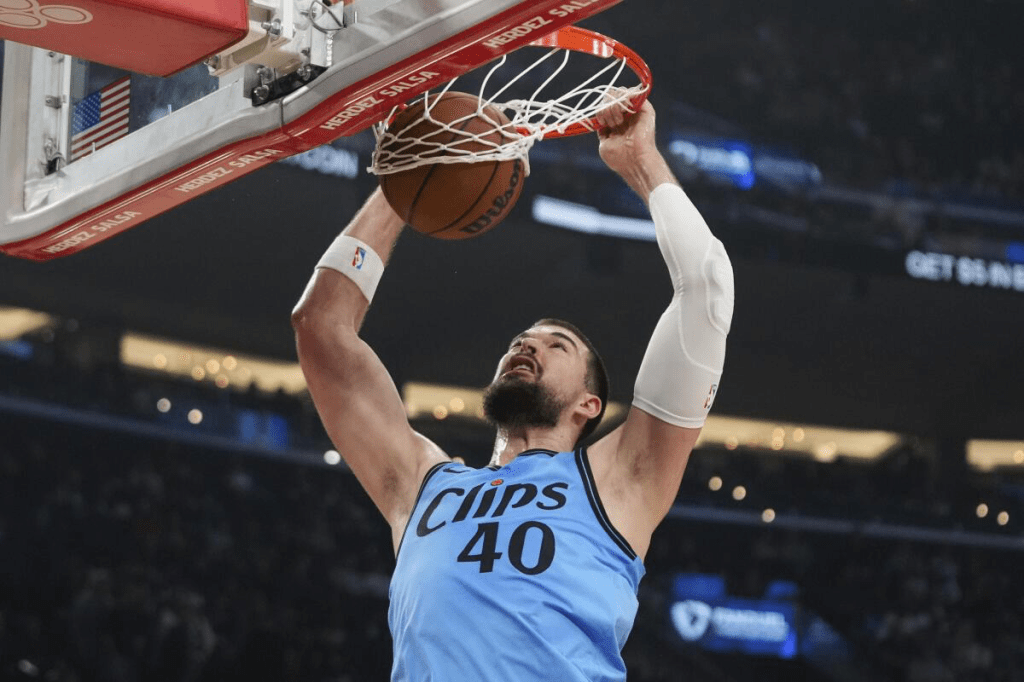
The Clippers were one of the most complete teams last season and Ivica Zubac was at the center of all their success. He didn’t win the award, but his season was the definition of Most Improved. He went from a decent starting center to a borderline All-NBA guy (in the eyes of some). Zubac’s game isn’t flashy at all, but he checks all the boxes for a classic big man. He’s an elite rebounder, an All-Defensive rim protector, and a trusty rolling threat for James Harden.
40: Bam Adebayo
It was a weird year for three-time All-Star Bam Adebayo. He shot below 50% from the field for the first time in his career, struggling offensively for a large portion of the season, but he also pulled his usual heavy weight on defense and put together some strong play in March and April. Overall, even though Tyler Herro picked up a lot of slack for Miami, Adebayo was still the team’s most complete player.
39: Julius Randle
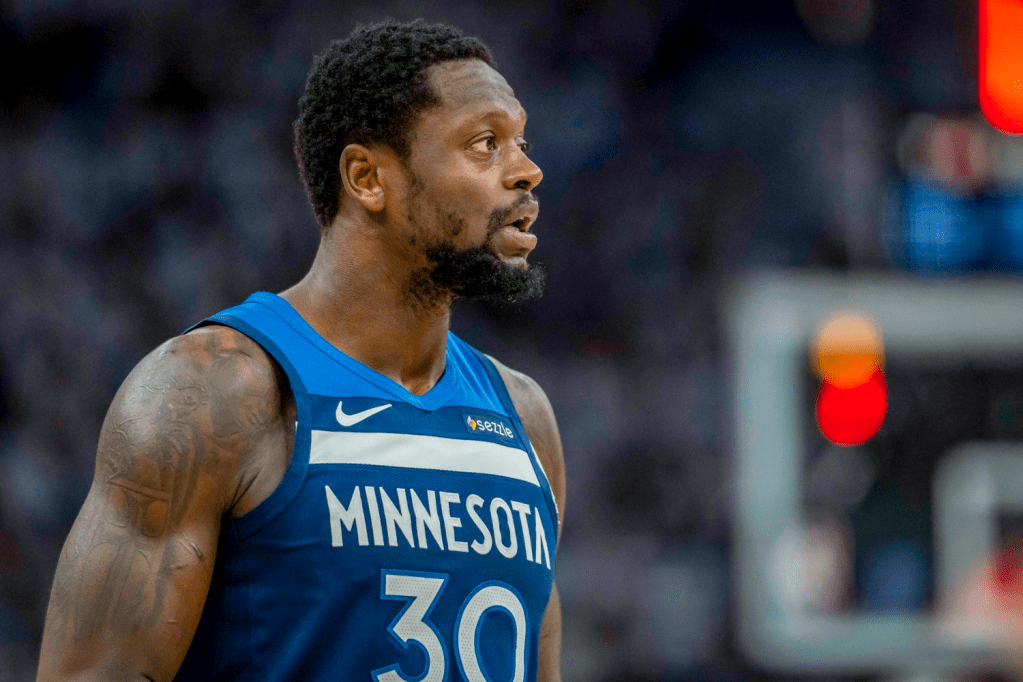
Julius Randle showed the world just how valuable a second creator next to Anthony Edwards can be. The bruising power forward found great synergy in Minnesota’s lineup, willingly playing the role of Robin and opening things up for the offense with his gravity. In the playoffs, Randle shed his “dropper” title to the tune of 21.7 points a night on 50/38/88 splits.
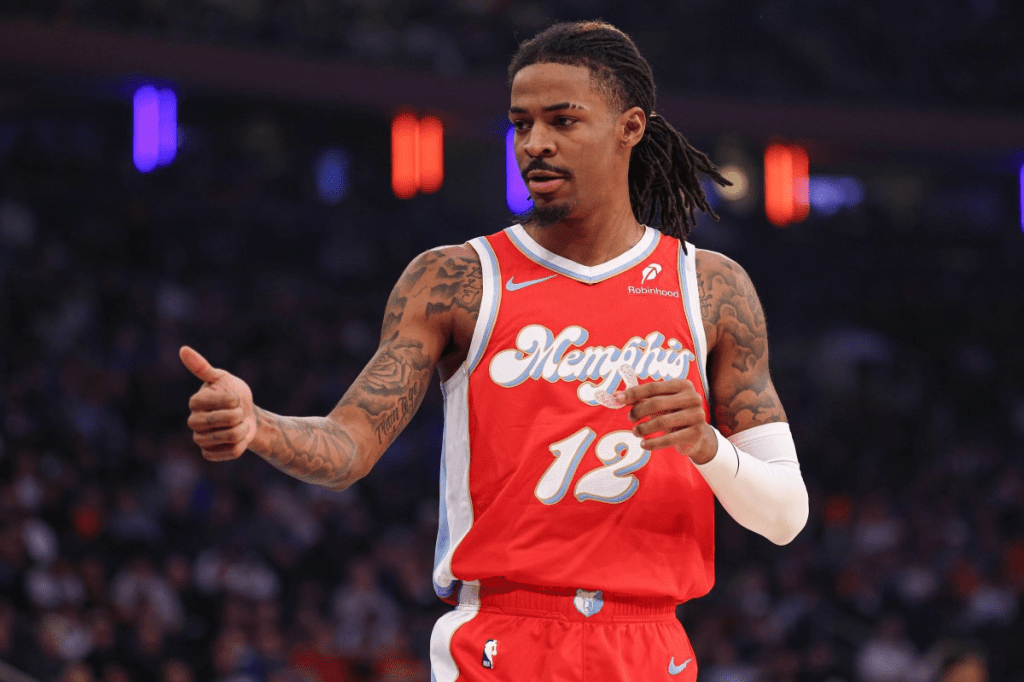
38: Ja Morant
Injuries (and suspensions) have impeded Ja Morant’s ability to find a rhythm throughout the past two years. In 2022, he was a top 10 player, an unrelenting downhill force, but now he’s a sporadic scorer with shooting and turnover pains. On his best nights, Morant is incredible, but he didn’t reach those heights as much as Memphis would have hoped in 2024-25.
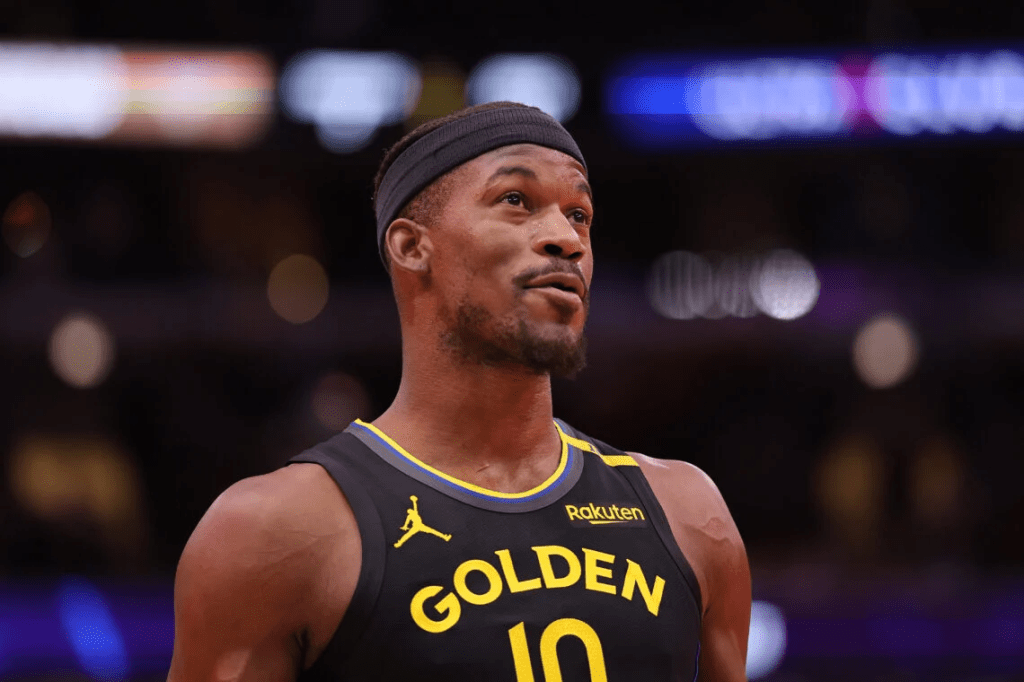
37: Jimmy Butler
The drama that Jimmy Butler stirred in Miami leading up to the trade deadline was obnoxious, but thankfully he tightened things up once he landed in Golden State. The grizzled superstar lifted the Warriors into dark horse contender status, but he was a cause of their downfall too, as his waning aggression stuck out like a sore thumb when Steph Curry went down with injury in the postseason. His playmaking was on point, but he was unselfish almost to a fault.
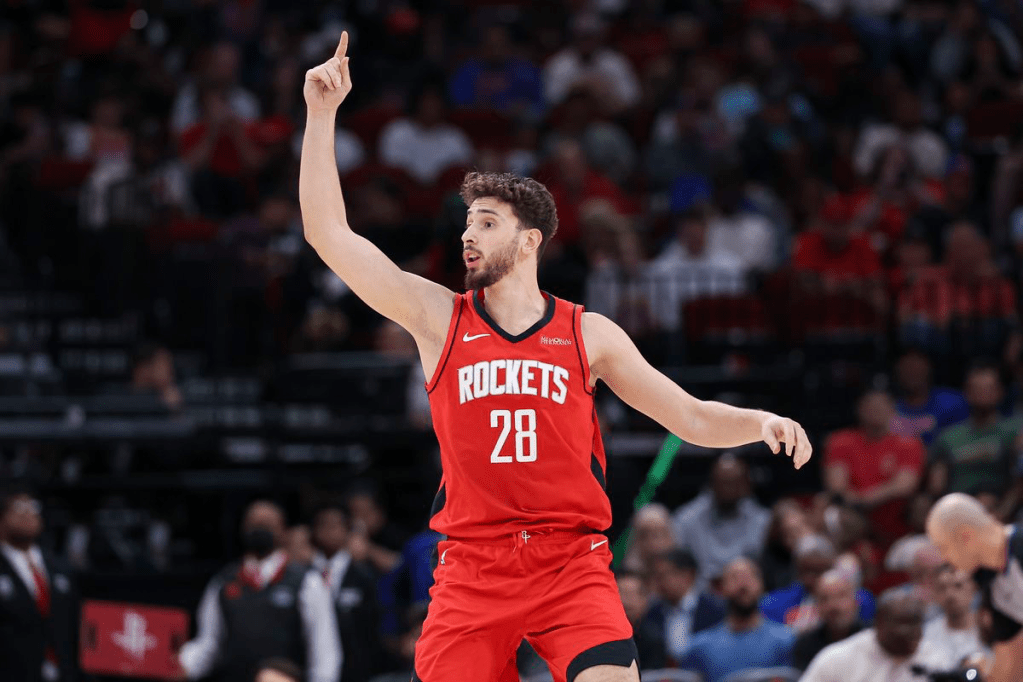
36: Alperen Sengun
Alperen Sengun was the best player on a 50-win two-seed at 23 years old. The first-time All-Star’s rugged-but-graceful post play and improved interior defense were the key to unlocking Houston’s playoff form earlier than anyone expected. He has his flaws, and likely won’t be the number-one option on a championship team in the future, but that doesn’t change the fact that Aply, who was picked 16th overall, has exceeded all expectations already in his career.
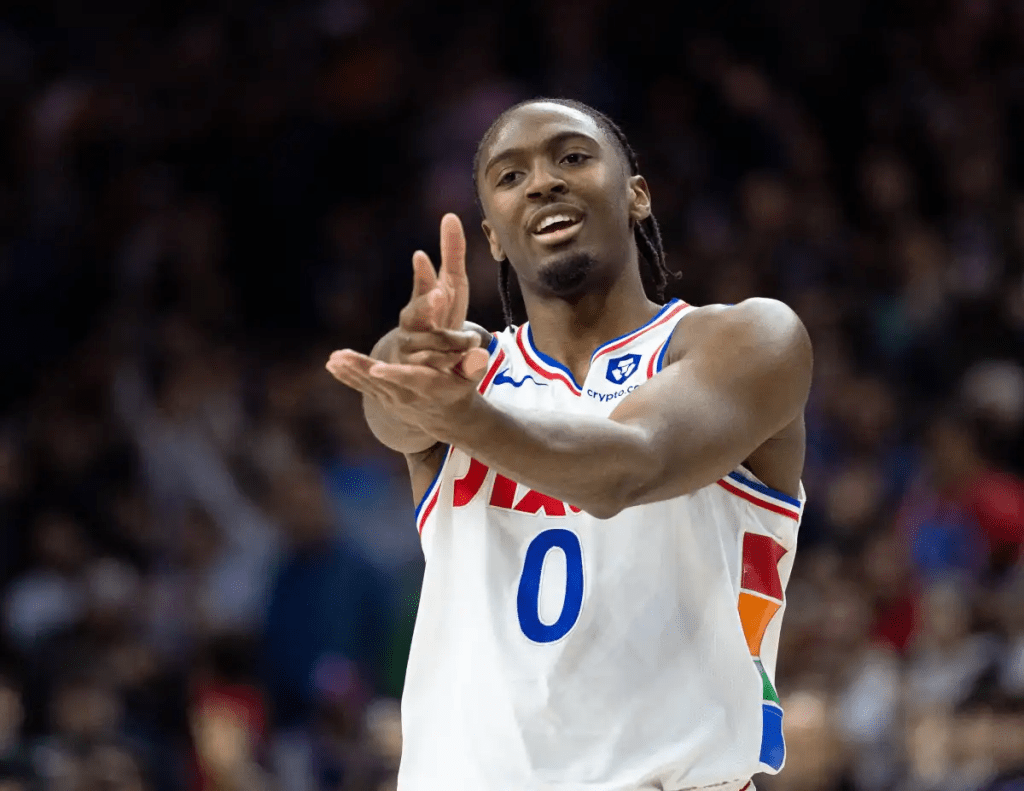
35: Tyrese Maxey
Undeterred by the chaos of Philly’s season, Tyrese Maxey cemented himself as an All-Star talent in 2024-25. He exploded for 26.3 points and 6.1 assists per game despite being the only true offensive threat on the court for the 76ers many nights (the team’s most-played lineup was Maxey, Eric Gordon, Kelly Oubre Jr., Justin Edwards, and Guerschon Yabusele). Like most of his teammates, Maxey missed some time with injury, but when he hooped, he hooped.
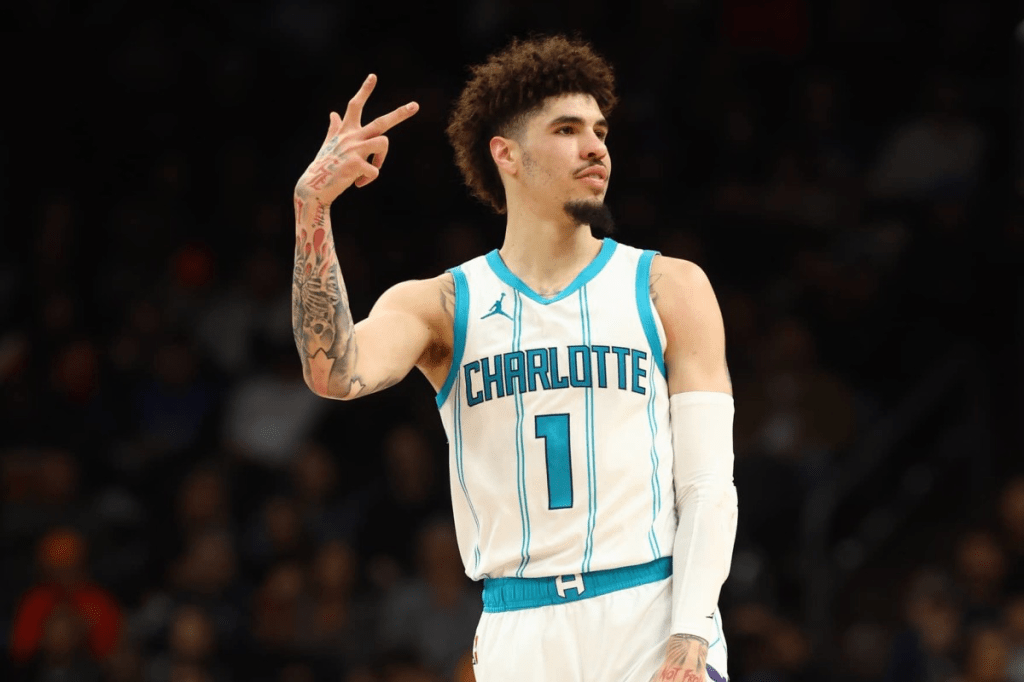
34: LaMelo Ball
LaMelo Ball plays like a middle schooler on the playground and it’s delightful to watch (most of the time). He takes shots and makes moves that nobody else would dare attempt. He’s like an off-the-dome freestyle song in basketball form. Ball averaged 25.2 points and 7.4 assists last season (although he shot just 40.5% from the field) and many thought he deserved the All-Star nod he didn’t receive.
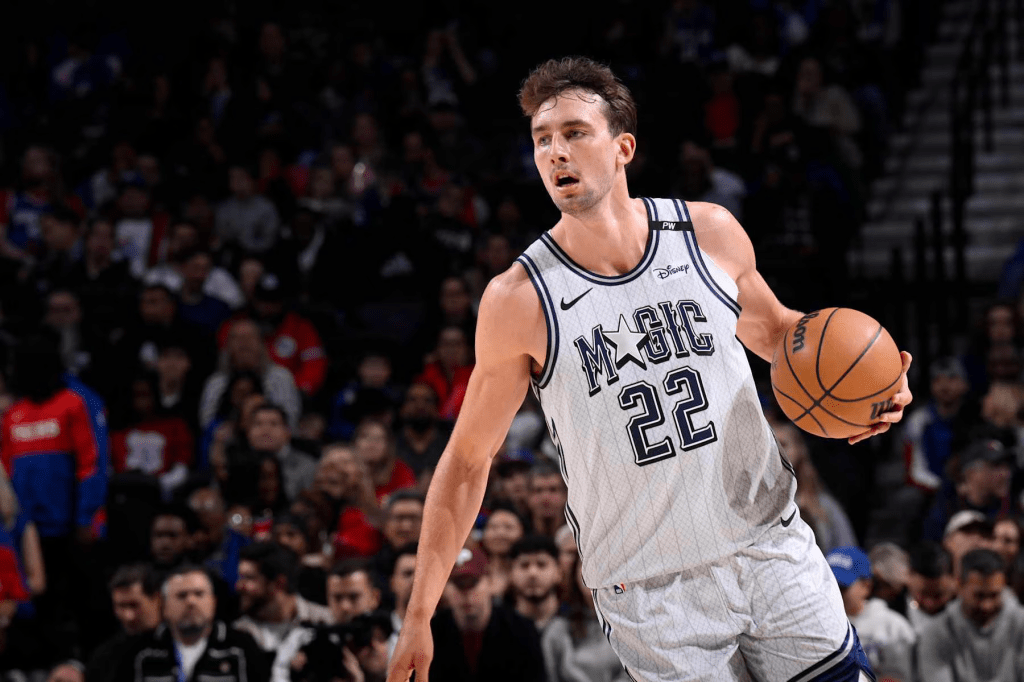
33: Franz Wagner
Only so many guys in the league make an All-Star impact on both ends of the floor, and Franz Wagner is one of them. On offense, he’s a point forward and a phenomenal finisher who can take over as a number one option for long stretches. Defensively, he’s a stable stopper on the wing who fits right into Orlando’s lockdown lifestyle. Some people already think Wagner is the best player on the Magic, but his concerning perimeter scoring package is too much to gloss over in the modern NBA. He shot 18.9% from three on 7.4 attempts in the playoffs.
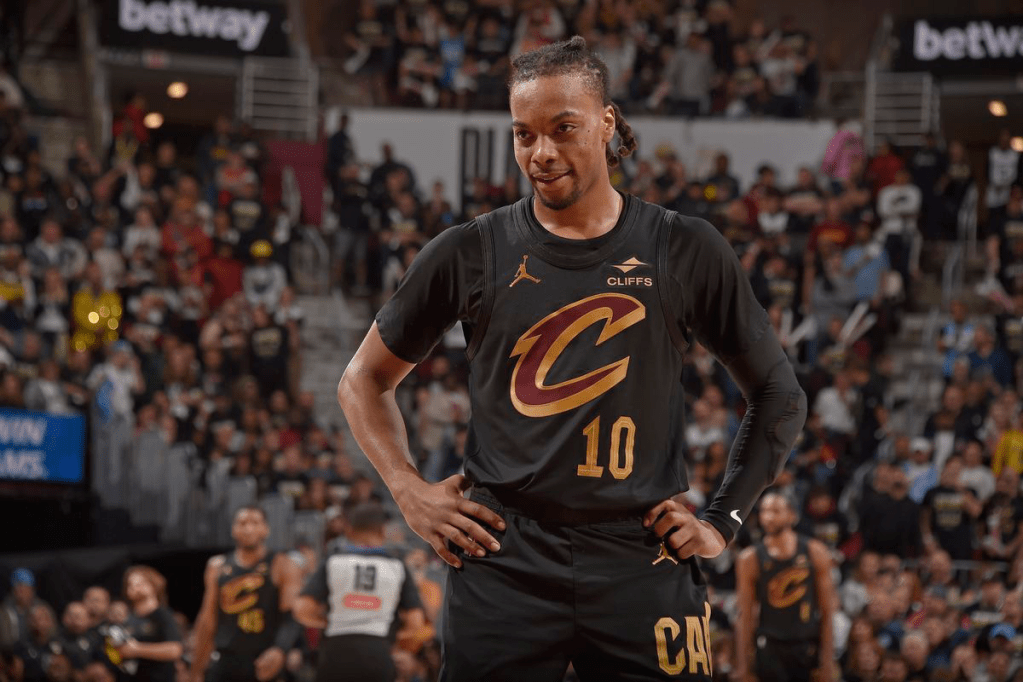
32: Darius Garland
After struggling to stay healthy in 2023-24, DG the PG was back in full form last season. He dished slick dimes, bombed deep threes, and sunk clutch shots night after night for the 64-win Cavs, earning his second All-Star appearance for his efforts. Unfortunately, the injury bug caught him again in the postseason, and he played just five games as his team fell short in the second round.
31: Jalen Williams
Not enough praise can be heaped on Jalen Williams for the year he had. The former 12th overall pick contributed at a high level in every possible way to an all-time great Thunder team in just his third NBA season. J-Dub lengthened his resume by a page or two, adding the titles of All-Star, All-NBA, All-Defense, and, above all, champion. The next step for the 24-year-old will be to find more consistency in his scoring efficiency and aggression, especially in the playoffs.
30: Jaren Jackson Jr.
In a year where Ja Morant’s play was up-and-down, Jaren Jackson Jr. held things down for the Grizzlies as their best player on both sides of the ball. He averaged 22.2 points, just 0.3 shy of the career-high he set in 2023-24, while scoring as efficiently as ever (48.8% FG, 37.5% 3P) and stonewalling the rim on defense. Jackson made his second All-Star game and an All-Defensive team, but he had All-NBA and a top-three DPOY finish virtually locked up before Memphis went 10-13 to end the regular season.
29: Evan Mobley
Evan Mobley made an astronomical leap in 2024-25, and the Cavs wouldn’t have been as good as they were without it. He terrorized opponents with his size and versatility on defense, and his extraordinary play on that end earned him his first Defensive Player of the Year award. The 24-year-old also hit a new gear on offense, ramping up his belligerence as a scorer and averaging a career-high 18.5 points. If Mobley keeps adding to his offensive bag, he may just hit the top ten within a few years.
28: Domantas Sabonis
The Kings may be a forgettable franchise, but Domantas Sabonis is far from a forgettable player. The Lithuanian big man stuffs the stat sheet in a way few players can match. In 2024-25, he led the league in rebounds at 13.9 a game while notching 19.1 points and 6.0 assists on 59/42/75 shooting splits. Sabonis is tough-as-nails and much more of a winner than his team’s record suggests.
27: Jaylen Brown
We know what to expect from Jaylen Brown at this point. It felt like he sleepwalked his way to his fourth All-Star appearance, and that’s a testament to just how dependable he is. Brown is the model second option, a complete three-level scorer who can play off-ball but also spearhead an offense when he gets hot. He’s also one of the most driven defenders amongst his star peers— he took on a 91st percentile matchup difficulty workload last season, per BBall Index.
26: De’Aaron Fox
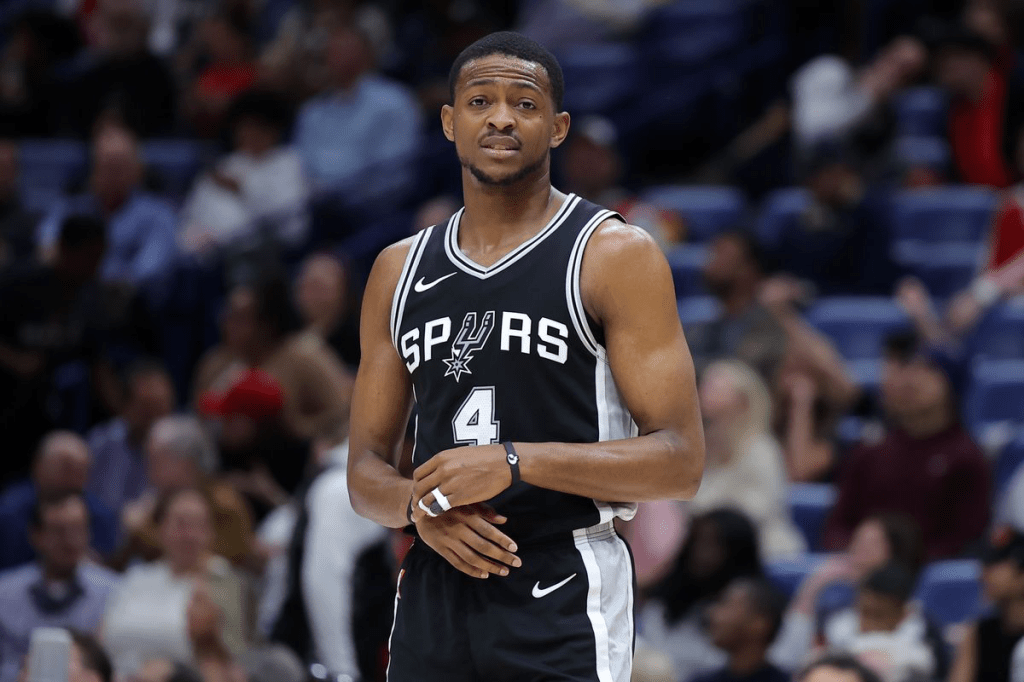
De’Aaron Fox is one of the most slept-on stars in the sport. He has only one All-Star game to his name, but he should have three. In 2024-25, he averaged 23.5 points, 6.3 assists, and 1.5 steals while becoming the fifth player in Kings history to score over 10,000 points for the franchise. On November 15th, he scored 60 points, making him one of two players to do so last season (with the other being Nikola Jokic). Fox lost his groove a bit after being traded to the Spurs, but injury was the main cause.
25: Kyrie Irving
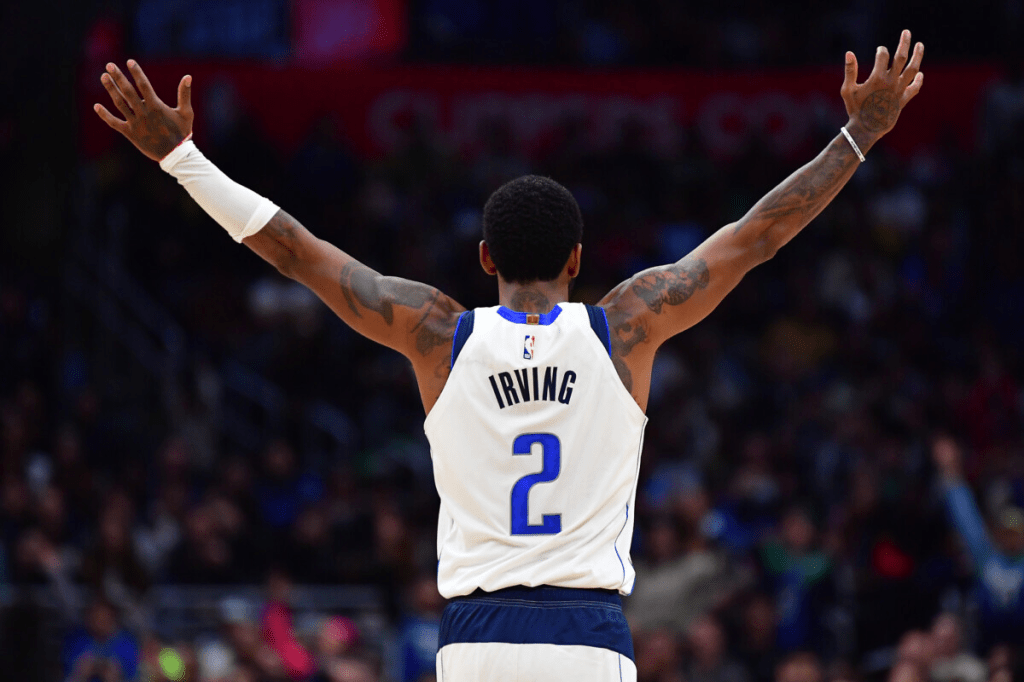
Season after season, Kyrie Irving is one of the most thrilling watches in the league. His dazzling bag has barely gotten shallower with age. Even without Luka on the court last year, Uncle Drew got his game off. He averaged 24.7 points on 47/40/92 splits through 50 games, earning him his 9th All-Star nod, before he tragically tore his ACL.
24: Zion Williamson
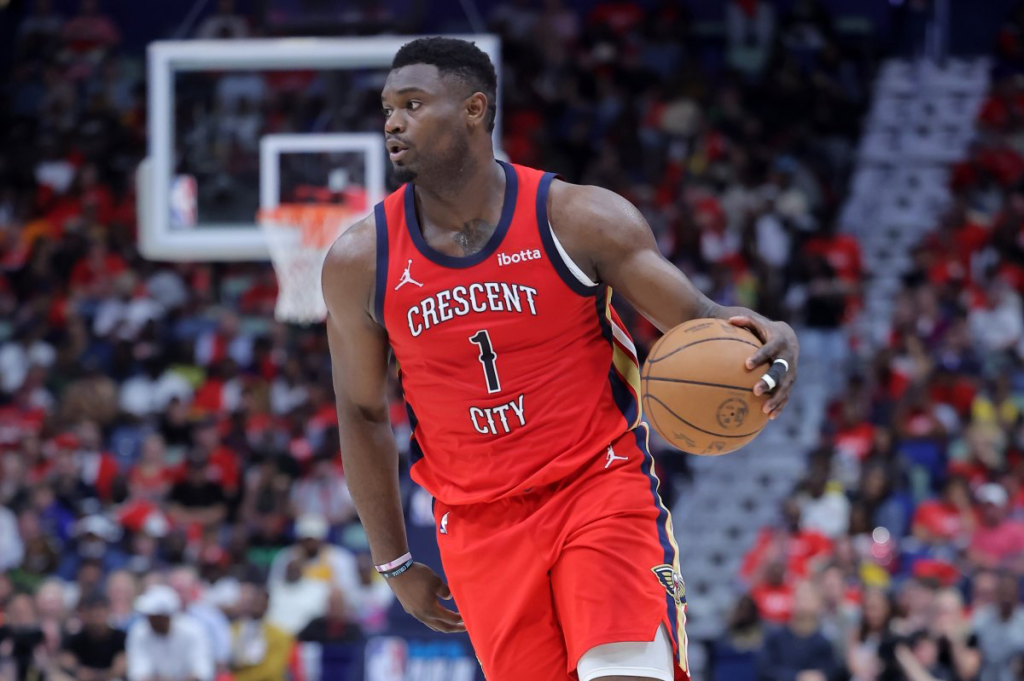
Zion barely qualified for this list, as he played exactly 30 games. However, in that small sample size, he was an effectively unstoppable force. In just 28.6 minutes a night, Williamson put up 24.6 points and 5.3 assists on 56.7% from the field. The Pelicans were 10-20 with their All-Star in the lineup last season. Without him, they were 11-41. Healthy Zion will always be a problem.
23: Paolo Banchero
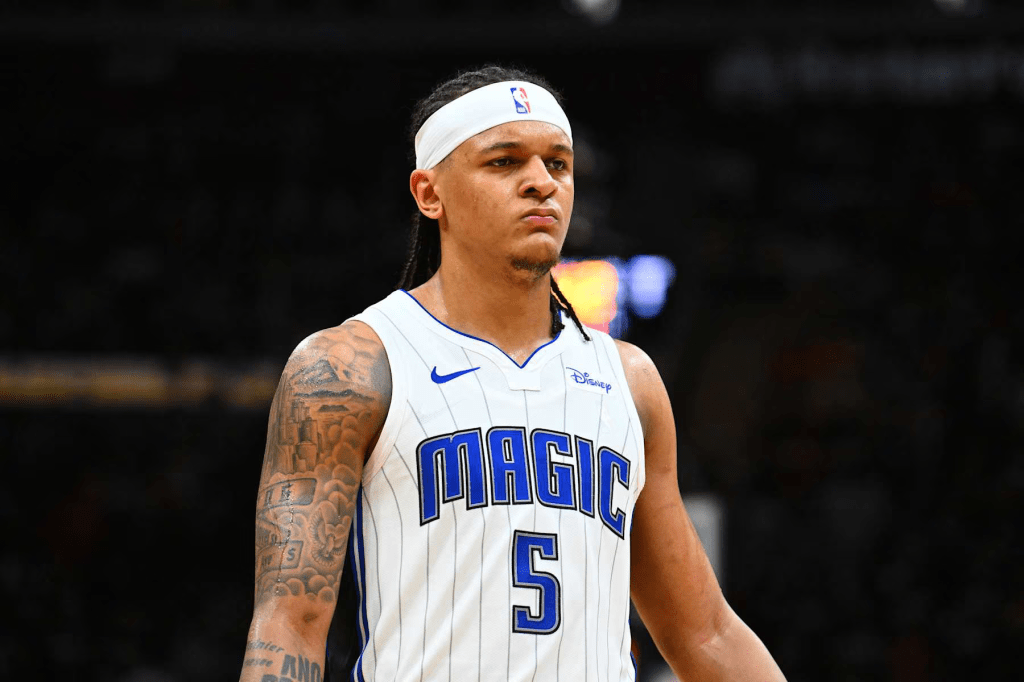
Paolo Banchero catches a lot of flak on social media, but he’s done pretty much everything a team could want from their first-overall pick through his first three seasons. In 2024-25, he posted 25.9 points, 7.5 rebounds, and 4.8 assists a night, commanding a second consecutive playoff push for the Magic. In the postseason, he stepped up his game, averaging 29.4 points and accounting for an insane 31.4% of his team’s points in their series against Boston. In a few years, Banchero will be a consensus top-ten player, and we’ll be seeing a lot of people go back to retract the doubt they’re casting on him currently.
22: Devin Booker
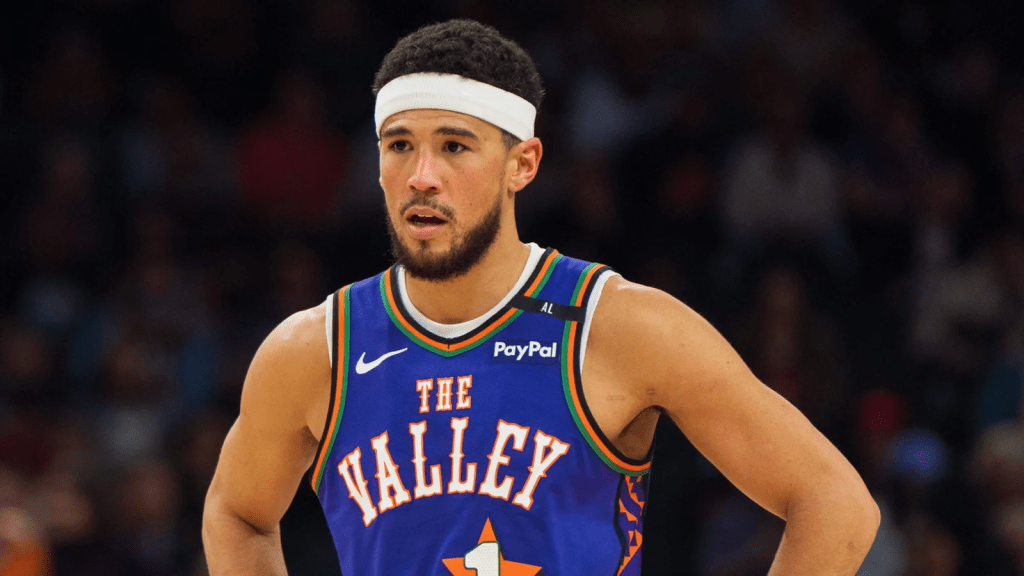
He’s usually a quiet, let-the-game-speak-for-itself type of player, but last season felt like an extra under-the-radar one for Devin Booker. Despite dropping 25.6 points and a career-high 7.1 assists a night, showing a seasoned feel for playmaking that we haven’t always seen from him, Book missed out on both the All-Star game and an All-NBA nod. Much of that can be attributed to his team only being in the headlines for the wrong reasons, though, and the Suns GOAT should make his presence felt again very, very soon.
21: Trae Young
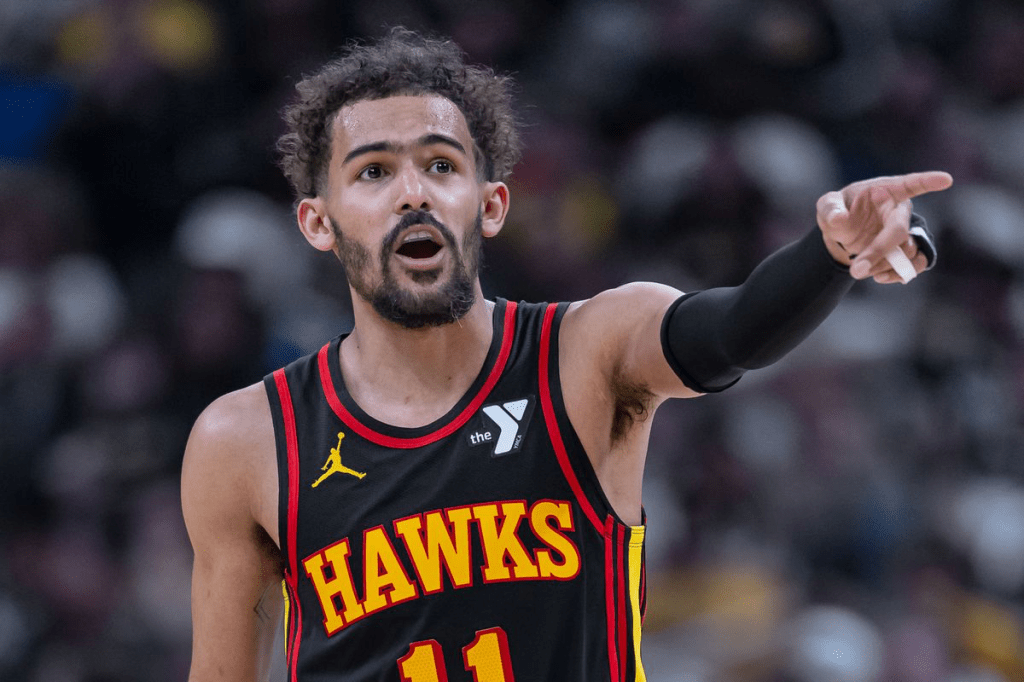
A one-man offense, Trae Young dragged yet another underwhelming Hawks roster to a play-in appearance. He shouldered the second-largest usage rate of his career, leading the league in that category, and distributed 11.6 assists a night (another league-pacing average) along with 24.2 points. His efficiency was as down as it’s ever been, but he made the most out of a ridiculous workload.
20: Cade Cunningham
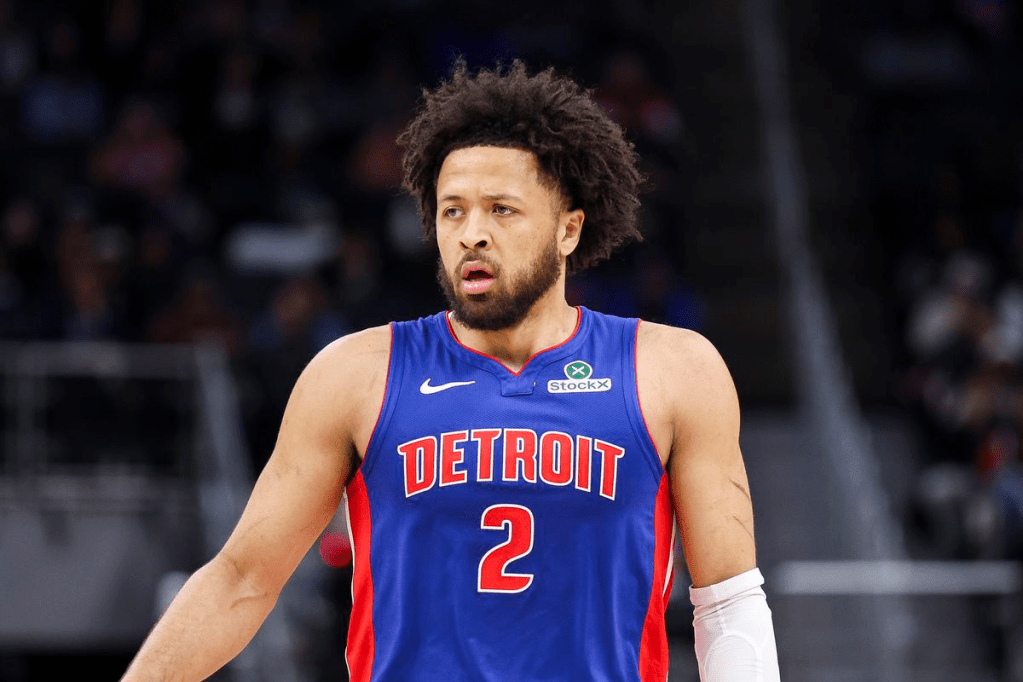
What a year it was for Cade Cunningham. After spending his first three seasons stuck on dysfunctional rosters and being slandered by “experts”, he finally got the chance to wake the world up to his talent. Cunningham attained his first All-Star and All-NBA plaques while taking the Pistons to the playoffs for the first time since 2019. The 23-year-old gave the city of Detroit something to believe in, and made it clear as day that he’s going to be a superstar.
19: Damian Lillard
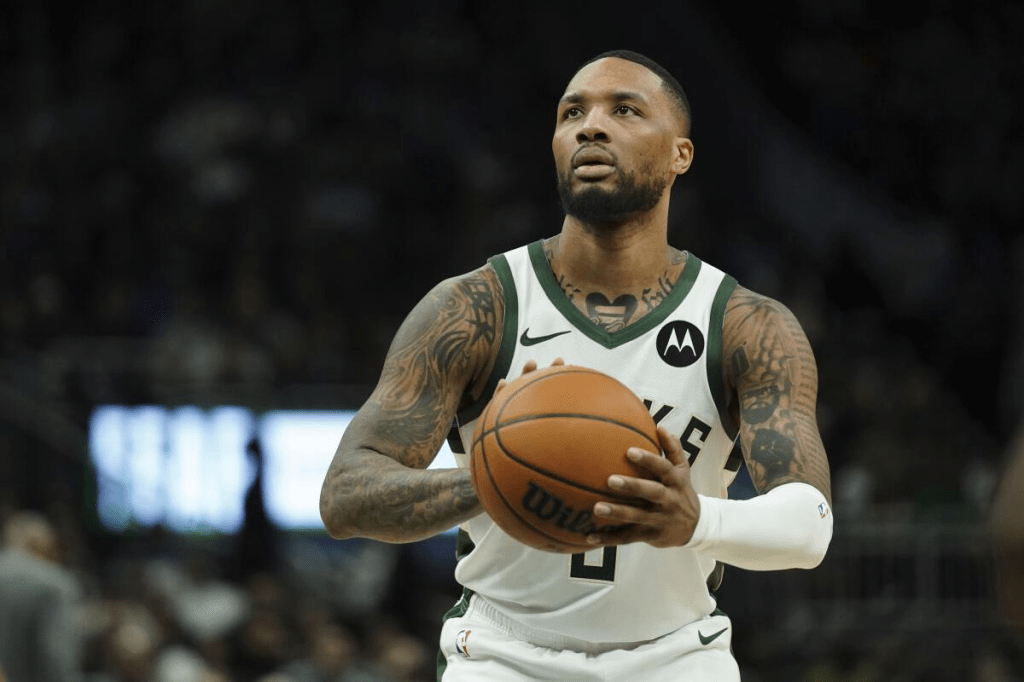
A lot can be said about Damian Lillard’s tenure in Milwaukee, both good and bad, but one thing that can’t be denied is that he gave it his all. He’s an all-time player and an all-time professional. Even after battling a blood clot, a potential life-changing condition, Dame came back to play in the 2025 playoffs. Across last season as a whole, he averaged 24.9 points and 7.1 assists, earning his 9th All-Star berth.
18: Karl-Anthony Towns
In his first season as a non-Timberwolf, Karl-Anthony Towns needed almost no time to adjust, and ultimately put together one of his best individual seasons. The Big Bodega scored as well as he ever has inside the arc while still shooting the ball at an elite clip. He made his third All-NBA team, started in the All-Star game, and helped bring the Knicks to their first Conference Finals appearance in a long time.
17: Pascal Siakam
Long underappreciated, Pascal Siakam got some deserved recognition when he was named Eastern Conference Finals MVP. The Pacers couldn’t have made the run they did without their best scorer (and arguably true best player), who imposed his will on many a game in the postseason with his remarkable combination of strength, savvy, and feel. The All-Star averaged an efficient 20-ball a night in both the regular season and the playoffs.
16: James Harden
James Harden hasn’t fallen off yet. He was 35 years old last season and was still able to show why they call him The System. His scoring isn’t where it was in his MVP days, but Harden still applies heavy pressure on defenses off the dribble while being a world-class quarterback. He played all but three games for the 50-win Clippers, registering 22.8 points and 8.7 assists (fifth in the NBA) a night and cracking his 8th All-NBA squad.
15: Tyrese Haliburton
“What the Hellyburton?” is the corny but appropriate reaction to the year, specifically the playoffs, Tyrese Haliburton just put together. He started 2024-25 off cold, costing him an All-Star salute, but he went on to make All-NBA Third Team and take Indiana to the Finals. A large chunk of the craziest moments of 2024-24 belong to Haliburton, as he was laughably clutch from opening night to game seven of the championship series. His Achilles tear in that last contest was a heartbreaking and undeserved ending for one of the game’s future great point guards.
14: Donovan Mitchell
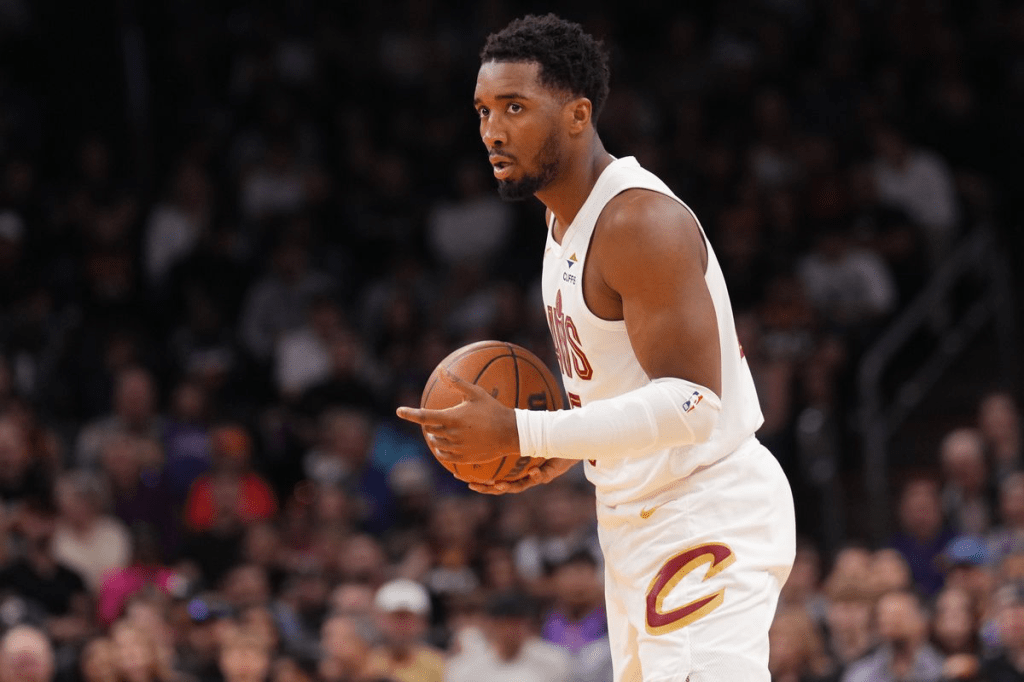
Few players rise as much in the playoffs as much as Donovan Mitchell does. When most of his teammates were injured or struggling last spring, Spida-Man did his best to save the day, delivering some Herculean performances against Indiana in a series where he detonated for 34.2 points a game. His regular season was amazing too, as he finished fifth in MVP voting and made All-NBA first team for the best-in-the-East Cavaliers.
13: Kawhi Leonard
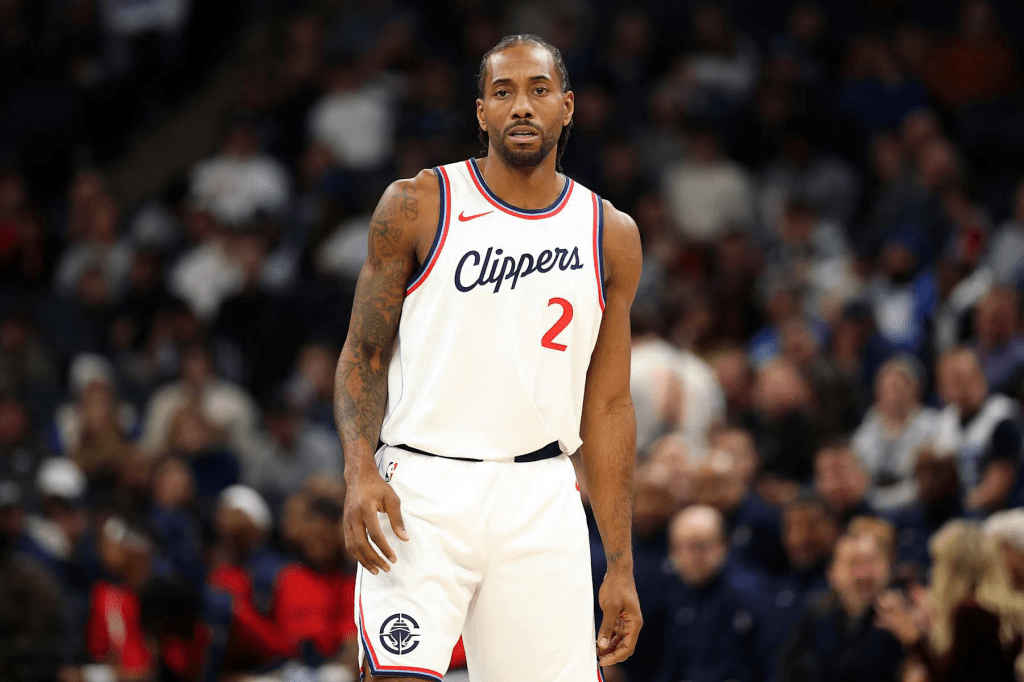
Kawhi Leonard made his season debut in January, but it didn’t take long for him to find a rhythm after his delayed start. By the time the playoffs started, we were seeing dashes of prime Klaw. His 39-point, 15/19 shooting outing in Game 2 against Denver was one of the paramount individual performances of the entire year. He chalked up 25.0 points a game in the playoffs as a whole, showing us that he’s still an all-timer when healthy.
12: Anthony Davis
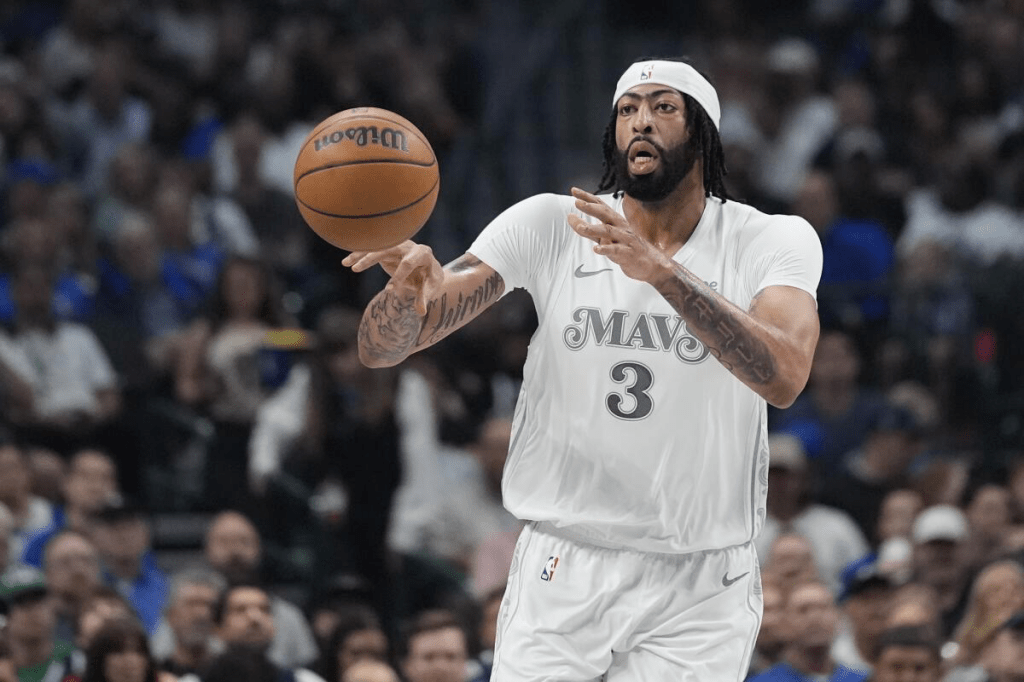
The Brow has been one of basketball’s supreme two-way forces for a decade now, and he hasn’t shown signs of slowing down. With both Dallas and Los Angeles last season, AD turned the paint into his playground on both ends, swatting shots mercilessly and converting layups and turnaround middies at video-game rates. Davis capped off a 24.7-point, 2.2 block-a-game campaign with a 40-point venture in the play-in against Memphis, although his team lost that game.
11: LeBron James
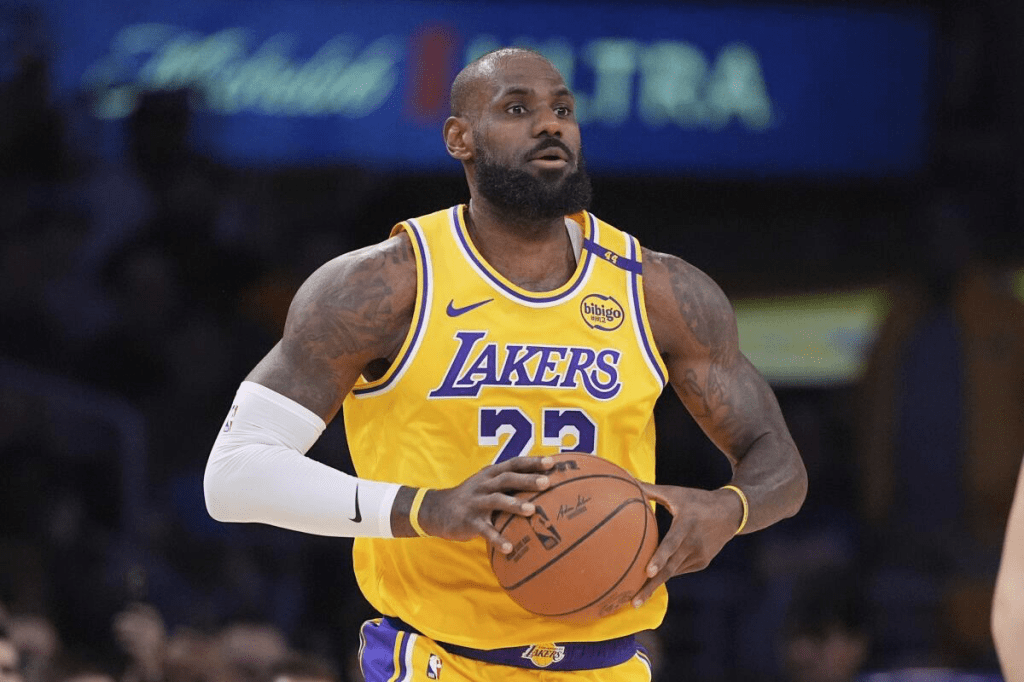
LeBron may not have been a top-ten player last season, but he’s a top-one 40 year old (and player, period) ever. In 70 games played, The King nearly averaged a 24-point triple-double, and he even got his old-man feet moving enough to be a key cog in an undersized but competent Lakers defense. At this point, the GOAT’s legacy is already cemented, and all we can do is just appreciate his greatness while he’s still around.
10: Victor Wembanyama
There never has been, and never will be, another player like Victor Wembanyama. The 21-year-old extraterrestrial is already fulfilling the illustrious prophecies written about him. He’s doing things we’ve never seen before on a basketball court. Wemby was casually tallying 24.3 points, 11.0 rebounds, 3.7 assists, 1.1 steals, 3.8 blocks, and 3.1 threes before a blood clot robbed him of the rest of his season. The dude is going to be a top-five player as soon as next November, and anyone who isn’t ready will be abducted.
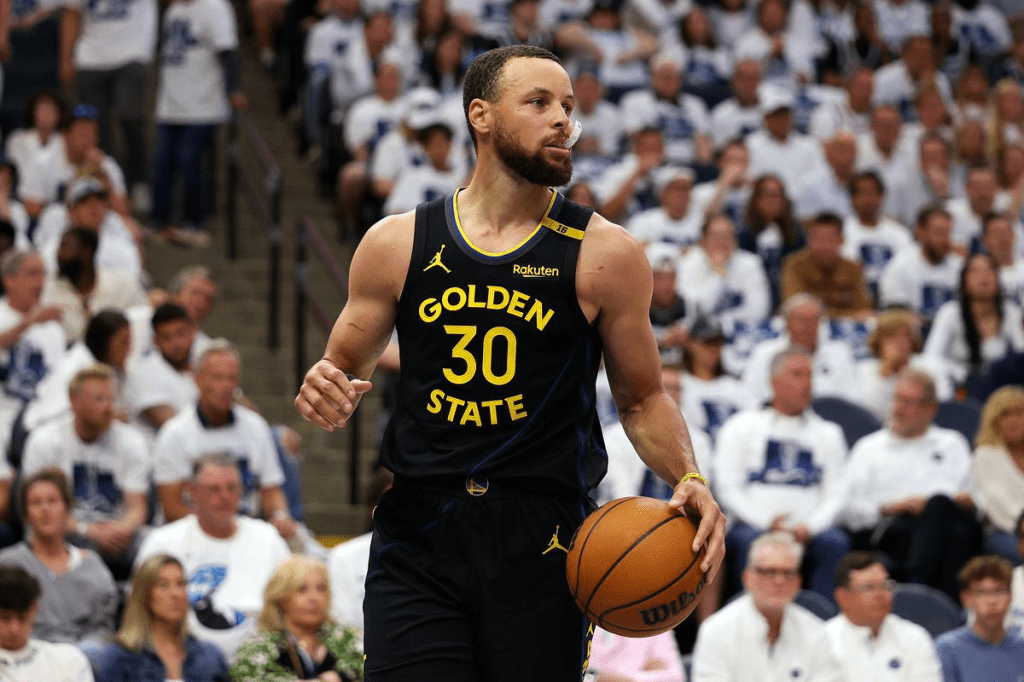
9: Stephen Curry
The Steph Curry show is still the greatest on Earth. In the words of Kevin Harlan, the stuff he does shouldn’t be geometrically possible. After all, he’s an unfathomably good shooter with an uncanny sixth sense for moving off the ball. Entertainment value aside, though, Curry’s armor has cracked a little as a player. He had an uncharacteristically tough time offensively during the non-Klay, non-Butler stretch of the year, being held to some tour date shooting nights, plus an unthinkable zero-3PM outing.
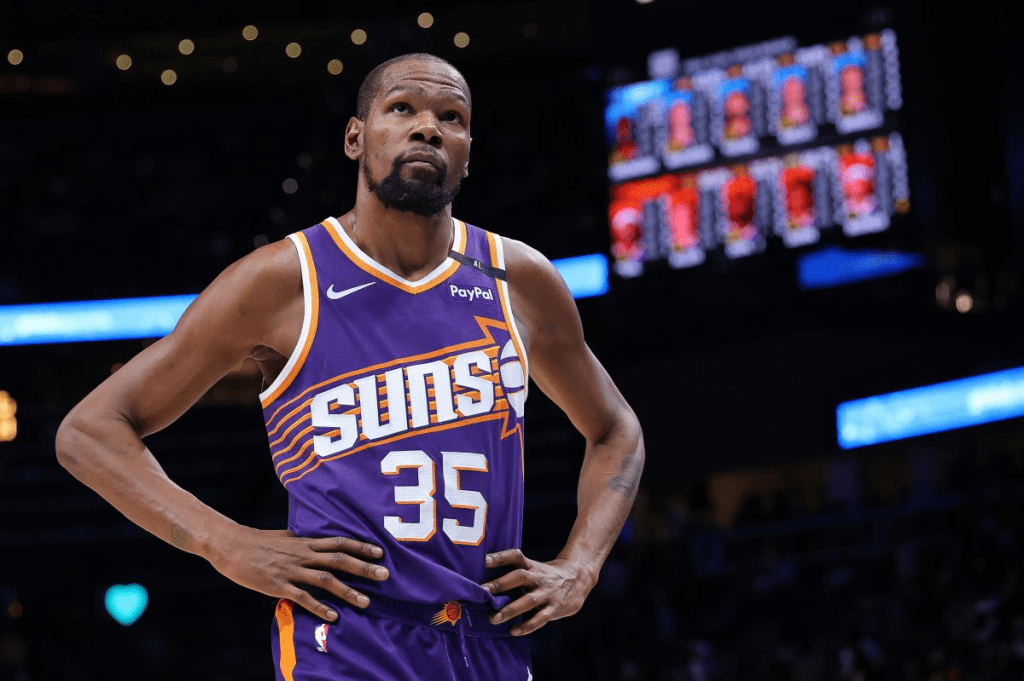
8: Kevin Durant
The greatest scorer to ever lace ‘em up had another marvelous bucket-getting crusade in 2024-25. Durant dropped 26.6 points a game on 52.7% from the field and 43.0% from deep. He’s still unguardable when he’s on a heater and it will probably stay that way until he’s well into his 60s. KD was in MVP talks early in the season before the Suns went cattywampus, and he was just three games short of eligibility for a well-deserved All-NBA merit.
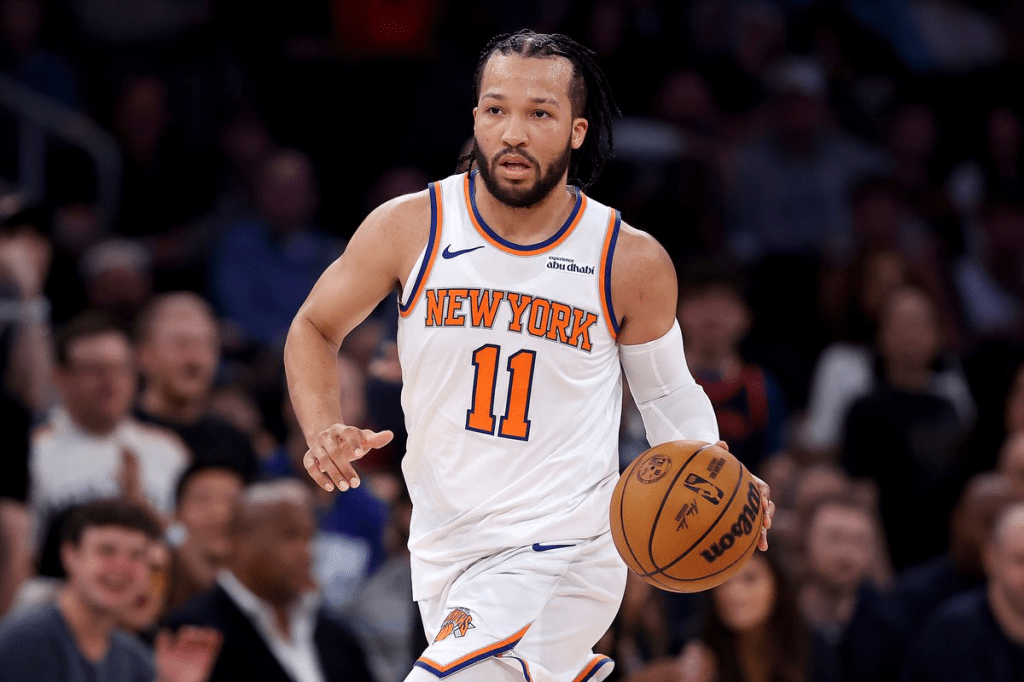
7: Jalen Brunson
Jalen Brunson’s mid-career ascension to superstardom has been an unprecedented one. He’s a small guard with no strong physical advantages, and yet he embarrasses defenders of all sizes with his mastery of the fundamentals and hilariously elite shotmaking. He’s an offense unto himself with his ability to score 30 like it’s nothing on any night, even in the playoffs. He’s fully earned the crown of King of New York.
6: Luka Doncic
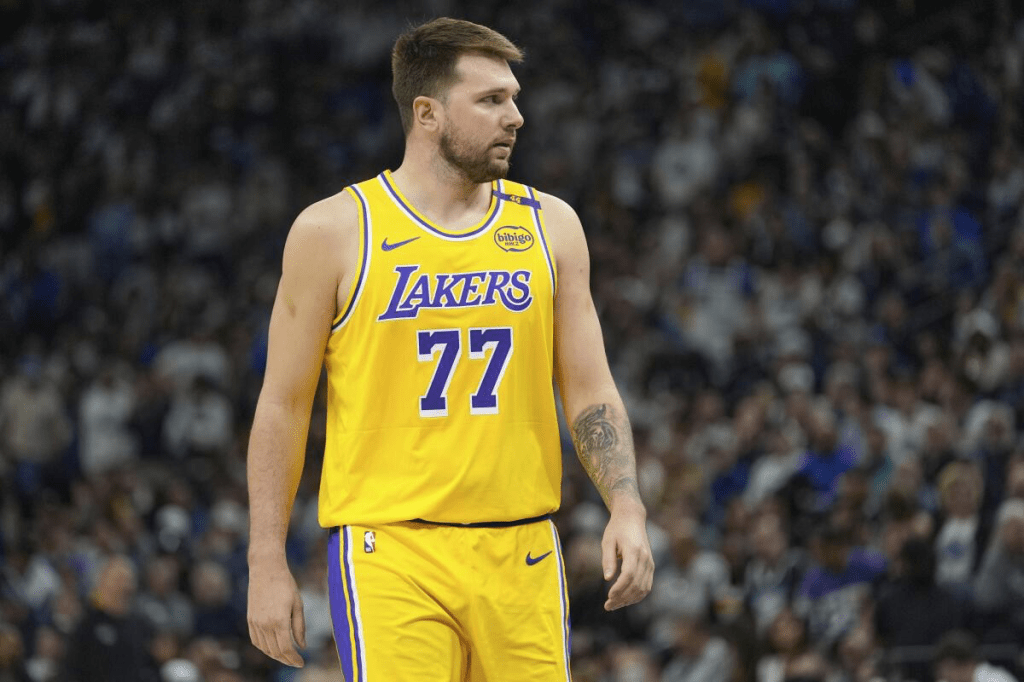
Anything Luka did last season was always going to be overshadowed by the trade he was involved in. That may have been a slight blessing for him, because he operated a little below his lofty standards. His efficiency as a scorer was up and down with the Lakers, and the Wolves figured out a way to exploit his weaknesses in the postseason and dismantle his team in five quick games. Still, we know the type of talent Doncic is, and his 28.2 PPG, 7.7 APG averages are nothing to scoff at.
5: Anthony Edwards
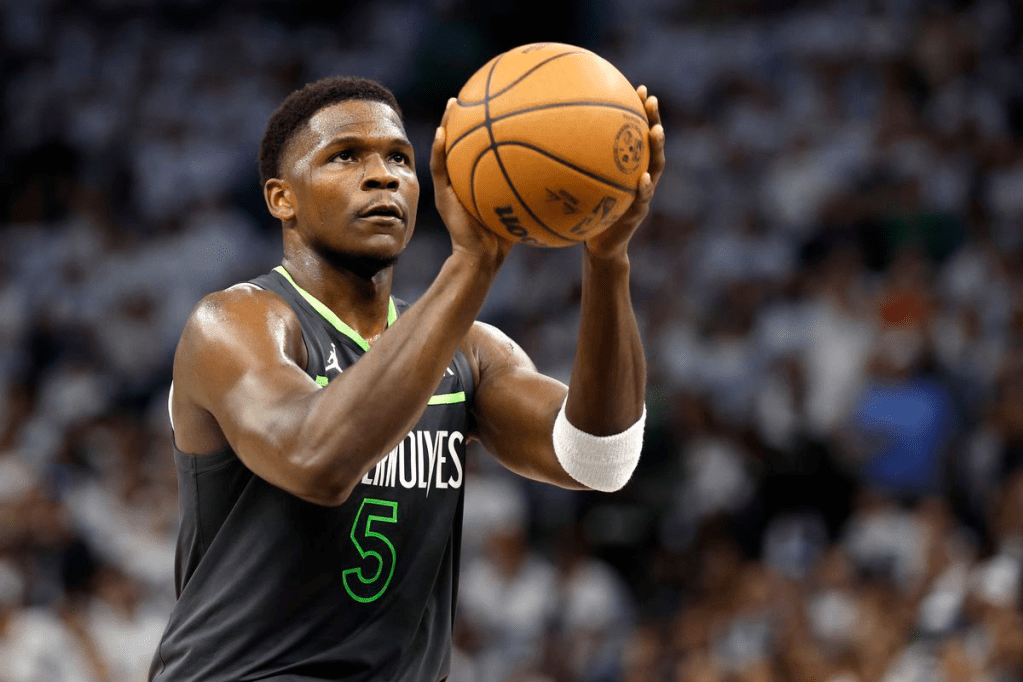
Not much can be said about Anthony Edwards other than he’s that guy. His personality, his game, and everything in between scream future face of the league. His on-court feats in 2024-25 were otherworldly, as he shot a magnet-ball from beyond the arc while still looking to tear the rim off the basket whenever he could. Ant is one of the league’s best scorers, and he’s starting to figure out the playmaking side of things too. Once everything clicks, he’s going to be an all-timer.
4: Jayson Tatum
Jayson Tatum has been a pillar of excellence for the entirety of the 2020s. He’s a flat-out winner, and he was practically built in a lab to be the prototypical wing star in the modern game. Tatum scores from everywhere on the court, manages the offense like a point guard, and defends up and down the lineup. There’s no ceiling on where he could have taken Boston had he not popped his Achilles against New York in the second round.
3: Shai Gilgeous-Alexander
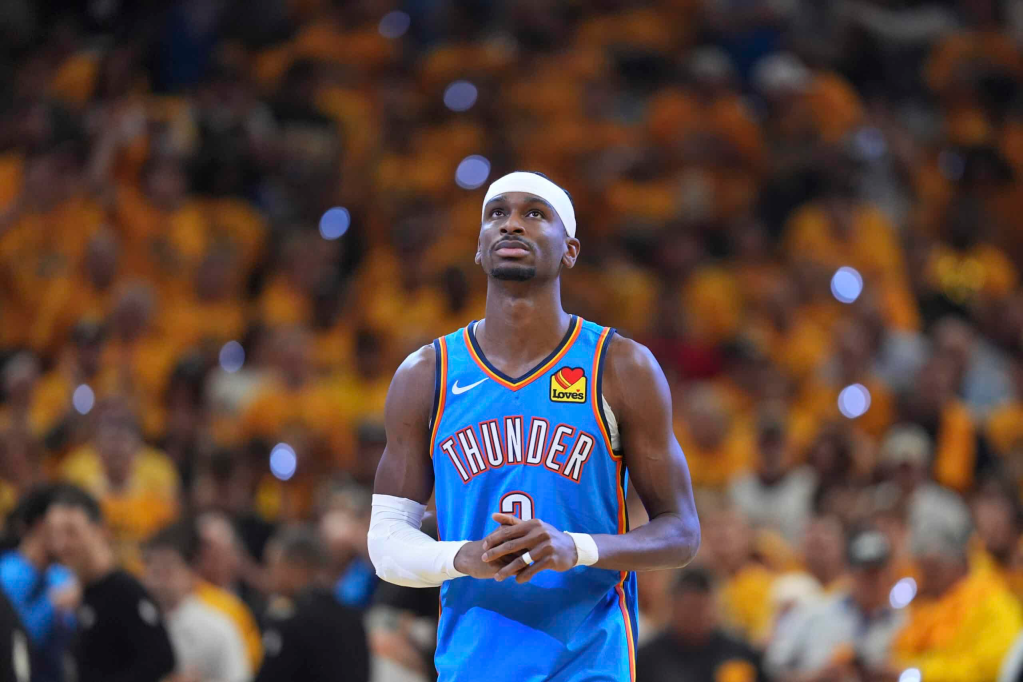
Nobody accomplished more than Shai Gilgeous-Alexander in 2024-25. He won MVP, Finals MVP, led the league in scoring, and much more. His season was the stuff of legends, which makes it easy to forget that he wasn’t supposed to be here. Shai was the 11th pick in 2018, far from a guaranteed star. The journey he underwent to become who he is today was a long one, but he finished it, and now he’s a Hall of Fame lock at age 27.
2: Giannis Antetokounmpo
The word dominant can only rightfully be used to describe one player on this list: Giannis Antetokounmpo. He makes averaging 30 points on 60% shooting (while playing at an all-league level on defense) look pedestrian, which can be said about literally no one else in league history. We got to see the Greek Freak healthy for the playoffs last spring for the first time since 2022, and he didn’t disappoint, cooking Indiana for 33.0 points and 15.4 rebounds a game, with both figures leading all players in the postseason. Anyone who believes Giannis is the best in the world absolutely has a case.
1: Nikola Jokic
29.6 points. 12.7 rebounds. 10.2 assists. 58/42/80 shooting splits. Irrepressible post scoring. Magical passing. Nikola Jokic is so good it feels like it shouldn’t be possible. Some already think he’s a top 20 player ever, and it’s tough to disagree with that. Despite a marginally subpar playoffs, Jokic was the best player in hoops in 2024-25.
NBA Summer League is awesome. Yes, how players perform isn’t very reflective of how they’ll do in the big league and yes, the on-court product can be a little rough around the edges, but there’s still something magical about it. It’s like the highest level of pickup basketball in the world. I experienced Summer League in person for the first time this year, and it gave me an extra appreciation for the event. Watching hoops in the Cox Pavilion (the Thomas & Mack, too) is truly a one-of-one experience. Today, I want to talk about some players who stood out to me over the past week while watching games both on TV and in person. Let’s dive in!
As a senior at Memphis, David Jones-Garcia averaged 21.8 points, 7.6 rebounds, 2.2 steals, and shot 38.0% from three, but it wasn’t enough to get his name called in the 2024 draft. That didn’t slow him down, though. In fact, it sped him up. The lefty tore up the G League, dropping 21.3 points a game and multiple 50-pieces, and he came to Summer League with the same energy. Game in and game out, he impressed with his efficient scoring on and off the ball. He made sharp decisions with the rock in his hands, setting teammates up in their spots and rarely forcing tough looks. Overall, Jones-Garcia made one message clear: he deserves a two-way contract.
With two full NBA campaigns under his belt, anything less than “too good for Summer League” play would have been a disappointment for Livingston. Luckily, he met expectations, and he earned a new guaranteed deal with the Bucks as a result. The rugged forward moved with immense confidence and filled up the scoring column from all three levels. Now, the pressure will be on for him to take some real steps in the regular season.
Versatility is as important as it’s ever been for big men in today’s NBA, and Pete Nance has that trait. Not only can he hit threes, he’s also a capable screening hub and can move his feet in space defensively. The 25-year-old was the steadiest contributor across the board on Milwaukee’s Vegas squad. The team has a pretty crowded frontcourt, but if guys get hurt, Nance will be ready to step up.
Nae’Qwan Tomlin didn’t play basketball at all until he got to college. Now, he’s making a serious push for a standard NBA deal after dominating in Summer League. That’s insane. The 6’10” forward is bouncy, strong, and he has an Energizer Bunny battery in his pack. He looked like a man amongst boys compared to the competition in Vegas, relentlessly attacking the rim and getting to the free throw line.
Enaruna isn’t far off from being the picture-perfect role-playing forward. The Netherlands native plays within the flow of the offense, seldom pressing the issue. He scores off the ball in a variety of ways, and can hit shots in the mid-range off a couple dribbles as well. Enaruna has great positional size (6’8”, 220 lbs) and is active on defense. If he can find some more consistency from behind the arc, he’s an NBA player, full stop.
Like Chris Livingston, excellence was the standard for Swider heading into the week, as this was his fourth career Summer League. The three-year vet cleared that bar, especially from behind the arc, where he shot as well as anyone in the tournament. The Lakers, who could always use an extra shooter next to Luka and LeBron, will surely be keeping tabs on Swider moving forward.
Fun fact: Swider is the all-time leader in 3PM in Summer League play.
It feels like Darius Bazley has been around forever— he’s played for four NBA teams in five years. However, he’s still just 25 years old, and continues to be intriguing enough to earn more looks. Bazley is an ultra-versatile defender who blocks shots as well as any non-big in the league right now. He also has some ball skills and rebounds very well. Even if he can’t find the three-point efficiency that’s been eluding him, he could still be an impact role player in the right system.
For a guy to truly be “too good for Summer League”, they need to play with a type of composure and collectiveness that rises above the messy basketball being played. That’s what third-year forward Rayan Rupert did for the Blazers. The former 43rd overall pick impacted the game on both ends, even showing off a much-improved three-point shot. He’s just 21 and should rise in Portland’s rotation in the near future.
NCAA superstar Caleb Love may not have reached the potential he was said to have during his early days at UNC, but he’s become a legitimate pro player, which he showcased in Vegas. Yes, Love is a score-first guy, but his shot selection looked as good as it ever has during summer play, and he was also engaged in doing all the little things. He worked hard on defense and grabbed more rebounds than what’s typical for a guard.
The Pistons are transitioning back to their trademark hard-headed Bad Boy culture, and Tolu Smith fits right in. While he’s on the short side for a center (6’10”), he’s built tough with a ton of muscle on him and can bang in the paint on both ends. He’s an impressive play finisher too, he just needs to improve his touch a little bit. Smith played in only one game for Detroit as a rookie in 2024-25, but in that appearance, he put up 14 points and 8 rebounds. As a sophomore, he should get more chances to shine.
Bassey, a four-year NBA vet, made a surprise cameo appearance in Summer League, checking in to Boston’s first game despite not being listed on their official roster. He played three games, outshone the competition, and then he was gone, just as out of the blue as his arrival, as he had a “prior engagement”. The Celtics have a really thin center room right now, and it would be smart to at least give Bassey another look in preseason, if not sign him to a standard deal right now.
In many ways, Jacob Toppin is similar to his brother, Obi. He’s 6’9” and bouncy, he plays with a high motor, and he’s an improving three-point shooter (37.1% in the G League last season). With the way Atlanta’s roster is shaping up, they should be running a high-speed pace-and-space system with plenty of transition opportunities (similar to Indiana), and Toppin could make a real impact off the bench in that environment.
The Hornets won the Summer League title, and the unsung hero of their run was Jaylen Sims. The North Carolina native is the all-time scoring leader for Charlotte’s G League affiliate, and he gets his buckets in ideal NBA role-player fashion. Sims is savvy off the ball on both ends of the floor. He’s a smooth movement shooter and has acute instincts in the passing lanes on D. Last year, he played with the Hornets on 10-day contracts, but he should earn a two-way for the upcoming year.
The 13 guys I wrote about here are far from the only players who had impressive Vegas performances. Other standouts included KJ Simpson, MarJon Beauchamp, Drew Timme, Keshad Johnson, Yuki Kawamura, RayJ Dennis, Judah Mintz, Elijah Harkless, Jackson Rowe, Jahmir Young, Jamaree Bouyea, EJ Liddell, and Dexter Dennis. Let me know who stood out to you on X! My handle is @finleykuehl. Thanks for reading, and see you next time!
Heading into 2025-26, the Jazz have a rotation more wide-open than the Bryce Canyon. With most of their vets gone, Utah is a land of basketball opportunity right now. Every young player on the team will get a chance to show what they can do, even the two-way guys, and legitimate minutes could be snatched up by any of them. Exciting times for basketball sickos are ahead. Recent first-round picks including Ace Bailey, Isaiah Collier, and Keyonte George will be getting a lot of the hype, but one of their current two-way contract players should be up there too, especially with the way he’s been playing in Summer League. His name’s Elijah Harkless, and he’s ready to help build a winning foundation in Salt Lake City.
Welcome back to Two-Way Talents! This series highlights two-way contract players across the association that are balling out and staking a claim for a bigger role. The goal is to give unknown players the attention they deserve. This offseason installment (the first of its kind) is about Elijah Harkless, the most underdiscussed prospect on the Utah Jazz.
Harkless is 25 years old and went undrafted in 2023, but he made his NBA debut in 2024-25 with the Jazz. He played 10 games for the team, nine of them coming in January, and averaged 3.2 points and 2.1 rebounds on 31.4% shooting. Those counting stats don’t exactly stand out, but his impact was felt. He was the only Utah player to tally a positive plus/minus per 100 possessions last season. Harkless was a positive contributor despite his paltry scoring numbers because he’s incredibly gritty and plays really hard. Lots of young guys on the Jazz aren’t willing to do the dirty work, but Harkless is, especially on the defensive end.
Utah ranked dead-last defensively in the association last year. That needs to change if they ever want to get out of NBA purgatory. The franchise’s new GM, Austin Ainge, spoke during a Summer League broadcast a few days ago about how the two Finals teams, Indiana and OKC, pressure the ball relentlessly on defense, and how they’re trying to instill that same system in Salt Lake City. As the team attempts to shift to a defensive culture, Elijah Harkless can be a leader. When his man has the ball, Harkless is like a dog going after a mailman. He attacks the rock like there’s no tomorrow and wreaks havoc. The UNLV product grabbed one steal a game in 2024-25 in just 13.8 minutes, and he had a higher steal percentage (3.5%) and defensive box plus/minus (1.5) than any of his teammates. Harkless has sharp instincts off the ball, and he’s a stunt-and-recover demon. He times reach-ins perfectly to snag the ball straight from the hands of clueless opponents. He’s a natural chaos creator. He’s also always willing to scramble and make an extra effort to contest a shot.
Harkless’ exceptional hustle also manifests itself on the offensive glass. He’s just 6’3”, but he looks much bigger when he crashes the boards. The California native grabbed offensive rebounds at a higher rate than Lauri Markkanen, a seven-footer, last season. Watch him snag this one over two guys:
Harkless is a real difference maker on D, but what about the other end? As mentioned, his 3.2 points per game on 31.4% from the field with the Jazz last year aren’t glamorous figures. In today’s NBA, role players have a hard time succeeding if they’re not two-way contributors. Luckily, Harkless’ ten-game sample-size doesn’t tell the full story. In the G League, he averaged 21.6 points and made an all-league team. Besides it just being a small sample size, the reason why his rookie-year numbers are so poor is he wasn’t utilized correctly. Over 70% of his shots came from beyond the arc, but the specialist diet isn’t for him. He’s maximized as a downhill guard. Harkless needs the chance to use his lightning first step and veteran savvy to pressure the rim. He’s lived at the free throw line in Summer League so far, taking 5.0 free throws a game to 5.7 field goals. Don’t get it twisted though, our guy can shoot. He hit 39.3% from deep on 7.0 attempts in the G League. Overall, he has the dribble-pass-shoot and 3&D skill sets that all 30 NBA teams covet.
Harkless’ closest player comparison is Josh Hart. They have some differences, but they’re both versatile wings with endless motors who play bigger than they are. Harkless could be Utah’s Josh Hart for the future, and they need a guy like that. The Jazz are building from the ground up, resetting the culture, and Elijah Harkless is ready to be part of the culture shift.
The 2025 NBA draft came and went in a whirlwind. We barely had time to take a deep breath after the Finals ended before the big night was upon us. Now, the dust has settled and we can evaluate all the picks. Here are my initial grades and thoughts on how each team did.
Atlanta Hawks
Draftee: Asa Newell (23rd)
Newell was mocked as a lottery pick for a large part of the draft cycle, but his stock slipped in the last two months. He’s not as concrete of a product as other bigs in the class, but he looks the part of a pro with his 6’10” frame. The Georgia product will bring hustle, defensive versatility, and stretch big upside to Atlanta, but it might be a while before he sees real playing time after the Kristaps Porzingis trade. Perhaps he’ll be able to follow the Jalen Johnson developmental track.
Grade: B-
Boston Celtics
Draftees: Hugo Gonzalez (28th), Amari Williams (46th), Max Shulga (57th)
Boston is on the precipice of a major retooling season. The Porzingis and Holiday trades made that clear, but drafting Hugo Gonzalez truly cemented it. Gonzalez is a toolsy project pick who will need patience and reps for his potential to be actualized. However, even if the Celtics afford him those things, he still may completely flame out due to his lack of a true NBA skill.
Amari Williams and Max Shulga feel like classic Celtic role players. Williams is a rugged big man with high IQ and Shulga is an efficient movement shooter with playmaking chops. As the team searches for a new rotation next season, one of their two second-rounders may sneak in there.
Grade: C+
Brooklyn Nets
Draftees: Egor Demin (8th), Nolan Traore (19th), Drake Powell (22nd), Ben Saraf (26th), Danny Wolf (27th)
This is definitely the wildest draft class an individual team has brought in this decade. Brooklyn had five first rounders and used every single one of them. No trade-up, no consolidation, no nothing. Even crazier is the fact that each member of the new Nets quintet is a project pick, making the haul both incredibly exciting and terrifying.
My preferred swing from this group is actually Ben Saraf, but it’s tough to picture any of the three guards really succeeding when they’re all lead ball handlers with streaky jumpshots. Egor Demin may end up looking like 2023-24 Josh Giddey out there if he’s forced to spot up next to Traore and Saraf. Traore might be a worse version of Killian Hayes. It’s not that these guys are bad prospects on their own, it’s just putting them all together on one team is a recipe for complete unpredictability.
That said, the Nets have essentially zero real core pieces and their roster is about as wide-open as it gets. Throwing a bunch of darts at the board and seeing what sticks is the right move for this franchise, although they probably should have aimed in a couple different places.
Grade: B-
Charlotte Hornets
Draftees: Kon Knueppel (4th), Liam McNeeley (29th), Sion James (33rd), Ryan Kalkbrenner (34th)
The Hornets have been painfully mediocre for too long. This draft class could change that. All four guys have the type of complementary play styles that help win games. Kon Knueppel isn’t the typical upside swing you see in the top five, but he’s a 19-year-old with remarkable IQ and a stunning three-point stroke who can be a calming complement to the wildness of LaMelo Ball. James (Knueppel’s Duke teammate) and Kalkbrenner are two really solid role player bets. Kalkbrenner especially seems likely to succeed; the second round has been a treasure trove of frontcourt value in recent years and the four-time Big East DPOY checks a lot of boxes.
No team on draft night took a bigger upside swing than the Bulls did with Noa Essengue. The Frenchman has all the parts required to build a star (youth, insane positional size, tantalizing defensive potential, willingness to shoot, etc), but I’m not sure if I trust Chicago to piece them together the right way. But, if Essengue does pan out, the team will have a formidable forward tandem for the future with him and Matas Buzelis.
Lachlan Olbrich is a fun play finisher with quality scoring touch and feel for the game at the center spot. He should be a nice fit in Chicago’s uptempo scheme if he sees the floor.
This is a respectable late-draft haul for Cleveland. Proctor used to be considered a first-round-level prospect, and his secondary scoring and playmaking skills could make him a replacement for Ty Jerome if the 2025 6MOY candidate leaves in free agency. Saliou Niang is a super exciting athlete, but it feels like he’ll probably be stashed for now.
Grade: B-
Dallas Mavericks
Draftee: Cooper Flagg (1st)
Not much needs to be said here. Nico Harrison got bailed out, and the Mavericks now have a kid who could become the face of their franchise one day in Cooper Flagg.
Grade: A+
Detroit Pistons
Draftee: Chaz Lanier (37th)
The Pistons did well for themselves here by nabbing one of college basketball’s elite shooters early in the second. Lanier is a flat-out flamethrower. Malik Beasley and Tim Hardaway Jr. showed us last season how valuable having shooting next to Cade Cunningham is, and now Detroit has another sniper in their arsenal.
Grade: B
Golden State Warriors
Draftees: Alex Toohey (52nd), Will Richard (56th)
These weren’t exciting picks, but the Warriors got two guys who have a shot at fitting in their system. Toohey is a strong shooting forward from down under and Richard is a versatile off-guard who just won a championship at Florida. We saw Steve Kerr extract value from end-of-bench guys like Gui Santos and Pat Spencer last season, and maybe he can do the same with Toohey and Richard. Still, there were probably better options available for the Dubs here, even though they picked in the 50s.
Grade: C+
Indiana Pacers
Draftees: Kam Jones (38th), Taelon Peter (54th)
The Pacers have a type. They like quick decision makers who can play in the open floor and knock down triples. Kam Jones and Taelon Peter both fit that bill. Jones is a crafty combo guard out of Marquette who can take on some ball handling responsibility from day one with Tyrese Haliburton set to miss the 2025-26 season. Peter was one of the more unknown names in the class, but he might be a picture-perfect Pacer. The 6’5” guard from Liberty is a good athlete and he led the entire nation in true shooting percentage (72.4%) as a senior.
Many mocks predicted the Clippers bringing in a backup center, and that’s exactly what they did. Yanic Konan Niederhauser will be a phenomenal fit next to James Harden as a rim-running lob threat and excellent shot blocker. He may end up being one the more impactful rookies next season. Kobe Sanders is a point forward who has the dribble-pass-shoot skillset teams covet, but he’ll probably be buried in the depth chart in year one.
Grade: B+
Los Angeles Lakers
Draftee: Adou Thiero (36th)
Los Angeles smartly moved up on Thursday night to snag one of the top-rated prospects on the board in the second round. Adou Thiero must have been made in the same lab as the Thompson twins, as he’s an insane functional athlete with a nonstop motor. He’ll be able to run the floor in transition with LeBron and Luka and cover up some of their flaws on the defensive end. Thiero isn’t a beautiful fit in Los Angeles (he can’t really shoot), but this was a really nice value grab regardless.
Grade: B
Memphis Grizzlies
Draftees: Cedric Coward (11th), Javon Small (48th), Jahmai Mashack (59th)
The Grizzlies traded up to grab Cedric Coward, so he’s clearly their guy and I love the fit. In fact, I mocked him going to Memphis at 16 prior to the draft. Coward is a knockdown shooter on the wing with an impressive frame. In many ways, he’s Desmond Bane-esque. However, I don’t think he’s the safe prospect everyone thinks he is. He only played six games at Washington State last season, and before that he was playing at Eastern Washington, a small school. We haven’t seen this guy against a lot of real professional talent. His intrigue is drawn from mystique more than anything. For that reason, I feel giving up an additional first round pick and two seconds to move up and grab him at 11 was excessive.
Memphis’ second-rounders will fit their gritty culture exceptionally. Javon Small is a downhill guard who plays bigger than his 6’2” height, and Jahmai Maschak is one of the better backcourt defenders in the class.
Grade: B
Miami Heat
Draftee: Kasparas Jakucionis (20th)
This may end up being the biggest steal of the draft. A nearly-conensus lottery pick, Jakucionis somehow slipped all the way down to 20 and ended up with one of the best player development staffs in the league. The Illinois product is the lead guard the Heat need and could look like a star for the team in three years. Great pick from Miami.
Grade: A
Milwaukee Bucks
Draftee: Bogoljub Markovič (47th)
Markovič is one of the most intriguing international players in this draft. He’s a product of Mega Basket, a Serbian club that has produced a number of successful NBA players, including Nikola Jokic. The lanky big man has fantastic feel for the game, a crisp shooting stroke, and no shortage of confidence. The issue is that Markovič is way behind the curve right now in terms of strength, which is why it’s rumored that he may be stashed in Europe next season. If that’s the case, this was a wasted pick, regardless of how awesome Markovič is. The Bucks need guys who can help the team right now.
Grade: B (D if Markovic gets stashed)
Minnesota Timberwolves
Draftees: Joan Beringer (17th), Rocco Zikarsky (45th)
Minnesota is clearly preparing for the end of the Rudy Gobert era (whenever that will be), as they brought in two defensive-minded giants in Joan Beringer and Rocco Zikarsky. Both guys are really raw right now, which won’t help the Wolves continue to compete in the short term, but all it will take is one of the two to pop in the future for this to look like a smart draft for the team.
Brooklyn had the wildest draft of any team, but New Orleans’ decisions were the most confusing. They recently traded for a youngish star guard in Jordan Poole, and they already had Dejounte Murray, and yet they brought in a 18-year-old project guard who can’t effectively play off the ball right now with the 7th pick. They also traded their 2026 first round pick, despite the odds being stacked against them to make the playoffs next year, and in return they got a raw jumbo power forward who might fit awfully next to Zion Williamson.
Jeremiah Fears and Derik Queen are both fun high-upside prospects, and this grade doesn’t reflect them as players. Instead, it reflects the fact that they should be on rebuilding teams, not a directionless Pelicans franchise who has big money wrapped up in a core that isn’t good enough to legitimately compete.
Grade: C
New York Knicks
Draftee: Mohamed Diawara (51st)
In Diawara, the Knicks are getting an unrefined athletic forward with intruiging defensive potential. He may be a stash guy, but if he can come over to the NBA right away, he could help New York restore the defensive identity they lost last season. However, the team could have really used a shooter, and Diawara is not that.
Grade: C
Oklahoma City Thunder
Draftees: Thomas Sorber (15th), Brooks Barnhizer (44th)
With extensions for Chet Holmgren and Jalen Williams looming, the Thunder won’t be able to pay Isaiah Hartenstein the big bucks forever. Luckily, they found his long-term replacement with the 15th pick. Sorber plays extremely hard and has some of the highest defensive upside in the class. He has some feel and finesse to his game, too. Even if Sorber ends up being a career backup for OKC, he’ll probably be a very good one.
Brooks Barnhizer was widely projected to go undrated, but he has the makings of a successful NBA role player, as long as he can find consistency from beyond the arc. Luckily, the Thunder have a renowned shooting coach in Chip Engelland.
Orlando continues to make smart moves and they keep ascending because of it. Jase Richardson may be small, but he’s a superb shooter and decision maker who can play on and off the ball. Noah Penda is a burly and versatile defensive stopper who fits the mold of player Orlando likes. Both of these guys compete and know their roles, making them ideal picks for an up-and-coming playoff team.
Grade: B+
Philadelphia 76ers
Draftees: VJ Edgecombe (3rd), Johni Broome (35th)
The Sixers have quietly assembled an exciting young core. Tyrese Maxey, Jared McCain, Justin Edwards, and Adem Bona are now being joined by electric athlete and potential two-way star VJ Edgecombe. The former Baylor Bear has so many impressive traits and Philly will be able to mold him into whatever type of player they’d like him to be. Issues may arise when trying to fit him in a backcourt rotation with Maxey and McCain, but that’s the only nit to be picked here.
Johni Broome was one of college basketball’s best players last year. He’s a winner and a junkyard dog and will be ready for some backup five minutes as a rookie if they’re available for him.
Phoenix is clearly committed to revamping their roster and heading in a positive direction after trading Kevin Durant. They made a number of smart moves on draft night, headlined by the selection of Khaman Maluach at 10, who can be their center of the future. Rasheer Fleming was a projected first-round lock and may end up looking like a huge steal. He and Ryan Dunn will terrify offensive players on the wing. Koby Brea is an all-world shooter who could replace Grayson Allen should he get traded. Importantly, everything the Suns are doing is helping them save money and move below the imposing second apron.
In addition to their draft selections, Phoenix traded for Mark Williams, which isn’t included in this grade but was a good move. He’s better than any big man they’ve had since Deandre Ayton was traded and he’s still young.
Grade: A
Portland Trail Blazers
Draftee: Hansen Yang (16th)
The single most surprising pick of the night was Hansen Yang going to Portland just outside the lottery. Like Noa Essengue, Yang is an ultimate lottery ticket with both a tremendous ceiling and a significant chance of failure. I’d honestly love the swing if they didn’t already have Donovan Clingan and Deandre Ayton on the roster, as Yang probably won’t get a ton of developmental minutes early on. This pick gets a slightly above average grade for now, but that will likely change dramatically for better or worse in the future.
Grade: C+
Sacramento Kings
Draftees: Nique Clifford (24th), Maxime Raynaud (42nd)
Sacramento probably shouldn’t want to compete, but they do, and that goal heavily influenced these selections. Nique Clifford and Maxime Raynaud are both plug-and-play older prospects with versatile skillsets. You can’t fault the Kings for targeting good basketball players, but trying to build a young core with higher upside guys probably would have been better.
Grade: B-
San Antonio Spurs
Draftees: Dylan Harper (2nd), Carter Bryant (14th)
The Spurs just keep on absolutely killing it in the team-building deparment. They didn’t overthink their pick at two and brought in a future stud in Dylan Harper. The Rutgers phenom will absolutely be able to share the court with Stephon Castle or De’Aaron Fox, and he could be Wemby’s star running mate for the long haul. At 14, they grabbed one of the class’ premier 3&D guys in Carter Bryant, who fits the winning brand of the the Silver in Black. In three year’s time, this team will probably be running the league.
Grade: A+
Toronto Raptors
Draftees: Collin Murray-Boyles (9th), Alijah Martin (39th)
This draft was so bad it got Masai Ujiri fired.
Ok, in all seriousness, that’s definitely not the reason, but I don’t like this pick. It’s almost too on brand for Toronto. Collin Murray-Boyles in a vacuum was a lottery-tier player with his elite defensive versatility and bully mentality, but I don’t see how this can be the pick when they have an overload at forward already. Scottie Barnes isn’t a good enough shooter to have Murray-Boyles (a non-shooter) next to him for big minutes, especially when their center (Jakob Poeltl) doesn’t space the floor at all. Getting a real center instead, like Maluach, would have made much more sense.
Like with the Pelicans, this grade is bad because of the team context, not because of the player himself.
Grade: C
Utah Jazz
Draftees: Ace Bailey (5th), Walter Clayton Jr. (18th), John Tonje (53rd)
All the weird drama aside, Ace Bailey was the right choice for Utah at five. They need a blue chip prospect to complete their core and the Rutgers wing has the chance to be just that. If Bailey becomes the player he says he can be, the Jazz will have their long-term star.
Clayton and Tonje are pro-ready complementary pieces who will help Utah improve their outside shooting. The team ranked 22nd in the league in three-point percentage last season.
Grade: B+
Washington Wizards
Draftees: Tre Johnson (6th), Will Riley (21st), Jamir Watkins (43rd)
Like the Jazz, the Wizards have assembled a really cool and well-rounded young core, but they still need a lead scorer/number one option. Tre Johnson is the best pure bucket getter in this draft— he averaged nearly 20 points as a freshman guard in the SEC. With the guidance of Khris Middleton and CJ McCollum, the sky is the limit for this kid.
Will Riley is a 6’8” microwave scorer, but he’s less polished than Johnson. He’ll benefit greatly from the vets on the team. Jamir Watkins will fit like a glove in Washington’s growing defensive identity.