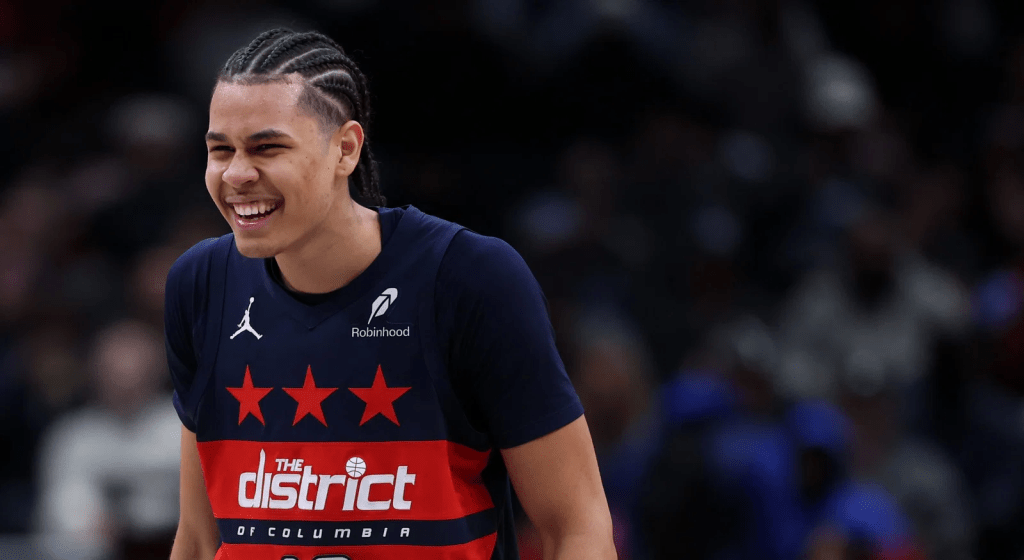
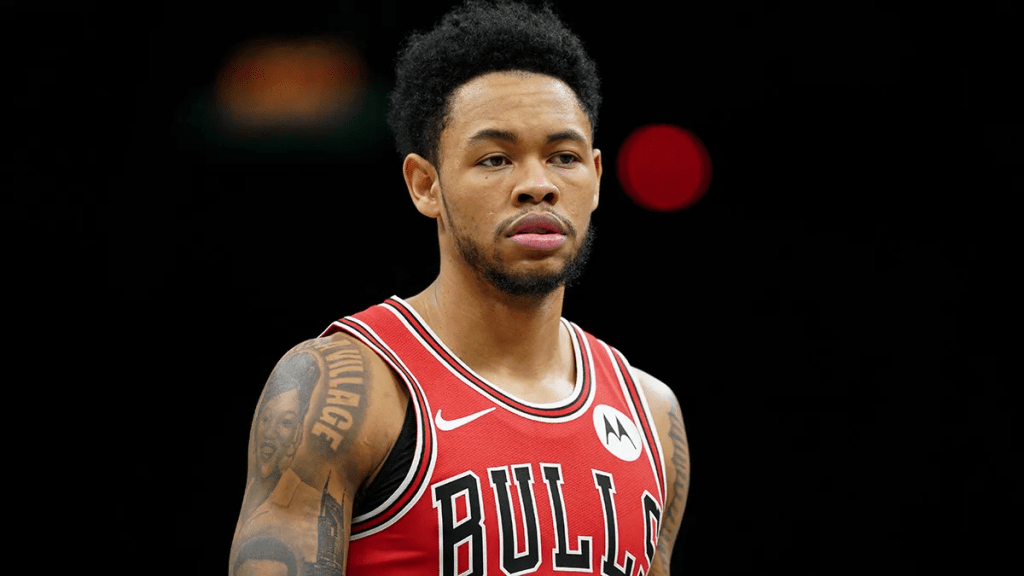
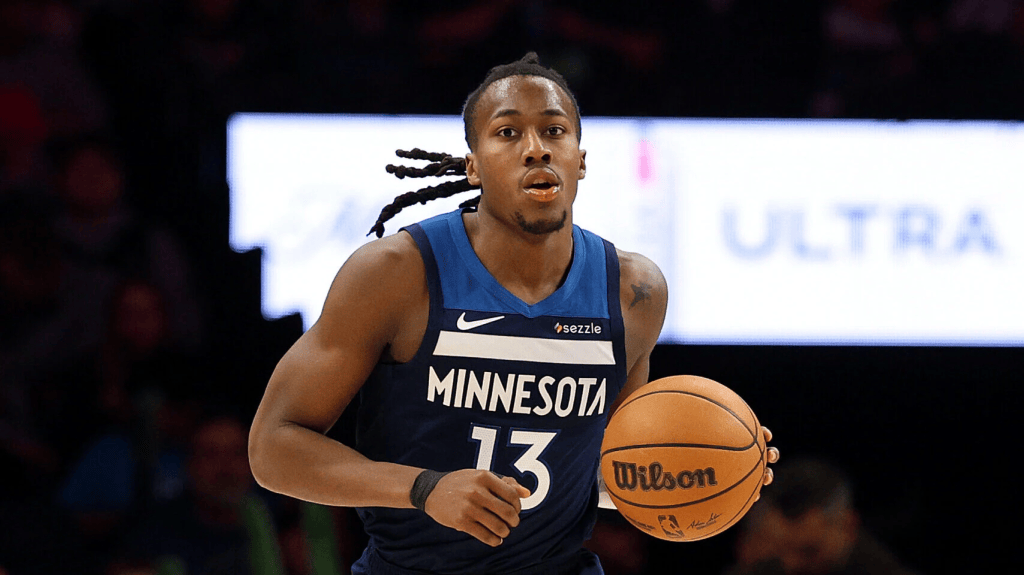
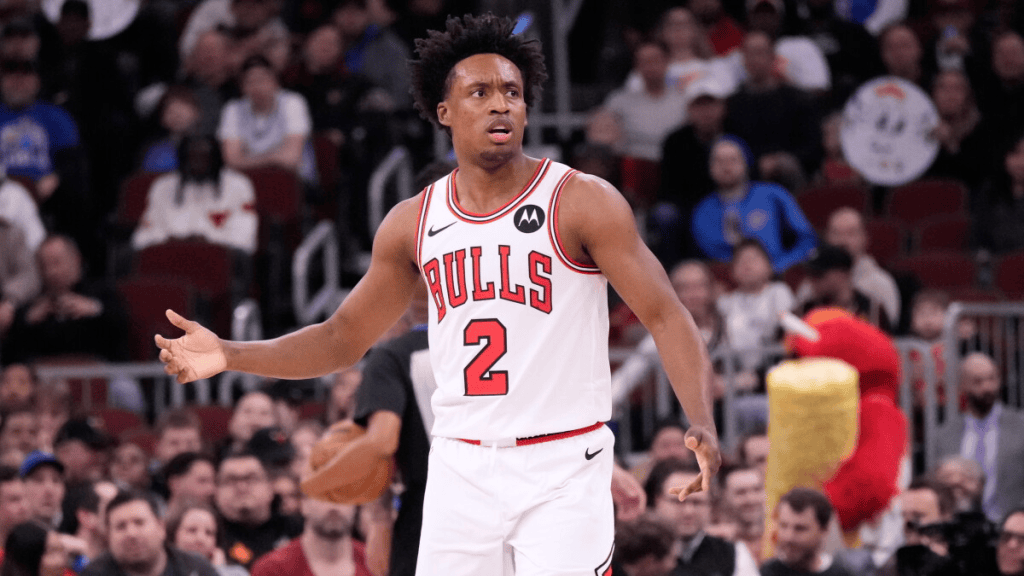
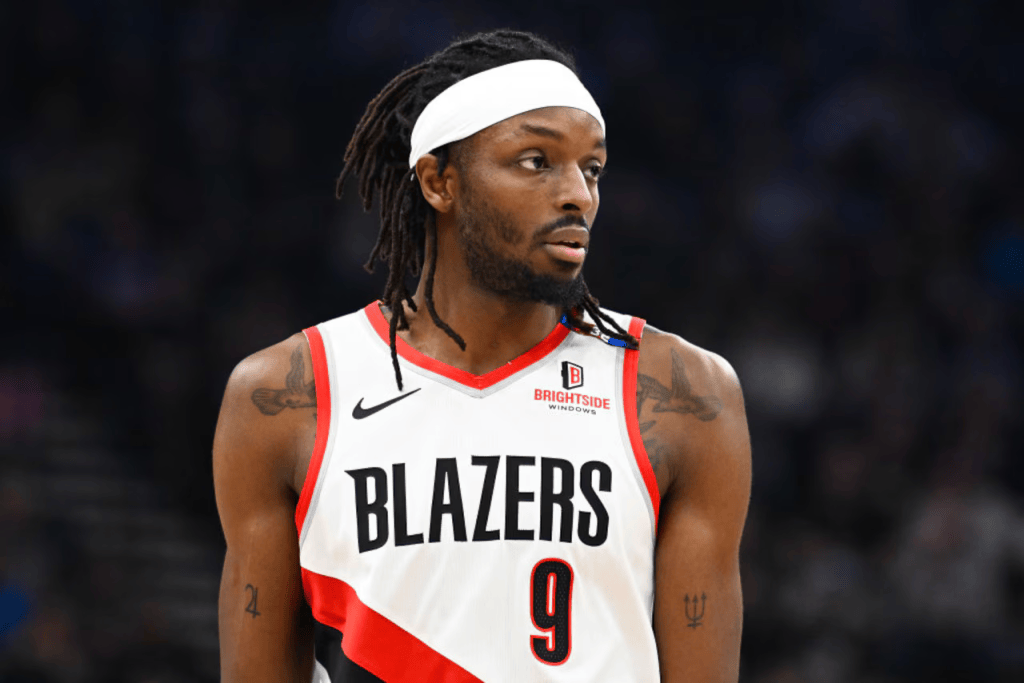
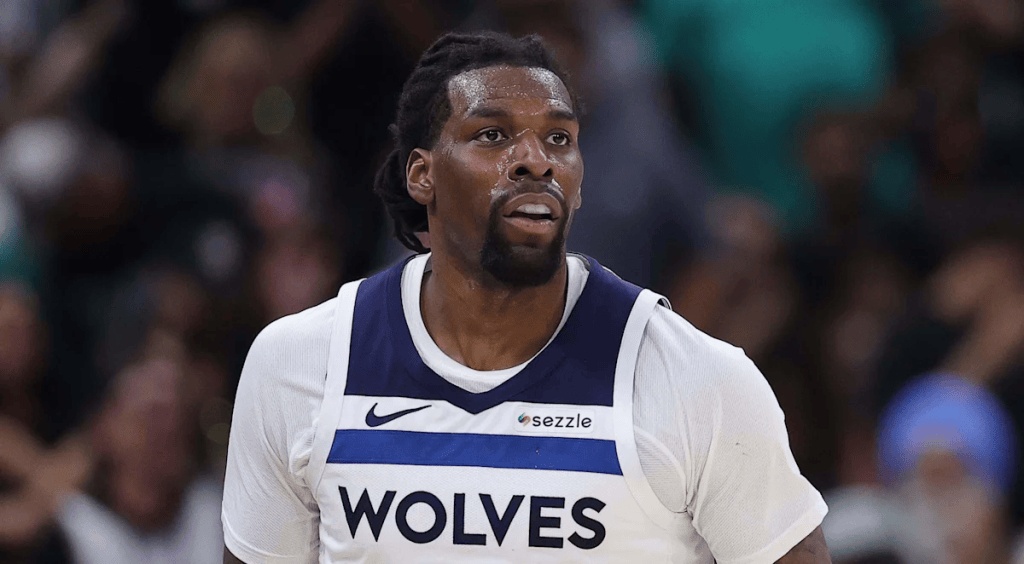
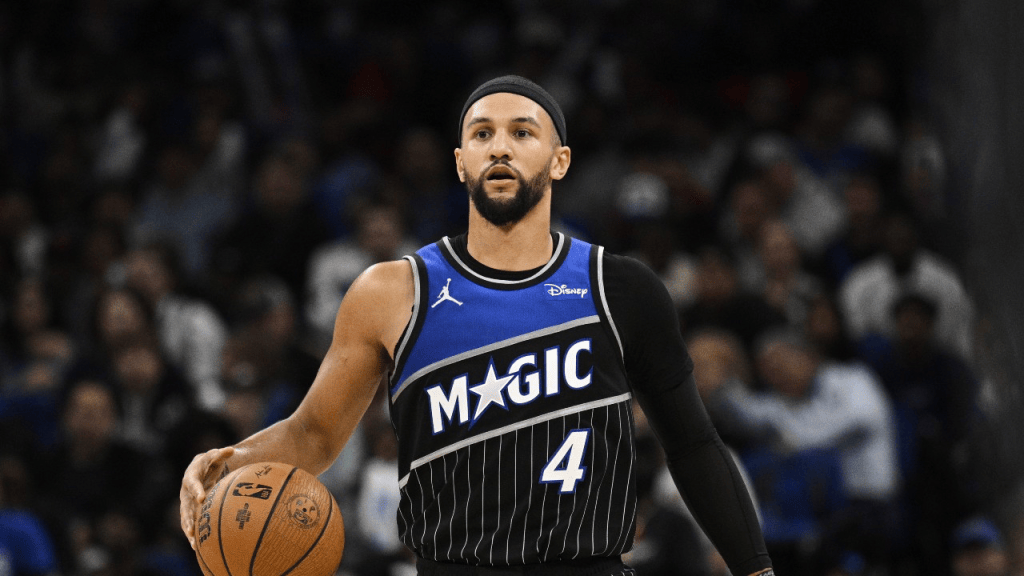
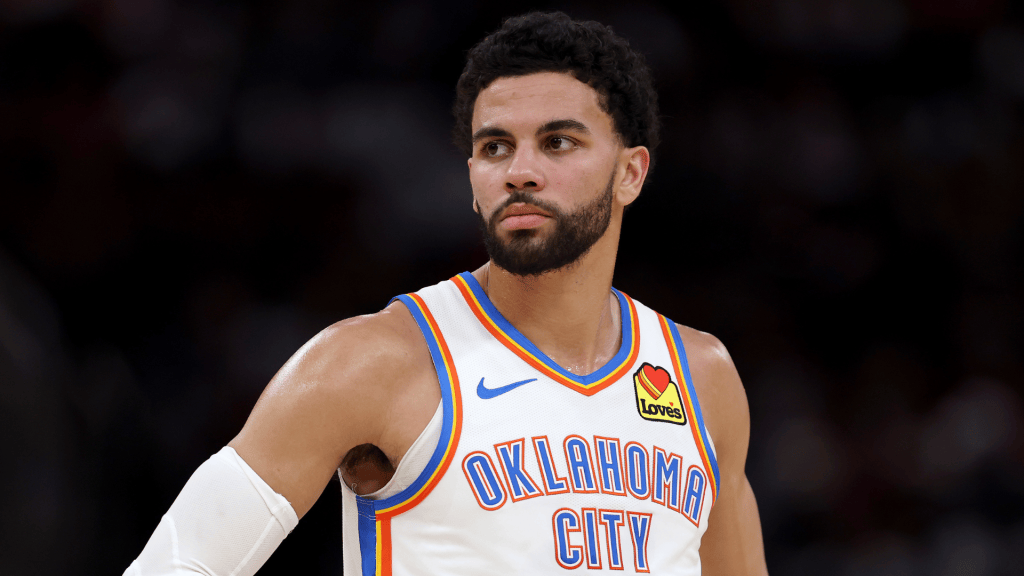
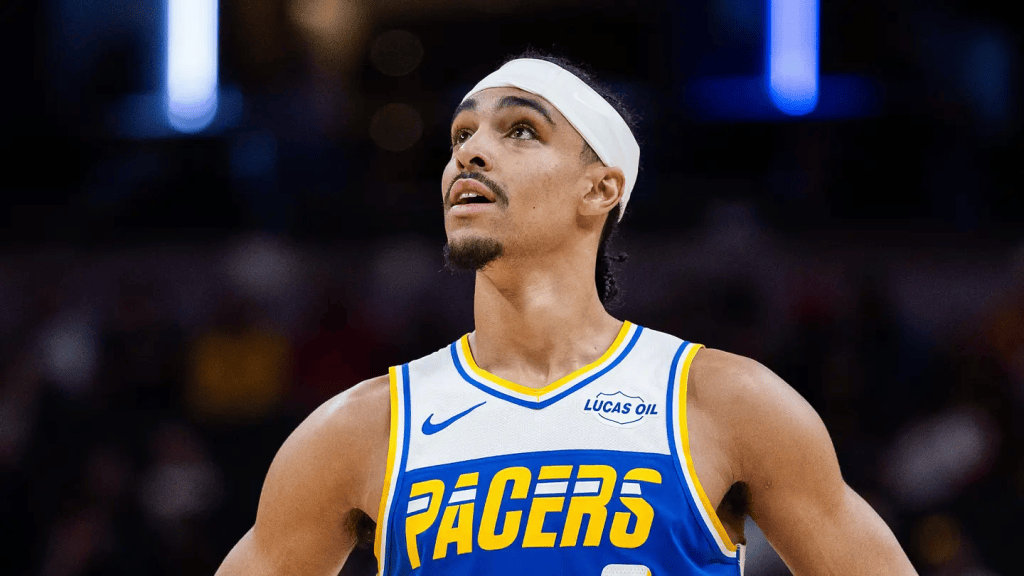
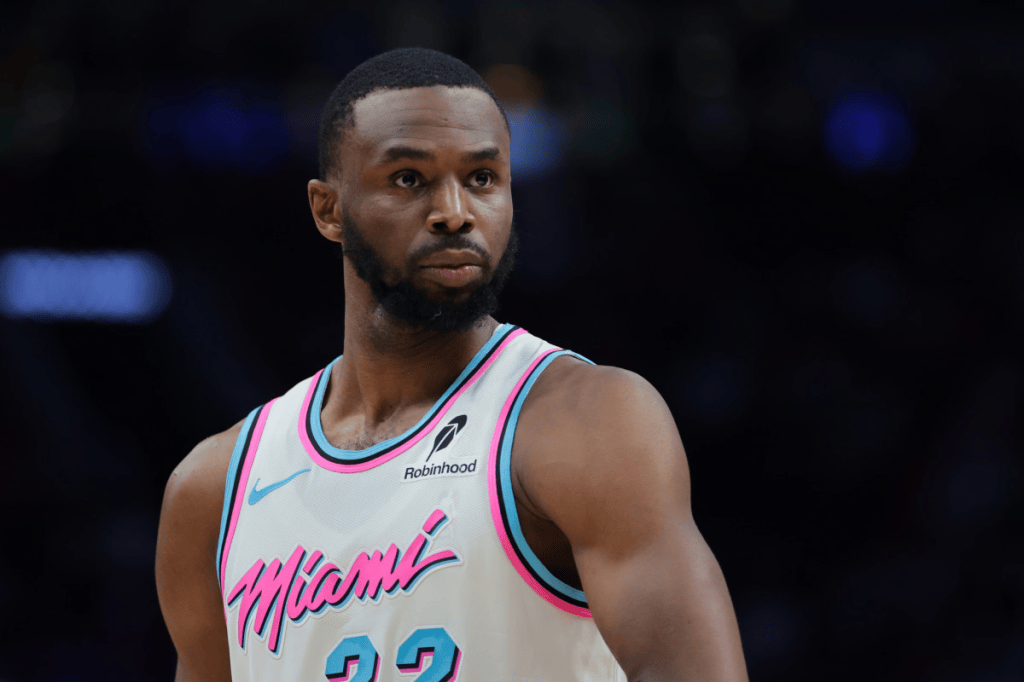
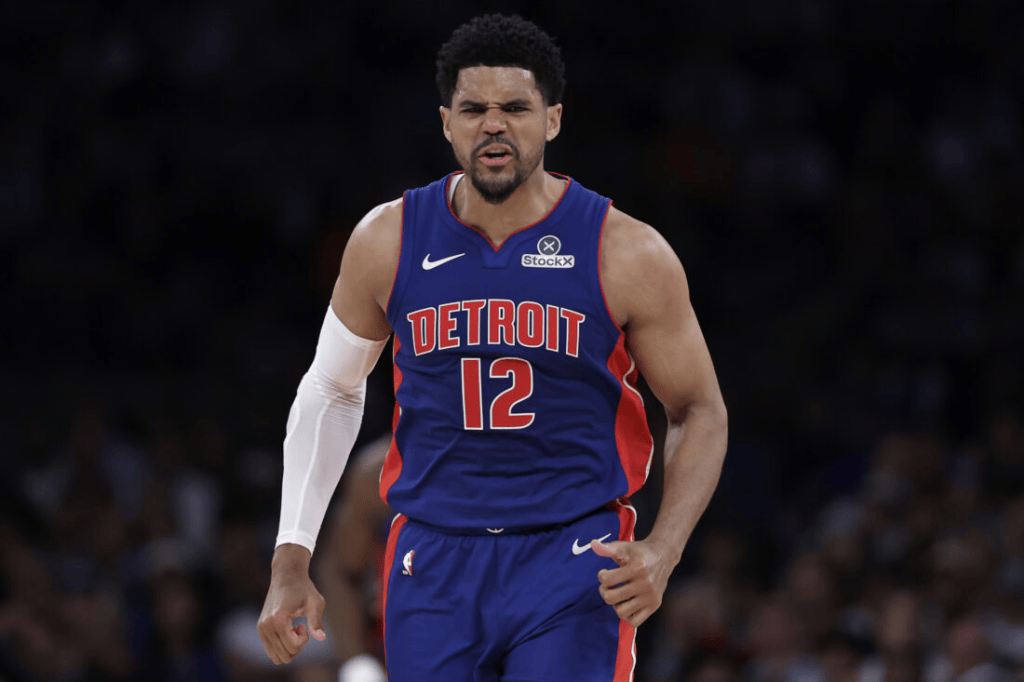
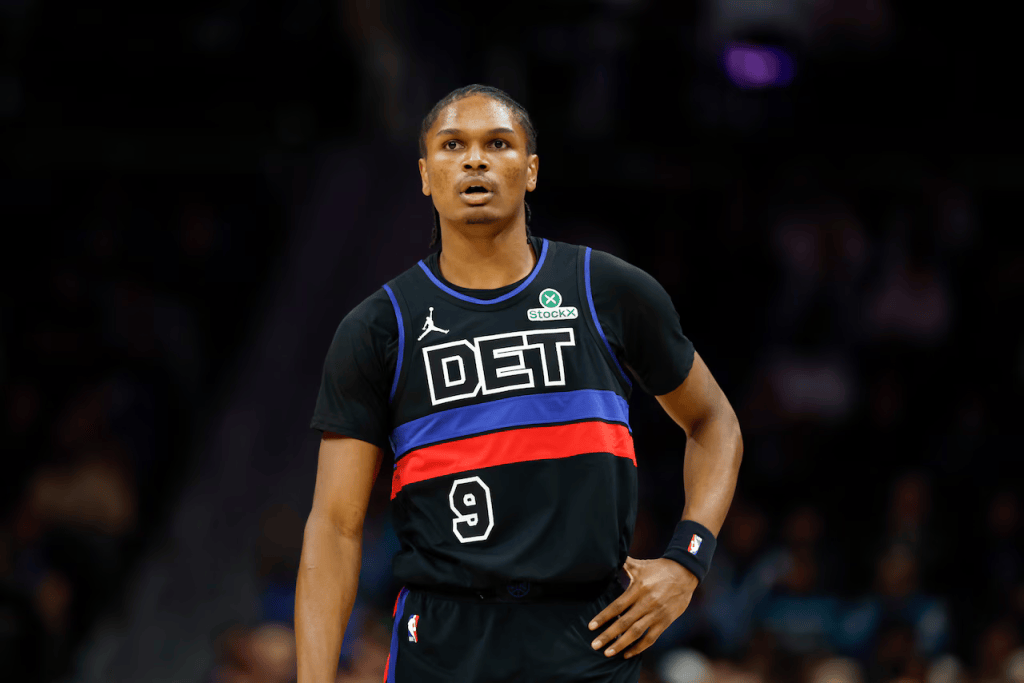
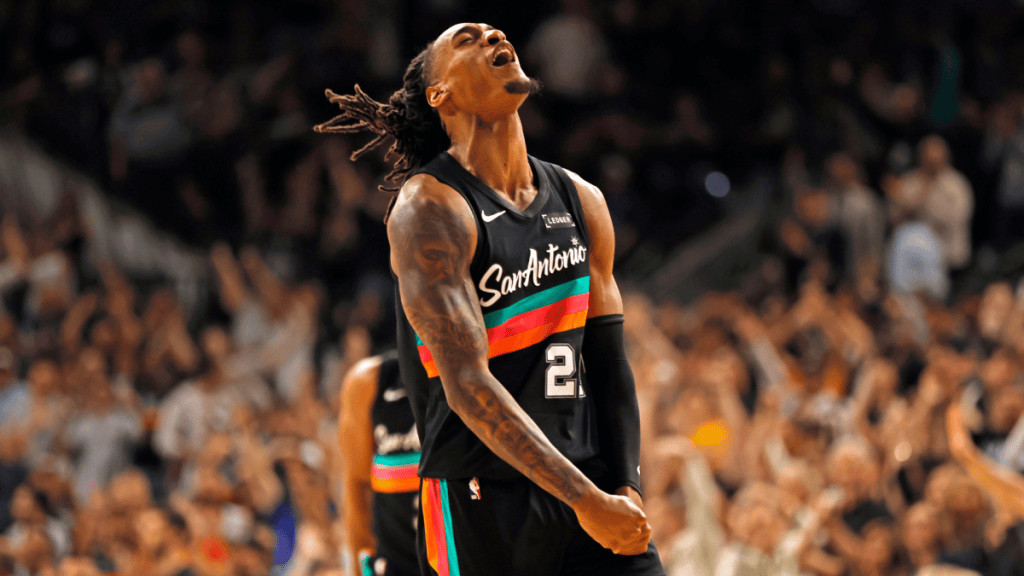
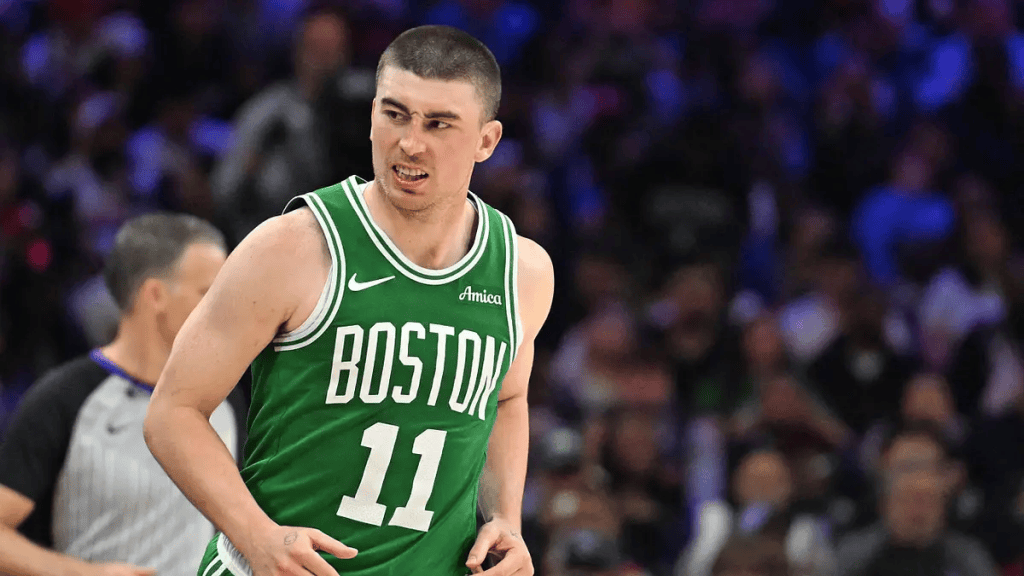
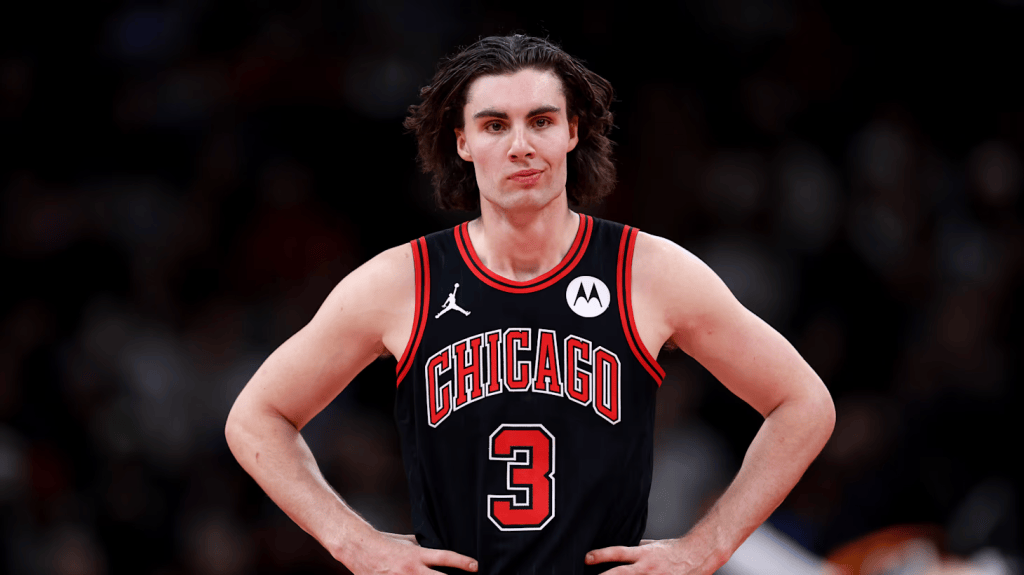
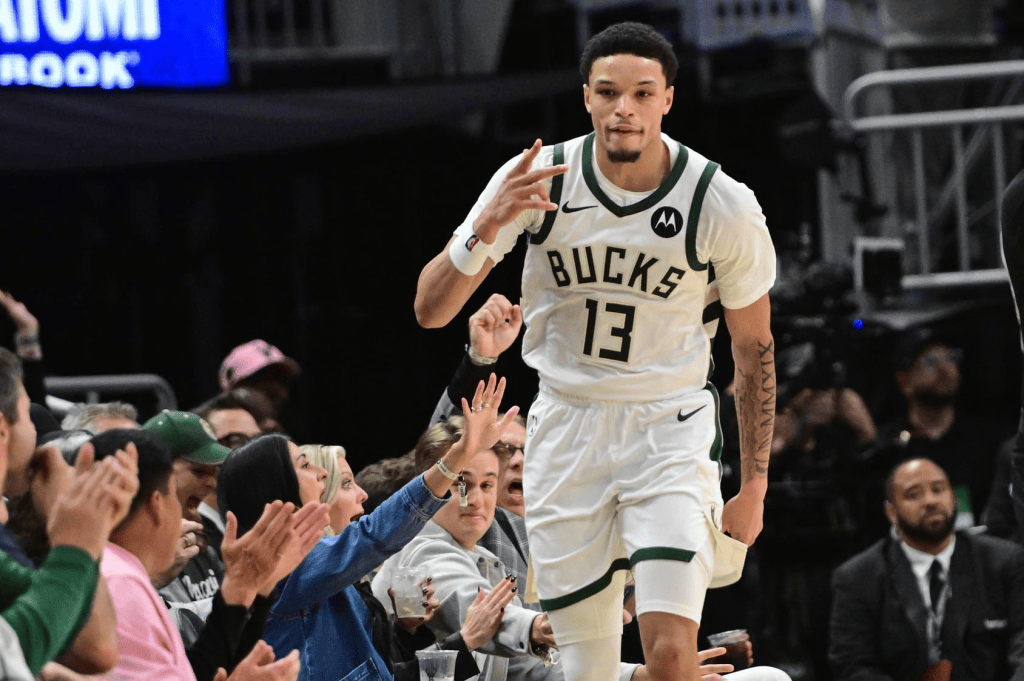
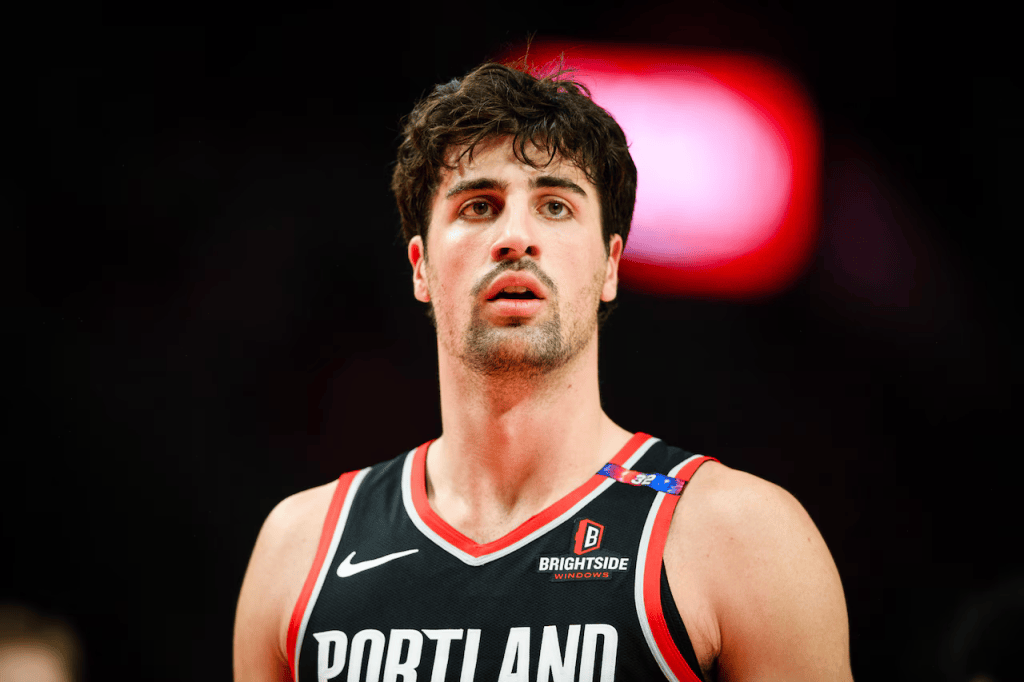
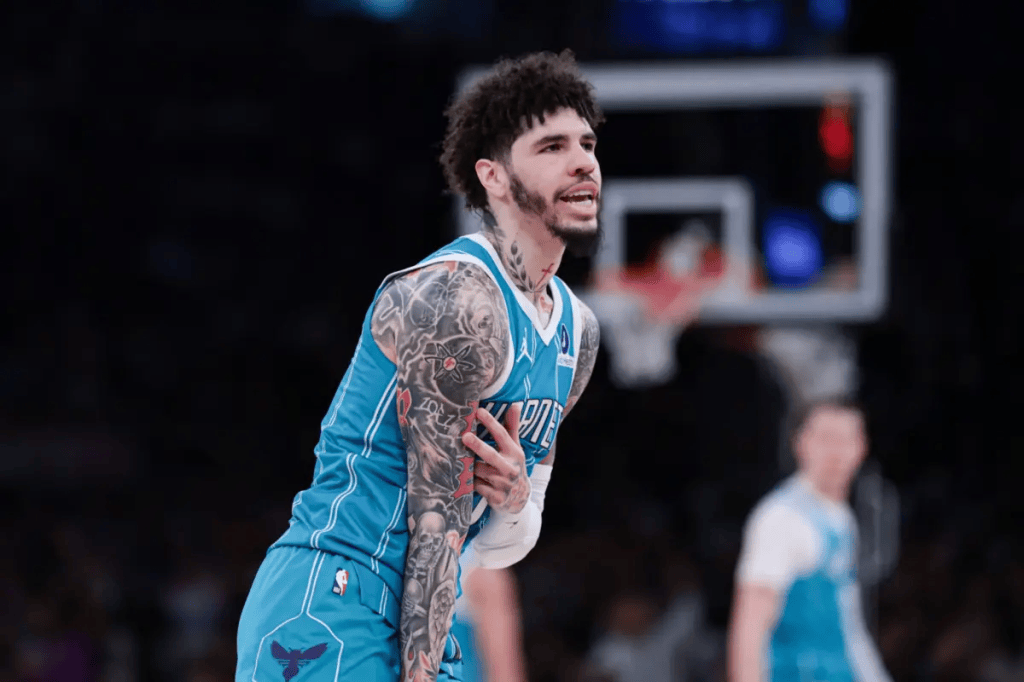
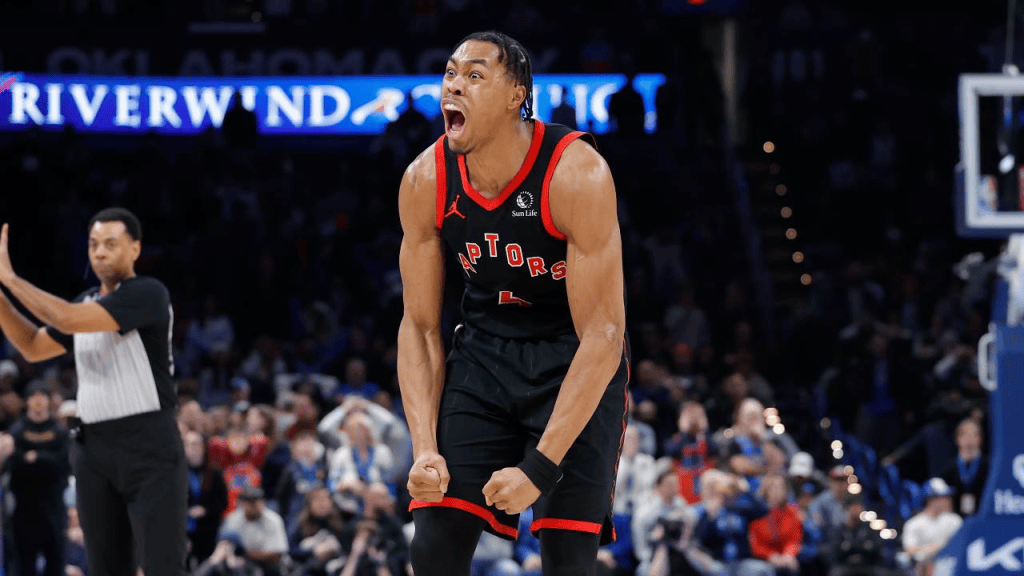
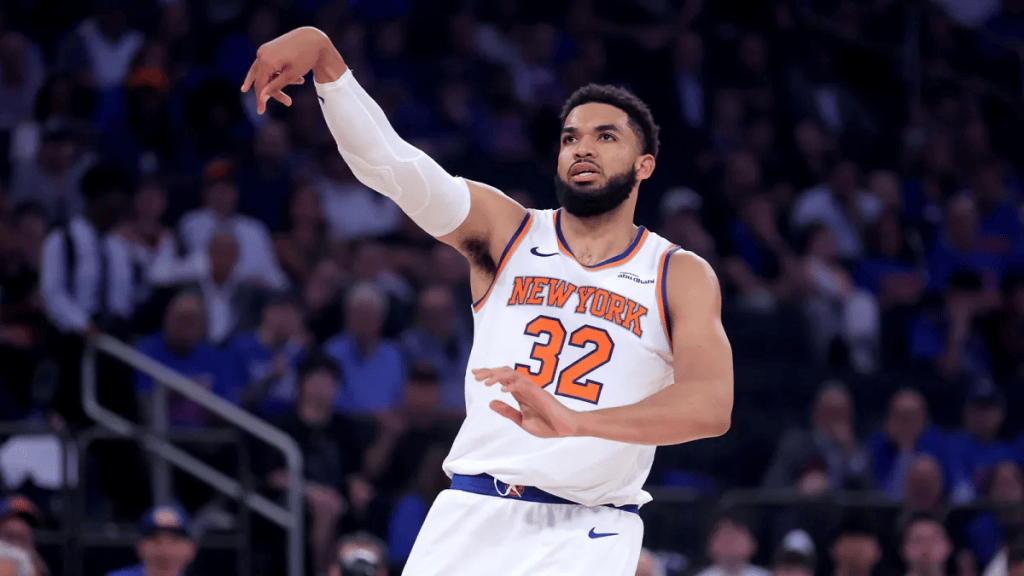
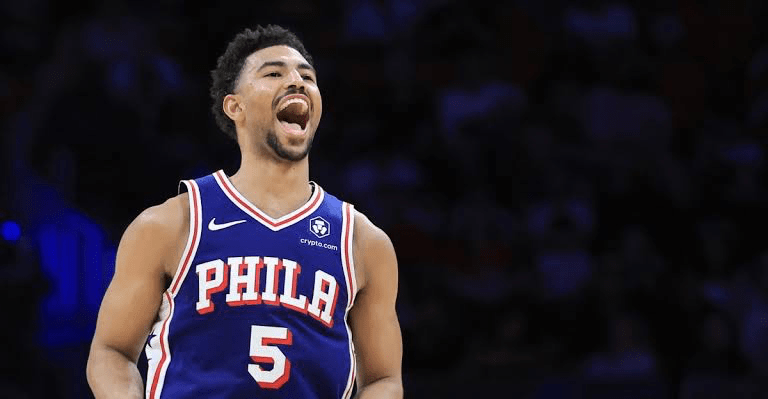
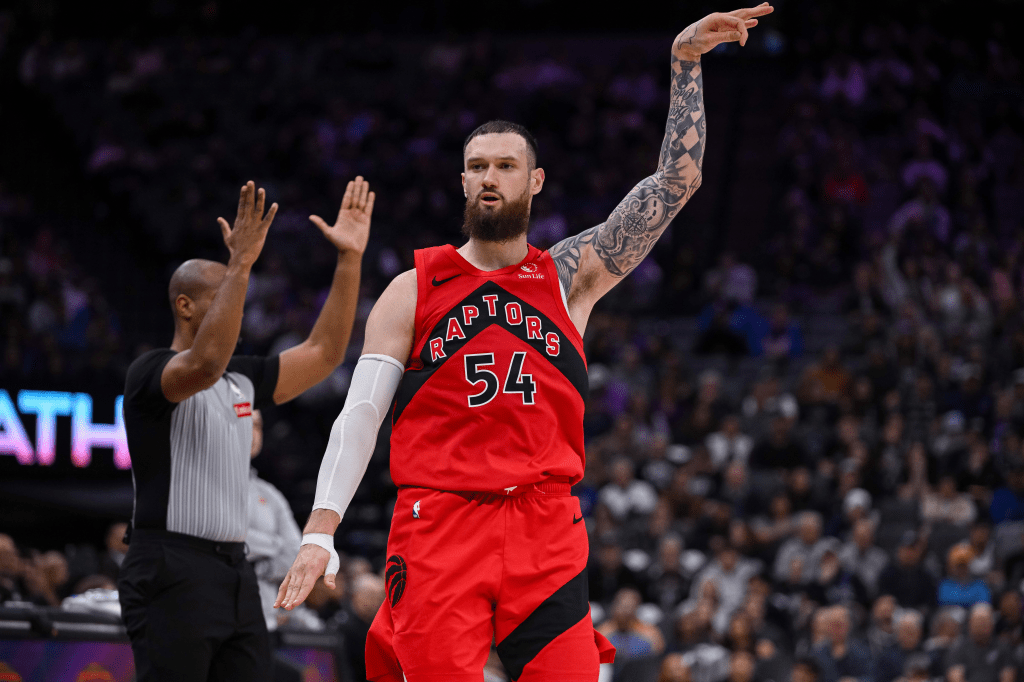
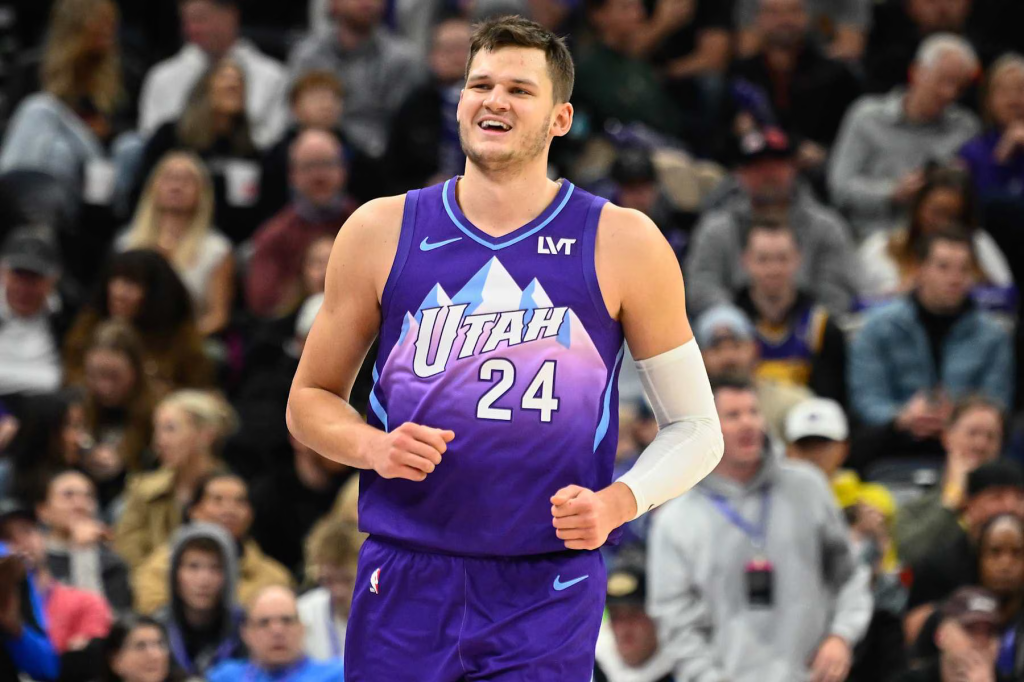
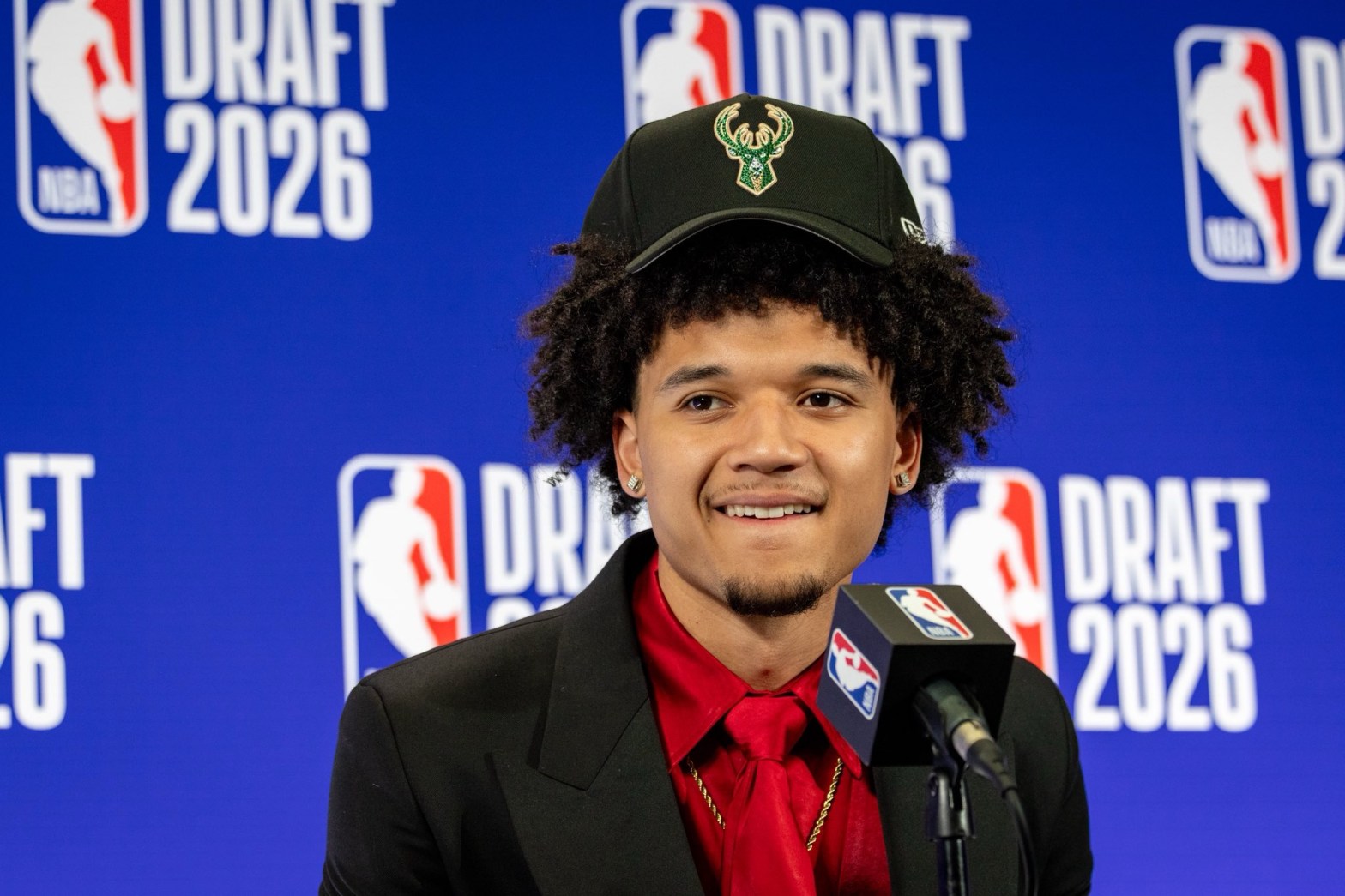
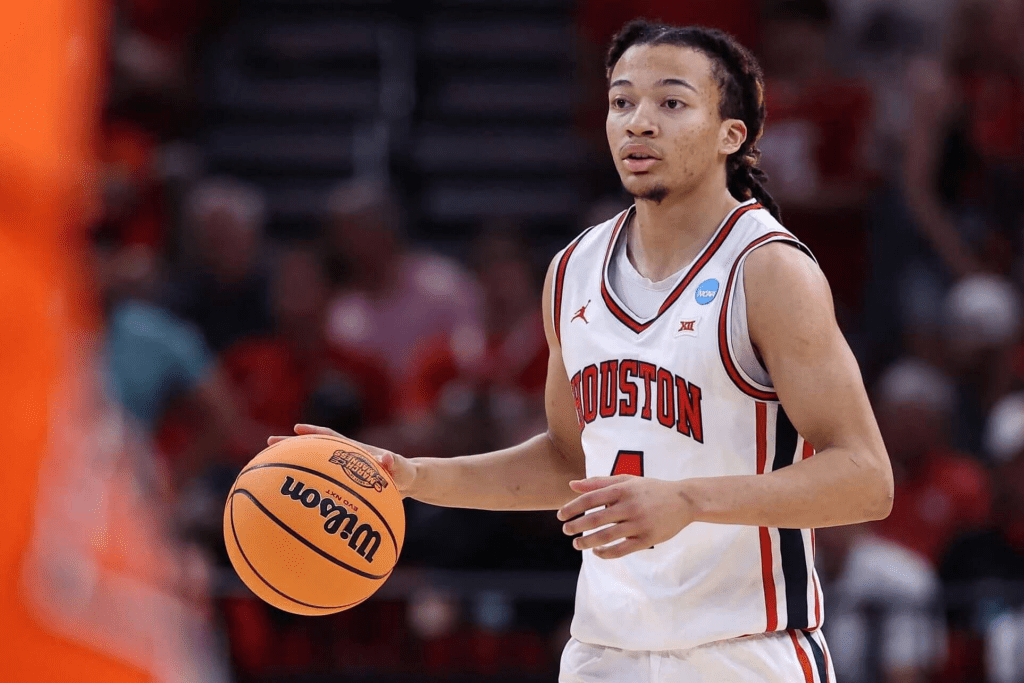
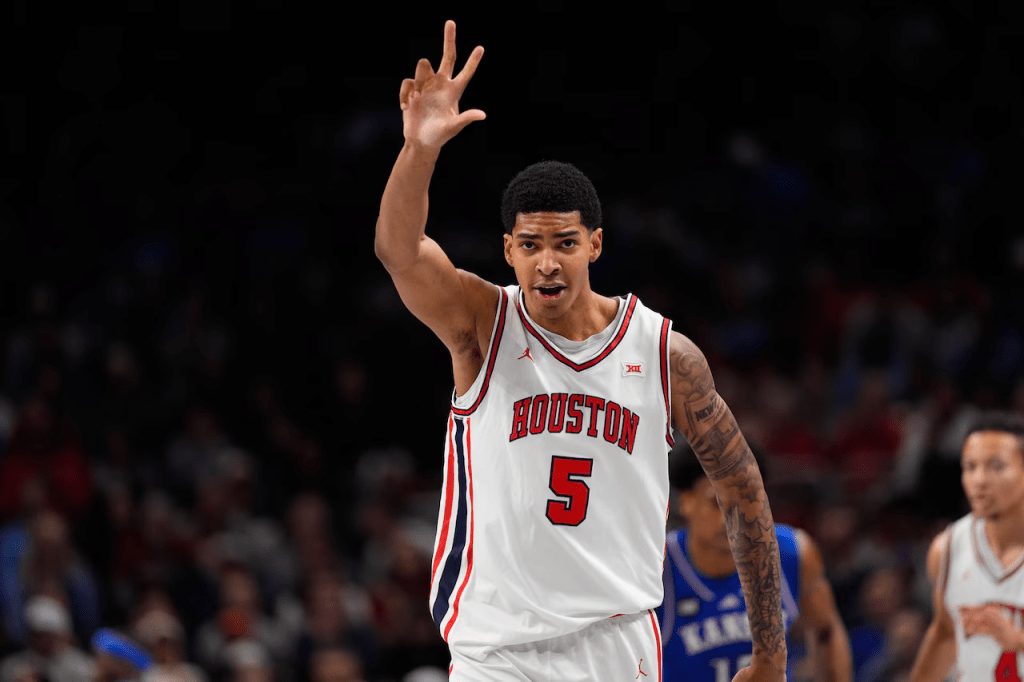
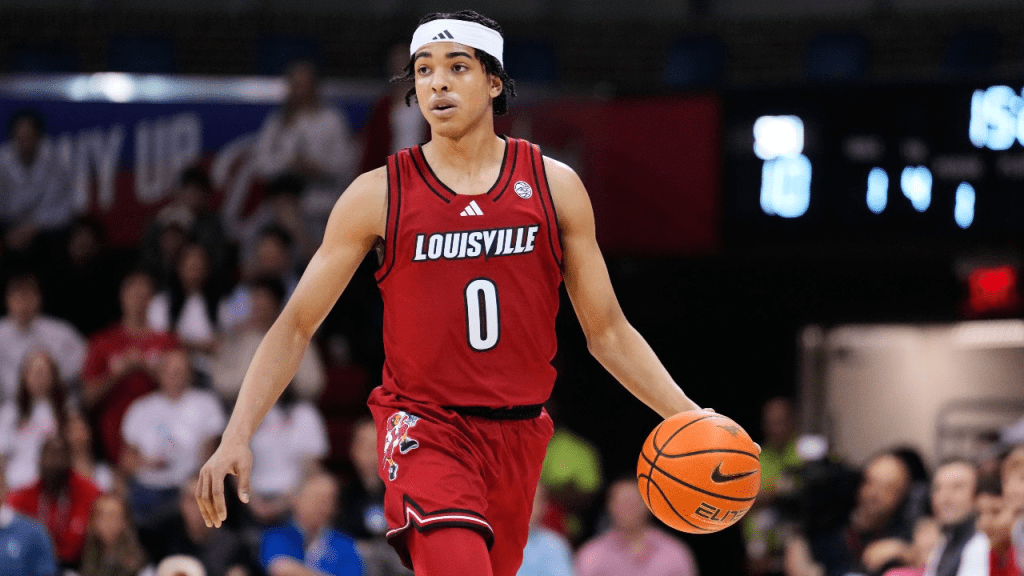
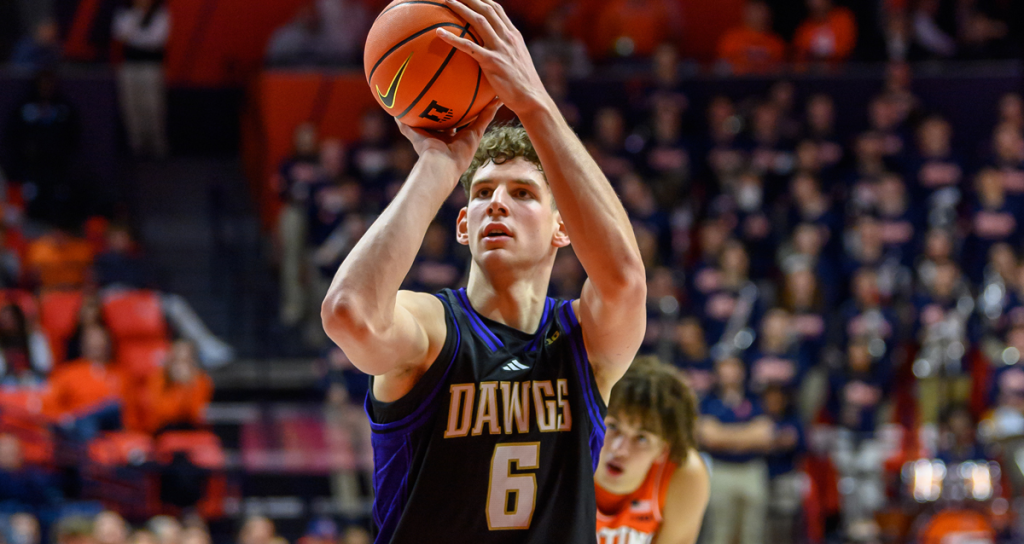
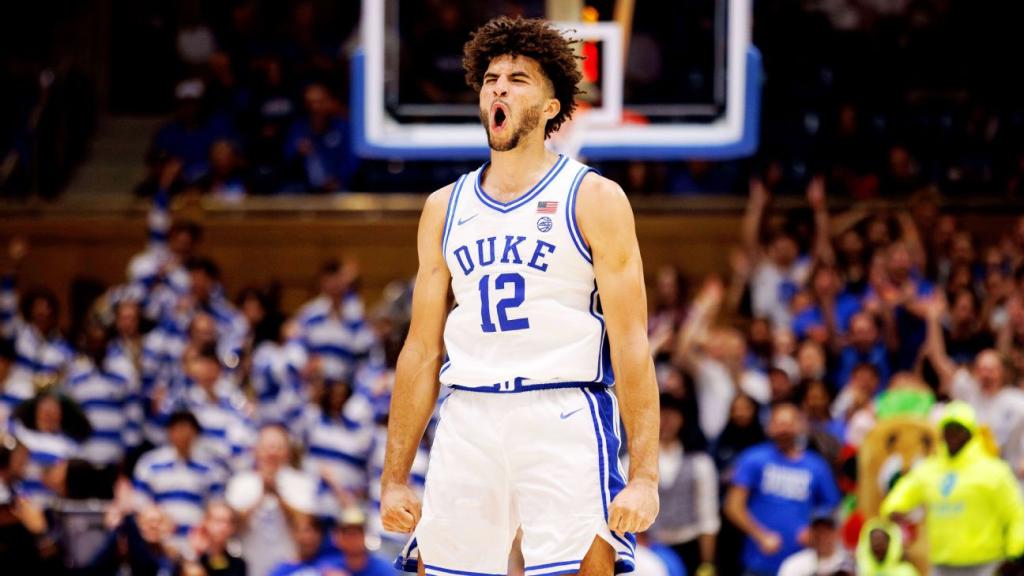
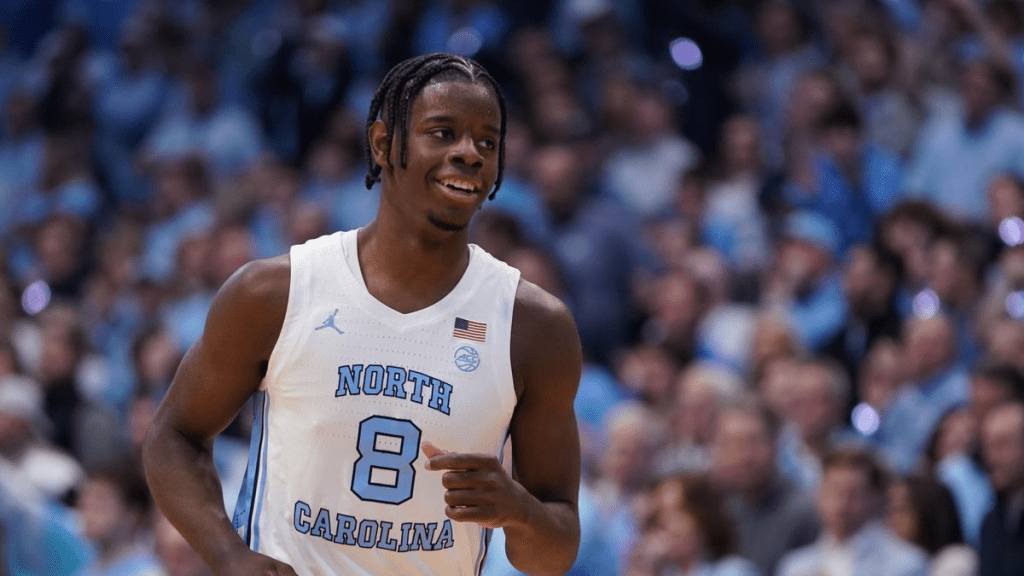
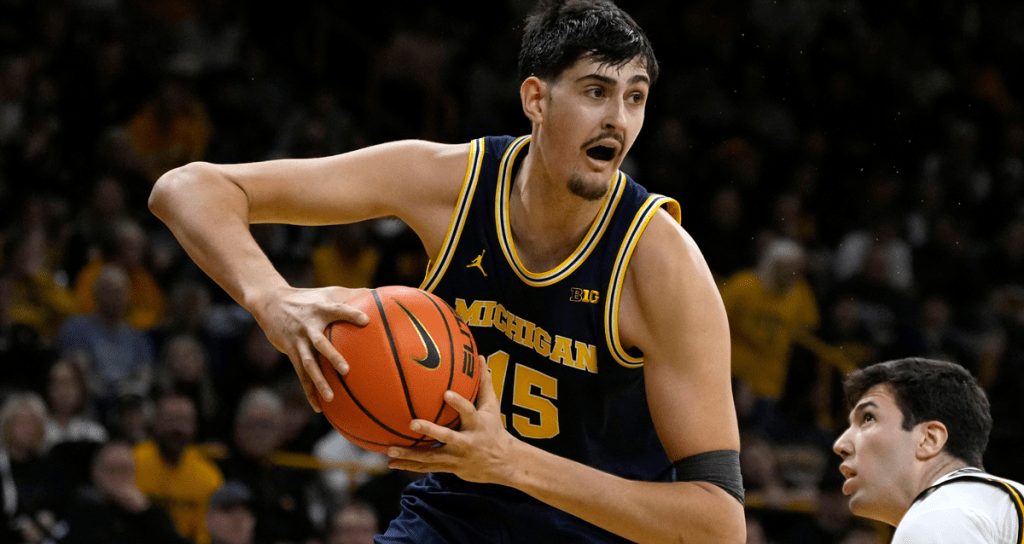
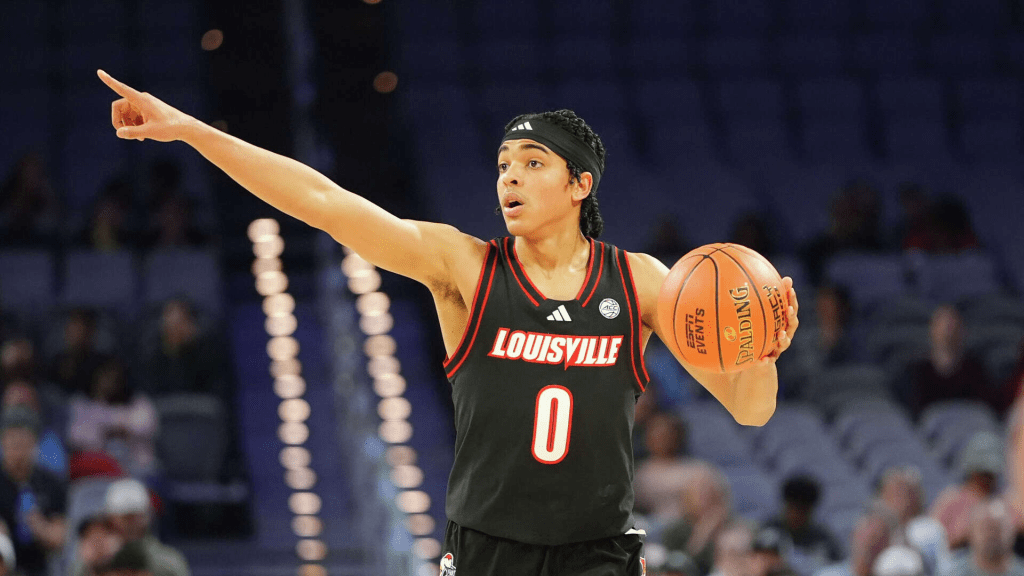
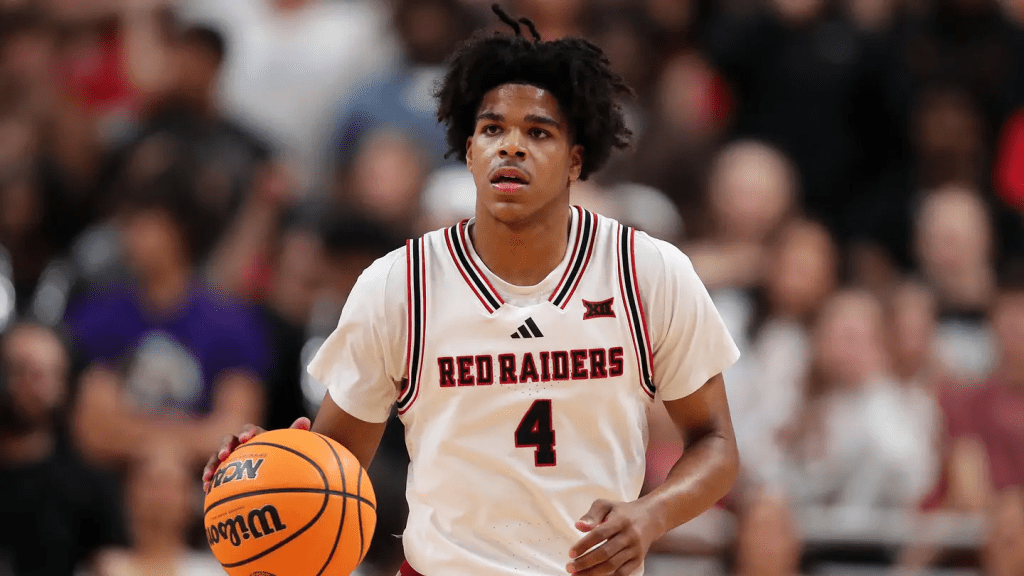
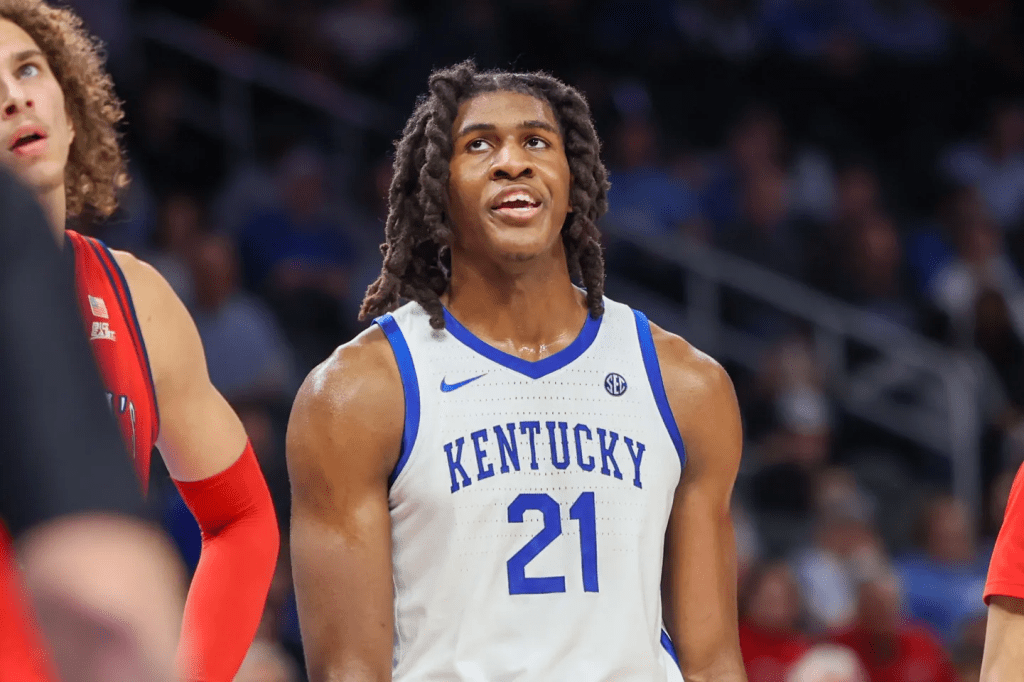
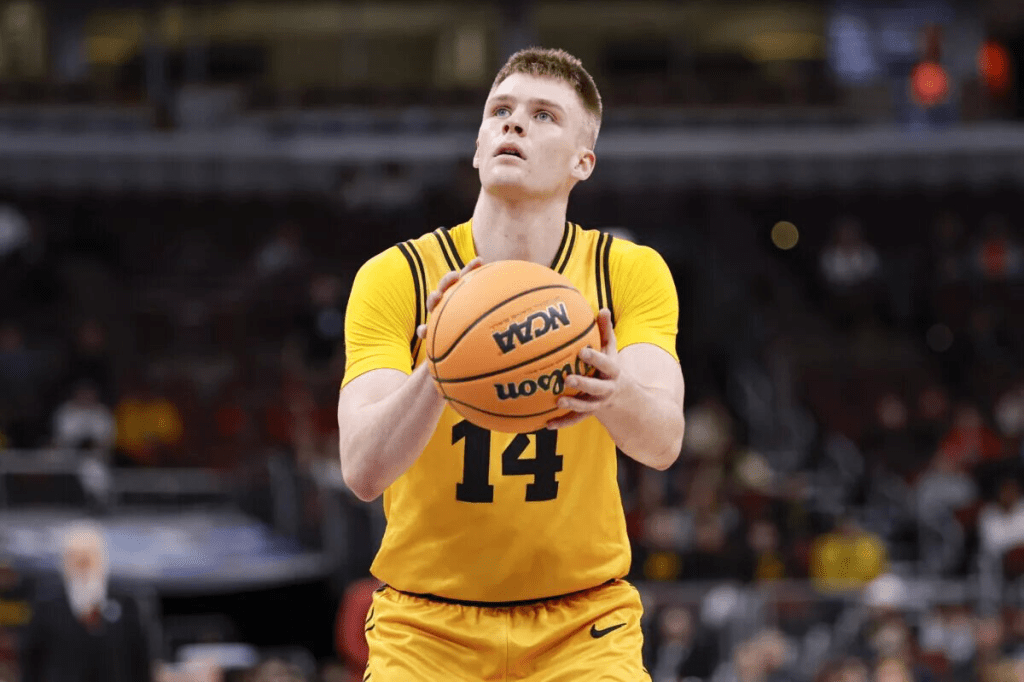
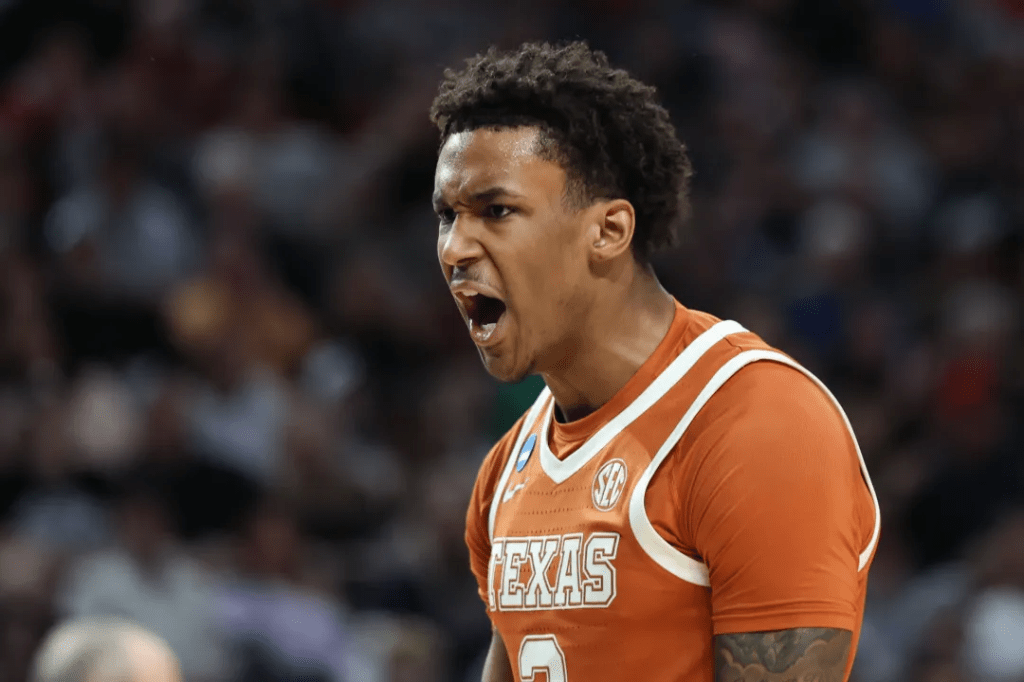
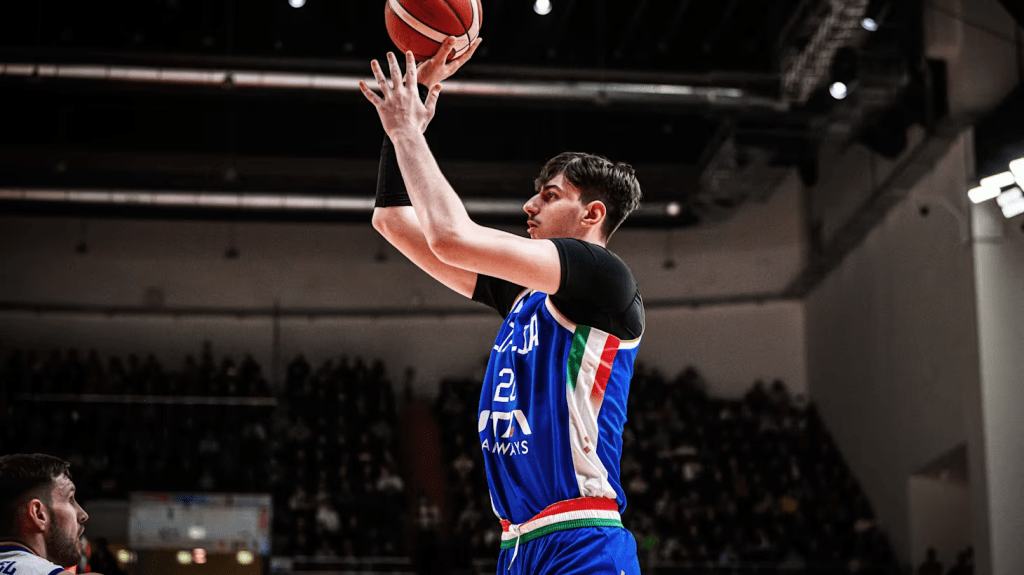
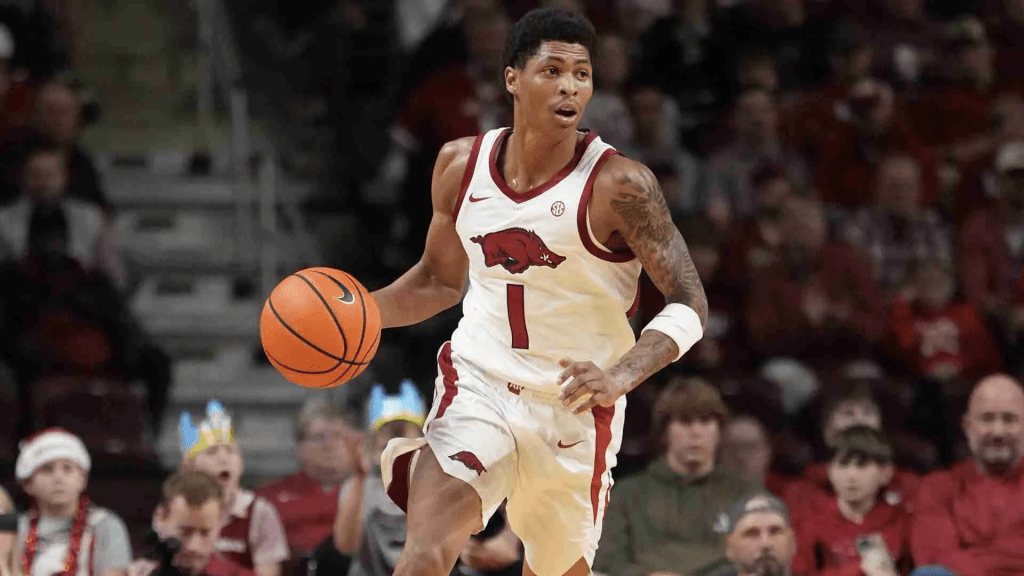
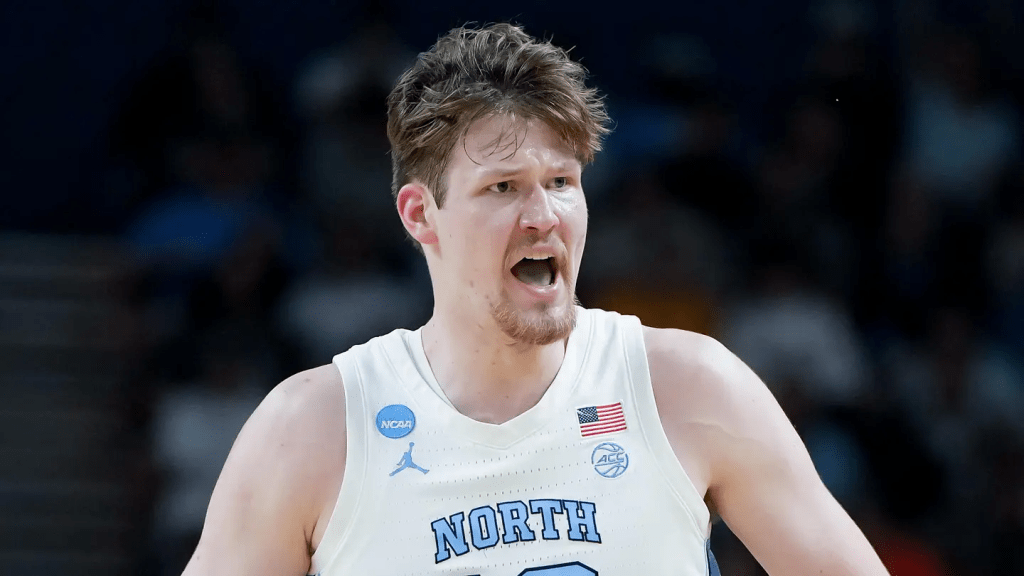
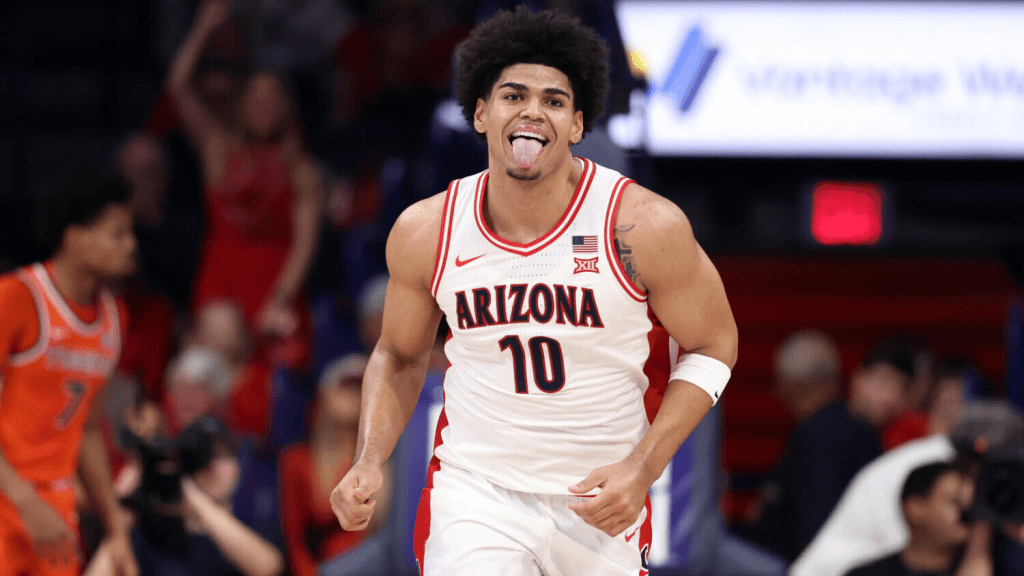
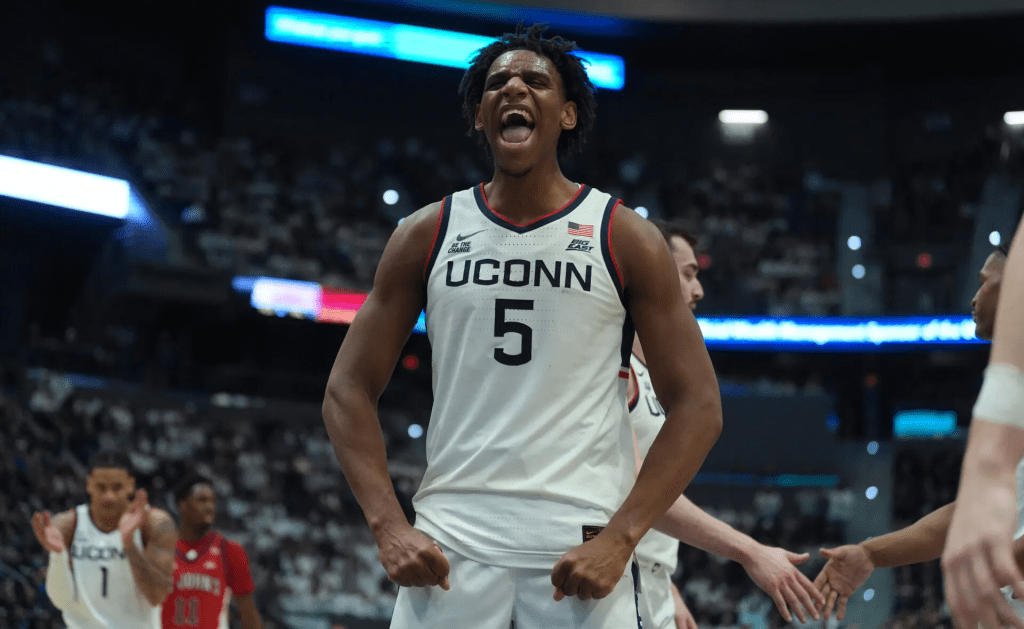
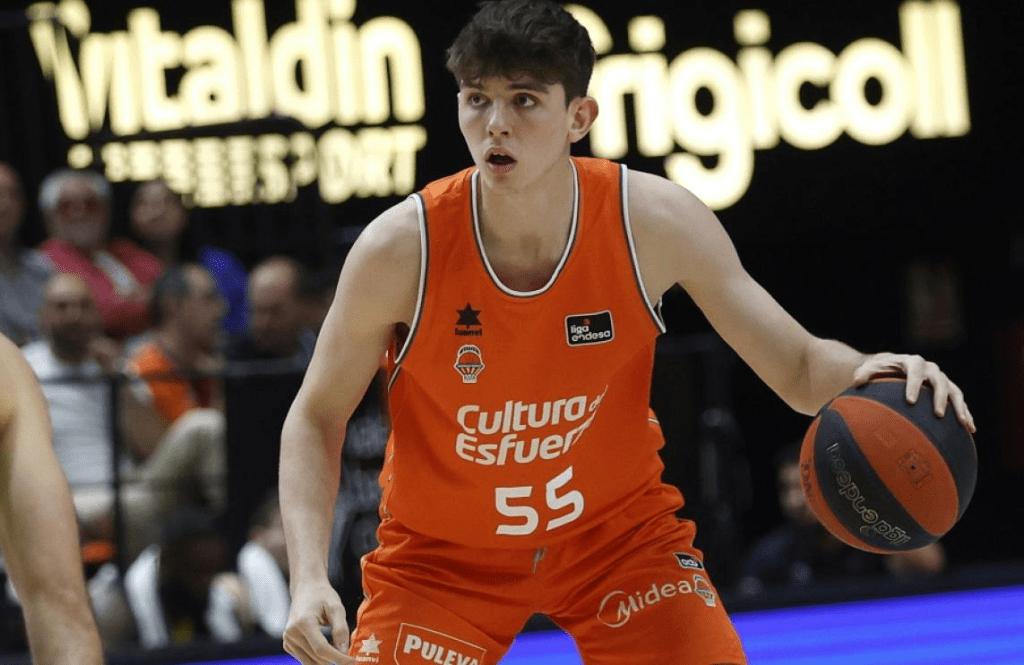
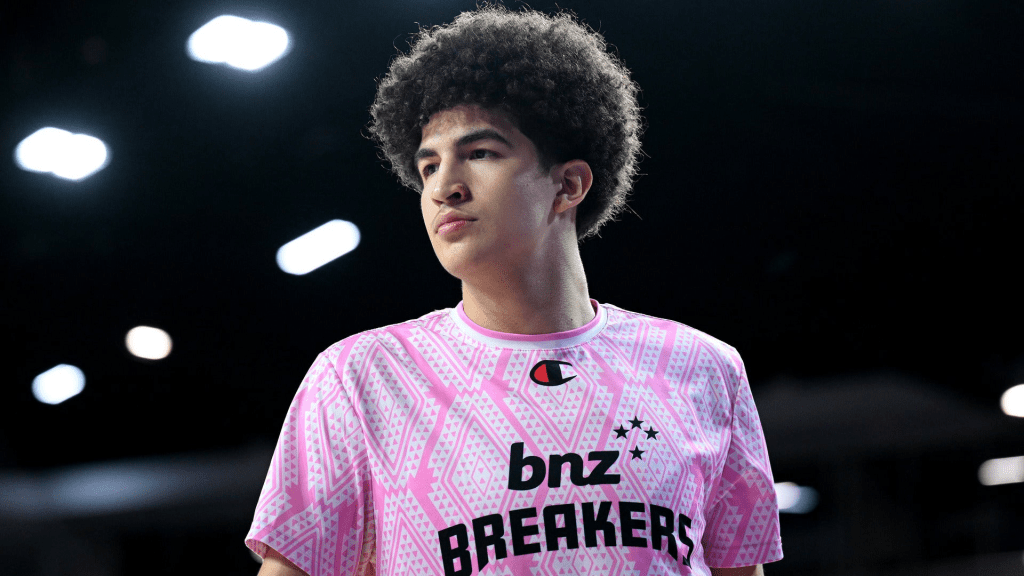
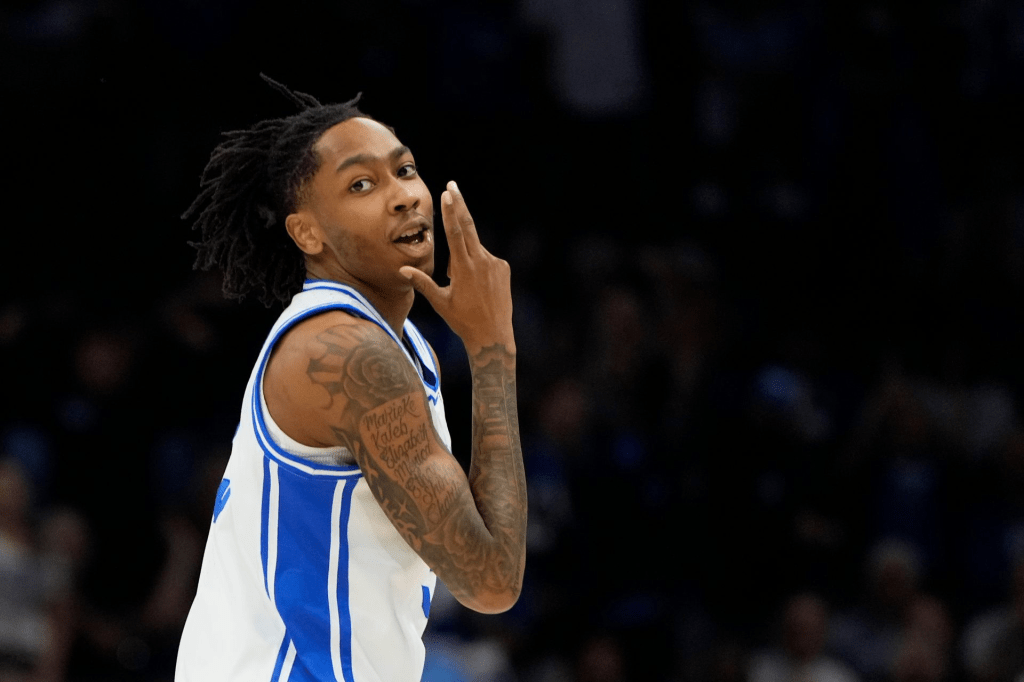
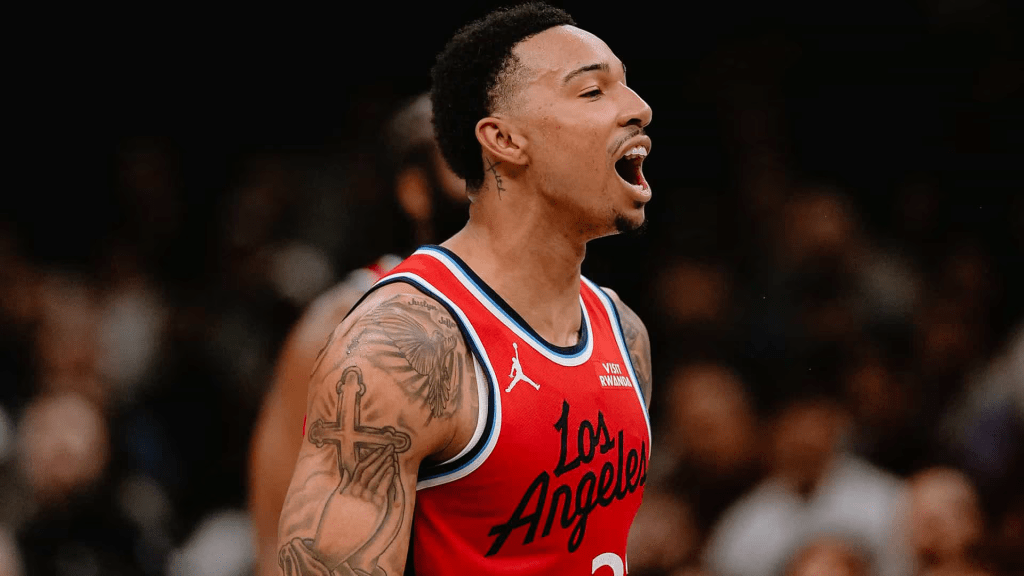
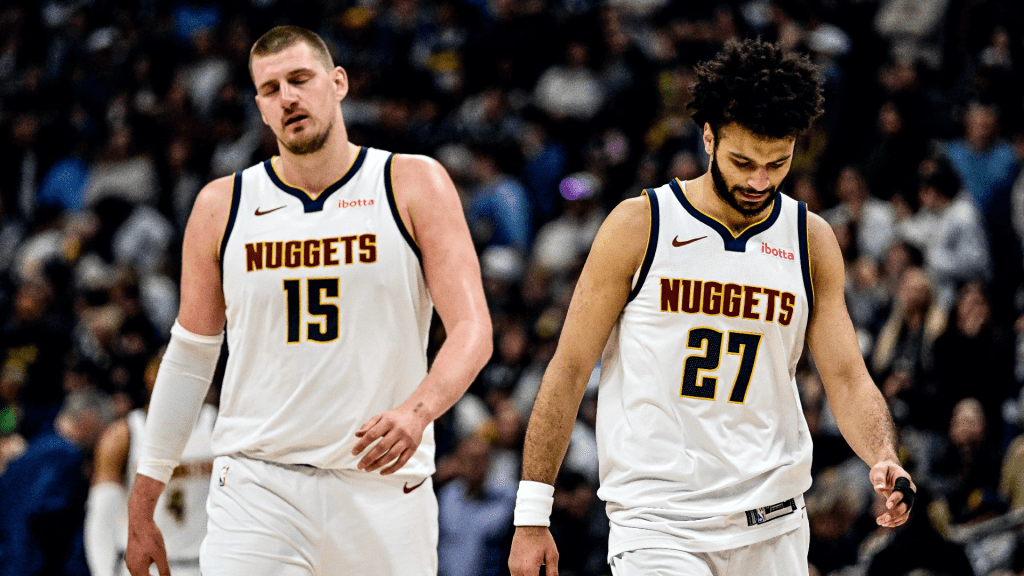
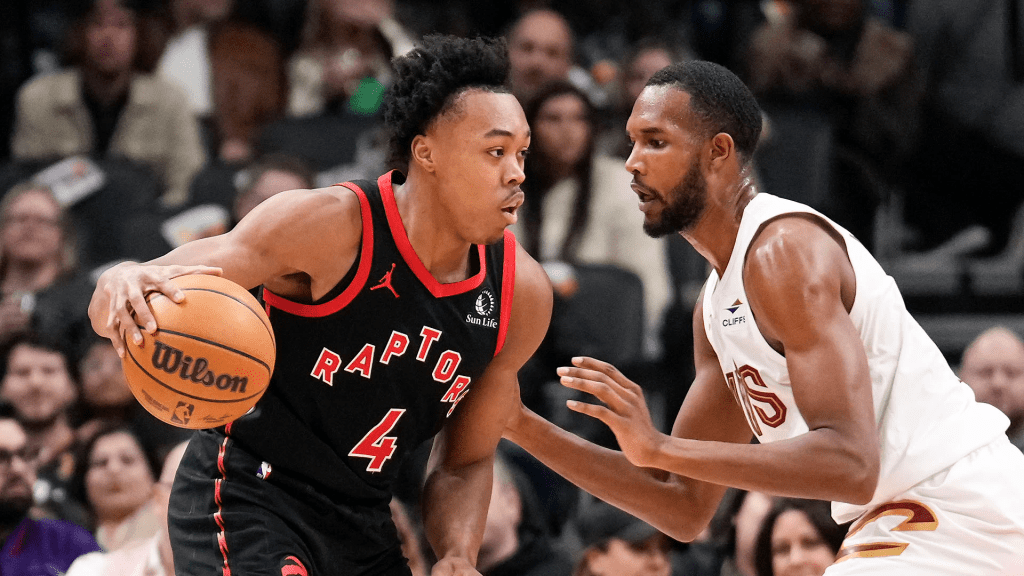
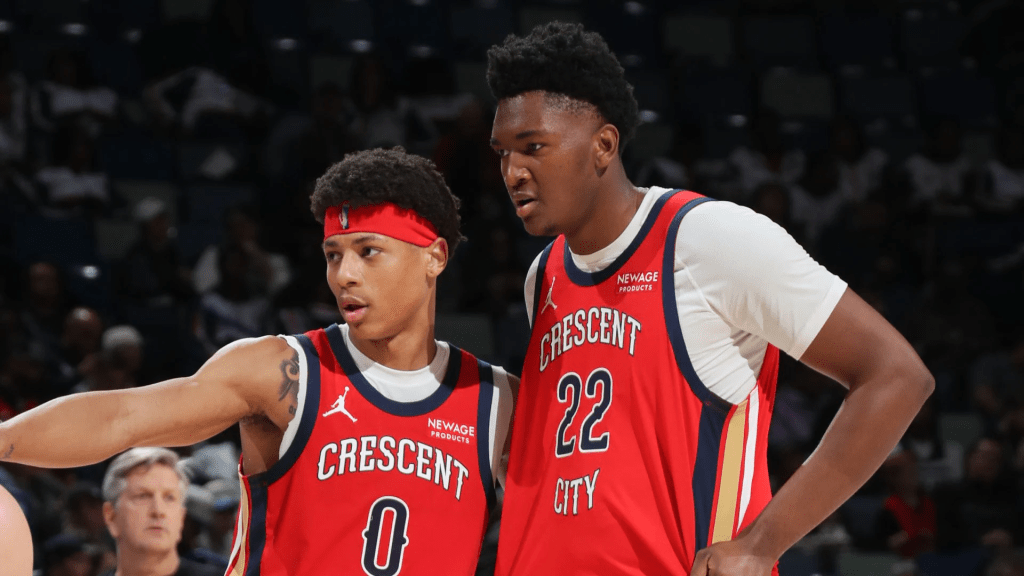
Part two of my preseason prediction trio series is here! Today, I’ll be power ranking all 30 NBA teams based on a combination of projected regular season and postseason success, as well as roster talent/fit and past success and/or failure. Seeding predictions are also included. This year’s list was as tough as ever to make. Both conferences are so stacked. Let’s get straight to it!
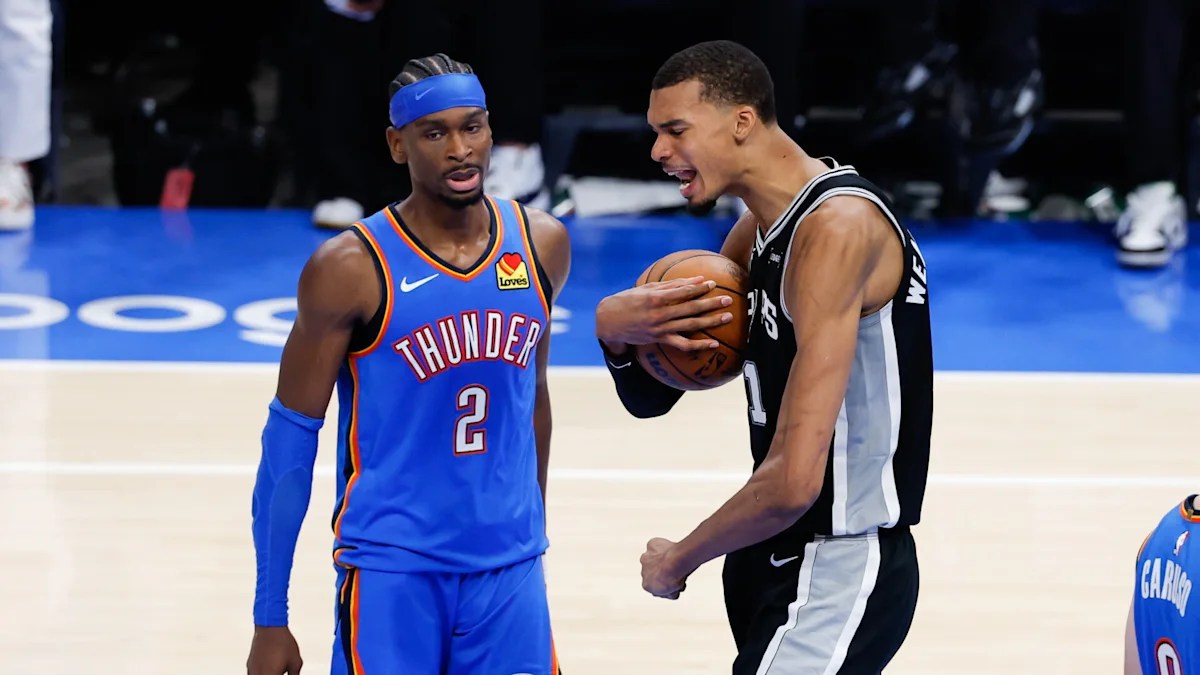
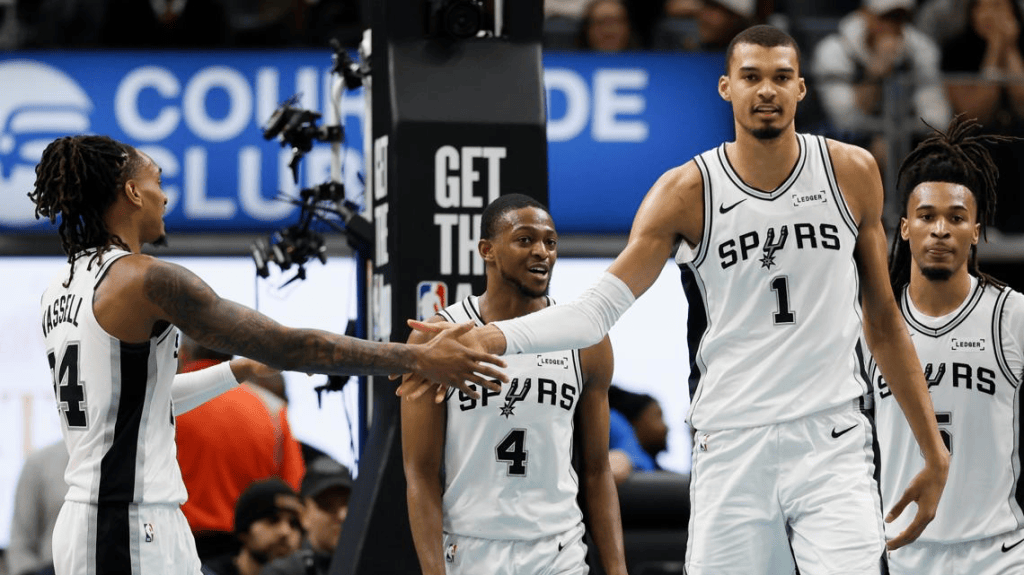
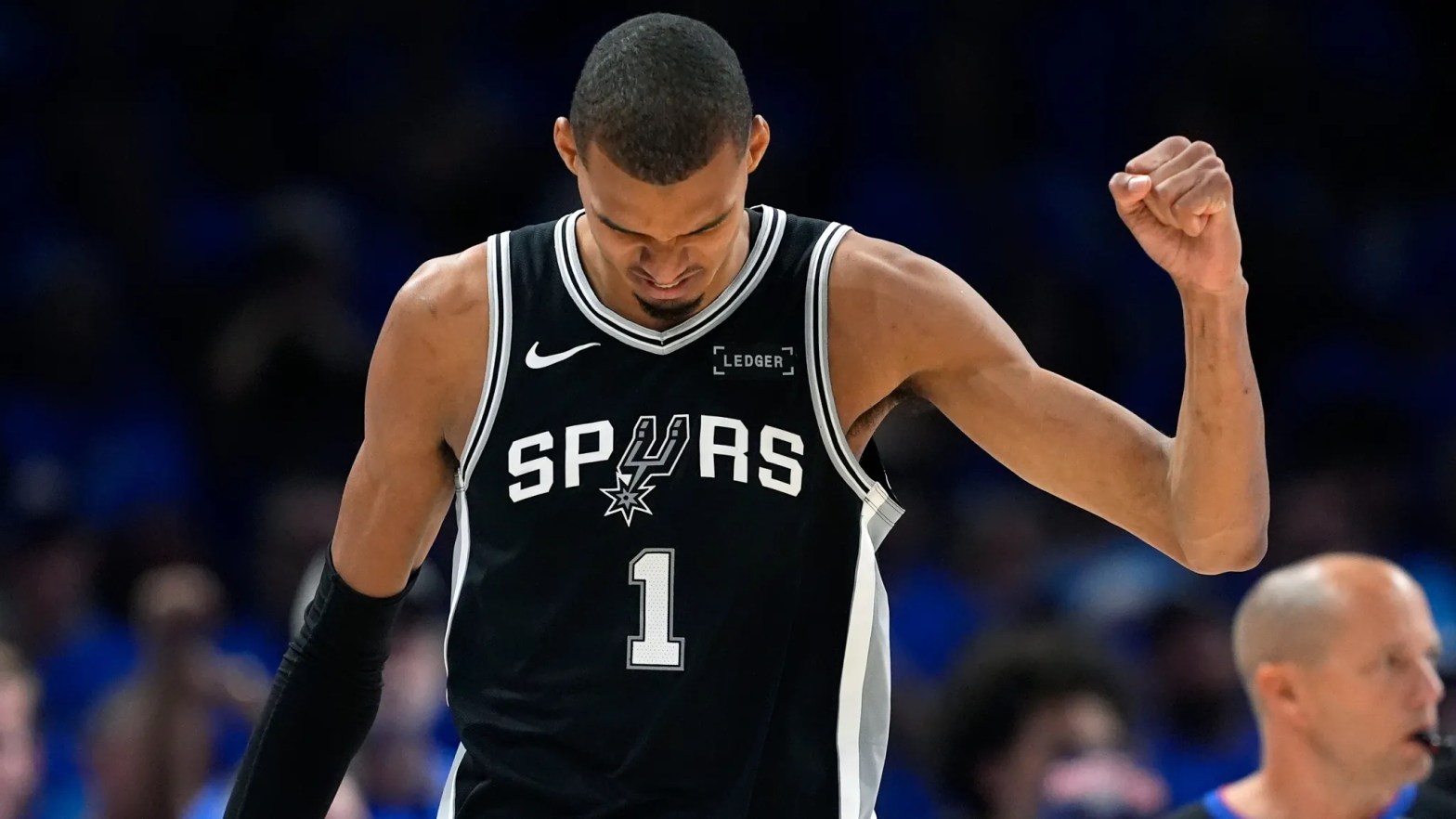
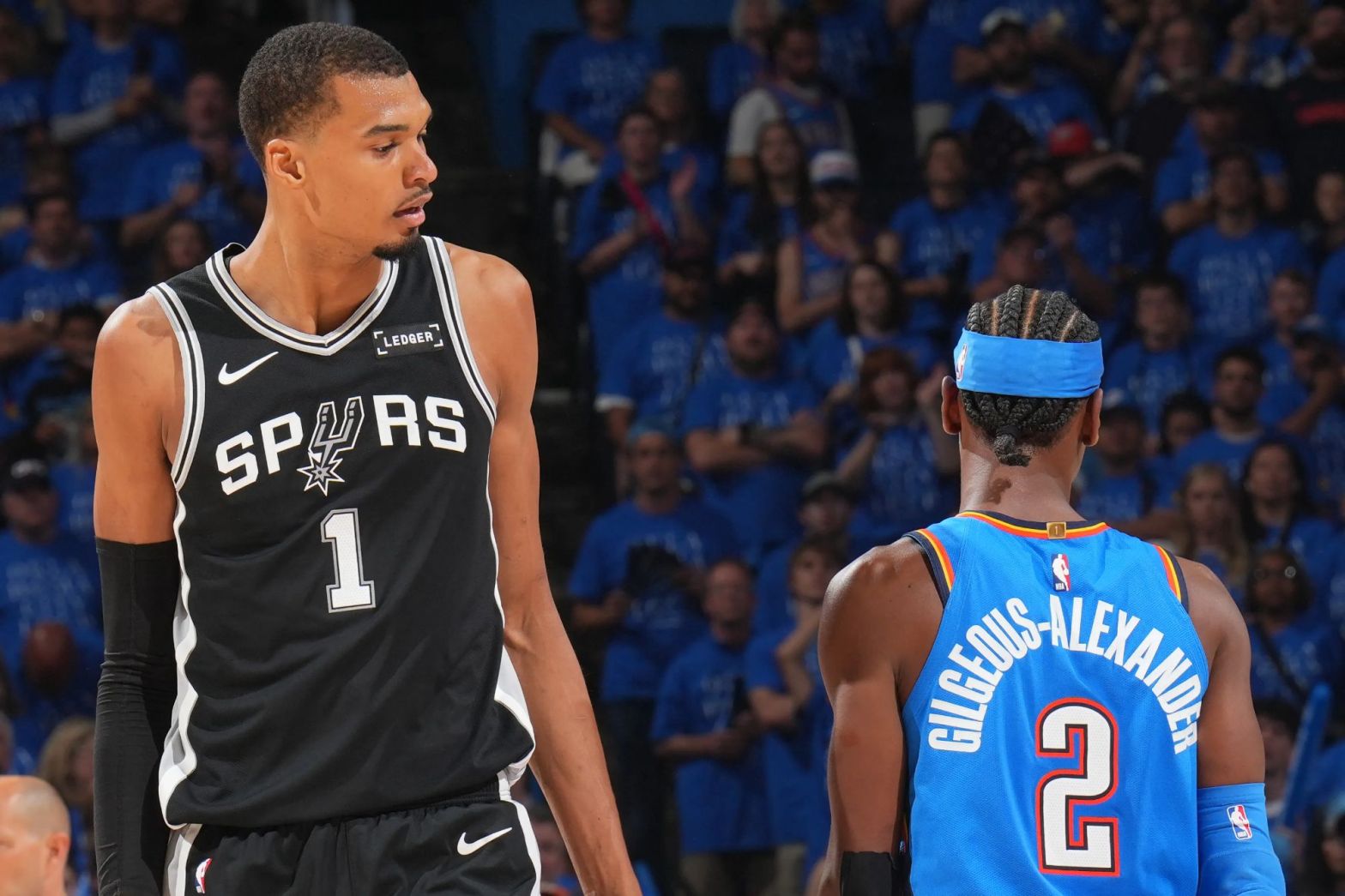
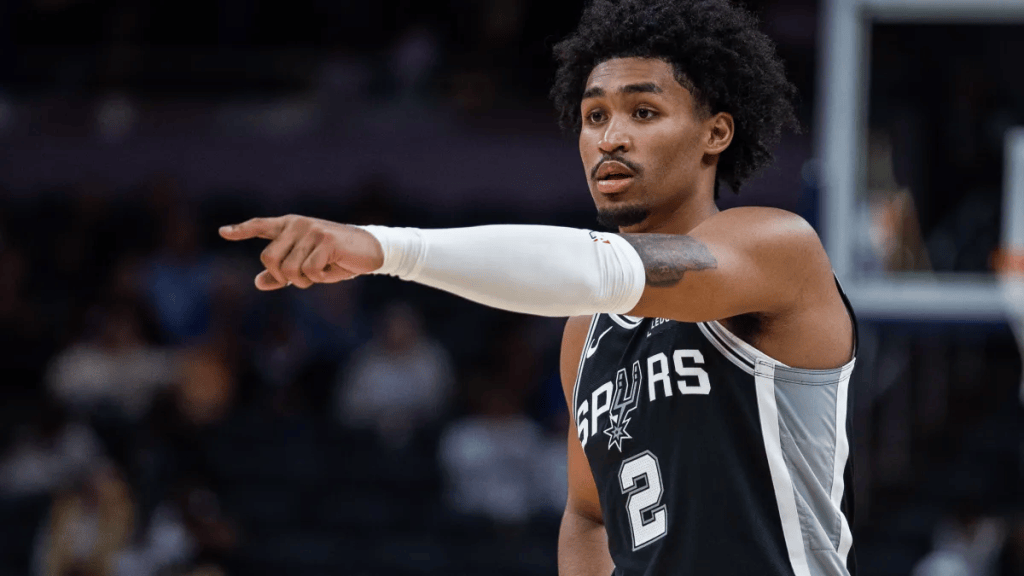
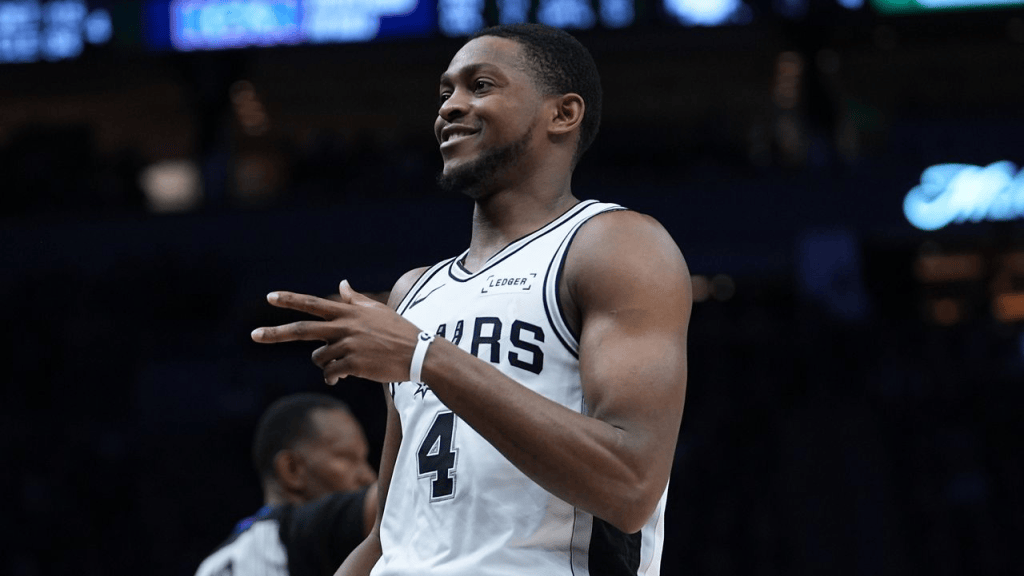
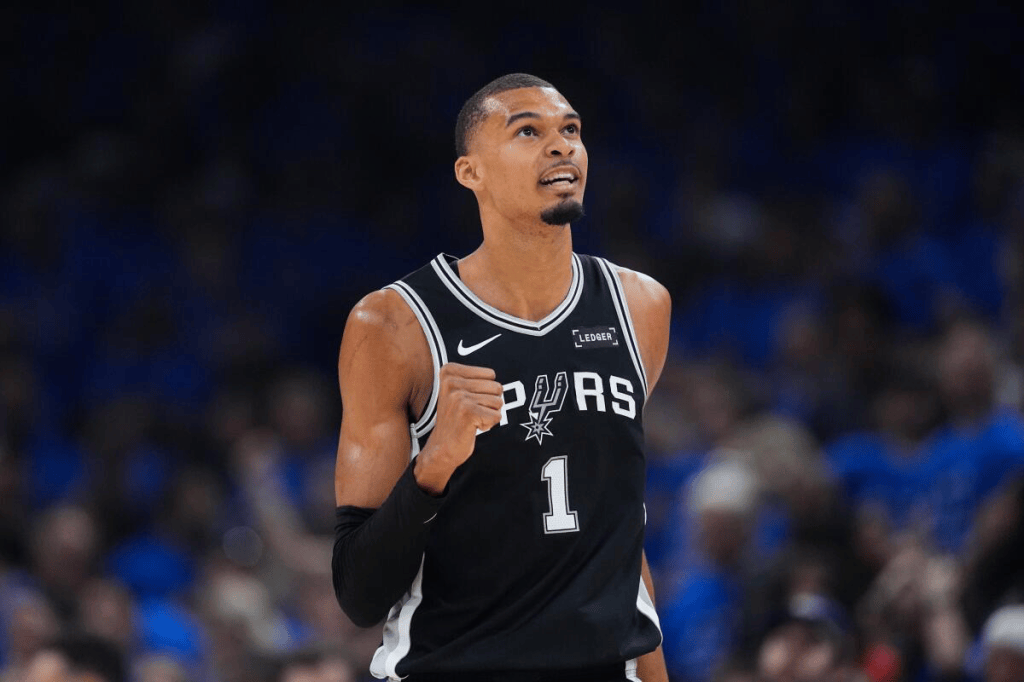
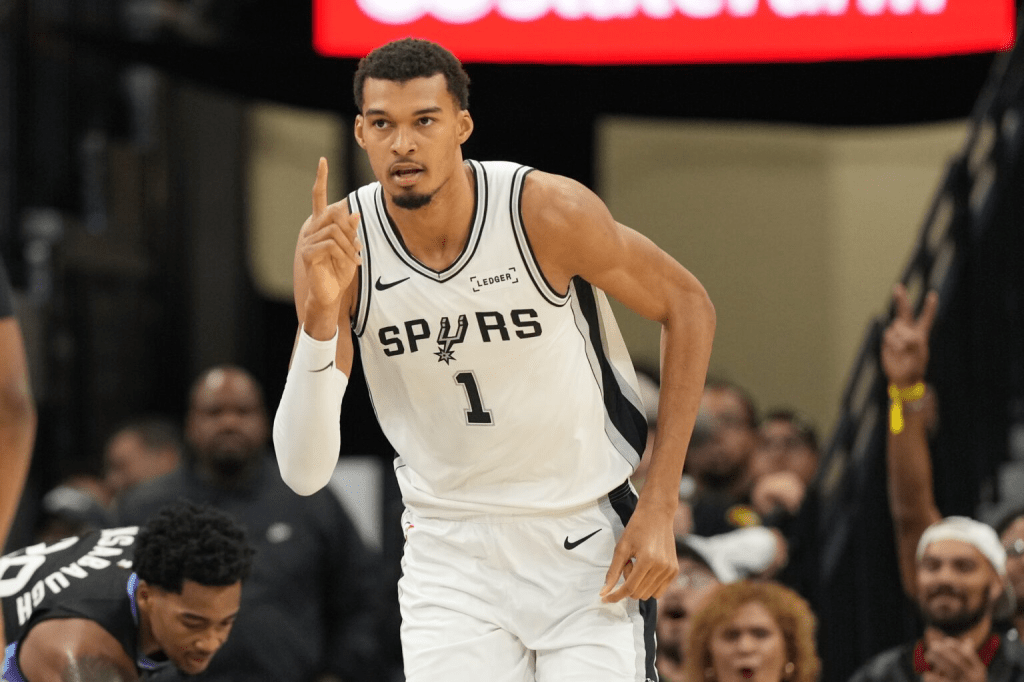
The Spurs took the association by storm last season, making an inconceivably rapid rise to contention and riding that wave all the way to the Finals. Now, the hype for this team and this core is out of this world, and it’s all warranted. Superlatives to encapsulate Victor Wembanyama’s transcendence don’t exist, and with him at the helm, San Antonio should be the favorites to not just take home the Larry O’Brien in 2027, but to be the NBA’s next dynasty.
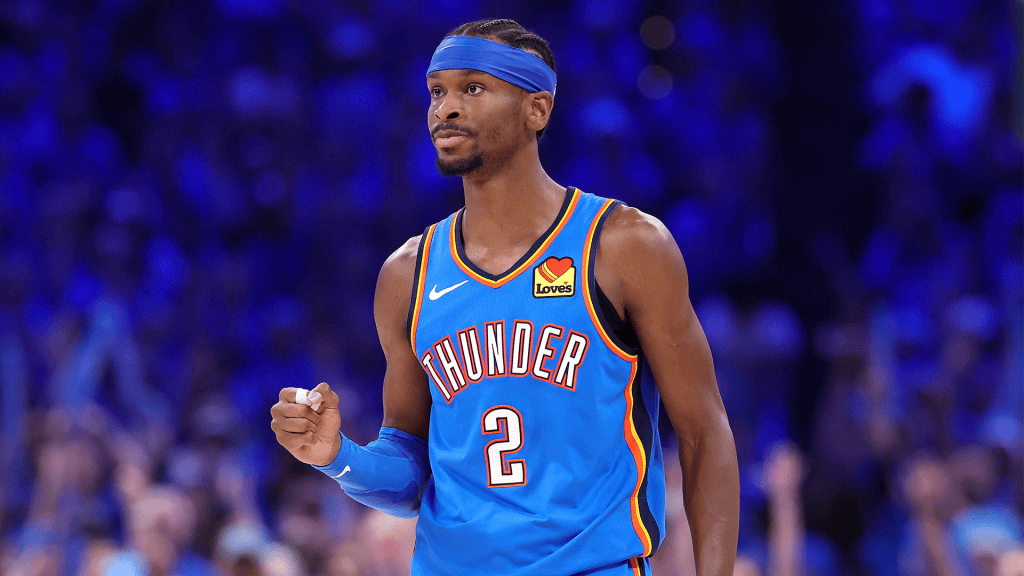
2: Oklahoma City Thunder (2 Seed in West)
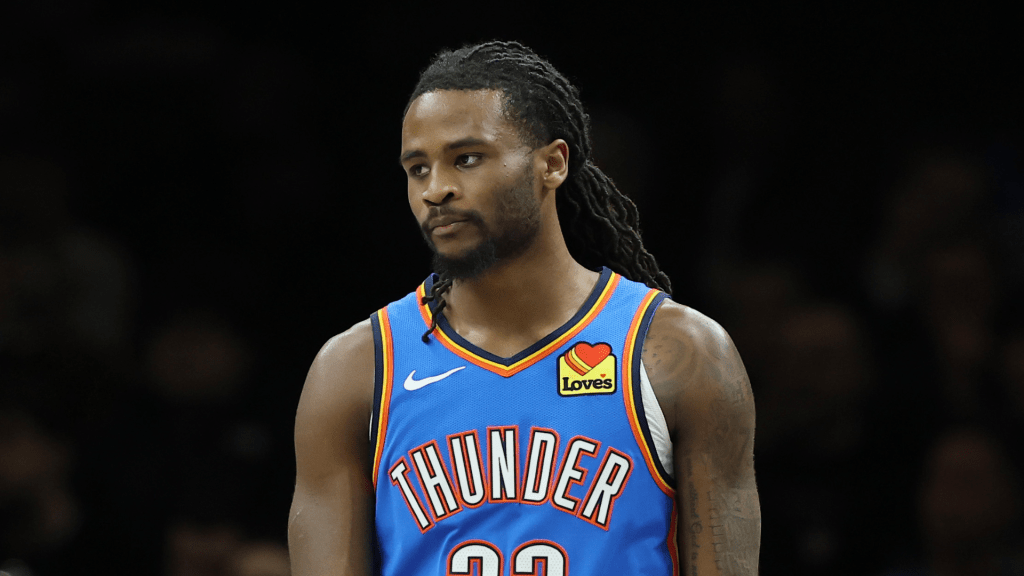
Key Players: Shai Gilgeous-Alexander, Jalen Williams, Chet Holmgren, Ajay Mitchell, Cason Wallace, Alex Caruso
Top Award Candidate: Ajay Mitchell (6MOY)
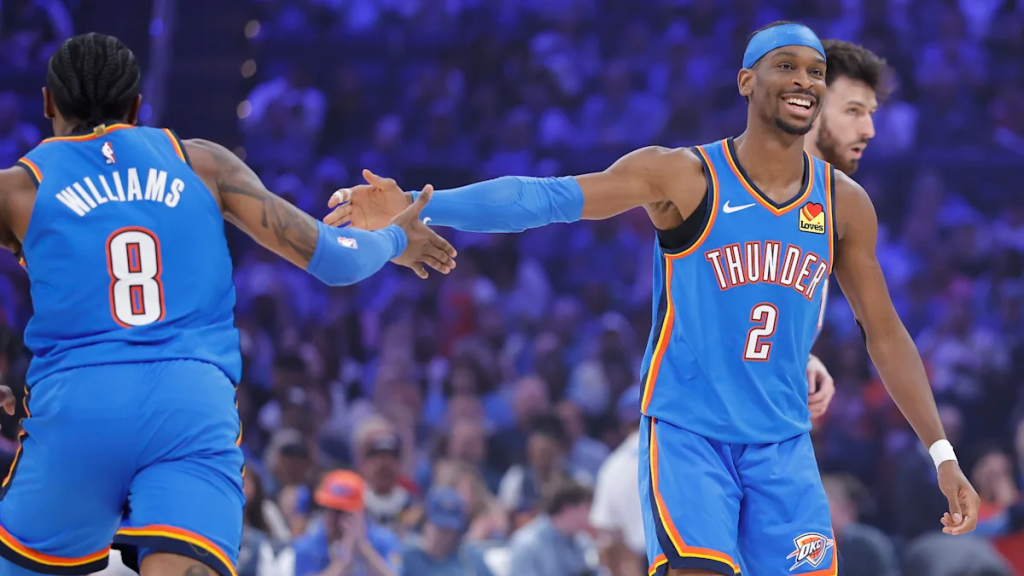
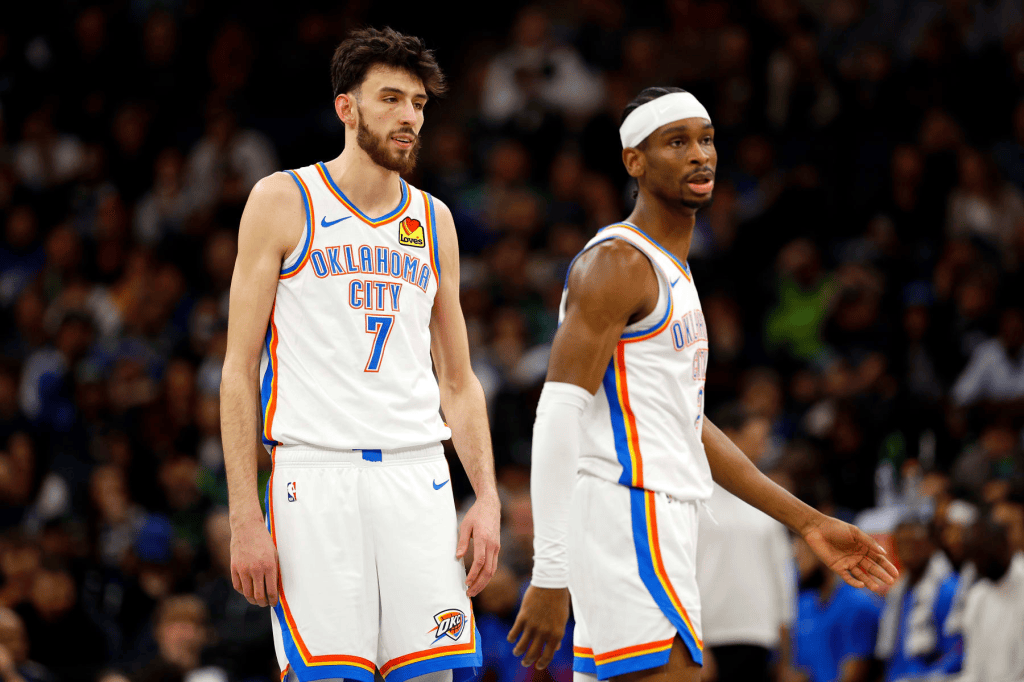
People were ready to crown Oklahoma City as the next dynasty after their 2025 championship, but they weren’t able to shed the forces of parity influencing the modern NBA as they lost to the Spurs in the Western Conference Finals last season. After that defeat, though, OKC will be as hungry as ever. Shai Gilgeous-Alexander is firmly in his prime as the best player in the world. Jalen Williams is healthy. Chet Holmgren should hopefully be more aggressive. The team’s defensive ethos is still deeply ingrained. The Thunder aren’t the frontrunners ahead of the 2026-27 season, but maybe they don’t want to be.
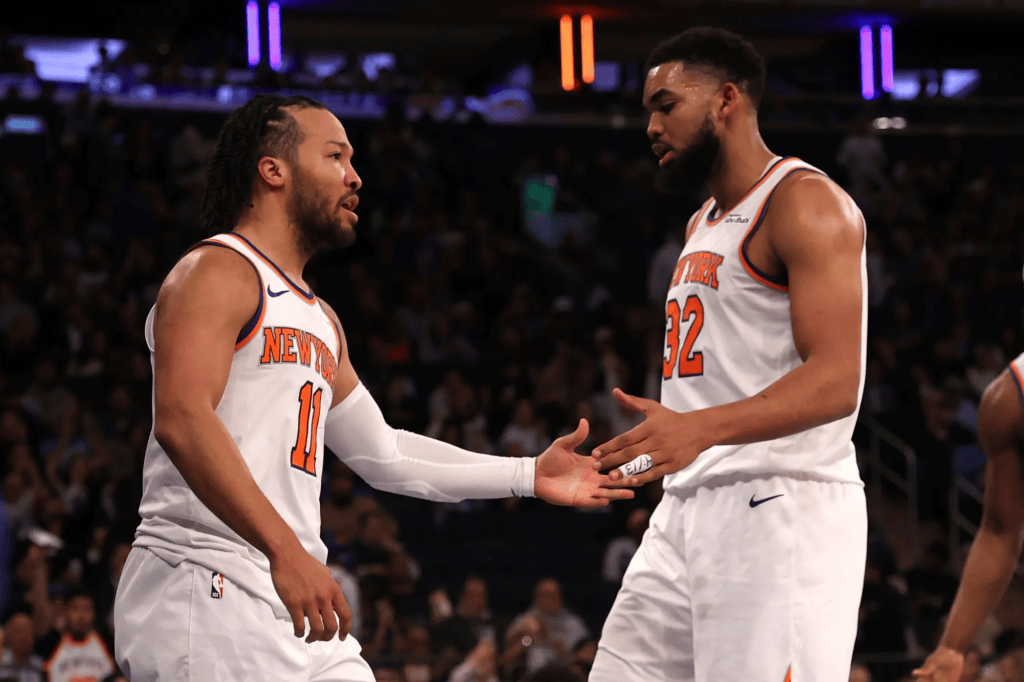
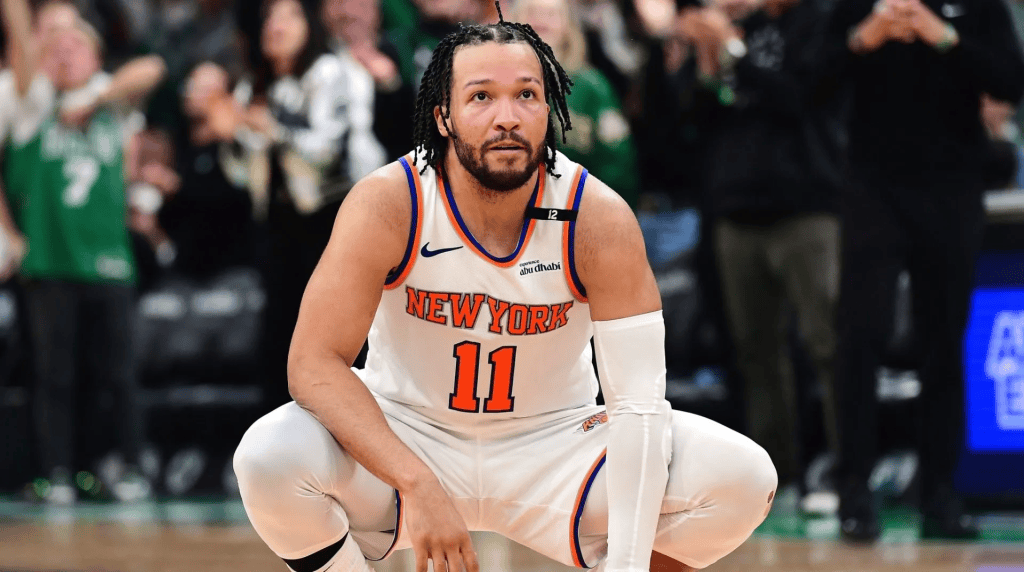
New York’s 2026 championship run was special. Fans may never stop riding that high, but in the NBA, things move fast. If the Knicks don’t repeat or at least come close to doing so, ownership might blow up this beloved core as extension talks loom for Karl-Anthony Towns and Josh Hart. Luckily, the ‘Bockers are primed to make magic once again. Their starting five is one of the flat-out best we’ve seen in modern basketball history, and Jalen Brunson was born to defy the odds.
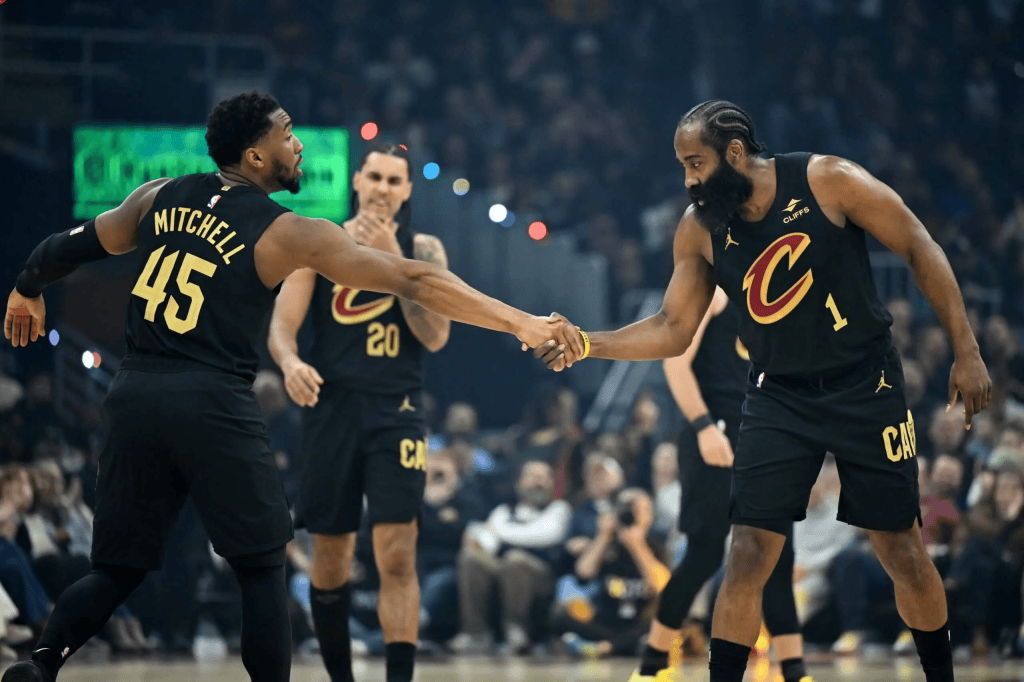
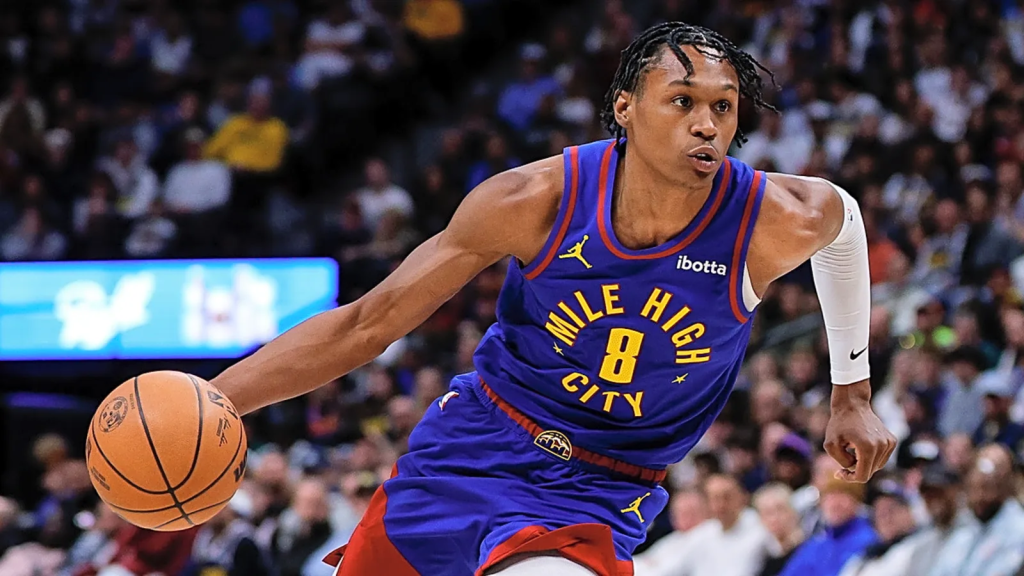
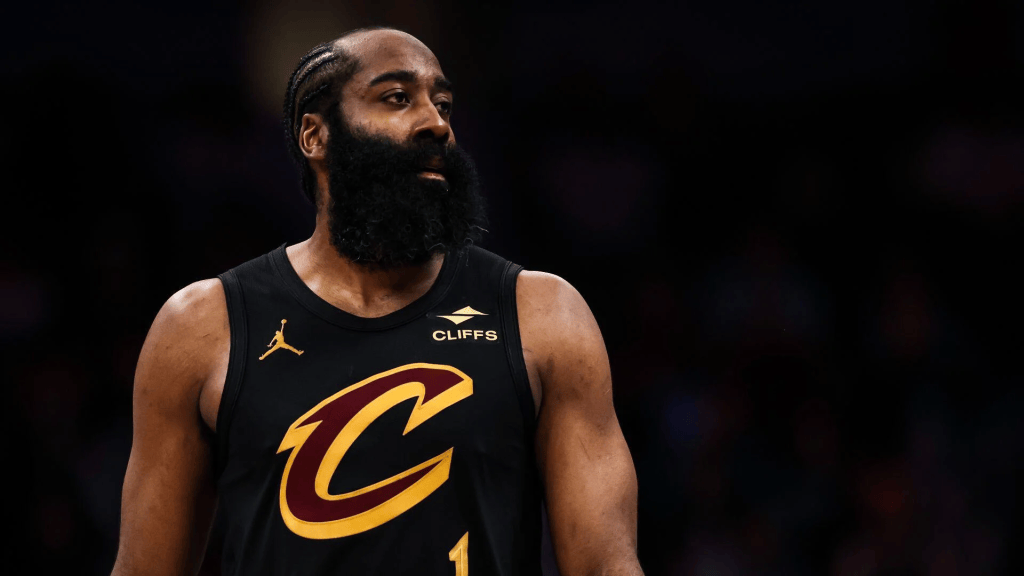
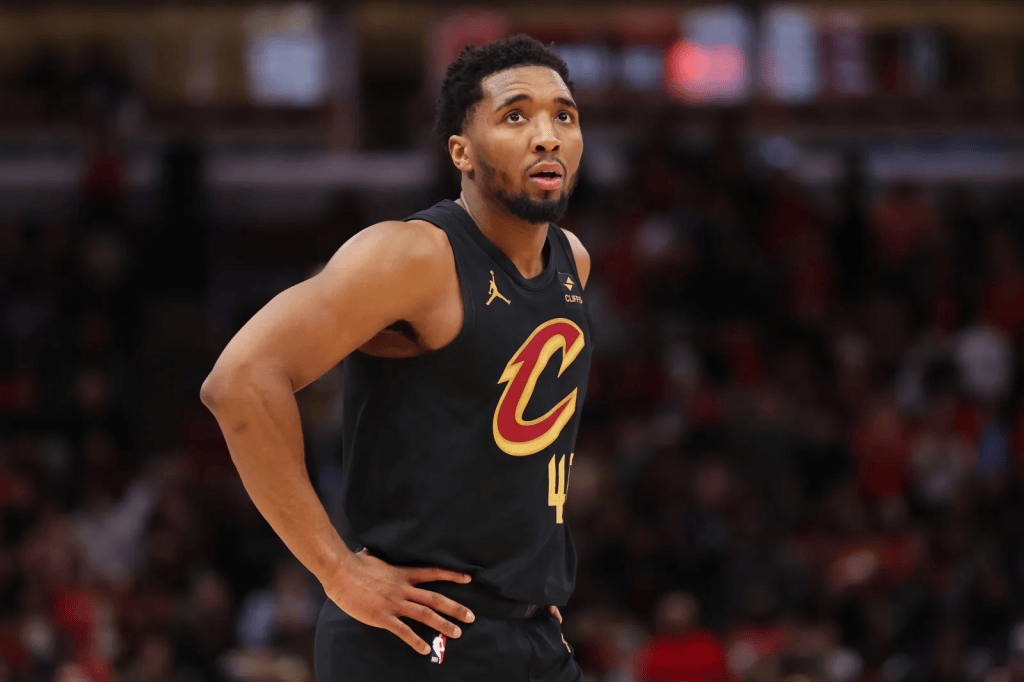
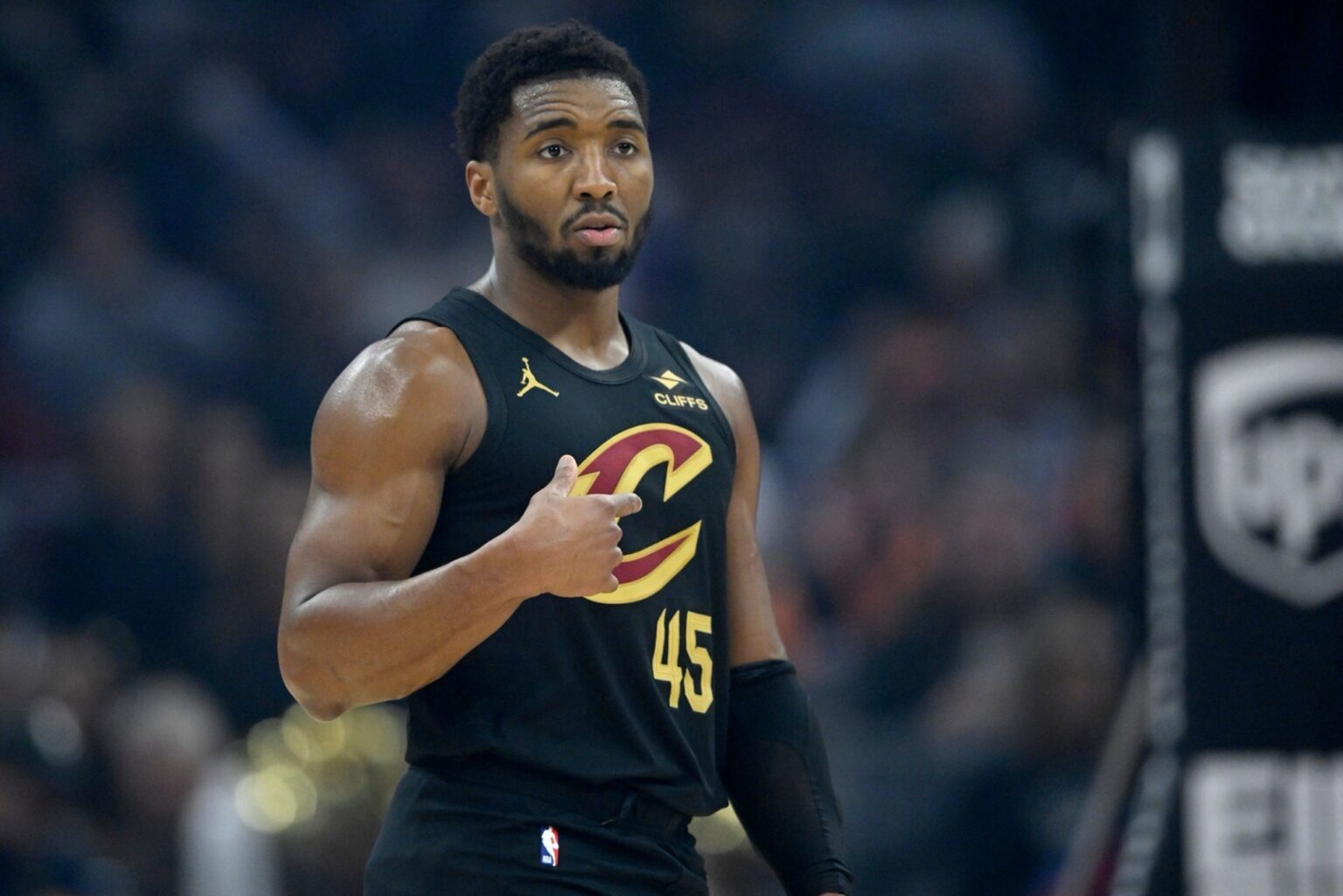
Here at the Bench Mob Blog, we can’t quit on the Cavs, for better or for worse. This team has been written off many times, and they’re rarely taken seriously as contenders, yet they just made a Conference Finals run. Now, their loss to the Knicks was brutal, but New York made everyone look foolish last spring. Heading into 2026-27, their roster is still as talented and versatile as ever. Peyton Watson could just be the piece they were missing. Cleveland will win a lot of regular season games, as always, and a Finals run could absolutely happen too if James Harden doesn’t choke yet again.
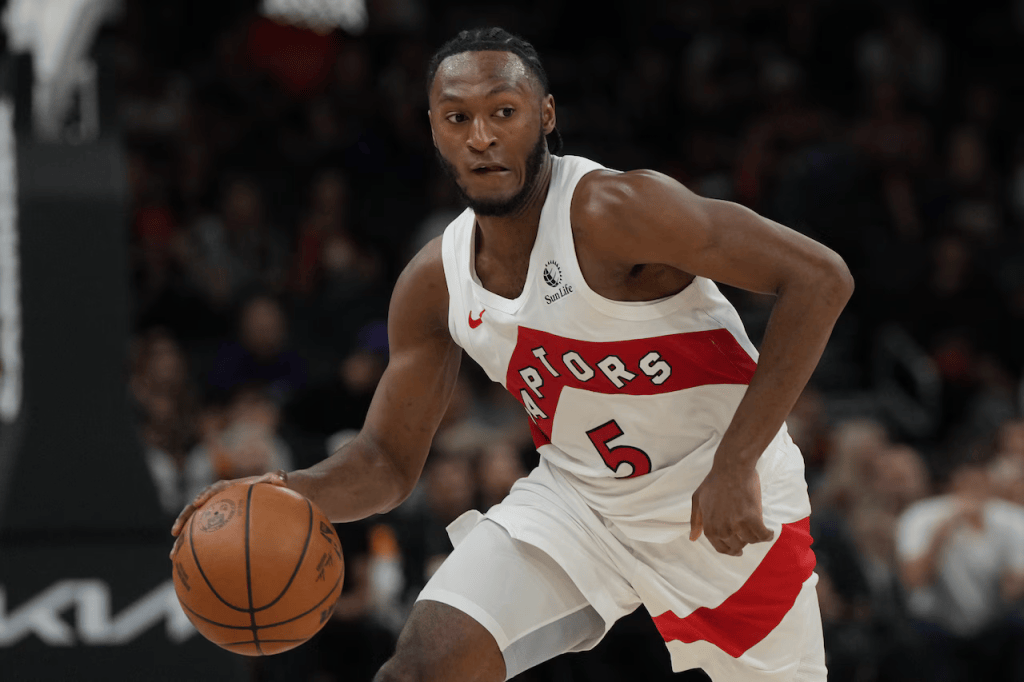
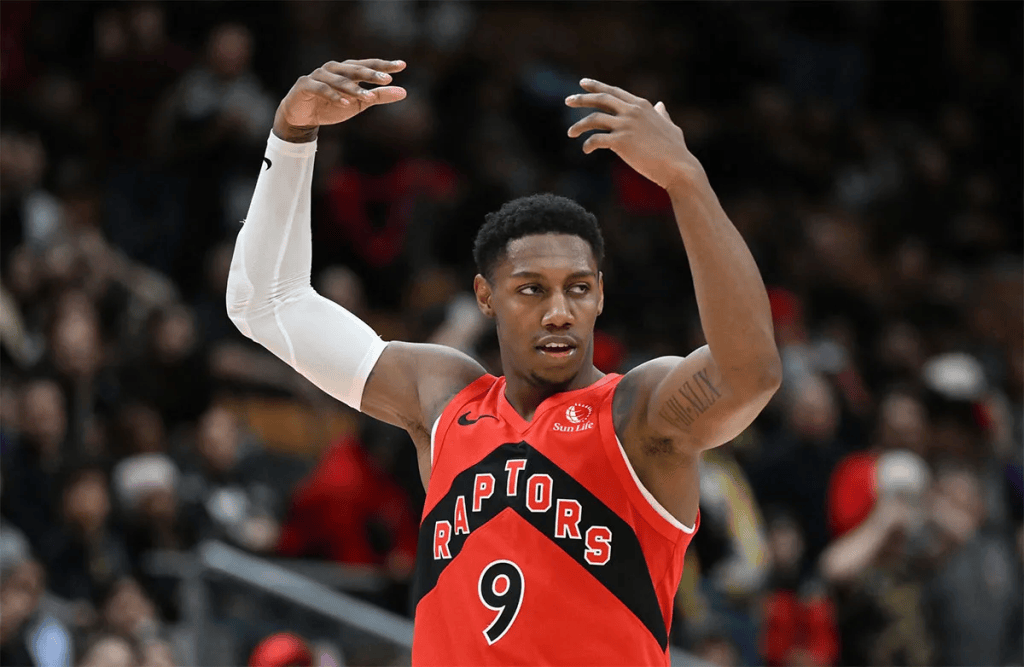
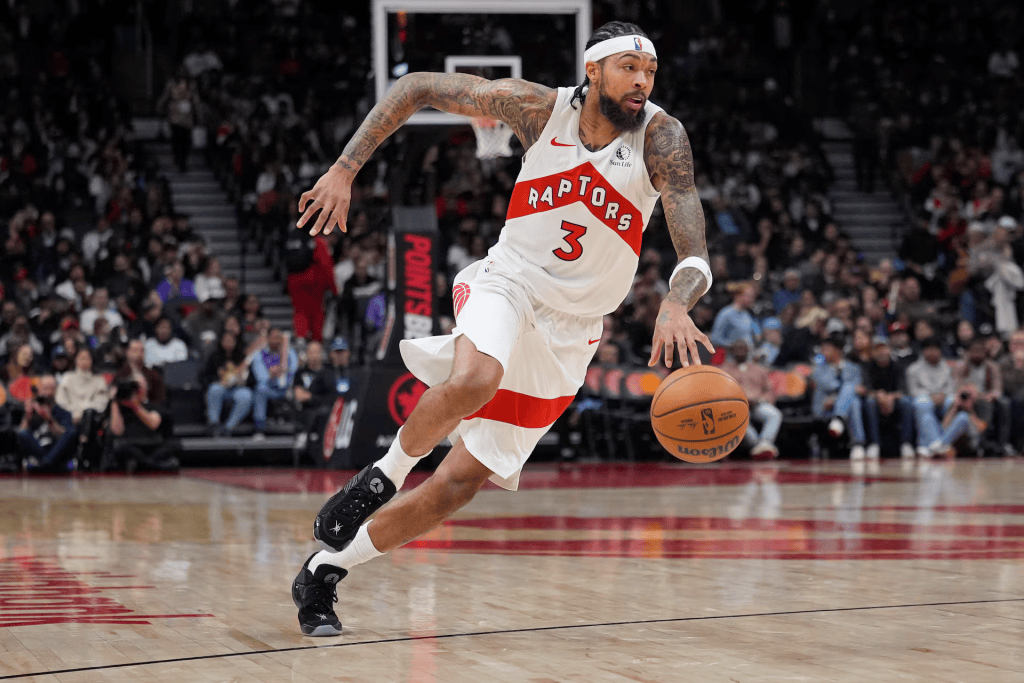
5: Toronto Raptors (4 Seed in East)
Key Players: Kawhi Leonard, Scottie Barnes, Immanuel Quickley, RJ Barrett, Collin Murray-Boyles, Jakob Poeltl, Ja’Kobe Walter
Top Award Candidate: Scottie Barnes (DPOY)
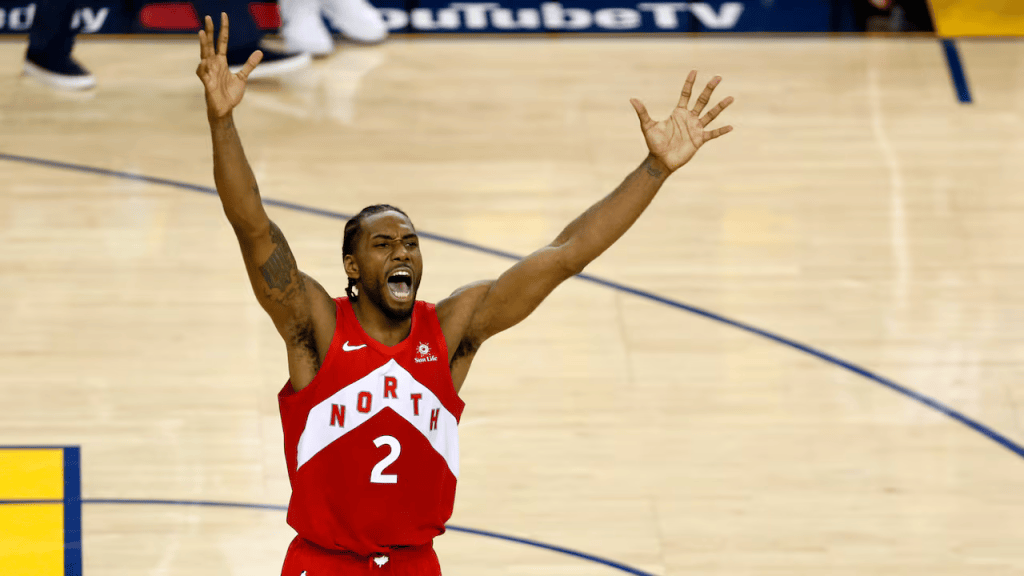
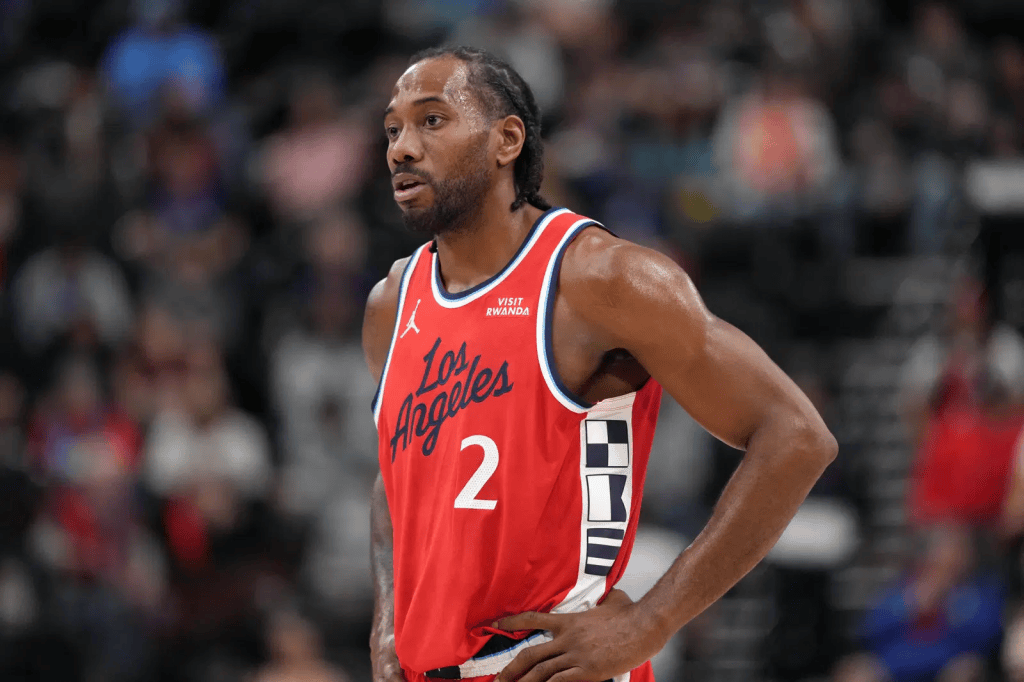
His journey to get here was messy, to say the least, but Kawhi is a Raptor again. Toronto’s 2019 superhero is home, and he’s ready to take the team over the hump and back into the title hunt. The Raptors had the foundation for a championship team in place—entrenched identity, good coaching, deep rotation, star power— they just needed their guy, and now they have him. Leonard, Scottie Barnes (who rocks), and friends are going to terrorize opponents all year, and they’ll pose a serious threat to anyone they face in a playoff series. Of course, Kawhi’s injury history has to be acknowledged. But, if he can play as much as he did in 2025-26, Toronto will be true contenders.
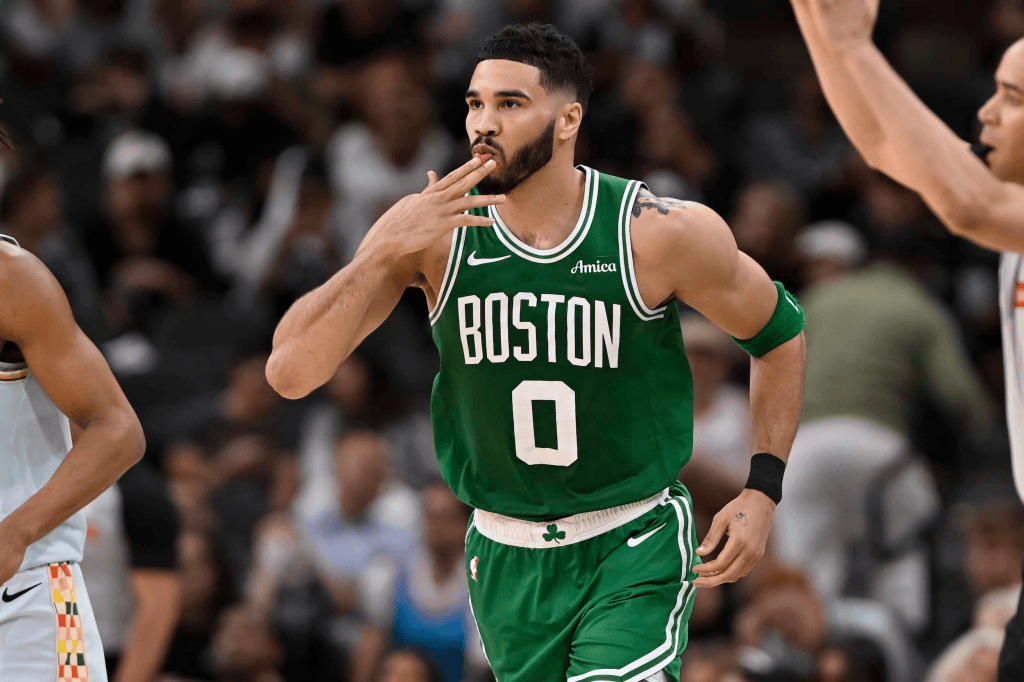
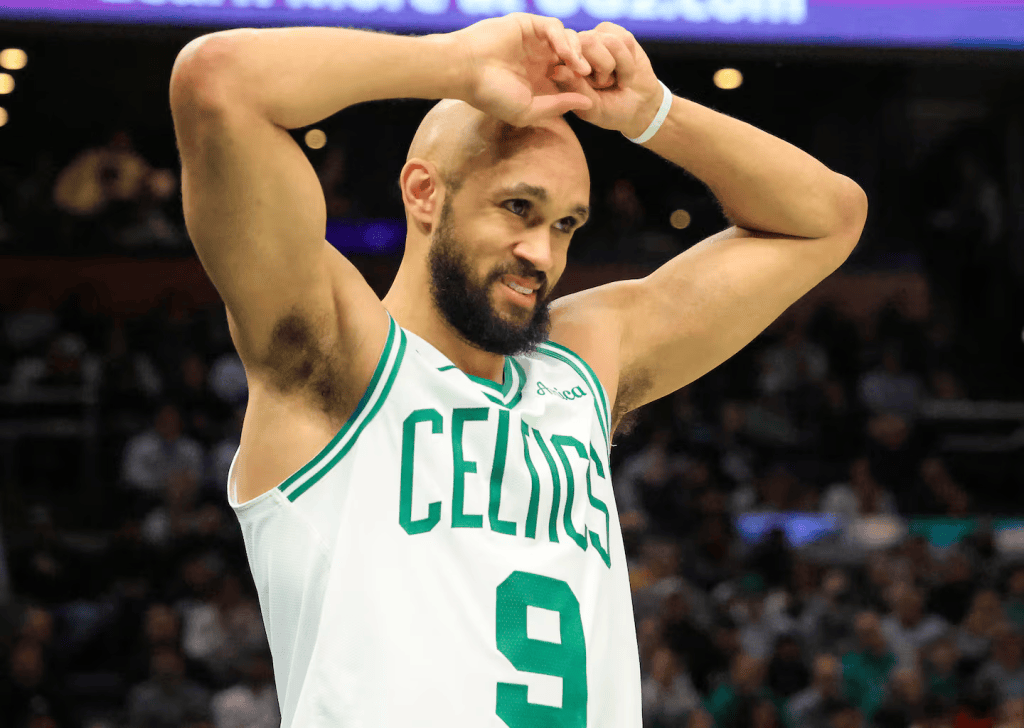
The Celtics have been a winning machine for the entirety of the decade. It hasn’t mattered which stars have been healthy, their system has stayed constant, which Joe Mazzulla deserves the utmost credit for. We’ve seen several iterations of Boston in recent years, but this may be the most fascinating one yet. This is Jayson Tatum’s chance to be the unchallenged man on this team and show the world he’s been the most important Celtic all along (the fact that that’s been doubted is crazy, but here we are). Unfortunately, this opportunity is coming in his post-Achilles-rupture season. But, history tells us Tatum and company can’t be slowed down.
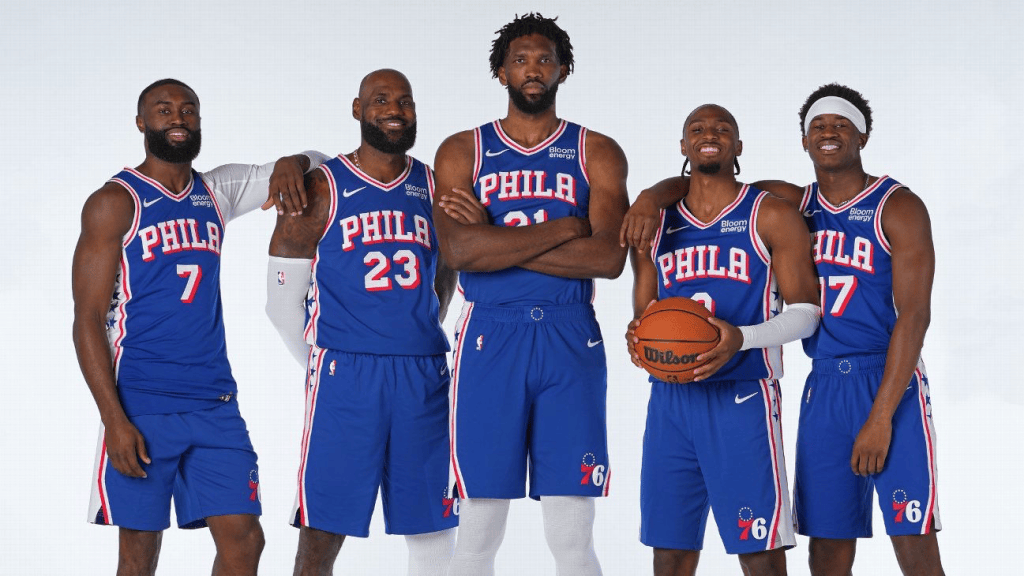
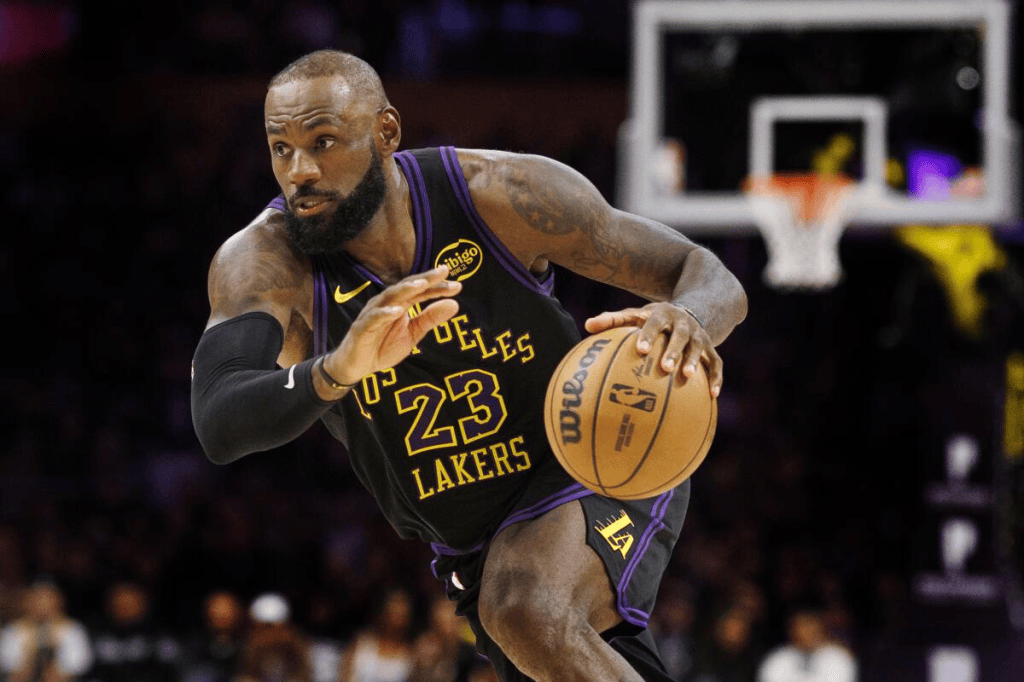
NBA 2K became reality when Philly landed Jaylen Brown and LeBron James in the same offseason. The team can’t let the fanfare distract them, though, because the pressure is all the way on for them to go to the Finals. LeBron said it himself—he didn’t leave his family to lose in the first round. The talent for the 76ers is obviously immense, but chemistry and identity are necessary parts of the championship formula. Philadelphia will have to establish those things in LeBron’s fleeting window, which won’t be easy, especially with Joel Embiid’s presence being as unpredictable as it is. Side note—this is still Tyrese Maxey’s team.
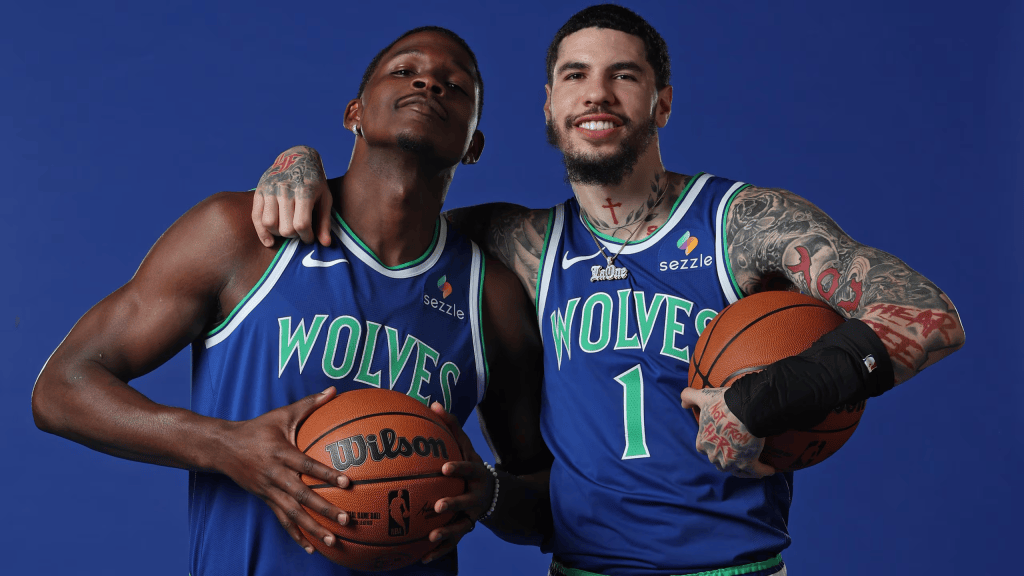
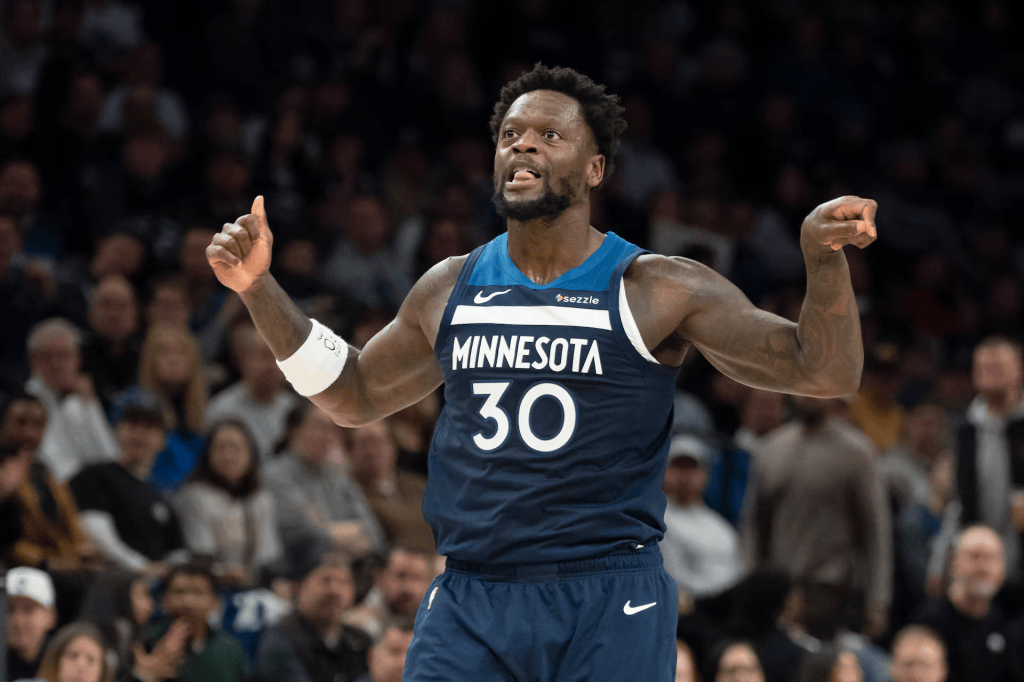
8: Minnesota Timberwolves (4 Seed in West)
Key Players: Anthony Edwards, LaMelo Ball, Rudy Gobert, Jaden McDaniels, Jonathan Kuminga, Ayo Dosunmu
Top Award Candidate: Anthony Edwards (MVP)
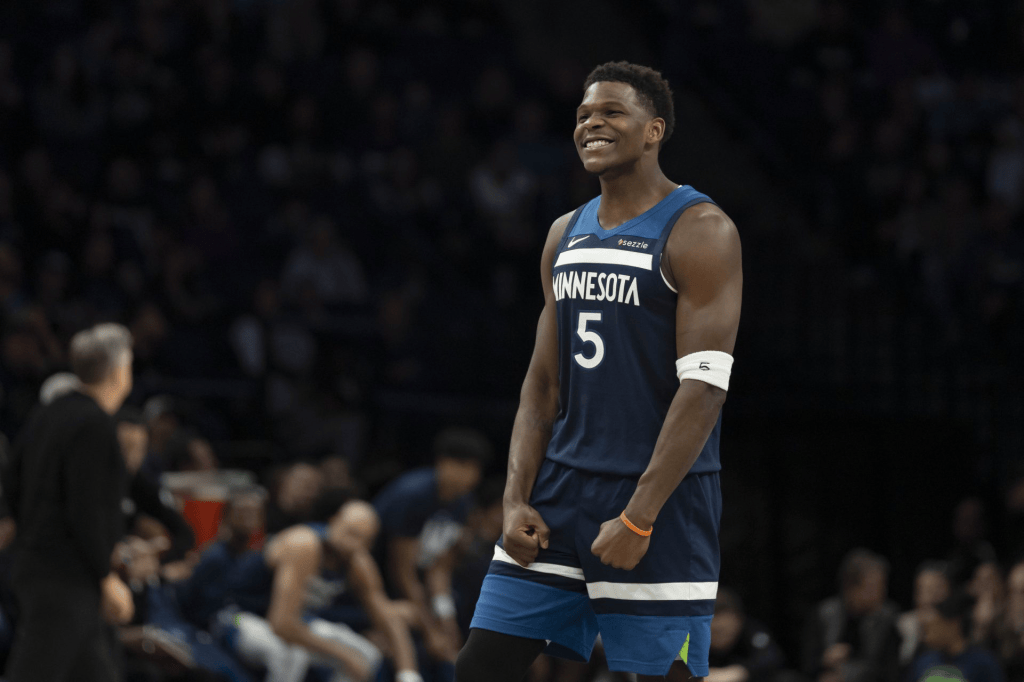
The duo of Anthony Edwards and LaMelo Ball is about to be absolute cinema. Get your popcorn ready. In all seriousness, Minnesota has shown they can hang with the Thunder and the Spurs as well as anyone else in the West. They’re excellent defensively, which will be the case until Rudy Gobert falls off, and their offense is looking as scary as ever with LaMelo in the fold. They’ll need some luck on their side to do so, but if any Western Conference team is going to dethrone OKC and San Antonio this year, it’s going to be the Wolves. In the words of the Ant Man himself, believe that.
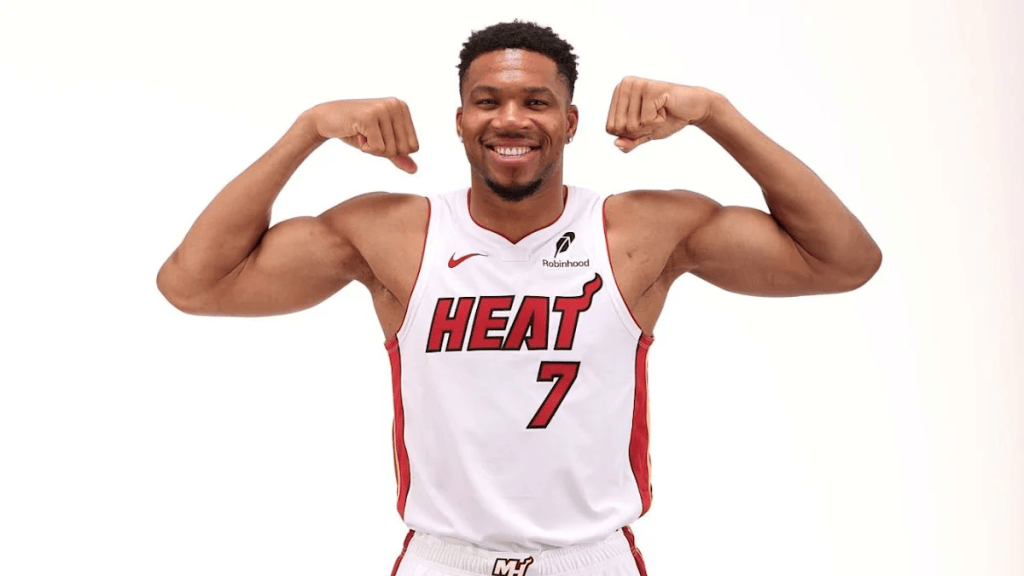
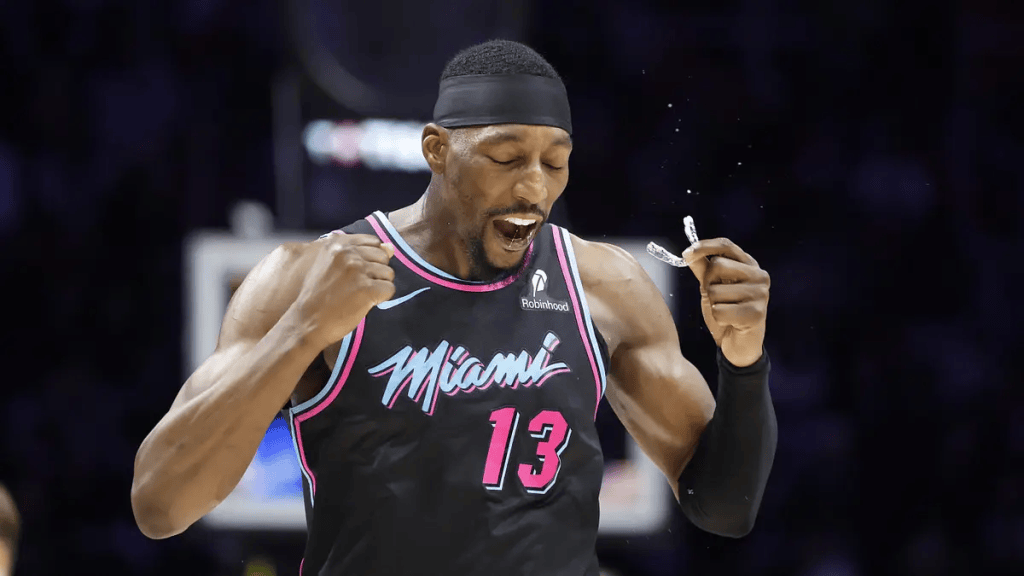
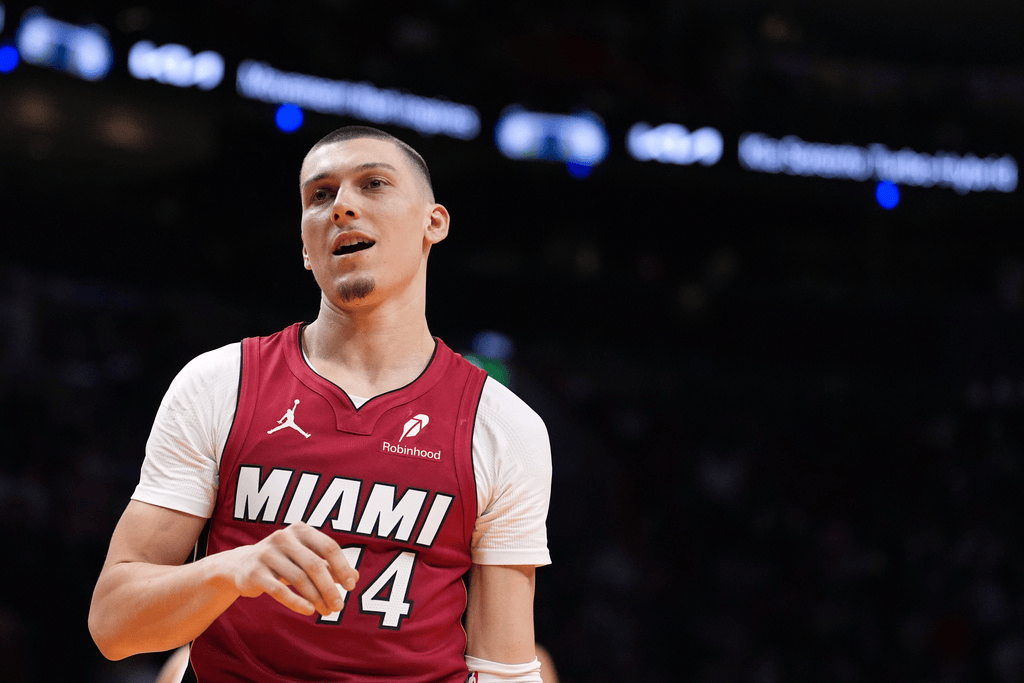
9: Miami Heat (6 Seed in East)
Key Players: Giannis Antetokounmpo, Bam Adebayo, Andrew Wiggins, Davion Mitchell, Pelle Larsson, Klay Thompson, Tim Hardaway Jr.
Top Award Candidate: Bam Adebayo (DPOY)
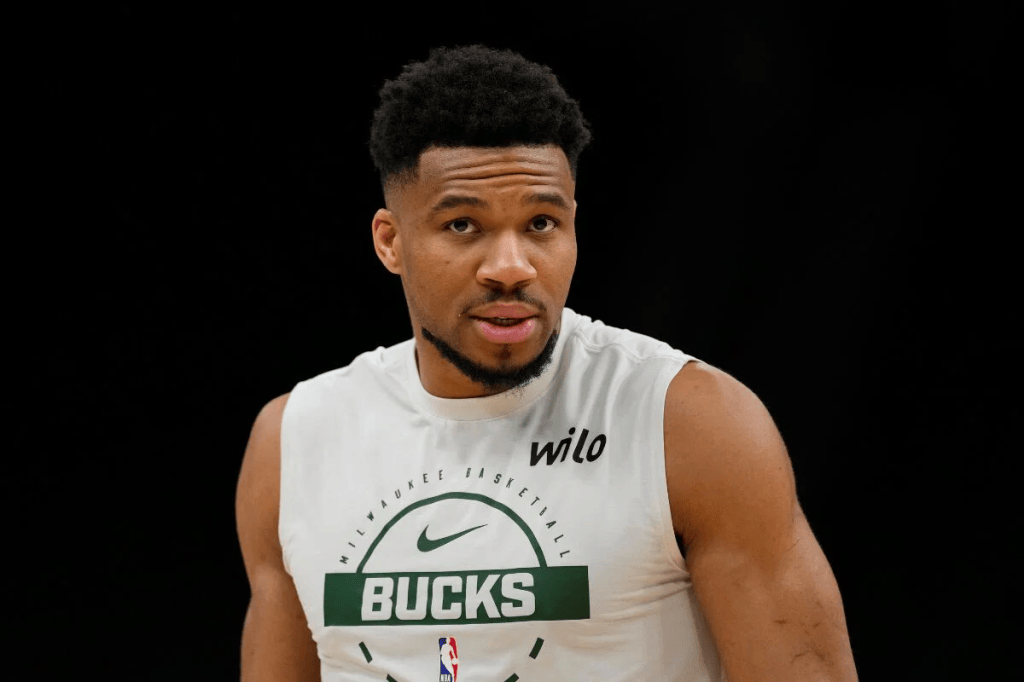
Miami’s victory in the Giannis sweepstakes immediately made them a team nobody will want to play against. This club is going to bash opponents on the interior on both ends. They’re so physically imposing. The outside shooting is a bit shaky for them, though—they’ll have to hope Klay Thompson and Tim Hardaway Jr. catch fire often. The other looming uncertainty for the Heat is the fitness of their new superstar. The Greek Freak has only played one healthy playoff series since 2022, and he’s almost 32 years old. The wear and tear is catching up to him. He won’t be able to backpack contenders forever.
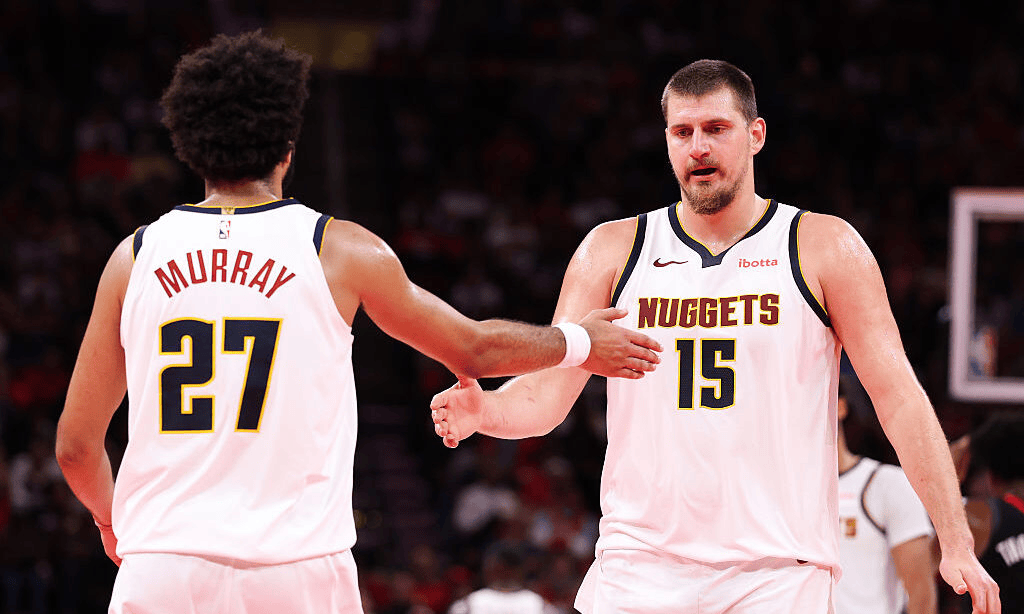
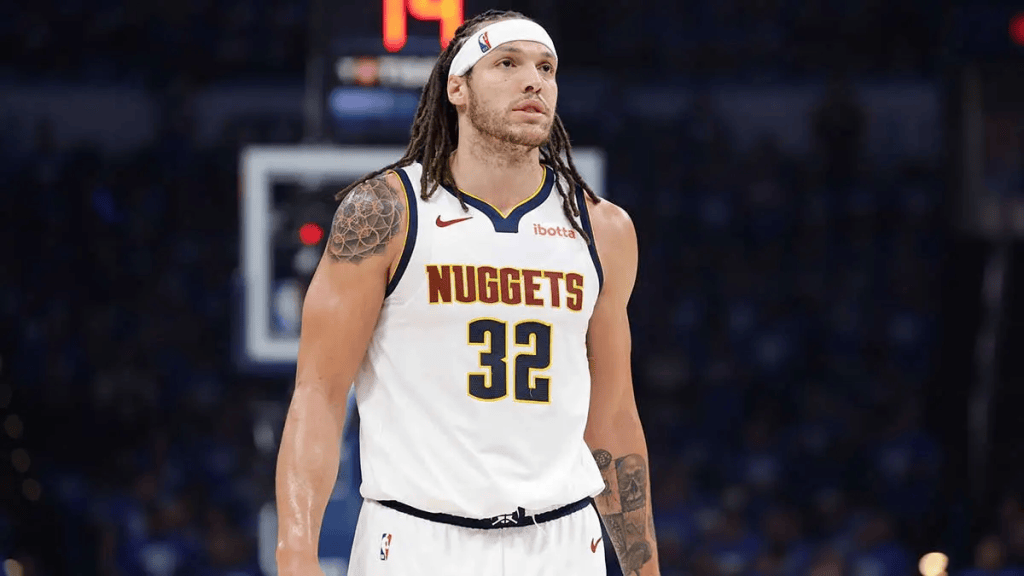
10: Denver Nuggets (3 Seed in West)
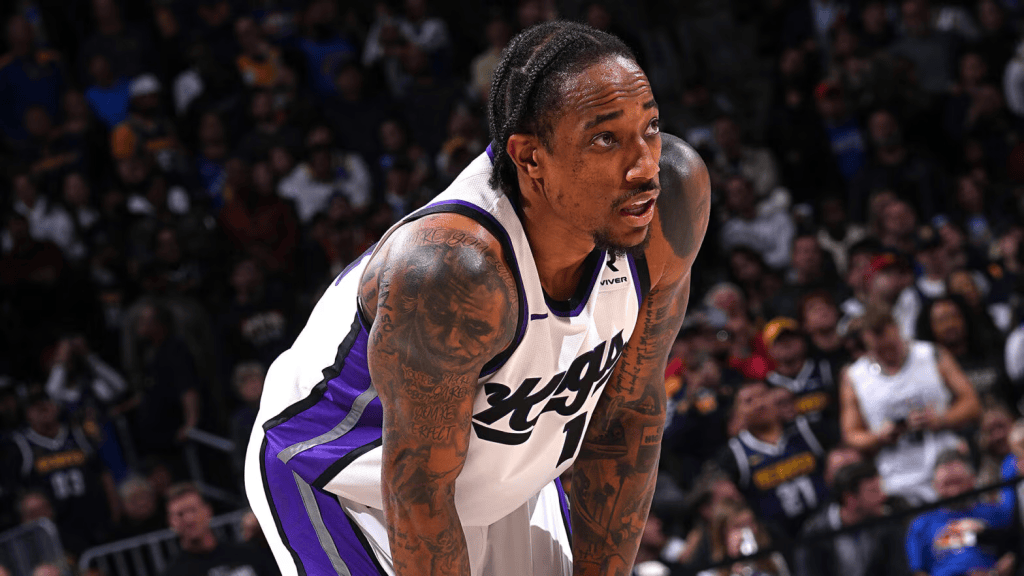
Key Players: Nikola Jokic, Jamal Murray, Aaron Gordon, DeMar DeRozan, Cam Johnson, Christian Braun
Top Award Candidate: DeMar DeRozan (6MOY)
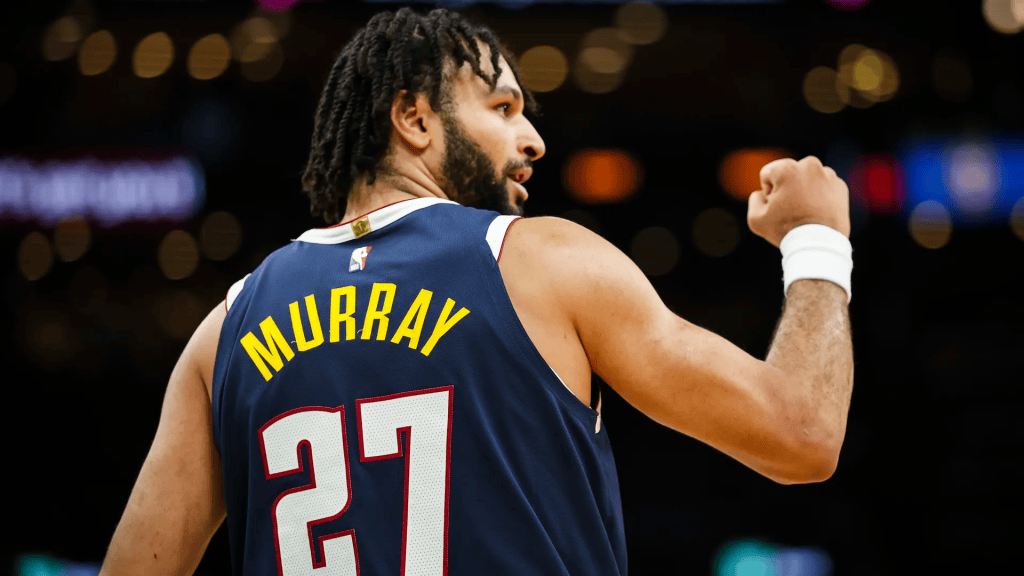
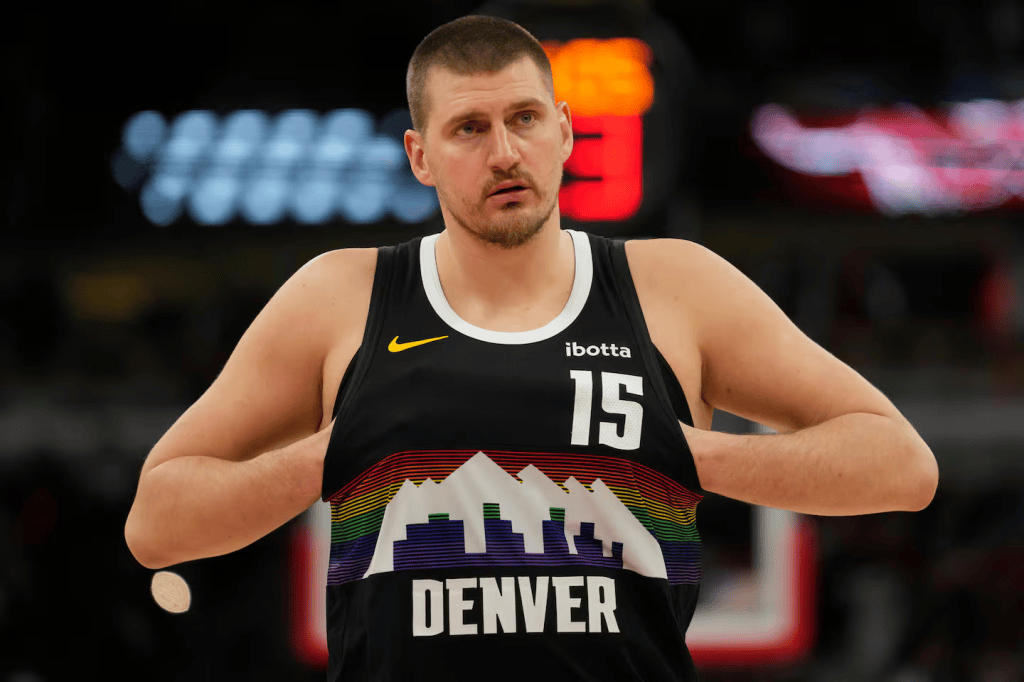
On the heels of an embarrassing first round loss to the Timberwolves, the outlook for the usually uber-consistent Nuggets is weirdly murky. They’ve done very little to patch up their defensive weaknesses, and if it weren’t for them buying low on DeMar DeRozan, the exact same could be said about their historically deficient bench. To make matters worse, Nikola Jokic and his two-man game with Jamal Murray are officially mortal and Aaron Gordon can’t stay healthy. It’s tough to picture Denver being anything other than a regular season juggernaut, but their championship equity is the lowest it’s been in a minute.
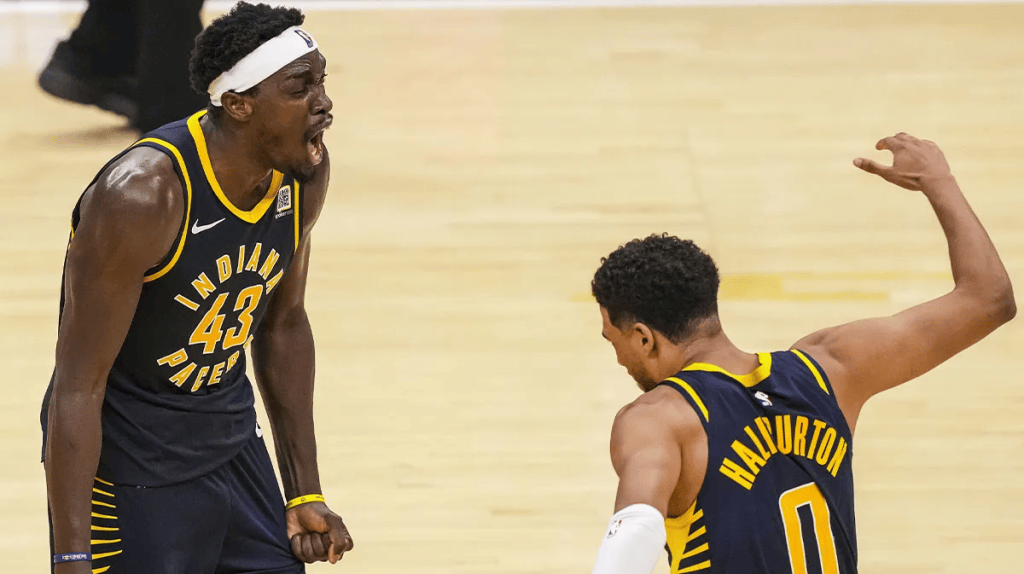
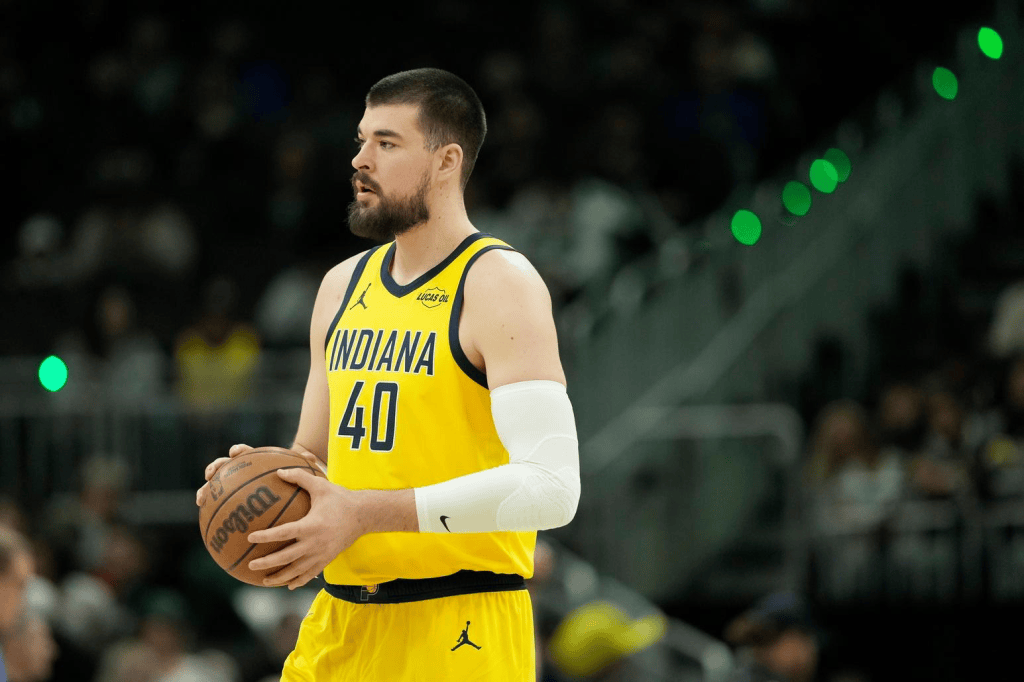
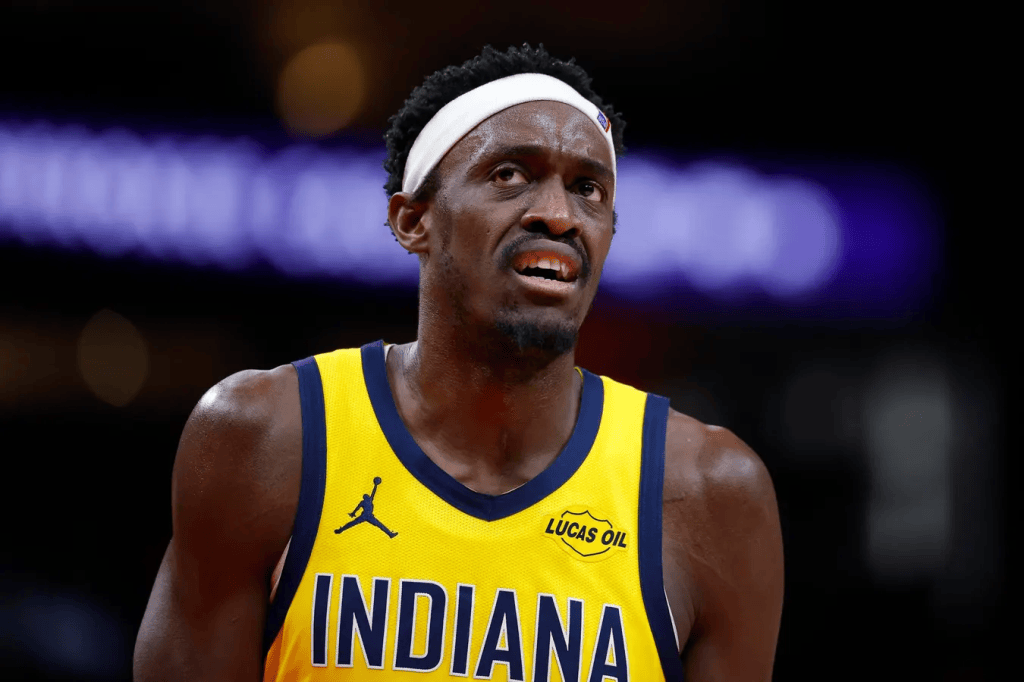
The NBA is a “what have you done for me lately?” league, and the lack of buzz around the Pacers (and weird social media conversations about Pascal Siakam) exemplifies that. Their Haliburton-less campaign was a disaster, but there’s no reason why they can’t bounce all the way back in 2026-27. This is the same sensationally synergized roster that almost won the title in 2025, just with Ivica Zubac and Kelly Oubre Jr. instead of Myles Turner and Bennedict Mathurin. The East is better than it was when Indy made back-to-back Conference Finals runs, which will likely hurt their seeding, but once they make it to the playoffs, anything will be possible.
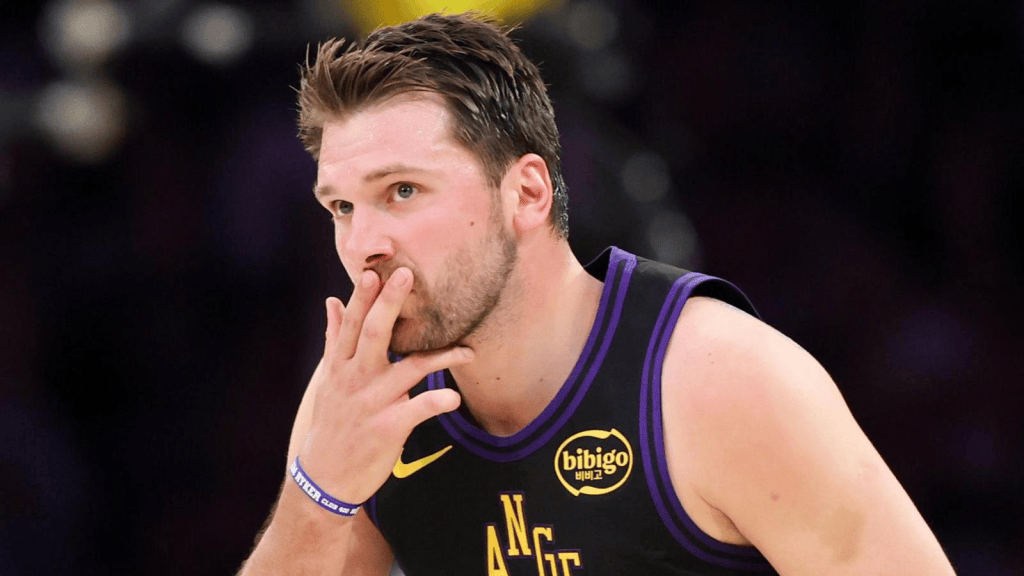
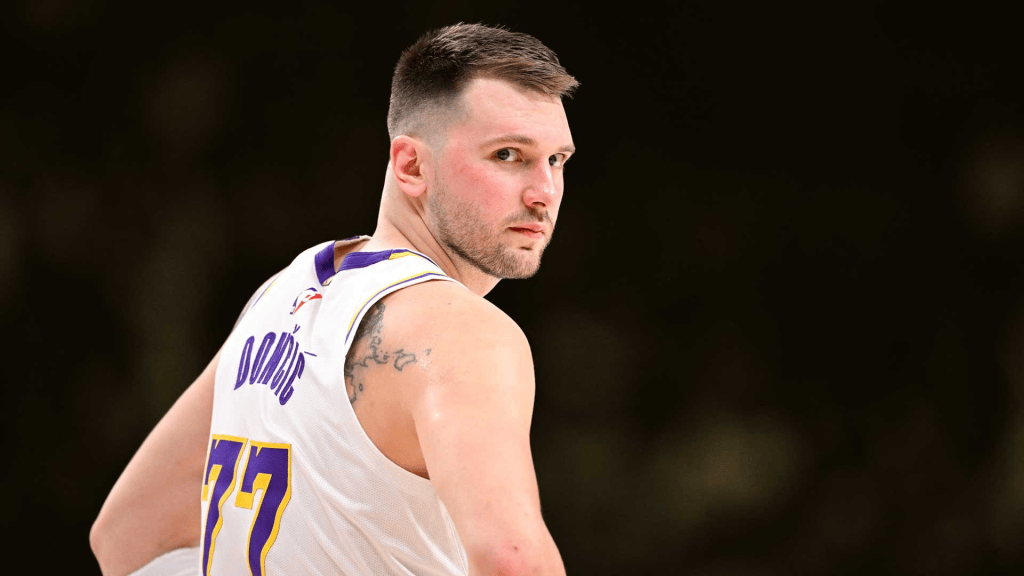
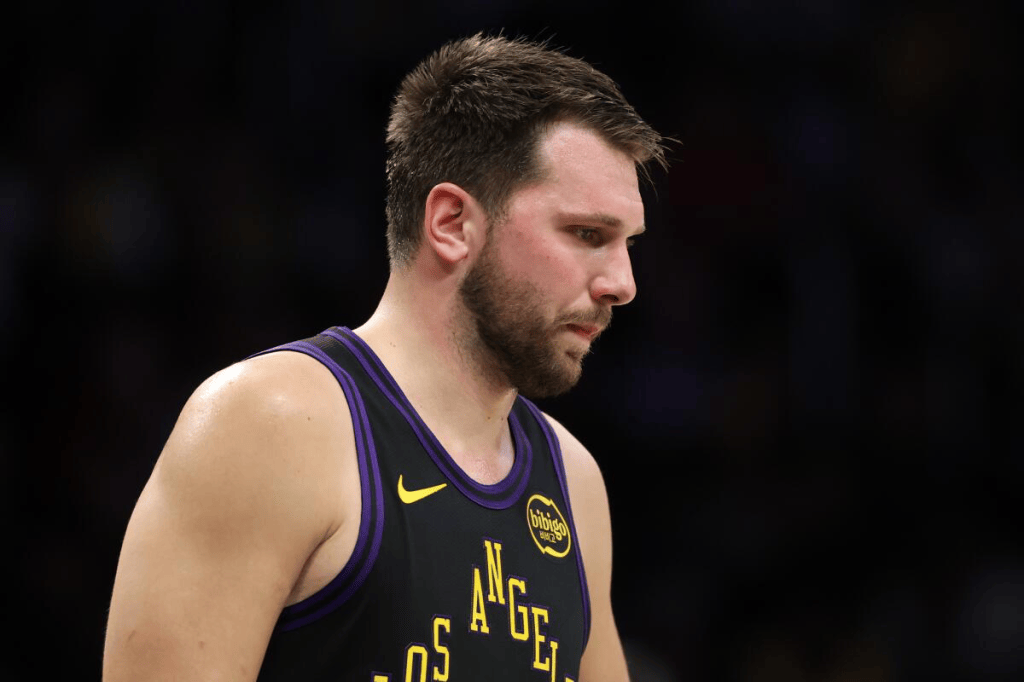
LeBron is no longer a Laker, and the team wasted no time in Luka-fying this roster in his wake. Los Angeles dedicated their offseason to collecting role players that can complement their wunderkind (well, wunderman nowadays), and the biggest move they made was trading for Walker Kessler, who can be massively impactful in the paint if (big if) he’s healthy. Ultimately, the Lakers will be playing Luka-ball all year, and the viability of his heliocentric playstyle will be tested once and for all.
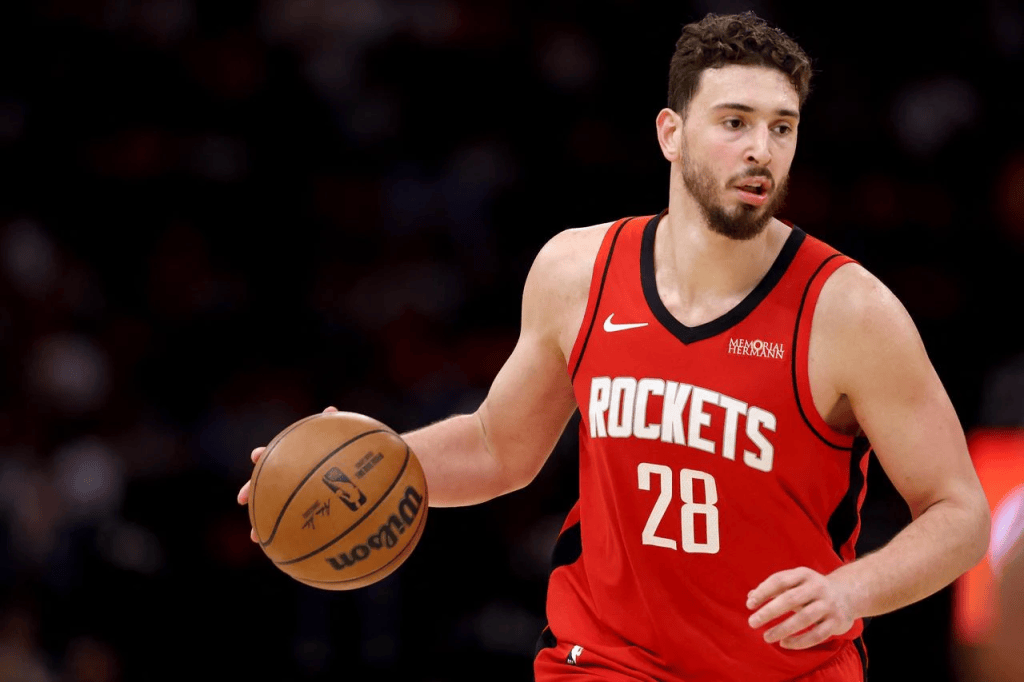
13: Houston Rockets (6 Seed in West)
Key Players: Kevin Durant, Alperen Sengun, Amen Thompson, Fred VanVleet, Jabari Smith Jr., Reed Sheppard
Top Award Candidate: Amen Thompson (DPOY)
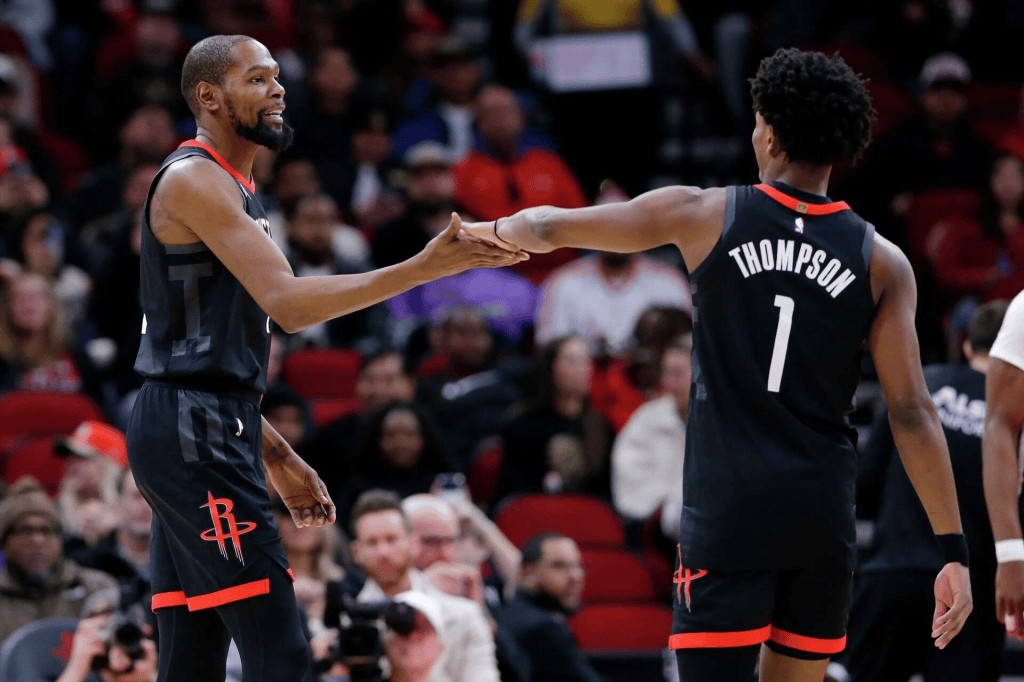
Houston’s first crusade with Kevin Durant didn’t go as planned. The Slim Reaper only played one game in their first round series against the Lakers, and without him, the Rockets crashed and burned at the hands of LeBron. This year, they’re mostly running it back, but they will have Fred VanVleet back, and they’ll need the veteran point guard to shoot that thang. Defense and rebounding weren’t the problem at all for Houston in 2025-26. Offense was, and even with VanVleet in the frame, they’re lacking the firepower to keep up with OKC, San Antonio, and the other elite contenders.
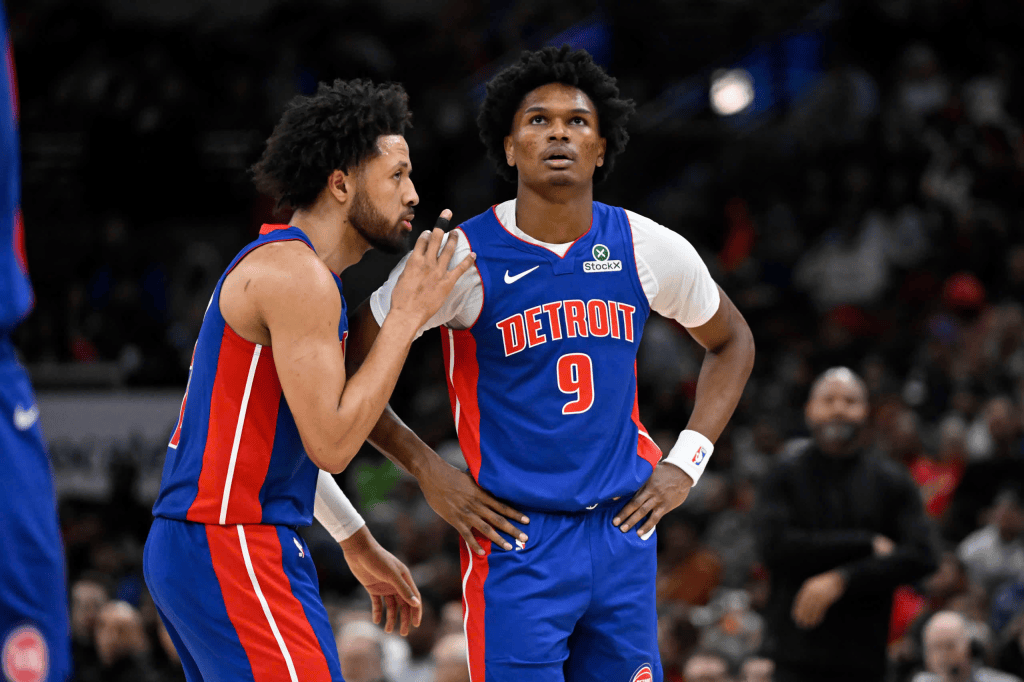
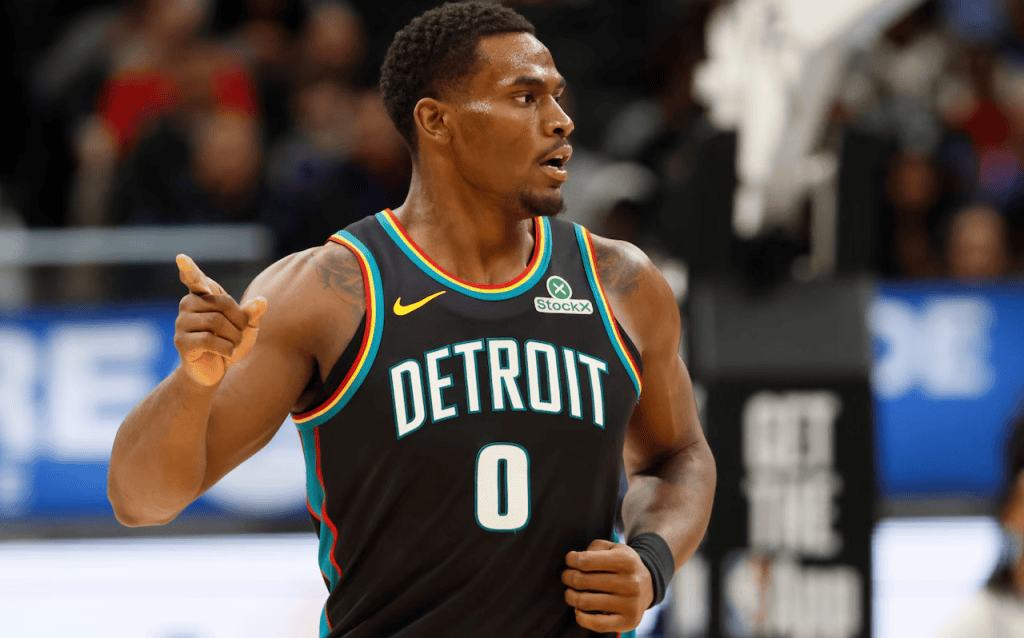
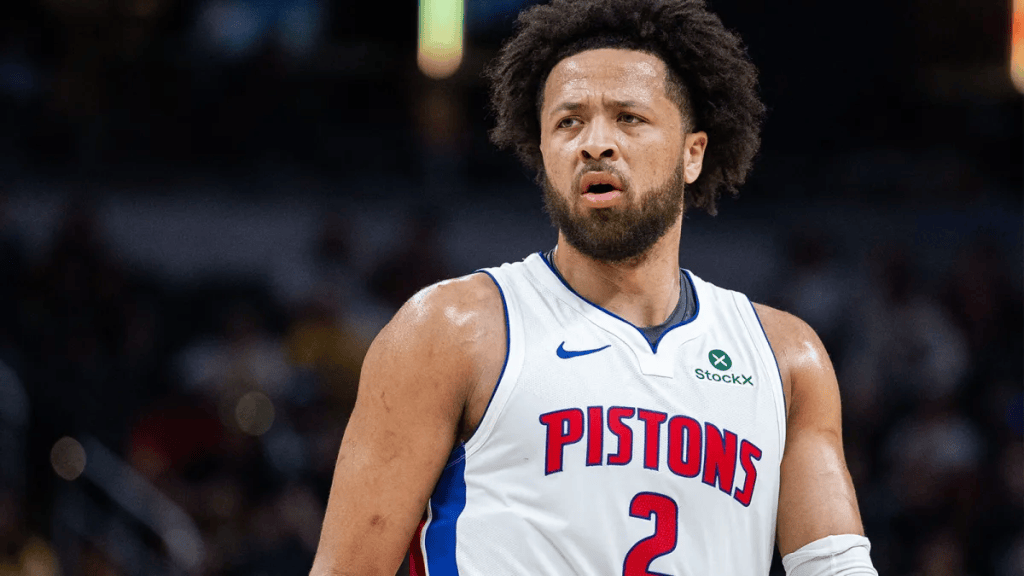
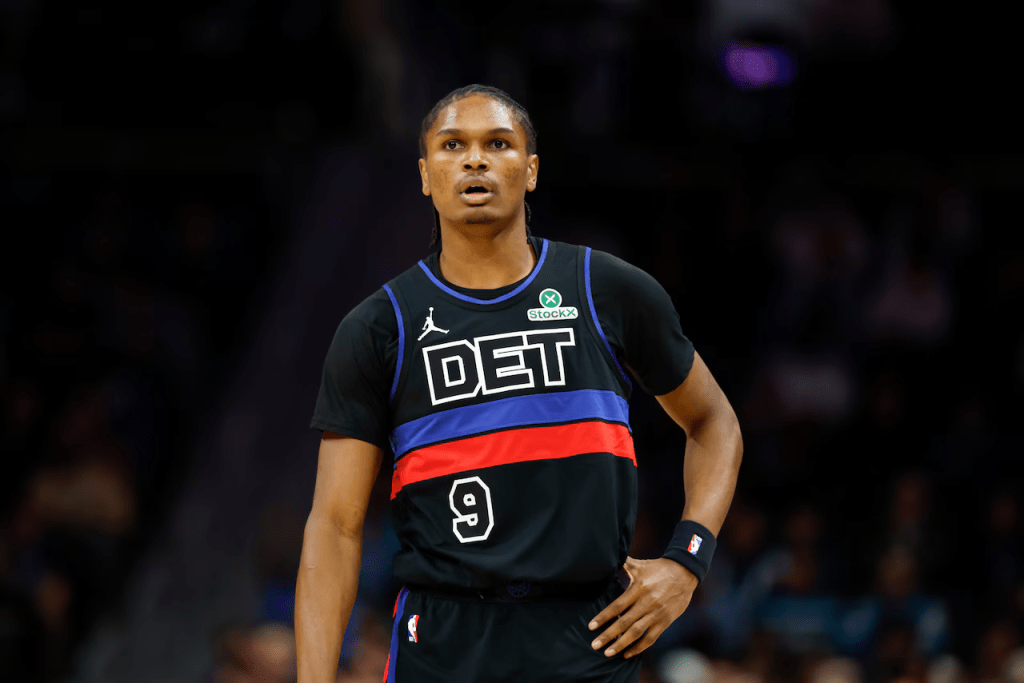
As impressive as Detroit’s 2025-26 regular season was, once the postseason hit, many people were vindicated for being skeptical of their merit as a contender. The Pistons will be determined to prove last year wasn’t a fluke, but that’s gonna be hard to do when they didn’t meaningfully improve at all this offseason. They’ll be counting on continued growth from Ausar Thompson, Jalen Duren, Ron Holland, and others, but even that wouldn’t quell their creation woes. All told, this could be a rocky year for a Detroit club that’s grappling with high expectations for the first time in a long time.
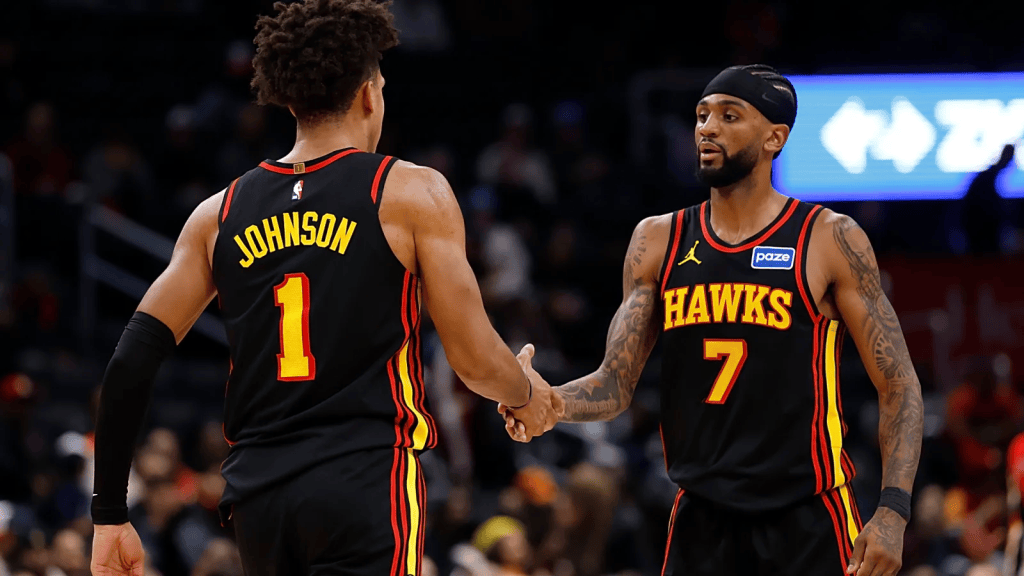
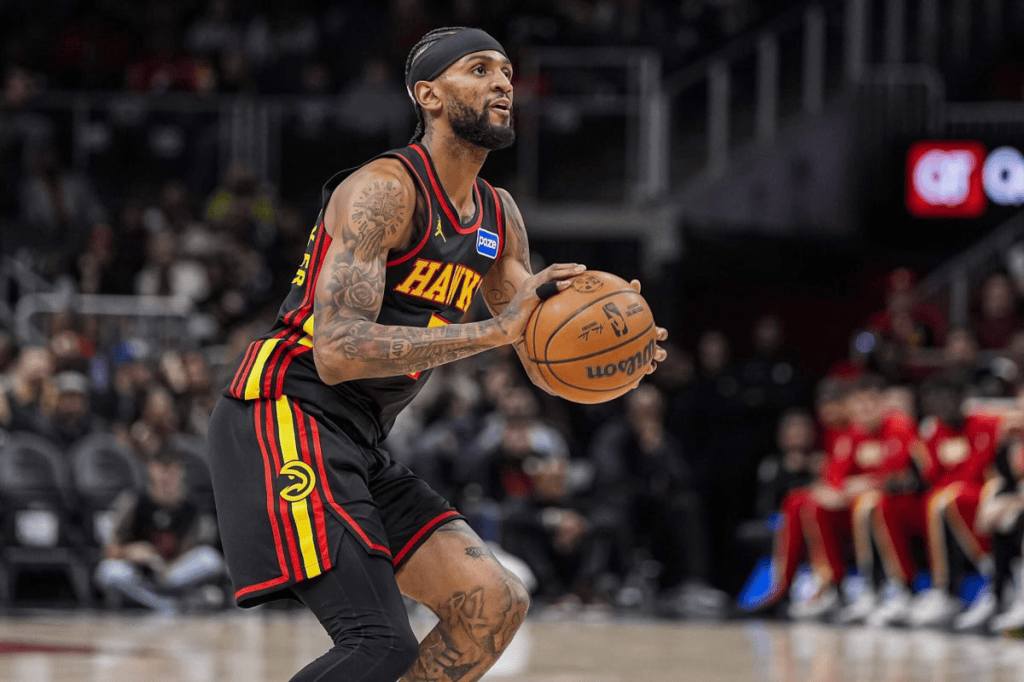
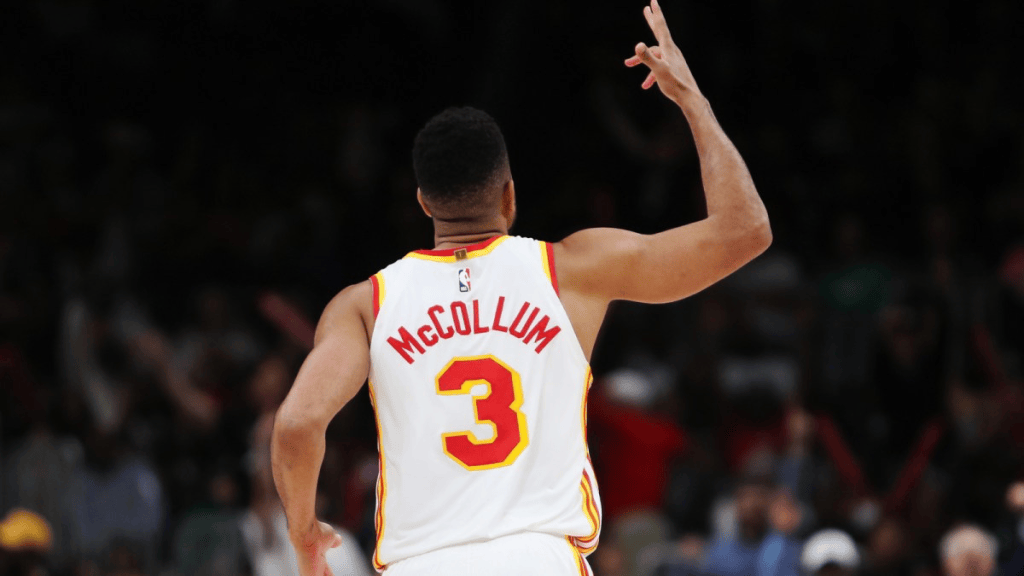
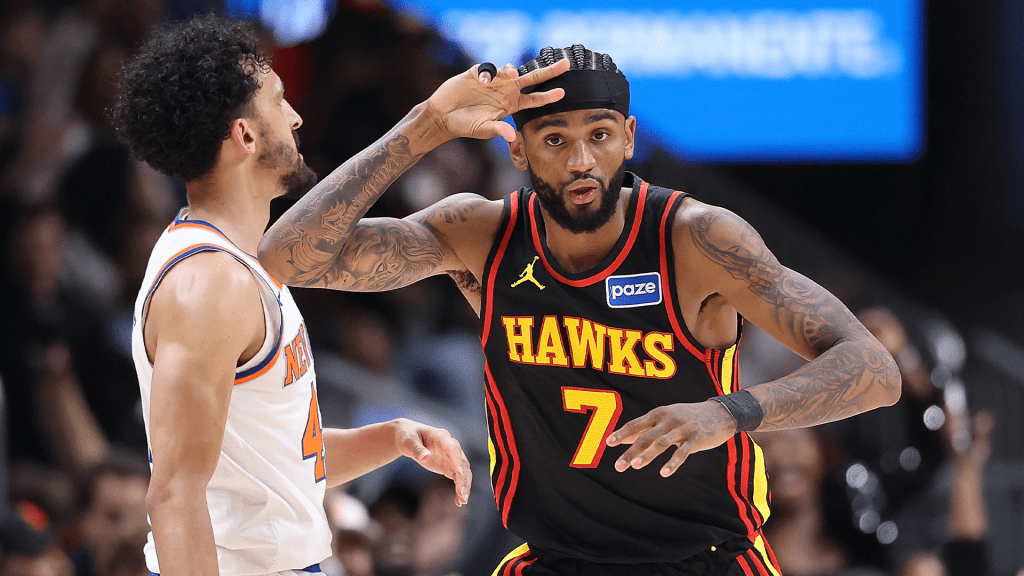
Atlanta was on fire after the 2026 trade deadline, and in the playoffs, they managed to steal two wins from the Knicks before eventually getting walloped. It was a good run, but now they’ll have to show it was real. As well-rounded as this team is, especially after OKC gifted them Lu Dort and Aaron Wiggins, their top three of Jalen Johnson, Nickeil Alexander-Walker, and CJ McCollum doesn’t scream “contender.” The range of possible outcomes for the Hawks is wide this year—a top four seed and a play-in exit are both in play.
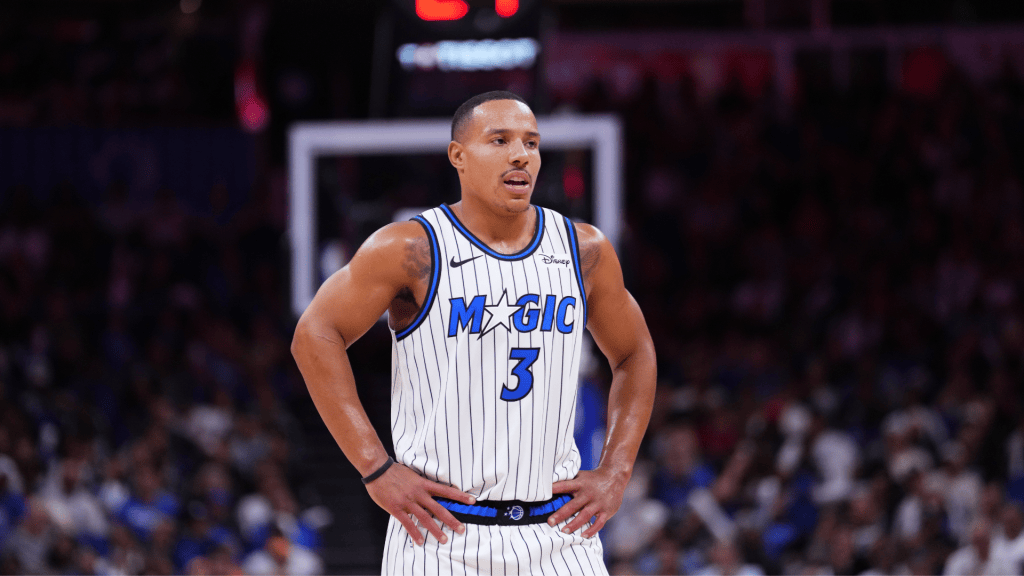
16: Orlando Magic (10 Seed in East)
Key Players: Paolo Banchero, Franz Wagner, Desmond Bane, Jalen Suggs, Anthony Black, Wendell Carter Jr.
Top Award Candidate: Anthony Black (6MOY)
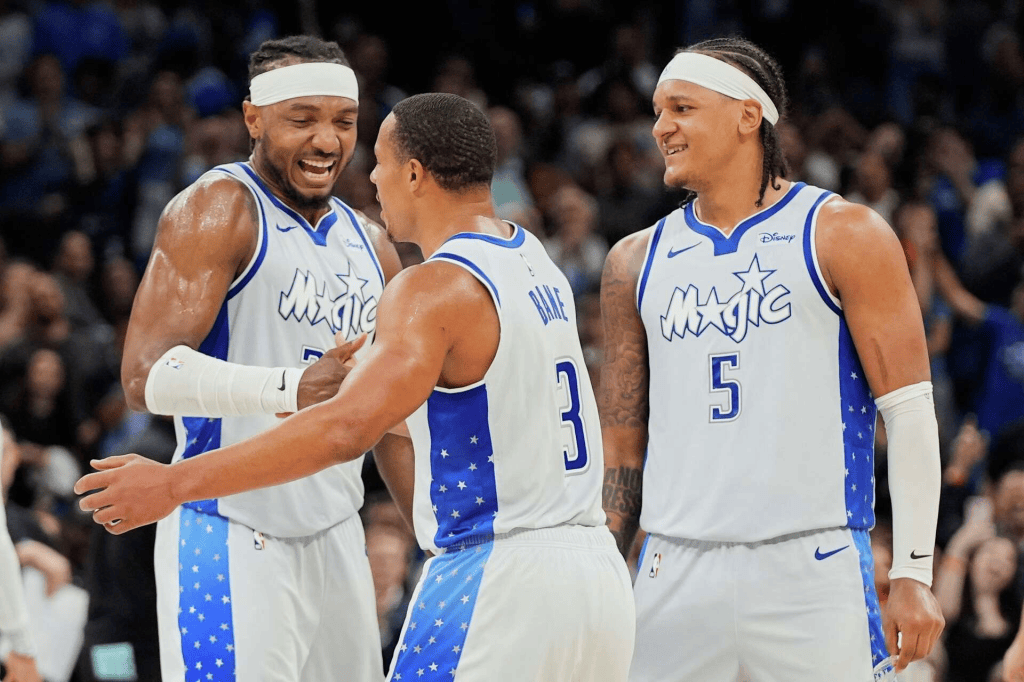
It’s so tough to gauge the Magic. This roster, which has remained largely unchanged for a few years now, has clear positives, but it also has blatant negatives that haven’t been addressed enough by the front office. Trading for Desmond Bane was great, but he was never going to solve the team’s offensive issues all alone. Orlando has made the playoffs three years in a row, but they’ve flamed out in the first round each time, even blowing a 3-1 lead against Detroit in 2026. Maybe Jamahl Mosley was the problem, but if things don’t change under Sean Sweeney, the Magic will have to turn to who they’ve surrounded Paolo Banchero with.
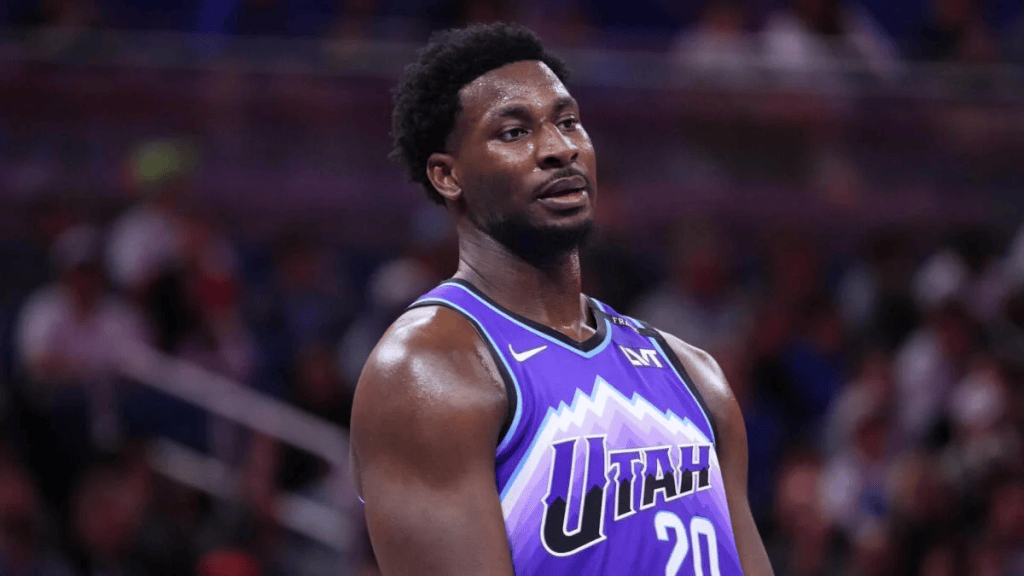
17: Utah Jazz (7 Seed in West)
Key Players: Jaren Jackson Jr., Lauri Markkanen, Keyonte George, Darryn Peterson, Jusuf Nurkic, Ace Bailey, Isaiah Collier
Top Award Candidate: Darryn Peterson (ROTY)
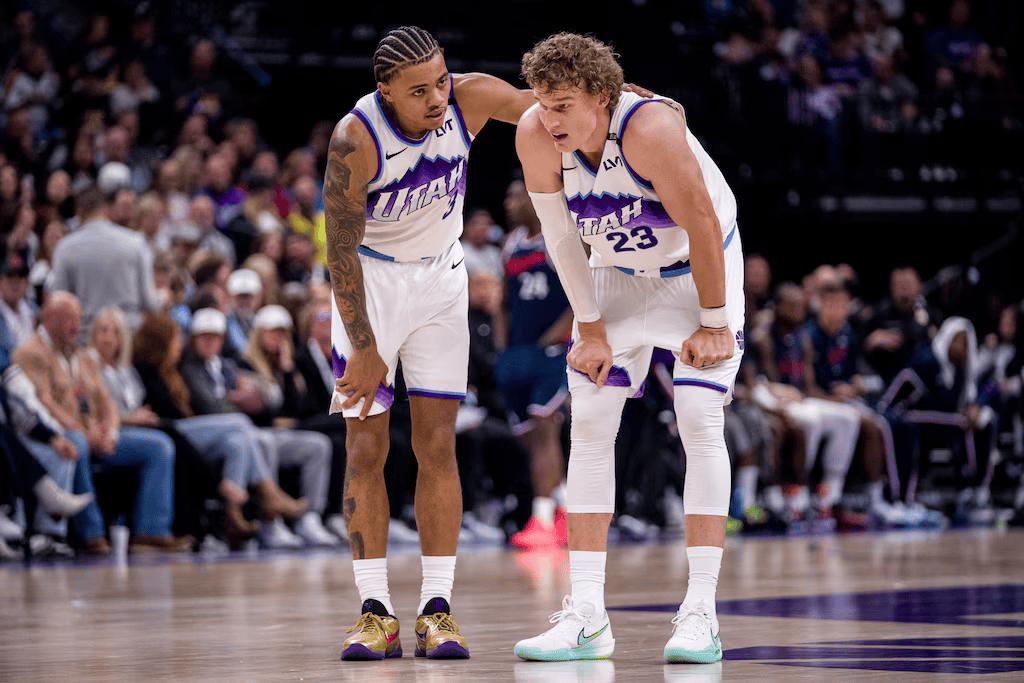
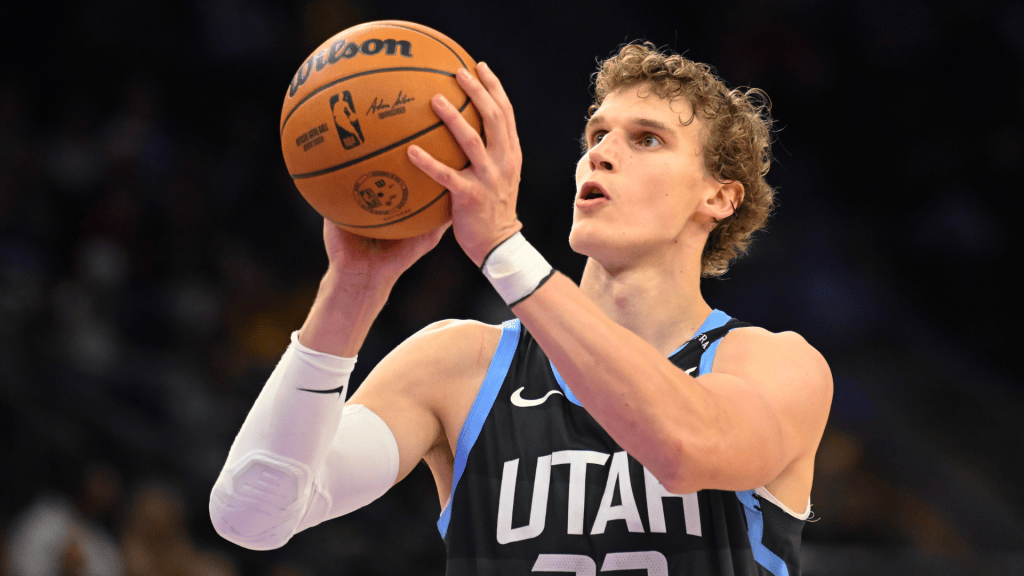
The Jazz have rightfully become a popular sleeper playoff pick for 2026-27. Their core has shaped up nicely with the arrivals of Jaren Jackson Jr. and Darryn Peterson, and their offense should be really exciting. Will Hardy is the league’s best-kept coaching secret—his creativity and leadership will undoubtedly have this team firing at all cylinders. Utah is missing a top dog (until Peterson presumably assumes the mantle down the line), and their defense will probably be meh, but this is going to be a league pass spectacle, and one that wins games at that.
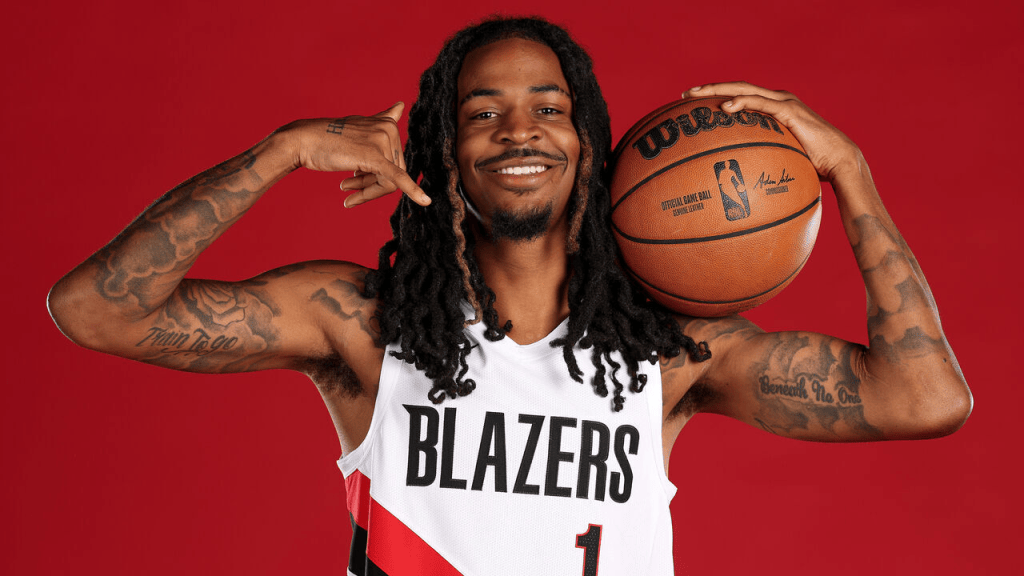
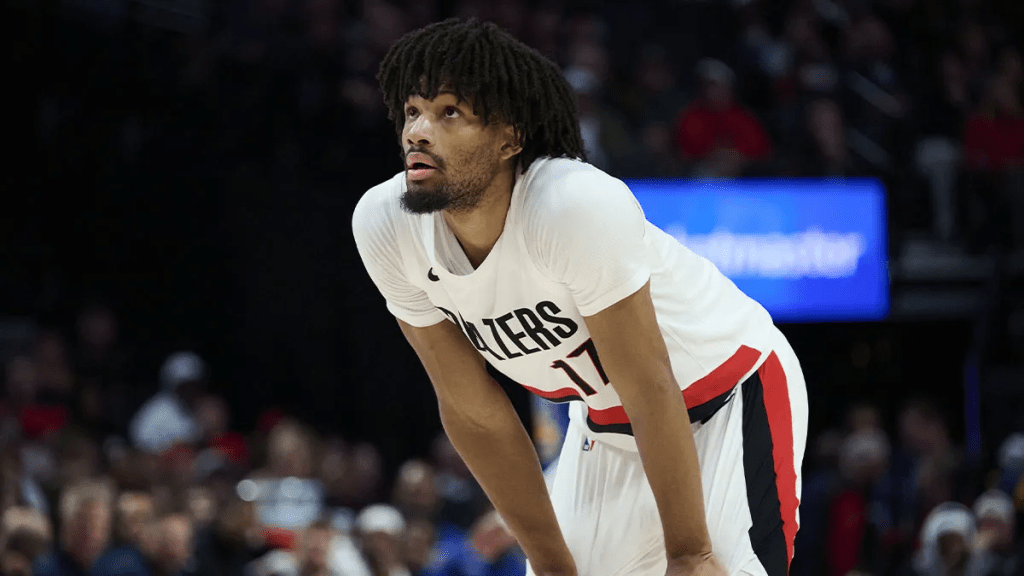
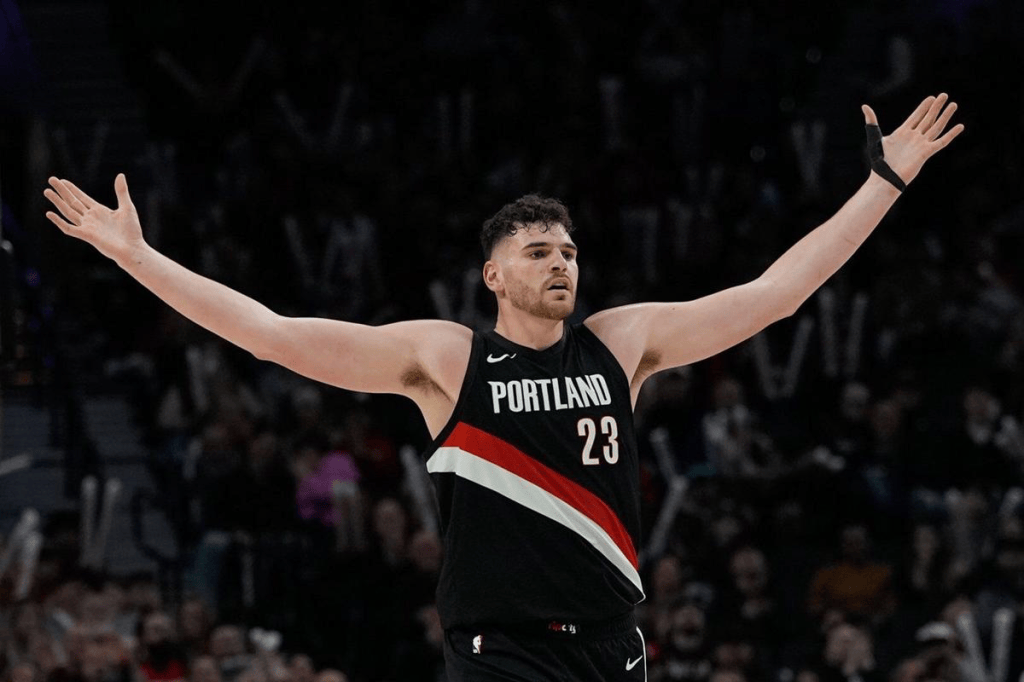
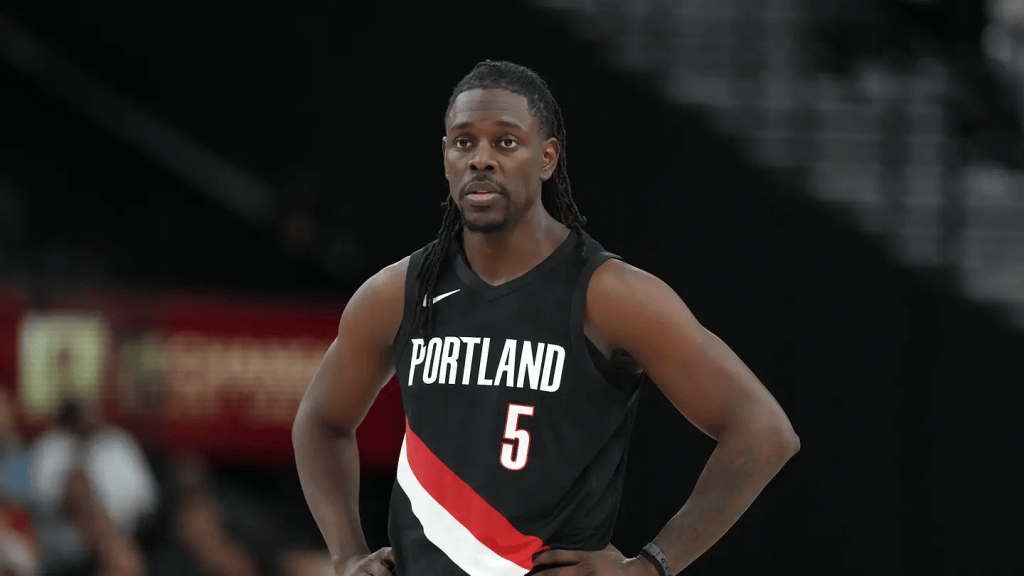
Portland is one of the most interesting teams in the league right now. They’re “adding” Damian Lillard, who’s 36 years old and coming off an Achilles tear, to a roster that earned the seventh seed in the West last year. On top of that, they’re also tossing the enigmatic Ja Morant into the fray. Those guys alone will make the rotation funky, but Scoot Henderson is lurking in the background, ready to throw another wrench in things. The backcourt will be the story for the Blazers throughout the season, but their fantastic frontcourt will be what drives them to another postseason berth.
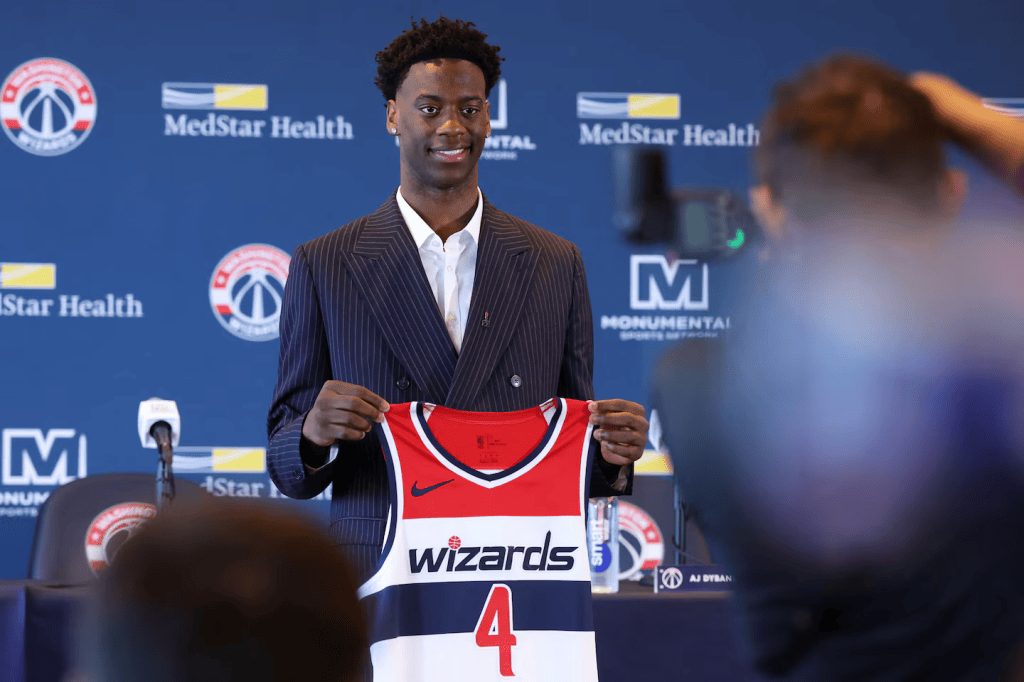
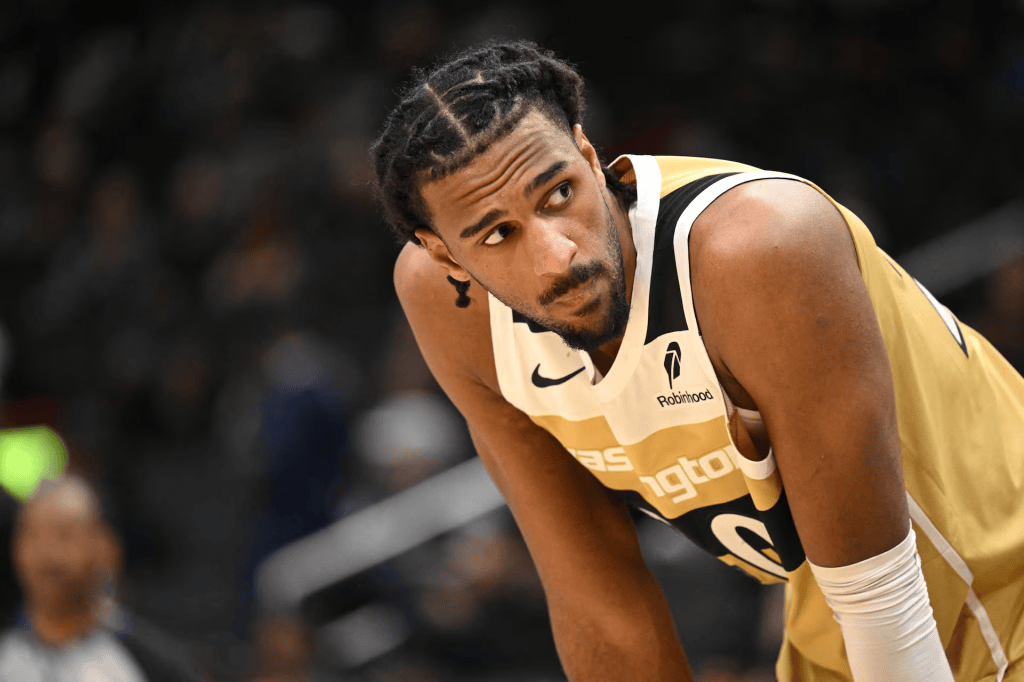
19: Washington Wizards (11 Seed in East)
Key Players: Trae Young, Anthony Davis, AJ Dybantsa, Alex Sarr, Kyshawn George, Tre Johnson, Deandre Ayton
Top Award Candidate: AJ Dybantsa (ROTY)
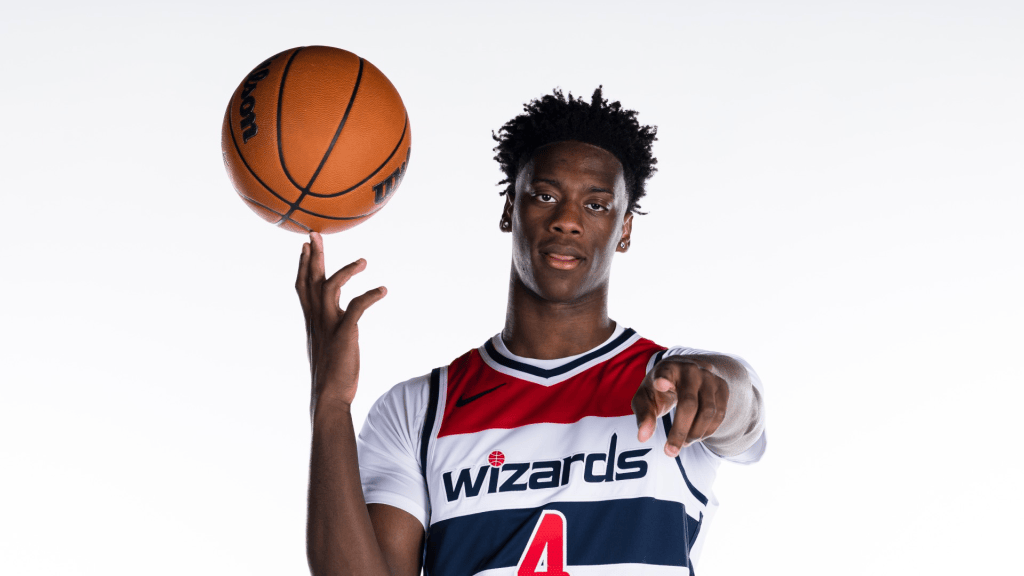
After what felt like a decade of irrelevancy, the Wizards are finally on the come up, and that might be an understatement. By trading for Trae Young and Anthony Davis, they’ve opted to take the “two timeline” road to escape their rebuild, but unlike Golden State’s attempt at that (sorry for the stray), theirs should actually work. The East is so stacked that making an outright leap into the playoffs this year will be extremely difficult, but if AJ Dybantsa is exactly as advertised as a rookie, it’s not off the table. Realistically, though, Washington’s season will just be about giving a young core radiating with upside their first taste of competitiveness.
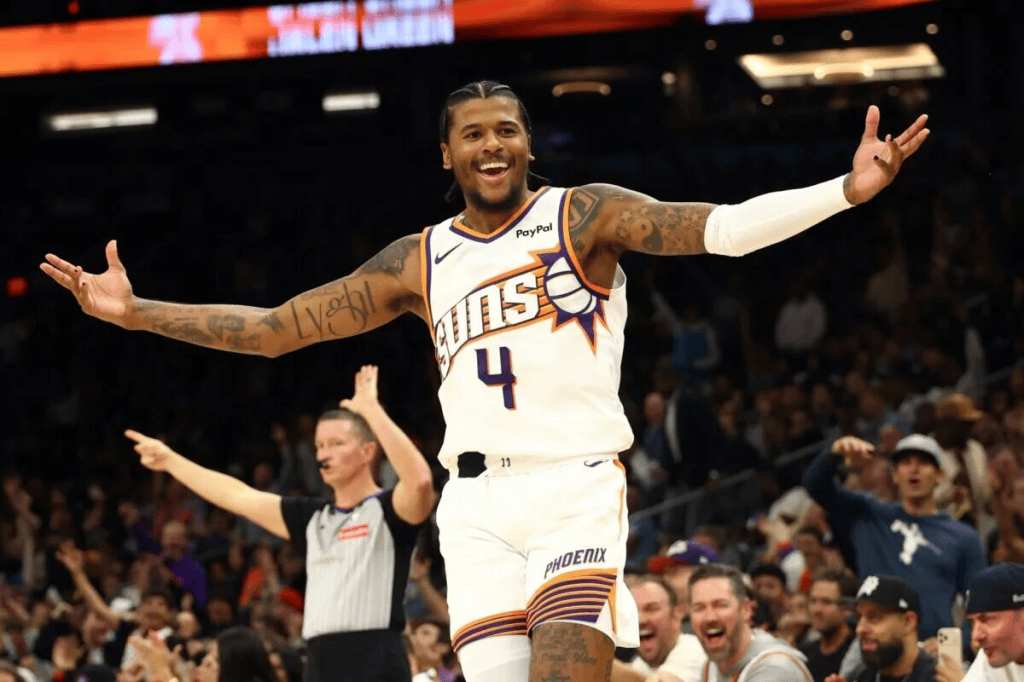
20: Phoenix Suns (9 Seed in West)
Key Players: Devin Booker, Dillon Brooks, Jalen Green, Miles Bridges, Khaman Maluach, Collin Gillespie, Mark Williams
Top Award Candidate: Collin Gillespie (6MOY)
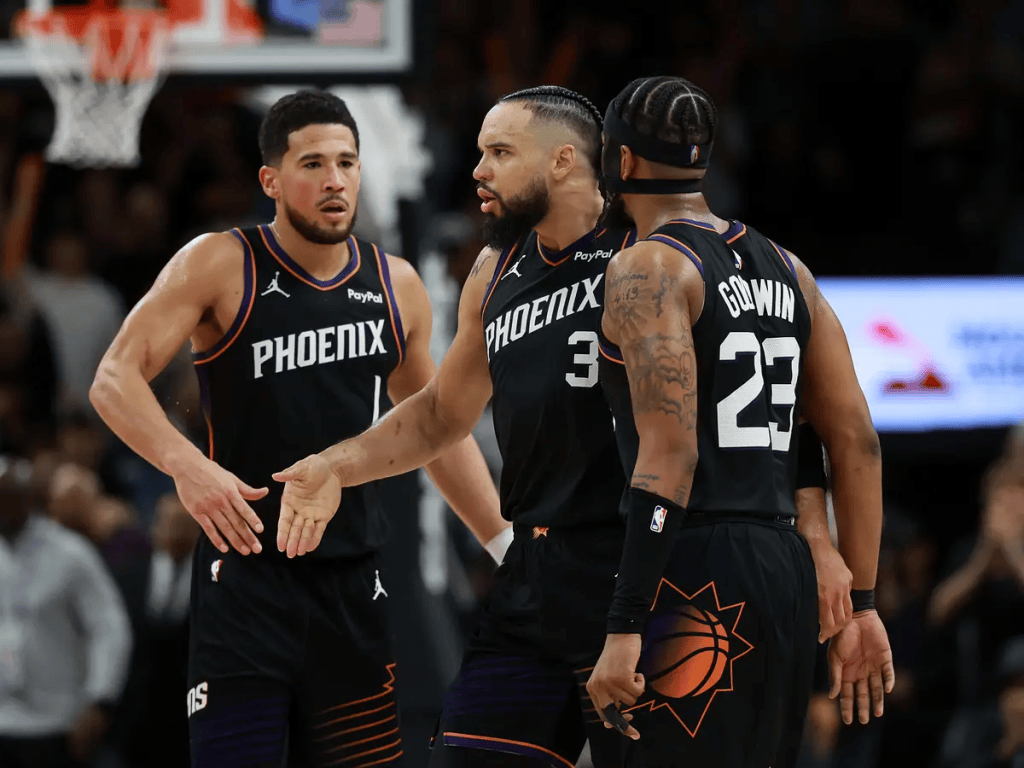
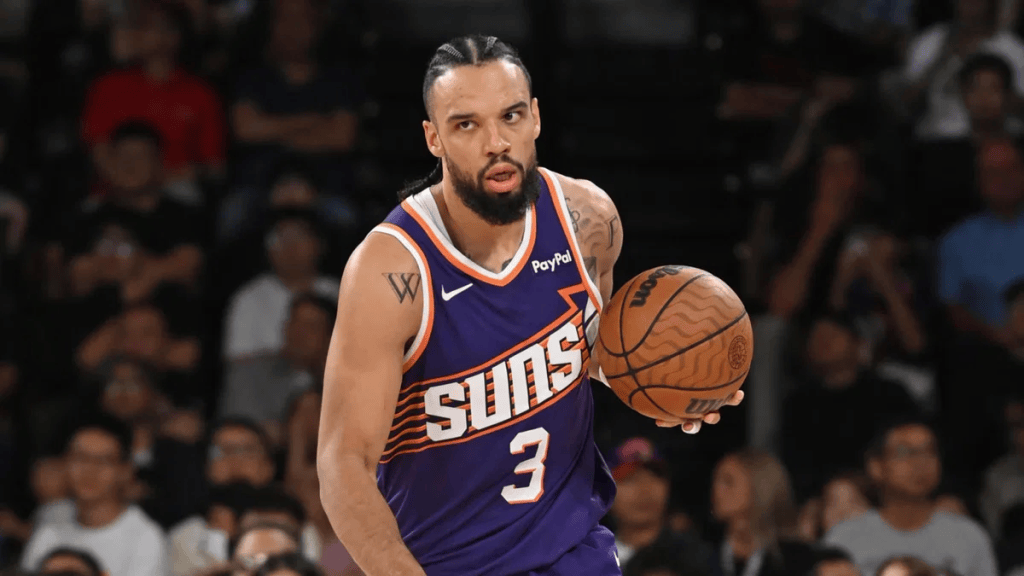
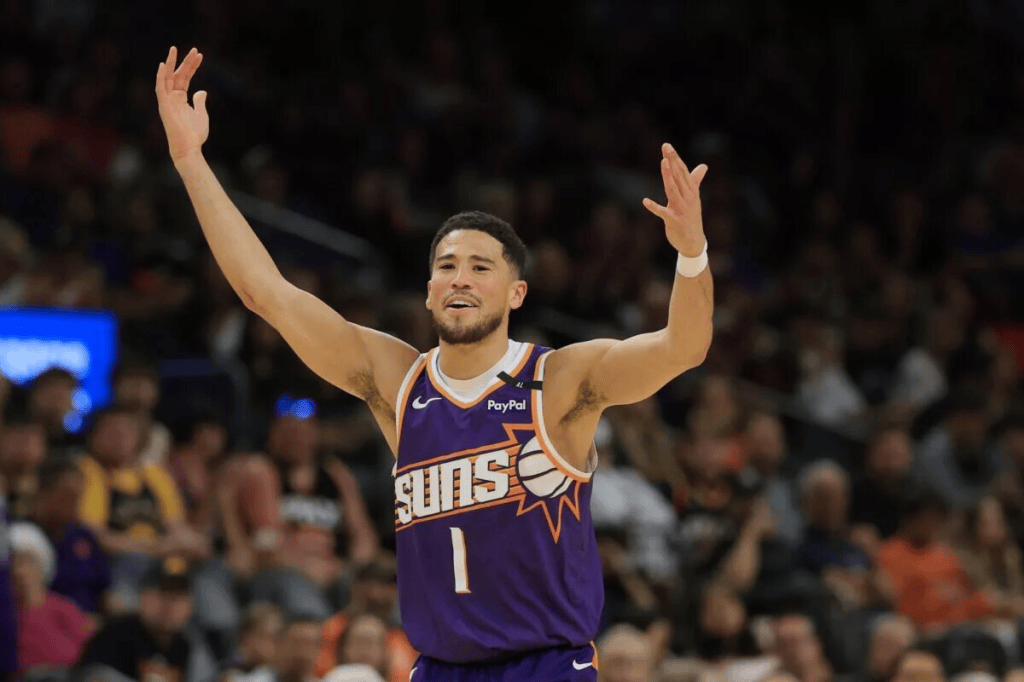
The Suns surprised some people in 2025-26. First-time coach Jordan Ott was electric behind the clipboard, quickly instilling a fiery defensive culture that drove their playoff push. With the trio of Dillon Brooks, Jalen Green, and the ever-steady Devin Booker still in place, they could certainly replicate last year’s success, but they likely don’t have the top-end talent to significantly exceed it. With Mark Williams already injured again, and Khaman Maluach being a mystery-box prospect, how things shake out for Phoenix at center could make or break their season.
21: Dallas Mavericks (10 Seed in West)
Key Players: Cooper Flagg, Kyrie Irving, Morez Johnson Jr., PJ Washington, Dereck Lively II, Naji Marshall, Max Christie, Santi Aldama
Top Award Candidate: Naji Marshall (6MOY)
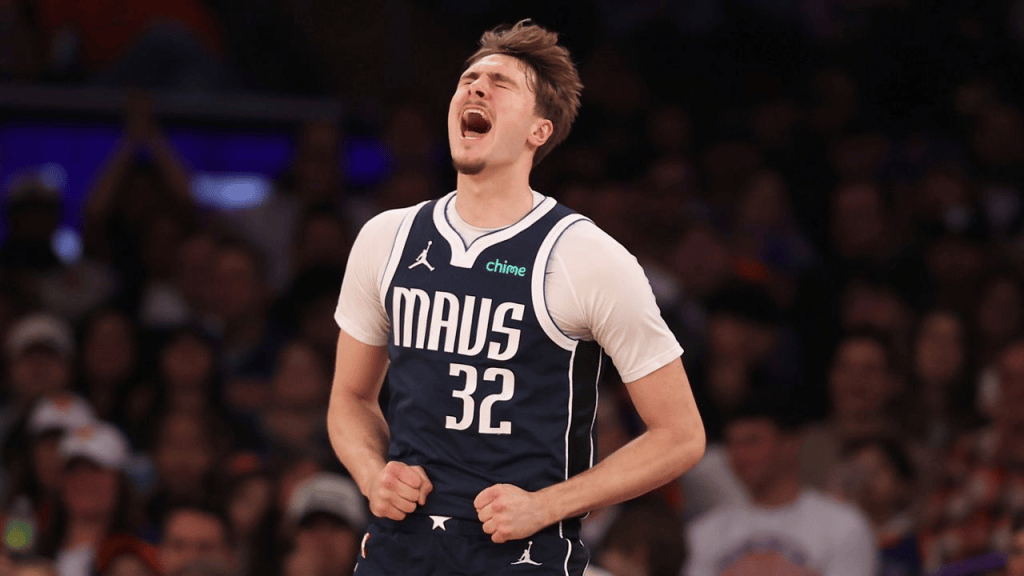
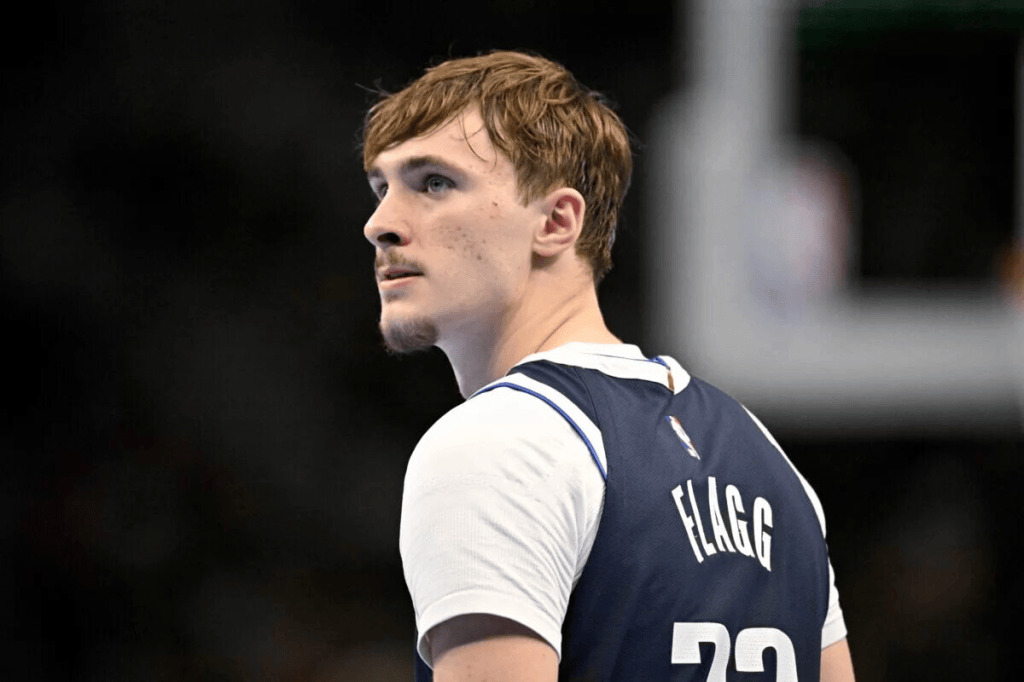
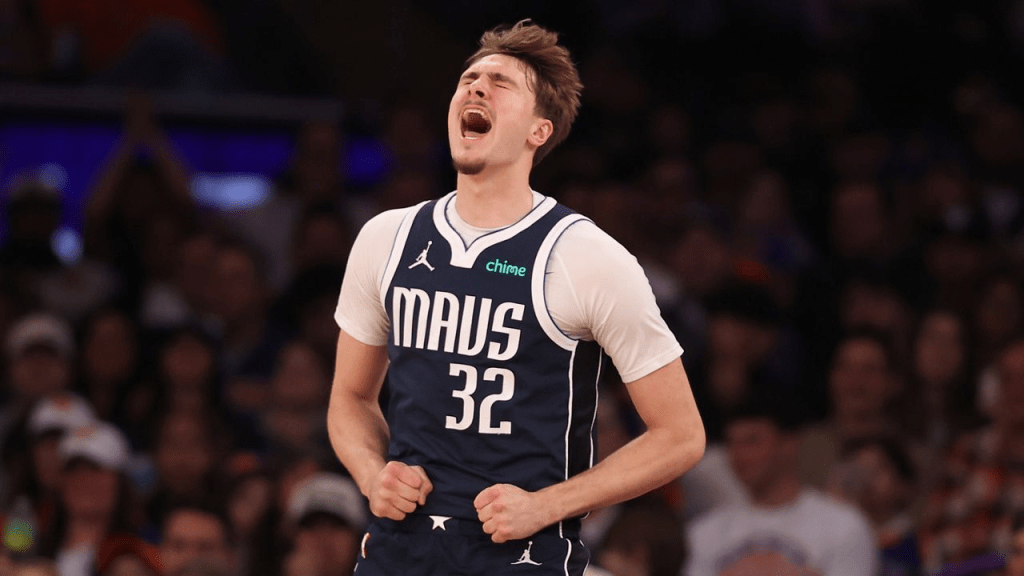
Dallas is upholding the “everything is bigger in Texas” trope right now. Cooper Flagg is a future megastar, and he’s flanked with a formidable and deep frontcourt that Dusty May will be able to lean on in his first year as an NBA head coach. The bigs and forwards (excluding the always-injured Dereck Lively) on this team can be trusted, but what about the guards? Can Kyrie Irving return to form? Will Max Christie and Marcus Sasser make jumps, and how much can Sergio de Larrea chip in as a freshman? Backcourt play will be the X-factor for the Mavs in their second post-Luka season.
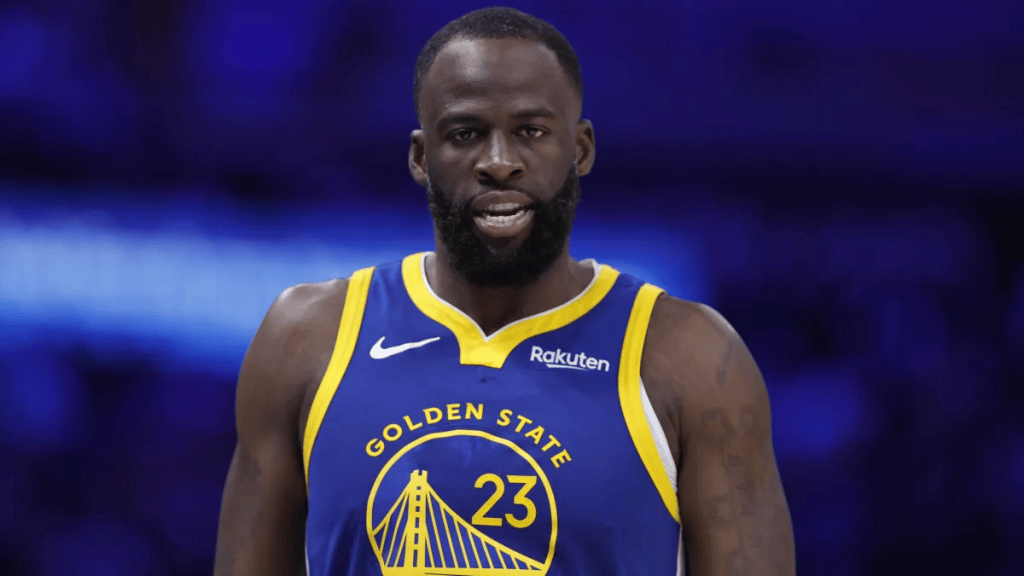
22: Golden State Warriors (11 Seed in West)
Key Players: Stephen Curry, Draymond Green, Kristaps Porzingis, Jimmy Butler, Brandin Podziemski, Yaxel Lendeborg, Gui Santos
Top Award Candidate: Gui Santos (MIP)
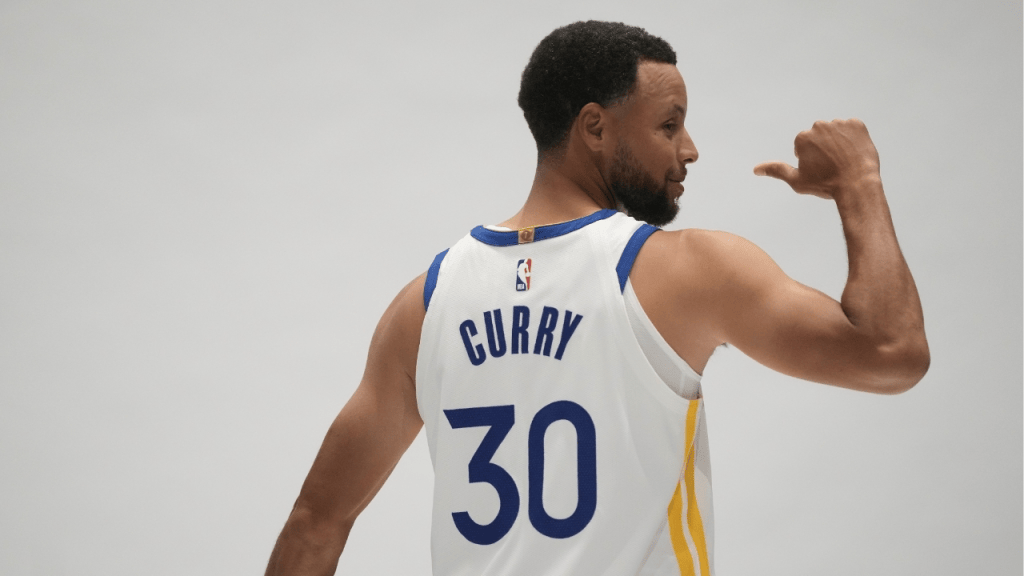
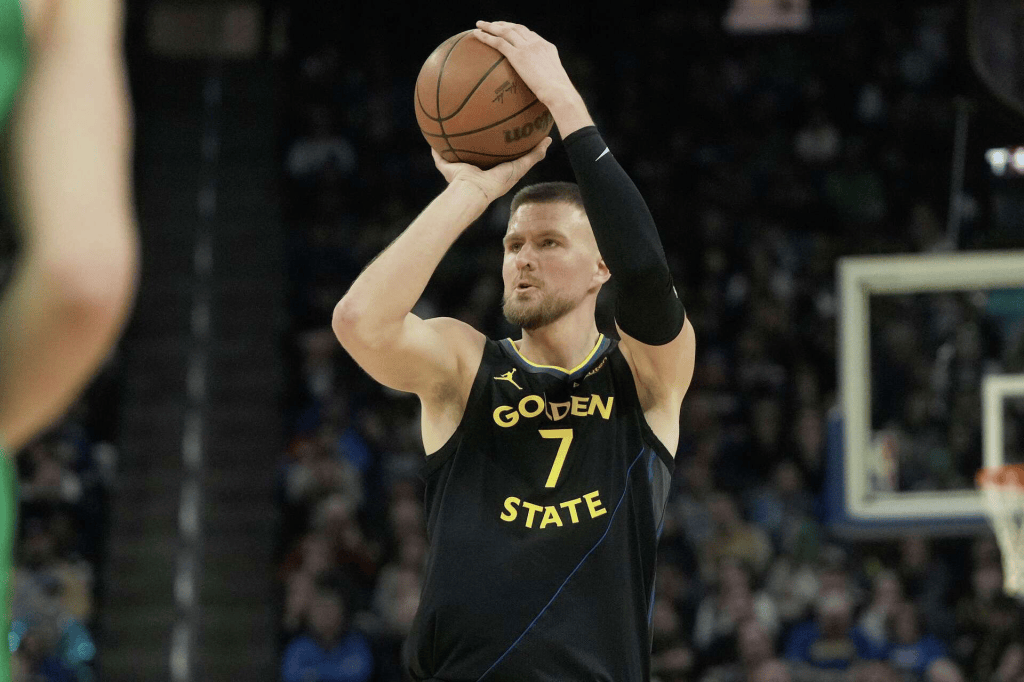
Golden State has done a poor job of giving Steph Curry a chance to compete in the twilight of his career. This is a truly uninspiring Dubs squad, especially while Jimmy Butler and Kristaps Porzingis are sidelined. You can never completely count out a Curry-led team, but it would take an obscene amount of Steph magic for the Warriors to make the playoffs this season. Strong contributions from the recently-paid Brandin Podziemski, rookie Yaxel Lendeborg, and sneaky MIP candidate Gui Santos will be necessary as well.
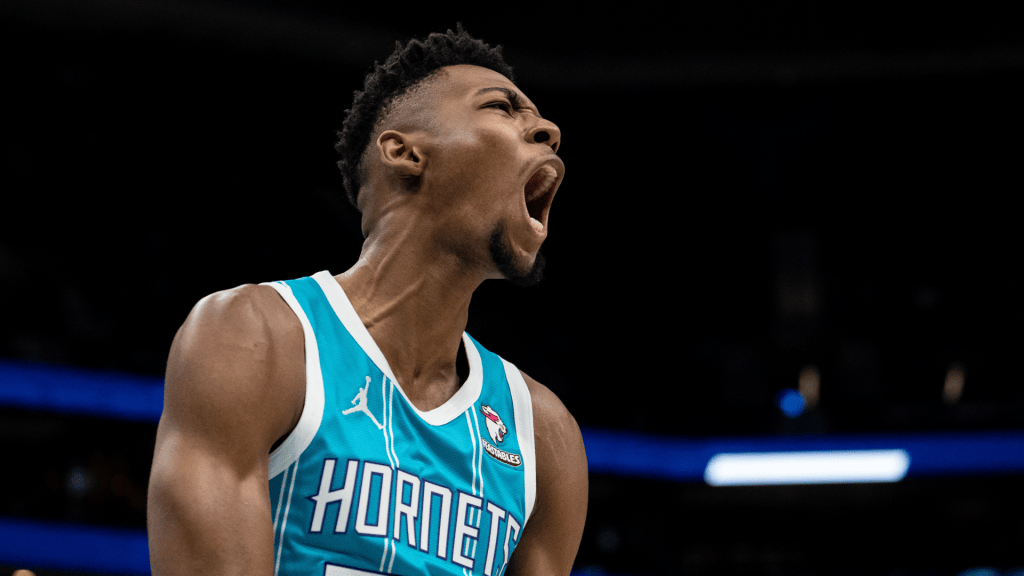
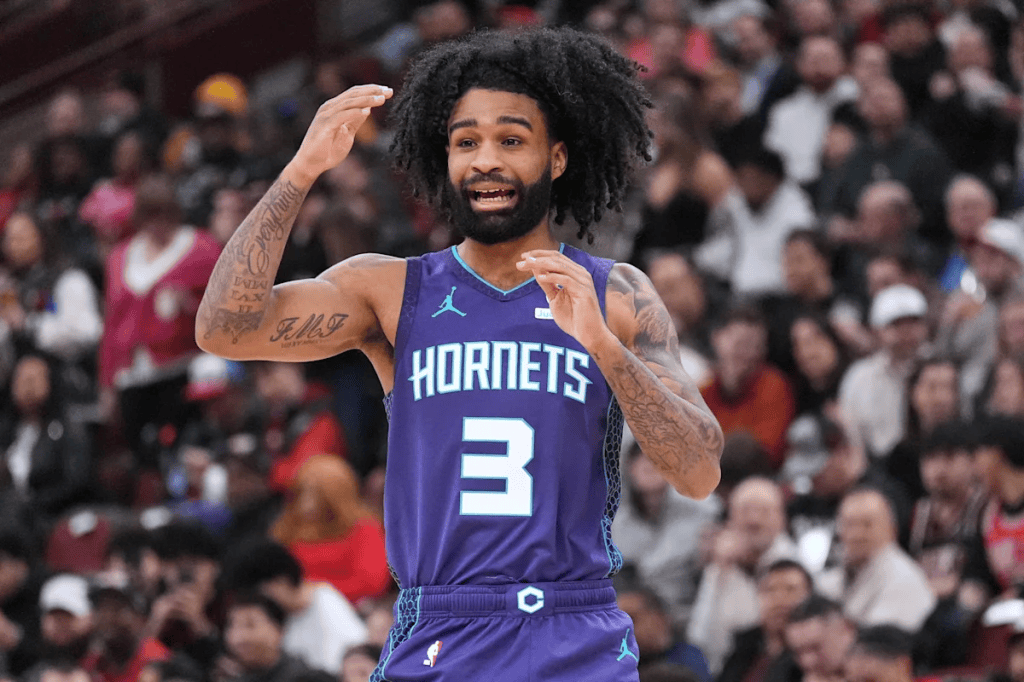
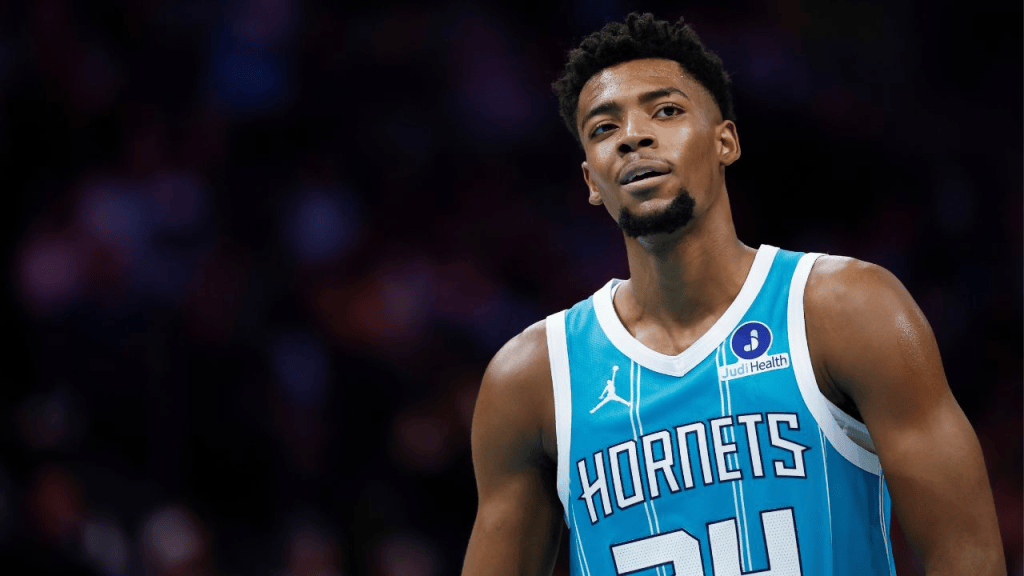
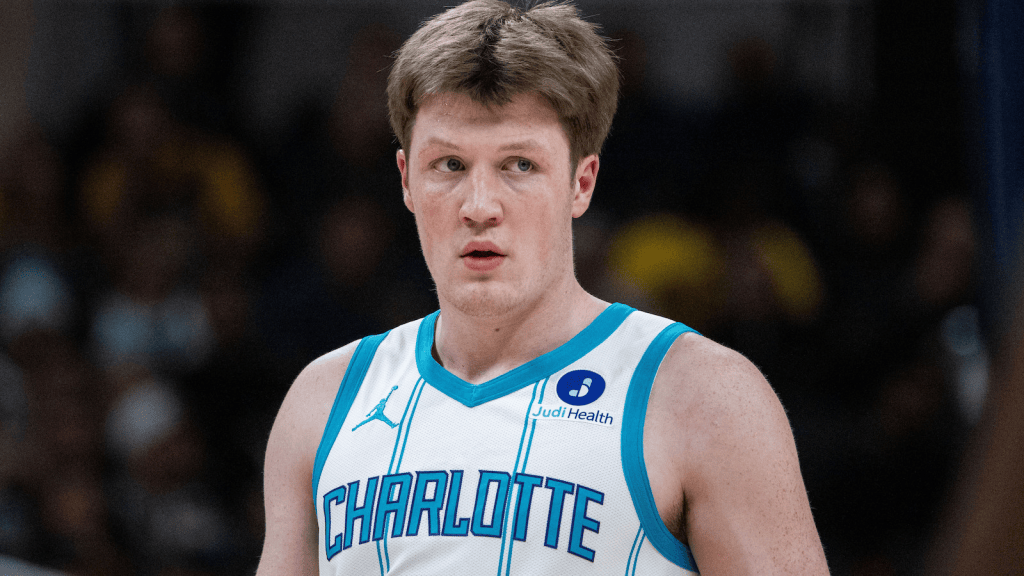
23: Charlotte Hornets (12 Seed in East)
Key Players: Brandon Miller, Kon Knueppel, Coby White, Naz Reid, Moussa Diabate
Top Award Candidate: Brandon Miller (MIP)
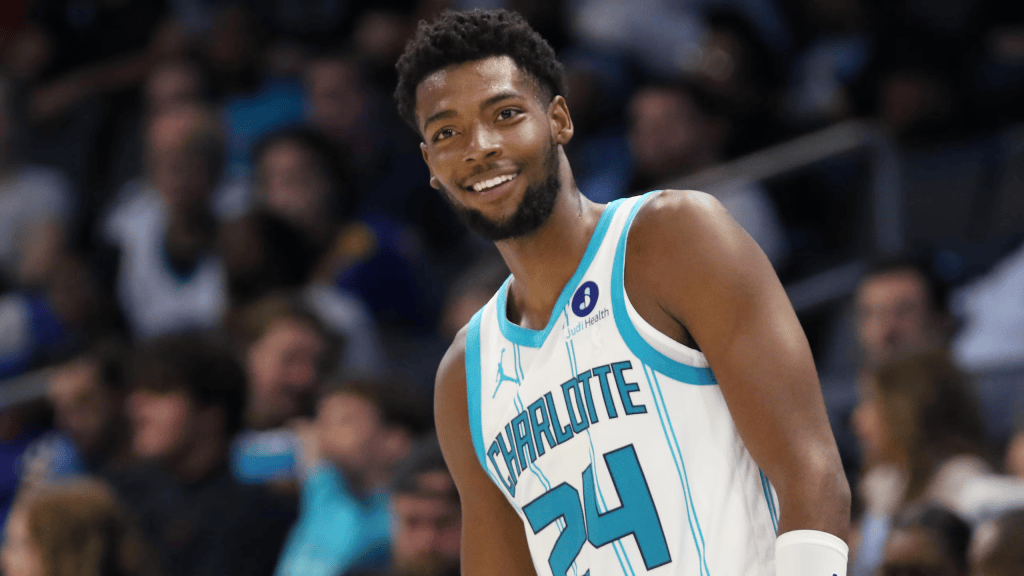
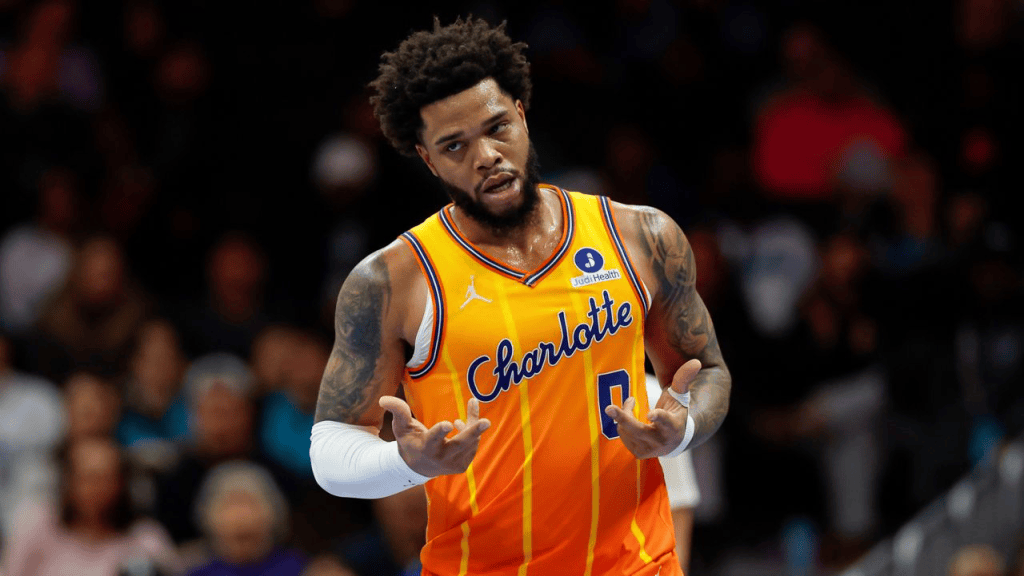
“Three-point maxxing” will be the theme of the 2026-27 season for the Hornets. Their flashy 2025-26 campaign was fueled by their high-octane offense, and while the absence of LaMelo Ball will diminish that identity a bit, Charlotte still has an abundance of shooters in their arsenal. A lot of weight is going to be placed on the shoulders of Brandon Miller and Kon Knueppel. The LaMelo trade was a vote of confidence in their ability to lead a team, but can they meet those expectations? If not (and maybe even if they do), the Hornets will be too streaky to succeed.
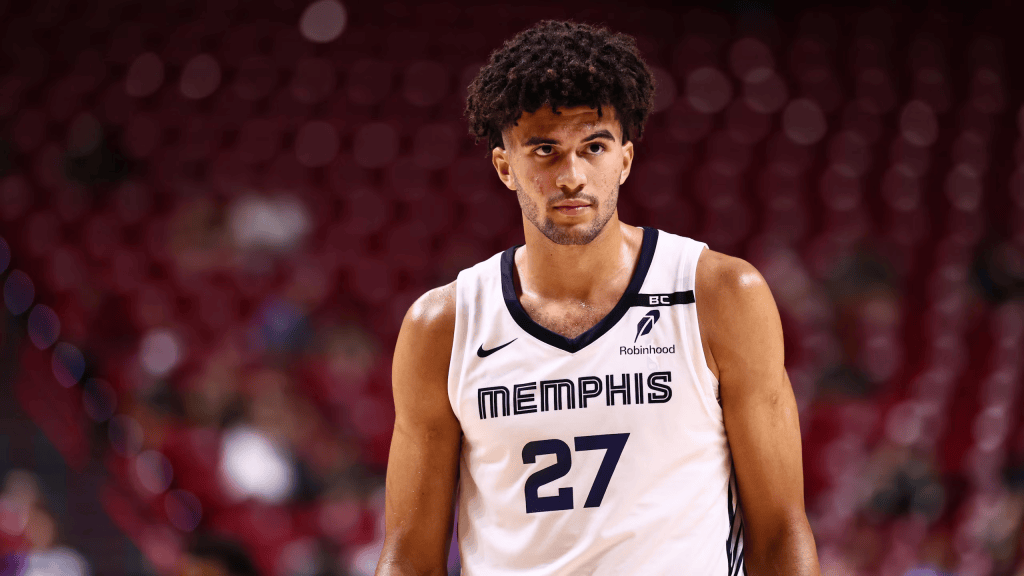
24: Memphis Grizzlies (12 Seed in West)
Key Players: Cameron Boozer, Ty Jerome, Zach Edey, Cedric Coward, Jerami Grant, Isaiah Stewart
Top Award Candidate: Cameron Boozer (ROTY)
The Grizzlies have NBA nerds quite intrigued. Their roster is full of underrated role players, and many of them are young with plenty of potential. A postseason appearance isn’t entirely out of the realm of possibility for Memphis, which is wild because we’re not even a year removed from the Jaren Jackson Jr. and Ja Morant trades. Their ceiling will ride on three wildcard players, each with a different question mark to respond to. Just how good can Cam Boozer be as a rookie? Is the Ty Jerome breakout real? Can Zach Edey stay on the floor enough to dominate?
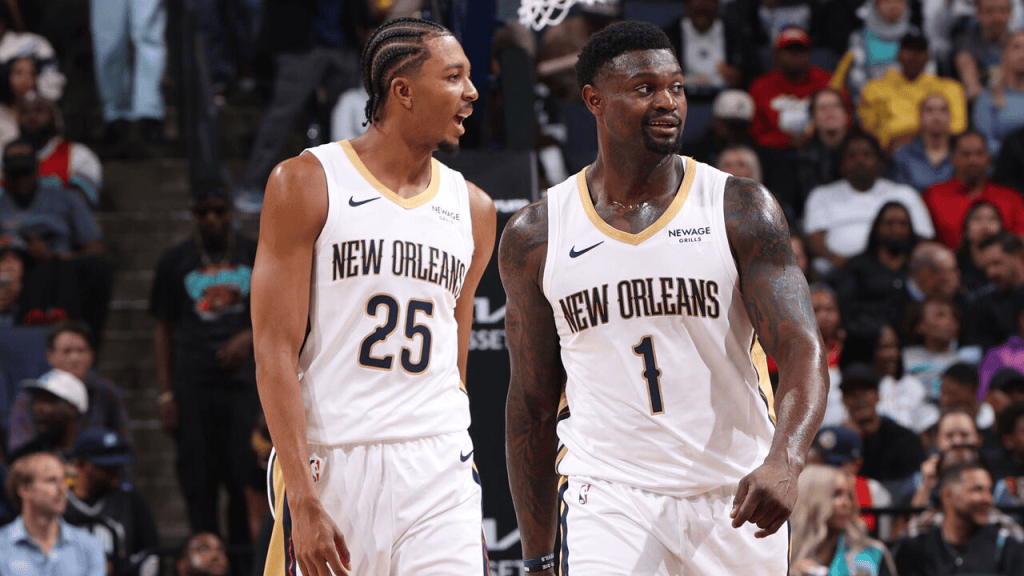
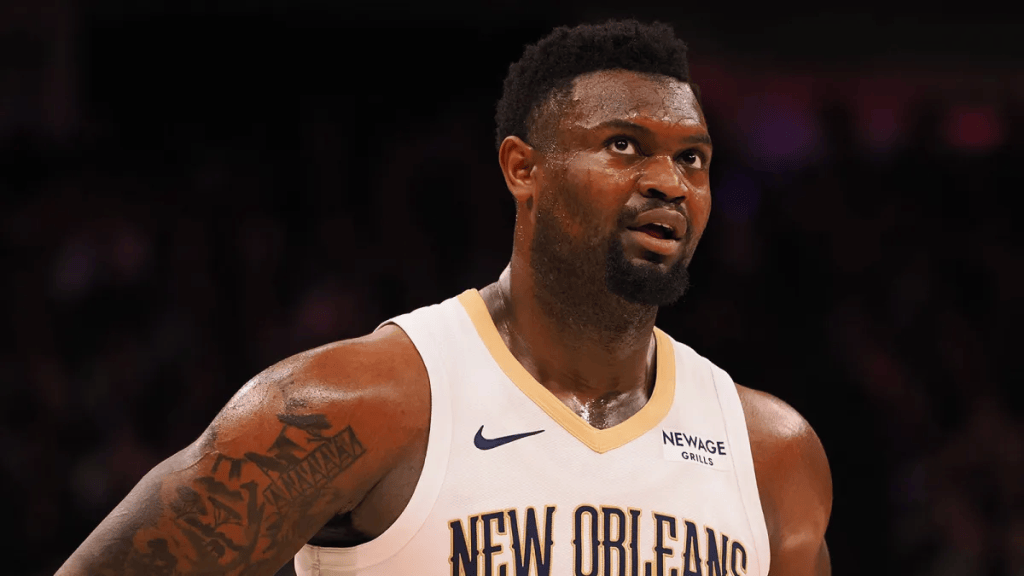
25: New Orleans Pelicans (13 Seed in West)
Key Players: Zion Williamson, Trey Murphy III, Dejounte Murray, Jeremiah Fears, Derik Queen
Top Award Candidate: Saddiq Bey (6MOY)
This marks year 27 (an exaggeration, of course) in a row in which New Orleans has looked much better on paper than what their actual outlook projects to be. Zion Williamson, Trey Murphy, and Dejounte Murray isn’t an amazing big three, but it’s more than adequate, and the supporting cast around them is pretty fun, especially if Jeremiah Fears and Derik Queen make sophomore leaps. This was a decent basketball team in 2025-26, specifically when Murray was healthy, and that won’t change in 2026-27. But decent is all they’ll be.
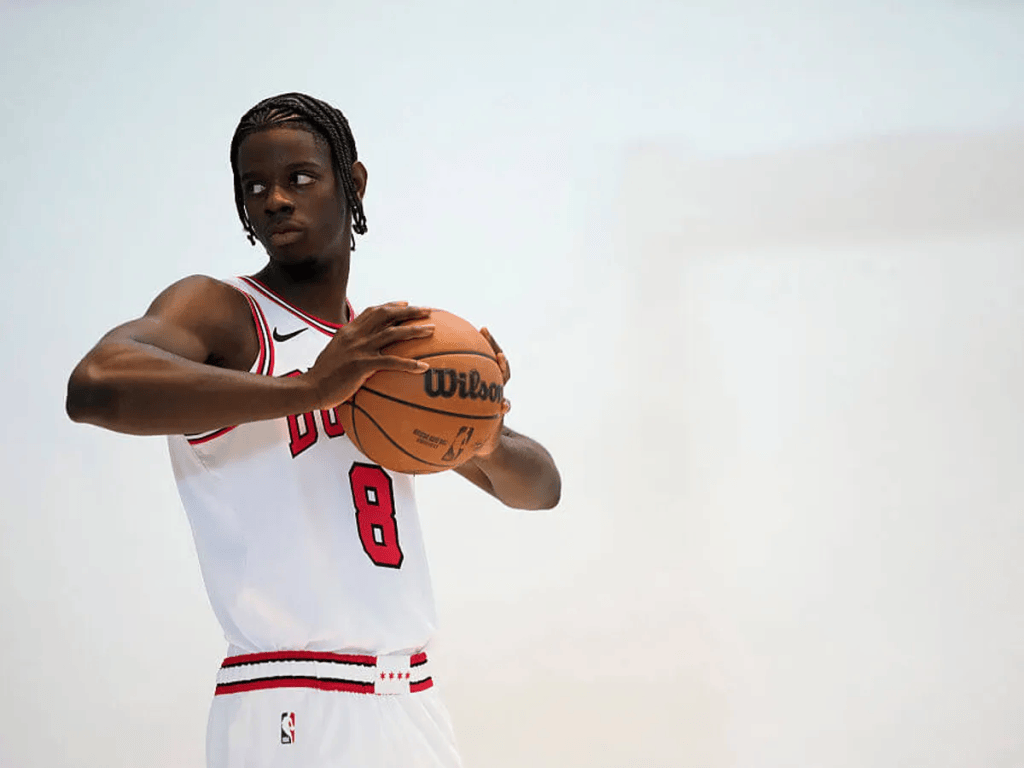
26: Chicago Bulls (13 Seed in East)
Key Players: Caleb Wilson, Matas Buzelis, Josh Giddey, Norman Powell, Nic Claxton, Noa Essengue
Top Award Candidate: Matas Buzelis (MIP)
Caleb Wilson, Matas Buzelis, and the rest of this running-and-gunning Bulls team have Chicago fans as excited as they’ve been since, shoot, maybe the Derrick Rose days? It won’t equate to a playoff spot in 2027, but the foundation of a new age of not-so-mediocre hoops in the Windy City is being established. Norman Powell and Nic Claxton, Chicago’s two key offseason additions, will act as training wheels in the short term, holding things down until the tantalizing duo of Wilson and Buzelis is ready to take off and blossom on its own.
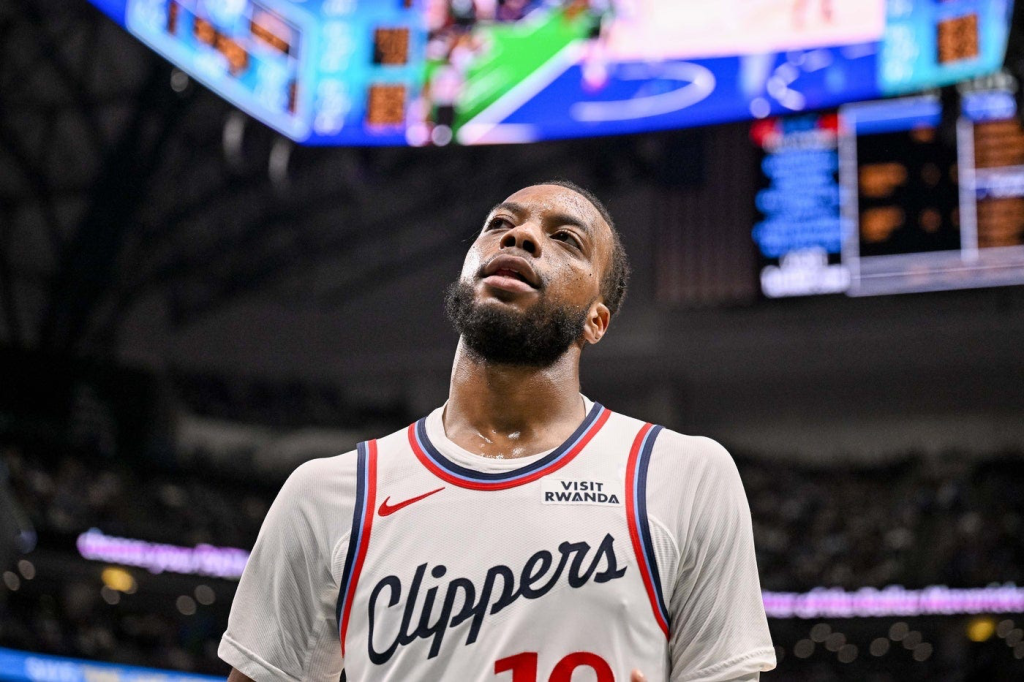
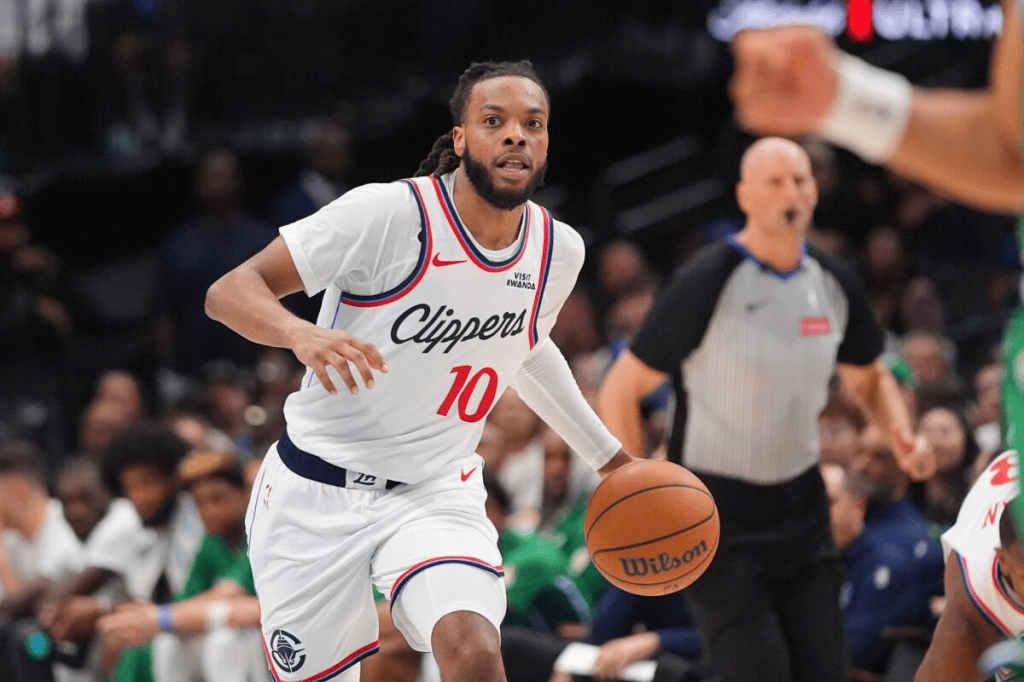
The Kawhi Leonard scandal has crippled the Clippers, and their path back to perennial playoff challenger status is unclear. Darius Garland, Brandon Ingram, Rui Hachimura, Bradley Beal, Derrick Jones Jr., and Kris Dunn will keep things from getting totally ugly in the short term, but any and all of that crew could be shipped off to contenders as soon as the trade deadline. For the long term, Los Angeles desperately needs Keaton Wagler and their other young guys to pan out or things will be bleak. Or, who knows, maybe they’ll steal Nikola Jokic in 2027 free agency.
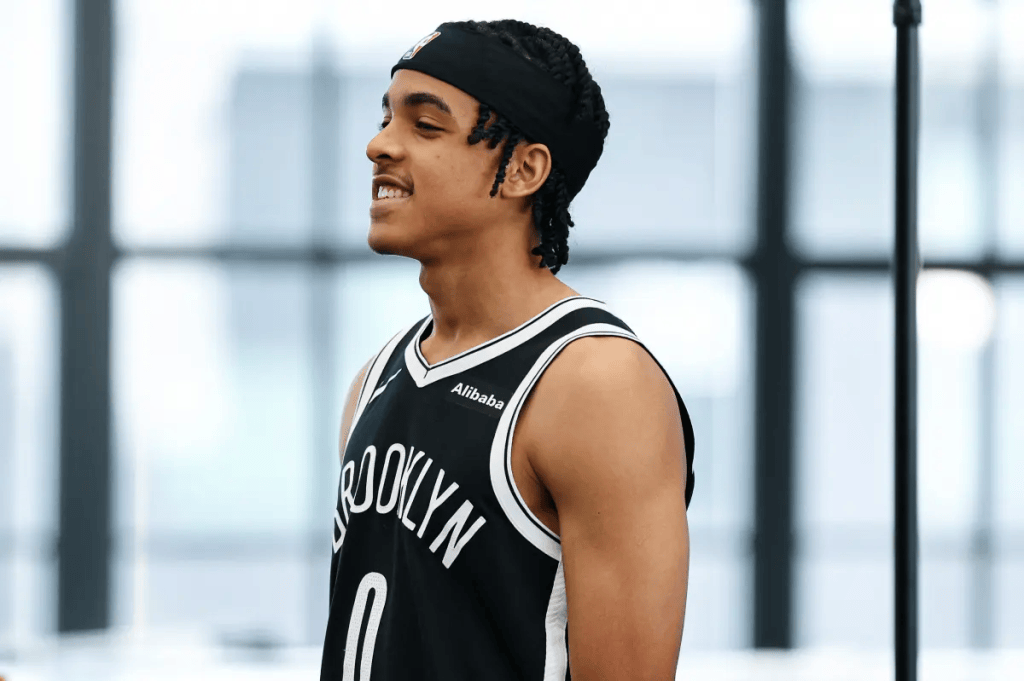
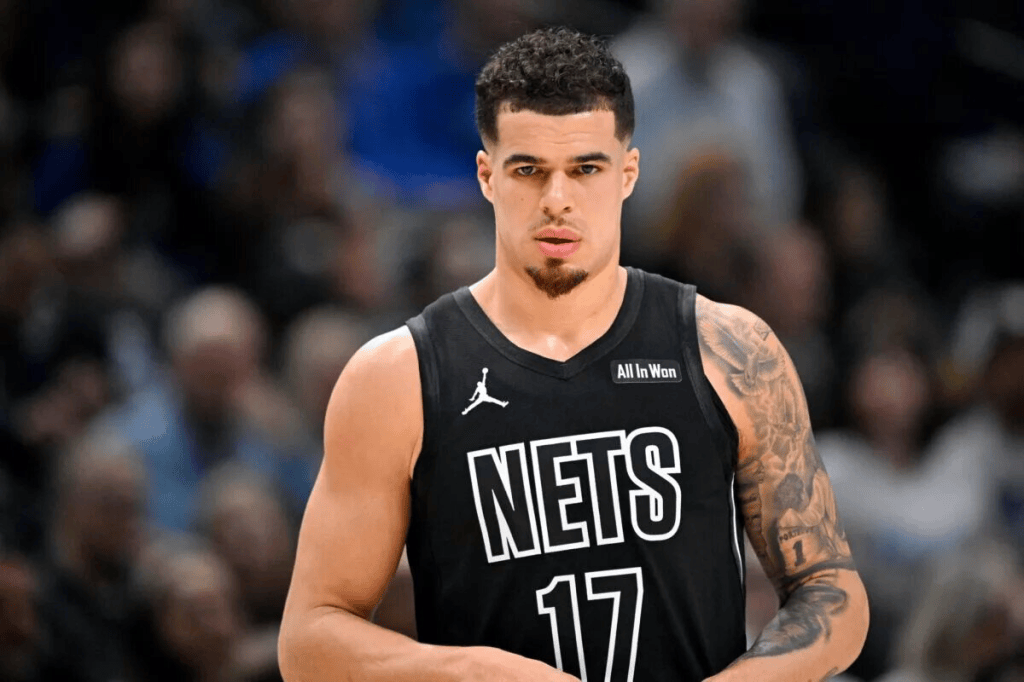
28: Brooklyn Nets (14 Seed in East)
Key Players: Julius Randle, Michael Porter Jr., Mikel Brown Jr., Egor Demin, Day’Ron Sharpe, Nolan Traore
Top Award Candidate: Mikel Brown Jr. (ROTY)
Brooklyn is going to be scrappy this year. Jordi Fernandez knows how to get the most out of his guys, and this is a legitimately talented and versatile squad. Julius Randle, Michael Porter Jr., Day’Ron Sharpe, and the other vets will set the tone and relieve pressure from Mikel Brown Jr., Egor Demin, Nolan Traore, Noah Clowney, and the other kids in the house, allowing them to develop in a structured environment. The East is too loaded for the Nets to make real noise, but they should be competitive night in and night out.
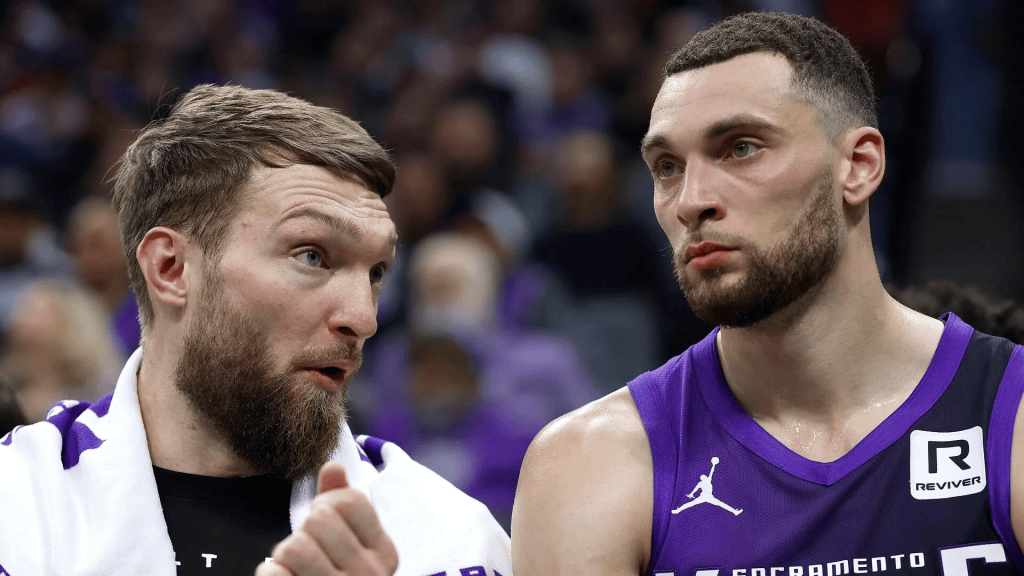
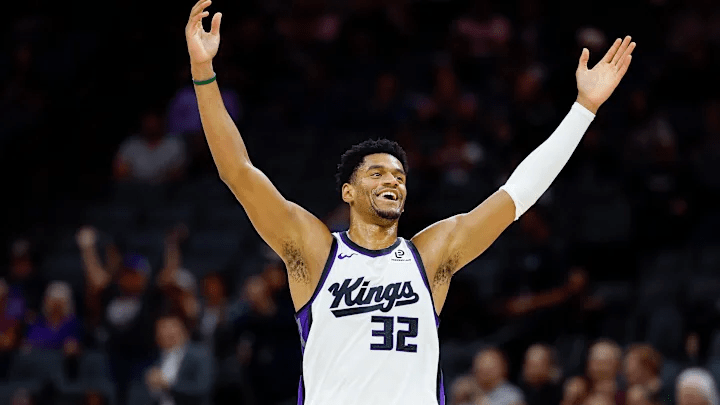
29: Sacramento Kings (15 Seed in West)
Key Players: Domantas Sabonis, Zach LaVine, Darius Acuff Jr., Keegan Murray, Maxime Raynaud, Ben Simmons
Top Award Candidate: Darius Acuff Jr. (ROTY)
The excitement of Sacramento’s thrilling 2022-23 campaign is a forgotten feeling at this point, and the franchise is now the laughingstock of the NBA. With two All-Stars, multiple solid veterans, and some intriguing youngsters in the rotation, you’d think they wouldn’t be as bad as they are, but the Kings are just cursed. Darius Acuff, their seventh-overall pick, could be the “chosen one” that pulls them out of this dark age.
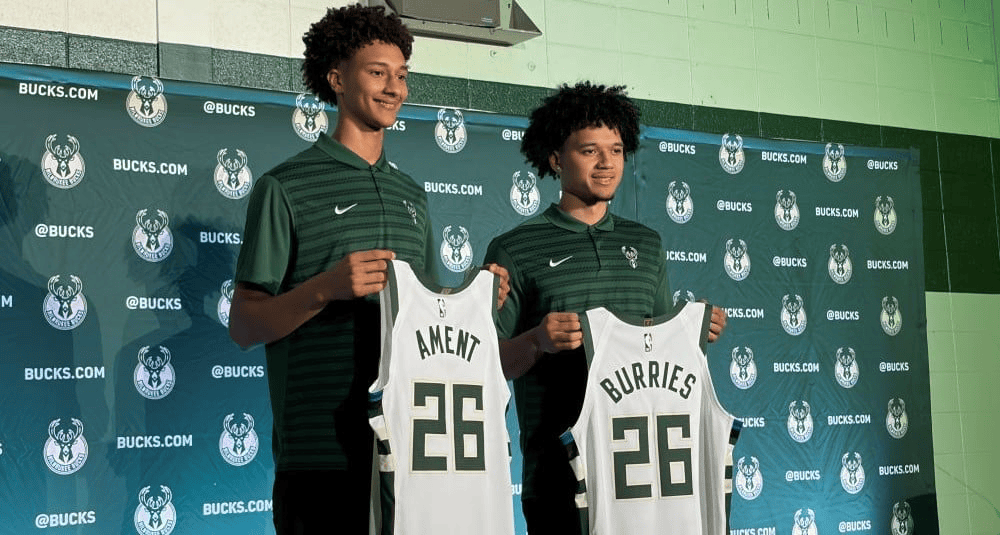
The Giannis era came to an unexpectedly tense and awkward end this summer. But, on the other side of the drama lies a new hope for Milwaukee faithful. Once a team virtually devoid of fun young talent, the Bucks are suddenly teeming with potential. Ryan Rollins, Brayden Burries, Kel’el Ware, Nate Ament, Kasparas Jakucionis, and more all have a chance at being core pieces in the next chapter of Bucks basketball. They won’t be very good in 2026-27, but that’s fine, because their eyes are set on a quietly bright future.
NBA day is less than a month away! As the new season approaches, I’ll be dropping my usual trio of preseason prediction articles. Today, I’m starting with my award picks. I’ll give my top five candidates for each of the major awards before naming my projected winner. Let’s get right to it!
Sixth Man of the Year
Honorable Mentions: Deandre Ayton, Saddiq Bey, Collin Gillespie, Tim Hardaway Jr., Tre Jones, Naji Marshall, Collin Murray-Boyles, Kelly Oubre Jr., Collin Sexton, Anfernee Simons
Anthony Black
Black had an electric breakout with the Magic last season, dazzling as a sparky guard-wing hybrid who disrupts defensively and thrives in transition. The former sixth-overall pick is just 22 years old and still has plenty of upside left to tap into. He opened 40 of his 64 games played in 2025-26, largely due to Jalen Suggs and Franz Wagner missing time, but should excel in an energy-shifting sixth man role this year.
DeMar DeRozan
DeRozan has started 1,250 straight games, but that unbelievable streak seems destined to snap in Denver. That said, the veteran star is uber-durable and he’s aging like fine wine—he’s a lock to finish top three in scoring off the pine if that’s how the Nuggets use him. DeRozan can still torch defenses with his iconic mid-range game. A role downgrade won’t change that.
Ayo Dosunmu
Few players were as efficient across the board in 2025-26 as Dosunmu was. He’s been a shaky shooter throughout his career, but he was nails last season, especially in the playoffs. In the absence of Donte DiVincenzo, Minnesota will lean on their 2026 deadline acquisition heavily, even though the Jonathan Kuminga addition pushes him to the bench. Dosunmu can handle the pressure.
Dylan Harper
The Dylan Harper hype in the NBA space has soared to the moon, and rightfully so. Realistically, though, as much of a stud as the kid is, he’s not going to start over De’Aaron Fox or Stephon Castle, at least not as a 20-year-old. The Spurs are blessed to have such a stacked backcourt, but it’s a curse for the rest of the league, because Harper is going to dominate second units all year long.
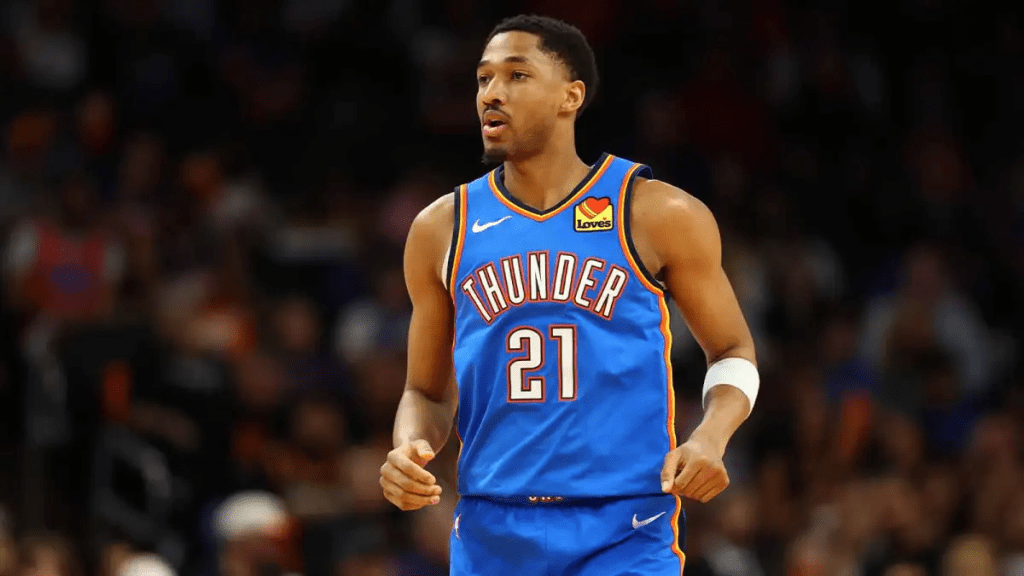
Ajay Mitchell
Like Harper, Mitchell is clearly a starting-caliber guard, but he’s stuck behind established stars. The UCSB product, who began his career on a two-way, had an extremely impressive sophomore campaign and will surely come back even better in year three. The lefty makes plays for himself and others with veteran-esque poise, craft, and efficiency. Mitchell is the real Baby Brunson—sorry, Payton Pritchard.
Caleb Wilson is being hailed as Chicago’s savior, but don’t sleep on Matas Buzelis. He’s a future All-Star jumbo wing hiding in plain sight—a walking contradiction to the notion the 2024 draft class has no stars. Buzi Vert’s superb versatility and functional athleticism make him perfectly suited for the modern game. His stat-stuffing efforts as a sophomore set the stage for an eventual superstar leap, and we might just see him make that jump in 2026-27.
Ty Jerome
Did you know Ty Jerome averaged 19.7 points in 2025-26? He played just 15 games in his debut campaign with the Grizzlies, but in that small sample, he looked like a supercharged version of his 2024-25, third-place-in-6MOY self. If he maintains that production across a full season, he’ll quickly put himself in conversations nobody could’ve expected him being in when he was bouncing around the league in the early 2020s.
Brandon Miller
With LaMelo Ball (wrongfully) out of the picture, the keys to Charlotte’s franchise are now in Brandon Miller’s hands. The 2023 second-overall pick has cemented himself as a thrilling scorer, and with the passing of each year, he’s been getting better and better at all the other stuff. This season, the Hornets will demand him to make his biggest improvements yet. If he picks up his consistency, on-ball bucket-getting, and playmaking while assuming the number one option job, he could be an All-Star before we know it.
Ryan Rollins
The people’s 2025-26 MIP, Rollins has quietly become a cornerstone for the Bucks after he was nearly out of the league just two years ago. His ceiling is unclear, but one thing is for certain—Ryan Rollins is really freaking good. In the post-Greek-Freak era, he’ll have a shot at proving himself to the world as a true star. Well, as long as Tyler Herro doesn’t step on his toes too much, that is.
Alex Sarr
It feels like nobody besides the sickos have paid any attention to the Wizards over the past couple years, which is unfortunate, because Alex Sarr is one of the most exciting big men prospects in the association right now. In 2025-26, he paired his standout defensive versatility with a sharpened offense approach, and the results were scary in the best way possible. His third year could genuinely be special.
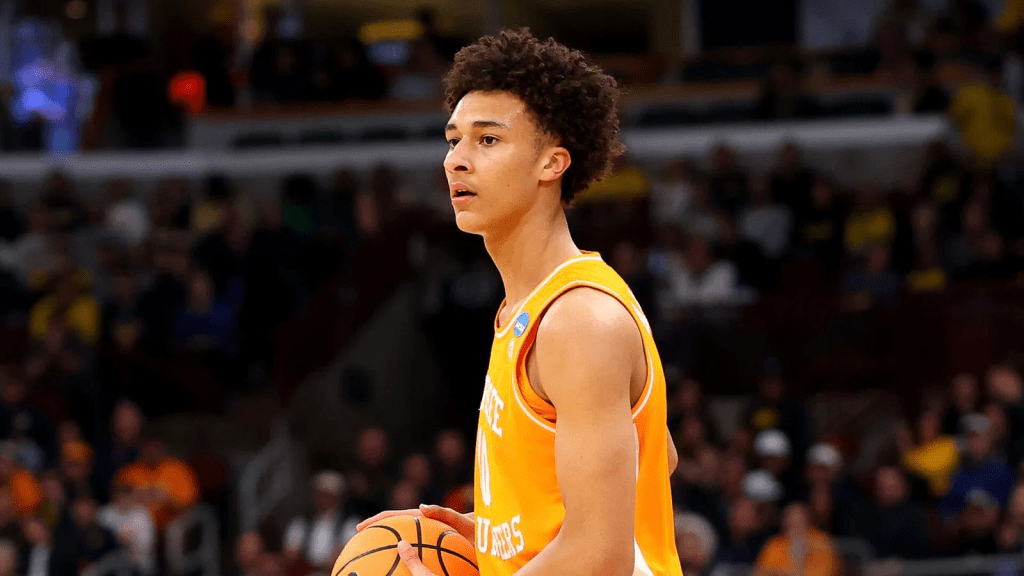
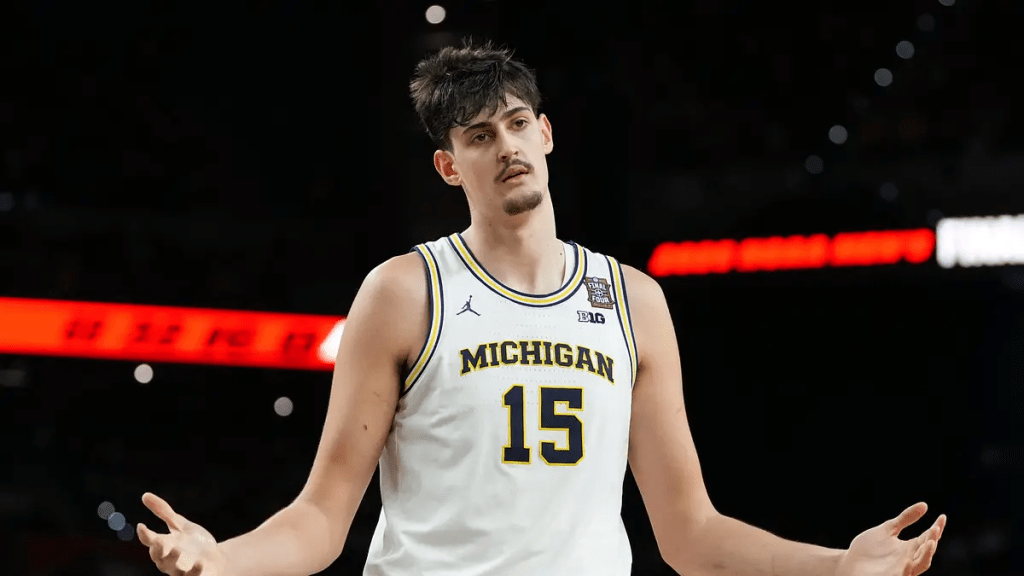
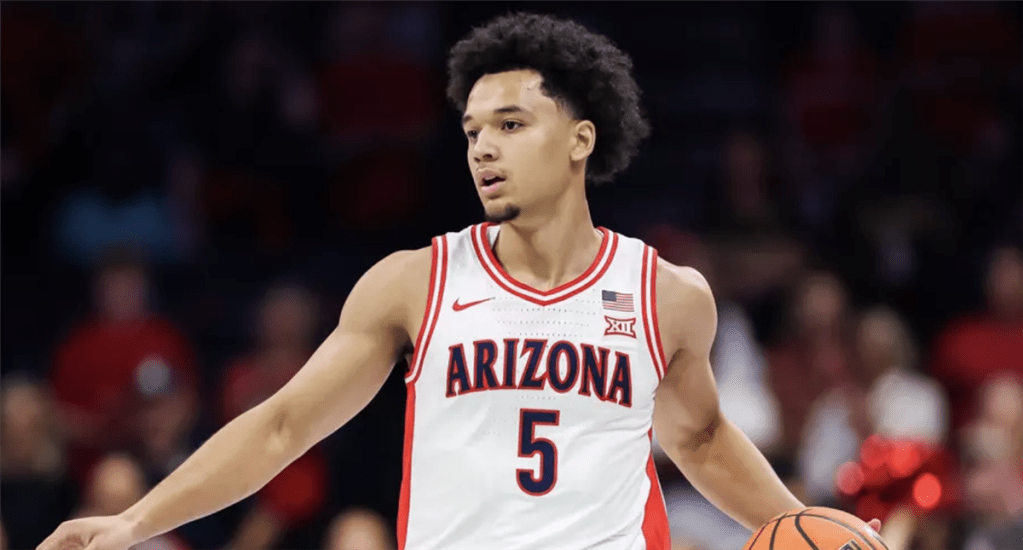
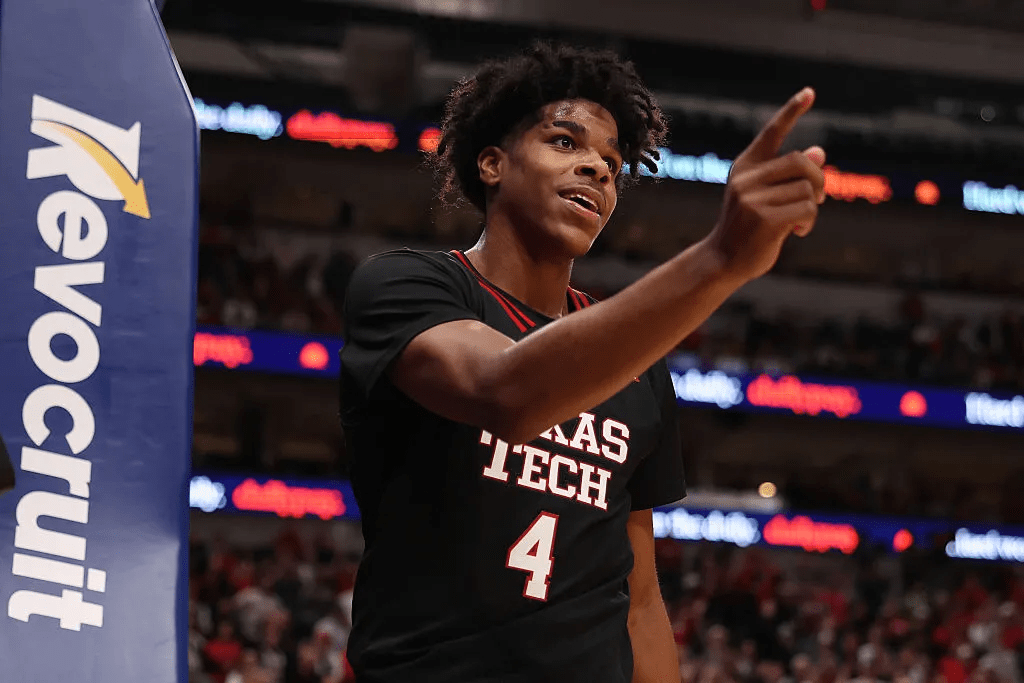
Boozer has been dominating his peers for so long that it’s tough to imagine him doing anything other than that in the NBA. His polish and feel as a post scorer, overall finisher, and passer, as well as his pro-ready frame, should help him produce in a big way in year one. He’ll be Memphis’ top dog from the jump, and if he meets expectations, he could take this roster of scrappy, underrated youngsters further than anyone is anticipating.
Mikel Brown Jr.
The Nets have been searching for their next franchise player since Kevin Durant and Kyrie Irving left. Mikel Brown has a chance to be exactly that. As a rookie, he’ll have plenty of freedom to spread his wings, but also enough structure and talent around him to save him from drowning in pressure. He may start off as secondary creator/movement shooter next to Julius Randle and Egor Demin, but it shouldn’t be long before he takes off as a lead guard.
AJ Dybantsa
There’s no doubt that Dybantsa can (or will) be a superstar in this league. How much of that potential he’ll be able to put on display as a rookie, though, remains to be seen. The first-overall pick will be competing for the spotlight with Trae Young and Anthony Davis, and other young guys like Alex Sarr and Kyshawn George will eat up some touches too. Don’t get it twisted—Dybantsa should still look phenomenal. He just doesn’t have the same runway for immediate stardom as other freshmen will.
Darryn Peterson
Peterson couldn’t have (realistically) landed in a better home than Utah. The killa from Kansas should pop in Will Hardy’s offensive schemes, and Keyonte George will be his only true adversary for on-ball usage. If the Jazz live up to the buzz they’ve been getting and find themselves firmly in the postseason race, Peterson will likely be playing a major part in that, which would hold a lot of weight in his ROTY case.
Caleb Wilson
Wilson has Bulls faithful as excited as they’ve been in a minute. The forward from UNC was seen as the “wildcard” of the big four from this class, and he’ll certainly face some growing pains early on as he adjusts to being a top guy at the NBA level. But, his Summer League showmanship proved he’s way more incredible than hypothetical. Even though it probably won’t happen in 2026-27, Wilson should eventually lead Chicago out of its seemingly inescapable cycle of mediocrity.
2026-27 ROTY: Cameron Boozer
Defensive Player of the Year
Honorable Mentions: Donovan Clingan, Rudy Gobert, Jaren Jackson Jr., Evan Mobley, Amen Thompson, Ausar Thompson, Derrick White
Bam Adebayo
Bam has been in DPOY convos for close to a decade now, but the trophy continues to elude him. This year could be his best shot yet to finally snatch the crown. Miami has the recipe for an elite defense, especially after trading for Giannis, and Adebayo will, as always, be the motherboard. If he anchors a Heat team that climbs above the competition in a loaded Eastern Conference, that might just be enough for him to claim an award many would say he should’ve won by now.
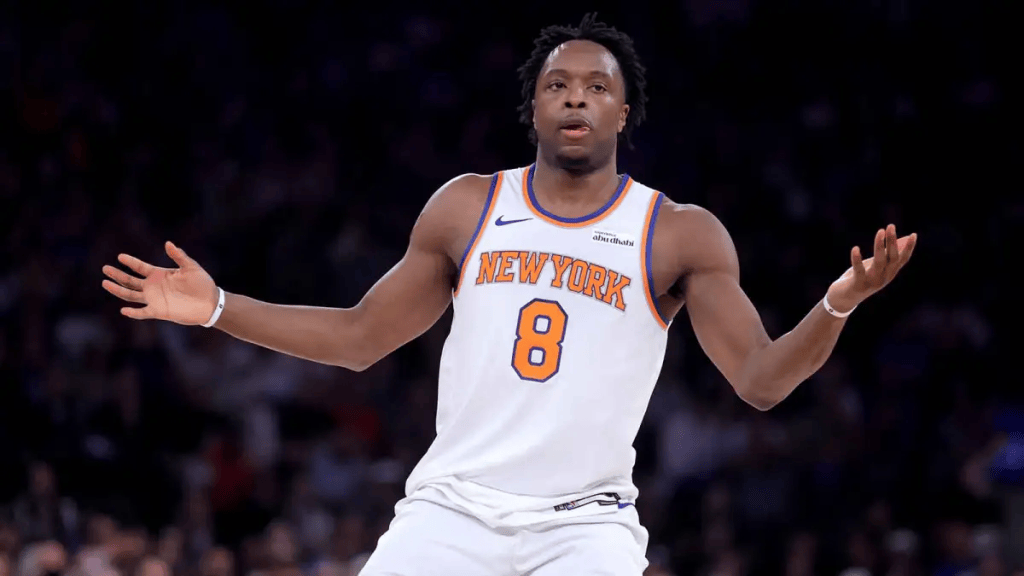
OG Anunoby
In the wake of New York’s title run, Anunoby has secured unwavering respect from fans and analysts everywhere. He’s been a formidable wing-stopping stalwart since his early Toronto days, but he’s as good as ever right now as he enters the absolute prime of his career. OG can and will lock up anyone, anywhere, any time. A sprinkle of big-market bias helped him earn a long-overdue second All-Defensive nod in 2025-26, and some lingering championship magic could give him an outside chance at DPOY in 2026-27.
Scottie Barnes
The title of best non-big defender in the association should unquestionably belong to Scottie Barnes. He’s become a monster on that end; a havoc-wreaking playmaker who also has enough control to quarterback the whole operation. Scottie finished fifth in the DPOY race last season but was somehow snubbed from All-Defensive First Team. Hopefully voters aren’t as disrespectfully low on him this year.
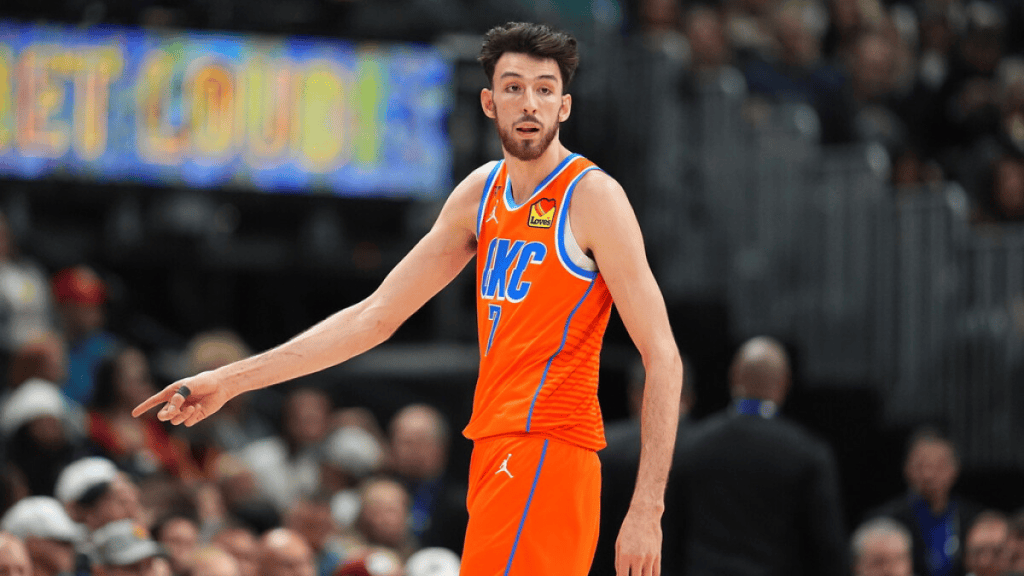
Chet Holmgren
Holmgren’s reputation has fallen through the floor and it’s safe to say the pendulum has swung too far. Sure, concerns about his strength and offensive aggression have some merit, but those weaknesses can’t shroud his defensive impact. He’s the NBA’s premier weakside shot blocker and his switchability at his size is unmatched. Alex Caruso and Cason Wallace are cool and all, but OKC’s defense wouldn’t be at the level it is without Holmgren.
Victor Wembanyama
Look, with all due respect to these other candidates, it’s obvious that as long as Victor Wembanyama plays 65 games, DPOY will be his this year. He just won it unanimously in 2025-26 and he’s only gonna get better from here. Soon, he’ll have people throwing accolades and longevity aside and calling him the greatest rim protector to ever grace the hardwood, and they won’t be wrong.
Los Angeles is officially Luka’s city. We saw him put up unfathomable numbers last season, and with LeBron out of the picture, he could somehow outdo himself in his second full year as a Laker. Many would argue Doncic should have won MVP by now. He’s primed to do it in 2026-27 if he can elevate his new-look squad to the top of the West.
Anthony Edwards
The Anthony Edwards takeover is inevitable. He’s going to be a top three player at his peak, it’s just a question of when he’ll get there. The construction of this year’s Timberwolves team should allow him to have his most individually remarkable campaign yet—30 PPG is very much in the cards. Ant will be more of a dark horse choice for MVP, but like Luka, he could put himself at the forefront of conversations if he leads Minnesota to the second or third seed.
Shai Gilgeous-Alexander
After winning back-to-back MVPs, Finals MVP, and Clutch Player of the Year while making two All-NBA First Teams in a two-year span, Shai Gilgeous-Alexander has taken the BITW moniker for the time being. Voter fatigue is sure to kick in for him this year, so a threepeat here is unlikely, but the sport’s smoothest star will still be the scariest scorer in the game on a night-to-night basis.
Nikola Jokic
For perhaps the first time ever, Jokic is coming into a season with something to prove. He’s been passed on the BITW ladder after his embarrassing playoff exit, and with Shai and Wemby both still trending upward, it’s going to be difficult for Joker to reclaim the mantle. His statistics and individual feats will always be astonishing, but it feels like he isn’t striking fear in the hearts of opponents in the same way he once was. He’d have to get back to the pinnacle of his powers, and maybe even surpass that, to win a fourth MVP.
Victor Wembanyama
The entire basketball world is watching the French phenom’s every move. He has everyone captivated and mesmerized with the never-before-seen stunts he pulls off on the court. Wembanyama made a strong case for BITW in what was just his age-22 season, and no bets are off for how dominant he could be this year. Add in the fact that the Spurs could win 70 games and Wemby becomes the clear preseason MVP favorite.
The 2026 NBA offseason has been a wild one for player movement. Giannis Antetokounmpo, LeBron James, Jaylen Brown, LaMelo Ball, Ja Morant, Kawhi Leonard (maybe?), and several other headliner names have found new homes, setting the stage for a season for the ages.
Blockbusters aren’t the only moves that matter, though. Today, we’re breaking down five of this summer’s most intriguing under-the-radar free agent/trade acquisitions. These players could be real difference makers in 2026-27. Let’s dive right in!
(Note: all percentile/rate stats in this article are from BBall Index.)
Aaron Wiggins (Atlanta Hawks)
A casualty of OKC’s roster crunch, Wiggins now finds himself in Atlanta after five years with the Thunder. This trade might be the best thing to happen to him so far in his NBA career, which is saying something, because he’s won a championship and signed a deal worth nearly $50 million.
Why is this fresh opportunity so exciting for Wiggins? He has so much more to his game than he ever got to show with the ‘25 champs. The depth of OKC’s rotation made his role as inconsistent as fast food fries. Sometimes he would start, sometimes he would play 12 minutes, and sometimes he wouldn’t even take off his warmups. He carried himself like a true professional and still had some big moments despite the ups and downs, but he couldn’t put his talents on full display.
Hopefully, with the Hawks, that will change. The former 55th overall pick could be an elite sixth man, or even a fifth starter, if a team let him scale up. Offensively, Wiggins is overqualified for a situational 10th man job. He has a ton of juice on and off the ball.
First and foremost, he’s a slightly streaky, but undoubtedly good, shooter. He swung playoff wins for OKC when he found his stroke from beyond the arc. He can hit triples off the catch, but he also can knock them down on the move or off the dribble. He scored 4.28 movement points per 75 possessions last season, which included plenty of off-screen treys, as well as layups off sharp backcuts.
The shooting is just the tip of the iceberg for Wiggins, though. He punches gaps and finishes effectively as a driver, and he has a nice mid-range bag as well. He’s an overall nifty three-level scorer, and that’s fueled by his polished functional handle. His ability to get places with the ball in his hands also helps him as a playmaker, a hidden piece of his game that could shine if he was given the chance to rock out more often.
Defensively, Wiggins can hang, especially from a team perspective. He won’t wow as a one-on-one stopper, but he has keen instincts in the passing lanes, and he ranked in the 72nd percentile as an off-ball chaser in 2025-26.
In Atlanta, Wiggins’ biggest competition for minutes will come from Dyson Daniels, Luguentz Dort, and Corey Kispert. Don’t be surprised if Quin Snyder starts to favor the Maryland product and his versatility over his more one-dimensional peers.
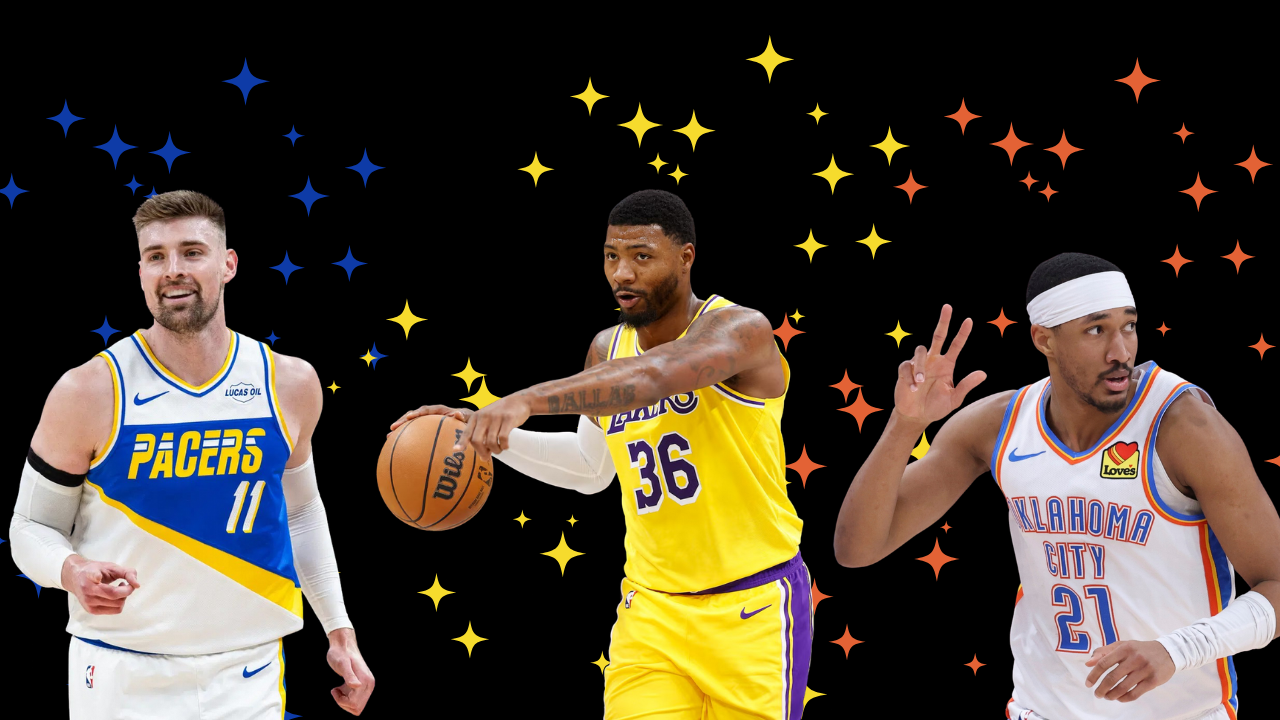
Kelly Oubre Jr. (Indiana Pacers)
The Pacers are being underdiscussed heading into the 2026-27 season. In a “what have you done for me lately?” league, their injury-ravaged 2025-26 campaign was apparently enough to make people forget what this core has proven they can accomplish. They’ll be looking to remind the world what they’re made of this year, and Kelly Oubre is more than ready to help them do just that.
With 11 years in the association under his belt, Oubre is an established commodity, and a valuable one at that. He’s the type of hard-nosed competitor who helps teams win playoff games. The 30-year-old should be a fun fit for Indy because he can amplify their strengths and improve some of their weaknesses.
While he’s shown in the past he can fill up the scoring column, Oubre’s strongest trait at this stage of his career is his defense. For the 76ers in 2025-26, his matchup difficulty ranked in the 93rd percentile league-wide, and under the pressure of that responsibility, he rose as a 91st percentile perimeter isolation defender. Oubre embraces the challenge of guarding stars and can really bother them. Aaron Nesmith was previously Indiana’s sole wing stopper, but Oubre will give Rick Carlise another option in that department.
Oubre’s disruption is the other key to his defensive impact. He generated 4.86 deflections per 75 last season, a 95th percentile rate, and he turned a lot of those into steals. His ability to force turnovers helps him create extra possessions offensively, many of them in transition. In the open floor, Oubre is a weapon. He graded in the 91st percentile in transition shot making efficiency last year.
That fast-break prowess will serve Oubre well on a Pacers squad that excels when the tempo is high. Toss in his corner three-point shooting, general finishing talent, and infectious energy as the cherries on top, and it’s clear that Oubre could play a major role for Indiana deep into the postseason next spring.
Marcus Smart (Houston Rockets)
The injury-riddled seasons he had with Memphis and Washington seem to have tricked the masses into thinking Marcus Smart is washed. The former DPOY still has gas in the tank. He sent that message with his awesome first round performance for the Lakers against the Rockets in April. Ironically, he’s now joining Houston, where he’ll be a phenomenal culture fit and a sure-fire winning contributor.
Smart isn’t quite clamping up at the level he once was, but he remains a total nuisance for opposing offenses. He gets in the grill of stars, keeps the ball in front exceptionally well, and racks up steals and deflections. He’s also virtually unscreenable, grading out as a 95th percentile screen navigator last season. All told, there aren’t many point-of-attack stalwarts out there better than the Boston legend.
Houston has built their success and identity on defense, but they’ve been missing a veteran leader on that end since they traded Dillon Brooks for Kevin Durant. Marcus Smart is the perfect hire for that opening. This is a match made in heaven.
Smart’s notoriously shaky three-ball does warrant a pinch of concern here, especially with the playoffs in mind. The Rockets’ offense already has perimeter problems, and Smart isn’t going to fix that. But, he will be able to breathe some life into their attack in other ways. He’s long been an underrated playmaker; a guy who will get feet in the paint and create looks for his teammates out of the pick-and-roll. He dished out 3.34 high value assists (assists on threes, shots at the rim, or free throws) per 75 possessions in 2025-26, a 63rd percentile figure.
Jevon Carter (Orlando Magic)
This is a re-signing, not a new addition, for the Magic. But, Carter only played 30 games for Orlando last season after they picked him up in February, and his value will only become more obvious across a full campaign. Carter is a rugged 3&D guard, and while he likely won’t be more than a 15 MPG guy, he’s going to make a difference in that time.
Defenders have to respect Carter from outside because he’s more than willing to bomb away, especially when he’s on a heater. He launched 9.02 threes per 75 possessions in 2025-26, and the 36.3% clip he drained those at undersells the level of threat he is. The West Virginia product is a trusty pull-up machine. If he finds space in transition or when coming off a ball screen, he’s going to let it fly.
Orlando’s offensive woes have been well documented, and a healthy dose of Carter in the rotation next year could patch the wounds to some degree. He can open up more room for Paolo Banchero and Franz Wagner to operate inside the arc than Jalen Suggs and Anthony Black do, and that improved spacing could do wonders for unclogging what’s been a pretty gross offensive product in recent years.
Defensively, Carter is a rugged POA ace who eagerly pesters ball handlers for 94 feet and shakes off screens like they’re nothing. He’s only 6’0” tall, which puts him at a disadvantage, but his heart, hands, and lateral quickness make him a firm positive regardless. He’s no Suggs on D, but the dropoff isn’t crazy enough to rule out Carter playing over him for stretches if the offense starts to bog down.
Micah Potter (Portland Trail Blazers)
Potter will probably just be a third-stringer for Portland, but he’ll be a useful one. The big man has two specialties: shooting and rebounding. Both skills will give Micah Nori a reason to put him on the floor in certain situations.
It sounds crazy, but Potter is genuinely one of the best stretch fives in basketball. The volume is there (6.5 3PA per 75), he has a quick trigger, and he’s comfortable on spot-ups and as a popper. The former Wisconsin Badger banged home 42.2% of his catch-and-shoot triples in 2025-26, and he’s gone 38.9% from downtown for his career.
Potter’s legitimacy as a shooter could earn him more playing time than anyone is expecting. Portland will need to surround Ja Morant and Deni Avdija with as much spacing as possible, or things could get ugly for a club that was one of the worst high-volume shooting units in the league last year. Potter is one of the few above-average snipers on the roster period, and definitely the only one in the frontcourt (sorry Donovan Clingan, keep working on it). Letting him flank Morant, Avdija, and company at center makes sneaky sense.
Potter is a mediocre defender, but he does clean the glass well. He was a 87th percentile defensive rebounder and a 79th percentile offensive rebounder last season. That’s less important for him than his shooting, but still notable. Between him, Clingan, and Robert Williams, the Blazers’ bigs are going to pummel opponents on the boards.
The margins matter in the NBA. Stars raise ceilings, but players like Wiggins, Oubre, Smart, Carter, and Potter move the needle for teams and put them closer to their championship dreams. Keep an eye on these five guys in 2026-27.
This was a tough year for ranking players. The landscape of the league was already pretty tumultuous with new stars rising and old stars fading, and this season’s unusual amount of injuries threw an extra wrench in things. The biggest challenge was trying to do every guy justice when the sport is as rich with talent as it’s ever been.
That said, after diligently trimming down a pool of over 170 players, I’m here with my official top 100 players of the 2025-26 NBA season list. The list is based solely on performance in the 2025-26 season. Past years and future potential were not factored in.
A quick note: this offseason has been insanity, but none of the recent player movement will be mentioned in this piece since it’s a retrospective work. If you want thoughts on Giannis in Miami or Branden Carlson in Portland, you’ll have to go elsewhere.
Let’s dig in!
Prediction Leaveoffs: Cam Thomas, Myles Turner, Jordan Poole, Nikola Vucevic, Nic Claxton, Jaden Ivey, Cam Johnson, Dyson Daniels, Jakob Poeltl, Christian Braun, John Collins, Herb Jones, Malik Monk, Mark Williams, Santi Aldama, Mitchell Robinson
Spoiler alert: these guys are nowhere to be found on this list. They didn’t meet my preseason expectations. Here’s to next year being better for all of them, except Cam Thomas and Jaden Ivey, who almost certainly won’t be in the league.
Injury Leaveoffs: Jayson Tatum, Anthony Davis, Damian Lillard, Tyrese Haliburton, Trae Young, Kyrie Irving, Ja Morant, Domantas Sabonis, Dejounte Murray, Fred VanVleet, Walker Kessler, Ty Jerome, Bradley Beal, Zach Edey, Keegan Murray
These players did not appear in at least 30 regular season contests and therefore did not qualify for the list. Had they not been injured, they likely would have made it.
Honorable Mentions (110-101):
110: Neemias Queta
2025 rank: NR
Prediction rank: NR
109: Jabari Smith Jr.
2025 rank: NR
Prediction rank: 109
108: Josh Hart
2025 rank: NR
Prediction rank: NR
107: Bennedict Mathurin
2025 rank: NR
Prediction rank: 87
106: Toumani Camara
2025 rank: 110
Prediction rank: NR
105: Rui Hachimura
2025 rank: NR
Prediction rank: NR
104: Alex Caruso
2025 rank: 96
Prediction rank: 100
103: Cason Wallace
2025 rank: NR
Prediction rank: NR
102: Julian Champagnie
2025 rank: NR
Prediction rank: NR
101: Naji Marshall
2025 rank: NR
Prediction rank: NR
This section turned almost entirely into an homage to the role players that powered 2026’s top contenders. Champagnie, Wallace, Caruso, and Hart all had moments of individual brilliance for their respective teams deep in the playoffs. Rui Hachimura was a laser of a shooter all season. Did you know he’s the all-time leader in playoff three-point percentage at 51.6%? Neemias Queta surfaced as a real starting center for Boston after spending four years as a third-stringer at best. If you’re surprised Naji Marshall’s here, that’s a sign to lock in and watch more ball.
100: Peyton Watson
2025 rank: NR
Prediction rank: NR
Watson did Bench Mob Blog proud with his breakout 2025-26 season. The 2023-24 Bench Mob Player of the Year runner-up leapt offensively from a 8.1 PPG play finisher to a 14.6 PPG wing scoring threat, all while maintaining his defensive ferocity. In January, he shouldered star responsibility while Denver fought a slew of injuries, and he rose to the moment to the tune of 21.9 points and 3.0 assists per game on 49/46/71 splits.
99: Shaedon Sharpe
2025 rank: 100
Prediction rank: 68
Catch Shaedon Sharpe on the right night and you’d think he’s already an All-Star. You don’t average 20.8 points for a playoff team by accident in this league. Still, the young Canadian has a ton of improvement left to do. He shrunk for the Blazers in what was his first postseason series, logging just 13.4 minutes and an inefficient 7.2 points per contest. Less sporadicity, more consistency has to be Sharpe’s focus moving forward.
98: Kyshawn George
2025 rank: NR
Prediction rank: NR
George is the connector of what’s become a very exciting young core in Washington. At 22 years old, he’s already the ideal two-way complementary wing. He’s a versatile defender, a capable on-ball playmaker, and, most importantly, a smooth shooter. As George continues to mature, every contender in the association will have his name highlighted as a trade target, unless the Wizards enter the title hunt themselves.
97: Anfernee Simons
2025 rank: 83
Prediction rank: 90
The NBA is becoming less and less friendly toward guys of Simons’ archetype, but Anferno has held his ground. He’s one of the 10 or so best shooters in basketball— that’s gonna keep him on the floor. Simons was excelling in a sixth man role for Boston to start the year, scoring 14.2 PPG in 24.5 MPG, before he was traded to Chicago for Nikola Vucevic, which put a halt to his momentum.
96: Ayo Dosunmu
2025 rank: NR
Prediction rank: NR
Dosunmu was stuck on automatic last year. He apparently woke up one day in the fall and decided he never wanted to miss a jumpshot again. The Illinois product shot 51.7% from the field and 43.9% from three in the regular season, earning a ninth-place Sixth Man of the Year finish. His 43-point masterclass against Denver in the first round was maybe the most unexpectedly awesome performance of the postseason.
95: Collin Sexton
2025 rank: 64
Prediction rank: 85
How is Collin Sexton still so undervalued? He’s super efficient across the board, he pressures the rim, he competes, he limits turnovers, he can scale up, and he can scale down. In just 23.7 minutes per game last season, he posted 15.4 points and 3.3 assists while shooting 48.5% from the field and 40.1% from deep as a 6’3” guard. Sexton’s been stranded on bad teams for too long. He deserves his chance in the spotlight.
94: Saddiq Bey
2025 rank: NR
Prediction rank: NR
Bey returned to the hardwood looking as good as ever after tearing his ACL in 2024. The Pelicans had a bleak year, but their stocky small forward was a steady presence for them through all the ups and downs (mostly downs). He scored 17.7 points per game across 72 contests and averaged 20+ in three separate months. Call that empty stats if you want, but the consistency has to be commended.
93: Onyeka Okongwu
2025 rank: NR
Prediction rank: NR
Okongwu rewarded Atlanta for finally making him their full-time opener last season. He had already rooted himself as an impactful starting-caliber center with his defensive utility and skilled finishing. His wild transformation into a legitimate stretch five was like adding honey to a PB&J: a small touch that made something already great greater. The former sixth overall pick shot 37.6% from three on 5.2 attempts per game in the regular season and 45.5% on 3.7 attempts in the playoffs.
92: Matas Buzelis
2025 rank: NR
Prediction rank: 95
Anyone who thinks the 2024 draft class doesn’t have a future star hasn’t watched Matas Buzelis. His sophomore campaign gave downtrodden Chicago fans a reason to get stoked. With his rapidly improving jumper, aerial acrobatics in the paint, and weakside shot blocking, Buzi is as toolsy as it gets for a wing of his size. He hit the highest highs of any Bull in 2025-26, finishing the year with averages of 16.3 points, 5.8 rebounds, and 1.5 blocks.
91: VJ Edgecombe
2025 rank: NR
Prediction rank: NR
Being caught in the shadows of Cooper Flagg and Kon Knueppel wasn’t enough to snuff out VJ Edgecombe’s shine in his fantastic rookie year. He was on go from the jump, scoring 34 points in his NBA debut against Boston and never looking back. The 2025 third overall pick mixed highlights with the dirty work to make a difference for a playoff team. The fact that this is the worst he’ll ever be is terrifying for every team not called the 76ers.
90: Jerami Grant
2025 rank: NR
Prediction rank: NR
Grant went five full seasons without coming off the bench before his streak ended in 2025-26. Ironically, he was as integral to the Trail Blazers as ever despite being demoted. His steadfast shooting was desperately needed for a club that struggled heavily from the perimeter. The veteran forward notched 18.6 points per game on 45.3% from the field and could’ve competed for 6MOY if he didn’t fill in as a starter for long stretches.
89: Naz Reid
2025 rank: 98
Prediction rank: NR
Minnesota’s cult favorite big man has become a perennial 6MOY candidate. His fourth-place finish this year undersells the impact he made for the Wolves. Reid is a one-of-one frontcourt microwave who swings wins when he’s feeling it as a shooter and a slasher. He played some of his best basketball of the season against San Antonio in the second round, averaging 14.3 points and 7.7 rebounds on 50.8% shooting.
88: Jalen Suggs
2025 rank: 86
Prediction rank: 91
Suggs is Orlando’s heart and soul, especially on defense. He averaged 1.8 steals and 0.7 blocks in 2025-26 while grading out as a 94th percentile perimeter isolation defender and 98th percentile ball screen navigator, according to BBall Index. Unfortunately, the competitive chaos agent’s availability issues and shooting inconsistencies dilute the watermark he makes on the game. He shot 29.9% from the floor in the postseason. That won’t cut it.
87: Ajay Mitchell
2025 rank: NR
Prediction rank: NR
Sam Presti has done it again, folks. Mitchell came into the league with very little fanfare as a 38th overall pick on a two-way contract in 2024. Fast forward two years, and he’s become one of the most important players on one of the NBA’s top teams. Mitchell’s strengths as a creator and proven capability to scale up from his usual bench role have some people calling him Jalen Brunson 2.0, and that’s truly not crazy to say. The pinnacle of his season was his 22.5 PPG, 6.0 APG series against the Lakers— maybe that’s his version of Brunson’s 2022 breakout versus the Jazz.
86: Andrew Nembhard
2025 rank: 108
Prediction rank: 96
Despite being a preseason Most Improved Player favorite, Nembhard didn’t stir much buzz last year. The shroud of Indiana’s ruined season covered up that he definitely did get better. He posted career highs in points (16.9) and assists (7.7) per game, as well as three-point percentage (36.1%) and three-pointers made per game (1.9). Nembhard is a certified winner and he’ll be ready to remind the world in 2026-27.
85: Andrew Wiggins
2025 rank: 80
Prediction rank: 78
Wiggins still checks every box he did when he almost won Finals MVP in 2022, but the checks are in pencil now, not Sharpie. His defense hasn’t shone as bright as it did with the Warriors, but his shooting is as sharp as ever; his 41.1% from deep last season was a career high. This is a guy any contender would be ecstatic to have. The way the latter half of his time in the league has unfolded will always be cool.
84: Tobias Harris
2025 rank: 89
Prediction rank: NR
When Cade Cunningham struggled with his tremendous creation load (which didn’t happen too often), Harris was able to step in and be a trusty bail-out guy, especially in the playoffs. He’s getting up there in age, but he hasn’t lost the juice in the mid-range; his ability to get a decent look off the dribble on any drive is borderline miraculous. He fried Orlando in the first round, averaging 21.6 points and 8.1 rebounds, stamping that series as the Tobias Harris renaissance.
83: Ausar Thompson
2025 rank: NR
Prediction rank: 94
This is the premiere perimeter defender in the sport. Thompson was the anchor for Detroit’s defensive machine as a wing. He clamped everybody, using his freakish athleticism that only his brother can match to stick to his matchups as tightly as a big dog holds his toy during tug of war. The 23-year-old’s offense needs refining, and if he makes that happen, then look out, NBA.
82: Draymond Green
2025 rank: 67
Prediction rank: 71
Draymond’s presence is felt more when the Warriors are playing meaningful basketball. He’s a ceiling raiser, not a floor raiser. In 2024-25, he was a Defensive Player of the Year contender, but he slipped a bit last year as Golden State fell out of the playoff picture. One thing will forever be true about Green, though: he leaves it all out there night in and night out, no matter the score or his team’s record.
81: Alex Sarr
2025 rank: NR
Prediction rank: 105
Sarr made quiet strides for Washington in the midst of their irrelevance last season. His defense was impressive in his rookie campaign, and he further cemented his potential on that end as a sophomore to the tune of 2.0 blocks per game and standout versatility. The Frenchman’s more extensive growth happened on offense, though. He was much more intentional about scoring the paint, increasing his two-point percentage from 45.4% 52.6% while totaling 16.3 points per game.
80: Dylan Harper
2025 rank: N/A
Prediction rank: NR
One word can summarize Harper’s maiden voyage in the NBA: special. He couldn’t *quite* keep up with Cooper Flagg, Kon Knueppel, and VJ Edgecombe in the regular season, at least in the eyes of the national media, but he made up for his lost ground and then some in the playoffs. The kid from Rutgers was San Antonio’s best player for stretches during their Finals run. That’s inconceivable stuff for a 20 year old. Harper is next up.
79: Coby White
2025 rank: 51
Prediction rank: 53
The Hornets pegged Coby White as their sixth man after trading for him, a role he’s way overqualified for. The flashy guard proved to be an immaculate fit in Buzz City, though, because of his love for pushing the pace and bombing triples. He plugged right into Charlotte’s electric hive mind like a Demogorgan in the Upside Down. White’s signature moment came when he hit one of the craziest shots of the year in the play-in against Miami.
78: Donovan Clingan
2025 rank: NR
Prediction rank: 107
Clingan is a giant man who makes a giant mark on the court. He’s the textbook traditional center— a stoic rim protector (1.7 blocks per game), stonewall screener, and elite rebounder. The UConn alum led the NBA in offensive boards at 4.5 per contest. Clingan was centric to Portland’s playoff push, holding down the paint on both ends and showing he’s their five for the future.
77: Kristaps Porzingis
2025 rank: 46
Prediction rank: 46
The assumption is always that Porzingis will be unhealthy, but 2025-26 was a particularly injury-riddled season for him. He split his 32 games just about evenly between Atlanta and Golden State, putting up 16.7 points in a career-low 24.0 minutes per game. His fit with the Warriors is intriguing because he’s still an offensive cheat code, but we didn’t get to see the full extent of it. Maybe next year?
76: Ivica Zubac
2025 rank: 41
Prediction rank: 47
Zubac couldn’t recapture the magic of his borderline All-NBA 2024-25 crusade, but that doesn’t mean he forgot how to be a bruising bully of a double-double machine. He very much didn’t. Big Zu virtually sleep walked his way to 14.4 points and 11.0 rebounds through 43 rollercoaster games with the Clippers before his season came to a premature end when the Pacers shut him down after the trade deadline.
75: Miles Bridges
2025 rank: 76
Prediction rank: 74
Bridges was the adult in the room (which probably isn’t ideal) for a young and unchained Hornets squad in 2025-26. He can be an erratic player himself, but he’s streamlined his approach to be better weaponized next to stars like LaMelo Ball. The lefty had his most efficient season since his 2021-22 breakout, registering the third highest TS% and second lowest TO% of his career.
74: Devin Vassell
2025 rank: 105
Prediction rank: 102
San Antonio wouldn’t be where they are right now without Devin Vassell. Their 2020 lottery pick has matured into a championship-caliber role player, and he’s sacrificed to get there, too, because just three years ago he was featured like a star in the Spurs’ offense. Vassell’s 13.9 PPG average was the lowest since his sophomore season, but his impact was arguably as loud as ever.
73: Payton Pritchard
2025 rank: 95
Prediction rank: 89
Pritchard continued his upward trajectory in 2025-26, finally being granted a starting job after making it clear he was overequipped for sixth man duty. He’s the perfect guard for Mazzulla-ball because he knocks down threes and influences the possession battle by rebounding above his size and keeping turnovers down. He’s a little too prone to dropping off in consequential games, mainly because he gets hunted on D, but he’s undoubtedly vindicated his past clamor for a larger role.
72: Josh Giddey
2025 rank: 77
Prediction rank: 66
Giddey exemplifies the significance of situation and context in the NBA. His 2023-24 season with OKC was notoriously poor (their dynasty did start after him, to be fair), but he’s revived his reputation in Chicago because he’s a cleaner fit in their system. He conducted the Bulls’ high-pace offense in 2025-26, averaging career-highs of 17.0 points, 8.3 rebounds, and 9.1 assists per game.
71: Ryan Rollins
2025 rank: NR
Prediction rank: NR
The real MIP of 2025-26, Rollins completed an improbable rise from scrap heap pickup to franchise cornerstone. The Giannis drama, injuries, incompetent coaching, and so much more ravaged the Bucks last season, but Rollins made weathering the storm worth it. He carried himself like a stud in the backcourt, averaging an efficient 17.3 points, 5.6 assists, and 1.5 steals and emerging as the hero Milwaukee needed in countless shorthanded contests.
70: Immanuel Quickley
2025 rank: 85
Prediction rank: 79
It became obvious how crucial Quickley was to Toronto last season when he missed the playoffs with an injury. The Raptors were already one of the worst shooting units in hoops, and their halfcourt offense felt even clunkier in the absence of their best perimeter guy. IQ averaged 16.4 points and a career-high 5.9 assists while hitting 37.4% of his triples in the regular season.
69: Tyler Herro
2025 rank: 43
Prediction rank: 50
Herro didn’t let a flurry of injuries stop him from eclipsing the 20 PPG mark for the fifth straight year. He generally looked like his All-Star self in 2025-26, but with only 33 appearances in the book, he wasn’t a major factor for the Heat across the season as a whole.
68: Jalen Green
2025 rank: 54
Prediction rank: 60
A hamstring strain kept Green sidelined for large chunks of his first season with the Suns. When he was on the floor, he had some thrilling moments, including a 35-point game against Portland and a 36-ball against Golden State in the play-in to help Phoenix secure the eighth seed. Green shot 50.9% on twos last year, a career best, while grading in the 85th percentile of BBall Index’s finishing talent metric.
67: Aaron Gordon
2025 rank: 74
Prediction rank: 80
Gordon kicked off last season with a bang, pouring in a 50-piece while going 10/11 from deep in Denver’s opener against Golden State. He was on track to have one of his better offensive campaigns, but injuries hindered that, as he only logged 36 regular season outings. He also wasn’t fully available for the Nuggets’ embarrassing series against Minnesota, and his two-way ruggedness was deeply missed.
66: Zach LaVine
2025 rank: 48
Prediction rank: 41
LaVine scorched nets at the beginning of the year, averaging 29.2 points on 67.0% TS in October. After that, he became submerged in Sacramento’s mediocrity. The two-time All-Star had a productive season overall, even if it wasn’t his best, but it just didn’t matter for anything. He got sent to Cancun earlier than his Kings teammates when he underwent right hand surgery in February.
65: Mikal Bridges
2025 rank: 68
Prediction rank: 63
Everyone and their momma felt like five first round picks (and a swap) for Mikal Bridges was an overpay for the Knicks, but he just literally and figuratively said “(redacted) them picks” by helping New York hoist the Larry O’Brien. The lanky wing didn’t have his most consistent season, but his timely shotmaking and defensive disruption were invaluable for the ‘Bockers.
64: Amen Thompson
2025 rank: 73
Prediction rank: 57
Thompson’s uniqueness makes him both a weapon and a puzzle for the Rockets. He’s proven himself as an all-world defender, and Houston can count on him to bring it every night— he played 79 games in 2025-26 while leading the league in total minutes played. The questions lie on the offensive end. He can produce, no doubt (18.3 PPG in the regular season, 19.2 in the playoffs), but is he optimized on or off the ball, and what’s his ceiling if he never develops a jumpshot?
63: Jaden McDaniels
2025 rank: 82
Prediction rank: 88
No player gained more aura in 2025-26 than Jaden McDaniels. He talked a lot of trash during Minnesota’s series against Denver and backed it all up. In all seriousness, JMac gets plenty of praise for his defense, but his offensive growth has continued to go underrated. He averaged 14.8 points and 2.7 assists while shooting 41.2% from three last season, all career highs. He’s ready to be more prominent in someone’s gameplan.
62: Nickeil Alexander-Walker
2025 rank: NR
Prediction rank: NR
Alexander-Walker shattered all expectations last season, erupting as an off-ball offensive star and earning the MIP trophy. Atlanta handed him high usage from the get-go, and it didn’t take him long to supress the growing pains and rise with his new responsibility. NAW racked up 20.8 points per game, a +11.4 increase from 2024-25, although that dropped to an inefficient 13.7 in what was his first playoffs as a marked man.
61: RJ Barrett
2025 rank: 57
Prediction rank: 64
His reputation is one of inconsistency and shakiness, but Barrett is more reliable than he gets credit for. He doesn’t lead the 2019 draft class in career scoring out of luck— he’s a walking 20-ball. Toronto’s shaky offensive infrastructure didn’t stop Barrett from going for 24.1 points per game in the postseason. He could definitely stand to clean up his efficiency and defensive effort, though.
60: Brandon Miller
2025 rank: INJ
Prediction rank: 73
Paul George is Brandon Miller’s GOAT, and PG13’s influence shows in Miller’s silky but fiery scoring package. The 2023 second overall pick is one of the NBA’ most lethal off-ball shooting threats. He drilled 38.3% of his 8.2 three-point attempts per game, finishing ninth in the league in three-pointers made per game, while averaging 20.2 points. His ancillary skills are slowly coming along as well.
59: Kon Knueppel
2025 rank: N/A
Prediction rank: NR
Knueppel’s rookie year was a historic one. Not only did he break the all-time record for most three-pointers in a season by a freshman, he surpassed the mark for most triples by a Hornet in a single season and became the first rookie to ever lead the entire NBA in threes made. The Wisconsin kid’s burner and overall off-ball savvy made him a key cog of what was a wicked fun Charlotte group. It was disappointing to see him go ghost in the play-in.
58: Jrue Holiday
2025 rank: 70
Prediction rank: 81
Holiday set the standard for the young Blazers all year long as they made their return to the playoffs. We know what he brings defensively, even after 17 seasons. Offensively, he was comfortable scaling back up for Portland after doing a lot of chilling on that end with Boston. He averaged 16.3 points on 52.7% from two and 37.8% from three, and here’s the kicker: just 31.7% of his twos and 56.9% of his threes were assisted, compared to 49.3% and 86.1% in 2024-25 with the Celtics.
57: Derrick White
2025 rank: 44
Prediction rank: 45
He’s been an elite defender for years, but 2025-26 was a masterpiece from White on that side of the ball. He ranked 13th in the league in total blocks (first amongst guards) while finishing sixth in DPOY voting and earning All-Defensive First Team honors. Unfortunately, all that excellence on D came with an offensive dropoff. The typically steady guard couldn’t buy a bucket, going 39.4% from the field in the regular season and 32.1% in the playoffs.
56: CJ McCollum
2025 rank: 63
Prediction rank: 70
Where were you when CJ McCollum became New York’s biggest villain? The veteran star was locked in for the playoffs and helped the Hawks give the Knicks arguably their toughest series (nobody else stole two wins for the eventual champs). McCollum failed to exceed 20 PPG for the first time since his sophomore year in 2014-15, but he was still a dependable offensive option, especially in the clutch.
55: Dillon Brooks
2025 rank: NR
Prediction rank: NR
Brooks is the definition of a culture changer. He was a leader for the Grizzlies as they graduated from their early 2020s rebuild, and when they let him walk, their falloff began. After that, he touched down in H-Town for two years and aided the Rockets’ return to the playoffs as well. With the Suns in 2025-26, he made his most seismic impact to date, embracing a volume scoring role (20.2 PPG in the regular season, 26.0 PPG in the postseason) while setting the tone for the league’s 10th-ranked defense.
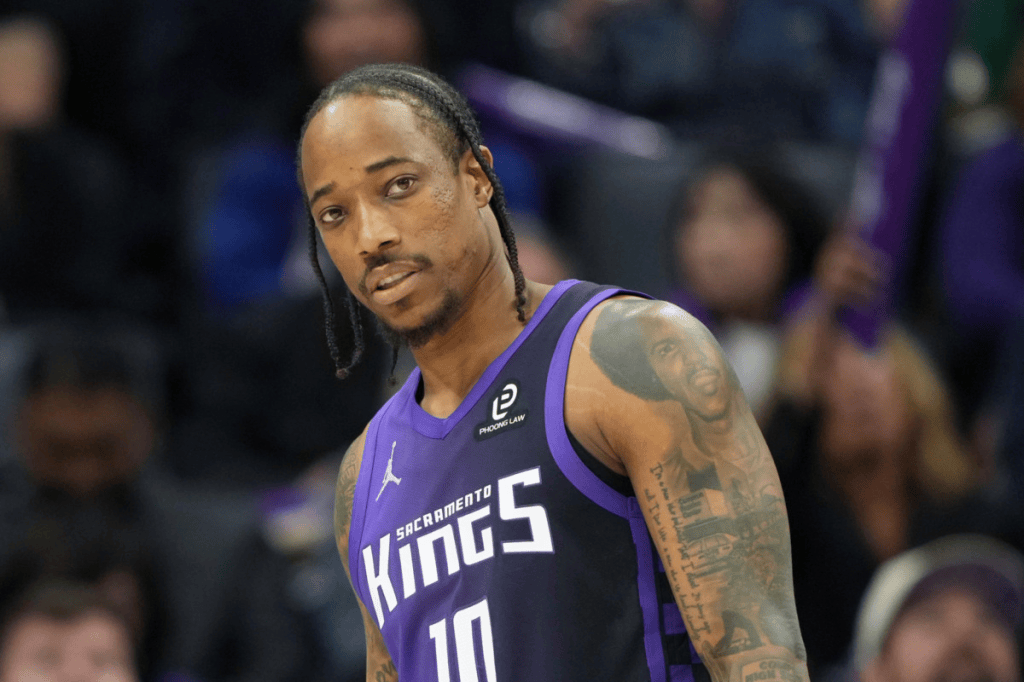
54: DeMar DeRozan
2025 rank: 47
Prediction rank: 52
There wasn’t much to get excited about in Sacramento last year, but DeMar DeRozan was one of the bright spots. Nobody could’ve blamed him for being disgruntled, but if he was, he never showed it. The old pro led by example for a dysfunctional Kings team that needed direction, suiting up 77 times and posting 18.4 points and 4.1 assists per game on 49.7% from the field. He hasn’t lost much of a step in the mid-range or in the clutch.
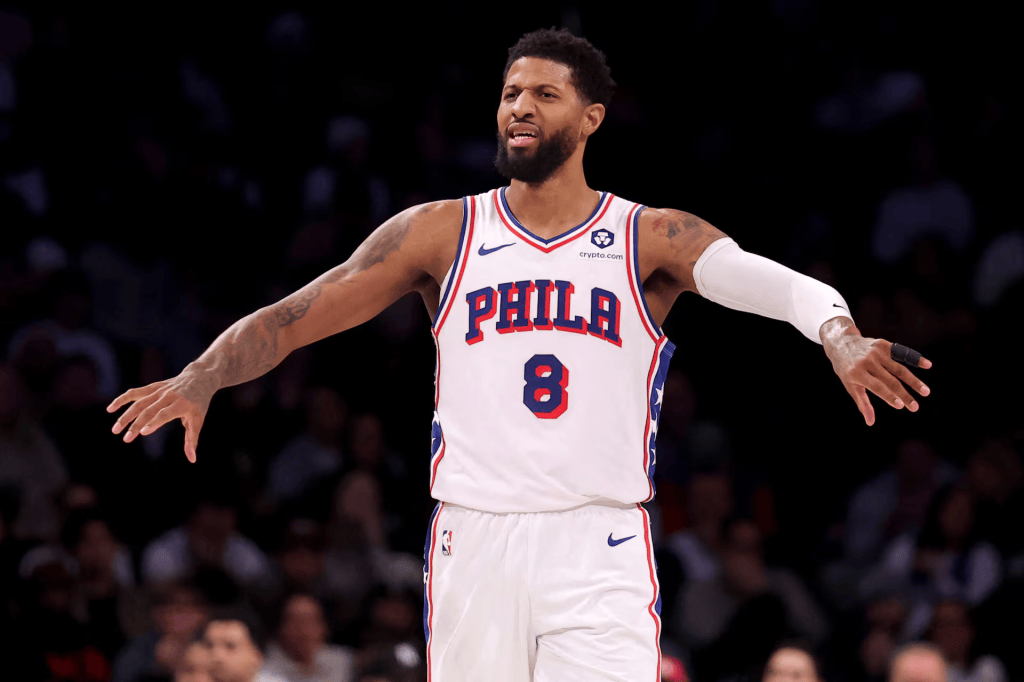
53: Paul George
2025 rank: 71
Prediction rank: 75
In 2024-25, George was memed relentlessly for being washed, but the future Hall of Famer has now flipped the narrative. He was a cream-of-the-crop 3&D guy in the regular season, and in the playoffs, he elevated his game and went toe-to-toe with Jayson Tatum and Jaylen Brown as the 76ers upset the Celtics. There’s one unignorable stain on George’s campaign, though: the drug suspension that held him out for 25 contests.
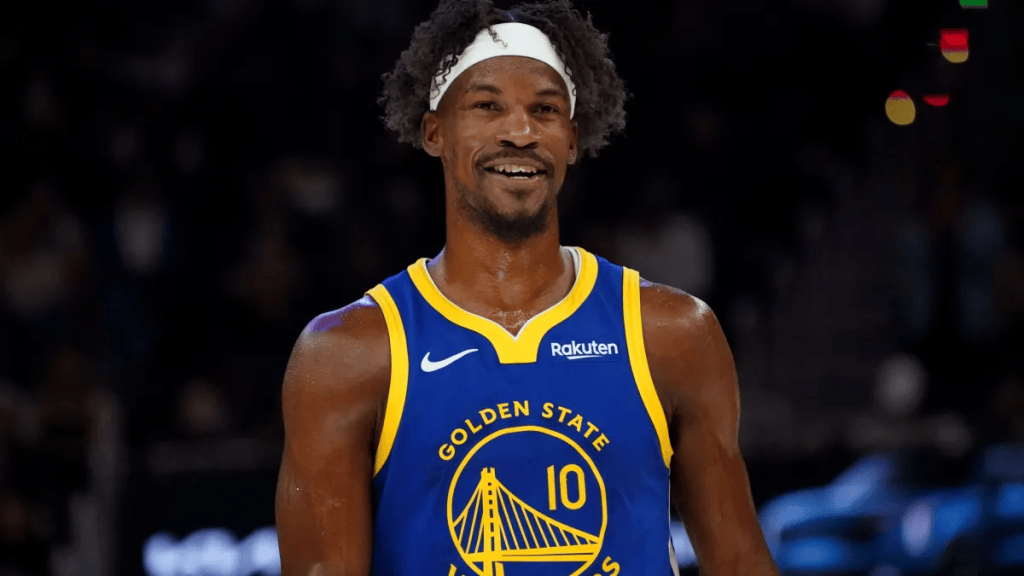
52: Jimmy Butler
2025 rank: 37
Prediction rank: 39
Jimmy G. Buckets got buckets in 2025-26, but only for about three months before he tragically tore his ACL. His injury was a gut punch to the Warriors, who ultimately missed the playoffs. Things could’ve been different if they had Butler, who sank the second-best FG% and TS% of his career last season, in the fray in the spring.
51: Jalen Williams
2025 rank: 31
Prediction rank: 24
2025-26 was a lost year for Williams, who played just 33 games in the regular season and five of OKC’s 15 in the playoffs. He couldn’t find much of a rhythm as he popped in and out of the lineup. The Thunder went 39-10 without J-Dub during the 82-game slate, but were clearly weakened in the absence of their second banana when the going got tough in the Conference Finals.
50: Trey Murphy III
2025 rank: 56
Prediction rank: 62
Murphy all but cemented his star development last season. He put up 21.5 points and 3.8 assists per game on the second-highest TS% of his career for the painfully mediocre Pelicans. More than ever, New Orleans leaned on him to create on the perimeter, emphasized by him attempting a career-low 9.6% of his threes from the corner, a far cry from the 38.7% rate he launched as a rookie. The next step for Murphy will be to prove he can do this stuff on a contender.
49: Franz Wagner
2025 rank: 33
Prediction rank: 30
The pros and cons of Wagner’s game have become a bit tricky to weigh. He’s definitely being dampened by his redundancy next to Paolo Banchero and the general defects of Orlando’s offensive ecosystem. That said, how much do his own shooting issues not only hold him back from being the guy, but also make him part of the problem on the Magic? At the very least, he’s a fantastic two-way utility forward.
48: Norman Powell
2025 rank: 62
Prediction rank: 69
After being (debatably) snubbed from the squad in 2024-25, Norman Powell went on a revenge tour last season and made his first career All-Star game. He carried the flame for Miami as a shotmaker when Tyler Herro was hurt, serving as the sole flamethrower on a team that otherwise (as hard as Bam Adebayo tried) didn’t pack much of a perimeter punch. The vet tailed off in the spring, though, making just 13 appearances and shooting 31.7% from trey after the All-Star break.
47: Jarrett Allen
2025 rank: 42
Prediction rank: 48
Allen has always been the quiet driver of Cleveland’s success. He’s rarely praised by the masses but he’s so, so significant to his team on both ends of the floor. The sturdy man in the middle had one of his most productive offensive campaigns in 2025-26, posting 15.4 points per night (the third highest output of his career) on 63.8% shooting (fifth in the NBA), and the Cavs were at their best when he was aggressive. Never forget 2026 as the year “Game 7 Jarrett Allen” was born.
46: Keyonte George
2025 rank: NR
Prediction rank: NR
George made one of the loudest breakouts of the year, going from an overlooked part of an underwhelming Jazz team to an irrepressible offensive stud. Had he played 65 games, he would’ve been firmly in the running for MIP, and he certainly put his name in the hat for an All-Star berth. The third-year guard averaged 23.6 points, 6.1 dimes, and 1.1 steals on 46/37/89 splits, all career bests.
45: Stephon Castle
2025 rank: NR
Prediction rank: NR
It’s no coincidence that San Antonio asserting themselves as contenders happened alongside Steph Castle’s year two leap. The 2025 Rookie of the Year personifies the organization’s ethos. He sliced and diced defenses on his way to putting up 16.7 points and 7.4 assists (sixth in the NBA) per night while simultaneously dogging superstars defensively. Castle has his glaring flaws, but he has the competitive spirit and mentality to overcome them in no time.
44: Austin Reaves
2025 rank: 53
Prediction rank: 56
Reaves looked like a genuine All-Star when he exploded out of the gates and averaged 32.0 points and 9.0 assists in October and 26.9 points and 5.5 assists in November. LA’s crafty underdog is a surefire regular season producer, but the playoffs have become a question mark for him. He coughed up 4.5 turnovers per game and let his TS% slip ten points (64.1 to 54.6) in six postseason battles for the Lakers last spring, although he was dealing with an oblique strain.
43: Rudy Gobert
2025 rank: 59
Prediction rank: 58
Gobert’s PR has never been higher than it was when he shut down Nikola Jokic in Minnesota’s first-round routing of the Nuggets. That series was an incredible display of individual defense from one of the league’s all-time great rim protectors. The four-time DPOY still doesn’t score much, but he has added keen short-roll passing to his bag, a wrinkle that only enhances his value as a little-things king.
42: Darius Garland
2025 rank: 32
Prediction rank: 35
It was kind of a bummer to see Garland traded away from Cleveland after 6.5 fruitful seasons there. But, the little guard (figuratively) wiped the tears and got right to business when he arrived in Los Angeles. The 26-year-old totaled 19.9 points and 6.4 helpers per game on 47/44/86 splits in 19 outings for the Clips, setting the stage for a new era of basketball in the Intuit Dome.
41: Jalen Duren
2025 rank: NR
Prediction rank: 103
Duren had a statement season for the up-and-coming Pistons. He posted 19.5 points and 10.5 rebounds (sixth in the NBA) while converting 65.0% of his field goals (fourth in the NBA) for the East’s finest. His efforts were rewarded with his All-Star and All-NBA nods and a runner-up MIP finish. But, Duren’s first playoffs as a star were a letdown, which will add scrutiny around him next year.
40: Cooper Flagg
2025 rank: N/A
Prediction rank: 72
The Maine Event wasted no time in showing he was worth the hype he got as a prospect. After a jittery debut, Flagg progressed rapidly, and by the spring, he was dropping 30 with regularity. He accepted a sizable creation load in an unideal situation and truly wowed under the pressure. The ROTY finished with averages of 21.0 points, 6.7 rebounds, 4.5 assists, 0.9 blocks, doing it all before even turning 20.
39: Lauri Markkanen
2025 rank: 65
Prediction rank: 44
Markkanen started last year on a sustained heater, operating like a more mature and focused version of his 2023 self. He torched the Suns for 51 points just before Halloween and went on to average 26.7 points and 2.1 assists per game, both career highs. Utah’s tanking agenda took the wheels off his wagon, though, and he played only one game after the All-Star break.
38: Michael Porter Jr.
2025 rank: 81
Prediction rank: 76
Brooklyn made Porter Jr. their 1A guy and his numbers reflect that promotion. With averages of 24.2 points, 7.1 rebounds, and 3.0 assists, he had his name in All-Star conversations despite the Nets being unexciting. That may scream empty calories to you, but MPJ’s hoops were more efficient and sustainable than what meets the eye. He was still primarily deployed as an off-ball killer, he was just given more chances to hunt his shot.
37: Chet Holmgren
2025 rank: 45
Prediction rank: 23
The elephant in the room here is Chet’s four point, two shot attempt disasterclass in Game 7 against the Spurs in the Western Conference Finals. That infamous performance was a microcosm of the first-time All-Star’s overarching downfalls. At his best, he’s a two-way game-breaker (see: Round 2 vs. the Lakers), but he gets timid offensively and pushed around defensively too often. Holmgren took strides last season, but he still has so much potential left untouched.
36: Evan Mobley
2025 rank: 29
Prediction rank: 26
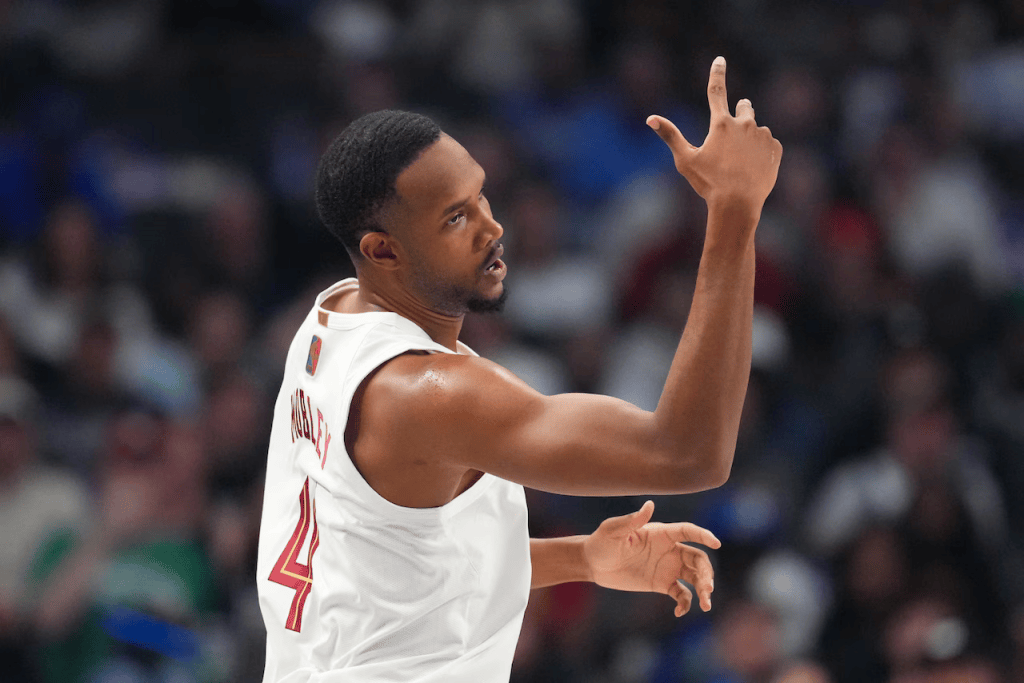
After making his first All-NBA team and winning DPOY in 2024-25, further ascension seemed to be in the cards for Mobley last season, but he ended up more or less plateauing. Still an all-world defender, the big man placed fourth in the league in blocks per game at 1.7, but he missed out on postseason awards due to the 65 game rule. His offensive production was eerily similar to the previous year’s.
35: OG Anunoby
2025 rank: 58
Prediction rank: 55
What a phenomenal year it was for OG Anunoby, the epitome of a championship role player. He filled so many gaps as the heart and soul of New York’s team of destiny. Long renowned for his defense, the awkward but loveable forward was finally named to his second career All-Defensive team in 2025-26. He stole the show offensively, too, though, ramping up within his low-mistake, cut-and-shoot style of play to average 20 points in the playoffs on the way to a title.
34: Zion Williamson
2025 rank: 24
Prediction rank: 19
For the third time ever, Williamson had a nearly fully healthy season in 2025-26. The heavyweight southpaw accepted a slightly diminished role, averaging career-lows in points (21.0) and field goal attempts (13.0), but perhaps the reduced weight on his back allowed him to stay healthy. Zion remains an automatic finisher and matchup terror when he’s in form.
33: Jaren Jackson Jr.
2025 rank: 30
Prediction rank: 33
At the trade deadline, Jackson Jr. escaped the sinking ship that was the Grizzlies, and his debut parade with the Jazz was intriguing. Will Hardy immediately started tinkering with ways to utilize the versatile big and found positive returns quickly. We’re talking 22.3 points, 2.7 assists, and 2.0 steals in just 24.0 minutes for Trip in his first three games with Utah before he got shut down. Safe to say the All-Star should be a fun fit there moving forward.
32: Desmond Bane
2025 rank: 50
Prediction rank: 49
The ever-evolving Desmond Bane was quietly excellent for Orlando last season. The days of him being just a shooter are buried in the past. If anything, he might even be a better slasher now than he is a sniper, and that’s saying something. Bane toughed out all 82 games, notching 20.1 points and 4.1 assists a night on 48/39/91 splits. If the Magic would’ve finished higher in the standings, their two guard would have had a sneaky case for All-NBA.
31: Brandon Ingram
2025 rank: INJ
Prediction rank: 42
Ingram’s halfcourt offensive burden for Toronto was so substantial he had to moonlight as Atlas from Greek mythology at times. In the regular season, the Slenderman smoothly scored 21.5 points per night on 57.3% TS, picking up his first All-Star nod since 2020 and helping the Raptors exceed preseason expectations. In the playoffs, though, Cleveland zeroed in on locking him up, and the result was an ugly 12.0 PPG, 32.8% FG series to cap off what was otherwise a strong campaign for him.
30: Alperen Sengun
2025 rank: 36
Prediction rank: 36
Polarizing is an understatement to describe the discourse around Alperen Sengun. The two-time All-Star’s post-up playstyle isn’t always pretty, but it’s effective. He was the nucleus of Houston’s top ten offense in 2025-26, totaling 20.4 points and a career-high 6.2 assists per game. But, his touch, turnover, and athletic deficiencies can be seriously detrimental. They really reared their heads in the Rockets’ series against the Lakers, where Sengun hardly outplayed Deandre Ayton.
29: De’Aaron Fox
2025 rank: 26
Prediction rank: 27
Fox has been dragged through the mud and clowned mercilessly after his woeful play deep in the playoffs. He’s set the bar too high for himself to not be held accountable, but the pendulum has swung too far in the wrong direction. Swipa has been instrumental to San Antonio’s climb to contention, serving as almost a supercharged X-factor who can make the team unstoppable when he’s on, as well as a guiding hand on an extremely young roster. Fox made his second career All-Star game in 2026, which was long overdue after some inexcusable snubs during his time in Sacramento.
28: Julius Randle
2025 rank: 39
Prediction rank: 40
Randle giveth, Randle taketh away. That’s been the story of his career, and 2025-26 encapsulated that. The man has to be respected for his durability and (mostly) unwavering production in the regular season— it’s what’s made him a mighty fine second banana for Anthony Edwards. Yet, when the postseason rolls around, he becomes a total wild card. He had a brutal series against San Antonio, turning in a measly 12.8 points per game on 34/19/73 splits as Minnesota got sent packing.
27: LeBron James
2025 rank: 11
Prediction rank: 16
Basketball’s unaging GOAT noticeably regressed in 2025-26, which was bound to happen eventually but still feels weird. LeBron willingly took a backseat behind Luka Doncic and, to some degree, Austin Reaves, and it was the right call. He popped in his playmaking-first role. He made sure to deal some damage getting downhill as a scorer, too, though, of course. In the playoffs, James was far and away the best player in LA’s duel against the Rockets at 41 years old. Granted, Luka and Kevin Durant were hurt, but still. Unfathomable stuff.
26: Jalen Johnson
2025 rank: 55
Prediction rank: 43
The idea of a jumbo playmaker is enticing, but they’re hard to come by in actuality. Jalen Johnson is the real deal. The high-flying Hawk was a triple double machine last season, racking up 22.5 points, 10.3 rebounds, and 7.9 assists per game, all career highs. He made his first All-Star game and All-NBA team while spearheading Atlanta’s playoff push, leaving no doubt about who the franchise player in the post-Trae-Young era will be.
25: Bam Adebayo
2025 rank: 40
Prediction rank: 37
Bam gave us the single most memorable individual performance of the year with his 83-point stunner against Washington. 2025-26 was a season of increased aggression for him offensively overall. He averaged a career-high 15.7 field goal attempts, 5.5 of which came from deep, and turned that into his second 20 PPG campaign. Adebayo’s efficiency took a hit as he diversified his shot diet, but his defense didn’t relent.
24: Paolo Banchero
2025 rank: 23
Prediction rank: 14
Banchero would be a force to be reckoned with if he cut the fat from his game and leaned further into his strengths. Even in his current state, he’s shown he’s capable of delivering Herculean efforts in meaningful settings. In the first round against Detroit, the former first overall pick poured in 26.3 points, 9.0 rebounds, and 6.3 assists across seven hard-fought contests, doing his darndest to will a flawed Orlando team to an upset.
23: Joel Embiid
2025 rank: INJ
Prediction rank: 11
Even a hobbling, half-hurt Embiid can give defenses headaches. Just ask the Celtics, who got 28.0 points, 9.0 rebounds, and 7.0 dimes per game hung on them by the 2023 Most Valuable Player in the first round. Sadly, peak Joel may never return. Heck, even getting 50 regular season games out of him feels impossible now. A once-in-a-generation player has become a once-in-a-generation what-if.
22: Pascal Siakam
2025 rank: 17
Prediction rank: 20
It’s a shame Siakam didn’t get the chance to play postseason hoops last season. But, the 2025 Eastern Conference Finals MVP didn’t let anyone forget about him despite Indiana’s dreary year. He suited up 62 times when no one would have blamed him for only playing 30. On top of that, he scored 24.0 points per game, 0.2 short of his career-high, while receiving his fourth All-Star stamp.
21: Devin Booker
2025 rank: 22
Prediction rank: 15
OKC put Booker in a straitjacket in the first round of the playoffs, holding him to “only” 21.3 points (well below his postseason career average) and forcing him into 4.0 turnovers per game in what was a breezy sweep of a series. Book’s struggles can mostly be chalked up to the lack of creation around him on a defensively-slanted Phoenix squad. In the regular season, he registered 26.1 PPG as the Suns somewhat surprisingly made the ‘offs in the first place.
20: James Harden
2025 rank: 16
Prediction rank: 22
It’s ironic and fascinating that every time James Harden, one of the all-time great scorers, falls apart in the playoffs, it’s his ability to put the ball in the basket that fails him. At age 36, he’s still a massively influential floor raiser. He was awesome in the regular season, and Cleveland wouldn’t have made the Conference Finals if they hadn’t brought him in. But, when the lights are brightest, he can go ghost or, even worse, utterly embarrass himself (see: Game 1 vs. the Knicks in the ECF).
19: Jamal Murray
2025 rank: 49
Prediction rank: 38
Denver’s iconic Robin had some Batman moments in what was easily his finest individual campaign. Murray finally captured the All-Star and All-NBA mantles that had been alluding him after averaging 25.4 points, 4.4 rebounds, and 7.1 assists on 48.3% from the field and 43.5% from three, all of which were career highs, across 75 games. He had a rough go in the playoffs, but so did every other Nugget.
18: Deni Avdija
2025 rank: 72
Prediction rank: 51
Avdija’s trajectory arrow is stuck facing up. He made himself an MIP contender for the third straight year in 2025-26, and this was his most impressive jump yet. The slashing sensation powered Portland to the postseason, dropping 24.2 points and 6.7 assists per game in the regular season and exploding for 41 and 12 in the play-in win that secured the seven seed for the Blazers. Avdija made his first All-Star team and nearly cracked All-NBA, too.
17: LaMelo Ball
2025 rank: 34
Prediction rank: 34
Charlotte wouldn’t have achieved the same blend of success and excitement that they did in 2025-26 without their engine, LaMelo Ball. His incautious and occasionally outrageous style distracts watchers from the fact that he can be a high-octane dynamo of an offense unto himself. He reigned himself in a smidge last season, averaging 20.1 points on 17.3 field goal attempts, both of which were his fewest since 2021-22, but his sacrifice paid off as he led the Hornets out of the NBA’s doldrums.
16: Scottie Barnes
2025 rank: 52
Prediction rank: 54
Scottie Barnes is Scotiabank Arena’s superhero. He did everything for the Raptors last season. The two-time All-Star commandeered the league’s fifth ranked defense, smothering opponents of all sizes and hogging stocks on his way to a fifth place DPOY finish. He ran the show offensively too, especially in the playoffs, where he shredded the Cavs for 24.1 points and 8.6 assists per game, almost backpacking Toronto to a series win over the eventual Eastern Conference finalists.
15: Karl-Anthony Towns
2025 rank: 18
Prediction rank: 21
Every year, Towns makes anyone who has doubted his ability to be a winning player look foolish. Now that he’s an NBA champ, he’s permanently silenced those haters. We saw KAT at his most poised and determined during the playoffs. His uncharacteristically low average of 15.9 points from the banner run profoundly unsells his contributions. New York reaching the pinnacle was made possible by Towns’ passionate efforts on both ends.
14: Jaylen Brown
2025 rank: 27
Prediction rank: 25
Over a half-decade of debates were on the line when Brown stepped up to the plate as top dog for the first time in his career. Was he better than Jayson Tatum? No. Did he wear the Superman cape admirably, though? Absolutely. JB put his nose to the grindstone and tore up the association with 28.7 points per game, ensuring the Celtics were still a buzzsaw.
13: Tyrese Maxey
2025 rank: 35
Prediction rank: 31
Tyrese Maxey is special. There’s a reason why he’s become known as “The Franchise” in Philly. At 25 years old, he just averaged 28.3 points, 6.6 assists, and 1.9 steals while pacing the league in minutes per game. Each and every night, he cooks defenses with a mix of Flash-like speed, artisan craft, and habitual haymakers. Maxey is the ultimate gamer, and the All-NBA Third Team nod he got in 2025-26 was simply not enough recognition for the year he had.
12: Stephen Curry
2025 rank: 9
Prediction rank: 9
Steph needs help! That’s probably never been said before, but with the level he’s been balling at this late in his career, it’s nothing short of a travesty that he didn’t sniff the playoffs in two of the past three seasons. In 2025-26, Curry only played 43 games, but in those appearances, he was exactly what’d you expect him to be— a court-warping shooter whose hot nights spell humiliating defeat for his adversaries.
11: Kevin Durant
2025 rank: 8
Prediction rank: 8
Houston brought in KD to be their halfcourt savior, and for the most part, he was. The Rockets really had no business being the eighth ranked offense last year considering they were 28th in three-point attempts, and Durant’s unbelievable bailout shotmaking deserves at least some of the credit for that overperformance. The Slim Reaper was a few missed free throws short of a 26.0 PPG 50/40/90 season. Unshockingly, Houston had a problem or two in the playoffs after he got injured.
10: Donovan Mitchell
2025 rank: 14
Prediction rank: 13
Mitchell’s been a fabled playoffs riser for some time, but 2026 was the year he got over the hump and into the Conference Finals. Although he had some spells of sketchy play during the postseason, his holistic body of work from the year is hard to critique. Spida, a tantalizing talent with a flair for heroics, averaged 27.9 points, the second highest rate of his career, on 61.3% TS while placing seventh on the MVP ballot.
9: Cade Cunningham
2025 rank: 20
Prediction rank: 12
Cunningham has officially entered superstar territory. Detroit’s inconceivably quick turnaround from laughing stock to juggernaut wouldn’t have come close to happening without their 2021 number one pick. Cade put on a ridiculous carry job offensively last season, orchestrating everything for the East’s top seed. He averaged 23.9 points and 9.9 assists in the regular season while making All-NBA First Team and landing fifth in MVP voting.
8: Anthony Edwards
2025 rank: 5
Prediction rank: 4
The NBA’s charismatic wunderkid adds more fuel to the “future face of the league” fire every year. Ant is a supreme scorer with an implacable desire to tear up opponents and be the greatest. He averaged a career-high 28.8 points in 2025-26, channeling his blazing shooting and authoritative slashing in unison to destroy defenses nightly. A knee injury nagged Edwards in the playoffs, which played a part in Minnesota falling short of the Conference Finals, but he and his team made sure to dumbfound their rival Nuggets before they were defeated.
7: Jalen Brunson
2025 rank: 7
Prediction rank: 7
The magic of Jalen Brunson and his 2025-26 season transcends what happens between the four lines of the hardwood. Brunson is, of course, a wizard on the court. He’s like a kid with bad hygiene at prom— nobody wants to dance with him in isolation. But, the newly minted Finals MVP’s imprint in New York can’t be quantified, certainly not with any award or statistic. He’s been crowned a king, a deity in the streets of a city that can feel like the beating heart of the league. What a joy it was to watch Brunson last year.
6: Kawhi Leonard
2025 rank: 13
Prediction rank: 17
Kawhi is full of surprises. The seven-time All-Star just had a career offensive campaign at age 35, averaging 27.9 points on 50/39/89 splits. He’s the human embodiment of a zen used for NBA2K. It truly feels like dude physically cannot miss, specifically in the mid-range. The crown jewel of Leonard’s year was his 65 games played— he did his best to stay available and drag the Clippers out of the 6-21 hole they dug themselves into in December. We likely would’ve seen a healthy Kawhi in the playoffs if LA didn’t face a possessed Al Horford in the play-in.
5: Giannis Antetokounmpo
2025 rank: 2
Prediction rank: 2
The Greek Freak’s year was clouded with drama, injuries, and general negativity. The vast majority of news covering Giannis in 2025-26 had nothing to do with his active performance. He only logged 36 games for the Bucks, but while at times his care and motor levels were disappointingly low, he displayed scorched-earth dominance in 90% of his limited burn. He somehow amassed enough layups and dunks in those 36 contests to qualify as the official two-point field goals per game leader, underscoring the gravity of his paint prominence.
4: Luka Doncic
2025 rank: 6
Prediction rank: 5
Luka’s numbers from 2025-26 sound made up. He averaged a league-leading 33.5 points along with 7.7 rebounds and 8.3 assists while also pacing the NBA with 4.0 three-pointers made per game. What’s even crazier is he can, and has, reached higher heights. Doncic is maybe the most gifted offensive player in hoops when he’s in peak form, and he wasn’t in peak form last season. Yet, he still posted those video game stats. Insane.
3: Nikola Jokic
2025 rank: 1
Prediction rank: 1
We’ll get the gloomy stuff out of the way first here. In Denver’s series against Minnesota, Jokic had one of the worst playoff showings from an MVP-caliber player in recent memory. His defensive drawbacks were exposed (understatement) and his offensive tricks were solved. But, the Timberwolves seem to be the only team that can slow down Joker, who finished top two in MVP for the sixth straight year in the regular season after averaging a 27.7 point, 12.9 rebound, 10.7 assist triple double, which is just comically remarkable. Jokic may not be the best in the world anymore, but he’s not far from it.
2: Victor Wembanyama
2025 rank: 10
Prediction rank: 6
Wemby is turning the NBA into The War of the Worlds. The 7’4” demigod engulfed the landscape of the league in 2025-26 with his utter dominance. He made the DPOY race look rigged, flustered defenders with his outlandish offensive skills, and led the way for a spirited Spurs team that charged all the way to the Finals. Oh, and he’s only 22, by the way. He doesn’t have BITW polish just yet, but it’s a matter of if, not when, for the Frenchman who has today’s kids feeling like how 90s kids or 2000s kids must have felt watching Michael Jordan or LeBron James soar to the top.
1: Shai Gilgeous-Alexander
2025 rank: 3
Prediction rank: 3
Shai isn’t a hooper, he’s an artist. The court is his canvas, and he paints it with strokes of beautiful crossover combos and fallaway jumpers. He’s a non-traditional BITW belt holder because he lets his game, not his mouth, do the talking, but the results are undeniable for the two-time MVP. Nobody in the NBA is closer to an impeccable basketball player than him. Gilgeous-Alexander’s trademark consistency, stupidly good efficiency, and silently infectious leadership should be revered with the same energy his foul-drawing tendencies get frowned upon.
It’s been an extraordinary journey for Shai. He grew from a trade throw-in to a franchise cornerstone, but obviously, he didn’t stop there, and he’s far from done. Somehow, along the way, he went from underrated to overhated, despite the inspirational nature of his tale. He wasn’t supposed to be here, but he is. He’ll have to fight to maintain the throne, but for now, Shai Gilgeous-Alexander is the best in the world.
But man, today’s free agency haul for the Lakers is fantastic. They landed four role players who can all contribute at a playoff level while also filling different niches that will make Los Angeles better in multiple areas. There are a couple issues with the moves that aren’t strictly related to what happens on the court, but we’ll get to those later. First, let’s talk about each of LA’s new acquisitions.
Collin Sexton is one of the most undervalued guards in hoops. He’s a volume scorer who has pretty much only played for bad teams in his career, which has caused people to overlook how impressive his profile is. Sexton isn’t the typical inefficient microwave combo guard. He’s actually incredibly efficient for his role. Across his eight-year career, he’s averaged 18.3 points on 47.2% from the field and 38.9% from three (he’s done that in just 29.0 MPG, by the way). He also keeps turnovers down, another type of efficiency that matters too, especially in a league that heavily values the possession economy right now.
Getting an offensive talent like Sexton for under $10m AAV is an absolute steal. Sure, he doesn’t offer much defensively (even if he tries to), which won’t lend well to him playing alongside Luka Doncic and Austin Reaves. But, as a sixth man, which will likely be his job, Sexton should be phenomenal. This could be the 2026 version of Jalen Brunson playing behind Luka Doncic (without the eventual superstar breakout).
Quentin Grimes is the quintessential modern off-guard that every contender should want. The only real hole in his game is that he’s a bit too streaky for a shoot-first guy. But, he makes up for that with great closeout attacking ability, sharp connective passing, and steadfast point of attack defense. He’s solid even when his shot isn’t falling, and when it is, whew. This is a picture-perfect fit next to Luka. No more notes.
As for Sandro Mamukelashvili, he’s managed to establish himself as a no-doubt rotation piece despite getting drafted 54th overall and being one of the funkiest players in basketball. He’s a power forward with the perimeter comfort of a guard; a true stretch four with a way better handle than most guys of his size and role. His defense doesn’t stand out, but it’s not bad. He can hang on the perimeter against quicker wings. Again, this is a no-brainer fit for a Luka-led team (on offense specifically).
Now, for the headliner: Walker Kessler. From a purely on-the-hardwood perspective, this is an awesome get. Kessler will be just 25 years old at the beginning of next season and he’s already a tried-and-true starting center who blocks shots, rebounds, and converts chippies with the best of them. Everything Deandre Ayton isn’t, Walker Kessler is.
Of course, the Lakers did pay a hefty cost to make that splash. They’ll owe Kessler $130m over the next four years ($32.5m AAV), and they also coughed up two unprotected firsts plus two swaps to the Jazz in order to get him. That’s a significant investment for a player who has injury concerns and hasn’t played a postseason game (or, arguably, any high leverage game in general) in his career.
But, Kessler is good, flat-out, and he makes too much sense for this squad and what they need. If they’re able to make/win the Finals, it won’t matter how much they paid for him (see: Knicks with Mikal Bridges). And, after today, they have a much stronger chance of doing so.
The elephant in the room is that all of this was possible for LA because LeBron is walking in free agency. Whether or not they could have convinced the GOAT to stay is one thing, but the question is, what would give them a better shot at a title: having Bron, Luka, Reaves, and a similarly below-par role player core to last year, or having Luka, Reaves, and a well-rounded roster with versatility on both ends of the floor?
It might be a painful truth, but there’s an easy answer there. Sure, the big three the Lakeshow had was flashy, but they’re trying to maximize Luka’s prime now. If you want entertainment, you better hope LeBron goes to Golden State.
All in all, it’s been a heckuva free agency for the Lakers. A few questions will need to be answered, but in the moment, LA faithful should be nothing but excited.
Feature photo credit: Charlie Perlman, Daily Northwestern
The 2026 NBA Draft was a tale of two rounds. The first round was stacked, and almost every team walked away with a genuinely exciting prospect. It was also a largely unchaotic night, as the class thinned out at the withdrawal deadline, leaving the T30 virtually set in stone. The second round had less flash, but was more unpredictable, with only razor-thin differences separating what ended up being mostly a group of seniors that heard their names called that night.
So many of the prospects in this class seem destined to succeed, and it will be so interesting to see who ultimately walks away as winners. Here are my initial grades for how each team performed in the 2026 draft.
Atlanta Hawks
Draftees: Kingston Flemings (8th), Zuby Ejiofor (23rd), Henri Veesaar (52nd)
The Trae Young trade left a gaping hole at point guard in Atlanta, and it was only a matter of time before they made a move to patch it. Kingston Flemings could be the Hawks’ new backcourt commander, a lightning quick and slithery ball handler who can run the pick-and-roll and hit pullups from anywhere. He will amplify the uptempo style of play the Hawks have adopted while also improving their halfcourt offense.
Ironically, though, like Young, Flemings has some serious size concerns as a shorter guard with underdeveloped strength and a barely positive wingspan. He gives a lot more effort on defense than Trae, but could cause similar headaches if teams start hunting him because he’s far from physically imposing.
Ejiofor and Veesaar will both boost Atlanta’s interior game, but in different ways. Ejiofor is a slightly undersized center, but he’s a defensive beast with supreme versatility. In some ways, he’s a stronger Onyeka Okongwu (on defense only). Veesaar, who was a shocking faller, could go down as one of the biggest steals of the draft if his rim protecting stretch five potential materializes.
Grade: A-
Boston Celtics
Draftees: Chris Cenac Jr. (27th), Dillon Mitchell (40th)
The Celtics bought one of the draft’s true lottery tickets in the first round. Chris Cenac has enticing upside in many areas with plenty of routes to success, but he’s also so raw. There’s a world where Boston turns him into a two-way weapon that extends their era of Eastern Conference dominance, but there’s also a world where he can’t keep up with the team as they chase championships and gets lost in the shadows. How much emphasis Joe Mazzulla and the rest of his staff place on Cenac’s development will determine how much they get out of this pick.
Mitchell has some makings of an instant-impact rookie with his standout athleticism and defensive tools. However, his complete lack of a go-to way to score puts a hard ceiling on how much he’ll be able to contribute in meaningful games.
Grade: B-
Brooklyn Nets
Draftees: Mikel Brown Jr. (6th), Joshua Jefferson (28th), Tyler Bilodeau (43rd)
It’s good that Brooklyn chose to ignore the fact that they drafted three PGs last year, because they landed a potential franchise star in Mikel Brown Jr. with the sixth pick. In a class with several backcourt star bets, Brown stands out as the one who most clearly fits the mold of the modern All-Star guard. Brooklyn is a superb situation for him because he’ll be able to take the reins of the offense early on, but he’ll also have Julius Randle and Michael Porter Jr. to relieve some pressure from him, plus an elite coach in Jordi Fernandez guiding his way.
Getting some adults in the room later in the draft is smart business for the Nets. Jefferson and Bilodeau should both be at least somewhat playable in year one as two guys with defined roles and the ability to produce steadily within them.
Grade: A
Charlotte Hornets
Draftees: Hannes Steinbach (14th), Christian Anderson (18th)
The outlook of these picks for Charlotte looked a little different in the moment than it does after the LaMelo trade. While most of the team’s core and identity are still in place, they’re now missing their engine, and the lack of playmakers still on the team could hurt Steinbach specifically. The Washington big man’s value is offensively tilted, but he’s reliant on others creating for him, so the type of synergy he builds with Coby White and Kon Knueppel will be something to monitor. Playing time may also have to be earned for Steinbach, as he’ll be sharing the frontcourt with Moussa Diabate and Ryan Kalkbrenner.
As for Anderson, he may find himself as the backup point guard from day one. Being thrown into the fire like that could do wonders for his development, but could also have him looking like a minnow in a pool of sharks. After all, rookie point guards usually struggle. If he eventually achieves a high-end outcome, he could be something like a miniature LaMelo for the Hornets.
Grade: B-
Chicago Bulls
Draftees: Caleb Wilson (4th), Dailyn Swain (15th)
Bulls fans have been in desperate need of reasons to get excited for too long. Now, they have a blue chip guy to rally behind in Caleb Wilson. While Wilson has some refinement to do, his potential is as high as anyone’s in this class. The cherry on top is he seems genuinely excited to be in Chicago. Together, Wilson and Matas Buzelis could bring the Windy City into a new golden age.
Swain is a bit of a confusing pick. Not because of the value, but because of the roster context. The shooting in Chicago’s projected starting lineup of Josh Giddey, Matas Buzelis, Caleb Wilson, Nic Claxton, and (shooting guard TBD) is pretty poor, so if Swain is going to share the floor with those guys, someone is going to have to make some outlier developments from beyond the arc.
Grade: A-
Cleveland Cavaliers
Draftee: Meleek Thomas (34th)
Rumors said he could go as high as 15th, but Meleek Thomas surprisingly fell all the way to the second round. This pick has heist written all over it. At the very least, Thomas will be a sparky off-guard who can get buckets off the bench and will compete on defense. His 3&D chops and scoring versatility will be welcomed on a Cleveland team that has a bunch of specialist role players (Sam Merrill: shooter, Dean Wade: defender, etc.).
Grade: A-
Dallas Mavericks
Draftees: Morez Johnson Jr. (9th), Sergio de Larrea (25th), Tobi Lawal (48th), Vsevolod Ishchenko (56th)
Morez Johnson being the first Wolverine off the board was a pleasant surprise. He spent most of the season in the shadow of Yaxel Lendeborg and Aday Mara, but his name has been on fire since the combine in May. His athleticism and defense are both off the charts, and there’s no world where he fails in the league, especially with his Michigan coach Dusty May now behind the clipboard in Dallas.
Cooper Flagg took on a huge creation load as a rookie, but if Sergio de Larrea pans out, he could assume some of that burden. The Spaniard’s combination of handling and shooting at 6’7” is quite intriguing.
The second round haul for the Mavs is underwhelming. Tobi Lawal is an insane athlete and, by all accounts, a hard worker, but his NBA role is very much up in the air. Ishchenko is fun, but he could be one of those stash guys who never comes over.
Brazile in Denver is the best fit to come out of the second round. Every one of Brazile’s strengths— athleticism, mobility, floor spacing, above-the-rim finishing, defensive versatility— will be amplified when he’s playing in the Nuggets’ Jokic-centric system. Hopkins, a rugged interior-oriented forward, could see a similar boost. Sharp work from Denver here to add cheap talent that matches their ethos as they try to extend their contention window.
Ebuka Okorie is a stud hiding in plain sight. He’s rarely mentioned in the same conversations as this draft’s headliner guards, but he should be. Okorie is an electric downhill engine who carried insane responsibility as a freshman at Stanford and produced like a superstar. Everyone and their momma knows how badly Detroit needs more creators, and they just got a guy who could be an on-ball All-Star. Even if he doesn’t hit that absolute ceiling, he could be the ideal sixth man behind Cade Cunningham in the backcourt.
The Isaiah Stewart trade was tough news for Pistons fans, but the addition of Onyenso, one of college basketball’s premier shot blockers, should cheer them up a bit.
Grade: A
Golden State Warriors
Draftees: Yaxel Lendeborg (11th), Lajae Jones (54th)
In past drafts, Golden State has made the unfortunate mistake of drafting prospects that can’t play Warriors basketball, like James Wiseman and Jonathan Kuminga, for example. Yaxel Lendeborg and Lajae Jones are the opposite of that. Both are do-it-all forwards who can connect lineups on both sides of the ball (to different degrees, of course, because Yax is much better than Jones). There’s limited upside in these picks, but in the short term, these two guys should be able to help maximize the twilight of Steph Curry’s career.
Grade: B
Houston Rockets
Draftee: Bruce Thornton (31st)
As much of a hooper as Bruce Thornton is, all of his physical limitations are kinda scary. But, Houston has the right infrastructure in place to cover up his weaknesses. They also need a guy with his strengths— their halfcourt offense can be a rough watch. Thornton might only see the floor for long stretches when other guys get injured, because playing him next to Fred VanVleet or Reed Sheppard doesn’t feel too plausible. Still, he and the Rockets could quickly establish a healthy symbiotic relationship.
Grade: B-
Indiana Pacers
Draftee: Braden Smith (38th)
The Pacers have a type when it comes to their point guards, and Braden Smith fits it. He’s like the long lost son of Tyrese Haliburton and TJ McConnell, or, even better, a Target discount rack Chris Paul. As much as the Purdue legend has mastered his craft, he and his 5’11” self will be facing a steep uphill battle in a league that is becoming more and more unfriendly to little guards.
Grade: C+
Los Angeles Clippers
Draftees: Keaton Wagler (5th), Baba Miller (36th), Nick Martinelli (55th), Narcisse Ngoy (57th)
There are no nits to pick with the Keaton Wagler selection. He should be a core piece for LA moving forward regardless of what direction they choose this offseason. The other new Clippers are a mixed bag. Baba Miller and Nick Martinelli are two of the funkiest players in the class. They don’t fit cleanly into any preexisting role player molds, which could be a blessing or a curse for them.
As for Ngoy, he’s going to be an NCAA stash guy, making him the single most out-of-left-field choice of the night. He didn’t even formally go through the draft process. Bit of a head-scratcher from the Clips, not sure what the value there is.
Grade: B
Los Angeles Lakers
Draftee: Cameron Carr (24th)
The “steal of the night” award may go to the Lakers. Carr was getting some tangible lottery buzz leading up to the big night, but he somehow slipped way past that range. He feels like the picture-perfect complementary wing prospect, and his bouncy 3&D skillset should pop when he plays alongside Luka Doncic under the brightest spotlight in basketball.
Memphis’ collapse from being one of the most exciting young teams in basketball to a bottom feeder has been kinda crazy to witness, but Cam Boozer should have them right back on the upswing soon. There’s a very real chance he goes down as the best player in the draft, and even if he doesn’t, he’s still going to be a cornerstone type of guy. The kid wins everywhere he goes.
Lopez was always going to be a sketchy pick no matter where he ended up. He’s that raw. This is a much better spot for him than if he would’ve gone near the lottery though. The Grizzlies haven’t had the most success developing unrefined forwards (see David Roddy, Ziaire Williams, and even, to some degree, GG Jackson and Jake LaRavia), so that’s something to keep an eye on.
Unless his ACL injury seriously dampens his ability, Saunders will make Memphis’ already deep wing room even stronger with his plug-and-play offensive skillset. The trio of Cedric Coward, Jaylen Wells, and Saunders could all be playoff contributors in the near future.
Grade: A-
Miami Heat
Draftee: Ryan Conwell (37th)
There’s one main reason to play Conwell: he bombs threes. We’re talking about 9.6 attempts per game last season at Louisville. That’s nuts for the college level. Conwell’s shooting could end up being quite important for the Giannis-and-Bam-led Heat.
Grade: B-
Milwaukee Bucks
Draftees: Brayden Burries (10th), Nate Ament (13th), Malique Lewis (60th)
A new era for the Bucks is beginning, one where their only solidified core piece is Ryan Rollins. Brayden Burries and Nate Ament could both become faces of the rebuild in due time.
Burries isn’t the typical Jon Horst pick, but that’s a good thing. His combination of strength, defensive solidness, on and off ball ability offensively, and past winning experience with Arizona suggests he’ll be at least a steady role player. If he taps more into his off-the-dribble scoring and playmaking, he could be the perfect two guard to pair with Rollins.
Ament is a fascinating player, and this is the type of pick that won’t be able to be graded properly until five years from now. The foundation for him to be elite in this league is there, but it’s going to be a long, twisty road for him to reach that pinnacle. Milwaukee will need to find the right balance for his development, because too much pressure on him could make him fold, but if he doesn’t get enough reps, he’ll drown.
Lewis is a tough defender and an improving shooter, but he has little to no juice off the bounce, and the NBA is starting to move away from guys who can’t do anything offensively but shoot standstill jumpers or cut to the hoop. Still, a fine bet at 60.
Isaiah Evans is going to love playing with Anthony Edwards and LaMelo Ball. They’ll get him so many open looks. Only streakiness and a slight lack of muscle will hinder Evans as an immediate contributor, and if he hops those hurdles, he could play a meaningful part for the Wolves as they look to make another deep playoff run next year.
Kaufman-Renn was a late riser who saw his stock spike at the combine in May. He’ll have to shake off athletic and tweener concerns, but he was undeniably productive at Purdue, and sometimes, guys who are just good at basketball figure it out.
Grade: B
New Orleans Pelicans
Draftee: Jaron Pierre Jr. (58th)
The Pels are pretty stacked on the wing, at least, as long as Trey Murphy and Herb Jones are still on the team. Those two, plus Saddiq Bey, Jordan Hawkins, and Micah Peavy will all be ahead of Pierre on the depth chart at the beginning of his career. He has the versatility and offensive talent to play real minutes as a rookie, but New Orleans may not be the best spot for him to find his footing.
Grade: C
New York Knicks
Draftees: Jack Kayil (39th), Tyler Nickel (47th)
New York plays Brunson ball, but the level of heliocentrism they’ve embraced may not be sustainable for a dynasty. Kayil is a project, but his shotmaking and passing feel are part of his sell. In a couple years, he could be leading bench units for the Knicks. But, although the Mike Brown regime is different from the Tom Thibodeau regime, this is a team that hasn’t invested much into young players in recent years, so that’s something to keep an eye on. As for Tyler Nickel, he has one job (shoot the ball) and will be a cheap, quality reserve.
Grade: C+
Oklahoma City Thunder
Draftees: Aday Mara (12th), Bennett Stirtz (16th), Otega Oweh (41st)
This is the most Thunder-coded draft the Thunder could’ve had. They checked all their favorite boxes. Mara’s intersection of size and feel is special, and the concept of him teaming up with the frontcourt with Chet Holmgren is terrifying. Stirtz is entering a loaded backcourt, which may hurt him in the short term, but if/when Ajay Mitchell or Jared McCain become too expensive, the Iowa guard can take their spot. Oweh is a sparky POA defender and athletic finisher who will bolster an already ridiculous perimeter fortification for OKC.
Grade: A
Orlando Magic
Draftee: Izaiyah Nelson (51st)
The fit of Nelson in Orlando isn’t much to write home about. He doesn’t address any of their biggest needs. But, we’re talking about an inconsequential slot in the draft here, and Nelson is by no means a poor prospect. If Mo Wagner leaves the Magic, the USF big man could be his replacement.
Grade: C
Philadelphia 76ers
Draftee: Labaron Philon (22nd)
If Cameron Carr isn’t the steal of the draft, Labaron Philon is. The NBA Twitterverse was utterly shocked by the tumble he took, especially because he would’ve been an awesome fit for teams like Detroit, Toronto, and even Charlotte, who picked ahead of Philadelphia. But, Philon is a Sixer, and Philly faithful should be ecstatic about it. Of course, Tyrese Maxey and VJ Edgecombe already being in place as the backcourt of the future is the elephant in the room, but Philon is such a gifted player that the opportunity to get him this late in the round couldn’t be refused. This kid is a stud.
Grade: A
Phoenix Suns
Draftee: Koa Peat (30th)
Peat went from a polarizing prospect to a forgotten one pretty quickly in draft conversations. There are obvious red flags in his profile, but getting a standout athlete freshman who played a key role on a winning team at the college level at 30 is a very worthwhile swing for the Suns. Phoenix isn’t rich with on-ball playmakers, something Peat requires to hit his ceiling offensively, but at the same time, they’ll have plenty of spacing around him, which will help hide his shooting woes.
Grade: B
Sacramento Kings
Draftees: Darius Acuff Jr. (7th), Alex Karaban (29th), Emanuel Sharp (45th)
Outside of this class’ big four, Acuff gives off the most “franchise guy” vibes, so it’s clear why Sacramento, who is in such a dark place as an organization, coveted him. So much has been made about Acuff’s archetype and how it’s valued in the league today, but there is still room for small guards to become stars if they’re special enough. Acuff might just be special enough.
Trading up to get Alex Karaban at 29 felt unnecessary, frankly. Sure, he has a winning pedigree, but he’s not some lock to be a reliable role player. There’s a non-zero chance he’s a UConn system merchant, and he’s also behind the NBA curve athletically. Parting ways with an extra SRP to move up for him when he very likely could’ve been available at 34 is sorta silly. Oh well.
Emanuel Sharp is the type of competitor and character guy who can help build a culture in Sactown. Fun get at 45.
Grade: A-
San Antonio Spurs
Draftees: Jayden Quaintance (20th), Tarris Reed Jr. (26th), Ja’Kobi Gillespie (42nd), Maliq Brown (44th)
San Antonio saw Luke Kornet get fried in the playoffs and immediately drafted three bigs to replace him.
In all seriousness, this team was missing some extra edge and physicality in the frontcourt specifically, and now they have some. Tarris Reed and Maliq Brown are both ultimate hard hat superheroes, the kind of guys who do whatever it takes to get ‘er done. They both radiate year one contributor vibes, although Brown will need to find a way to make himself a threat offensively.
Quaintance is such a wildcard. He’s been regarded as a top-ten-caliber talent, but his injury history is so murky that his future is nearly impossible to project. The Spurs can afford to be patient with him, and if he eventually becomes the defensive monster he has the potential to be, then he and Wemby would turn the paint into an impenetrable prison defensively. The NBA should be petrified of Quaintance blossoming in Alamo City.
Inconsistent shooting was one of San Antonio’s few weaknesses, something the Gillespie pickup will help clean up.
Grade: A-
Toronto Raptors
Draftees: Allen Graves (19th), Jaden Bradley (50th)
Redundancy is the headline for Toronto’s haul here. Allen Graves is a variant of Scottie Barnes and Collin Murray-Boyles. That’s not a bad thing inherently, because Barnes and Murray-Boyles are both great, but there’s going to be an odd man out there, and it’s also just not an archetype the Raptors needed more of when they have so many flaws in their offense that need fixing. Jaden Bradley, although he’s a better pullup shotmaker than Jamal Shead, still isn’t much of a scorer overall.
Graves and Bradley both have winning role player upside, and there’s certainly an argument that just adding good players matters more than considering fit in the draft. It’s also true that Toronto won’t win a playoff series until they revamp their halfcourt attack, and Graves and Bradley aren’t going to help much there.
Grade: C+
Utah Jazz
Draftee: Darryn Peterson (2nd)
The Jazz were always going to be the overarching winners here. If AJ Dybantsa would’ve fallen to them, then they would’ve walked away with the best player of the draft. But, instead, they got a guy who is only a hair worse than Dybantsa and is also a phenomenal fit for them. Peterson has perimeter superstar plastered on his chest like Superman’s logo. He’s exactly what Utah needed to complete the legitimately formidable core they’ve assembled. Keyonte George, Darryn Peterson, Lauri Markkanen, Jaren Jackson Jr., and (assuming he returns) Walker Kessler will easily be a playoff-caliber lineup as soon as next year.
For the first time in a minute, it’s time to get excited about the Jazz.
Grade: A+
Washington Wizards
Draftees: AJ Dybantsa (1st), Felix Okpara (46th)
Washington is finally going to be relevant again. AJ Dybantsa could be their next franchise icon, the savior that drags them out of the pits of the standings. Peterson and Boozer both would have been more than fair options here, but the Wizards the right guy for them.
If the Warriors pry Anthony Davis away to form their dream 2K-esque big four, then Okpara could find himself in the rotation early on, which he should be ready for.
The 2026 NBA Draft is going to be a really exciting one. I say that because of how talented this crop of prospects is, which is something a million people have pointed out a billion times, but I also say that on a personal level. This is the most knowledgeable I’ve ever felt about a class. I watched more college hoops this past season than any previous year (I’m so locked into the NBA it can be hard to make time for other leagues), and I even had the incredible opportunity to attend the Draft Combine in Chicago as credentialed media.
So, it’s my pleasure to present my annual “what I would do” mock draft! This is based solely on my opinions and board— predictions and general consensus are not in play. You may find that my first round doesn’t have many hot takes, but I genuinely believe the hype on a lot of these guys, so that just is what it is.
Let’s get started!
Washington Wizards: AJ Dybantsa (Forward, BYU)
Dybantsa has the most obvious superstar potential in this class. The BYU phenom is a few improvements away from being the prototypical NBA wing star. He’s an unbelievable athlete. He’s really comfortable as an on-ball creator for himself and others, even against heavy pressure. He should be able to develop the versatility to contribute in every aspect of the game, not just scoring. The concerns with the three-point shot and the defensive results are there, but it feels like the kid is going to figure everything out.
The Wizards have the bases loaded right now with two All-Star veterans (Trae Young and Anthony Davis, if the latter sticks around) and some promising young talent (Alex Sarr, Kyshawn George, Tre Johnson, Will Riley, etc.). Drafting Dybantsa could easily be the grand slam that sends everyone home and propels Washington out of their rebuild.
Utah Jazz: Darryn Peterson (Guard, Kansas)
This feels like the perfectmatch for both Utah and Peterson. As much as the Jazz may be enamored with Dybantsa, Peterson is the smoother fit for what they’re building. He’s going to be a lethal scoring weapon in the league both on and off the ball, and it’s the latter area where he’d be able to shine from day one in Utah within Will Hardy’s creative offensive schemes.
Like the Wizards, the Jazz are very close to exiting their tanking phase, especially after the Jaren Jackson Jr. trade. If Peterson reaches his sky-high ceiling, this team could ascend to contention. Even his median outcome would give the franchise a big boost.
Memphis Grizzlies: Cameron Boozer (Big, Duke)
As of right now, today, Cam Boozer is the best basketball player in this class. His production, feel, and impact are undeniable. He’s going to translate to the NBA seamlessly and make a difference. However, it’s tough for guys of his archetype (post-oriented bigs who are tweeners defensively) to be top dogs on successful teams, so an All-NBA First Team future feels less possible for him than it does for Dybantsa and Peterson. Still, the Grizzlies would be landing a true cornerstone here who they could lean on regardless of how the rest of their roster shapes up in the coming years.
Chicago Bulls: Caleb Wilson (Forward, North Carolina)
Wilson could be the superhero that swoops in and finally saves Chicago from mediocrity. He’s treated as more of a consolation prize, the next best thing after the “big three,” but the UNC forward is very much a transcendent talent in his own right. He’s probably the most otherworldly all-around athlete amongst his peers, and he’s teeming with tools on both sides of the ball. If the Bulls land Wilson, the duo of him and Matas Buzelis would give Windy City faithful something to believe in for the first time in a long time.
Los Angeles Clippers (via Indiana): Aday Mara (Center, Michigan)
The Clippers are in a fascinating position here. They’re not in desperate need of a franchise-altering youngster like some of the teams below them are, which leaves them with some room to get creative. Selling high on Ivica Zubac at the trade deadline left them with a gaping hole at center, so instead of bringing in another point guard when they already have Darius Garland, they should strongly consider Aday Mara. Mara is the best true five in the class, a giant of a man with a high floor supported by his elite rim protection and passing. His intersection of size and skill will serve him well in a league that covets exactly that (see: Wemby, Chet Holmgren, Karl-Anthony Towns, Evan Mobley, Isaiah Hartenstein, Donovan Clingan, Onyeka Okongwu, and more in the 2026 playoffs).
Brooklyn Nets: Mikel Brown Jr. (Guard, Louisville)
Out of all the lottery-tier guards, Brown is the most built for stardom in today’s NBA. At nearly 6’5” in shoes with a 6’7” wingspan, he’s a real combo guard in stature, and he’s one in practice, too. Brown is a bomber from deep, an advanced playmaker, and just an overall offensive stud. Lingering back injuries are the only serious obstacle standing between him and returning borderline top-five value. Yes, Brooklyn drafted Egor Demin, Ben Saraf, and Nolan Traore last year, but those guys aren’t nearly good enough to justify passing up on a prospect of Brown’s caliber.
Sacramento Kings: Darius Acuff Jr. (Point guard, Arkansas)
Sacramento has to be beyond bummedabout missing out on a top four pick, and who can blame them? Outside of their unfortunately fluky 2022-23 campaign, their fans have been deprived of excitement for too long. Adding Darius Acuff, who they’re rumored to love, could be the move that shifts the direction and narrative for the Kings. Simply put, Acuff has that “it” factor. Everything about his game, his freshman season at Arkansas, and the way he carries himself screams star. He’ll have to fight hard to overcome his size and defensive deficiencies, but his gifts on offense shine too bright to overlook. If any “little” guard is going to succeed, it’ll be Acuff.
Atlanta Hawks (via New Orleans): Ebuka Okorie (Guard, Stanford)
Okorie is being slept on in a major way. His offensive engine potential is nothing to be scoffed at, and it all starts with his relentless downhill game. The Stanford guard pressures the rim as well as anyone in the draft. He can get buckets from outside, too. His playmaking isn’t up there with Brown’s or Acuff’s, but with all the advantages he creates, he still generates plenty of easy kickout and dumpoff looks for teammates. When the Hawks moved on from Trae Young, the absence of a legitimate point guard on the team was noticeable right away. Okorie could fill that spot while being less ball dominant than Young, allowing Jalen Johnson to maintain All-NBA form.
Dallas Mavericks: Keaton Wagler (Guard, Illinois)
Wagler took the Big Ten by storm as a freshman at Illinois, emerging as one of the best bucket getters in the entire country. He’s a smooth operator, a fluid scorer, and an excellent shooter who makes up for lacking athleticism with nuance, craft, wiggle, and finesse. Unlike Brown, Acuff, and Okorie, he projects to be more of a secondary option, but that’s no issue for Dallas, who already has Cooper Flagg. Flagg’s downhill dynamism paired with Wagler’s perimeter prowess would give defenses headaches for the next decade.
Milwaukee Bucks: Labaron Philon (Guard, Alabama)
Milwaukee should take a swing at 10, Giannis or not. Their only cemented core piece right now is Ryan Rollins, and this is a rare opportunity for them to add standout talent via the draft as a team without many picks in their cabinet. Alabama’s Labaron Philon is the best star bet left here. He radiates confidence offensively, using his wizardly handle and trusty pullup jumper to torch defenders of all sizes. Philon stands closer to 6’4” with a 6’6” wingspan, and that frame, along with his steady catch-and-shoot ability and capacity to ramp up defensively, equip him to play alongside Rollins or even the Greek Freak in an off-ball role as well.
Golden State Warriors: Morez Johnson Jr. (Big, Michigan)
Johnson is one of the biggest physical anomalies in the draft. He’s 6’10” with a nearly 7’4” wingspan, freakish mobility and quickness, and a burly, more than NBA-ready body. We’re talking about arguably a top-three defender on the board here with his size, switchability, and toughness all influencing his immense impact on that end of the floor. He’s not the most skilled offensive player, but the Warriors don’t need more shooting. They need guys who do the dirty work, like Johnson.
Oklahoma City Thunder (via Clippers): Yaxel Lendeborg (Forward, Michigan)
Giving OKC a polished prospect like Yaxel Lendeborg feels unfair for the rest of the league. The 2026 Consensus All-American would be able to step in and play meaningful minutes for the Thunder from day one, further strengthening their all-time defense and stopping gaps on offense. Lendeborg is the ultimate connector and the ultimate winner, too. It’s only right that he lands with a team with a championship pedigree.
Despite his impressive freshman year at Houston, Flemings has more question marks surrounding him than the other guards in this range. He’s 6’3.5” in shoes with a 6’3.5” wingspan and he’s super slender, making lack of size a real concern for him. On top of that, his mid-range volume significantly exceeds his three-point rate, so his comfort spots on the floor will have to shift at least a tad for him to thrive. Still, his blinding quickness and sharp P&R play would make him the type of ball handler/table setter Miami is missing in their backcourt.
Charlotte Hornets: Nate Ament (Forward, Tennessee)
Charlotte going with another raw project might feel scary with how Tidjane Saluan’s career has panned out so far, but Ament makes sneaky sense for this team. The Hornets have plenty of perimeter-programmed scorers, but they need more physicality and defense on the wing. Ament, while generally a theoretical commodity, is already built to handle some contact and compete on D and on the glass. If he puts on some muscle and straightens out his shot, he could be the ideal forward to pair with LaMelo Ball, Kon Knueppel, and Brandon Miller.
Chicago Bulls (via Portland): Brayden Burries (Guard, Arizona)
Burries is as complete of a guard as you’ll find in this class. From strength, to role versatility, to IQ, to winning experience, he’s got it all. The odds of him translating to the pros are pretty high. He’s a bit limited athletically, and his on-ball scoring isn’t as electric as that of Brown, Philon, or even Flemings, so a star outcome might not be on the table. Still, he would be a great backcourt complement to the (hypothetical) duo of Caleb Wilson and Matas Buzelis in Chi-Town.
One of the Draft Combine’s hottest names, Carr is the picture-perfect wing prospect. It’s difficult to imagine him failing in the NBA with his combination of length, shooting, athleticism, defense, and fearlessness. The Grizzlies already have several guys in his mold (Cedric Coward, Jaylen Wells, GG Jackson), but why not add one more? You can never have too many versatile small forwards in today’s league. If this mock became reality, this pick could go down as a steal for Memphis, as Carr’s range starts as high as 10 with the Bucks.
Oklahoma City Thunder (via Philadelphia): Hannes Steinbach (Big, Washington)
OKC could be parting ways with Isaiah Hartenstein this summer for cost-cutting reasons, which would leave a big hole in their frontcourt, because Chet Holmgren just proved he can’t be a full-time center. Steinbach would be good insurance for the Thunder. He’s a double-double machine; a glass cleaner with soft touch as a paint scorer and some solid interior defensive chops as well. Even if Oklahoma City didn’t need significant minutes from the big fella year one (which could be the case, especially if Thomas Sorber breaks out), this would be an ideal long-term developmental situation for Steinbach.
Charlotte Hornets (via Phoenix): Chris Cenac Jr. (Big, Houston)
Another project pick for Charlotte, Cenac possesses some fun tools that the team could use to build him into the optimal combo big for their system. The kid’s mobility, finishing ability, and shooting potential are legit, he just needs time to iron everything out and grow into his frame. He won’t be ready for action as a rookie, but the Hornets can afford to be patient with Moussa Diabate and Ryan Kalkbrenner on board already.
Toronto Raptors: Christian Anderson (Point guard, Texas Tech)
Toronto has size, defense, and tenacity in spades up and down their lineup. They’re short on shooting, though, which was extra clear in the playoffs when Immanuel Quickley was injured. Anderson is one of the three to five best pure shooters in the draft, a flamethrower off the dribble and the catch who can also make stuff happen out of the pick-and-roll. He’s pretty small, but the Raptors have more than enough enormity to cover up his modest stature at least partially.
San Antonio Spurs (via Atlanta): Jayden Quaintance (Big, Kentucky)
Quaintance was a consensus lottery guy for a large part of this cycle, but his injury problems have sent his stock plummeting as draft night approaches. It also doesn’t help his case that his offensive skillset is elementary. Still, if he stays healthy, the big man might hit All-Defensive heights in his prime. San Antonio nabbing Quaintance as their Wemby backup could be terrifying for the rest of the league.
Detroit Pistons (via Minnesota): Bennett Stirtz (Point guard, Iowa)
Detroit’s roster is devoid of shot creation outside of Cade Cunningham (with a nod to Marcus Sasser and Daniss Jenkins), a blaring red flag that has to be addressed for the team to achieve true contender status. Stirtz proved himself time and time again in college as an offense unto himself, an ultra steady and heady floor general with inhuman stamina. Either off the bench or as a starter next to Cade, Stirtz would stir up the drink for the Pistons and add a healthy dose of flavor.
Philadelphia 76ers (via Oklahoma City): Dailyn Swain (Wing, Texas)
Philly has a backcourt for the future in Tyrese Maxey and VJ Edgecombe, and, for now, at least, they still have Joel Embiid manning the middle. Swain would complement that crew on the wing nicely. The Texas product could be a souped-up Kelly Oubre Jr. for the Sixers, slashing the paint and grinding on defense while also keeping the offense connected with his passing. Figuring out his jumper would make Swain a virtually impeccable role player.
Atlanta Hawks (via Cleveland): Luigi Suigo (Center, Italy)
Aday Mara heard his name called before Atlanta’s first bite at the apple in this mock, but now they’re getting another massive foreign center in Luigi Suigo. The Italian, like Mara, is a plus passer for his position who can also work in the post and protect the rim from a standstill. Suigo is raw, but he has the makings of a funky difference maker at the five spot.
New York Knicks: Meleek Thomas (Guard, Arkansas)
New York has done well to surround their supernova Jalen Brunson with top-notch off-ball players, and Meleek Thomas would be another drop in that bucket. Thomas is an uber-confident shooter who uses his unorthodox form to drill shots many players wouldn’t even think of attempting. He has a fiery motor, too, and could take on some of the point-of-attack matchups Brunson can’t handle.
Los Angeles Lakers: Henri Veesaar (Big, North Carolina)
Veesaar’s towering presence on both ends is exactly what Luka Doncic and Austin Reaves need behind them. The Estonian can execute drop coverage effectively while doubling as an efficient roll and pop man. The only worry with this fit would be that Veesaar sometimes struggles with physicality, a flaw shared with Deandre Ayton, who drove JJ Redick and Lakers fans crazy this past season.
Denver Nuggets: Koa Peat (Forward, Arizona)
Peat is built like an NBA player in every sense. He’s a truck of a man who can plow his way to the rim and jump out of the gym. His skills are a bit rudimentary, though, so he’s reliant on others setting the table for him. That said, there’s not a better playmaker he could join forces with than Nikola Jokic. It’s safe to say Peat and the Joker would link up for countless lob plays, similar to what Jokic and Aaron Gordon have done for years now.
Boston Celtics: Tarris Reed Jr. (Center, UConn)
The gap between Neemias Queta and Nikola Vucevic in terms of playability in the playoffs for the Celtics was chasmic, so much so that the team would be smart to double down on ruggedness at center. Tarris Reed is an established winner with a definite understanding of his job on the court. His excellence as a traditional big would help him earn real minutes in year one for Boston.
Minnesota Timberwolves (via Detroit): Sergio de Larrea (Guard, Spain)
With retirement on the horizon for Mike Conley, and the Rob Dillingham experiment having backfired, Minnesota needs to find a point guard that can take some burden off of Anthony Edwards’ back. Sergio de Larrea is a cerebral P&R director who knows his spots and how to find his teammates in theirs. His insufficient burst and strength will make his learning curve steep, but he has the IQ to rise the ranks.
Lopez is the biggest wildcard in the class. On one hand, he doesn’t have even one NBA trait right now, and everything from his jumper, to his handle, to his defense require incubation that could take two or three seasons. On the other hand, he has the foundation of a helpful utility forward with his blend of height, power, and budding ball skills. Maybe Cleveland isn’t a favorable spot for his development, but at the same time, they could really use a player like the conjectural version of Lopez alongside Donovan Mitchell and Evan Mobley.
The more spacing around Cooper Flagg, the better. Evans is a lethal movement shooter with endless confidence and a knack for the moment. His NBA role is obvious, and it’s one that would allow him to fit into any system. Here, he’d be reuniting with his former Duke brother Flagg as the Mavs look to regain their bearings post-Luka.
New York Knicks (via Oklahoma City): Zuby Ejiofor (Big, St. John’s)
Memphis Grizzlies (via Milwaukee): Allen Graves (Big, Santa Clara)
Brooklyn Nets: Joshua Jefferson (Forward, Iowa State)
Donovan Mitchell is under more scrutiny than ever before.
Outside of a 39-point second half in Game 4 and an all-around awesome Game 7, Mitchell had what can be considered a subpar series against the Pistons. The same can be said about his first round against Toronto. It’s not that he was playing objectively poorly, because he definitely wasn’t. He averaged 28.1 points versus Detroit. He just fell noticeably short of his lofty standards.
Mitchell has been widely considered one of the biggest playoff risers in the league for years. His postseason resume is littered with stretches of fantastic individual play. As a rookie in 2018, he posted 28.5 PPG in his very first playoff series, which Utah won. In the bubble in 2020, he put on his iconic 36.3 PPG masterclass against Denver. Every year, Mitchell has moments of brilliance when it matters most. He hasn’t earned the wins to match his reputation, but he’s managed to largely avoid criticism because it’s been tough to say he hasn’t done everything he could. Until now, that is.
But, even though he hasn’t been going nuclear, Cleveland is still finding success. Mitchell has advanced to the Conference Finals for the first time in his career despite his relatively underwhelming performance.
The correlation between Mitchell’s “struggles” and the deepest run he’s ever made is fascinating. Looking at that and his career as a whole raises the question: what does it really mean to be a playoff riser?
Ultimately, it boils down to two things: adaptability and mentality.
Elevating your game under the brightest lights isn’t about scoring a billion points or “carrying” your team. It’s not even really about anything tangible, or, at least, not something that applies to every player. Rather, it’s about the mental approach. It’s knowing what your team needs you to do to win and doing it at the highest level.
Game 7 against Detroit was Mitchell’s best outing of the playoffs so far, even though he scored “only” 26 points. Why? He played an entirely different brand of basketball than he had been playing, fulfilling what Cleveland needed from him. Instead of hunting mismatches in iso and settling for tough jumpers, he was laser-focused in pressuring the rim and making plays for others, not just himself. As a result, he dished out eight assists and finished with a +17 plus/minus while the Cavs won by 31 on the road.
Mitchell realized that he could impact the game not by scoring as many highlight buckets as possible, but by being a playmaker and seeking out easier looks when they came to him. That’s an example of the adaptability and mentality it takes to win a championship in the NBA.
In the Conference Finals (and beyond, if he makes it), Mitchell will hopefully carry over this mindset. If he can identify how he can help the Cavaliers beat this Knicks team and execute, he’ll find himself in the Finals. And if that happens, he’ll have the mantle of playoff riser cemented on him for life.
I was lucky enough to be at the NBA Draft Combine this past week, acting as Brew Hoop’s boots on the ground, and it was an incredible experience. Now, I’m (unfortunately) back home, and I return with plenty of thoughts. In this article, I’m gonna dig into some winners and losers from the event, with some extra notes about other notable performers.
I also wrote an article for Brew Hoop with some takeaways through a Bucks lens, so check that out to read what I have to say about some of the bigger names in the class who are projected to be available when Milwaukee is on the clock at 10 on draft night.
Let’s dive in!
Winners
Morez Johnson Jr.
For my money, only Cameron Carr did more to boost his stock this week than Morez Johnson. Johnson was already very deserving of lottery rankings, but he just firmly established himself in that tier. His athletic testing was ridiculous— how a 6’10”, 250lb guy can move as quickly and fluidly as him is beyond me. The only blip in his Combine performance was the spot-up shooting drill, but after throwing up some bricks in that, he turned right around and aced the movement drills.
Matt Able
There’s a chance Able goes back to college for another year, but it would be totally justifiable for him to be all in on the draft after the week he had. The freshman showcased a real NBA skillset, shooting the deep ball really well and making quick decisions off the dribble. He had some minor lapses in the scrimmages, but nothing abnormal for a kid his age, and he overall looked good in that setting. For Able, the choice to stay in school shouldn’t be about the money anymore, because he’d be sure to get a guaranteed deal in the league off the bat. The question is, does he want to continue his development in the NBA or at North Carolina?
Tyler Bilodeau
Bilodeau’s jumper flew as pure as anyone’s in the shooting drills on Tuesday. The UCLA veteran is a tried-and-true floor spacer with legit size. His NBA value proposition is clear and that should have him on radars for a two-way contract. Bilodeau was placed in groups with a lot of first round locks for testing and media availability. Does that mean anything? Probably not, but I still found it interesting.
Baba Miller
The first things that jump out with Miller are how giant he is (nearly 6’11” barefoot) and how well he moves at his size. The Cincinnati product had a strong scrimmage showing on Wednesday specifically, looking a step above the competition as a functional athlete. He had some moments of questionable decision making and over-dribbling, but he also made sharp passing reads and knocked down a couple triples. This is a certified second-round-caliber guy.
Jeremy Fears Jr.
Fears was phenomenal in the scrimmages. In what’s inherently a disorganized setting, he controlled the chaos and took over the game as a floor general, dictating every offensive possession and making all of his teammates look better. The jumper is a real concern, as is the fact that he’s just 6’0” barefoot. I had it in my mind all week that he’d be going back to Michigan State no matter what, but walking away, I’d draft him in the second round this year. Guys as smart as him don’t grow on trees.
Felix Okpara
This is a deep center class, and Okpara has generally moved in the shadows as a result. His value came to light this week, though, as he impacted the scrimmages with his activity and enthusiasm for the dirty work. Okpara is a traditional big and has all of the tools to excel in that lane. His mobility and IQ put him a tier ahead of some of his more cumbersome peers.
Dillon Mitchell
Mitchell was awesome in almost every facet of the game during the scrimmages. He’s an all-world athlete who hustles hard and plays within the flow of an offense. There’s one major problem though. He basically can’t score. He can get a bucket in transition, sure, but in the halfcourt, it can get rough. That’s a serious red flag, but he let teams know at the Combine that he can overcome that (to some degree) and still contribute.
Nick Boyd
Boyd showed at the Combine what Badger fans saw all season: he’s an NBA player, period. His speed, dexterity, and coordination are all elite, and he pairs those physical traits with unquantifiable feel for the game and unmatched competitive spirit to make his presence felt on every court he steps on. Wisconsin’s finest had two solid scrimmage outings that woke more people up to what he brings to the table.
Noam Yaacov
Yaacov to the G League Combine was equivalent to what Jeremy Fears was to the NBA Combine. The Danish guard is quick as a wink and he has his handle on a string. He was a leader on the floor, communicating constantly and organizing his allies to arrange the offensive attack. If he leaves his name in the draft, a guaranteed contract could have his name on it.
DJ Armstrong
A relatively unknown name before the Combine, Armstrong earned some new fans (well, at least one new fan: me) with how he played in the G League scrimmages. The UMBC guard is a sniper. He can get hot in a jiffy and hit a variety of treys. Shooting can get a guy’s foot in the door, and it’s going to do so for Armstrong.
Fletcher Loyer
Speaking of shooters, it’s become impossible to ignore Fletcher Loyer. Is it likely that he’s going to have anything more than a cup of coffee in the league? Nah, probably not. But, the chance he sticks is higher than it’s ever been. He has one cemented NBA skill, and it happens to be one of the most important ones. Plus, he’s smart and he’s a winner.
Losers
Tyler Tanner
Tanner’s skeptics got some fresh fuel early in the week when he measured in just short of 5’11” barefoot. The big driver of his falling stock was his Combine scrimmages, though. It was admirable that he chose to suit up when most guys of his status don’t (in fact, another guy is on here because he didn’t play enough), but it kind of came back to bite him. He was largely invisible out there amongst competition he’s supposed to be better than. Ultimately, Tanner should return to Vanderbilt and continue to hone his craft. A first round slot would almost certainly be his in 2027.
Allen Graves
It’s been tough for me to fully buy the Graves hype, and this week didn’t help. His athletic testing was underwhelming, as were his shooting drills. Perhaps playing in the scrimmages could have flipped the narrative for the Santa Clara forward. Look, he’s going to be some kind of useful role player, but at this point in time, anything higher than a pick in the 30s would feel rich for Graves.
Joshua Jefferson
The title of worst performer in drills may belong to Jefferson, whose athletic and shooting numbers were very far from ideal. Now, if you’re a Jefferson believer, it’s not because of his bounce or agility, it’s because of his smarts and toughness. The All-American didn’t do anything that dampened those strengths, but his weaknesses were on full blast.
Reuben Chinyelu
Chinyelu’s motor and activity were great in the scrimmages, so much so that I almost left him off this section. However, his ball skills looked, frankly, terrible, and that’s really rough, man. The necessary floor for big men in the NBA today when it comes to IQ and feel are higher than ever. Most guys of Chinyelu’s size can make effective short roll reads, or at least just catch and dunk the rock with ease. Meanwhile, Chinyelu fumbled like half of the passes that came his way this week. That’s something for him to work on if he goes back to Florida.
Peter Suder
There was no issue with Suder’s general process. The problem is that he just couldn’t buy a basket in the drills or the scrimmages. His senior year at Miami (OH) was his only collegiate season where he shot the three efficiently, and even that was on low volume, so there are questions about the legitimacy of his shooting that he didn’t answer this week. For a guy with a pretty low athletic cap, that’s worrisome.
John Blackwell
If there’s one thing Blackwell made clear in his three years at Wisconsin, it’s that he can score. We keep waiting to see what else he can do, but he hasn’t shown us that yet and the clock is ticking. If/when he drops out of the draft to play at Duke, he’ll need to develop as a point guard offensively and a defender to make a tangible leap in draft rankings. Unfortunately, that might be a tough ask at this point in his career.
Dailyn Swain
Swain played in the scrimmage on Wednesday, which he didn’t have to do, given he’s undoubtedly a first round pick. But, he was mediocre in that game, and after that, he opted to sit out on Thursday, leaving scouts with a more sour taste in their mouths. He had nothing to lose, he should’ve gone out there on Thursday. Also, his jumper looked quite clunky in drills.
Jaxon Kohler
Kohler is not an NBA player. It sounds harsh, but it really isn’t, coming from a guy like me who appreciates the G League (and every other league in the world, even if I don’t keep up with EuroLeague and NBL stuff). He’s a big dude who can shoot, he’s gonna be valuable somewhere, it’s just not going to be the NBA. He’s not athletic enough and that was obvious at the G League Combine.
Lamar Wilkerson
Wilkerson wasn’t filling up the scoring column in the G League Combine scrimmages like he did at Indiana, which is fine, because he’ll be a role player in the NBA anyway. However, his inability to contribute in other aspects caused him to go ghost out there. He’s gotta work on the ancillary stuff to stick.
Other Players of Note
Christian Anderson
Anderson measured smaller than most of his small guard peers, but he outdid them athletically, so make of that what you will. Also, in the least surprising news ever, he scorched nets in drills.
Tarris Reed Jr.
Reed played in both scrimmages, easily one of the top players to do so. His Wednesday game left me wanting more, and he gave more to me on Thursday. He looked considerably steadier and more skilled than the Chinyelus and Flory Bidungas of the world.
Isaiah Evans
Evans inexplicably struggled in shooting drills, and his athletic stuff was poor too. The larger sample is correct in saying he’s still a marksman, but it wasn’t his week.
Braden Smith
Smith’s scrimmages were similar to Fears’ in the sense that he was just so in control out there, shaping and molding every play with the rock in his hands. He measured in at a mere 5’10” barefoot, but it might just not matter with him because he’s a genius.
Trey Kaufman-Renn
How ‘bout all three Purdue guys having positive outings? TKR earned himself a call-up from the G League Combine to the big stage, making his play-finishing utility look as intriguing as ever.
Jacob Cofie
Cofie was on track to be a party crasher like Matt Able, but his momentum waned a bit as the week went on. He finished on a high note with a good scrimmage on Thursday, but he’ll still likely end up back at USC, where he should be a beast as a junior.
Tobi Lawal
Lawal wowed the whole gym when he soared for a 45.5 inch maximum vertical on Tuesday. The rest of his game is a bit iffy, but you can’t say he’s not athletic enough to be in the league.
Aaron Nkrumah
Another guy who got the promotion from the G League Combine to the NBA Combine, Nkrumah delivered some sharp 3&D play in scrimmages. The Tennessee State product is one of the true sleepers in the class.
Tre Donaldson
Donaldson was one of the best players on the floor in the G League Combine scrimmages. He has an uphill battle to the NBA ahead of him, but he’s a fun pace-pushing guard who is going to succeed as a pro somewhere.
Another NBA regular season is in the books. Honestly, 2025-26 was kind of a weird one. An onslaught of injuries really junked up the year, specifically in the award department. So many of the names we’re used to seeing compete for All-NBA and All-Defensive slots were snuffed out by the pesky 65-game rule.
That said, though, there is still so much eligible talent worth celebrating. It’s become such a buzz term to say the league is more stacked than ever, but it’s true. So, I’m proud to present my annual NBA award picks. This article includes my “votes” for all of the real awards as well as Bench Mob Player of the Year and the All-Bench-Mob teams. Let’s dive in!
(Note: for brevity, ineligible players such as Giannis Antetokounmpo and Cade Cunningham will not be listed anywhere. Honorable mention lists will only include eligible guys.)
Coach of the Year
Honorable Mentions: Mitch Johnson, Mark Daigneault, Jordan Ott, David Adelman
Finalist: J.B. Bickerstaff
This isn’t the first time J.B. Bickerstaff has been in Coach of the Year talks after leading a team out of a rebuild. He has three top-five finishes for this honor under his belt and it’s likely to become four. Bickerstaff conducted an unbelievable turnaround for the Pistons, transforming a laughably bad club into a force to be reckoned with in two years’ time.
Finalist: Charles Lee
One of the best kept secrets in the NBA world is that this generation of young coaches is insane. There are some potential all-timers on the rise, including Charles Lee. A two-time champion as an assistant, Lee knows what winning teams look like, and he’s turned the usually mediocre Hornets into one. The 41-year-old optimized his talent in Charlotte, making them a squad capable of competing with anyone on any given night.
Finalist: Joe Mazzulla
Mazzulla is one of the best minds (and personalities) in all of basketball. He’s instilled an unshakeable, deeply-rooted culture in Boston that fosters success regardless of who’s in the lineup. In the words of Bill Simmons, the Celtics isn’t Jayson Tatum’s team or Jaylen Brown’s. It’s Joe Mazzulla’s.
Timmy Junior was a constant for the Nuggets as they dealt with various injuries throughout the season. The veteran marksman appeared in 80 games, averaging 13.5 points and shooting 40.7% from deep on 6.9 attempts per game. Nobody in the league hit more threes off the pine than him. Hardaway has always been a human heat check. This year, he realized he was on fire way more often than not.
Finalist: Jaime Jaquez Jr.
After a disappointing sophomore campaign, Jaquez is back on the track he was on as a rookie. The UCLA product was key to Miami’s funky ball-screen-averse system, using his nifty post game to create advantages for himself and others inside the arc. He led the NBA in total bench points with 1138 and was second in assists behind only Jamal Shead.
Finalist: Keldon Johnson
Not enough positive things can be said about Keldon Johnson’s development and maturation with the Spurs. He’s accepted a bench role and thrived in it, despite having a 22.0 PPG season as a starter under his belt. That wasn’t an easy transition— he said it himself in a recent Player’s Tribune article. But, he pulled it off, and he’s been a leader for an incredible San Antonio squad in all senses. Keldon finished second in total bench scoring and fourth in cumulative plus/minus.
Alexander-Walker set the NBA ablaze this season, making an improbable leap from quality 3&D guy to 20-point-per-game scorer on a playoff team. His ascension was fueled by his lethal shooting— only Kon Knueppel, LaMelo Ball, and Luka Doncic drilled more triples than him on the year. Most of his bucket-getting was done off the ball, making the production feel extra sustainable and scalable. The best part? He maintained his defensive effort despite shouldering an increased offensive load.
Finalist: Jalen Duren
Duren was centric (pun partially intended) to Detroit’s prosperity on both sides of the ball. He notched a career-best 19.5 points a night, displaying a higher level of aggression than ever before with the rock in his hands. The first-time All-Star’s greatest improvement came on defense, though. In the past, he struggled with positioning, awareness, effort, and fouls, all fatal flaws for big men given the roles they play on that end. Duren has now erased all of those concerns, as he just anchored the East’s best fortification, making a sneaky case for All-Defense.
Finalist: Ryan Rollins
Nobody in the association genuinely improved more than Ryan Rollins. His season was the definition of a breakout. The former second-round pick posted career-highs in all five major categories, notably jumping from 6.2 PPG to 17.3. Rollins’ competitive attitude, silky scoring, and poise in the clutch gave Bucks fans something to get excited about in an otherwise dumpy year.
2025-26 Most Improved Player: Ryan Rollins
Defensive Player of the Year
Honorable Mentions: Chet Holmgren, Rudy Gobert, Derrick White, Evan Mobley, OG Anunoby
Finalist: Scottie Barnes
If you want a versatile defender, look no further than Scottie Barnes. Toronto’s finest is something like a modern Draymond Green with the way he can make every hat look good on the side of the ball that wins championships. Barnes finished top ten in both steals and blocks this season, the only player to do so, while directing the Raptors’ fifth-ranked defensive unit.
Finalist: Ausar Thompson
Ausar is the premier wing stopper in all of basketball. He bothers superstars more than anyone else. His freak athleticism certainly helps him out, but the young twin also has uncanny instincts and a relentless motor. Thompson led the NBA in steals per game at 2.0 and spearheaded Detroit’s elite defense from the point of attack.
Finalist: Victor Wembanyama
We’ve never seen a defender like Victor Wembanyama. He impacts every single possession with his astonishing ability to cover ground and insurmountable length and size. The Alien paced the league in blocks for the third straight season. What else really needs to be said?
2025-26 Defensive Player of the Year: Victor Wembanyama
Rookie of the Year
Honorable Mentions: Dylan Harper, Jeremiah Fears, Cedric Coward, Ace Bailey, Maxime Raynaud, Derik Queen, Will Riley, Tre Johnson
Finalist: VJ Egdecombe
Edgecombe was a nonstop source of energy for the 76ers this season. He delivered explosive highlights on O and D, but he also did the little things, all while playing 35 minutes a night. The third overall pick out of Baylor finished third in PPG and APG amongst freshmen. It’s safe to say Philly is happy to have him around for the long haul.
Finalist: Cooper Flagg
It’s tough to say the consensus top dog in the class did anything but live up to the hype as a freshman, despite the critiques you may see on social media. Flagg carried Dallas’ offense for countless stretches, scoring inside the arc with the strength and polish of a 10-year pro. He finished the year averaging 21.0 points and 4.5 assists and poured in 40+ points four different times. Those are wildly impressive figures for a rookie, especially within the context of how bad the spacing (and team in general, really) around him was. There’s no limit to how good this kid could become.
Finalist: Kon Knueppel
Whew, man, this was a special season from Knueppel. He led the entire freaking NBA in three-pointers as a rook. That’s nuts! The Wisconsin native benefitted from the system he was drafted to in Charlotte, yes, but he was also integral to making that system work. Knueppel is a virtually flawless off-ball offensive player already. His ceiling isn’t as high as Flagg’s, but he ultimately had a better rookie campaign than his Duke teammate.
2025-26 Rookie of the Year: Kon Knueppel
Most Valuable Player
Honorable Mentions: Luka Doncic, Kawhi Leonard, Jaylen Brown, Donovan Mitchell
Finalist: Shai Gilgeous-Alexander
From start to finish, Shai Gilgeous-Alexander was the most consistently dominant (and overall best) player of the 2025-26 regular season. In many ways, he’s approaching basketball robot territory. He’s an automatic scorer at every level and an impeccable decision maker. You can try your hardest, but you will not stop him, evidenced by his passing of Wilt Chamberlain for most consecutive games with 20+ points.
Finalist: Nikola Jokic
Somehow, Jokic continues to boost his already absurd levels of production each year. The three-time MVP led the league in rebounds (12.9) and assists (10.7) per game while posting a hyper-efficient 27.7 points. The craziest part? He makes it all look so easy. The Joker barely met the 65-game requirement, but he got there, setting the stage for a sixth straight top-three MVP finish.
Finalist: Victor Wembanyama
Wemby has been pelted with almost unfairly lofty expectations constantly, but somehow, he’s managed to shatter all of them. Superlatives to do this guy justice just do not exist. We already touched on the defense, but Vic also averaged 25.0 points and 3.0 assists on 51.2% shooting this year. He’s a two-way supernova who is going to break basketball.
But, he doesn’t have unchallenged reign over the NBA just yet.
2025-26 Most Valuable Player: Shai Gilgeous-Alexander
Garza embodies adaptability, the model trait of a Bench Mobbler. He was tasked with all types of roles over the course of the season, from starter to DNP-CD, and he was ready for whatever came his way. The Iowa legend was a real spark for the Celtics in what was supposed to be a down year. His post scoring and floor spacing were big time off the bench.
Everything Garza accomplished is a testament to his unmatched work ethic. He won seven Bench Mob Player of the Day awards on the season and was named a Bench Mob All-Star for the first time.
Finalist: Caleb Love
Love was having one of the all-time great two-way contract seasons before Portland popped the tires, choosing not to convert his deal as his eligibility dwindled. He was averaging 11.3 points before the All-Star break, but logged just 13 minutes across four games after the hiatus. Still, his run in the fall and early winter shouldn’t be forgotten, and he’ll undoubtedly be ready to pick up where he left off in 2026-27.
Love was named captain of the 2026 Bench Mob All-Star team and won seven BM POTDs.
Finalist: Jordan Miller
Miller has gone through some ups and downs in his three-year career. As a rookie, he played 28 total minutes. In year two, he showed some flashes, even earning a contract conversion, but he was demoted back to a two-way last summer. Finally, he was able to break through in 2025-26, showcasing his smooth on-ball scoring and playmaking chops while helping the Clippers pull off a historic midseason U-turn. Miller averaged 10.0 points and 2.3 assists in 22.1 minutes, looking like a core piece for LA.
Miller earned 10 BM POTD this year, tying Jay Huff for the all-time single-season record. He, naturally, was also named a Bench Mob All-Star.
2025-26 Bench Mob Player of the Year: Jordan Miller
All-NBA Teams
First Team: Shai Gilgeous-Alexander, Nikola Jokic, Victor Wembanyama, Luka Doncic, Kawhi Leonard
Second Team: Jaylen Brown, Donovan Mitchell, Tyrese Maxey, Jalen Brunson, Kevin Durant
Third Team: Jamal Murray, Jalen Duren, Jalen Johnson, James Harden, LaMelo Ball
(Note: if Luka Doncic is deemed ineligible, then Brown would be bumped up to first team, Murray would go to second team, and Scottie Barnes would get the third team nod.)
All-Defensive Teams
First Team: Victor Wembanyama, Ausar Thompson, Scottie Barnes, Chet Holmgren, Rudy Gobert
Second Team: Derrick White, Evan Mobley, OG Anunoby, Bam Adebayo, Cason Wallace
All-Rookie Teams
First Team: Cooper Flagg, Kon Knueppel, VJ Edgecombe, Dylan Harper, Jeremiah Fears
Second Team: Ace Bailey, Maxime Raynaud, Cedric Coward, Derik Queen, Will Riley
All-Bench-Mob Teams
First Team: Luka Garza, Jordan Miller, Caleb Love, Jamaree Bouyea, Dru Smith
Second Team: Moussa Cisse, Dylan Cardwell, Pat Spencer, Jabari Walker, Pete Nance
So, those are my official 2025-26 awards picks. Let me know what you agree and disagree with by tweeting @finleykuehl. Thanks for reading— see you next time!