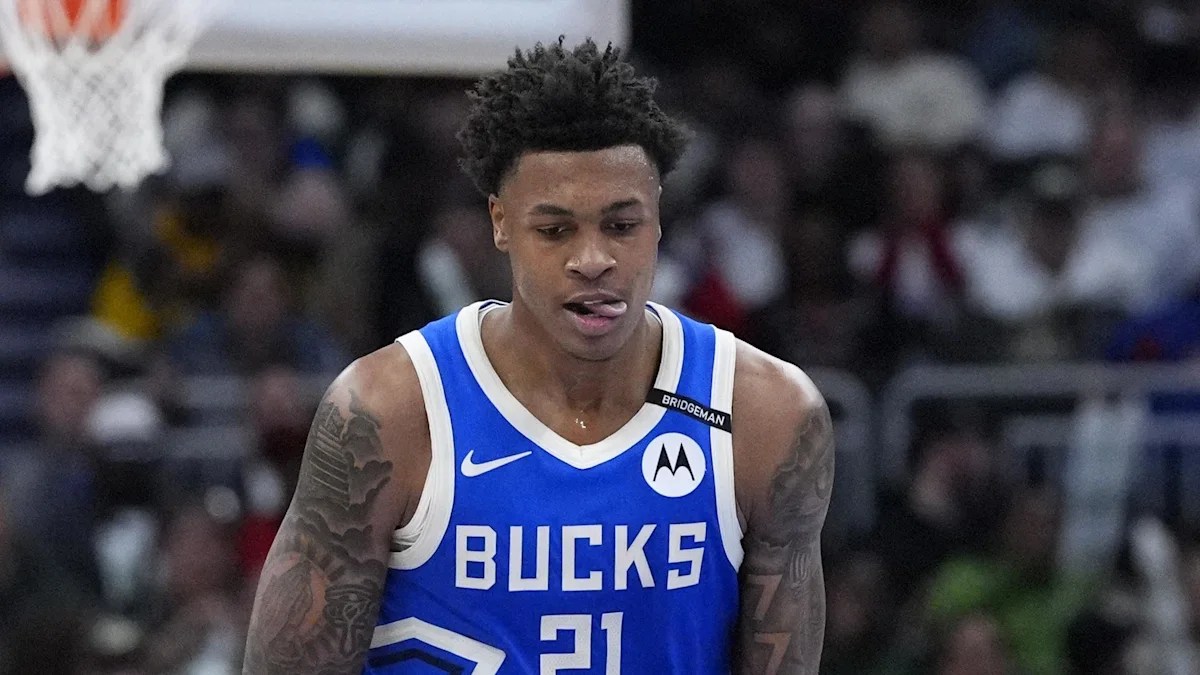
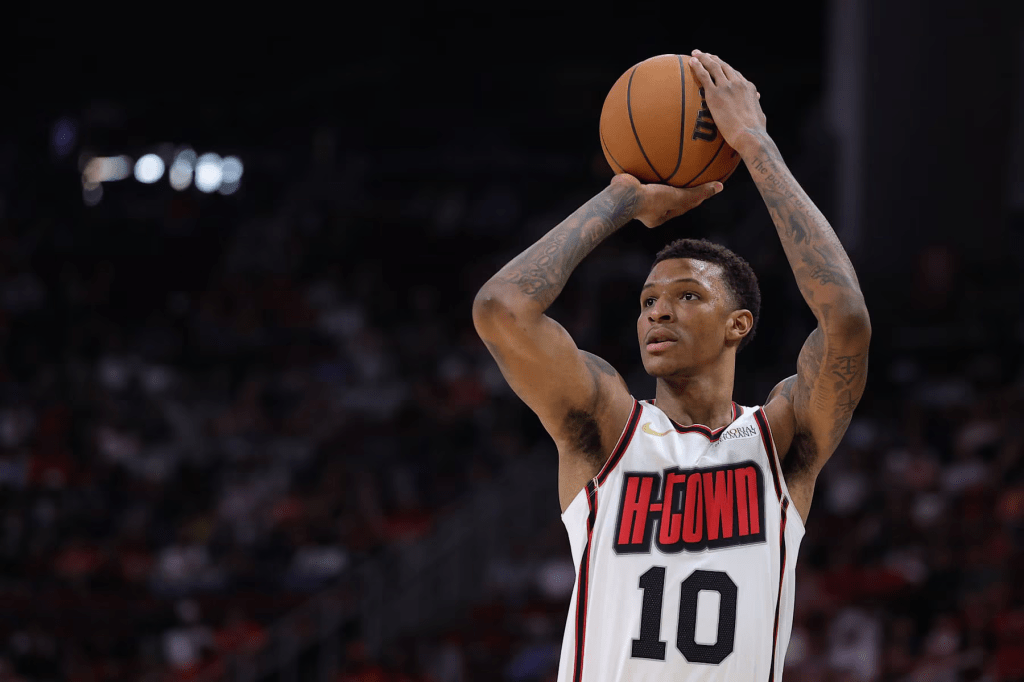
Tyler Smith, the 33rd pick in the 2024 NBA draft, was waived from his two-way contract with the Houston Rockets yesterday. This is the second time Smith has been cut this season; the Bucks, the team who drafted him, let him go in the process of trimming their roster after training camp. The young forward didn’t see the court for the Rockets at all during his month with the team, and in his rookie year with Milwaukee, he averaged just 5.3 minutes and 2.9 points across 23 appearances.
It hasn’t even been two years since he got drafted, but Smith’s career is already hanging on by a thread. Coming out of the G League Ignite, the 21-year-old was a promising prospect, ranked 14th on Bench Mob Blog’s big board. Now, after being cut twice with very little concrete production under his belt, it feels like his journey could be over before it truly begins.
But it’s not time to give up yet.
With raw, young prospects like Smith, it’s important to remember that their development is a slow grind. Outliers like Anthony Edwards, Victor Wembanyama and, heck, even Cason Wallace who come into the league as awesome players from day one have spoiled fans, distracting them from the fact that most young guys take time to adjust and grow before they become real contributors. Smith joined the NBA as a 19-year-old kid. He was never going to be a polished product this early, especially not to the degree playoff teams like Milwaukee and Houston are looking for. In order to properly evaluate Smith at this stage, you can’t consider what he is right now, but rather what he can become.
The potential with Smith is still very intriguing. He has a legitimate NBA skill, his shooting, which can’t be said about many of his unmolded peers. The 6’9” four man already hits stationary triples at a reliable rate, his form is quick, clean and repeatable, and he’s flashed the ability to come off down screens or relocations and get his puppies organized. Being a shooter with size will be enough to keep him on radars while he continues to iron out the rest of his game.
The two prominent things Smith needs to work on are his interior scoring and defensive impact. Because he’s a shooter, he’s going to attract tight closeouts, and he’ll need to at least be able to get by defenders and score on straight-line drives. Having some roll-man chops would help too since he’s a bigger guy. These are things he put on display somewhat often with the Ignite, but during his limited NBA playing time, he’s fallen mainly into a spot-up shooter role. More freedom and instilled confidence could help him reawaken his overall quality play finishing.
As for the defense, he’s not going to be a primary rim protector as a small-ball five, so he’ll need to lean more into being a weakside helper and a hedge guy against ball screens. He’s an average athlete for his position, so really working to understand positioning will be crucial. He’s an active communicator, and we’ve seen bits and pieces of sharp rotations and vertical contests from him, it’s just about putting it together with more consistency.
If you’re the player comp type, you could think of Tyler Smith as something of a baby Jabari Smith Jr. Houston’s former top-three pick is a perimeter-focused defender who is a jack of all trades, master of none on that end, and offensively he’s a movement shooter with a shallow off-the-dribble bag. Jabari is a true power forward, something Tyler should aspire to be given his current positional tweener status.
It’s true Tyler Smith is a ways away from being a real NBA player, let alone one of Jabari Smith’s caliber, but again, it’s all about the potential. This is a guy who is just barely 21 years old, has the framing of a defined role in place and still has so much room to get better. The G League Ignite did a poor job preparing its players for the next level, and the Bucks and Rockets were never going to prioritize Smith’s development to any degree. A new team, preferably a rebuilding one, could pull serious value from the former second-round pick if they invest effort into him and are patient with his progress. The theoretical nature of his game of course means there’s a possibility he doesn’t pan out, but he has enough upside to make him worthy of a serious look. That’s why his career shouldn’t be stamped as over just yet.
The G League’s annual Winter Showcase just wrapped up, with the Salt Lake City Stars winning the tournament championship (shoutout John Tonje, Steven Crowl and Max Klesmit). In the Showcase, players have the opportunity to display their talents in front of scouts and front office personnel from all 30 NBA teams. Several showcase standouts already earned new two-way deals, including Stanley Umude (Spurs) and MarJon Beauchamp (76ers). Here are a few more players who performed well in the Winter Showcase and are worthy of NBA opportunities:
(Note: ratings from twowaytalents.com, a Bench Mob Blog creation, are included in this article. After reading, go check out the site for more info on these guys!)
Killian Hayes
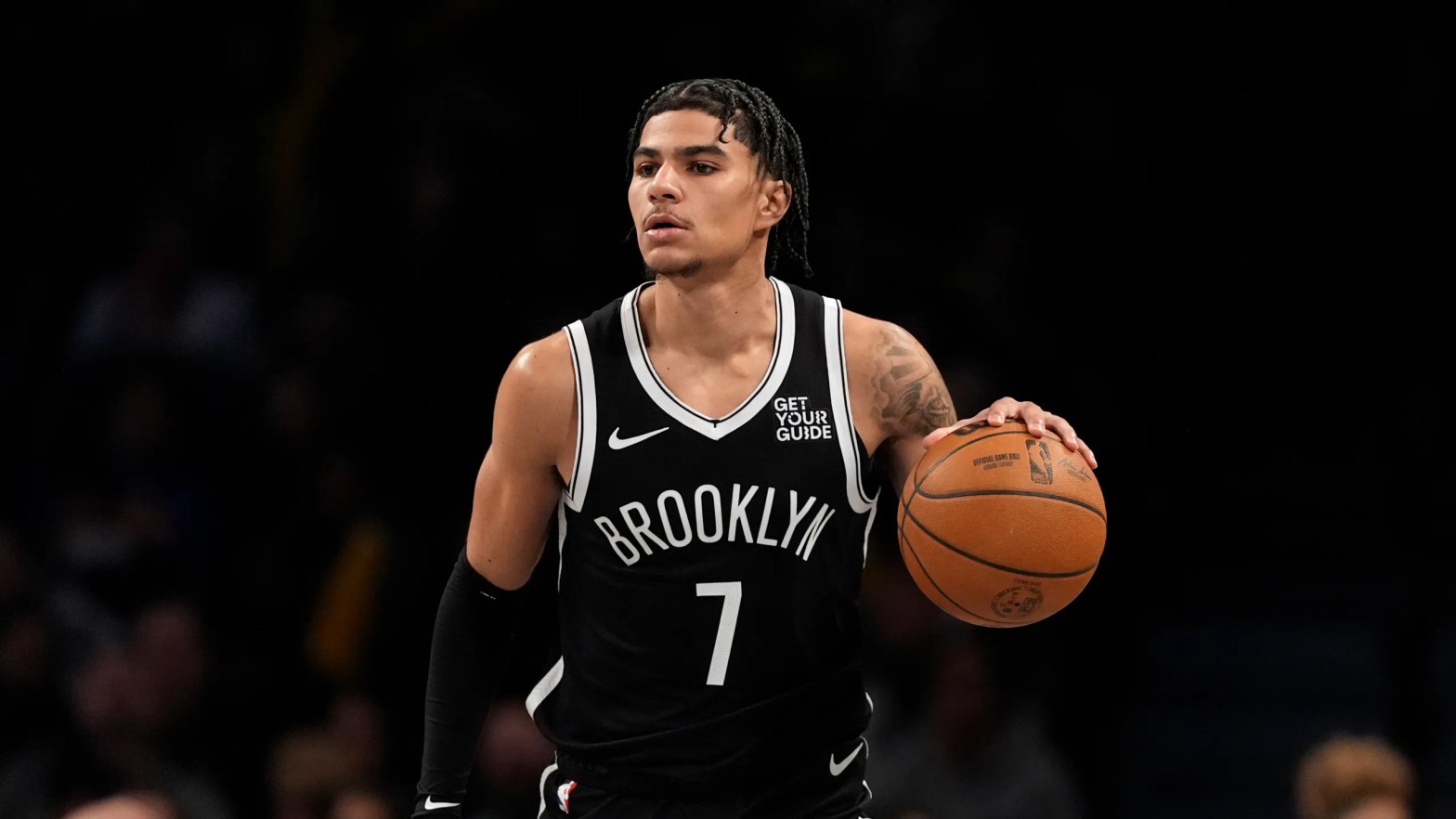
Hayes has been completely dismissed as a bust, but his story is still being written. The former seventh-overall pick has been one of the best guards in the G League all season long, averaging 24.0 points and 7.8 assists. He was always an NBA-level defender and passer, but now the scoring seems to be coming along. This isn’t just a minor league thing— he notched 9.0 points and 5.2 assists while shooting 38.1% from three in six games with the Nets last season, and he definitely showed “flashes” during his time in Detroit. Hayes is just 24 years old, and while he’s out of two-way eligibility, he’s still done enough to get a chance at redemption.
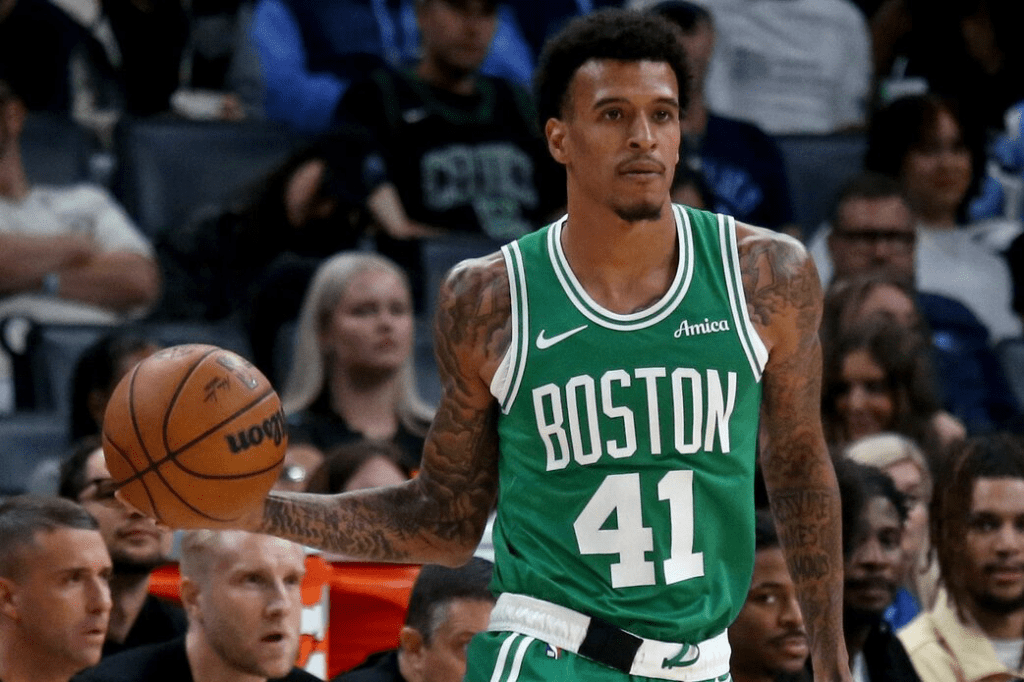
Coming out of Baylor, Bridges profiled as a useful plug-and-play 3&D forward. He joined the Suns on a two-way as a rookie in 2024-25, but didn’t get a fair shake, logging just 30 total minutes across eight appearances. He’s been playing with the Maine Celtics this season, averaging 13.4 points and an impressive 1.7 steals and 0.8 blocks. On December 19th, he went for 28 points and eight triples against the SLC Stars. Bridges’ off-the-dribble game is limited, which dulls his appeal, but a 6’7” shooter with defensive chops will always have some sort of place in this league.
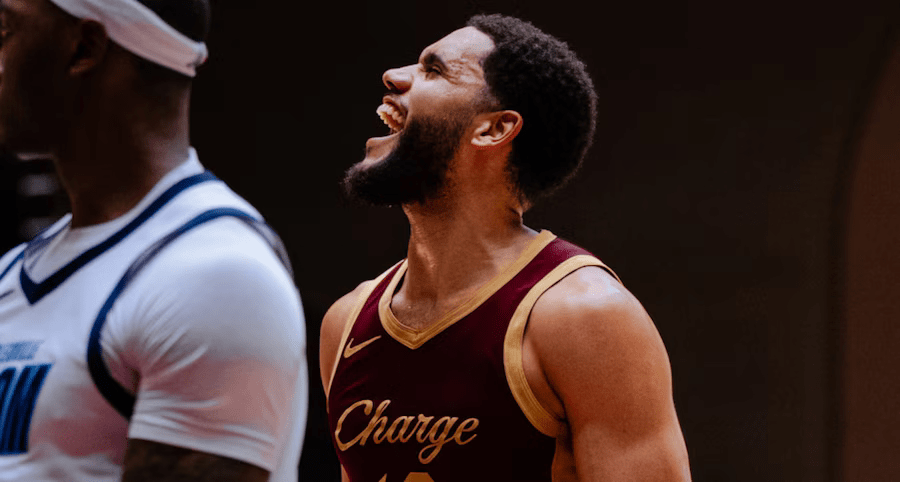
The Cavaliers have been searching for answers on the wing all season long, shuffling through rotations and struggling to find consistent results from anyone not named Jaylon Tyson. Tristan Enaruna could be part of the solution they need. The Cleveland State product has been dropping 19.4 points a night on 51.8% shooting for the Charge. He has an NBA frame, scores on and off the ball and brings some juice as a rebounder and defender. Enaruna already proved himself two-way worthy in Summer League. Now it’s just a no-brainer.
The NBA is turning into a ball pressure league (shoutout to Tyler Metcalf for his awesome article on that subject). Role-playing guards are being asked to give constant energy and pick up ball handlers full-court for long stretches of games. With this in mind, an NBA comeback for Dexter Dennis feels possible. Dennis is a 6’5” bundle of energy with strong athletic traits and a non-stop motor. He’s averaging 15.6 points and 1.0 steals for the Stockton Kings, doing damage in transition and as a slasher. Dennis played four games for the Mavericks in 2023-24. Why not see what he could do in a longer stay? The big-league Kings could certainly use the spark he provides.
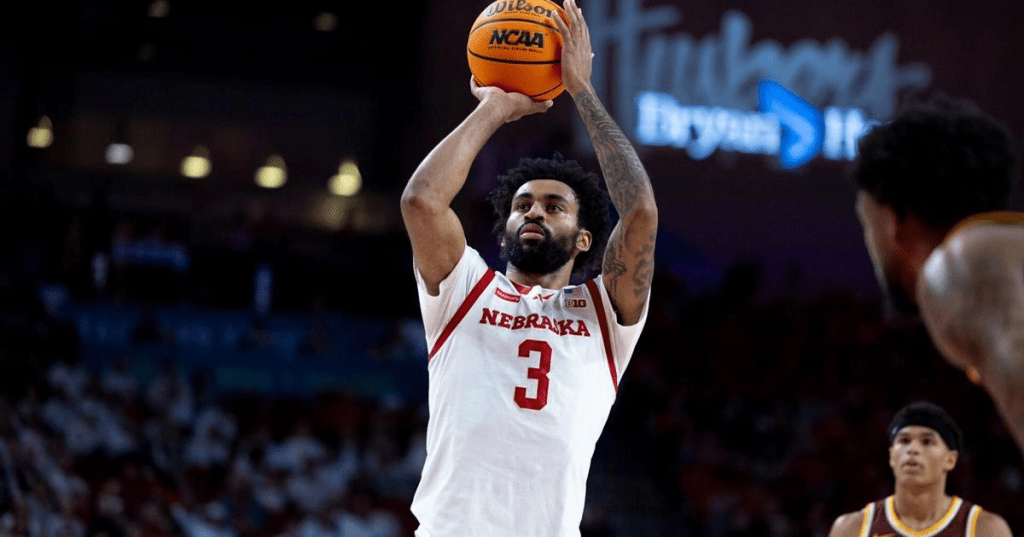
Williams built a successful six-year college career by being as reliable as they come as a shooter. He was one of the Big 10’s best scorers during his time at Nebraska, posting 20.4 points a night as a senior. The undrafted rookie has brought his smooth bucket-getting to the pros. He’s connecting on 37.8% of 7.0 three-point attempts while totaling 14.9 points per contest for the Motor City Cruise. Williams has a clear NBA skill, and that should be enough to get him a foot in the door at some point, even if his ceiling is low.
If you’re a basketball analyst, or just watch the sport in general, you’ve judged a player off their aesthetics before. Maybe you assumed a dude with a funky jumper couldn’t shoot before watching him drain five threes against your team, or maybe you figured a fat 6’11” European dude would be unskilled and uncoordinated when really he’s the best player in the world. When you’ve watched a ton of hoops, you start to trust your eye test to a potentially excessive degree. It can be easy to get stuck on initial visual impressions, but many players have way more to them than what meets the eye. Rookie center Maxime Raynaud is a great example of this.
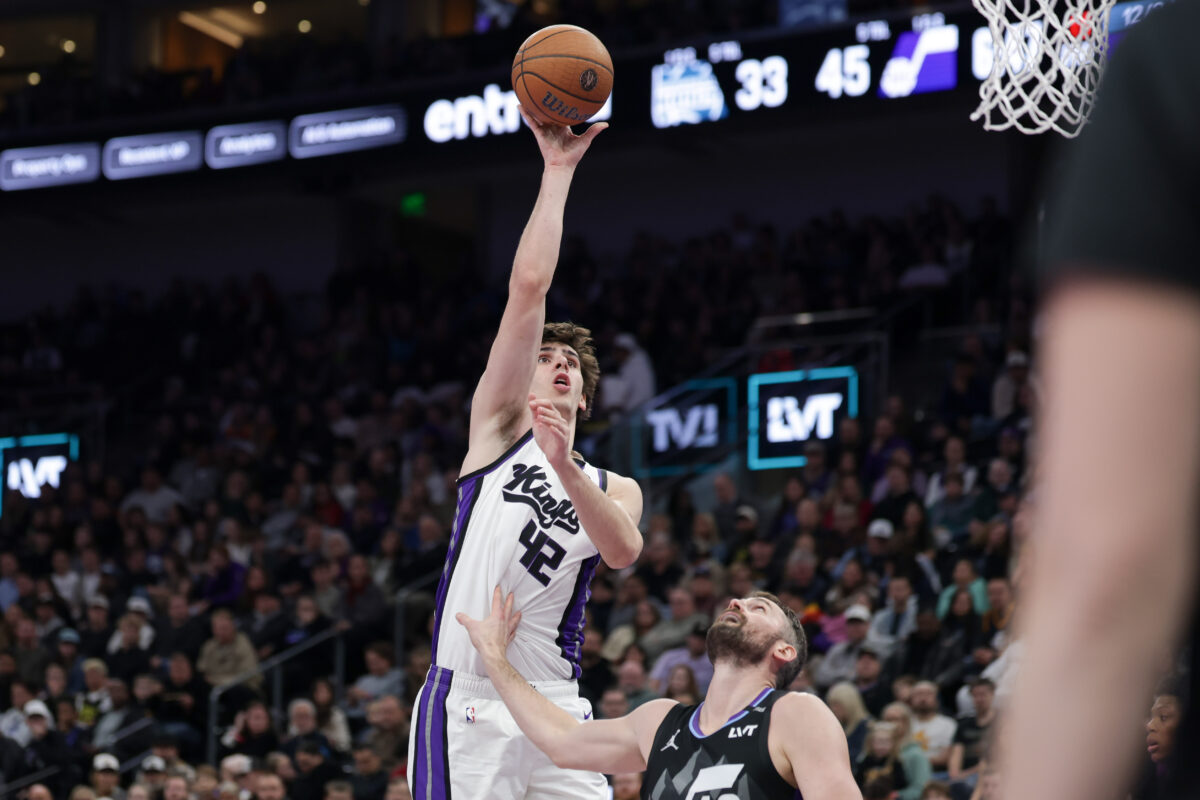
Raynaud has been breaking out for the Sacramento Kings lately. The young man has entered the starting lineup in Domantas Sabonis’ absence and is playing some impressive basketball. On December 18th against the Trail Blazers, he scored 29 points and grabbed 11 rebounds, making him one of just five rookies to score 20+ and grab 10+ boards in a game so far this season. Raynaud looks like a real NBA contributor, but you wouldn’t think it based on his aesthetics alone.
The 22-year-old big fella is an awkward mover. He clumsily runs around the court like he isn’t used to his 7’1” body yet. He lumbers past closeouts, flops into floaters and launches his threes like he’s an ancient catapult. His misses are all over the place; some clank off back iron, some barely grace the front of the rim. If you catch him on a bad night, you’d think he has no touch.
It certainly doesn’t help Raynaud’s aesthetic appeal (from a basketball standpoint) that he looks like the type of kid you’d see at a thrift store with an oversized hoodie and wired headphones (well, if you ignore his height). He just doesn’t pass the initial sight test. But, you can’t judge a book by its cover, because he’s actually quite good at hoops.
In the month of December, Raynaud is averaging 16.4 points and 9.4 rebounds on 55.1% from the field and 44.4% from three. He makes up for his lackluster athleticism with a thorough feel for the game. The Frenchman fills the right gaps on the floor, weeding through defenders to get to his patented push shot or throw down dunks with surprising intensity. He knows where he wants the ball and he gets to those spots. He’s been an effective P&R partner for Russell Westbrook and Dennis Schroder, setting hard screens and making himself available for pocket passes. The rook is delivering 4.7 screen assists per 75 possessions, which ranks in the 95th percentile according to BBall Index. His jumpshot does need work if he’s going to become a viable NBA shooter, but the foundation for growth in that department is there, as he shot 34.7% from deep on 5.5 attempts a game in his pre-draft season at Stanford.
That’s right, Raynaud is Stanford educated. He’s a smart cookie. He graduated with a double major in computer science and mathematics, which is far from typical for an NBA player. Again, don’t judge a book by its cover.
Twenty-four general managers passed on Maxime Raynaud on 2025 draft night. Did they avoid him because of his aesthetics? Who knows. Do at least some of them regret not choosing him? Absolutely, because he’s becoming an impact player in this league just 20 games into his career. The lesson here is to block out aesthetic bias, as tough as it can be sometimes, and instead focus on a player’s actual basketball ability. Flashy athleticism, jaw-dropping highlights and “aura” don’t lead to successful NBA careers. Consistency and concrete results do, and that’s what Raynaud is bringing to the table for the Kings.
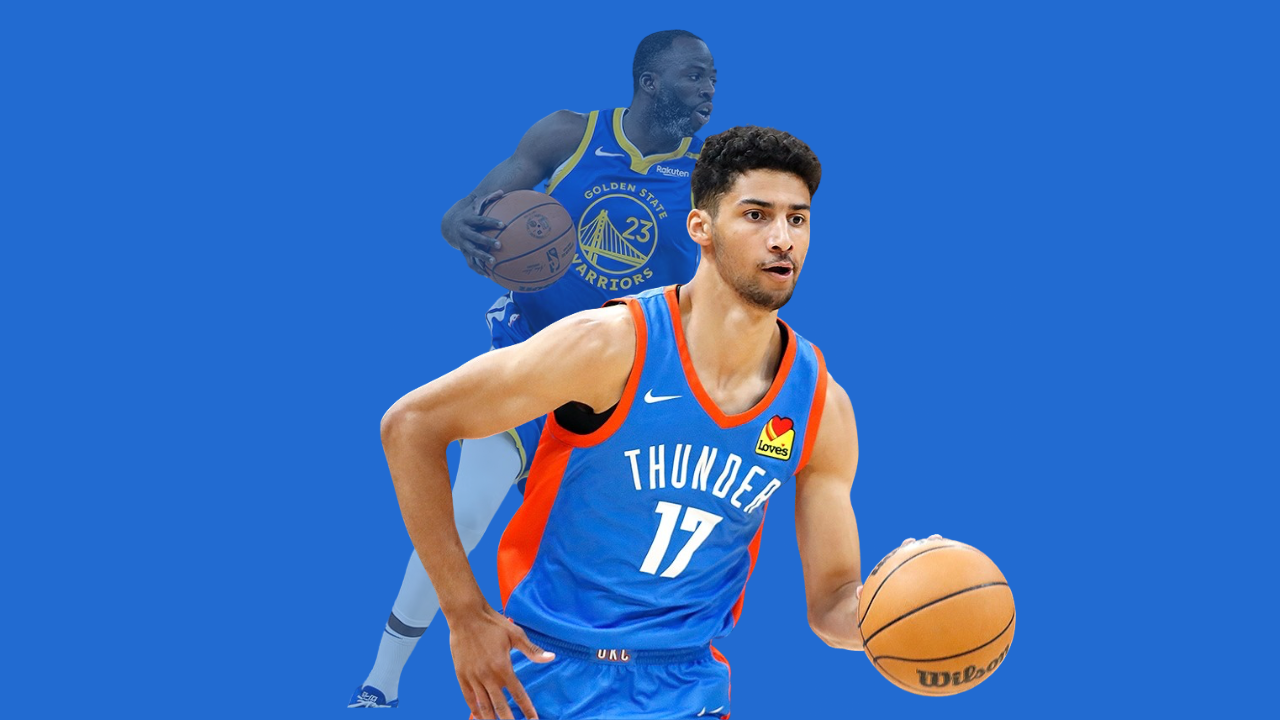
The Golden State Warriors have built their ethos on smarts, versatility and dynamism. Their ideal lineups are connected units that move as one. The organization has managed to maintain this identity across eras by identifying and developing players who can mold right into the system. They just added a new initiate into the fold, a forward by the name of Malevy Leons, and he has the chance to be more than just another small gear in the Golden State machine. Leons is a baby Draymond Green, and he could become a serious difference-maker for this team.
Draymond is the true human embodiment of what the Warriors represent. He’s also an all-time talent and basketball mind. Malevy Leons isn’t going to reach All-Star and Defensive Player of the Year heights, or anything close. He’s a 26-year-old undrafted sophomore on a two-way contract. That said, the way he plays is eerily reminiscent of the league’s greatest instigator (minus the temper). The newest Warrior is a defensive dynamo who can slide across the board and anchor an entire unit.
In his short stint with the Thunder in 2024-25 (six games, 21 total minutes played), Leons was a 73rd percentile help defender according to BBall Index. He also held opponents to 8.5% lower than their expected efficiency at the rim (86th percentile) while covering 1.4 miles defensively per 75 possessions (84th percentile). In the G League this season, he’s averaging 1.7 steals and 1.1 blocks. The Netherlands native is stupidly switchable and mobile for a guy of his size. He’s active in every way on defense— he sees the floor and makes sharp rotations while executing any and every coverage in the book.
Check out this play, where he picks up a guard on a switch, cuts off the drive, then rotates down to the block for the rejection. He blew up that play entirely on his own.
Here, he steps up to the level and switches before stunting from the nail to nab the steal.
This play is incredibly impressive. How many other 6’9” guys in the league can apply full-court pressure and get strip steals like this? The answer is not many!
Draymond Green has been such a game-breaking defender in this league because of his versatility. He can be a small ball five, a regular power forward or even a point-of-attack stopper for Golden State because he can guard anybody. Leons offers that same type of utility.
The Draymond similarities don’t end on defense for Leons. The Bradley product is a heady hub-in-training on offense who can make reads off faceoffs and handoffs. Watch this keep drive here. If you don’t see some Draymond, you haven’t watched enough hoops.
Leons’ overall offensive game is pretty simple. He’s a component positional passer, but not a true dimer. He can hit open threes (43.8% in the G this year), but he’s no sniper. His impact stems from his defense and his ability to fit into a scheme and affect the game in multiple facets as a role player. He does the little things to make a team go, just like Draymond Green.
The Warriors have historically utilized their two-way contracts effectively. They sign the right type of guys, guys who can boost the team’s brand. Malevy Leons should be able to do exactly that. Don’t be surprised if he starts generating some serious buzz soon.
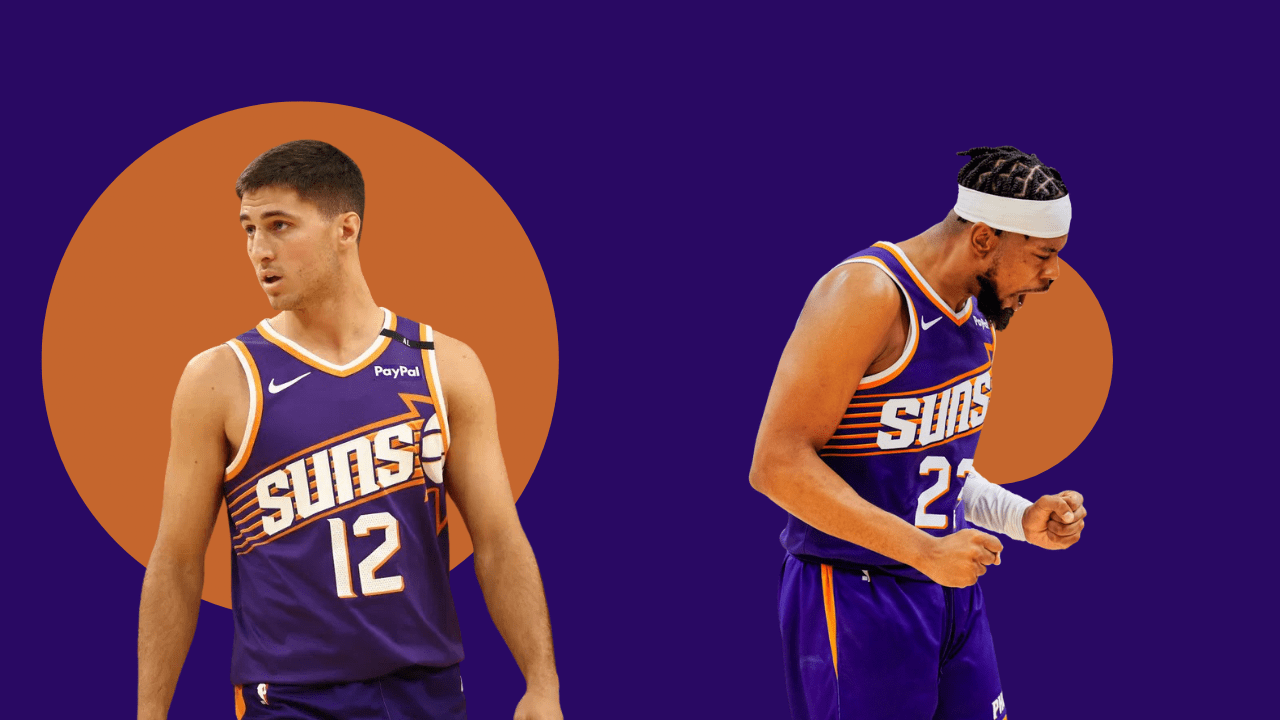
The Suns have been one of the NBA’s biggest pleasant surprises so far this season. They’ve stayed steadily competitive in the Western Conference gauntlet, maintaining a winning record despite being significantly less talented than many of their opponents. First-time head coach Jordan Ott has turned Devin Booker and his band of role players into a well-oiled trap game machine by extracting value out of guys other organizations gave up on. Phoenix pulled the backcourt duo of Collin Gillespie and Jordan Goodwin off the NBA’s scrap heap, and now those two are showing they’re the definition of difference-makers.
Gillespie went undrafted out of Villanova in 2022. He signed a two-way contract with the Denver Nuggets as a free agent, but he missed his entire rookie year while recovering from a lower leg fracture. The former NCAA star finally touched an NBA floor in 2023-24, and he played some solid spot minutes, but it wasn’t enough for Denver to keep him around. Phoenix scooped him up on a new two-way contract in the 2024 offseason, and that’s been an incredible investment up to this point.
During the 2024-25 season, Gillespie slowly crept his way further and further up the depth chart before he eventually became a starter. He outperformed established vet Tyus Jones, looking like a viable rotation piece. His numbers (5.9 points and 2.4 assists per game, 43.3% from three on low volume) weren’t gaudy, but the young guard’s play just screamed “professional” night in and night out. Gillespie proved he belonged last year, setting the stage for the breakout he’s currently enjoying.
This year, he’s averaging career-highs in almost every category. In 26.4 minutes a game, he’s posting 12.7 points, 3.8 rebounds, 5.0 assists and 1.2 steals while shooting 42.9% from deep on 6.7 attempts. Gillespie has been one of Phoenix’s top offensive players, and he’s also become one of the best shooters in all of basketball. He ranks in the 97th percentile in BBall Index’s 3PT shooting talent metric. It doesn’t matter if it’s an open catch-and-shoot, a tough pull-up or a veering movement look, the little guard is comfortable and confident letting it fly, and odds are it’s going in when he does. His shots certainly always look like they’re going to fall— he has a beautifully quick and repeatable stroke. Early in the season, it felt like Gillespie would eventually come back down to earth, but it’s gotten to the point where this isn’t a heater anymore. The dude is just this good.
Gillespie complements his shooting with phenomenal decision-making. He’s the ultimate dependable presence on the court. When the ball’s in his hands, coaches can relax knowing he’s going to make the right play. While the Pennsylvania native’s innate feel for the game mostly shows up in his connective passing, he does occasionally get the chance to show what he can do off the dribble. He’s a sharp drive-and-kick dimer, placing in the 86th percentile in drive assist rate according to BBall Index. He can also work his way to his spots and score inside, which is exactly what he did for this game-winning floater against Minnesota.
Phoenix’s offense is centered around high usage for Devin Booker (and probably Jalen Green when he returns), which makes Gillespie the ideal point guard for them. He shines off the ball, torching teams who gap too heavily against Booker, but he can also step up and create plays for himself and others. Gillespie’s offensive excellence, competitive spirit and ability to rise to the moment have quickly made him a core piece of this Suns squad.
Gillespie brings both a fiery and an icy element to the table, which makes Jordan Goodwin the wind and earth. Goodwin is a dirty work employee of the month who moves mountains in the blind eye of the public. The 27-year-old has bounced around a few teams since entering the league as a 23-year-old undrafted rookie back in 2021-22. This is actually his second stint with Phoenix. He originally broke through as a real contributor in 2022-23, forcing his way into Washington’s rotation, but was never able to find a home— until now.
The Suns have built a formidable defense, which has played a major role in their success thus far. They fluster ball handlers and hunt turnovers, beating teams by conquering the possession battle. At the heart of their swarm is Goodwin, one of the sport’s elite steals guys and most underrated perimeter stoppers. He’s a witty pick pocket with twitchy feet and a nonstop motor who sticks to his man like a kid to his mom in an unfamiliar crowd. Intense ball pressure is the latest winning formula fad across the league. Players who can pick up full court and rack up takeaways are in high demand, and Phoenix has secured themselves one of the best in the biz in that department. Goodwin leads the league in total fourth quarter steals this season.
Another way Goodwin gives his team extra chances is by crashing the glass. He’s an unbelievable rebounder for a 6’3” dude. He’s a 99th percentile offensive rebounder according to BBall Index, and his 1.9 o-boards per game ranks second on the Suns. The Saint Louis product’s offensive game is generally limited, but like Gillespie, he’s a low-mistake player, and he’s also having the best shooting year of his career. He’s hitting 36.1% of his threes on 3.4 attempts a game, including 37.5% from the corners. Those are average numbers, but enough to keep defenses honest.
In Gillespie and Goodwin, Phoenix has found themselves their own version of Houston’s “Terror Twins” (Amen Thompson and Tari Eason). The two undrafted guards shift the landscape of games when they check in off the bench, and they’re also altering the direction of the Suns organization entirely. The pair has been instrumental in putting the team in a position most didn’t see them being in this year. Every cliché about being a star in your role or being a winning player applies to Collin Gillespie and Jordan Goodwin, and they deserve a lot more national recognition.
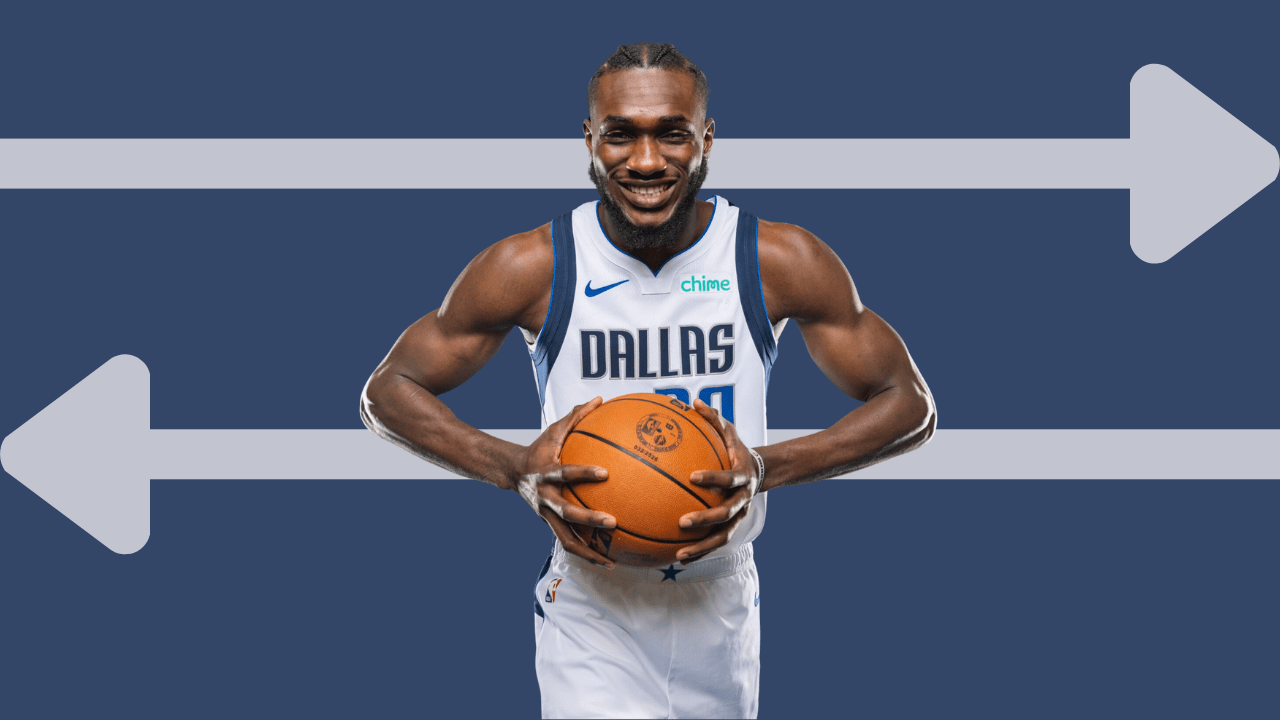
NBA teams overlook centers in the draft year after year. Traditional big men who can contribute to winning fall through the cracks because they don’t have the same scoring/creation appeal as other positions. The teams that do take chances on these guys end up being rewarded more often than not, and that’s exactly what’s happening right now for the Dallas Mavericks with Moussa Cisse.
Welcome back to Two-Way Talents! This series highlights two-way contract players across the association that are balling out and staking a claim for a bigger role. The goal is to give unknown players the attention they deserve. The first installment of the 2025-26 season is about Moussa Cisse, the big fella making a big impact for the Mavs off the bench.
Cisse went undrafted this past summer, ultimately signing an Exhibit 10 deal as a free agent with Dallas. He had to fight to earn his two-way spot in Summer League and preseason. The rookie was the last man to crack the roster, but he’s now making a case to become a full-time backup. How? Cisse understands exactly what his team needs from him and he’s executing at a high level.
The big man’s college stats don’t exactly turn heads. In five seasons, he averaged 6.2 points and 6.5 rebounds while shooting 56.1% from the field and 43.8% (yikes) from the free throw line. However, two things from his prospect profile do stick out, and they’re what he’s now hanging his hat on in the NBA. First, Cisse is a physical freak. At the 2025 G League Elite Camp, he measured in at 6’11”, 220lbs with a 7’5” wingspan and a 9’3” standing reach. The dude is massive and he knows how to use his size. He also has a phenomenal motor and is relatively quick and agile, which separates him from lumbering paint beasts. Second, he’s an excellent interior defender. In college, he averaged 1.7 blocks. In the NBA, he’s averaging 1.4 in just 11.2 minutes per game.
This play is the perfect representation of how Cisse is able to use his physical gifts, hustle and defensive know-how in harmony to make impact plays. He envelopes Jaylen Wells at the rim, completely smothering his layup attempt. Then, he gallops down the floor like a gazelle, touching paint before Memphis has the time to get set defensively. The speed at which he crosses the court gives him an open runway to complete the highlight alley-oop. The motivation and energy Cisse displays here are what all coaches dream of seeing from their centers.
Here’s another example of how Cisse’s willingness to run out in transition creates easy opportunities. He sprints into the screen for Russell, slips it, then rolls with a purpose before soaring above the grounded Brook Lopez for the and-one slam. Lazy rolling seriously muffles the effectiveness of a pick-and-roll. Cisse doesn’t cause that problem.
On defense, Cisse’s motor allows him to hedge and recover against screens, and Dallas has employed him this way often. Here, as Thompson lags behind on the pick, Cisse steps up to take away the pullup jumper from Booker. Once Klay gets through, he re-attaches himself to his man on the roll before snapping into action and turning away Royce O’Neale, who blew by Cooper Flagg. This was a solid team stop for the Mavs and Cisse made it possible.
Cisse’s helpside instincts are sharp, and his ridiculous length gives him the capacity to make some unbelievable recovery plays. He can get to shots most defenders can’t and makes rotations in a more timely manner than a lot of other guys of his size. This is another hedge-and-recover for Cisse that ends in him swallowing up the drive of John Collins.
His offensive bag is limited, but Cisse puts himself in positions to score easy points inside with his hustle and feel for his role. The Memphis product feasts on rolling finishes, putbacks and dunker-spot jams. He’s shooting 76.2% from the field on the year, and 61.9% of his makes have been dunks.
Moussa Cisse is the definition of a difference-maker as a role player. He plays to his strengths and maximizes his natural traits, but he also cares so much and goes harder than everyone else on the floor. He’s yet another example of why center prospects need more eyes during the draft cycle, because he’s outperforming a lot of guys that heard their names called in June. Get this guy on your radar ASAP— he’s going to be a full-time rotation player in this league.
For more on the undervaluation of centers in the draft, check out this article from June!
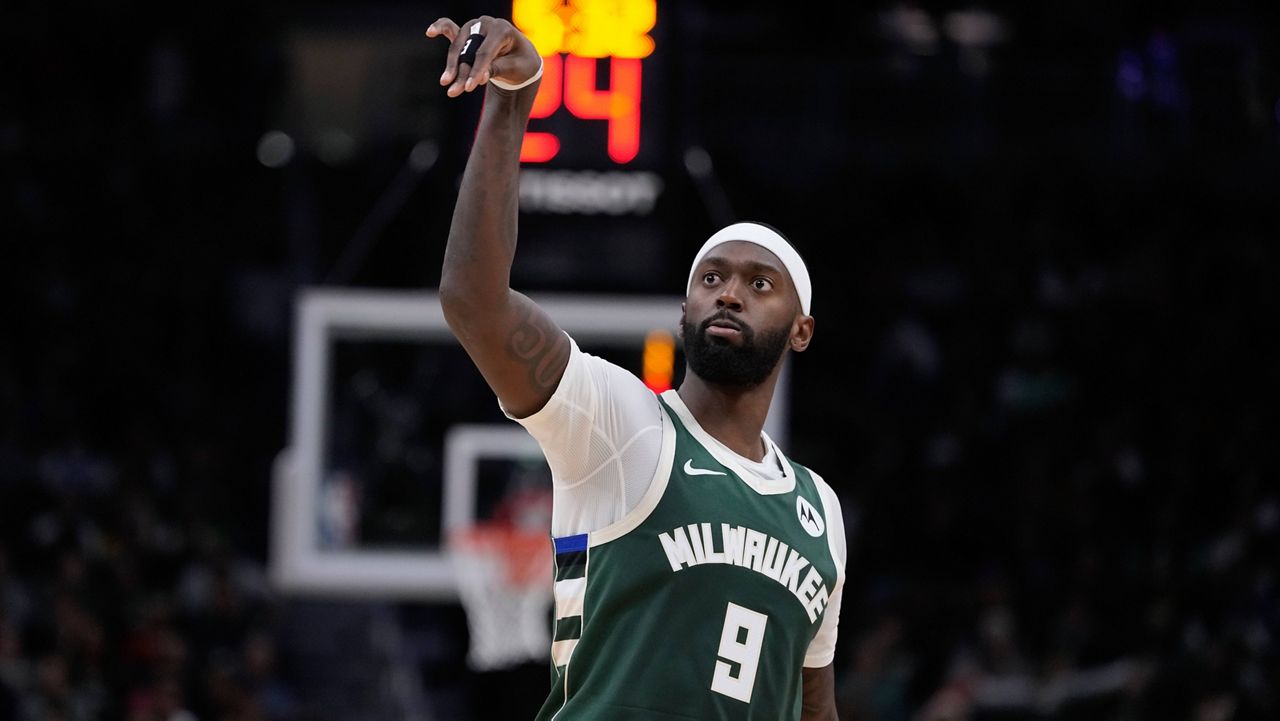
Bobby Portis has been a fan favorite in Milwaukee for well over half a decade now. He, alongside Giannis, is the heart and soul of the Bucks. Bobby has helped this team accomplish so much, and he’s had so many awesome moments in a green-and-cream jersey.
That’s why it’s painful to say it’s time for him to go.
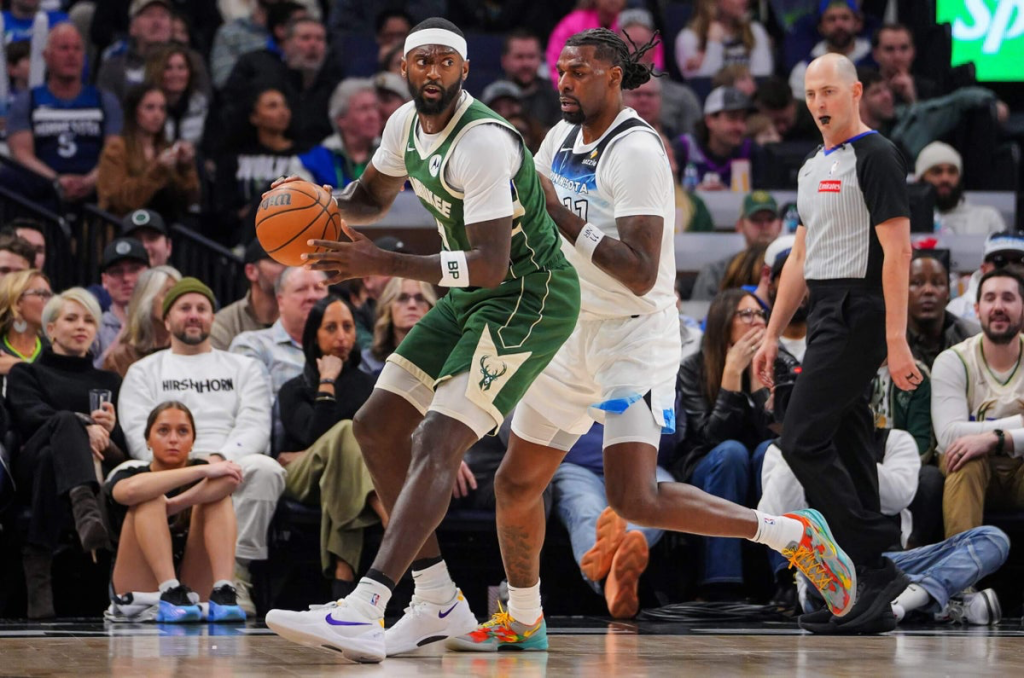
The big fella has fundamental flaws in his game that have become harder and harder to ignore. His performance against the Raptors tonight added to the long list of evidence that his capacity to play winning basketball is seriously limited. Against Toronto, he scored two points on 1/8 shooting and finished with a -13 +/- in 20 minutes of play. His minutes were capital-B bad. Tough shooting nights for Bobby are worse than they are for most players, because when he isn’t making shots, he’s hardly doing anything.
Defensively, Portis is a true, undeniable negative. Nobody has even been scared to attack him. He doesn’t affect shots at the rim, let alone block them, and while he can sometimes hedge effectively, his feet are too slow to give him any real merit on the perimeter. He has no defensive role because he’s not apt to fit into any of them. This is a major problem in a league that loves liability-hunting. When they’re running Bobby at the five, Milwaukee is essentially inviting opponents into the paint and letting them do whatever they want. That was the case against the Raptors, and the Kings over the weekend as well. Rim protection is maybe the single most important thing for an NBA team to have besides shooting, and when the Bucks play Portis at center, they’re missing it completely. It’s easier to hide him at the four, but again, he can’t consistently guard in space, so that’s still an unideal situation.
Frankly, Bobby being so awful on D is reason enough for a playoff team to move on from him. It would be wonderful if we could leave it at that. Alas, we can’t.
Bobby’s main jobs on offense are to space the floor and be a microwave spark off the bench. It can’t be denied that he can score. They don’t call him Bobby Buckets for no reason. However, the way he goes about getting his buckets is often more harmful than helpful. He takes a high volume of turnaround contested middies that would be considered dumb shots by any sensible coach in the country. When he’s making them, you can’t argue with the results, but this season especially he hasn’t been making enough of them to make up for the fact that when he’s missing them, he’s bleeding value.
When his shot isn’t falling, he continues to chuck anyway, and rarely looks to pass. That’s a total shame, and also just such a detriment to this specific version of the Bucks, which has so few creators and needs sharp ball movement to function. Bobby could be a legitimate positive post playmaker, given he does often attract extra defensive attention, but in reality, he’s a black hole! He doesn’t play team-first hoops. Things would be more justifiable if he took more threes, considering he’s a real threat from beyond the arc, but he instead chooses to settle again and again for boneheaded faders. Ugh.
The Bucks are looking to maximize their chances of winning with Giannis on the team. The harsh truth is that relying heavily on Bobby Portis as their backup center isn’t advancing that goal. He’s not a genuinely bad NBA player, he’s just not what this team needs at all. That’s why Milwaukee should be looking to move off him in a trade, hopefully in exchange for a more traditional five-man that can defend the basket or a big wing with some grit and athleticism.
Every decision and move, big or small, matters for the Bucks right now, and the choice to give Portis a featured role is not the right one. It’s time for him to go, before the Milwaukee hero becomes a villain in the eyes of the fans he’s entertained for six seasons.
NBA day is finally upon us! In celebration of what should be a national holiday, I’m delivering the prelude to my favorite annual tradition: my top 100 players list. This is a prediction of what my rankings will look like at the end of the 2025-26 season. I’m projecting the upcoming season alone, assuming health for everyone except for those already out for the year (Jayson Tatum, Tyrese Haliburton, Damian Lillard and Fred VanVleet). It’s fun trying to guess who will make leaps and who will regress, and it should be even more fun seeing how this prediction holds up come next summer.
Let’s dive in!
Honorable Mentions (110-101)
110: Mitchell Robinson (2025 rank: INJ)
109: Jabari Smith Jr. (2025 rank: NR)
108: Santi Aldama (2025 rank: NR)
107: Donovan Clingan (2025 rank: NR)
106: Walker Kessler (2025 rank: 103)
105: Alex Sarr (2025 rank: NR)
104: Mark Williams (2025 rank: 106)
103: Jalen Duren (2025 rank: NR)
102: Devin Vassell (2025 rank: 105)
101: Malik Monk (2025 rank: 93)
Tier 8: Supreme Role Players
100: Alex Caruso (2025 rank: 96)
99: Herb Jones (2025 rank: INJ)
98: John Collins (2025 rank: 79)
97: Christian Braun (2025 rank: 92)
96: Andrew Nembhard (2025 rank: 108)
95: Matas Buzelis (2025 rank: NR)
94: Ausar Thompson (2025 rank: NR)
93: Jakob Poeltl (2025 rank: 90)
92: Dyson Daniels (2025 rank: 87)
91: Jalen Suggs (2025 rank: 86)
90: Anfernee Simons (2025 rank: 83)
89: Payton Pritchard (2025 rank: 95)
88: Jaden McDaniels (2025 rank: 82)
87: Bennedict Mathurin (2025 rank: NR)
86: Cam Johnson (2025 rank: 78)
85: Collin Sexton (2025 rank: 64)
84: Jaden Ivey (2025 rank: NR)
83: Bradley Beal (2025 rank: 75)
82: Nic Claxton (2025 rank: 104)
81: Jrue Holiday (2025 rank: 70)
80: Aaron Gordon (2025 rank: 74)
The designation of “role player” has a negative connotation around it sometimes, but it’s far from an insult. The guys in this tier are prime examples of the cliché but valuable idea of being a star in your role. Alex Caruso, Christian Braun and Bennedict Mathurin, for example, have been integral cogs of Finals teams despite being placed in boxes on the court. You may be surprised to see Jrue Holiday and Bradley Beal in this group, but neither of them are All-Stars anymore. Instead, they can make a huge impact by embracing an Aaron Gordon/Andrew Wiggins-esque part on a team and scaling down to focus on their biggest strengths (which, to Jrue’s credit, is pretty much what he did in Boston). Matas Buzelis and Ausar Thompson aren’t role players yet, but they’re also too theoretical to be higher, so they land here anyway.
Tier 7: Accidentally Became Too Important at Work
79: Immanuel Quickley (2025 rank: 85)
78: Andrew Wiggins (2025 rank: 80)
77: Dejounte Murray (2025 rank: 69)
76: Michael Porter Jr. (2025 rank: 81)
75: Paul George (2025 rank: 71)
74: Miles Bridges (2025 rank: 76)
73: Brandon Miller (2025 rank: INJ)
72: Cooper Flagg (2025 rank: N/A)
71: Draymond Green (2025 rank: 67)
70: CJ McCollum (2025 rank: 63)
69: Norman Powell (2025 rank: 62)
68: Shaedon Sharpe (2025 rank: 100)
67: Nikola Vucevic (2025 rank: 61)
66: Josh Giddey (2025 rank: 77)
65: Jordan Poole (2025 rank: 60)
64: RJ Barrett (2025 rank: 57)
63: Mikal Bridges (2025 rank: 68)
62: Trey Murphy III (2025 rank: 56)
61: Myles Turner (2025 rank: 66)
60: Jalen Green (2025 rank: 54)
59: Cam Thomas (2025 rank: INJ)
Most of the players in this tier could loosely be considered stars. Several of them have made All-Star games in the past. However, while they do play featured roles right now, they’re also probably overtasked. Guys like RJ Barrett, Miles Bridges and Cam Thomas are way too talented to fall in with the traditional “role player” crowd, but they also couldn’t be top two-or-three options on a real contender. Jordan Poole is the perfect representation of that, as even though he played some of his best individual basketball last season with Washington, he was at his best as Golden State’s super sixth-man.
Tier 6: Low-Tier Stars
58: Rudy Gobert (2025 rank: 59)
57: Amen Thompson (2025 rank: 73)
56: Austin Reaves (2025 rank: 53)
55: OG Anunoby (2025 rank: 58)
54: Scottie Barnes (2025 rank: 52)
53: Coby White (2025 rank: 51)
52: DeMar DeRozan (2025 rank: 47)
51: Deni Avdija (2025 rank: 72)
50: Tyler Herro (2025 rank: 43)
49: Desmond Bane (2025 rank: 50)
48: Jarrett Allen (2025 rank: 42)
47: Ivica Zubac (2025 rank: 41)
46: Kristaps Porzingis (2025 rank: 46)
45: Derrick White (2025 rank: 44)
44: Lauri Markkanen (2025 rank: 65)
43: Jalen Johnson (2025 rank: 55)
All of these players should have an outside chance at an All-Star nomination this year. Most of them won’t make it, but they’ll still have that level of impact. Jalen Johnson, Amen Thompson and Deni Avdija are favorites to have massive nationally-recognized breakouts. Lauri Markkanen seems poised to bounce back after a below-par 2024-25, and Kristaps Porzingis could do the same if he stays healthy. Shoutout DeMar DeRozan, who remains a pillar of consistency at age 36.
Tier 5: Remarkable Robins
42: Brandon Ingram (2025 rank: INJ)
41: Zach LaVine (2025 rank: 48)
40: Julius Randle (2025 rank: 39)
39: Jimmy Butler (2025 rank: 37)
38: Jamal Murray (2025 rank: 49)
37: Bam Adebayo (2025 rank: 40)
36: Alperen Sengun (2025 rank: 36)
35: Darius Garland (2025 rank: 32)
34: LaMelo Ball (2025 rank: 34)
33: Jaren Jackson Jr. (2025 rank: 30)
32: Kyrie Irving (2025 rank: 25)
31: Tyrese Maxey (2025 rank: 35)
30: Franz Wagner (2025 rank: 33)
29: Domantas Sabonis (2025 rank: 28)
Every superhero needs his sidekick, and this tier includes the cream of the crop in that department. Jamal Murray and Kyrie Irving have won championships in the second-fiddle role. Franz Wagner, Tyrese Maxey and Alperen Sengun are younger stars who could accomplish similar things in the near future.
Tier 4: All-NBA Caliber
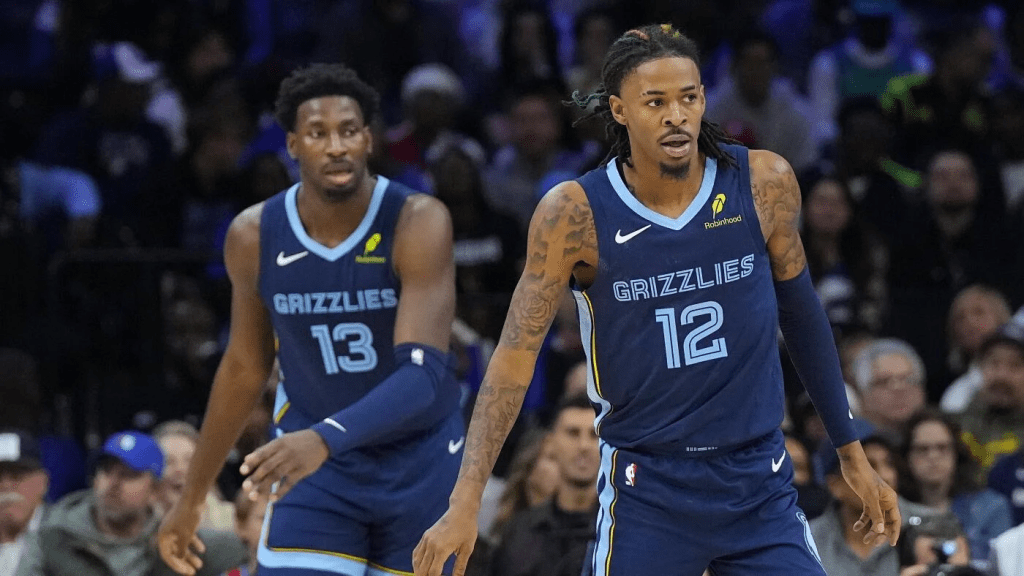
28: Ja Morant (2025 rank: 38)
27: De’Aaron Fox (2025 rank: 26)
26: Evan Mobley (2025 rank: 29)
25: Jaylen Brown (2025 rank: 27)
24: Jalen Williams (2025 rank: 31)
23: Chet Holmgren (2025 rank: 45)
22: James Harden (2025 rank: 16)
21: Karl-Anthony Towns (2025 rank: 18)
20: Pascal Siakam (2025 rank: 17)
19: Zion Williamson (2025 rank: 24)
18: Trae Young (2025 rank: 21)
Guys in this tier are all over the map in terms of career timeline. Evan Mobley, Jalen Williams and Chet Holmgren are on meteoric upward trajectories. Zion Williamson and Ja Morant are fighting to reestablish themselves amidst plaguing injuries. James Harden is a former MVP in the twilight years (sadly) of his career. However, one thing is true for all of them: they’re all certified perennial All-Stars (well except for Chet, technically, but he’s going to get there very soon).
Tier 3: The Staples
17: Kawhi Leonard (2025 rank: 13)
16: LeBron James (2025 rank: 11)
15: Devin Booker (2025 rank: 22)
14: Paolo Banchero (2025 rank: 23)
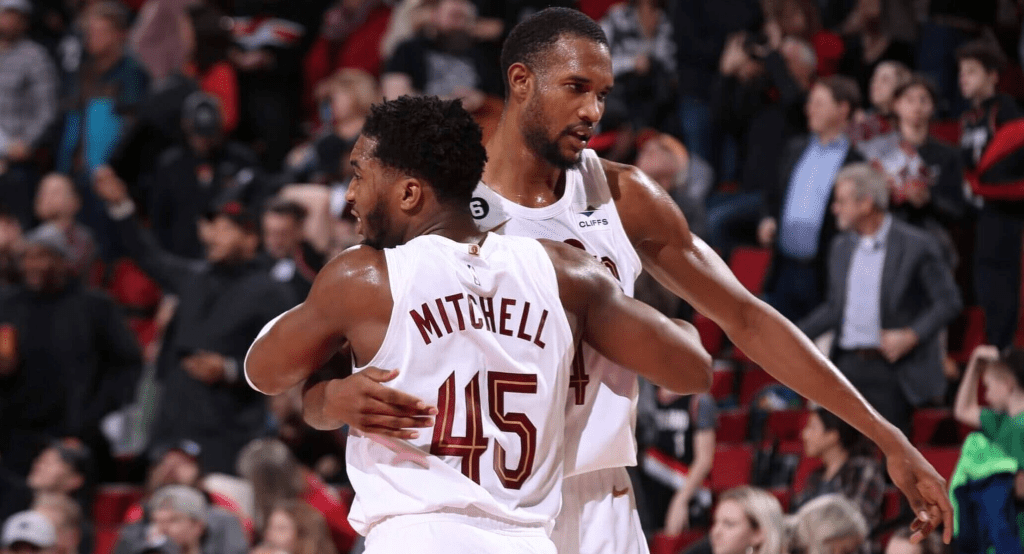
13: Donovan Mitchell (2025 rank: 14)
12: Cade Cunningham (2025 rank: 20)
11: Joel Embiid (2025 rank: INJ)
10: Anthony Davis (2025 rank: 12)
9: Stephen Curry (2025 rank: 9)
8: Kevin Durant (2025 rank: 8)
The passing of the torch is happening right here. As LeBron, Steph, KD and other all-time greats are starting to dwindle, young fellas like Cade Cunningham and Paolo Banchero are rising up to fill their place. Faces of the past, present and future are all in this tier. Joel Embiid was probably the single most difficult player to project on this list, because his health is a complete question mark. His uncharacteristic performance in 2024-25 threw an extra wrench in things.
Tier 2: Watch the Throne
7: Jalen Brunson (2025 rank: 7)
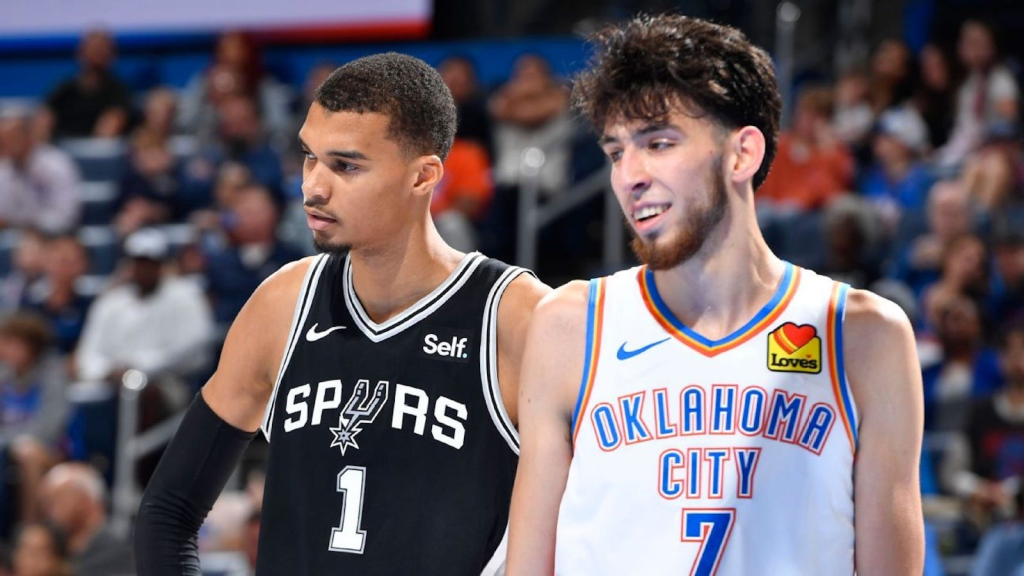
6: Victor Wembanyama (2025 rank: 10)
5: Luka Doncic (2025 rank: 6)
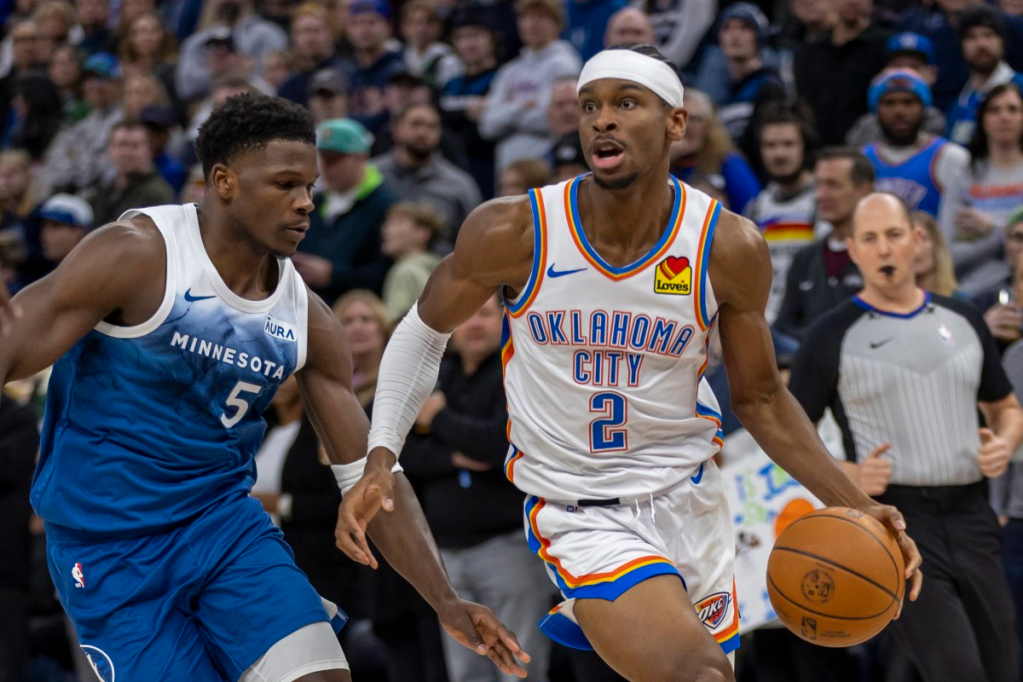
4: Anthony Edwards (2025 rank: 5)
The league’s BITW pantheon is pretty cemented, but if anyone is going to challenge the crown, it’s these guys. Wemby and Ant feel like the NBA’s heir apparents, the future faces of the league once Jokic and Giannis are ready to step off the throne.
Tier 1: Best in the World
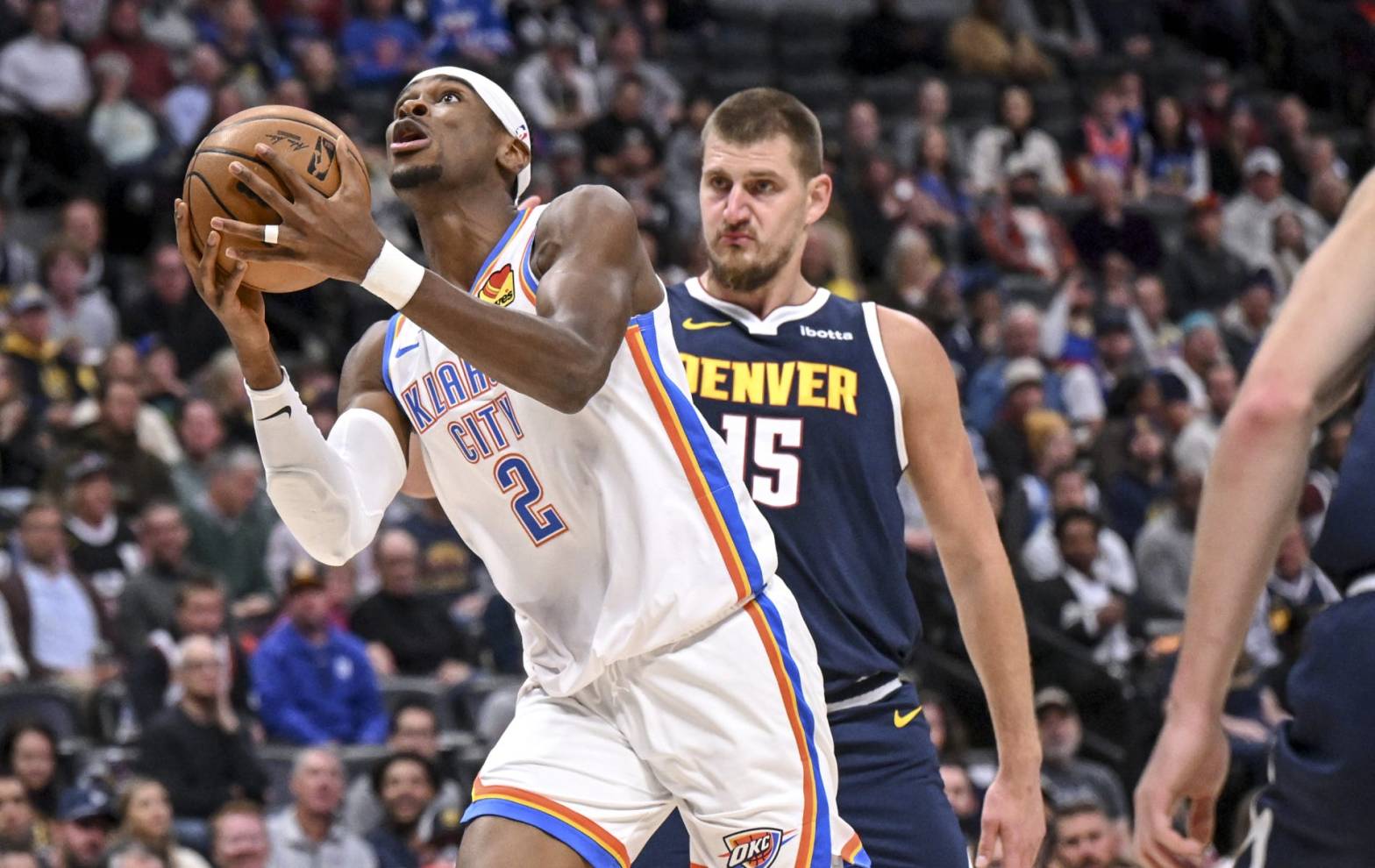
3: Shai Gilgeous-Alexander (2025 rank: 3)
2: Giannis Antetokounmpo (2025 rank: 2)
1: Nikola Jokic (2025 rank: 1)
No explanation needed here. Shai being only the third best player in hoops feels weird considering everything he achieved last year, but that’s just a testament to the greatness of the Joker and Greek Freak.
The NBA is so stacked. The vast majority of teams either have playoff-level rosters or enticing young cores. Determining which squads will top the standings in 2025-26 is a tough task, but I gave it a try anyway. Here’s my preseason power ranking of all 30 teams, with placements based on a combination of projected regular season and postseason success, as well as roster talent/fit and past success and/or failure. Seeding predictions are also included. Let’s dive in!
1: Oklahoma City Thunder (1 Seed in West)
Key Players: Shai Gilgeous-Alexander, Chet Holmgren, Jalen Williams, Luguentz Dort, Alex Caruso, Cason Wallace
Top Award Candidate: Shai Gilgeous-Alexander (MVP)
There’s zero reason to believe OKC can’t be the first team to go back-to-back since the Warriors. The reigning champs will only be more powerful with another year of experience under their belt. Between their all-time defensive dominance, inevitable internal growth and superstar stewardship, Shai Gilgeous-Alexander and the Thunder could be on the precipice of a dynasty.
Cleveland was arguably the best team from start to finish in the 2024-25 regular season, but they weren’t taken as seriously as other top contenders. Their early exit in the playoffs only amplified the overhanging suspicion. This will be a make-or-break year for this version of the Cavs core, and they’re poised to squash all doubt. Their top four is the best in the NBA. They have every tool in the role player toolbox. This team is versatile, deep and hungry, and they should be the favorites to make it out of the East this year.
The NBA is better when the Knicks are good. The Knicks aren’t just good right now, though— they’re cemented contenders. Jalen Brunson, the King of New York, is a championship-caliber captain, height be damned. The rest of the starting five around him is just as impressive, especially if Mitchell Robinson can stay healthy and cover up Karl-Anthony Towns’ defensive woes. With the fresh mind of Mike Brown at the helm, the ‘Bockers are ready to bring chaotic joy to the streets of the boroughs.
4: Denver Nuggets (2 Seed in West)
Key Players: Nikola Jokic, Jamal Murray, Aaron Gordon, Cam Johnson, Christian Braun
Top Award Candidate: Nikola Jokic (MVP)
Denver has done a phenomenal job building around Nikola Jokic. His teammates are like a lethal armory at his disposal. Should opponents face death by Jamal Murray daggers? Harm by Cam Johnson haymakers? Fatality by Christian Braun flexes? It’s the Joker’s choice, because he runs the whole system and no one can pull him away from the controls. The Nuggets are going to be dangerous this year. They’re OKC’s strongest challengers in the West.
5: Houston Rockets (3 Seed in West)
Key Players: Kevin Durant, Alperen Sengun, Amen Thompson, Jabari Smith Jr., Reed Sheppard
Top Award Candidate: Amen Thompson (DPOY)
Houston stormed onto the scene in 2024-25, rapidly rising in the ranks of the Western Conference because of their defensive dominance. They were only missing a star creator, and now they have the greatest scorer of all time. Behind the leadership of Kevin Durant, the Rockets will be able to hang with anyone, anytime, anywhere in the regular season. Fred VanVleet’s injury, however, may hurt them more in the playoffs than people realize.
6: Minnesota Timberwolves (4 Seed in West)
Key Players: Anthony Edwards, Julius Randle, Rudy Gobert, Jaden McDaniels, Naz Reid, Rob Dillingham
Top Award Candidate: Anthony Edwards (MVP)
The world is Anthony Edwards’ oyster. After leading his Wolves to two consecutive Conference Finals appearances, there’s no limit to what he and his team can accomplish this year. Ant is lightning in a bottle, the definition of a franchise player. He and his rugged crewmates are coming for it all. Only one glaring question mark stands in their way: is Mike Conley too old to tag along?
7: Los Angeles Clippers (5 Seed in West)
Key Players: James Harden, Kawhi Leonard, Ivica Zubac, Bradley Beal, John Collins
Top Award Candidate: Brook Lopez (6MOY)
Yes, the Clippers are throwing an unction, but they invited all the cool uncles. James Harden is coming off arguably his best non-Houston individual campaign. Bradley Beal should be hungry to remind people he’s a star, not an overpaid chucker. Brook Lopez is still an all-league rim protector. And, of course, there’s Kawhi Leonard, the monster always lurking in the dark. Add younger guys like Ivica Zubac and John Collins into the equation and it’s clear the Clips will be a two-way machine.
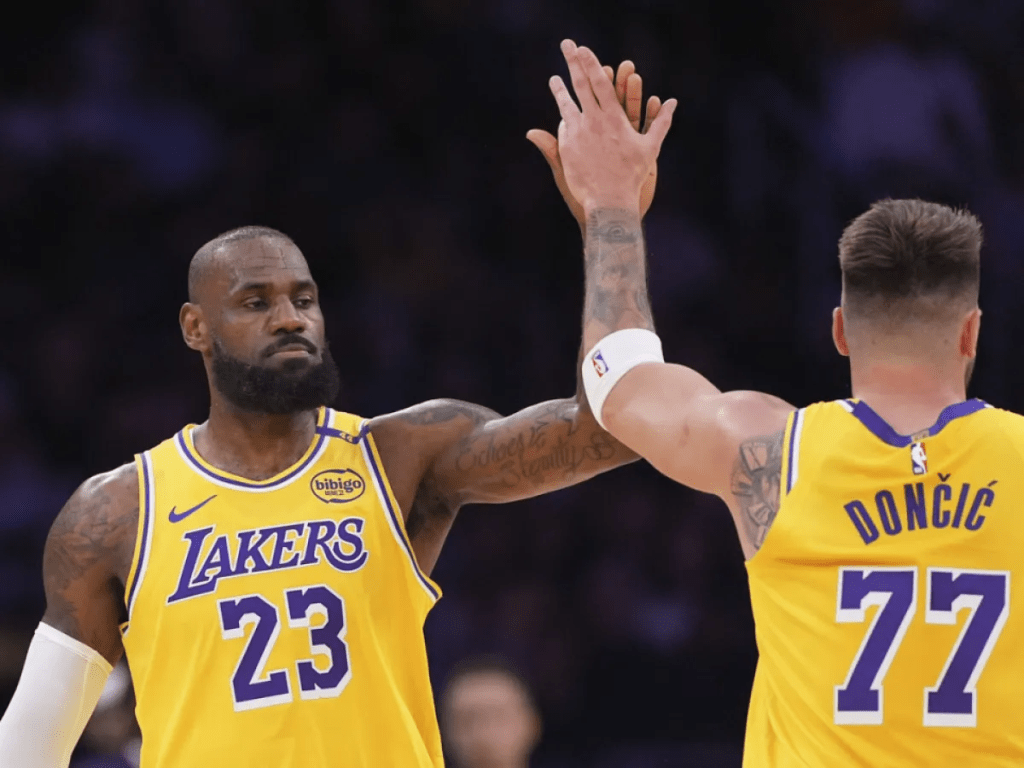
Welcome to the new and improved Lakeshow. With Luka around for a full season, and LeBron being the timeless wonder he is, it’s tough to label LA as anything less than dark horse contenders. For them to reach championship level, though, they’ll need Deandre Ayton, Marcus Smart, Gabe Vincent and their other role players to be at their best. Otherwise, they’ll be overly reliant on their stars— a dangerous situation.
This is shaping up to be the best group Trae Young has ever played with. That’s been said and wrong before, namely when Atlanta traded for Dejounte Murray, but something about this roster feels different. Jalen Johnson is a dynamic two-way star. Porzingis is a frontcourt weapon unlike any center Young has ever played with. The other additions, Nickeil Alexander-Walker and Luke Kennard, will round out the rotation nicely. If the Hawks fall flat this year, something significant will need to change internally, but the odds are higher that they’ll soar.
10: Orlando Magic (4 Seed in East)
Key Players: Paolo Banchero, Franz Wagner, Desmond Bane, Jalen Suggs
Top Award Candidate: Paolo Banchero (MVP)
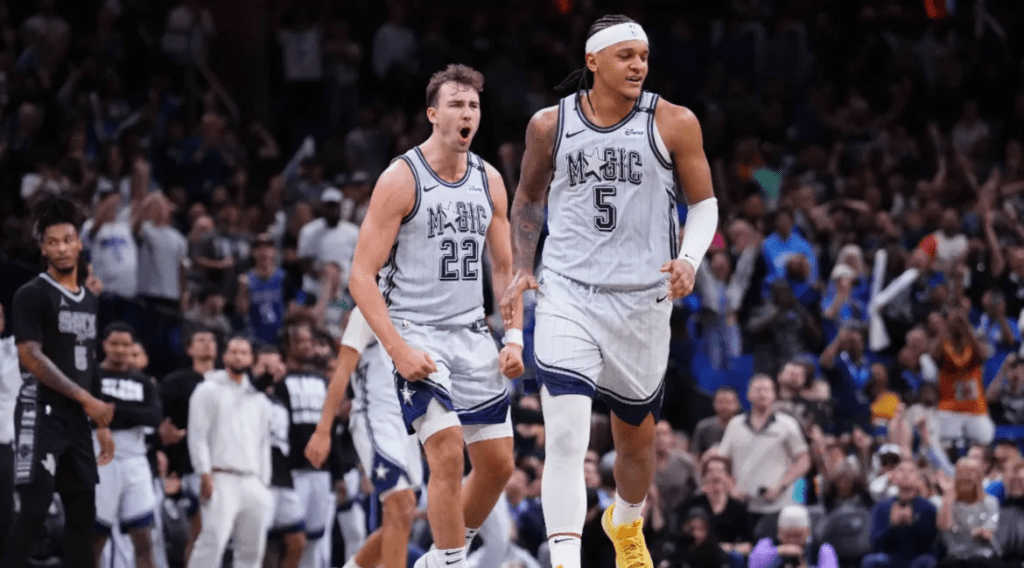
The Magic were solid last year, fueled by an all-world defense, but they had some major offensive deficiencies. Now, with the additions of Desmond Bane and Tyus Jones, a (hopefully) healthy Jalen Suggs and the star leadership of Paolo Banchero and Franz Wagner, look for Orlando to take a leap as a team and become a true playoff threat. Once they inevitably get to the postseason, they’ll go as far as Banchero can take them. He’s the future of their franchise.
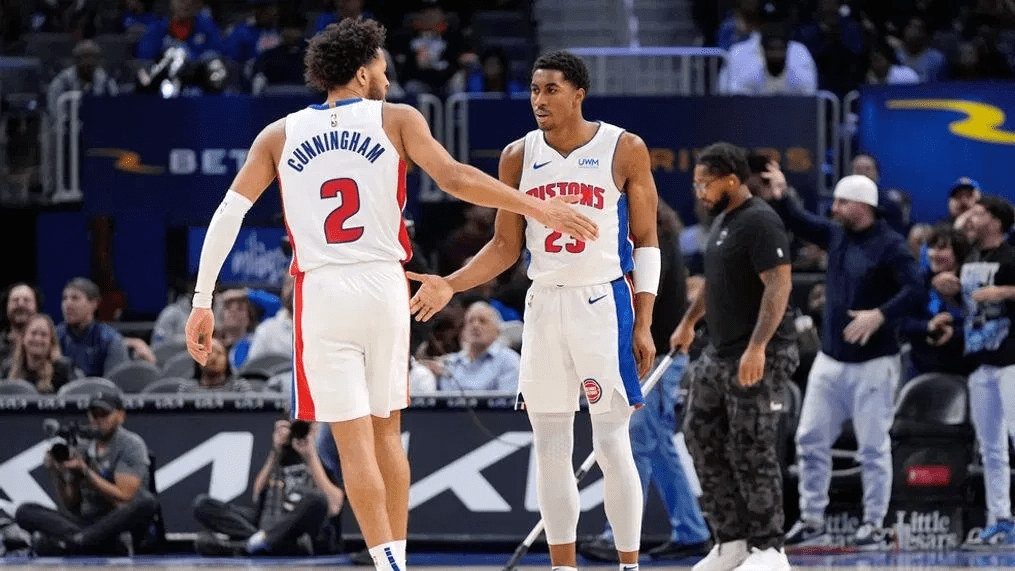
Detroit caught the world by surprise with their meteoric leap last season. Nobody will be shocked by them this year, but they’ll be prepared for the difficulty of heightened expectations. Young stars Cade Cunningham, Jaden Ivey and Ausar Thompson are locked and loaded for massive seasons. The vets around them, including Tobias Harris and newcomers Caris LeVert and Duncan Robinson, know what it takes to be true playoff contenders in this league. All in all, this could easily be the best Pistons team since the Billups-Wallace-Hamilton era.
12: Philadelphia 76ers (7 Seed in East)
Key Players: Joel Embiid, Tyrese Maxey, Paul George, Jared McCain, Quentin Grimes, VJ Edgecombe
Top Award Candidate: VJ Edgecombe (ROTY)
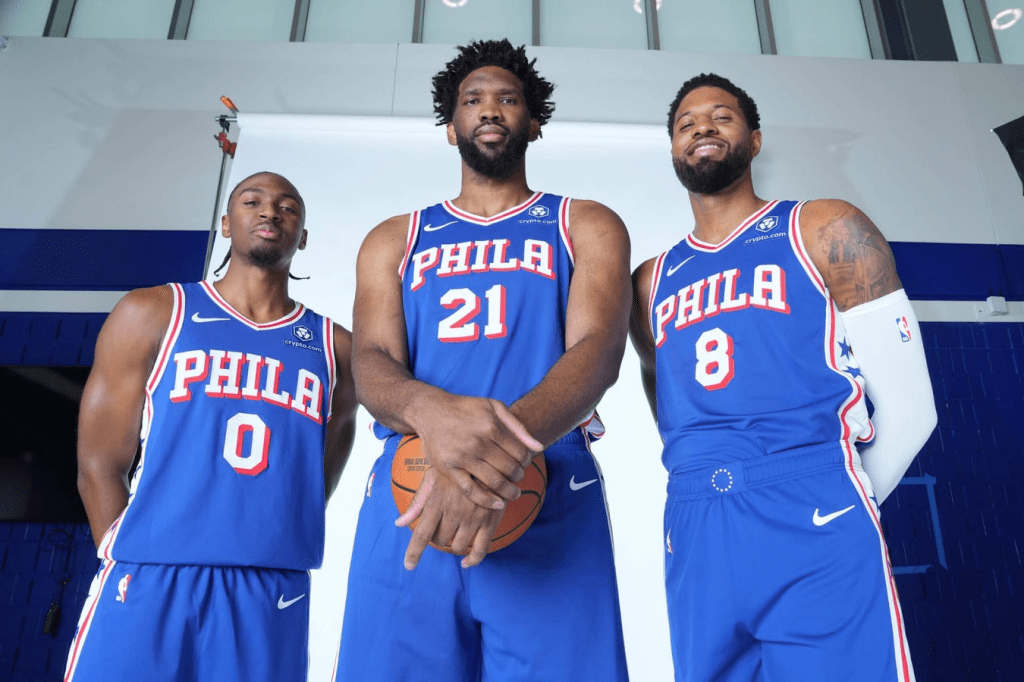
Philly is the biggest wild card this season. Their 2024-25 campaign was catastrophically bad, as they got pummeled with injuries early on and kept getting pushed deeper and deeper in the standings. We know when they’re healthy they can be fringe contenders, but will they ever be healthy again? Whatever happens this year, they can be reassured about their future by Tyrese Maxey and the rest of their deep young core. Sophomore big man Adem Bona is a sleeper pick for a huge breakout.
13: Golden State Warriors (7 Seed in West)
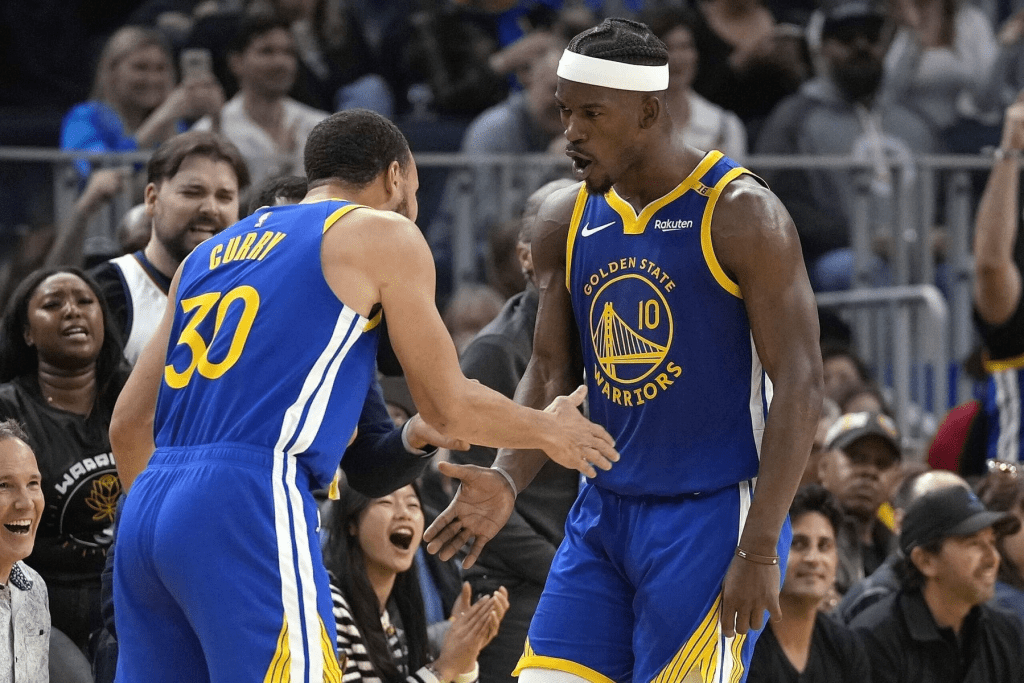
Key Players: Stephen Curry, Jimmy Butler, Draymond Green, Jonathan Kuminga, Buddy Hield, Al Horford
Top Award Candidate: Draymond Green (DPOY)
Golden State is on the verge of needing a rebuild. They’ll have a puncher’s chance in the playoffs as long as they have Steph Curry, and their hallmark system is still in place, but they’re just getting old in all areas. As Curry and Jimmy Butler keep creeping toward decline, the ceiling for the Dubs will get lower and lower. A first-round exit feels like destiny for this team in 2026.
14: Milwaukee Bucks (6 Seed in East)
Key Players: Giannis Antetokounmpo, Myles Turner, Kevin Porter Jr., Kyle Kuzma, Bobby Portis Jr., Gary Trent Jr.
Top Award Candidate: Giannis Antetokounmpo (MVP)
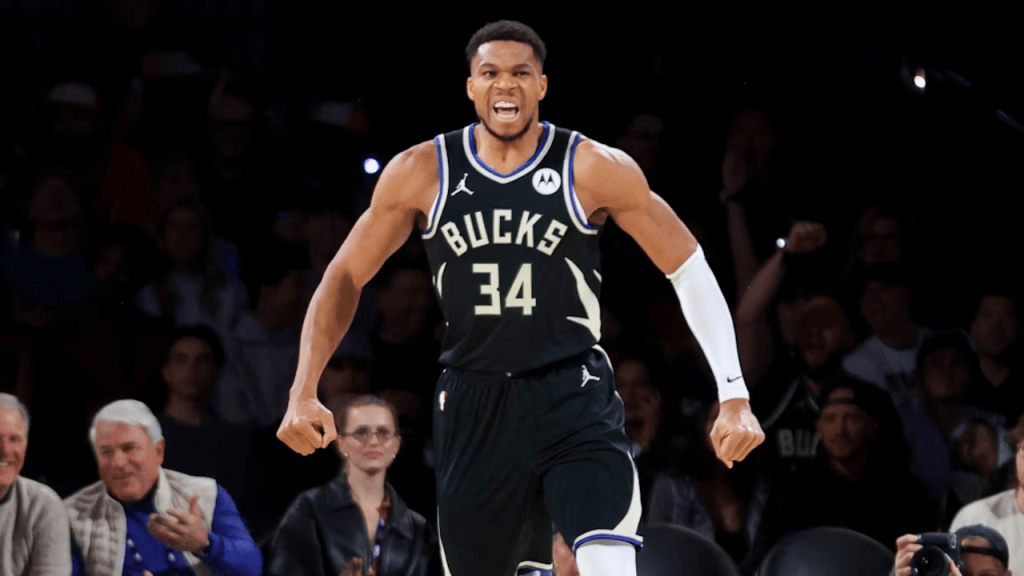
The Bucks will exceed regular season expectations. In place of flashy star power, they have what could be the most cohesive group Giannis Antetokounmpo has ever played with. The Greek Freak is flanked by a crew of keen shooters and defenders who can accentuate his strengths and allow him to be the best version of himself. Myles Turner is the dream center to pair with Giannis. Once the playoffs start, though, Milwaukee will miss Damian Lillard and Khris Middleton.
15: Dallas Mavericks (8 Seed in West)
Key Players: Anthony Davis, Kyrie Irving, Cooper Flagg, D’Angelo Russell, Dereck Lively II, Klay Thompson
Top Award Candidate: Cooper Flagg (ROTY)
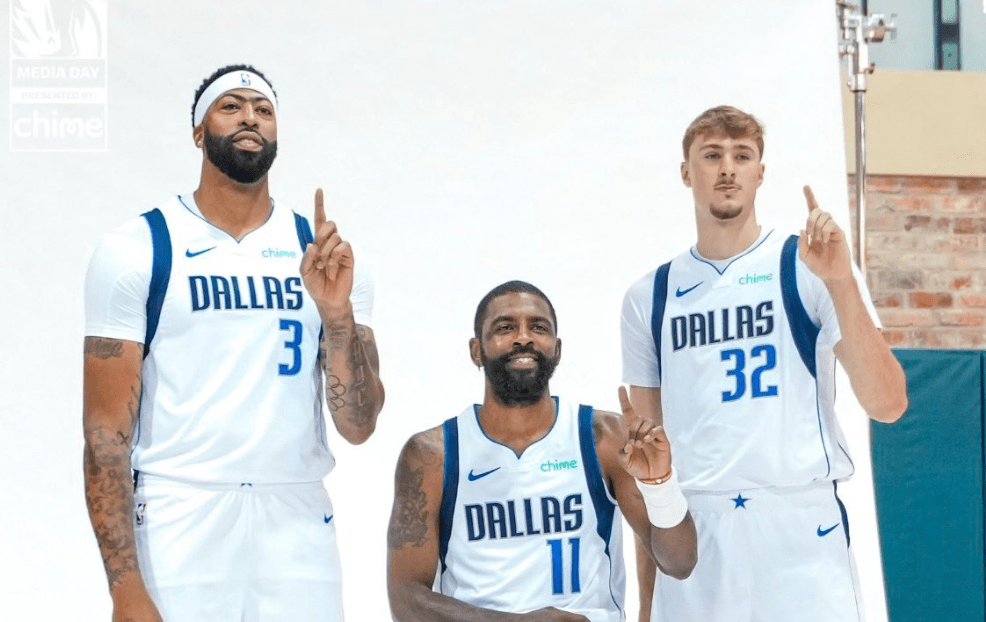
In the first full season of the post-Luka era, all eyes in Dallas will be on Anthony Davis and Cooper Flagg. AD is the nucleus of the present for the Mavs. He’ll need to be available and assert his dominance if this team is going to back up Nico Harrison’s “defense wins championships” claims (but spoiler alert: they’re not winning a championship). Flagg, on the other hand, is the key to the future. If he doesn’t live up to every ounce of the hype, this organization will be in a dark place in a few years.
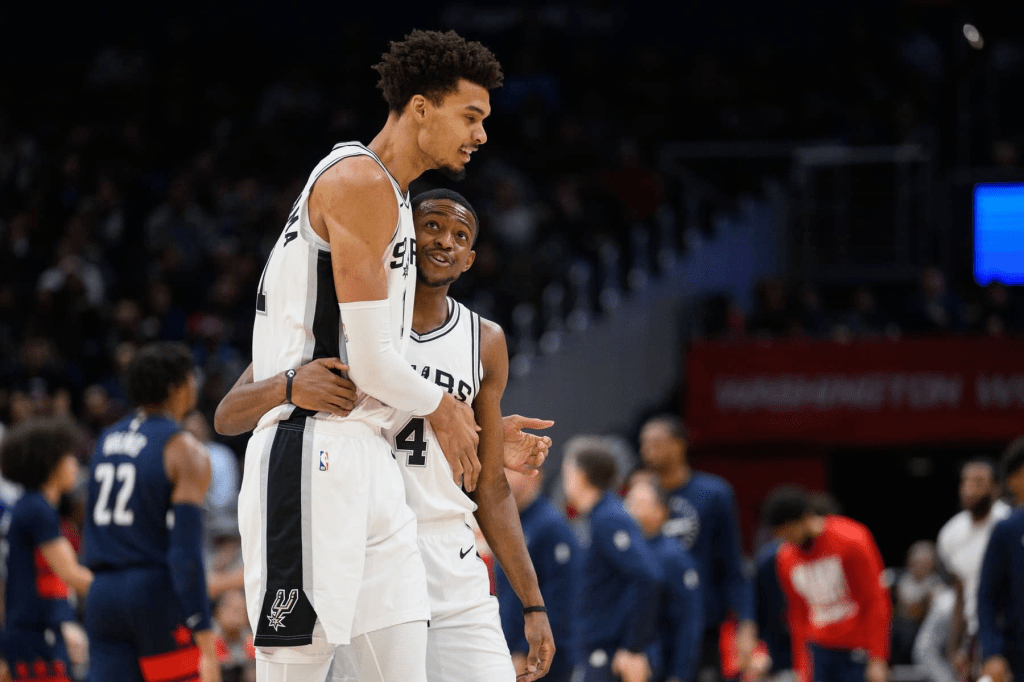
The Spurs might be the single most fun team in the NBA. From star power, to highlight plays, to youth, to fundamentals, to extraterrestrial experiences, they have it all. The new dynamic duo of Wemby and Fox will spearhead a young and hungry group ready to embark on the brightest future in basketball. The West is too stacked for them to leap up much further than sixth or seventh in the standings, but 2025-26 will just be phase one for this group.
This is easily the most underrated team in the league right now. Portland is an example of a rebuild gone right. They’ve formed a young core of multiple prospective stars, headlined by Deni Avdija. The roster as a whole could grow into a terrifying Clingan-and-Camara-led defensive unit. Oh, and Dame is back. A lot would have to go their way, but there’s a universe where the Blazers flat-out make the playoffs this year. Don’t sleep.
18: Memphis Grizzlies (11 Seed in West)
Key Players: Ja Morant, Jaren Jackson Jr., Santi Aldama, Ty Jerome, Zach Edey
Top Award Candidate: Santi Aldama (MIP)
There’s a lotriding on the shoulders of Ja Morant and Jaren Jackson Jr. heading into this season. Memphis’ short-term outlook is pretty bleak, with no Zach Edey, Brandon Clarke and JJJ to start the year and no more Desmond Bane ever. The team’s two homegrown stars will need to be the peak versions of themselves to make a playoff appearance possible, and even then, they might just get swept again. Keep an eye on the Grizzlies as potential sellers at the trade deadline.
19: Indiana Pacers (8 Seed in East)
Key Players: Pascal Siakam, Andrew Nembhard, Bennedict Mathurin, Aaron Nesmith, TJ McConnell, Isaiah Jackson
Top Award Candidate: Bennedict Mathurin (MIP)
Don’t be too quick to count Indiana out after Tyrese Haliburton’s injury. They’re still one of the most connected and dynamic groups in the league. The well of their signature playstyle won’t run dry, especially if Andrew Nembhard flourishes and TJ McConnell finds comfort in a featured role. All-NBA forward Pascal Siakam is still at the helm. This isn’t a Finals team, but it’s a playoff one.
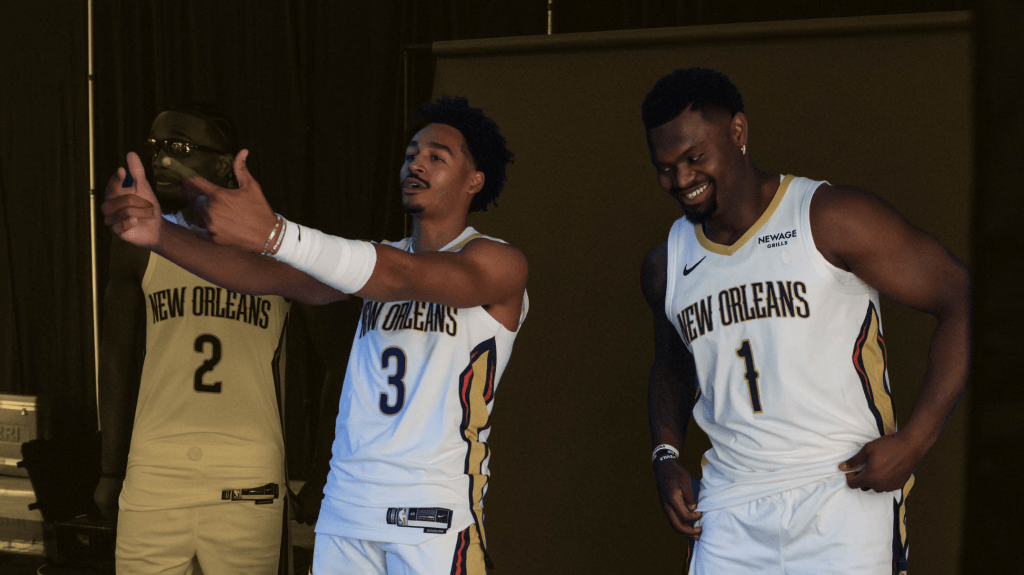
20: New Orleans Pelicans (12 Seed in West)
Key Players: Zion Williamson, Jordan Poole, Trey Murphy III, Herb Jones, Dejounte Murray
Top Award Candidate: Herb Jones (DPOY)
The Pels have a solid core. They have a blend of scoring, lockdown defense and versatility that should make them a tough matchup for any team. Their ceiling is entirely contingent on health. Zion Williamson is always a question mark. Trey Murphy and Herb Jones have missed time in the last couple seasons. Dejounte Murray will be out to start the year as he recovers from his Achilles tear. If their stars stay on the floor, New Orleans could make it back to the playoffs. But that’s a big if.
21: Toronto Raptors (9 Seed in East)
Key Players: Scottie Barnes, Brandon Ingram, Immanuel Quickley, RJ Barrett, Jakob Poeltl, Gradey Dick
Top Award Candidate: Gradey Dick (MIP)
How will this Raptors squad gel together? Their three best players (Scottie Barnes, Brandon Ingram and RJ Barrett) are all playmaking forwards optimized with the ball in their hands. Barnes and Barrett are below-par shooters, and so are half of their role players (including 2025 lottery pick Collin Murray-Boyles). This is going to be a funky basketball team overall, and its results may vary.
22: Miami Heat (10 Seed in East)
Key Players: Bam Adebayo, Tyler Herro, Andrew Wiggins, Norman Powell, Kel’el Ware
Top Award Candidate: Bam Adebayo (DPOY)
Miami got dismantled by the Cavs last postseason, showing there’s a hard ceiling on this post-Butler squad. This season could go in two wildly different ways for them. The track is there for them to make the playoffs again if Bam Adebayo returns to form and Kel’el Ware makes a leap. Tyler Herro is a certified All-Star in the backcourt, and his supporting cast is well-rounded and deep. On the flip side, though, the Heat’s lack of true star talent could come back to bite them and turn them into sellers at the deadline. Andrew Wiggins is already popping up in trade rumors.
This is going to be a bizarre season for the Celtics. They’ve been forced into a retooling just one year after winning a championship. On paper, a core of Jaylen Brown, Derrick White, Payton Pritchard and Anfernee Simons is nothing to scoff at, but this team isn’t deep in the same way they used to be, especially in the frontcourt. A center rotation of Neemias Queta, Chris Boucher, Luka Garza and Amari Williams doesn’t exactly scream playoffs. Boston will probably start the season out competitively but eventually fizzle down the standings and end up in the lottery.
24: Sacramento Kings (13 Seed in West)
Key Players: Domantas Sabonis, Zach LaVine, DeMar DeRozan, Keegan Murray, Malik Monk, Dennis Schroder
Top Award Candidate: Nique Clifford (ROTY)
The Kings get a bad rap. They have an All-NBA big, two All-Star wings and good starters/bench players at every other position. If they played in the East, they could make the playoffs. That’s the problem, though— they’re not in the East. Sacramento should make for a fun late-night watch this season with DeRozan, LaVine, Monk and Murray liable to get hot anytime, anyplace. Unfortunately, there’s very limited room for them to make noise in the standings.
25: Charlotte Hornets (12 Seed in East)
Key Players: LaMelo Ball, Brandon Miller, Miles Bridges, Collin Sexton, Moussa Diabate, Kon Knueppel
Top Award Candidate: Moussa Diabate (MIP)
The Hornets have been stranded in no man’s land for a few years now. This probably won’t be the season where they get rescued, even if LaMelo Ball and Brandon Miller stay healthy. To their credit, though, they’ve assembled a more encouraging roster than they’ve had in the past. Collin Sexton is one of the most underrated additions of the offseason. Kon Knueppel, Liam McNeeley, Ryan Kalkbrenner and Sion James are a fun rookie class. Grant Williams will be back on the floor. They don’t have a real chance at the playoffs, but Charlotte will be scrappy.
The failed Kevin Durant/Bradley Beal experiment is over, and the Suns are now in a weird spot. Even after a slightly down year, Devin Booker is still an All-NBA player, but he would have to carry a bulky backpack to bring this team to the playoffs. It’s not that Phoenix doesn’t have nice role players, because they certainly do. They’re just clearly a level below most of the teams in a loaded West. Revenge-fueled seasons from Jalen Green and Mark Williams could change their outlook.
27: Chicago Bulls (13 Seed in East)
Key Players: Coby White, Josh Giddey, Nikola Vucevic, Matas Buzelis, Isaac Okoro
Top Award Candidate: Ayo Dosunmu (6MOY)
When will the Bulls finally escape mediocrity? They were decent in 2024-25, reinventing the way they play offense and cracking the play-in. However, there just isn’t a world where this team wins a playoff series as currently constructed. They’ll need a lot of internal development and a lot of luck to even get to the postseason in the first place this year. Chicago would probably be better off committing to a Matas Buzelis-led rebuild, but it feels like they’re going to avoid that route forever.
28: Washington Wizards (14 Seed in East)
Key Players: CJ McCollum, Alex Sarr, Bilal Coulibaly, Khris Middleton, Tre Johnson, Bub Carrington
Top Award Candidate: Bilal Coulibaly (MIP)
This placement suggests the opposite, but the Wizards will be a sneaky fun league pass team this year. They’re building a solid defensive identity, and their young core is raw but fascinating. At least two of Alex Sarr, Bilal Coulibaly, Tre Johnson, Bub Carrington, Kyshawn George and Cam Whitmore are going to break out and assert themselves as future cornerstones for this organization, especially with the guidance of vets like CJ McCollum and Khris Middleton.
29: Brooklyn Nets (15 Seed in East)
Key Players: Cam Thomas, Michael Porter Jr., Nic Claxton, Egor Demin, Day’Ron Sharpe
Top Award Candidate: Day’Ron Sharpe (6MOY)
This Brooklyn squad is going to play some cluttered basketball. They’re a rag-tag group of youngsters with little cohesiveness and a lot to prove. Their two best players, Cam Thomas and Michael Porter Jr., are hardly leaders at this point. They avoided the bottom spot of these rankings because Jordi Fernandez showed last year he can turn an unsuspecting roster into a walking trap game. Plus, Nic Claxton and Day’Ron Sharpe will be anchoring things as perhaps the most underrated center tandem in hoops.
The Jazz are entering year four of their rebuild, and yet they still don’t have a core in place. Ace Bailey and Kyle Filipowski have star potential, but they’re far from blue-chip prospects. Keyonte George, Brice Sensabaugh, Isaiah Collier and Taylor Hendricks are intriguing, but what would they look like on winning teams? Utah’s season will be all about evaluating their young guys and figuring out who they can build around. Don’t expect many wins in the process. Do expect one (or both) of Lauri Markkanen and Walker Kessler to get traded.
NBA basketball is less than a month away. Describing that as exciting would be a massive understatement given the absurd amount of talent and competitiveness in the league right now. In celebration of the upcoming season, I’ll be delivering a trio of preseason prediction articles. Today, we’re starting with my award picks. I’ll give my top five candidates for each honor before naming my winner. Let’s dive straight in!
Sixth Man of the Year
Honorable Mentions: Quentin Grimes, Ty Jerome, De’Andre Hunter, Scoot Henderson, Guerschon Yabusele, Brook Lopez, Jonas Valanciunas, Luke Kornet, Mortiz Wagner, Day’Ron Sharpe
Caris LeVert
LeVert has quietly made a smooth transition from injury-prone volume scorer to reliable secondary creator. He’s become more efficient in all senses, making him a high-level playoff rotation piece. With Malik Beasley leaving a gaping hole behind on Detroit’s bench, the team will likely lean on LeVert heavily as they look to expand upon their success from last season. An uptick in scoring is very much in the cards for the veteran wing, and his complementary skills should pop as well.
Bobby Portis Jr.
A suspension kept Portis out of last year’s Sixth Man race, but he’s otherwise been a staple on ballots throughout his time in Milwaukee. The Bucks will need a few of their role players to shoulder more offensive responsibility with Damian Lillard and Khris Middleton both gone, and we know Portis can put up buckets in bunches. He’ll be one of his team’s most important players throughout the season.
Naz Reid
Reid has established himself as a perennial contender for this award. Minnesota’s fan favorite is an offensive unicorn, a rare microwave big man who can go for 20+ with multiple triples on any given night. With Nickeil Alexander-Walker no longer on the team, Reid will be the sole sixth man for the Wolves and could have his best individual season yet.
Anfernee Simons
In terms of talent, Simons will easily be the best bench player in the league if Boston puts him in that role. He’s been a low-tier star guard since 2022, and has averaged 20+ points two times in his career (19.3 in 2024-25). Anferno is a picture-perfect Mazzulla ball player as one of the better volume three-point shooters in the sport. He could have an all-time bench scoring season if he’s empowered to do so.
Aaron Wiggins
The Thunder are incredibly deep, so Aaron Wiggins gets lost in the shuffle to some degree, but he’s very important to what they do. Wiggins came up clutch in big moments several times last year, both in the regular season in the playoffs. He averaged career-highs in points (12.0), rebounds (3.9) and assists (1.8) in 2024-25. They call him the man who saved basketball for a reason.
2025-26 6MOY: Caris LeVert (Simons should be moved to the starting lineup at some point)
Aldama made some MIP noise last season, especially early in the fall. This year, he should get even better. The 24-year-old will likely play a featured role in Memphis’ offense and could become their third option. His shooting and overall off-ball scoring chops make him a fitting candidate to fill parts of the role Desmond Bane left behind.
Moussa Diabate
Diabate was the best two-way contract player in the league last year, as well as one of Charlotte’s best players on a night-to-night basis. His breakout should become a full-on explosion in 2025-26. He’ll be competing with Mason Plumlee and Ryan Kalkbrenner for the starting center spot, a battle that should easily go his way. Expect some insane rebounding numbers (and solid stats overall) from Diabate as he cements himself as a rotation big.
Bennedict Mathurin
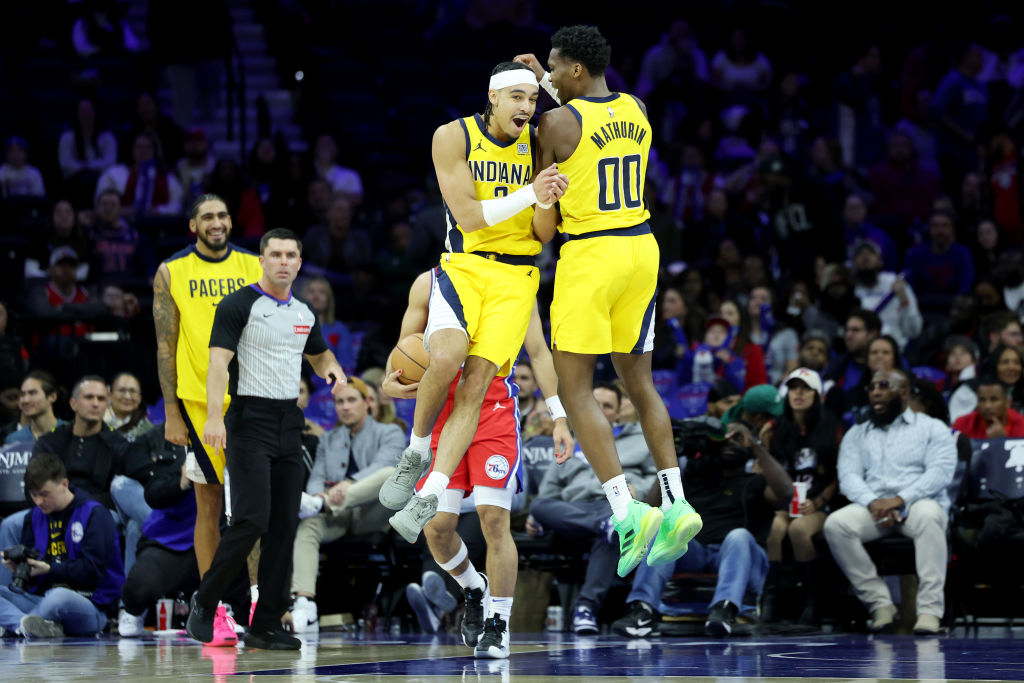
Andrew Nembhard (who we’ll get to in a second) is the popular Pacers breakout pick, but don’t sleep on Benn Mathurin. The former sixth-overall pick is a fiery scorer just waiting for the chance to put his full skillset on display. With a gap year on the horizon for Indy, Mathurin should have ample opportunity to have the ball in his hands and get buckets. If everything clicks, he could drop 20 bombs on a regular basis.
Andrew Nembhard
Nembhard has been limited to a supporting role so far in his career, but after Tyrese Haliburton’s injury, he’ll be able to spread his wings as a lead ball handler. His scoring and playmaking should both look better than ever with the freedom to strengthen his on-ball chops. As the widespread preseason favorite for this award, expectations are high for him, but he has the talent and willpower to shatter them.
Ausar Thompson
Amen Thompson is getting a lot of hype right now, and Ausar will soon enter the same conversations as his twin. Ausar has only played 122 games and he’s already one of the league’s best perimeter defenders. His offense is lagging behind a little, but it should come around as he finds more comfort on an NBA floor. Overall, he’s just as enticing of a prospect as Amen, and he’s set to prove that to the world this season.
2025-26 MIP: Bennedict Mathurin
Rookie of the Year
Honorable Mentions: VJ Edgecombe, Kon Knueppel, DaRon Holmes II
Ace Bailey
Bailey was supposed to be a consensus top-three pick, but an unusual PR situation led to him falling to five. In Utah, the Rutgers star will have the track to become an offensive star early in his career. Will Hardy knows how to maximize off-ball scoring forwards— just look at Lauri Markkanen. Don’t be surprised to see standout volume scoring numbers from Bailey in year one.
Cooper Flagg
Not much really needs to be said here. Flagg is coming into his first year as far-and-away the most NBA-ready player in his class. The 18-year-old will have little trouble adjusting to the physicality of the pros. He should be a borderline All-League defender almost right away, and he could have a special offensive rookie season as well. Jason Kidd will certainly give him the usage necessary to make that happen.
Dylan Harper
The clear-cut second guy in the 2025 class is entering an ideal situation as a rookie. There’s no pressure for him to look like a franchise savior right away (or ever, really, given San Antonio already has Wemby). He’ll be able to take a backseat behind De’Aaron Fox, Devin Vassell and Stephon Castle in the backcourt, learning the ropes while having the opportunity to play a level of hoops other lottery teams couldn’t offer. All in all, Harper is in the perfect ecosystem for his development.
Tre Johnson
Washington has some nice prospects, but they haven’t yet identified their guy. Tre Johnson could be the leader of their rebuild. He’s a phenomenal scorer for his age with the upside to be a bonafide offensive star. He’ll have plenty of reps to fill up the scoring column in year one.
Khaman Maluach
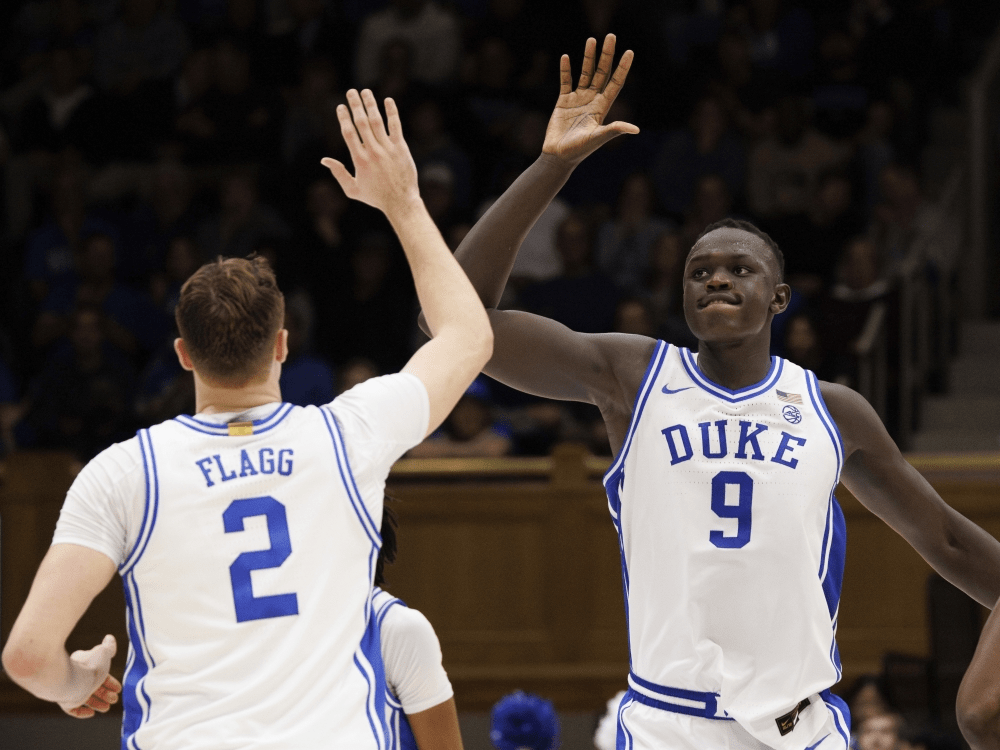
Don’t let his age fool you, Maluach is ready to not just survive but thrive in the NBA. His towering 7’2” frame will help him be a menace on the glass and defensively from day one. The Duke product will be coming off the bench behind Mark Williams, but he has the makings of a per-minute monster.
2025-26 ROTY: Cooper Flagg
Defensive Player of the Year
Honorable Mentions: Bam Adebayo, Jaren Jackson Jr., Giannis Antetokounmpo, Anthony Davis
OG Anunoby
Anunoby is the league’s best non-big defender because he’s the definition of versatile. He can guard in the post like a five, but he can also shut down anyone on the perimeter. New York’s defense won’t be top-of-the-line, but it will be tough to deny OG’s merit for DPOY considering how much weight he pulls for them on that end.
Chet Holmgren
If there’s anyone who could realistically challenge prime Victor Wembanyama for best defender in the world, it’s Chet Holmgren. Between his unbelievable shot blocking, mobility and switchability, Holmgren is a world breaker on D. A fully healthy season of anchoring a dominant OKC defense would put the big man in lofty conversations.
Evan Mobley
The reigning DPOY will once again contend for the trophy in 2025-26. Mobley’s all-world rim protection and versatility will always get his name on ballots, especially while he plays for a contending Cavaliers team. However, to beat out The Alien and go back-to-back, he’ll need to up his block numbers or keep his team in the top three league-wide defensively (or both).
Amen Thompson
Amen Thompson is just 22 years old and he’s already the top defender at his position. The athletic freak anchored an elite Rockets defense on his way to a top-five DPOY finish in 2024-25, and the odds look good for him to replicate that in the upcoming season. Between Amen, Wemby and Chet, the top of this race feels like something out of a video game.
Victor Wembanyama
Wembanyama stands nearly uncontested atop the NBA’s defensive mountain. The only thing that could stop him from winning his first Defensive Player of the Year award in 2026 is injury (which is exactly what happened last year).
2025-26 DPOY: Victor Wembanyama
Most Valuable Player
Honorable Mentions: Luka Doncic, Donovan Mitchell, Cade Cunningham, Kevin Durant, Victor Wembanyama, Trae Young, Paolo Banchero
Shai Gilgeous-Alexander
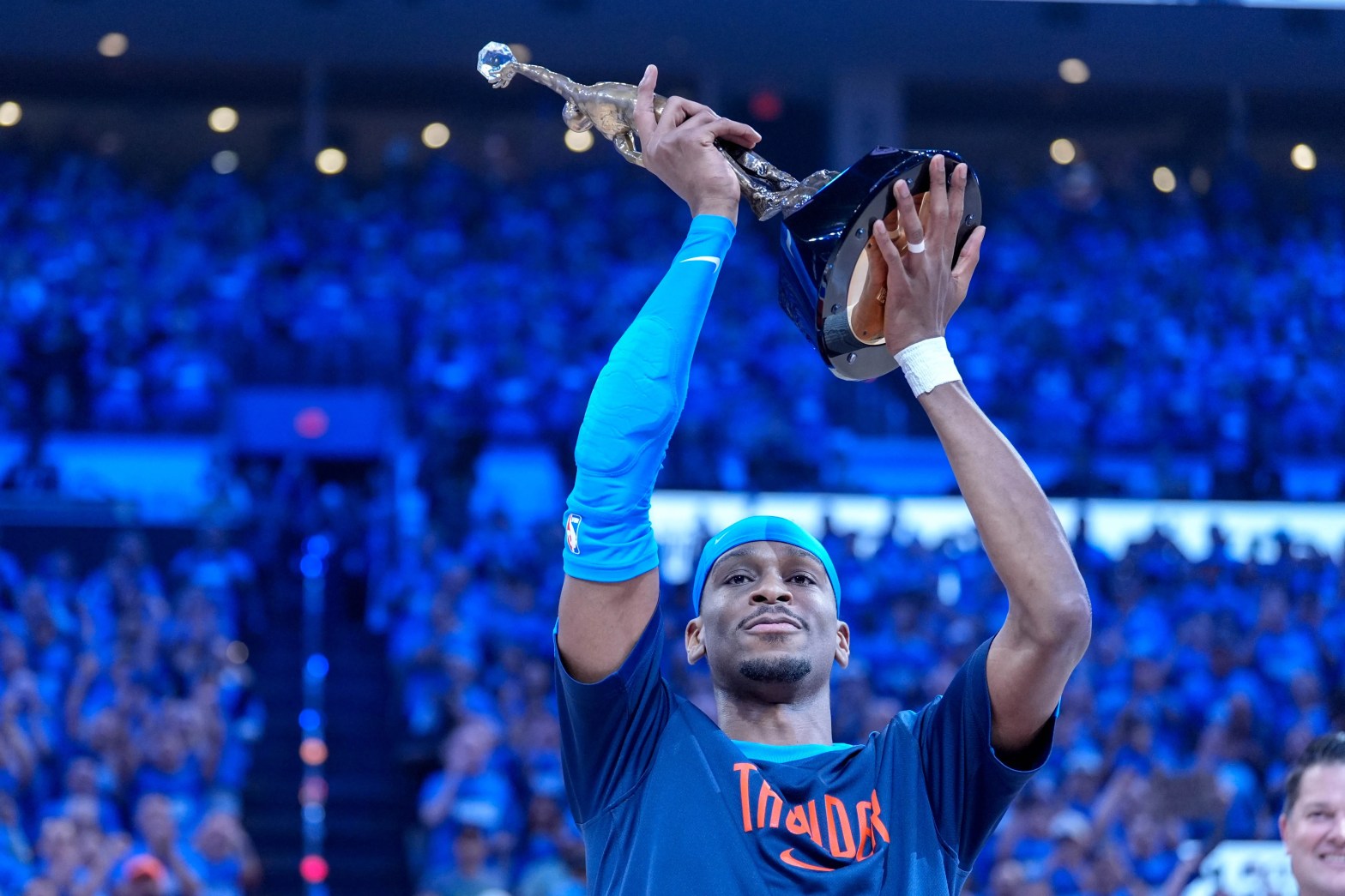
SGA is coming off an extraordinary season in which he won both MVP and Finals MVP while capturing countless other accolades along the way. He’s on a crash-course trajectory toward the title of best in the world, ready to snatch the crown the moment Jokic and Giannis let up (which might not happen for a while). With the Thunder set to run the league once again, Shai could very well go back-to-back here.
Giannis Antetokounmpo
Giannis has two MVPs in his trophy case, and yet all of his best individual seasons have come after his MVP years. He’s been continuously overlooked in favor of his fellow international megastars. In 2025-26, the Greek Freak could put up numbers too ridiculous to ignore. He’s slated to shoulder the highest usage rate of his life after Damian Lillard’s shocking dismissal.
Jalen Brunson
Brunson has built upon his improbable breakout each year since his arrival in New York, going from All-Star, to All-NBA, to MVP candidate. He’s in prime position to terrorize the weakened East and lead his team to the promised land this season. If the Knicks finish atop their conference, don’t sleep on the King of N.Y. for this award. He’s this year’s dark horse.
Anthony Edwards
Ant screams future MVP. Believe the hype. He’s the modern Michael Jordan. His drive to improve and be the greatest is unmatched in this league. With the city of Minnesota on his back, Edwards could ascend to unfathomable heights this year.
Nikola Jokic
Jokic is the type of good that becomes boring, and that’s a compliment. How is he a top-three MVP candidate every year? Because he’s one of the best centers basketball has ever seen. Heading into 2025-26, he has perhaps the most well-constructed supporting cast of his prime, which will only make him look better.