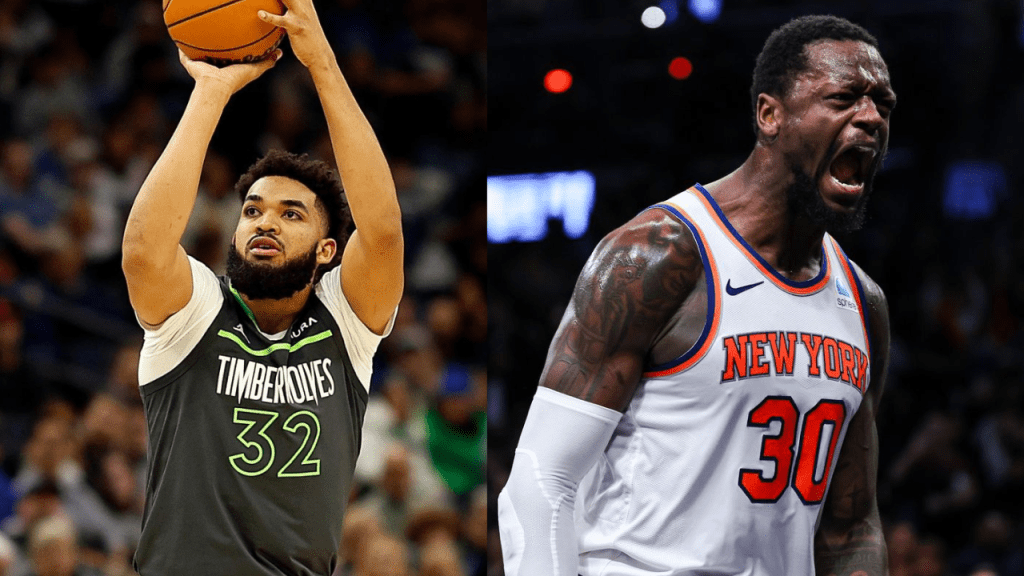
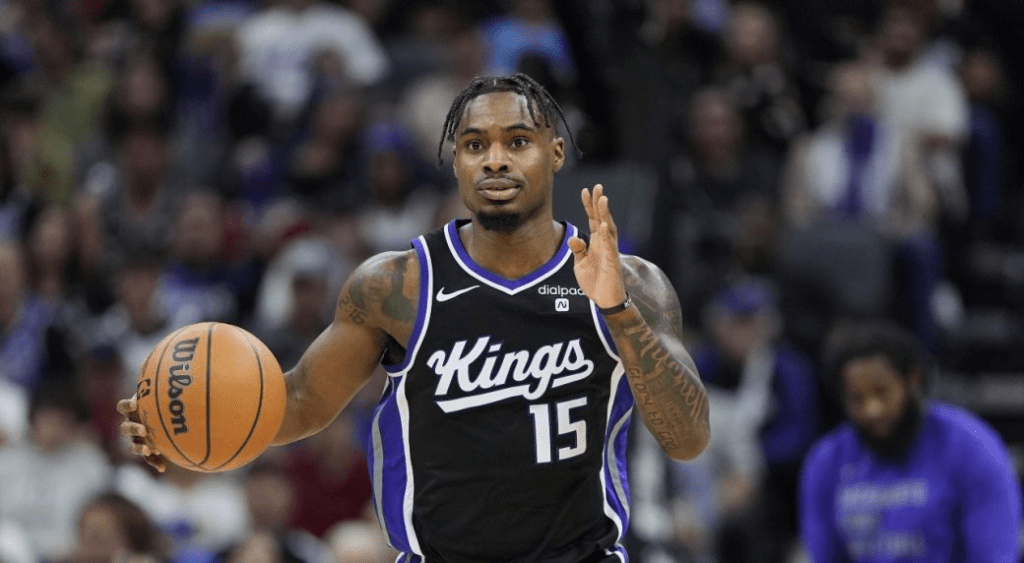
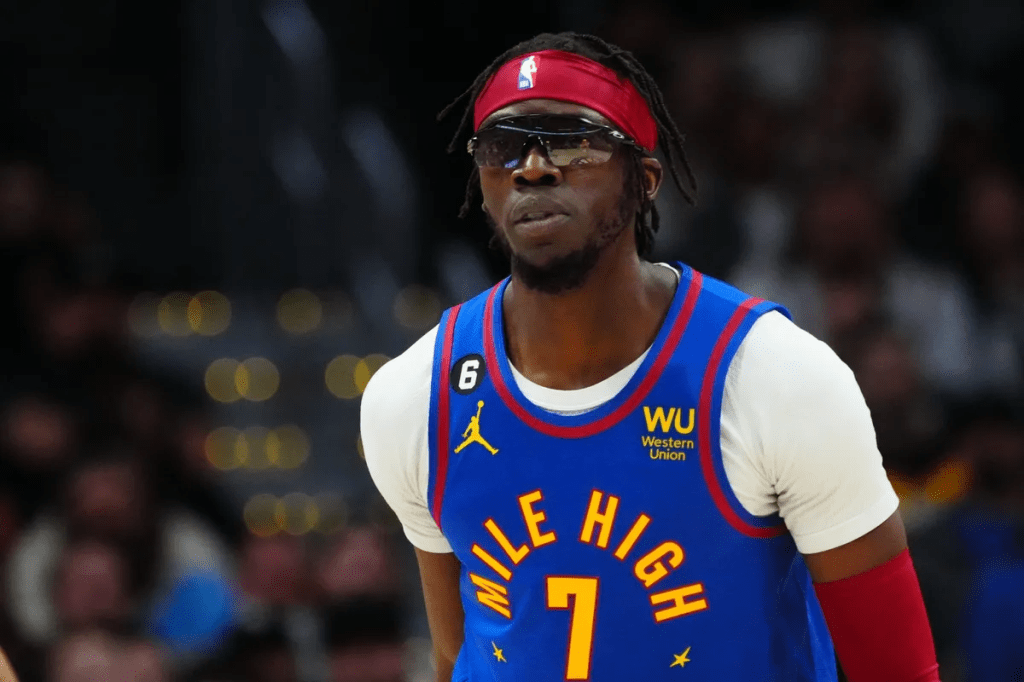
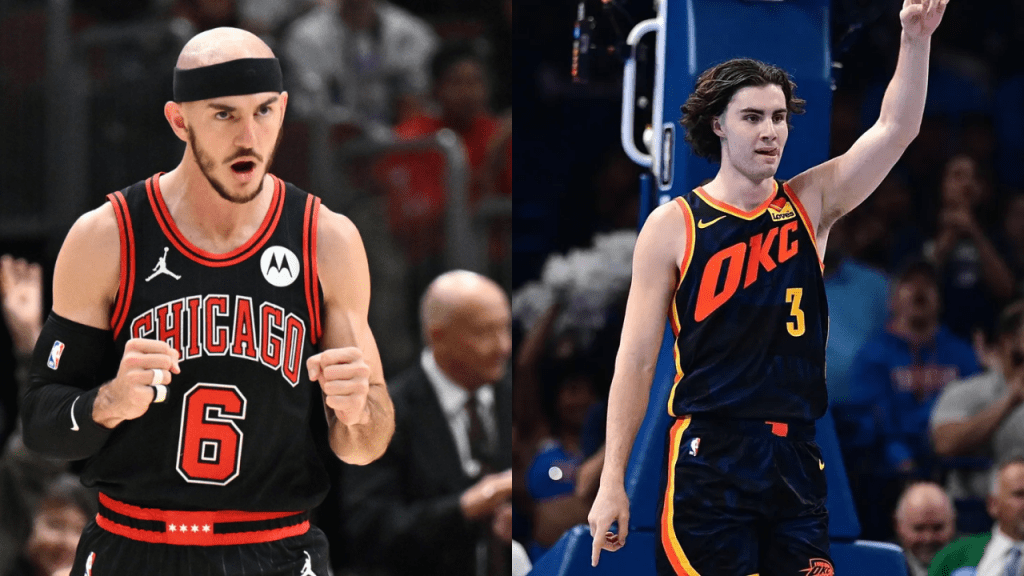
The NBA never fails to surprise us, and the surprises never fail to be exciting. Last Friday night we got our first big trade of the post-Woj era, with Karl-Anthony Towns heading to the New York Knicks in exchange for Julius Randle and Donte DiVincenzo (and former Bench Mob Blog All-Star Keita Bates-Diop). This deal came out of absolutely nowhere, and there is plenty to be said about it. We could talk about the implications for both teams in the standings, who won and who lost, how dirty the Wolves did Towns and how dirty the Knicks did Randle… the list of topics goes on. Today, though, let’s zoom in on just the two stars and take a look at how each one fits in on their new squads.
Karl-Anthony Towns
New York’s center problem has been the talk of the dead part of the offseason, but now the problem has been fully solved as the ‘Bockers are adding one of the best bigs in basketball in the Big KAT. He’ll be able to slide in as the man in the middle and give a massive boost to the Knicks, especially on offense.
With Towns on the floor, coach Thibodeau will have the ability to deploy some super scary five-out schemes. OG Anunoby, Mikal Bridges, Josh Hart/Miles McBride, and the new big fella will form a lethal firing squad that will open up acres of space for Jalen Brunson to cook. Take a look at these shooting numbers from last season:
K. Towns: 41.6% 3P (5.3 3PA)
O. Anunoby: 38.2% 3P (5.3 3PA)
M. Bridges: 37.2% 3P (7.2 3PA)
M. McBride: 41.0% 3P (3.9 3PA)
J. Hart: 31.0% 3P (3.2 3PA)
Who do you leave open? Ideally none of them. In a classic pick-your-poison situation, opposing teams will be forced to choose between trusting their top defenders on an island with Brunson or sending help at the heliocentric Hercules and therefore leaving one of the shooters with enough room to let it fly from deep. Needless to say, both options are less than desirable. Towns is also one of the best pick-and-pop guys in the NBA, which will add a very intriguing wrinkle to Brunson-directed pick-and-rolls. In a league where spacing is a fundamental part of success, the offensive potential of Towns-at-the-five lineups cannot be understated.
Another thing Towns can do from the five spot is replicate some of the passing hub prowess the recently departed Isaiah Hartenstein brought to New York. Towns can make kickouts from the post, thread needles, and even run some pick-and-roll as a ball handler. In fact, he and Rudy Gobert formed a very impactful P&R pairing in Minnesota. An inverse version of basketball’s most popular action between Towns and Jalen Brunson is an intriguing concept, as Brunson popping or ghosting could open up lanes for the big man to barrel downhill and make stuff happen.
Towns is not limited to playing center, though, and in fact it might be the four spot where the former number one pick will be most effective in the Big Apple, specifically for defensive purposes. While he has a big body and can block shots, Towns has never been known for his rim protection. The standard for big man defense when it comes to the playoffs is high, and New York could find a cap on their ceiling with Towns as their primary rim protector. Letting Mitchell Robinson be the anchor down low while Towns operates from the help side and hedges on the perimeter is a better idea and is probably what defensive guru Tom Thibodeau will gravitate towards. On the other side of the ball, Towns would be no less of a spacer as a power forward and could also recreate his jumbo P&R success from Minnesota with Mitchell Robinson. Overall, the Knicks could easily oscillate between running the All-Star at the four and the five and feel good about both options.
The last major thing worth noting about Towns coming to the Knicks is that he is not the same level of playmaker that Julius Randle is. While Jalen Brunson has plenty of off-ball weapons around him now, he no longer has a secondary creator to lean on (unless you trust Mikal Bridges to be that guy). Come playoff time, New York will be leaning so heavily into their superstar and only time will tell if his back will break.
Julius Randle
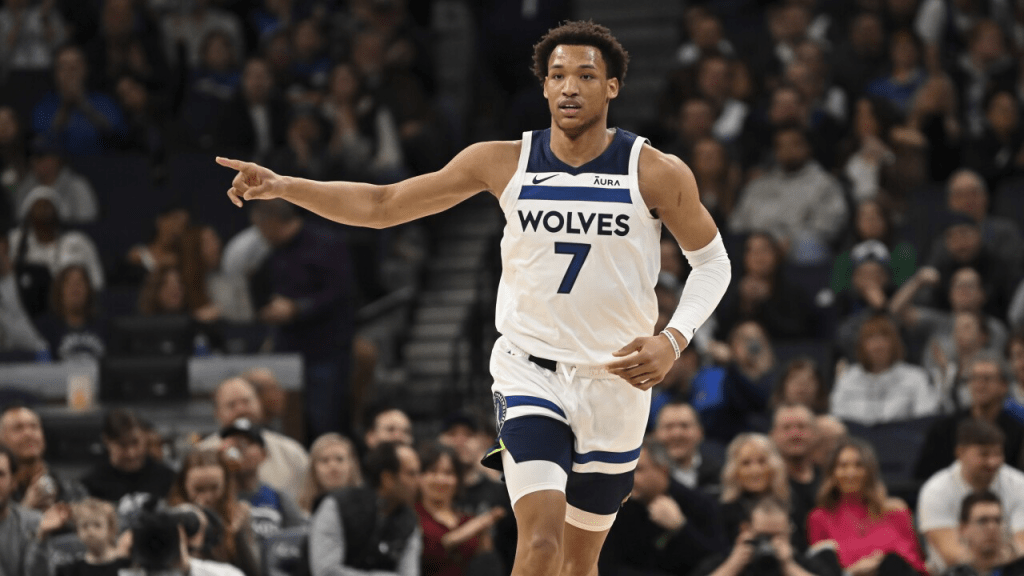
The masses were immediately critical of Randle’s fit in Minnesota after this trade went down, and to some degree, that was fair. The spot-up shooting and off-ball play that Karl-Anthony Towns provided was essential for the Timberwolves last season, especially when Rudy Gobert, a non-shooting big, was in the game. Julius Randle cannot replicate those things. He’s a career 33% three-point shooter (a streaky one at that) and he does the most damage with the ball in his hands. Unfortunately, the Wolves belong to Anthony Edwards, and he will be controlling the rock. So, how does Randle fit in? There are actually reasons to believe he will fit in well.
As spoken on by Pistons head coach J.B. Bickerstaff on media day, spacing doesn’t only concern three-point proficiency. The three-ball is the most traditional trait of good spacing, but not the only way to achieve it. While Anthony Edwards is attacking in iso, Randle can still be stationed on the perimeter. When he catches the ball, though, rather than shooting, he should have getting to the rim in mind. The two-time All-NBA nominee is an absolute freight train who commands a ton of attention when he puts his head down. By focusing on catching and driving right away, Randle would not only catch defenders out of position but also create advantages for himself and others because he cannot be stopped by just one man. In New York, he generated many shots for his big men by driving to the rim, and he could do the same for Rudy Gobert in Minnesota. Further, his slashing would open up shooters like Anthony Edwards and Mike Conley on the perimeter. Allowing Randle to do what he does best, generating paint touches, in a more controlled capacity is how the Wolves could get the most of him when he’s in the game with the starters.
Here are two plays where Julius Randle attacks off the catch and makes plays for Mitchell Robinson. This is how Minnesota could use him when he's on the court with Ant and Gobert. Also intrigued by the idea of Randle as a roll man making plays out of the short roll pic.twitter.com/L158j3KU0Z
One way in which Randle will make Minnesota better is by being a creator and taking pressure off Anthony Edwards. The young supernova is one of the best scorers in the league already, but he can’t do everything on his own, and Randle will be able to pick up slack for Ant in a way Towns couldn’t. As touched on, Randle is an elite two-point creator and a very underrated playmaker as well. Don’t forget he led the Knicks to the playoffs on his own in 2021. The modern Knicks legend is very capable of being the number one option on any given night and that will make Chris Finch’s offense more dynamic.
Switching to the other side of the ball, Randle is a more natural fit in the roaming four man role that Towns was asked to play last season. When locked in, which isn’t always, he’s very capable of being a brick wall that slows down opposing bigs and he can also move his feet on the perimeter. The defensive culture that’s been established in the Twin Cities should hopefully be enough to get Randle to buy in full-time on D, and if he does, he could look really solid on that end.
Things seemed clunky on paper initially, and they may still turn out to be that way, but the bottom line is that Julius Randle is an all-league talent and he has plenty to offer to his new squad.
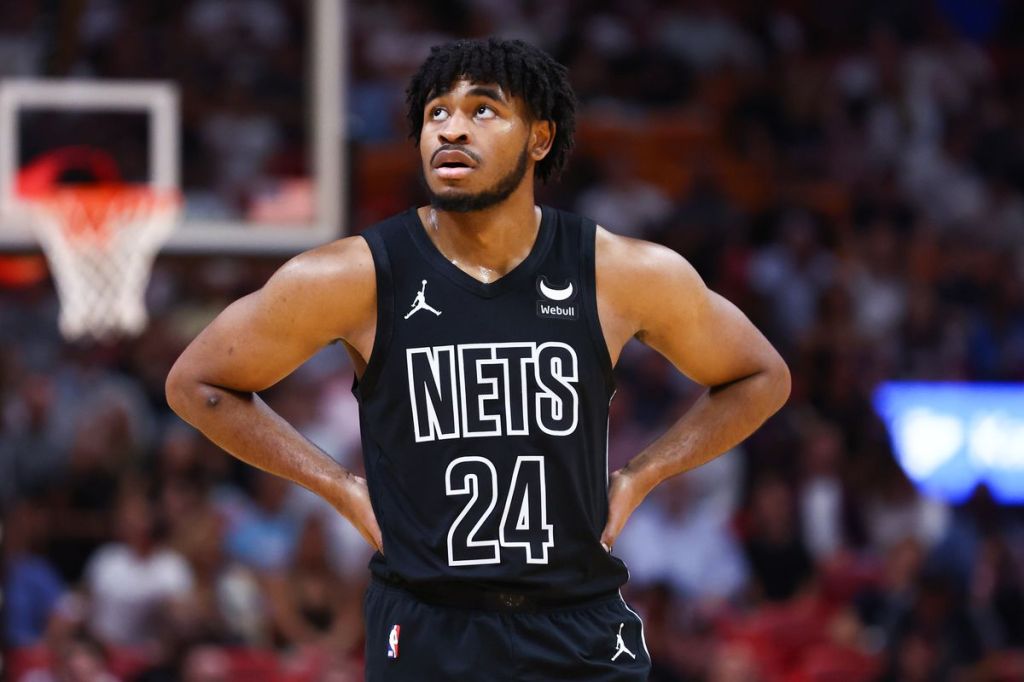
Score-first players face a lot of scrutiny in the NBA world. Teams want players who can affect the game in multiple ways and do the little things like defend and rebound. As a result, the real value of pure microwave bucket getters is uncertain. One guy who is often under the microscope is Cam Thomas of the Brooklyn Nets. Coming off a season in which he averaged a relatively efficient 22.5 points per game and finished seventh in Most Improved Player voting, it’s clear that Thomas is at least a good NBA player. You don’t fill up the scoring column like that on a night-to-night basis by accident. But, how good is Thomas actually? What else does he do besides score?
Thomas’ role is not to defend. He’s a smaller shooting guard with no standout athletic traits. Expecting him to be able to lock up is guaranteed to end in disappointment. However, for a high-usage guard who is often given the freedom to create with the ball in his hands, being unselfish and able to make teammates better is a crucial skill. That’s the trait people want to see from Thomas, because right now he gets lumped into groups of players that never swing the rock. Is giving him that title fair? How good (or bad) of a playmaker is he?
Let’s start with the numbers. Last season, Cam Thomas averaged 2.9 assists per game. That’s the lowest tally out of all 20-point-per-game scorers. He was sixth on the Nets in assists per game, fourth in total assists, and seventh in assist percentage despite ranking 11th in the whole league in usage rate. Clearly, Thomas’ passing output is way less than ideal. He is absolutely all about his buckets, and that’s fine, because scoring is what he’s primarily asked to do. Still, though, he still needs to be able to pass in a pinch. Further, if he ever wants to reach All-Star status, he’ll need to become a respectable playmaker. To find out exactly where he’s at in those categories, let’s dive into the tape.
(Please note that the following numbers are hand-tracked and may be slightly inaccurate due to human error or difference in opinion!)
Out of Thomas’ 189 total assists that were available to watch on thehighlow.io (only three from his overall season total were missing), 69 of them were playmaking assists, with a playmaking assist being categorized as a play where Thomas directly created the advantage for the other player. These assists most commonly came out of the pick-and-roll, where Thomas is an adept director who can draw in help defenders and hit his roll man or an open shooter at the right time. Most of his other playmaking assists came off drives, where the threat of him getting to the rim or pulling up for a middie forced help to step up, subsequently opening up another Net for an easy shot.
Thomas definitely has the capacity to be a playmaker. However, the fact that he dished out just barely over one playmaking assist per game is pretty mind-boggling considering how much he has the ball. Why is that number so low? The man has tunnel vision. He drives 16.1 times per game, a 96th percentile rate, but he only passes the ball out 28.5% of the time, a 39th percentile rate (via BBall Index). Because he’s so hell-bent on shooting, Thomas is prone to dumb turnovers. His handle is underdeveloped for a player of his usage and he coughs the rock up often, sometimes even unforced. His footwork is somewhat suspect and he’ll get called for travels when he tries to pivot. He’ll dribble into bad situations and just throw the ball away. None of those habits are what you want to see from your star player, or any player, for that matter.
It is also worth noting that Thomas received a lot of help from Nic Claxton and Day’Ron Sharpe last season, both of whom are high-quality roll men. Without their screening and lob-catching ability, his assist numbers probably would have looked significantly worse since he doesn’t do too much playmaking out of isolation.
All of that makes Thomas seem pretty bad, but he has some playmaker in him. It will be up to him, and Brooklyn’s coaching staff, to bring that side of him out more often.
Wait, but what about the non-playmaking assists? There were 120 of those miscellaneous assists, and they were more encouraging. Thomas is good at continuing advantages created by others. Brooklyn puts him in a lot of off-ball screen actions, especially zoom, and when flying off of those, Thomas has proved to be a pretty heads-up passer. Perhaps that can be chalked up to set design, but considering his usual ways, that’s still something. Additionally, the LSU product is an unselfish transition player who moves the ball quickly to capitalize on such advantages.
Zoom action
Cam Thomas is far from a well-rounded player. He’s far from an elite playmaker. He’s also just 23 years old and was thrust into a massive role last season for the first time in his career. The young shooting guard has plenty of room to grow, and he’ll have plenty of freedom to spread his wings for the tanking Nets this season. For that reason, along with the flashes he’s shown, there are reasons to feel optimistic about his passing ability. And if he starts swinging the rock, he’ll become one of the most dynamic offensive forces in basketball.
The Pistons were absolutely abysmal last season. That’s no secret. Probably the most detrimental cause for their woes was their three-point shooting. They ranked 29th in 3PM, 27th in 3PA, and 26th in 3P%. In a league where the three-ball is king, stats like that are a recipe for disaster.
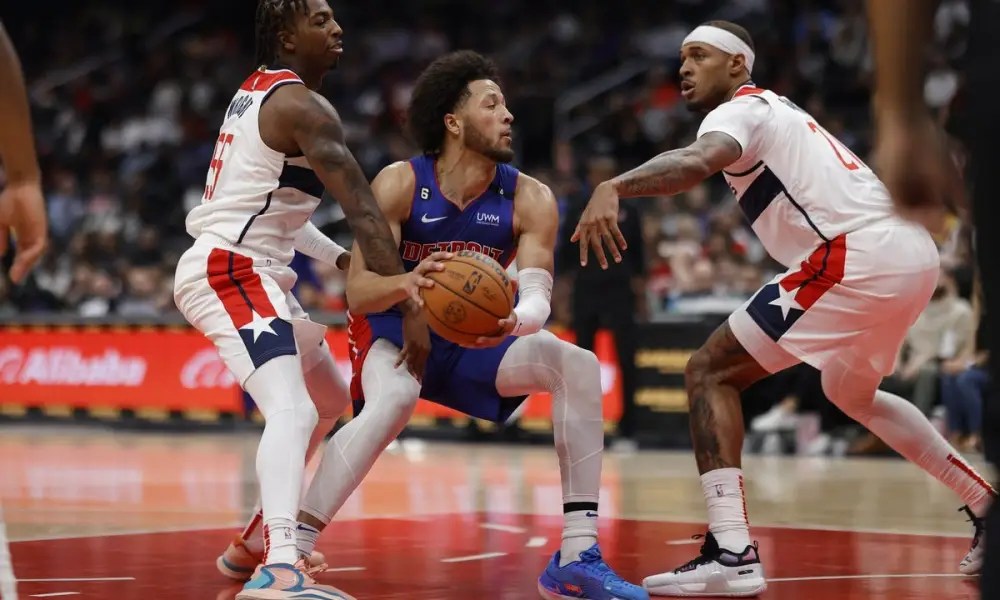
It is, however, somewhat of a secret that Cade Cunningham is one of the future faces of the NBA. He had a fantastic, All-Star-level individual season in 2023-24 but it flew well below the radar because of how bad his team was. Heading into 2024-25, though, things seem to be coming up Cunningham. Here’s why.
Cunningham was held back the most last season by the severe lack of spacing. As mentioned before, the Pistons were an extremely poor shooting team. They lacked respected shooting threats across the lineup, and that resulted in their budding star having very little space to operate. For that reason, Cunningham finished with a 31st percentile 3PT shot quality grade and a 2nd percentile rim shot quality grade, via BBall Index. As pretty much the only real offensive threat on the floor, Cunningham saw ridiculously heavy amounts of defense that forced him into taking some very tough shots. Luckily, the former first overall pick is an impeccable tough-shot maker, but that type of offensive diet is not sustainable for winning basketball.
Watch this possession. Cunningham receives a UCLA screen at the elbow, an action Detroit commonly ran to try to free up their leading scorer. As he looks to get downhill, both weakside defenders have feet in the paint and Embiid is eating up all the space at the rim. Being the elite bucket getter he is, Cunningham creates something out of nothing and hits the short jumper, but it was a terrible desperation shot he had to take because all avenues of escape were cut off. That’s the effect of having poor shooters surrounding a creator.
The same thing happens here. All five Bucks defenders are within a few feet of Cunningham, preventing him from passing, and the excellent coverage from Andre Jackson Jr. puts the nail in the coffin, making it a wasted possession for the Pistons.
Heading into the offseason, everyone in the NBA world knew Detroit’s absence of shooting was a burning problem that needed to be addressed, and thankfully the team realized it. Via trade and free agency, they added players who will make a difference. Enter Tim Hardaway Jr. and Malik Beasley. In 2023-24, Beasley made the 11th most triples in the league. Hardaway made the 19th most. Both are proven snipers who warrant tight closeouts and constant attention off the ball. They cannot be left open, and that fact opens the possibility for a very dangerous symbiotic relationship between Cade Cunningham and the two shooters. With the pair spotting up, Cade Cunningham will have much more real estate to do his thing. His efficiency should skyrocket and he’ll be able to apply more rim pressure. And, because he’s such a threat with the ball in his hands, he will continue to command extra defensive attention, and that will create easy looks for Beasley and Hardaway Jr. to feast on just like they did while playing with Giannis and Luka.
It feels like such a simple concept because of how integral shooting is to success in today’s NBA, but the addition of real shooters to the Pistons roster is going to make such a difference. Hardaway and Beasley won’t be real needle movers in terms of wins and losses, but their presence will make it possible for Detroit to finally roll out a competent basketball team. And considering how bright Cade Cunnignham’s future is, that improvement is something to be very excited about.
Two-way contracts are incredibly undervalued. Season after season, we see success stories where overlooked players outplay their two-way deals and earn multi-year standard contracts. Guys like Alex Caruso, Duncan Robinson, and Lu Dort are proof that contributors can be found anywhere in the NBA if teams look hard enough. The current two-way contract pool is deep and there are many potential breakout candidates. Here is every player on a two-way contract for the 2024-25 season, ranked and tiered:
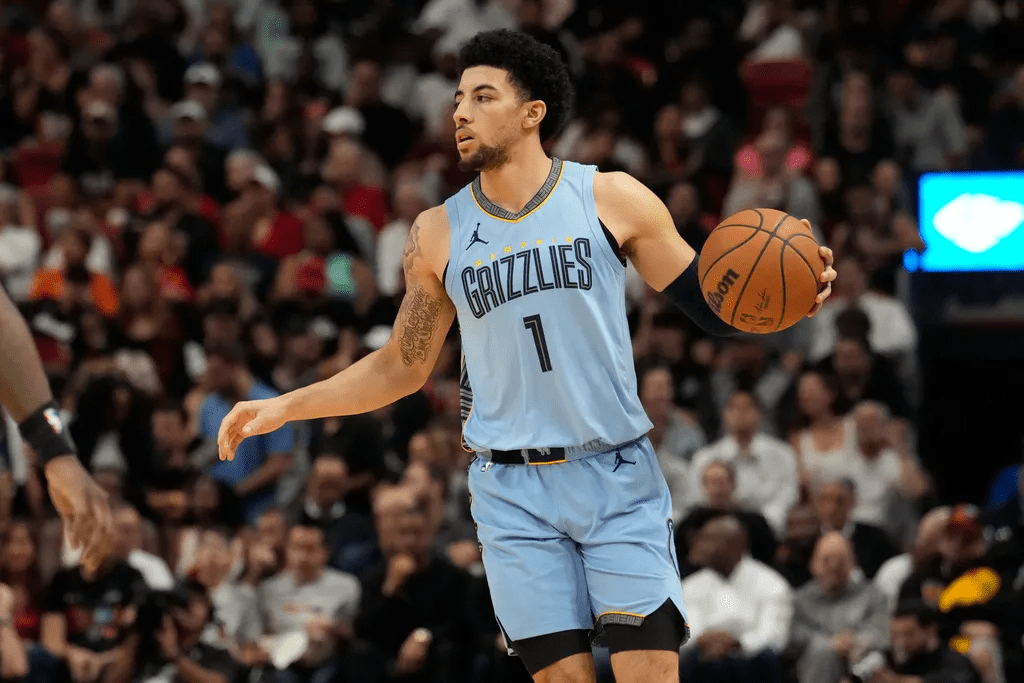
The son of an NBA legend, Scotty Pippen Jr. is now well on his way to making his own name in the league. He’s the current favorite to be Memphis’ backup point guard this season, and it feels inevitable that he’ll receive a big pay day soon. He’s a heady floor general, a dogged defender, and a much improved shooter who fits right into the young and hungry Grizzlies culture.
2: Kessler Edwards (Dallas Mavericks)
MOB score rank: 213
Kessler Edwards is the exact type of utility forward every team is constantly searching for. He was the designated situational stopper for the Kings because of his ability to contain multiple positions and force misses or turnovers defensively. He’s also a reliable spot-up threat, especially from the corner. He’s the perfect type of player to put next to Luka Doncic and he has a real chance to carve a rotation spot for himself and help the Mavericks return to the Finals.
TIER 2: CERTIFIED NBA PLAYERS
3: Jay Huff (Memphis Grizzlies)
MOB score rank: 292
Huff has proven on every level that he belongs in the NBA. The former G League Defensive Player of the Year fits the ultra-elusive and ultra-valuable mold of 3&D center with his monstrous shot blocking ability and efficient pick-and-pop game. Memphis lacks depth at the five behind Jaren Jackson Jr. and Zach Edey, so Huff may finally get his big break in 2024-25. If he does, he will shine.
4: Trey Jemison (New Orleans Pelicans)
While the Grizzlies had a season from hell in 2023-24, it wasn’t all bad, because it unearthed hidden gems like Trey Jemison. The UAB product started 14 games for the Grizz in which he protected the rim at a high level and relentlessly attacked the glass, proving himself as a pro. Now joining a New Orleans squad with an uncertain center rotation, Jemison has a chance to step in and be a savior (of sorts) once again.
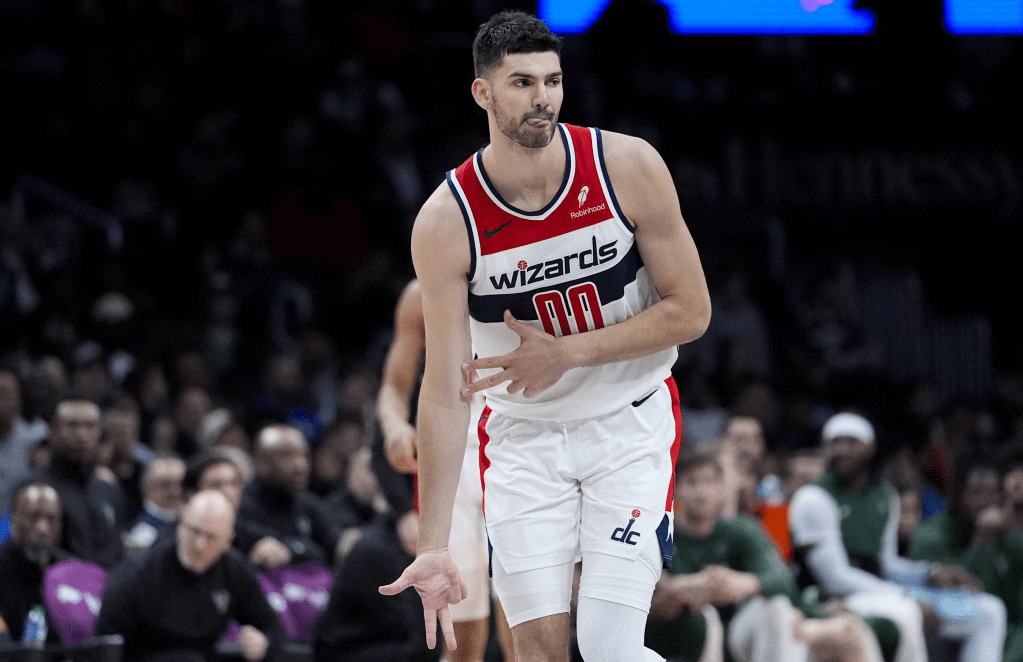
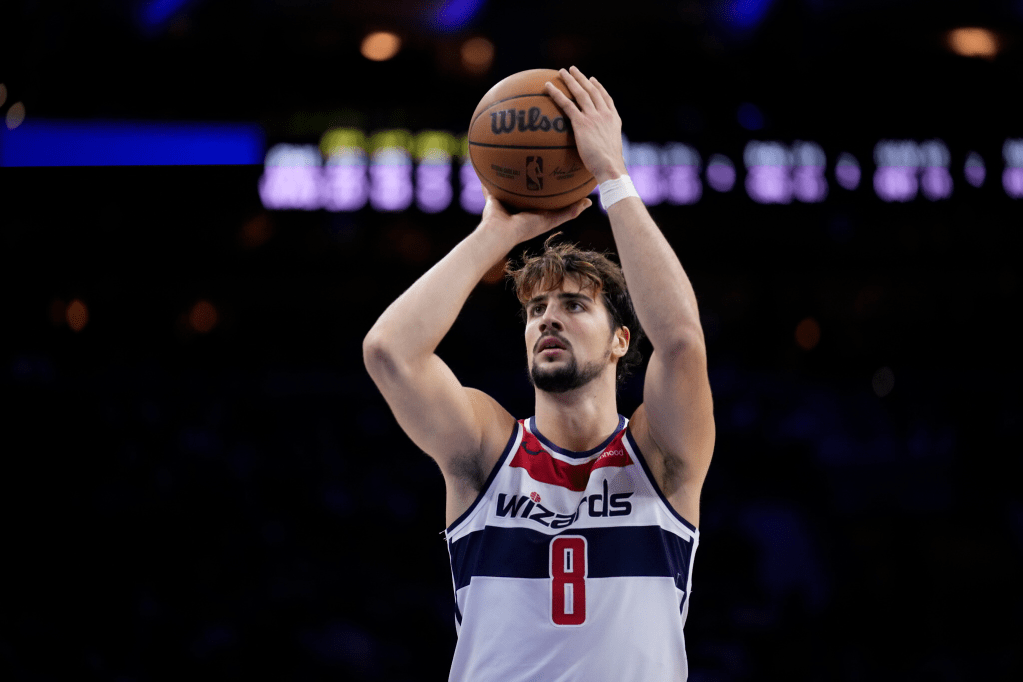
5: Tristan Vukcevic (Washington Wizards)
A late addition to the Wizards last season, Tristan Vukcevic raised eyebrows in his first 10 NBA appearances. The Serbian center possesses a ton of skill for a man of his size and is able to space the floor, put the ball on the deck, and dish out dimes. Washington is likely in for a bleak year, but Vukcevic’s growth will be interesting to monitor.
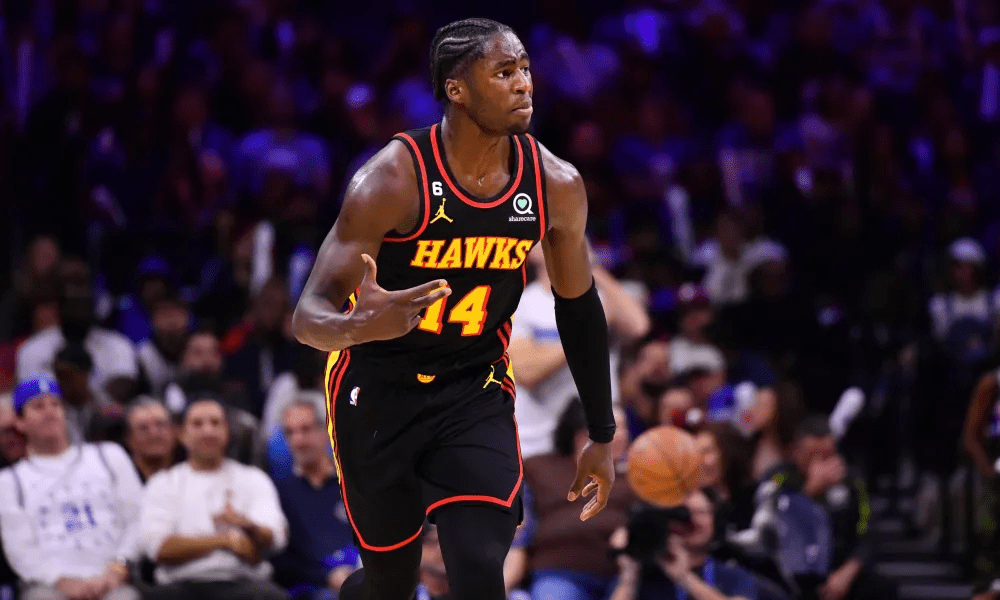
6: Dominick Barlow (Atlanta Hawks)
MOB score rank: 160
Overtime Elite’s flagship prospect is on his way to making the league proud. Barlow, who went undrafted in 2022, popped up as an intriguing backup for San Antonio last season. He provides finishing, rebounding, rim protection, and passing and as a still-raw 21-year-old, he still has a lot more potential to tap into.
7: Justin Champagnie (Washington Wizards)
MOB score rank: 217
Justin Champagnie can’t shoot like his twin (Julian Champagnie of the Spurs), but he can do everything else. He slid into Washington’s rotation towards the end of the season and looked like a very solid role player. The New York native is scrappy on the boards and on defense and he knows where to be to pick up easy points in the paint. The Wizards won’t be winning much, but Champagnie can do things on the court to help establish a winning culture.
8: Jeff Dowtin (Philadelphia 76ers)
MOB score rank: 245
The 76ers are entering this season with a largely revamped roster, which means there will be many rotation spots up for grabs. Jeff Dowtin has a chance to snag one. A 6’3” combo guard with stretching arms that make him look much taller, Dowtin brings a super versatile skill set to the table that would allow him to wear multiple hats in Philadelphia’s lineup.
9: Jamal Cain (New Orleans Pelicans)
MOB score rank: 220
A product of the Miami Heat’s fabled undrafted development program, Jamal Cain is now traveling down to The Big Easy where he could further spread his wings as a Pelican. New Orleans lost Naji Marshall to free agency, and Cain can provide a lot of the same defensive intensity and lunch pail mentality that Marshall did.
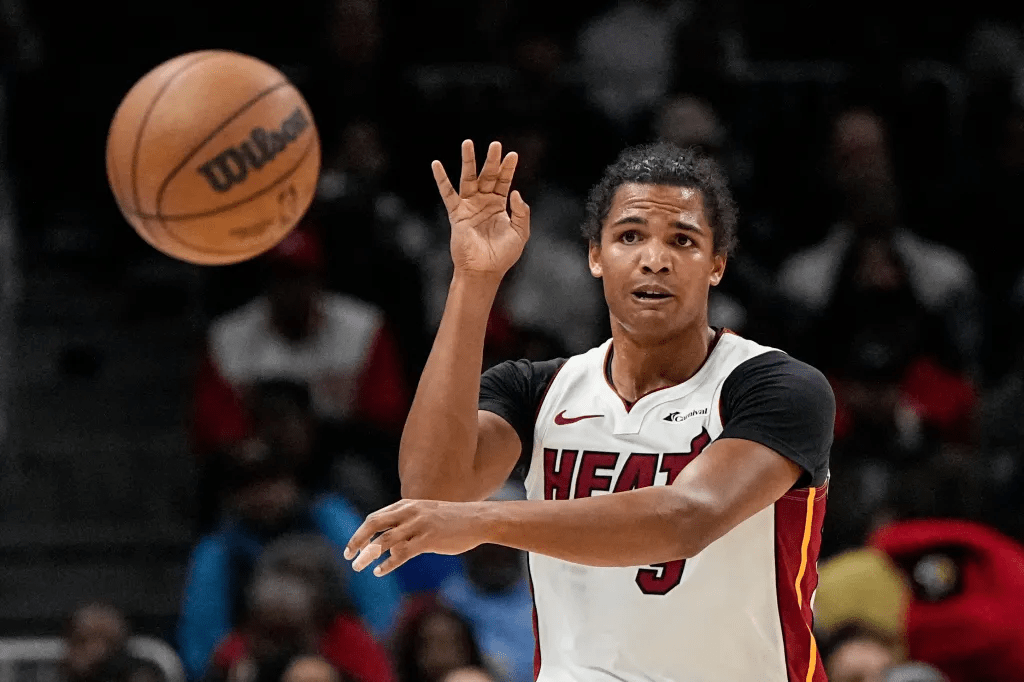
10: Josh Christopher (Miami Heat)
Despite the talent and potential that made him a top high school recruit and a first round pick, Josh Christopher found himself out of the NBA in 2023-24. But, after showing out in the G and in summer league, he’s back. And this time, instead of playing for a dysfunctional young Rockets team, he’ll be down in South Beach with an organization that prioritizes hard work and winning. If Christopher buys into the culture, look out.
11: Micah Potter (Utah Jazz)
MOB score rank: 238
Coming off a stint with the United States Select Team where he befriended the brightest stars in basketball, Micah Potter will now return to Salt Lake City with new experience and knowledge that will help him play a bigger role for his squad. His legit floor-spacing ability will open things up for guys like Collin Sexton and Lauri Markkanen to operate inside.
12: Dru Smith (Miami Heat)
MOB score rank: 237
Remember what Gabe Vincent did for Miami in the 2023 playoffs? There’s a world where Dru Smith could do similar things for them. Smith is a hard-nosed defender who takes care of the ball and hits shots on offense. He was playing 15 minutes a night last season before going down with an injury, so coach Spoelstra clearly trusts him, and he could find his way into the rotation once again in 2024-25.
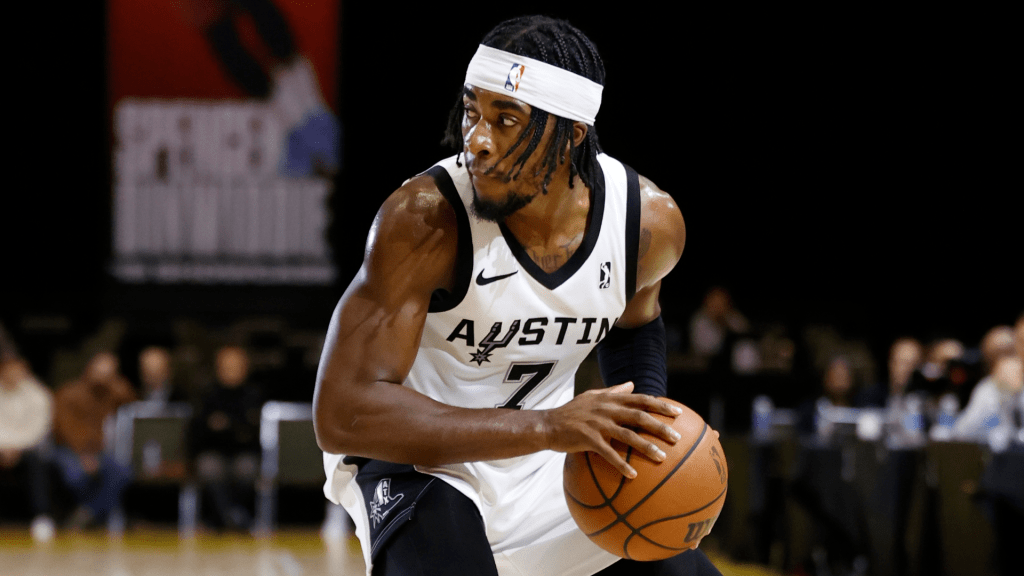
13: David Duke Jr. (San Antonio Spurs)
MOB score rank: 310
A relentless rim attacker and defender, David Duke Jr. is just a consistent jump shot away from making it hard to keep him out of the rotation. This past season, he showed he’s well on his way to expanding his range. If the Spurs keep him in their farm, Duke Jr. could help them out once they are ready to compete for titles with Wemby at the helm.
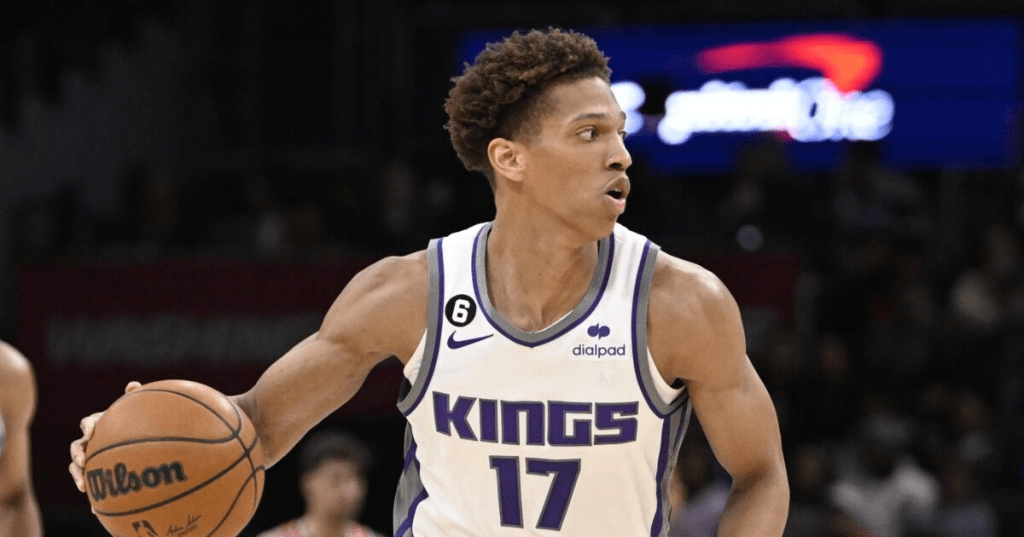
14: Mason Jones (Sacramento Kings)
MOB score rank: 339
Mason Jones is one of the best players in the G League, but he hasn’t found his footing in the NBA quite yet. However, his significant loss of weight may change that, as evident by how he performed in the 2024 summer league. His improved burstiness will only amplify his scoring and playmaking talent and make him a better fit in Sacramento’s high-octane attack.
15: Trevelin Queen (Orlando Magic)
MOB score rank: 236
Another G League superstar, Trevelin Queen has found his niche in the NBA in a different way. In the minors, he averages well over 20 points, but for the Magic he is a defensive specialist who makes his presence felt by getting stops. Read more about him here!
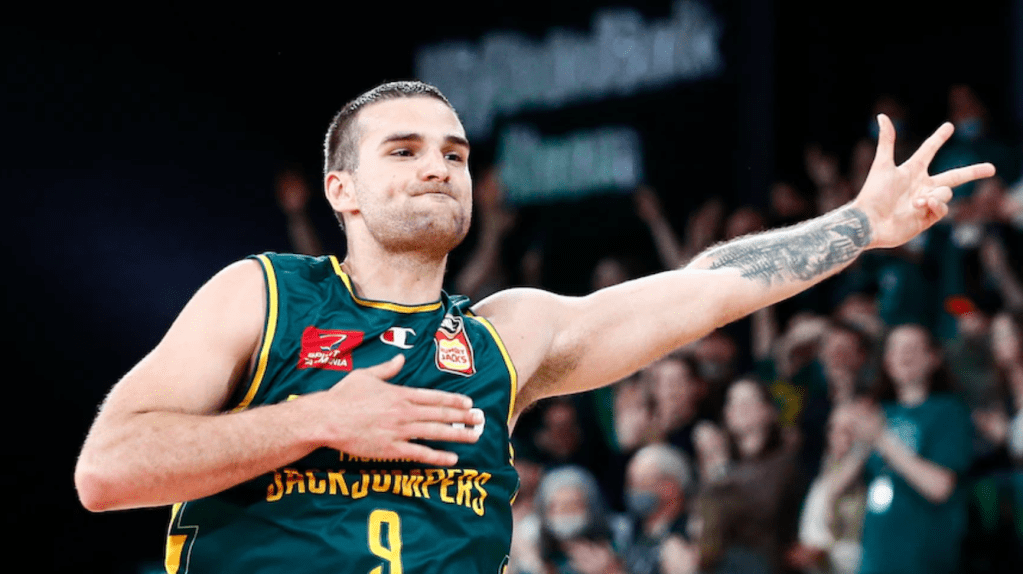
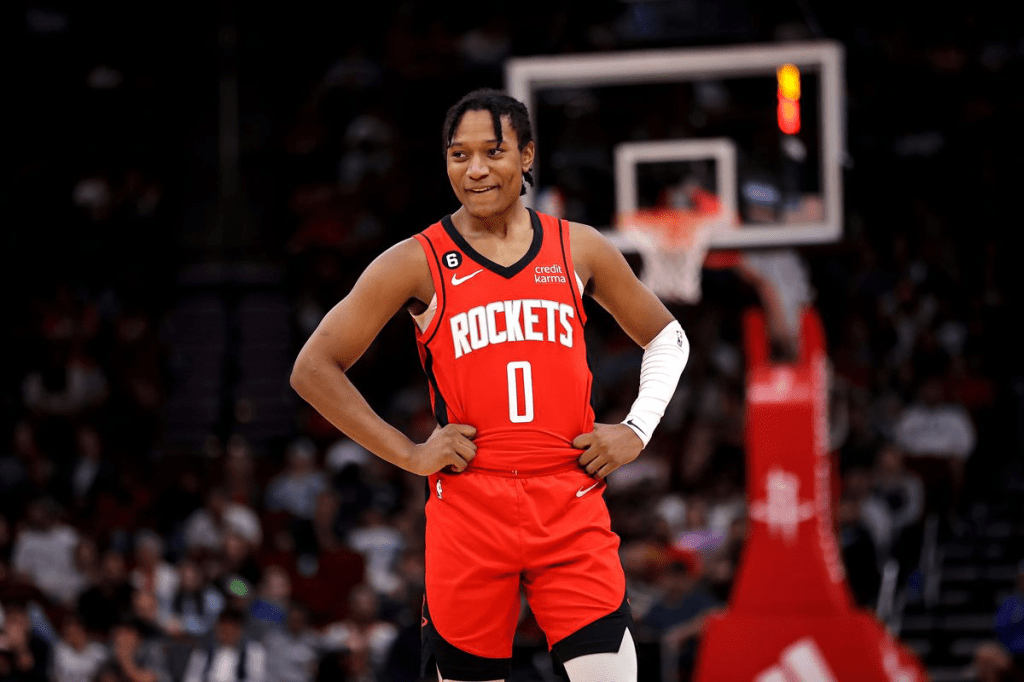
16: Jack McVeigh (Houston Rockets)
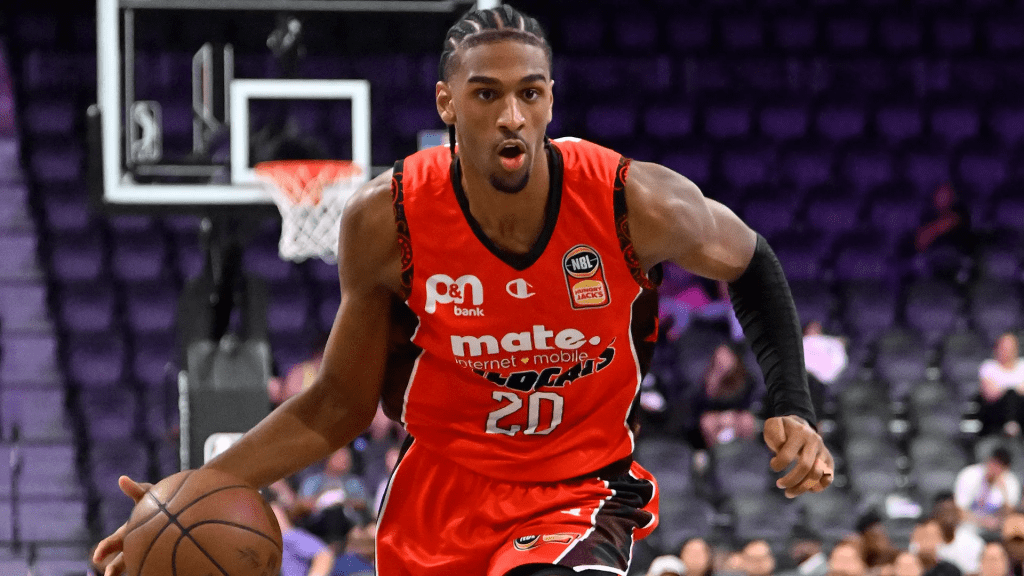
One of the best shooters the league down under has to offer, 28-year-old Jack McVeigh is now joining the greatest league on earth for the first time in his career. His flamethrowing talents and veteran presence will both come in handy for an up-and-coming Rockets team that ranked 23rd in 3P% last season.
TIER 3: FRINGE NBA PLAYERS
17: Stanley Umude (Milwaukee Bucks)
MOB score rank: 229
Umude is a strong, athletic 3&D forward who will give other young Buck prospects like MarJon Beauchamp and A.J. Green a run for their money to potentially receive some spot minutes. His skill set is perfect for being in lineups next to Giannis and Dame.
18: Collin Gillespie (Phoenix Suns)
MOB score rank: 225
An intelligent, efficient floor general with plenty of winning experience from his college days, Gillespie could potentially be a solution to Phoenix’s point guard problem.
19: Anzejs Pasecniks (Milwaukee Bucks)
A former Washington Wizard making his return to the NBA, Pasecniks is a towering figure who can block shots and finish at the rim. He will give the Bucks some much needed center depth.
20: Tosan Evbuomwan (Detroit Pistons)
Power forwards in the modern NBA should be versatile and capable of spacing the floor. Evbuomwan fits that bill with his ability to hit corner threes, put the ball on the deck, and make things happen on defense.
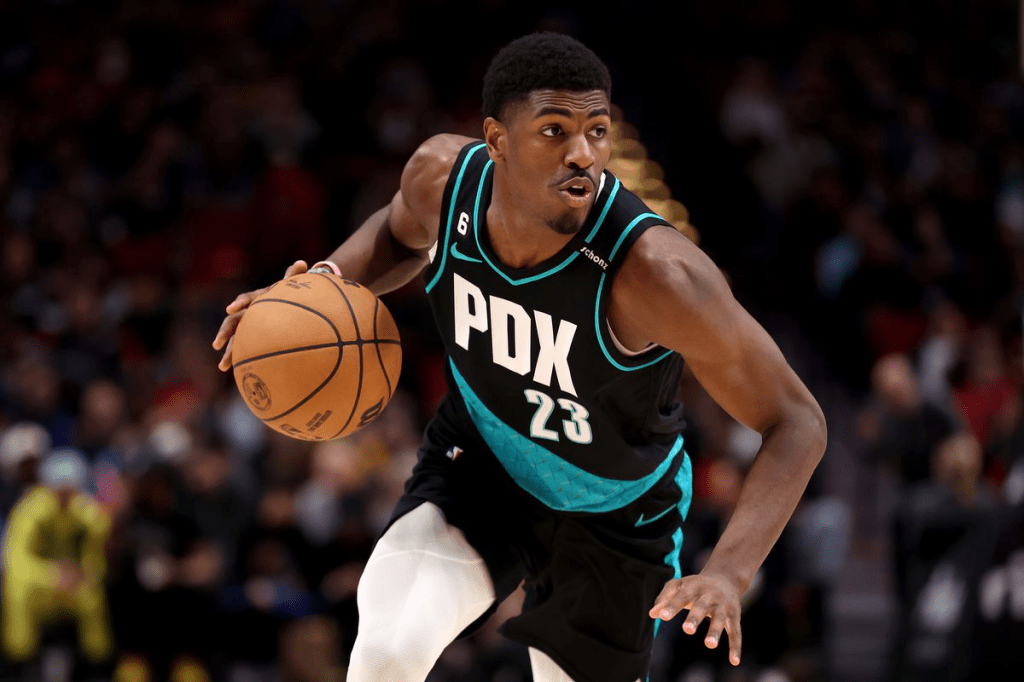
21: Bryce McGowens (Portland Trail Blazers)
MOB score rank: 165
Bryce McGowens knows how to score. He can create his own from all three levels and hit a variety of shots. To find a long term spot in the league, he will need to round out his game and become more efficient in all senses.
22: Nate Williams (Houston Rockets)
MOB score rank: 262
His game is not flashy, but Nate Williams gets it done. The lefty makes his living in the paint, finishing off drives, cuts, and out of the dunkers spot.
23: Ryan Rollins (Milwaukee Bucks)
MOB score rank: 242
Rollins is a crafty, confident score-first guard who also racks up stocks on D. The Bucks don’t have many shot creators outside of their stars and it could be wise to allow the 22-year-old to cook in some bench lineups.
24: TyTy Washington Jr. (Phoenix Suns)
MOB score rank: 325
Once ranked in the All-Star tier of Bench Mob Blog’s 2022 big board, TyTy Washington has disappointed so far in his young career. This may be his last chance to translate his college and G League play to the NBA.
25: Jason Preston (Utah Jazz)
MOB score rank: 278
Jason Preston’s IQ is through the roof, and he dishes out a ton of assists as a result. He also has a thick frame that he uses to compete on the glass. If he improves his scoring, the former March Madness star could become a rock-solid backup point guard and a triple-double threat.
26: Brandon Williams (Dallas Mavericks)
MOB score rank: 271
A veteran G League bucket getter, Bradon Williams has been reduced to a garbage time killer in the NBA. He has some microwave potential and only time will tell if it will be unleashed.
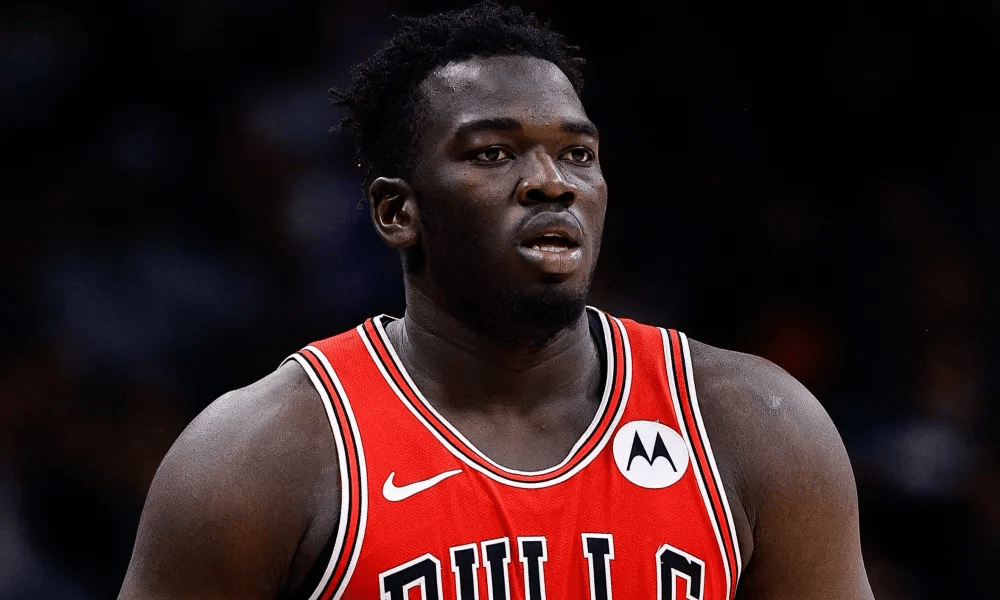
27: Adama Sanogo (Chicago Bulls)
MOB score rank: 289
Adama Sanogo is a monster. The former NCAA champion put up a 20-20 game in just his ninth NBA appearance last season. With the departure of Andre Drummond, backup center minutes could be available for Sanogo in 2024-25.
28: JT Thor (Cleveland Cavaliers)
MOB score rank: 113
His name is cooler than his game, but JT Thor is still bursting with potential. South Sudan’s hero has shown flashes in every area of the game, and joining a more structured team might be the key to unlocking the best version of him.
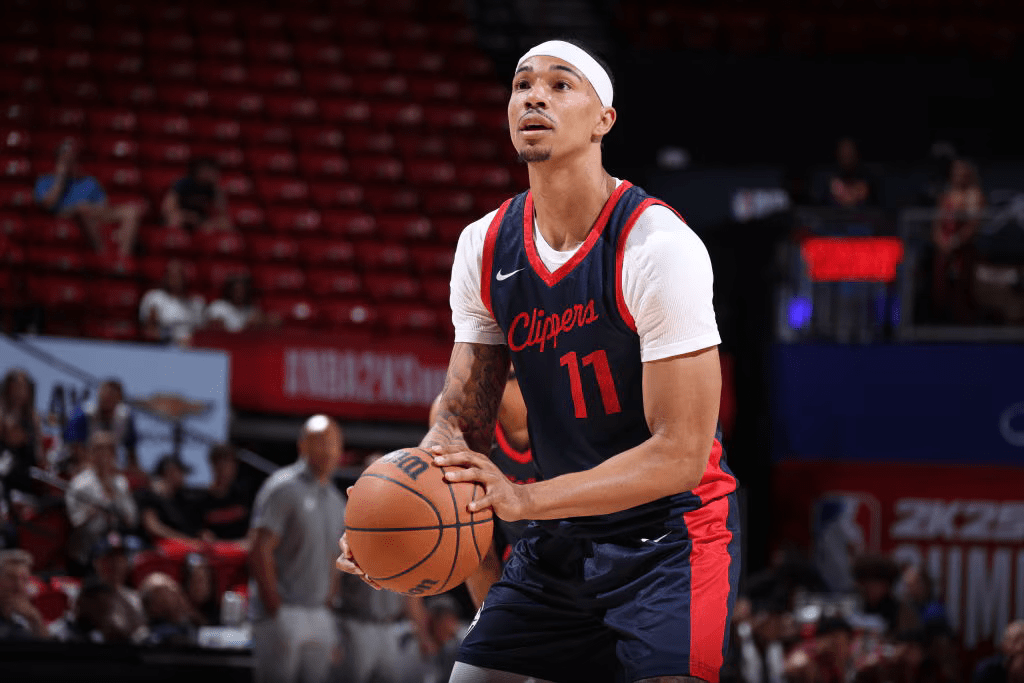
29: Jordan Miller (Los Angeles Clippers)
MOB score rank: 352
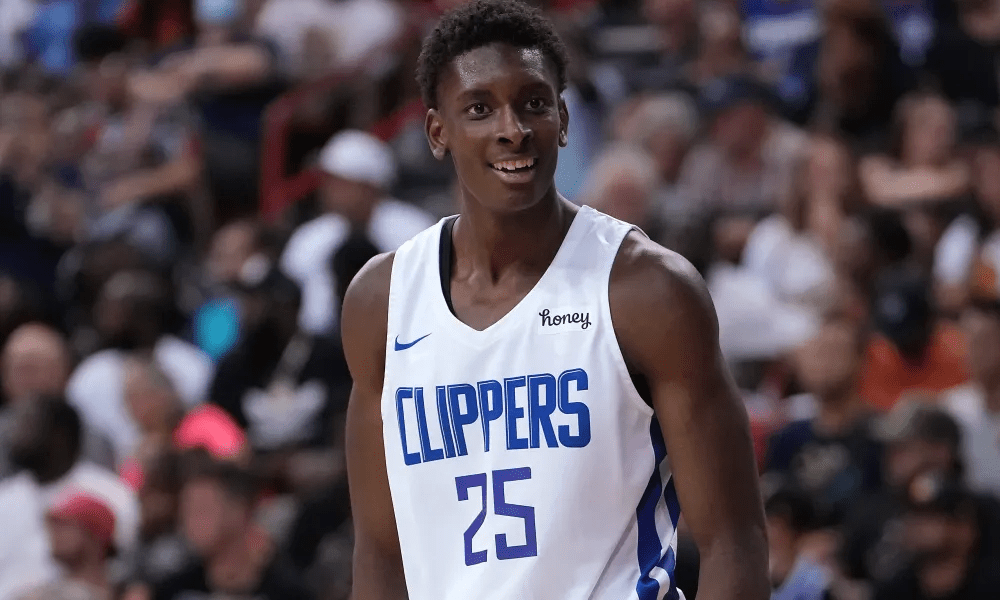
Jordan Miller just dominated the 2024 summer league. Now, he’s heading into 2024-25 as a deep-sleeper breakout candidate who could find success in Paul George’s wake. His multi-level scoring attack will be valuable for a Clippers team that now lacks players with that skill outside of Kawhi Leonard and James Harden.
30: Daishen Nix (Minnesota Timberwolves)
MOB score rank: 293
Nix is a quality passer and a disruptive defender, but his best attribute isn’t an on-court one. He’s an elite vibes guy who can always be seen standing on Minnesota’s bench, celebrating, dancing, and wearing some sick outfits.
31: Quenton Jackson (Indiana Pacers)
MOB score rank: 346
A speedy, athletic combo guard, Quenton Jackson could make an impact in Indiana’s fact-paced system. Unfortunately, the team is so deep that he will have a tough time seeing the court this season.
32: Colin Castleton (Los Angeles Lakers)
MOB score rank: 320
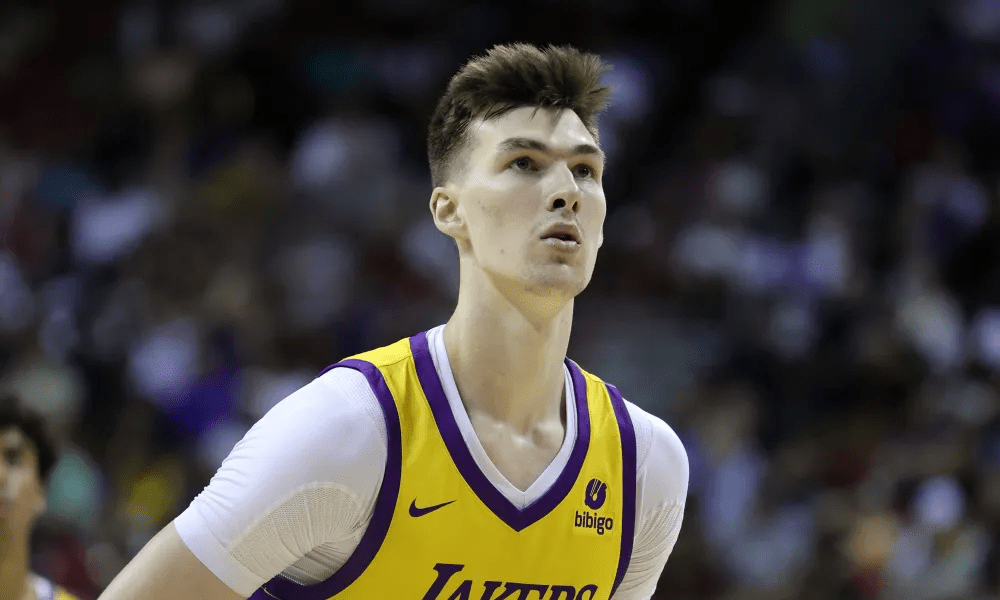
Screening. Finishing. Passing. Shooting. Shot Blocking. Colin Castleton can do some of everything, and he has the upside to be a backup center, especially if he adds some weight. The Lakers reportedly will prioritize playing young players more often this season, so the Florida product may get a bigger opportunity to show what he can do.
33: Oscar Tshiebwe (Utah Jazz)
MOB score rank: 301
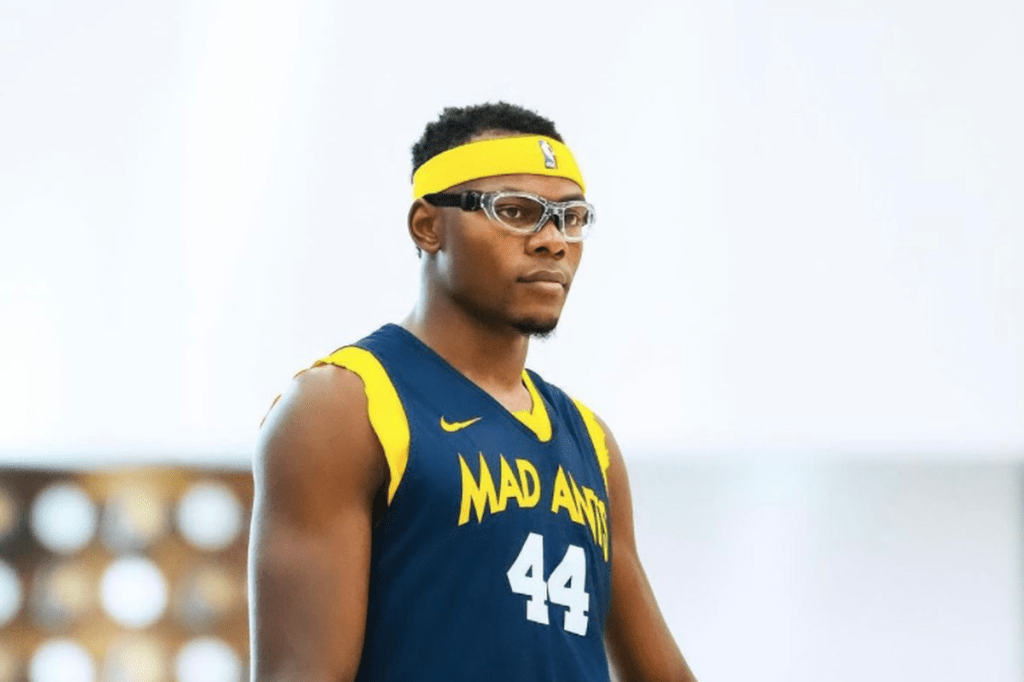
Oscar Tshiebwe is one of the greatest rebounders in college basketball and G League history. His 15.9 rebounds per night for the Indiana Mad Ants was the second highest single-season average in the history of the G. He didn’t get much playing time in the big league last season, but now that he’s on the tanking Jazz, that could change.
34: Emoni Bates (Cleveland Cavaliers)
MOB score rank: 275
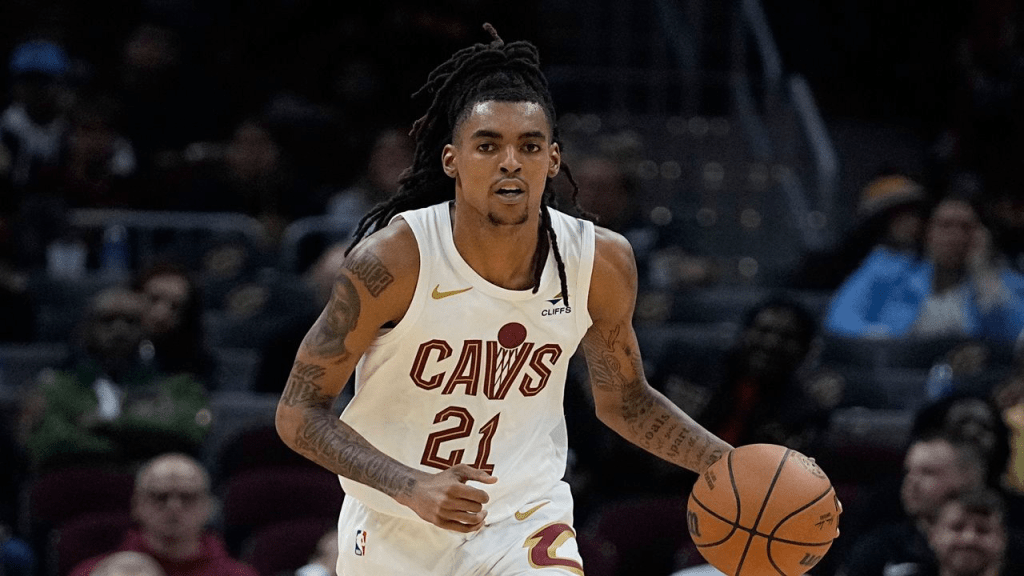
The former “next Kevin Durant” has fallen hard from grace, but one thing is for sure: he can still get some buckets. With Isaac Okoro potentially leaving Cleveland, Bates could see some real minutes on the wing this season, and making an impact for a playoff team would do wonders for his stock.
35: Kevin McCullar Jr. (New York Knicks)
Kevin McCullar is one of the biggest steals of the 2024 draft. He was considered by many to be a first round pick, but injury concerns caused him to slide all the way to 56th. He’s a pro-level defender already and Tom Thibodeau will absolutely love him. The Knicks are very deep, so he probably won’t play much this season, but in a few years time everyone will be wondering how he fell so far on draft night.
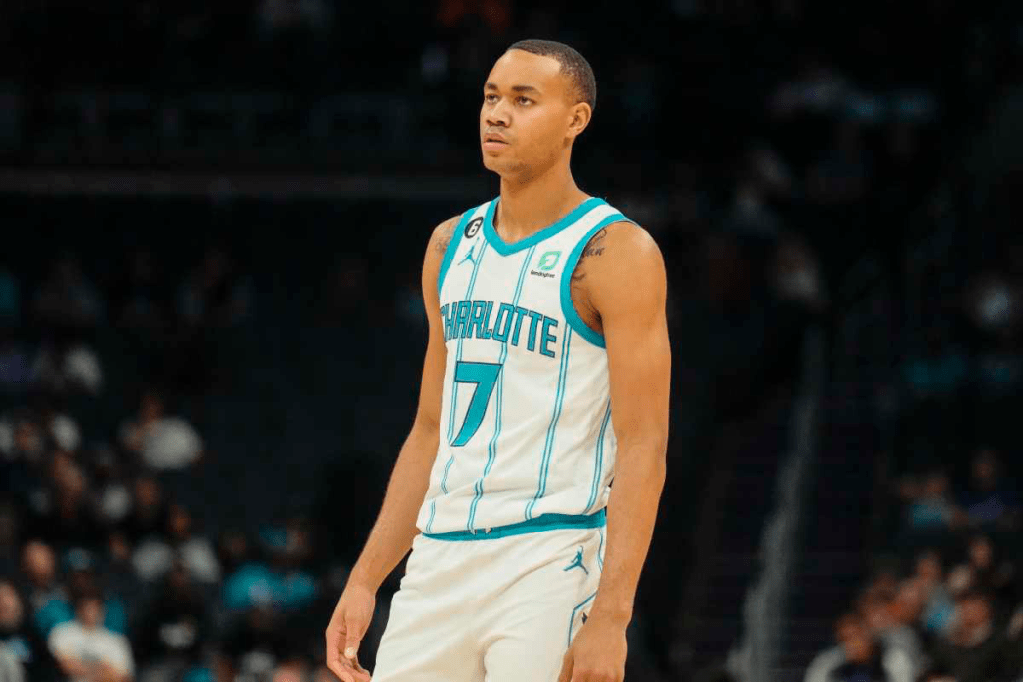
36: KJ Simpson (Charlotte Hornets)
KJ Simpson is a straight-up gamer. He can score at every level, he competes on defense, and he’s a leader. It’s very likely that he is one of the best players in the G League this season.
37: Enrique Freeman (Indiana Pacers)
Last season’s NCAA rebounds leader wasn’t some dominant giant center, it was actually 6’8” Enrique Freeman. The Akron product does everything on the court and fits the ideal mold of a winning role player.
38: Anton Watson (Boston Celtics)
Anton Watson is very similar to Enrique Freeman. He’s an experienced jack-of-all-trades forward who will be ready to play on an NBA court from day one. It’s too bad the Celtics won’t have any minutes for him, barring significant injuries.
39: Ariel Hukporti (New York Knicks)
The departure of Isaiah Hartenstein leaves behind a big hole in New York’s center rotation. He’ll have to compete with Precious Achiuwa and Jericho Sims, but there is a sneaky chance that Ariel Hukporti ends up playing some backup five minutes this season. If he does, he’ll be able to do everything you want from a traditional center.
40: Cam Spencer (Memphis Grizzlies)
Cam Spencer plays the game the right way. It sounds like an overused, stupid stereotype, but it’s true. He makes great decisions, moves off the ball, competes on defense, and knocks down a ton of threes. Luke Kennard better not get comfortable this season because Spencer will be nipping at his heels for minutes at shooting guard.
41: PJ Hall (Denver Nuggets)
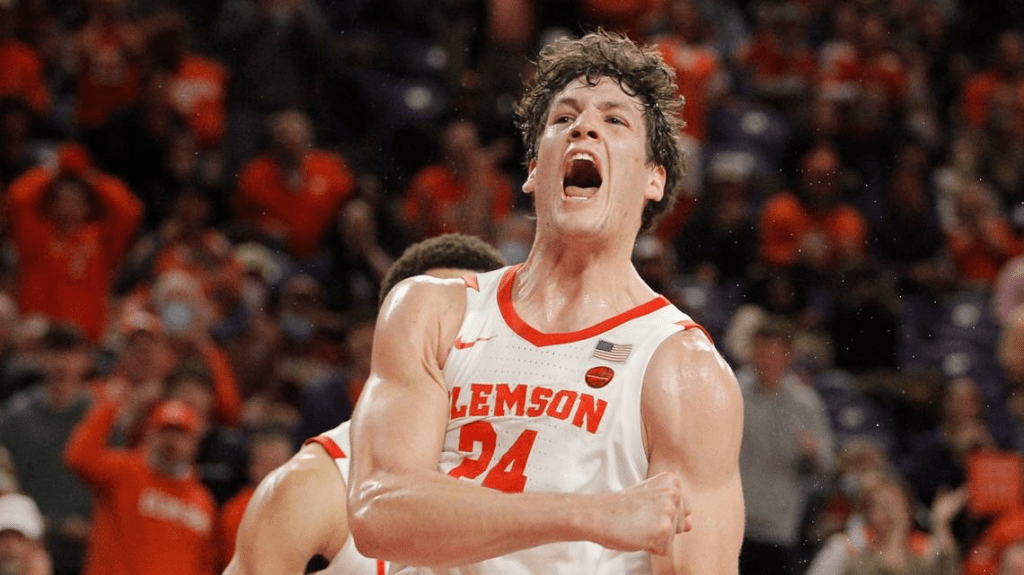
Denver doesn’t really need a good backup center, as Nikola Jokic rarely gets hurt and can play a ton of minutes, but when the MVP has to rest this season, Michael Malone should call PJ Hall’s number. The four-year man from Clemson is the dollar store version of the dollar store version of the Joker (that is a compliment) because he can pass, shoot, screen, and roll at a high level.
42: N’Faly Dante (Houston Rockets)
N’Faly Dante stuffed the stat sheet at Oregon because he was a man amongst boys. He’s a massive, incredibly strong center who will have no trouble adjusting to the physicality of the NBA.
43: Moussa Diabate (Charlotte Hornets)
MOB score rank: 267
Centers who are one-trick ponies on defense are starting to become a dying breed, which gives Moussa Diabate an upper hand over some of his peers because he is very capable of switching on the perimeter. He’s also a respectable P&R finisher and rebounder.
44: JD Davison (Boston Celtics)
MOB score rank: 309
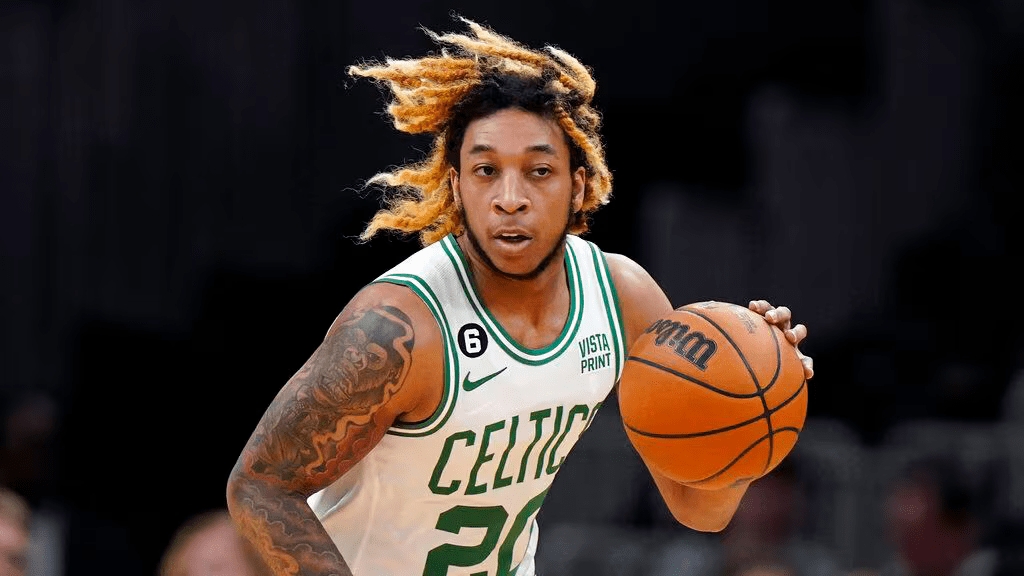
JD Davison is a speedy downhill guard with a real knack for making plays for himself and others in the pick-and-roll and in transition. There has been no room for him in Boston’s rotation since he was drafted, but he may force that to change soon.
45: Malcolm Hill (New Orleans Pelicans)
Coming off a ridiculous season in the G that ended with him being named to an all-league team, it’s clear that Malcolm Hill belongs at the next level. New Orleans’ impressive depth may prevent him from really showing that this season, though.
46: Seth Lundy (Atlanta Hawks)
MOB score rank: 347
Elite shooting is always valuable in the NBA, and that’s what Seth Lundy brings to the table. He’s a solid defender, too. If Atlanta struggles this season, Lundy may get extended minutes and the chance to prove he is a pro.
TIER 4: G LEAGUERS
This tier is made up of players who are/will be high level minor league players, but aren’t necessarily NBA level at this point. All of them, especially rookies like Trey Alexander and Jalen Bridges, could very well outperform this grouping.
47: Drew Peterson (Boston Celtics)
MOB score rank: 340
48: Daeqwon Plowden (Golden State Warriors)
49: Keaton Wallace (Atlanta Hawks)
50: Keshad Johnson (Miami Heat)
51: DJ Steward (Chicago Bulls)
52: D.J. Carton (Toronto Raptors)
MOB score rank: 342
53: Trey Alexander (Denver Nuggets)
54: Jalen Bridges (Phoenix Suns)
55: Jacob Toppin (New York Knicks)
MOB score rank: 333
56: Justin Minaya (Portland Trail Blazers)
MOB score rank: 194
57: Jamaree Bouyea (San Antonio Spurs)
MOB score rank: 295
58: Tristen Newton (Indiana Pacers)
59: Blake Hinson (Los Angeles Lakers)
60: Harrison Ingram (San Antonio Spurs)
61: Isaiah Crawford (Sacramento Kings)
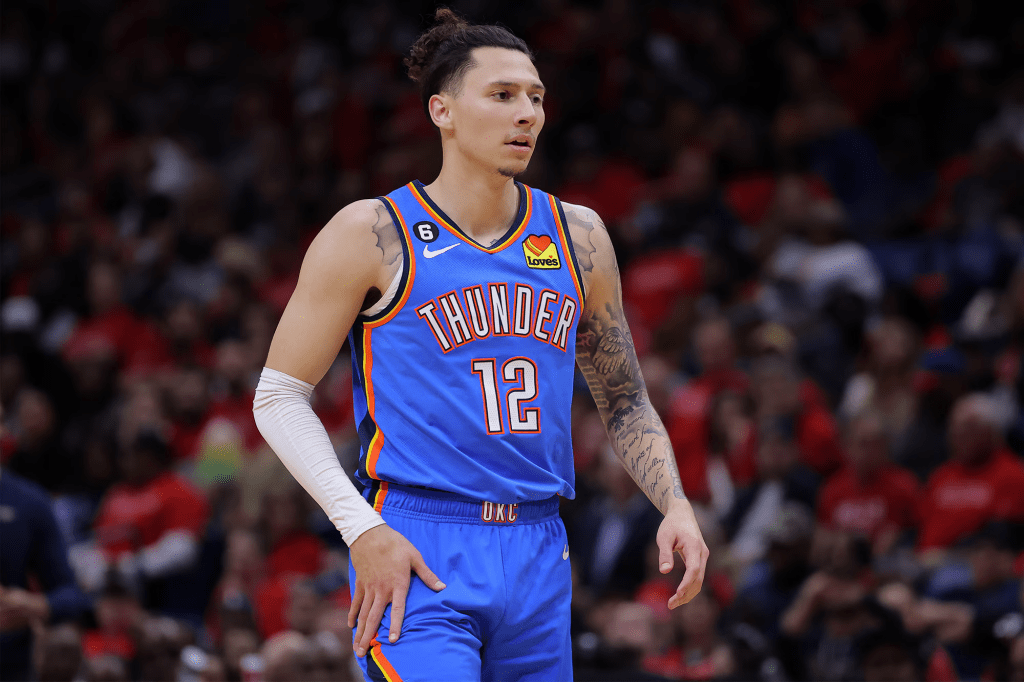
62: Ajay Mitchell (Oklahoma City Thunder)
63: Jacky Cui (Brooklyn Nets)
64: Jaylen Clark (Minnesota Timberwolves)
65: Adam Flagler (Oklahoma City Thunder)
66: Jaylen Martin (Brooklyn Nets)
TIER 5: WAIT AND SEE
This tier is composed of mostly undrafted rookies who need to play some games before a conclusion can be made about how they fit into the NBA hierarchy.
The Sacramento Kings are locked, loaded, and ready to compete. With De’Aaron Fox, Domantas Sabonis, and the newly added DeMar DeRozan at the helm, the team has enough star power and offensive firepower to make real noise in the West. As we’ve seen in recent years, though, having a few stars isn’t enough to make a deep playoff run. You need a well-rounded team with a supporting cast who knows how to play their roles. That’s why it’s a good thing the Kings have Keon Ellis.
Ellis, who went undrafted in 2022, played some quality minutes for Sactown last season as a true 3&D guard. Now, he’s poised to break out and make a huge impact in 2025. Let’s break down his game and find out why.
Offense
If you’re gonna be a shooting guard in today’s NBA, you have to be able to shoot, especially off the catch. Keon Ellis checks that box. He shot 42.4% on catch-and-shoot threes last season, and 94.3% of his threes were assisted. His quick, clean trigger allows him to get shots off in a variety of ways. He hits spot-ups and capitalizes off advantages that Fox and Sabonis create. He also hits movement shots coming off handoffs, a key action in Sacramentos’ offense.
Shooting is just the tip of the iceberg for Ellis, though. The fun begins with what he can do off the dribble. While his catch-and-shoot volume significantly outweighed that of his pullups, he connected on 40.8% of his pullup threes last season. He’s comfortable rising up and firing off a couple dribbles from deep and from mid-range. This is a skill he often utilizes coming off ball screens. He’s far from a “give him the ball and let him cook” guy, but he has the foundation of a reliable bucket getter.
Ellis’ off-the-bounce chops become even more intriguing when you consider his passing capabilities. The Alabama product excels at making plays for others when driving, especially out of the pick-and-roll. He always has his head up searching for open teammates and he has a knack for hitting them right on time and right in their shot pockets. He dished out an assist on 18.8% of his drives last season, a rate that places him in the 96th percentile according to BBall Index. Overall, it’s clear that Ellis isn’t just a one-dimensional two guard. He’s a legitimate combo guard who can make things happen with any amount of usage and offensive involvement.
While Ellis’ drive-and-kick game is on point, his scoring at the rim isn’t. The young wing doesn’t have the strength, craft, or confidence to finish inside among the trees. As a result, he drives just 1.8 times per game and is heavily reliant on floaters inside the arc. Improving his interior prowess would allow Ellis to do more damage when attacking closeouts, an increasingly vital skill for shooters as the NBA moves away from pure specialists.
Because he struggles in traffic, Ellis is turnover prone when he gets too deep in the paint. He’ll drive with no plan, get stopped by the defense, panic, and chuck an errant pass to nobody in particular. That’s a habit that he will need to break. He doesn’t turn the ball over much overall, though. He averaged just 0.6 turnovers per game last season while handing out 1.5 helpers.
Defense
Defense is Keon Ellis’ calling card. It’s why he ranked 41st on Bench Mob Blog’s big board back in 2022. It’s why he found himself in the starting lineup in 21 games this past season. He is one of the few standout parts of Sacramento’s otherwise mediocre defense.
The key to his impact on that end is his defensive playmaking. Ellis has every tool needed to wreak havoc, from a 6’9” wingspan, to swift lateral mobility, to keen hands. As a result, he gathered 1.7 steals and 1.2 blocks per 75 possessions in 2023-24, figures that rank in the 92nd and 81st percentiles, respectively. His instincts and sense of timing are sharp and he comes up with a ton of strips, interceptions, and chasedown blocks.
Ellis is no slouch as an on-ball defender, either. The Kings often entrusted him with guarding the best of the best players in the league, as shown by his 98th percentile ranking in BBall Index’s matchup difficulty metric. The youngster rose to the challenge and locked up superstars like Shai Gilgeous-Alexander and Damian Lillard.
2023-24 was essentially Ellis’ first NBA season, as in his real rookie campaign he played just 4.4 minutes a night across 16 games. Naturally, that means he made plenty of rookie mistakes. At this point in time, Ellis is more susceptible to lapses like getting blown by or back cut than an elite perimeter defender should be. Despite those flaws, he still levels out as a positive defender and the runway to greatness in the future is clear.
– – –
So, what will it take for Keon Ellis’ breakout potential to materialize in 2025? The first and most important thing is a bigger role. Sacramento’s starting shooting guard spot is currently up for grabs. Kevin Huerter, the sharpshooter who’s held the spot the last two years, and Malik Monk, reigning sixth man of the year runner-up, both have strong cases to be the opener. However, coach Mike Brown could be better off going with Ellis instead. De’Aaron Fox, Domantas Sabonis, and DeMar DeRozan are all offensively inclined players who need the ball. Guys who can play off the ball on O and guard up on D would be the best supporting cast for that trio. Ellis is a significantly better defender than Huerter and Monk and he isn’t far behind them as a shooter. Therefore, the young guy should be penciled in the starting lineup. Even if he doesn’t get the nod, the Kings believe in Ellis so significant minutes should be in the cards for him either way.
In terms of improving his game, Ellis could really benefit from getting stronger. He weighs a slim 175 pounds right now. Putting on some muscle would make a huge difference in his finishing and on-ball defensive escapades. If he doesn’t get in the weight room, Ellis should be watching tape of guys like Donovan Mitchell to find craftier ways to score in the paint.
If/when both of those things happen, Keon Ellis will be ready to break out and make a big time stamp on a Kings playoff team in 2024-25. Don’t sleep on the kid. He’s coming.
The Charlotte Hornets are stuck deep in NBA mediocrity. They haven’t made the playoffs since 2016, and that was the only time they’ve made it in the last 10 seasons. A combination of whiffed draft picks, lackluster free agency hauls, and injury issues have been the primary reasons for Buzz City’s major shortage of success.
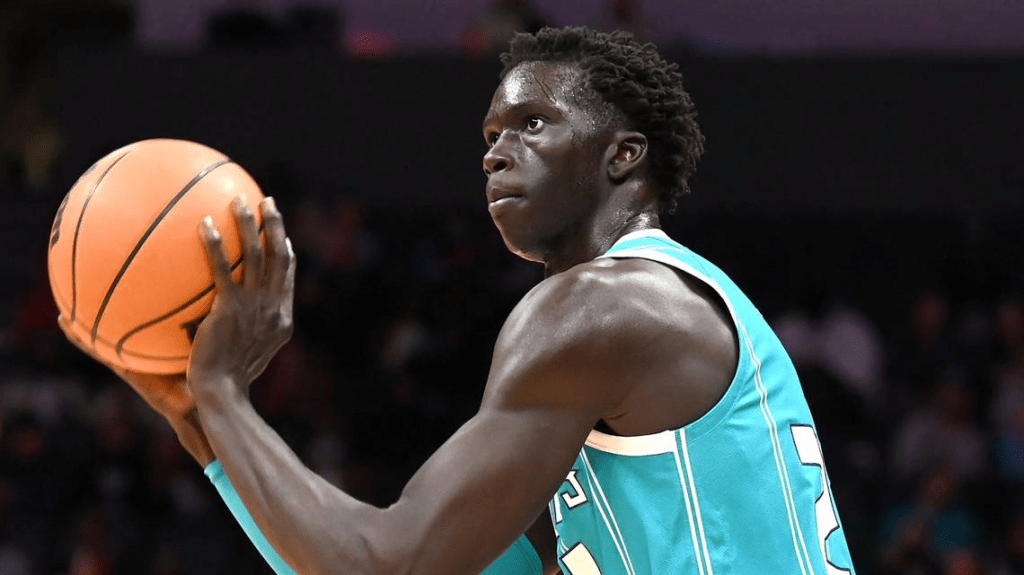
Now, though, things may finally be looking up. The team has two franchise cornerstones in place in LaMelo Ball and Brandon Miller, and both guys are poised to lead Charlotte to a bright future. The 2024-25 season could be one of major growth for the young Hornets. That statement is also true for their starting center, Mark Williams.
Williams, the 15th pick of the 2022 draft, was brought in to fill a gaping hole at the five, and that’s exactly what he’s done. The big fella has been a monster through two seasons as a pro, and he’s primed for a big-time breakout in 2025. Let’s break down his game and talk about why.
Offense
On the flashy end of the court, Williams does pretty much everything you’d want from your traditional center. He uses his huge 7’0”, 241 pound frame to make an impact in the paint.
His biggest strength is his offensive rebounding. He ripped down a jaw-dropping 4.0 offensive rebounds a night last year, ranking in the *100th* percentile. Williams makes grown men look like third graders when he crashes the glass.
The Duke product is a phenomenal putback finisher who converts misses into points in multiple ways. He has soft hands and can guide the ball into the hoop with enough carefulness you’d think he was laying a baby down to sleep. He also has a mean streak and loves to hammer home two-handed putback jams.
The dunk is Williams’ weapon of choice in all situations. Pick-and-roll, dump off, putback, transition; it doesn’t matter the scenario, he’s always hungry to rip the rim off at the end of the play. He threw down 47 slams in his 19 games played in 2023-24, good for 2.5 a game. For comparison, Anthony Davis and Daniel Gafford, who were third and fourth in total dunks league-wide, posted 2.6 and 2.4 dunks per game respectively. Had Williams been able to play more games, he undoubtedly would have been near the top of that leaderboard.
The same soft hands that aid Williams in finishing putbacks are put to good use when he goes to catch lobs. He snags any alley that comes his way, and if he can’t emphatically throw in the oop, he has shown a knack for tipping the ball in from some impossible angles. Having a lob threat like Williams must feel like heaven for an elite playmaker like LaMelo Ball who is looking to pass more often than score when he drives to the rim.
Williams is also a very dependable pick-and-roll partner for Ball and the rest of the Hornets. He’s a big body screener who knocks puny defenders out of the way with his humongous frame. Picks like that create a ton of opportunities to score. The big man generated six screen assists per 75 possessions last season, a tally that ranks in the 97th percentile. Williams knows where and how to position himself on the roll to give he and his teammates the best chance to get a bucket.
Outside of dunking, screening, and rebounding, though, things get a little iffy for Williams. Like most guys his size, he has no outside shot, but he also has below par touch closer to the rim. His non-dunk finishing is spotty; he hits little push shot floaters and tough reverse lays, but he also completely blows what should be simple finishes. He’s shot just 38% from 3-10 feet for his career. A quarter of his shots have come from that distance.
He also has an unusual tendency to get blocked. Nearly 12% of his field goal attempts got rejected last season, a rate that considerably exceeds those of other guys that play a similar role to him, such as Jalen Duren and Daniel Gafford. This comes as a result of a couple things. Williams often doesn’t go up strong with the ball to lay it up, leading to his shots getting completely swallowed up. He also isn’t the quickest off the ground, giving defenders a better chance to time a rejection as he rises up.
The big man ranks in the 87th percentile of BBall Index’s finishing talent metric despite those flaws, but they are still skills he must work on. The other hole to note with Williams is that he is very reliant on others creating shots for him, meaning he will almost always need to be played alongside competent passers in order to contribute at a high level offensively.
Defense
Mark Williams is an overall solid and productive offensive player. His 12.7 points per game last season ranks in the 79th percentile. It’s defensively, though, where he truly excels.
The big fella is at his best as a low post protector. His imposing frame allows him to block a ton of shots and alter countless more. He racked up 1.4 blocks (85th percentile) and contested 8.9 shots at the rim (95th percentile) per 75 possessions in 2023-24. Anyone who tests him in the paint is unwise to do so.
His rim deterrent ability shines in the pick-and-roll where he shuts things down in deep drop coverage. When he can hang back and warden the restricted area, he all but completely eliminates drives with his looming presence. Offensive players often opt for mid-range pullups and floaters instead of layups when Williams is in the vicinity.
When he’s brought further up towards the level of the screen, Williams’ performance is more of a mixed bag. He has some legitimately awesome switch/hedge possessions where he walls up against much quicker guards and forces tough shots. He also has a knack for getting his hands on the ball in passing lanes and disrupting plays. He collected 1.2 steals per 75 possessions last season, ranking in the 74th percentile.
On the flip side, his feet are pretty slow and he is highly susceptible to looking like a matador out there. He’s flashed a high switchability ceiling, but that outcome is far from realized and for now, he’s better off sticking to the paint.
Williams’ other defensive weaknesses are typical young big man things. He bites at pump fakes too often. He fouls a lot. His positioning in drop and in general is a work in progress. He gets plowed out of the way by stronger veterans. All of those things will improve as Williams spends more time on an NBA floor. Taj Gibson, the grizzled vet who signed with the Hornets this summer, will absolutely be able to teach the youngster a thing or two about defensive discipline.
– – –
It’s clear that Mark Williams is a good player already. Before his injury last season, he was Charlotte’s cemented starter at center. But, as a 22 year old with plenty room for improvement, he has an obvious other level to reach. What will it take for him to get there?
His swing skill is his defensive versatility. In playoff basketball, all weaknesses and trends are magnified and exploited. Teams need to be capable of running multiple schemes on D or they will be exposed. Right now, Williams can only reliably anchor drop coverage. He’ll need to become more comfortable hedging, switching, or even just playing closer to the level in drop in order to see major court time in the big dance.
Deepening his offensive bag would also do Williams a lot of good, even if that just means honing his push shot or adding some quick-hit post moves. He could also work on his passing game, as short roll decision making and handoff directory are becoming highly valued traits in centers.
Overall, though, Williams’ most significant growth will come from just gaining more experience. He’s played just 62 games through his first two years in the league. Back injuries held him to just 19 appearances in his sophomore campaign. Getting reps in real games is crucial to player development, and so when Williams finds health, he’ll be able to fully spread his wings.
If Mark Williams is good to go in 2024-25, then look out, because the kid is ready to break out in a big, big way.
For a contender, the Bucks had an abnormal amount of holes to fill heading into this offseason. While most of their disappointing first round loss to the Pacers in the 2024 playoffs can be chalked up to injuries to their three stars, it was also clear that their rotation needed a major shake-up. Guys like Jae Crowder and Pat Connaughton just weren’t cutting it. The team was clearly lacking energy on both ends of the floor as well as the type of lineup versatility it takes to win a championship in the modern NBA.
The problem is that the Bucks have a lot of money tied up into their core, and they have little flexibility to make moves without breaking up the group of guys that has had so much success together. General manager Jon Horst didn’t let that stop him, though. He absolutely cooked with the free agent class he brought in. Let’s take a look at each new signee and talk about why they all will make Milwaukee better.
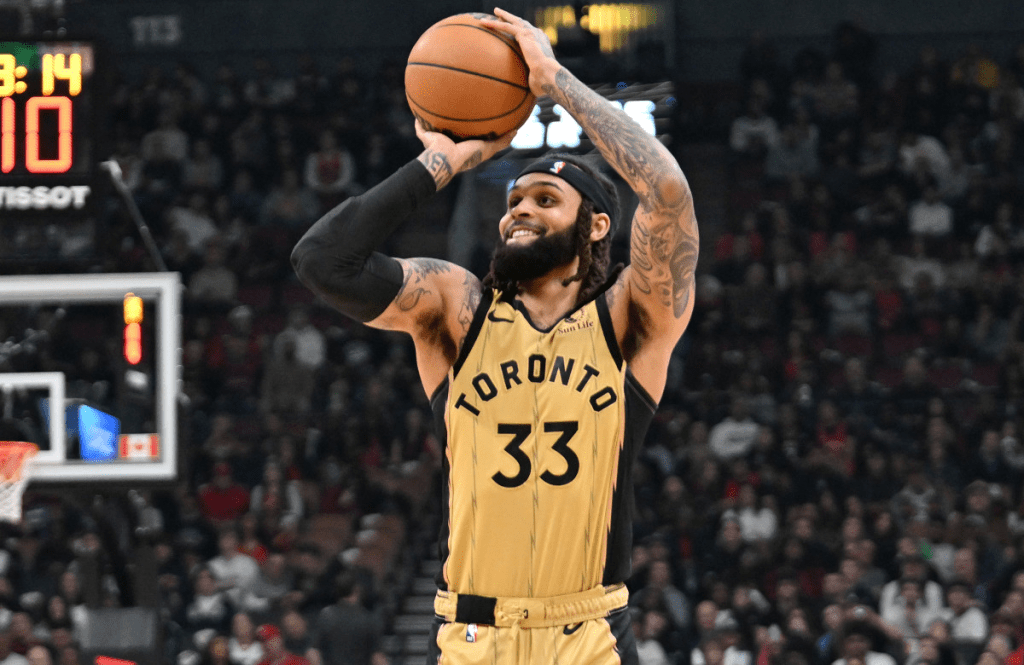
Gary Trent Jr.
Milwaukee’s marquee signing was their last of free agency. By filling it with Gary Trent Jr., the team’s starting shooting guard slot went from a gaping hole of uncertainty to a legitimate position of strength. Trent Jr. has been a high-end rotation piece since his sophomore year in 2019-20. In 2021, he ranked 95th on the Bench Mob Blog’s top 100 player list. In 2022, he ranked 85th.
Trent Jr.’s biggest strength is his scoring. In four seasons with Toronto, he averaged 16.4 points per game. He’s more than capable of heating up in a hurry, especially from outside. Bucks fans are likely all too familiar with that part of his game, as he’s had some big time performances against them in recent years, including a season high 31-point outing on April 5th.
In 2023-24, Trent Jr. ranked in the 86th percentile of BBall Index’s perimeter shooting metric. For his career, he’s a 38.6% shooter from deep on 6.4 attempts per game, a super impressive output. He can hit a wide variety of shots including pullups and off-screeners. He does everything good that Malik Beasley did, but better. With his flamethrowing ability, it’s very easy to imagine Trent Jr. fitting next to Giannis Antetokounmpo and Damian Lillard. Those two juggernauts require all five defenders to pay attention to them which will open up countless easy looks for a hungry Trent Jr. to feast on.
He’s more than just a one-dimensional sniper though. He’s a quality mid-range shooter off the bounce with a little bit of driving juice, too. When the threat of his three ball attracts tight closeouts, Trent Jr. is more than ready to attack them. He’s not a solidified three-level guy, but he has enough diversity to his game to escape the specialist title.
You know what you’re getting with Trent Jr. offensively. Defensively, though, things are both murky and intriguing. He has had some standout defensive campaigns in the past, specifically in 2021-22 where he ranked in the 85th percentile of BBall Index’s on-ball perimeter defense metric. He is one of four players in the last three seasons to record 500+ three-pointers and 300+ steals (thanks to @statswilliams on X for that stat) and is a total ball hawk. The effort and impact on that end have both been inconsistent throughout his career, but history suggests he has some dawg in him. In a smaller offensive role on a team with a defensive-based culture, Trent Jr. could buy in and become a defensive ace.
On-court stuff aside, the most exciting part of this signing is that the Bucks were able to get Trent Jr. for the minimum. This is pretty much the best case scenario for a team with so little money to spend, and it proves that Milwaukee has some real pull as a free agent destination, or that Damian Lillard is really good at recruiting (he was teammates with Trent in Portland). Overall, this acquisition is enough to make this an A+ offseason on its own. That’s why it’s crazy that there’s more to Horst’s masterclass.
Delon Wright
The Bucks uncharacteristically struggled mightily on defense this past season, something that needs to be different in 2024-25, as it’s impossible to win a championship without a formidable fortification. Delon Wright alone could turn things around significantly. He’s one of the most underrated perimeter defenders in the sport.
Wright’s standout quality is his defensive playmaking. His 2.7 steals per 75 possessions in 2023-24 graded out in the 99th percentile, and he also racked up a respectable 0.64 blocks per 75 (59th percentile). He uses his catlike reflexes and 6’7” wingspan to wreak havoc and blow up plays. He’s also very capable guarding the ball. The guy just looks quick and energetic out there, something that can’t be said about many of Milwaukee’s other role players. A duo of him and Andre Jackson Jr. is sure to be a blast to watch on defense.
Offensively, Wright plays a combo guard role. He’s a trustworthy ball handler who rarely turns it over. He ranked in the 96th percentile of passing efficiency this past season (via BBall Index). He’s not a high volume scorer, but he can apply some rim pressure and hit catch-and-shoot threes. He’s shot 43.4% from deep for his career in the playoffs. The veteran won’t wow you on O, but he won’t catch your eye for the wrong reasons either.
Overall, this is another phenomenal value signing, as Wright will be making the minimum next season and he is ready to play big minutes in big games.
Taurean Prince
Not every signing is a real needle mover, and it doesn’t need to be that way. Taurean Prince is a rock solid, battle tested forward who can fill the role Jae Crowder was supposed to fill in Milwaukee’s rotation. Offensively, he’s a reliable catch-and-shoot threat. In his last four seasons, he shot 40.0%, 37.6%, 38.1%, and 39.6% from three, respectively. He does most of his damage from the corner and he’ll be ready to knock down shots off kickout dimes from Giannis. Defensively, he has the frame of a wing stopper and will be able to pull his weight. He’s not locking anyone down, but he’s not a liability at all and filling the lineup with players like that will go a long way for Milwaukee in improving their defense.
Prince has been a trusted piece for multiple playoff teams in recent years (Nets in 2020, Timberwolves in 2022 & 2023, and Lakers in 2024), and he’ll be able to be the same for the Bucks.
– – –
With the resources they had, it’s tough to imagine the Bucks having a better free agency than they did. All three of Gary Trent Jr., Delon Wright, and Taurean Prince are ready to step in and make an impact. And for all the Bucks fans who have felt frustration and disappointment with their team in the last couple seasons, that’s something to be very excited about.
This has always been an NBA centered blog because that is pretty much the only basketball I watch. However, this spring, I decided to take a deeper dive than ever before into the draft and the players in it. I did extensive research and formed a big board that included over 140 names, and I even dropped a few draft related articles. For that reason, I was extra excited for draft night, and it’s with that same excitement that I present my initial 2024 NBA draft grades.
Atlanta Hawks
Draftees: Zaccharie Risacher (1st), Nikola Djurisic (43rd)
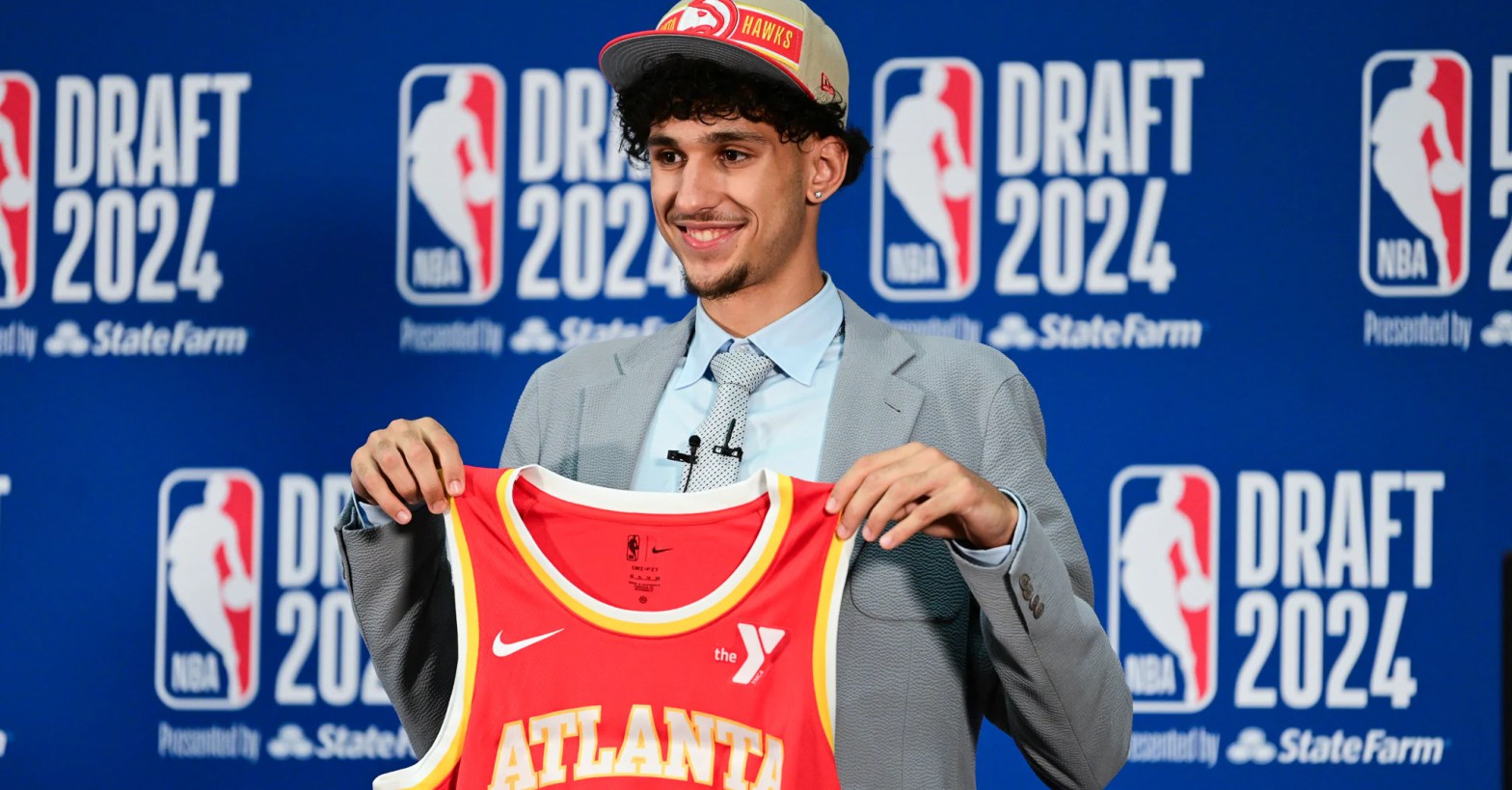
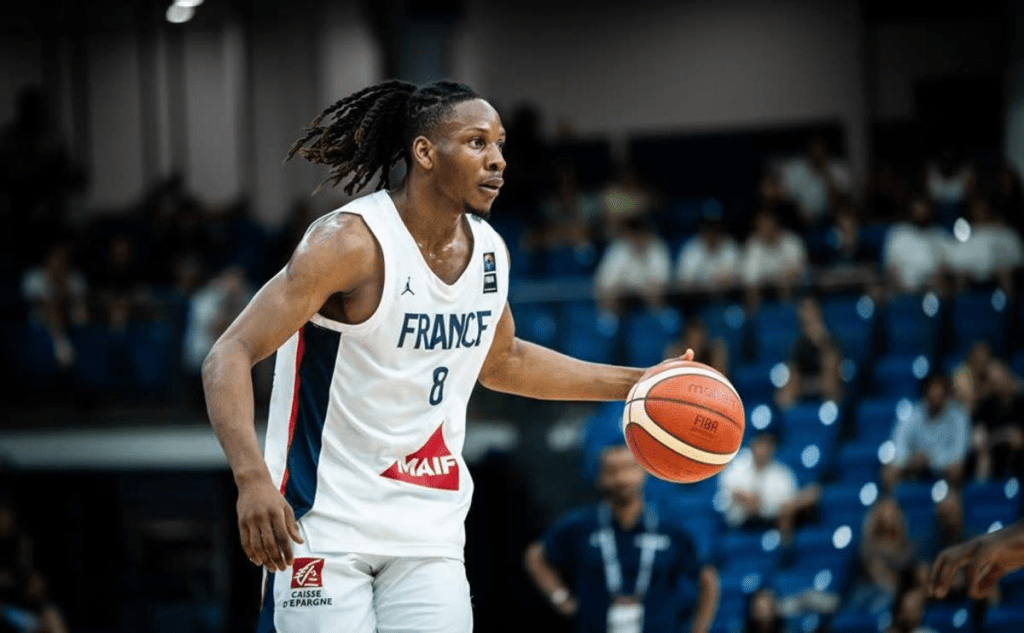
With their first top pick since 1975, the Hawks opted to bring in French forward Zaccharie Risacher. As a 6’10” forward with a silky jumpshot and some defensive versatility, he’ll be a seamless fit next to Trae Young in the starting lineup. His ceiling is lower than other lottery picks in this class, as he struggles as a creator, but you can’t blame Atlanta for going after more of a sure thing as they look to return to the playoffs with Young at the helm. Still, it feels like they may have whiffed by not picking Alex Sarr or Donovan Clingan.
Nikola Djurisic, who hails from Serbia, will bring some flair with his movement shooting and passing wizardry. He will not, however, help the Hawks improve defensively. He’s a fun player but still raw and will likely need a lot of G League reps.
Grade: B-
Boston Celtics
Draftees: Baylor Scheierman (30th), Anton Watson (54th)
As the Celtics gear up to try to go back-to-back, they did the right thing by adding two older, more experienced guys who will be more trustworthy in high-stake games than a one-and-done teenager. Baylor Scheierman is similar to current Celtic Sam Hauser in many ways. He’s a 6’7” movement shooter who uses his strong frame to hold up on defense. Anton Watson is a defensive switch knife of a four man with a burly frame and some connective passing juice.
Grade: B+
Charlotte Hornets
Draftees: Tidjane Salaun (6th), KJ Simpson (42nd)
The Hornets took one of the largest home-run swings of the draft by selecting Tidjane Saulaun at sixth. The Frenchman is incredibly raw, but has all kinds of physical tools and by all accounts works very hard. If he can scratch his ceiling in Charlotte, the team will look scary with a trio of him, LaMelo Ball, and Brandon Miller. However, the bust potential is very high for Salaun, and Charlotte doesn’t exactly have the best track record of player development. They’ll need to prioritize their new draftee’s growth to make this pick worth it. Even then, though, things may not work out.
KJ Simpson is a gamer of a point guard who plays level-headed under pressure and can score from all three levels. He might have a hard time seeing the court due to Charlotte’s loaded backcourt, though.
Grade: C+
Chicago Bulls
Draftee: Matas Buzelis (11th)
The Bulls are adding a hometown talent in Matas Buzelis with an emphasis on talent. The Chicago kid has one of the highest ceilings in this draft class. He’s a rangy 6’10” forward with plenty of bounce, fluidity, and natural skill. The determining factor in how good he’ll be is how well he can shoot the three. If he can find more success from behind the arc, he could be a star. This is a great chance to take for a Chicago team that may finally be hitting the reset button.
Grade: A-
Cleveland Cavaliers
Draftee: Jaylon Tyson (20th)
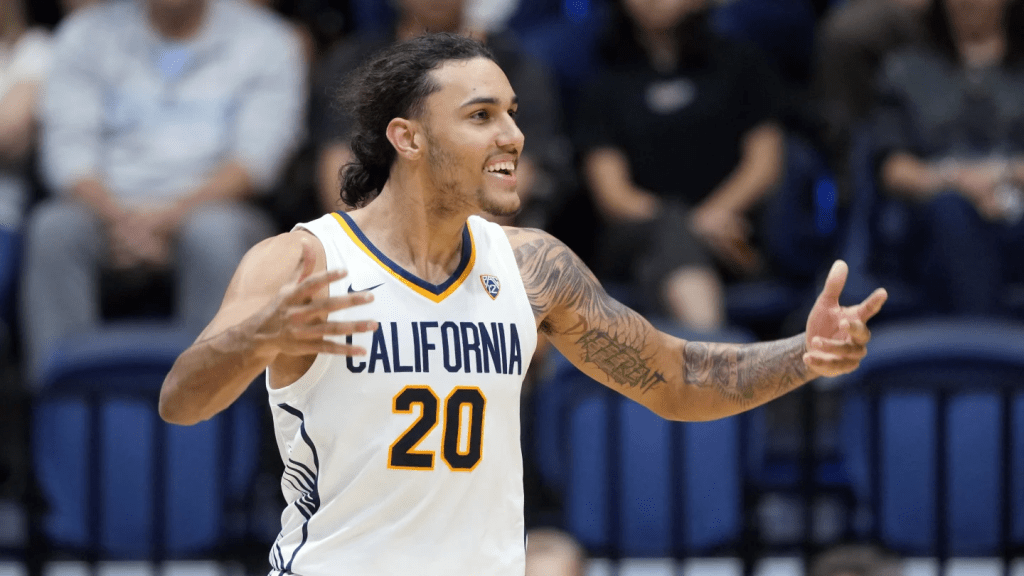
Outside of Donovan Mitchell and Darius Garland (and sometimes Caris LeVert), the Cavs lack players who can reliably score/create shots, and that weakness was part of their downfall in the 2024 playoffs. Jaylon Tyson can help patch that hole. The California product has a good handle and uses craft to get to his spots in the paint and the mid-range. He’s effective off the ball, too, as a catch-and-shoot guy and a cutter. Tyson’s ability to contribute in multiple ways on both ends could help him find a rotation spot in year one.
Grade: B
Dallas Mavericks
Draftees: Melvin Ajinca (51st)
Ajinca may end up being a stash guy, but whenever he does join the Mavericks, they’ll be getting a wing with great size and length who can hit shots off the catch and defend multiple positions. It’s easy to picture him sharing the court with Luka Doncic and doing some of the things that Derrick Jones Jr. or PJ Washington did for Dallas during their Finals run. He’s a ways away from reaching that point, but with a couple seasons of development overseas or in the NBA, Ajinca could get there.
Grade: B
Denver Nuggets
Draftee: DaRon Holmes II (22nd)
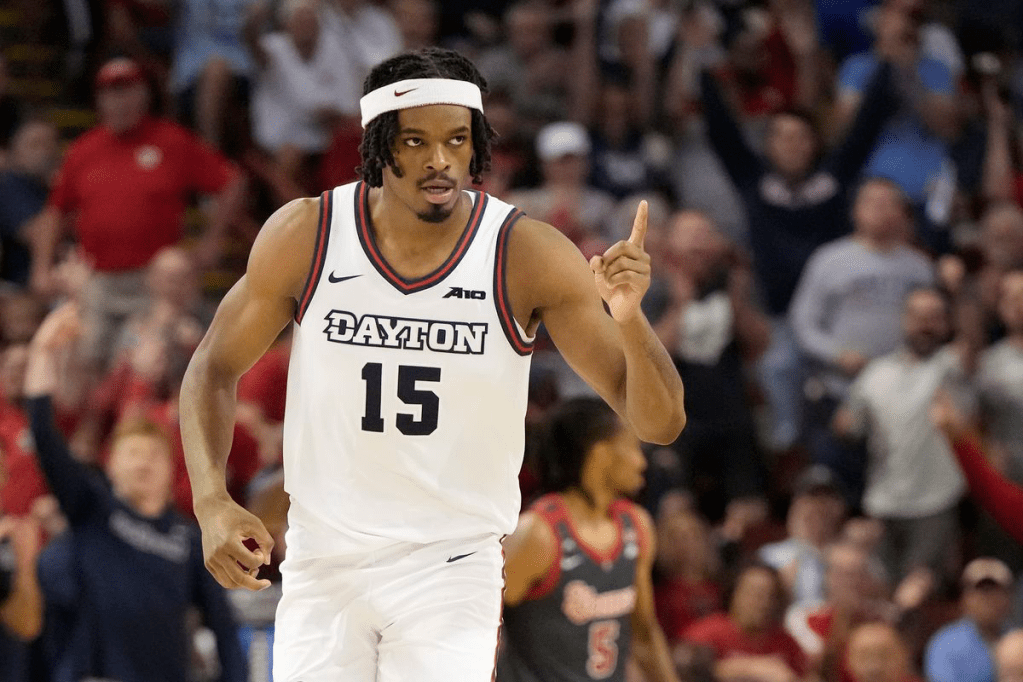
Backup center was one of Denver’s most glaring needs, and they found their answer by trading up to select DaRon Holmes out of Dayton. Being a Flyer in college was fitting for Holmes because he flies around the court, catching lobs and blocking shots. The most intriguing part of his game is his floor-spacing upside— he shot upwards of 38% from beyond the arc during his pre-draft season. Holmes does a lot of traditional and modern big man things well and could fit into Denver’s lineup as a five or at the four next to Jokic. This feels like the perfect pick for the 2023 champs.
Grade: A
Detroit Pistons
Draftees: Ron Holland (5th), Bobi Klintman (37th)
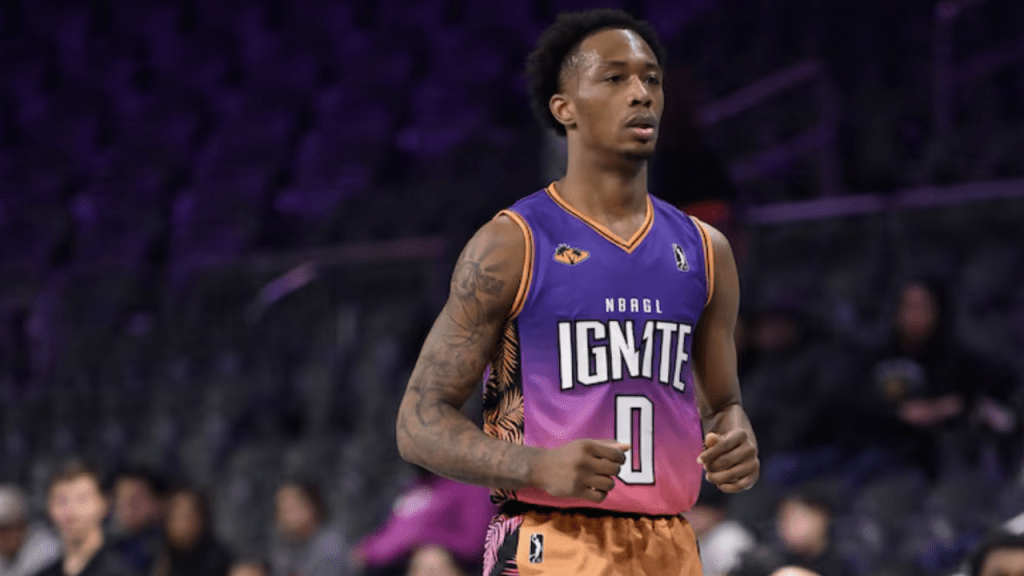
Ron Holland’s upside is ridiculously high. He’s 6’8” with incredible athletic tools and a relentless motor. He averaged almost 20 points per game for the G League Ignite. The craziest part is that he’s just 18 years old (until July 7th). The Pistons, coming off a dreadful season, need all the talent they can get, and they’re getting a ton of it in Holland. The only problem is that Holland is a pretty poor shooter as of now and the Pistons have some of the worse spacing in the NBA. However, most of the guys currently on the team will not be around when they are finally ready to contend, but Ron Holland could be and so they did the right thing by going for the best player available rather than the player that fits their current roster best.
Bobi Klintman is a 6’10” forward with real 3&D capabilities. He’s far from a finished product, but his path to success is very clear and the Pistons are in no rush to compete so they can afford to be patient with his development.
Grade: B+
Golden State Warriors
Draftee: Quinten Post (52nd)
Stretch fives are a hot commodity in today’s NBA, but they’re hard to come by. For that reason, the Warriors should feel great about getting Quinten Post so late in the draft. Post is a seven foot tall 40% three-point shooter who can also protect the rim and make good passing decisions. He’s very slow footed, and bigs like that have a harder time seeing the court, but he still has a chance to make an impact because of the floor spacing he brings.
Grade: B
Houston Rockets
Draftee: Reed Sheppard (3rd)
In 2023-24, Houston’s return to competitiveness and near play-in push was fueled by a gritty defense. Now, to get all the way over the hump, they must improve their offensive arsenal. With that in mind, they couldn’t have drafted a better rookie than the guy who made over 50% of his threes in college. Reed Sheppard is the best shooter in this draft and is also a smart decision maker and a chaos creator defensively. His ceiling is limited due to his size and lacking true point guard ability, but his floor is high and he is ready to help the Rockets take off to the playoffs.
Grade: A-
Indiana Pacers
Draftees: Johnny Furphy (35th), Tristen Newton (49th), Enrique Freeman (50th)
Offense is Indiana’s identity. They play at a high pace, take a ton of threes, and beat teams by outscoring them. Australian youngster Johnny Furphy will fit right into that flow with his ability to knock down catch-and-shoot jumpers, attack closeouts, and make good passes. He’s young and needs to refine his game though and probably won’t play a lot right away.
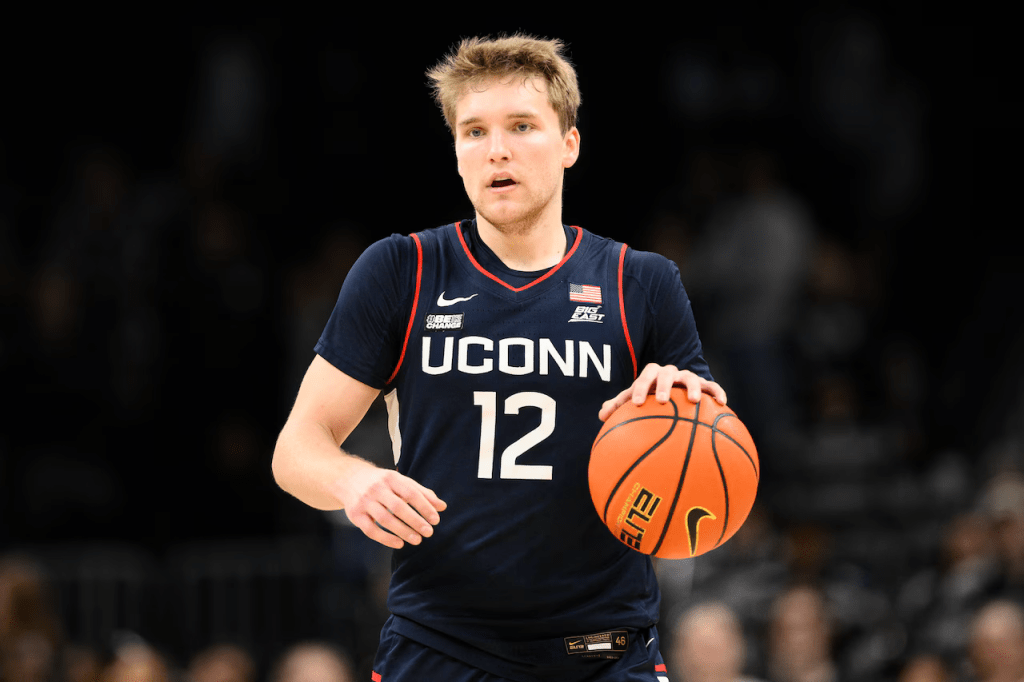
Tristen Newton and Enrique Freeman will add hustle and defensive intensity to a team that needs it. Newton is coming off back-to-back national championships at UConn and is ready to keep winning at the next level. One of these two guys will almost certainly find their way into Indiana’s rotation.
Grade: B+
Los Angeles Clippers
Draftee: Cam Christie (46th)
Cam Christie is just 18 years old and is one of the most intriguing shooters in this class. He has a beautiful outside stroke and is very capable of hitting every type of three in the book. That’s his only NBA-ready skill right now, and he has a lot of development to do, but he’s in a good situation to make that growth with head coach Ty Lue and veterans like Norman Powell and Nicolas Batum all there to guide him.
Grade: B-
Los Angeles Lakers
Draftees: Dalton Knecht (17th), Bronny James (55th)
Dalton Knecht, who was one of the best players in college basketball last season, was projected to go much higher than 17th. The Lakers should be ecstatic that he fell into their lap because he’s the perfect pick to help them compete during the twilight of LeBron’s career. He’s a dynamic and fiery shooter and off-ball mover who will force defenses to pay attention to him, opening up space for LeBron and AD to operate in the paint.
Bronny James is very far from being an NBA player, but how good he ends up being is ultimately irrelevant because he was just the 55th pick and it will be pretty freaking awesome to see him share the court with LeBron.
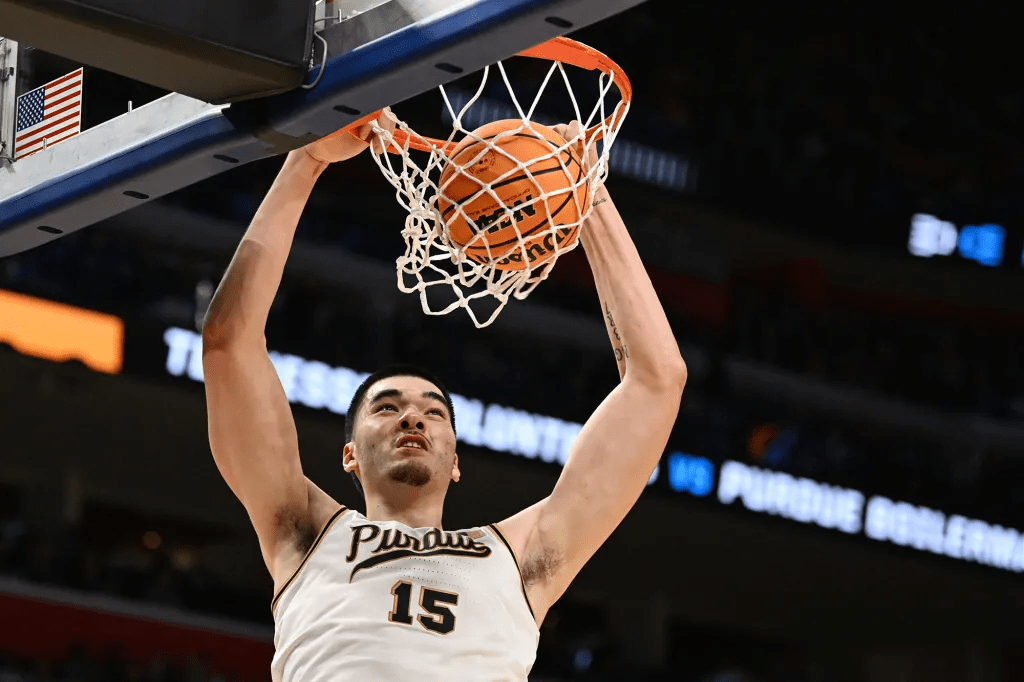
Zach Edey is one of the most polarizing players in this class. His college dominance is unmatched, but his playstyle makes people question how well he can translate to the next level. Most teams don’t run a ton of post-ups, and that’s Edey’s bread and butter play. However, if Memphis gets him to buy into a smaller role, he could be exactly what they need. His screening, finishing, rebounding, and rim protection would fill the hole Steven Adams left behind. There’s no question that Edey is a good basketball player. If he’s used right, he could be a star.
Jaylen Wells and Cam Spencer are quality role player bets. Both are elite shooters, making them welcome additions for a team that ranked 29th in 3P% last season.
Grade: B+
Miami Heat
Draftees: Kel’el Ware (15th), Pelle Larsson (44th)
Kel’el Ware is the ideal modern big man. He’s 7’0”, he can protect the rim, he can catch lobs, and he can shoot the three. Whether he’s backing up Bam Adebayo or sharing the court with him (the idea of a jumbo P&R between Ware and Adebayo is pretty intriguing), he’ll be able to make a big impact for the Heat. And at just 20 years old, he can be a core piece for the team as they potentially enter a new era.
Dribble-pass-shoot role players are at a premium in today’s NBA, and that’s the type of player Pelle Larsson is. The Arizona product is also a true competitor and will fit the Heat culture.
Grade: B+
Milwaukee Bucks
Draftees: AJ Johnson (23rd), Tyler Smith (33rd)
Despite being in a championship window that is slowly closing, the Bucks opted to select two raw long-term projects over more pro-ready role players. AJ Johnson, coming off a NBL campaign where he played less than 10 minutes per game, is probably two years away from being two years away. There’s a lot to like about his future potential, but the Bucks need to be more worried about the right now.
Tyler Smith, while still unrefined himself (specifically on defense), has more instant impact potential than Johnson. For the G League Ignite, he shot around 37% from three. His NBA range is proven and at 6’11”, he’ll be capable of playing next to Giannis as a stretch four.
Grade: C
Minnesota Timberwolves
Draftees: Rob Dillingham (8th), Terrence Shannon Jr. (27th)
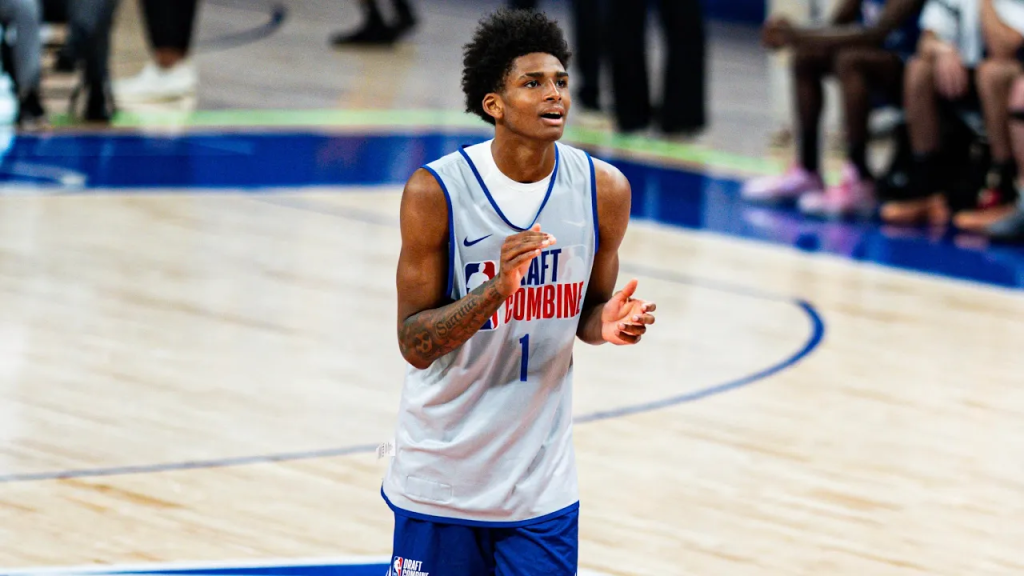
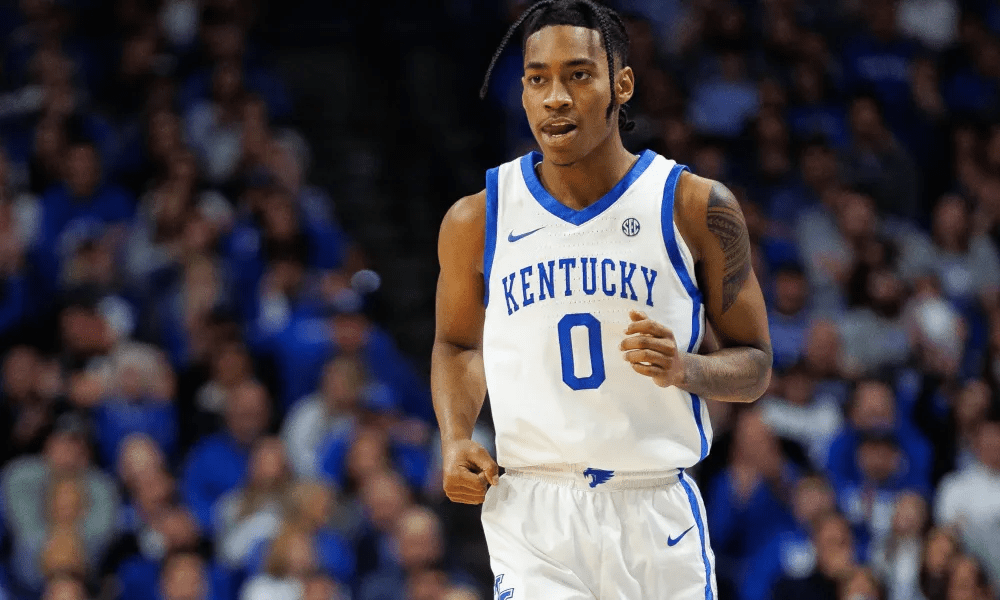
In the biggest surprise move of the night, the Timberwolves traded up to acquire Rob Dillingham, and it was a great trade. The Kentucky guard is one of the most crafty and exciting bucket-getters in the class, and he could be next in the long list of star guards his school has produced. He’ll provide a much-needed shot creation spark to Minnesota’s lineup (likely from off the bench in year one).
The Wolves doubled down on scoring with the 27th pick. Terrence Shannon averaged 23 points per game last season at Illinois, a number that ranked third in the nation collegiately. He can fill it up from behind the arc and do damage on drives. As a bonus, he’s a solid defender.
Grade: A
New York Knicks
Draftees: Pacome Dadiet (25th), Tyler Kolek (34th), Kevin McCullar Jr. (56th), Ariel Hukporti (58th)
After a few years of draft inactivity, the Knicks finally decided to get involved, and they did so in a big way. They’re bringing in more draftees than any other team, but you can’t blame them because all four are good players.
Pacome Dadiet is part of the army of Frenchmen in this class. He’s a young wing with great size, shooting mechanics, and defensive instincts. He could be a key cog in New York’s rotation in a couple years. Tyler Kolek is a brainy playmaker who should have very little trouble stepping in and running an NBA offense. He also has a ton of dawg in him. Kevin McCullar is a pro-ready wing stopper who Tom Thibodeau will undoubtedly love. Ariel Hukporti is a reliable traditional big man with pro experience.
Despite the team’s stacked rotation, it feels like at least one of these incoming rookies will end up playing meaningful minutes in their first year, and all four of them could do so in the near future. Overall, this was a heckuva draft for a New York squad that just keeps doing great things.
Grade: A
New Orleans Pelicans
Draftees: Yves Missi (21st), Antonio Reeves (47th)
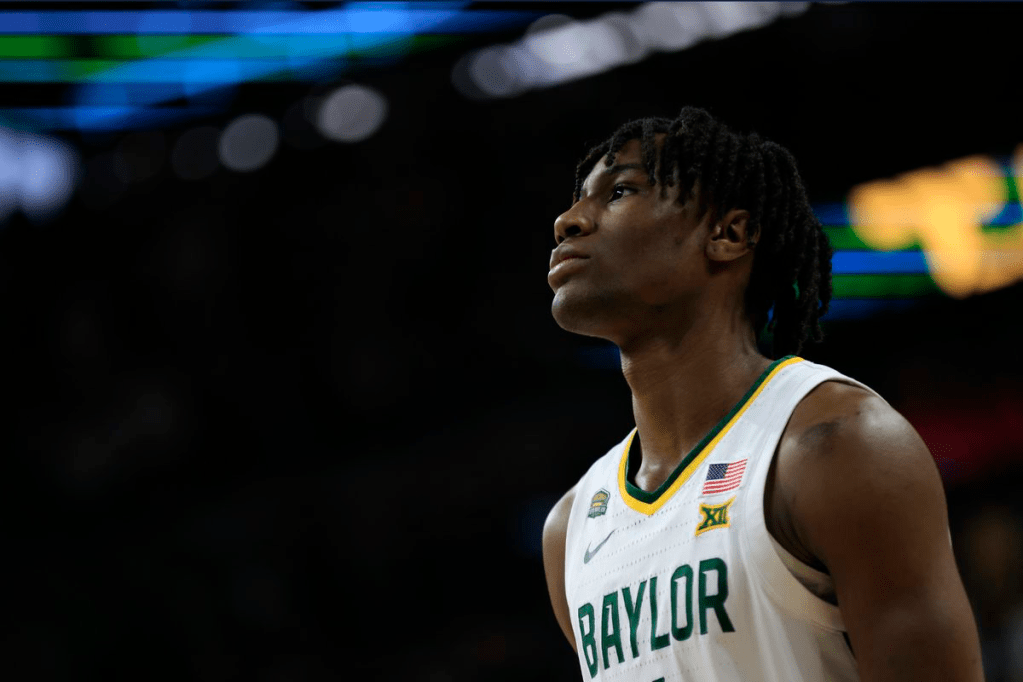
Center is New Orleans’ weakest position right now, but Yves Missi is ready to change that. The Baylor product is a mammoth of a man with freakish mobility for a guy of his size. He has the potential to be a defensive game changer, and he’ll be able to make an impact offensively too with his screening, lob catching, and rebounding. He isn’t a floor spacer at all which may make his fit with Zion Williamson a little clunky, but the Pelicans still made the right pick here.
Antonio Reeves is an elite sniper who put up over 20 points per game on a loaded Kentucky roster. He and Jordan Hawkins will be a lethal shooting duo off the bench.
Grade: B+
Oklahoma City Thunder
Draftees: Nikola Topic (12th), Dillon Jones (26th), Ajay Mitchell (38th)
From an on-court perspective, Nikola Topic doesn’t make much sense for the Thunder. He’s a bigger point guard with a shaky jumpshot and he’s a poor defender— descriptions eerily similar to things you could say about Josh Giddey. He’s one of the best playmakers and slashers in the class, but he won’t be able to get enough on-ball reps on a team that already has Shai Gilgeous-Alexander and Jalen Williams handling the ball. However, looking at the bigger picture, this could be a smart pick for Sam Presti. Topic was a projected top five pick prior to injuring his ACL. Now, he’s likely going to miss his entire rookie year. OKC doesn’t need a rookie who can play right away, so they will be perfectly fine waiting for Topic to come back. When he does, he will be a valuable asset either on the team or in a trade.
Dillon Jones is a strong forward who loves to get downhill and make plays. He’s also an excellent rebounder, and the Thunder were weak on the boards last season. He was a low volume shooter in college, but if he can find consistent success from deep, he could end up in OKC’s playoff rotation.
Ajay Mitchell is a crafty combo guard with a silky mid-range game. He doesn’t really fit into this team anywhere, though.
Grade: B-
Orlando Magic
Draftee: Tristan da Silva (18th)
Last season, the young Magic proved they’re ready to compete at a high level. They finished with a top five seed in the East and pushed the more seasoned and more talented Cavaliers to seven well-fought games. With that experience under their belt, Orlando is now geared for an even better campaign in 2024-25. Tristan da Silva will be able to help them out in big games as an older rookie who can shoot, defend, pass, and rebound at a high level. The Brazilian forward will be able to slide into any lineup the Magic roll out because of his versatility, a trait the team clearly values. This was an excellent pick.
Grade: A
Philadelphia 76ers
Draftees: Jared McCain (16th), Adem Bona (41st)
Philadelphia has a ton of rotation spots they need to fill for next season. Jared McCain and Adem Bona may be able to slide into two of them. McCain is a premier competitor with a can’t-miss jumper who is built for the big moment. As a smaller guard, he likely won’t be able to share the backcourt with Tyrese Maxey full time, but off the bench, the former Blue Devil could be a trusty weapon. Bona is maybe the most defensively diverse big man in this class outside of Alex Sarr. He’s bouncy and ferocious and could be Embiid’s backup for a long time. He is one of the biggest steals of this draft.
Grade: A-
Phoenix Suns
Draftees: Ryan Dunn (28th), Oso Ighodaro (40th)
The Suns had ZERO rookies on their roster in the last twoseasons. Now, they’re adding two, and both of them are capable of making an impact from day one. Ryan Dunn might be the best pound-for-pound defender in this class. He’s an incredible defensive playmaker and he guards the ball like a maniac. Phoenix had plenty of struggles on that end last season and Dunn will be able to solve a lot of them. He’s a poor shooter at this point, but with all the offensive firepower currently on the team, that will be less of a glaring issue.
Oso Ighodaro is one of the best passers in the class, and he’s a center. He can plug in as an offensive hub off the bench while also being able to protect the rim.
(Side note— it would have been a ton of fun to see a duo of Ryan Dunn and Josh Okogie defensively. Too bad Okogie is leaving in free agency.)
Grade: A-
Portland Trail Blazers
Draftee: Donovan Clingan (7th)
Despite being in serious consideration for being the first overall pick, Donovan Clingan ended up sliding all the way to seven for reasons unknown, and the Blazers are undoubtedly stoked about it. Clingan has the potential to be one of the best rim protectors in the league one day. He has a monstrous frame and he’s a dominant shot blocker. There’s plenty to like about his offense, too, including his passing feel and the possibility for him to add an outside jumper. Clingan is a sure-fire good NBA player and will be a cemented core piece for Portland.
Grade: A
Sacramento Kings
Draftee: Devin Carter (13th)
Sacramento’s rise back to competitive basketball has been fueled by three-point barrages, but their overall lack of dawg has hindered them from becoming real contenders. Devin Carter can help change that. Carter has drawn comparisons to Derrick White, Jrue Holiday, and Marcus Smart due to his phenomenal defensive game. He’s a slightly smaller guard with a questionable shooting stroke, which is definitely a red flag in a league that’s becoming more and more unfriendly to little guys, but he does so much to contribute to winning that the negatives can be outweighed (plus, he did shoot over 37% from three on high volume this past season at Providence).
Grade: B+
San Antonio Spurs
Draftees: Stephon Castle (4th), Juan Nunez (36th), Harrison Ingram (48th)
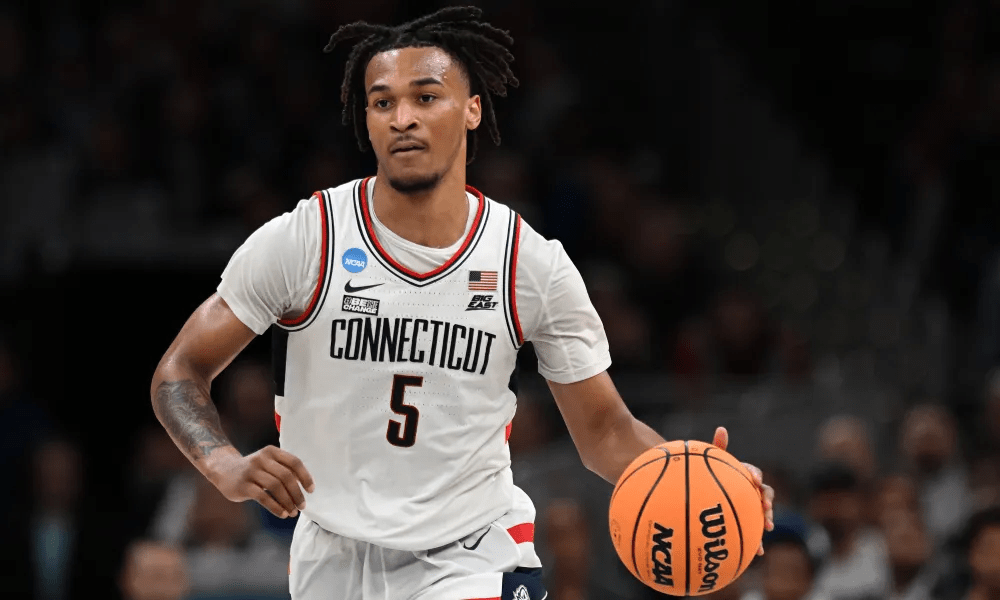
Stephon Castle is a very Spursy player. He’s a dogged defender who leaves everything out on the floor and wants to win more than anything. His work ethic combined with San Antonio’s player development is definitely a recipe for success. There’s a major elephant in the room with him, though. He’s a well below par shooter who connected on just 26.7% of his 2.2 three-point attempts per game at UConn. That’s a big problem in today’s NBA, and it’s an even bigger problem because he believes he’s a point guard. Pretty much every starting ball handler in the association is at least a capable scorer. Castle will need to work hard to iron that part of his game out if he truly wants to run an offense. If he can’t, he could still make an impact as an athletic defensive ace of a wing.
Juan Nunez is a creative floor general and a supreme passer who could fulfill San Antonio’s need for a point guard. He might be a stash guy, though. Harrison Ingram is a do-it-all forward who can help the Spurs return to the playoffs with his defense and spot-up shooting.
While the guys they ended up with are solid, the Spurs made a head-scratching move on draft night when they traded away Rob Dillingham. He would have been an amazing fit for them. Hopefully that decision doesn’t come back to haunt them too much.
Grade: C+
Toronto Raptors
Draftees: Ja’Kobe Walter (19th), Jonathan Mogbo (31st), Jamal Shead (45th), Ulrich Chomche (57th)
The Raptors probably couldn’t have had a more Raptors-esque draft than this. All of their picks are lengthy and/or defensive-minded. Their first rounder, Ja’Kobe Walter, is best known for his movement shooting upside. He will give the team a warmly welcomed offensive spark. Jonathan Mogbo is a beast of a 6’8” forward with strong finishing and passing prowess. Unfortunately, he can’t shoot at all, but he’s very undersized for a five man and so he may have trouble finding a role. Jamal Shead was the NCAA Defensive Player of the Year last season. He’s short in stature but he’s proof that it’s not about the size of the dog in the fight, but the size of the fight in the dog.
Toronto’s most fascinating pick was their last of the night. Ulrich Chomche is a goldmine of raw athletic tools and natural talent. The 6’11” Cameroonian has flashed the ability to do literally everything on the court. He’s the definition of boom-or-bust, but there’s a world where he becomes one of the best players from this class.
Grade: B
Utah Jazz
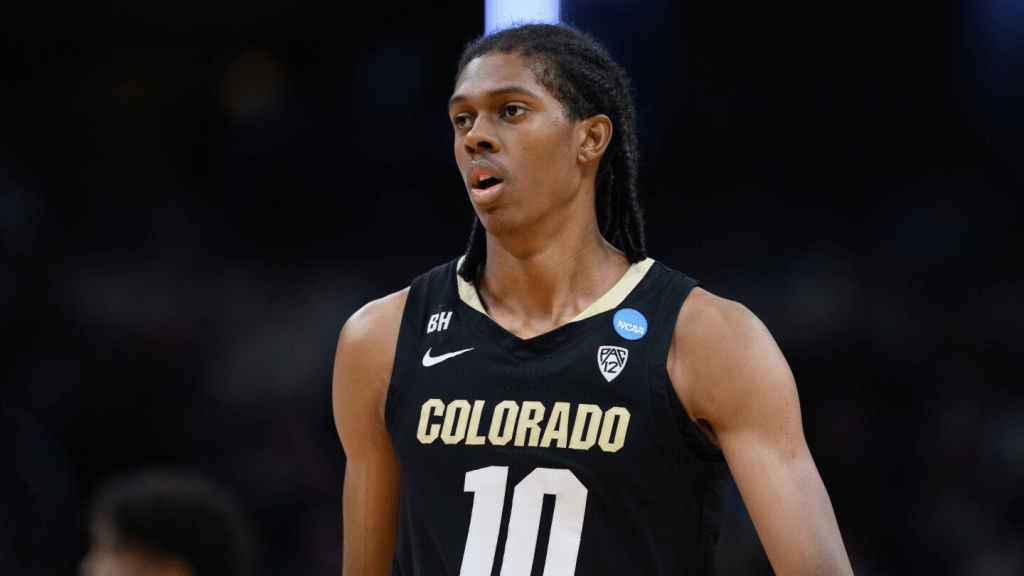
Draftees: Cody Williams (10th), Isaiah Collier (29th), Kyle Filipowski (32nd)
The Jazz aced this draft by grabbing two of the biggest sliders. Kyle Filipowksi was a green room invite who didn’t even get selected on day one, a disappointing outcome that will give him a chip on his shoulder. He’s a 7’0” big man with perimeter skill on both ends, perfect for modern basketball. Isaiah Collier is the single biggest steal of this draft. He’s uber quick and strong and is one of the best offensive engine bets in the class. The former top high school recruit has as much All-Star potential as any one of his peers.
Cody Williams, brother of Thunder star Jalen Williams, is an ultra toolsy 6’8” wing. Entering a low pressure situation like Utah will allow him to spread his wings and realize his full potential.
Grade A+
Washington Wizards
Draftees: Alex Sarr (2nd), Bub Carrington (14th), Kyshawn George (24th)
The Wizards have been unexciting during the early stages of their rebuild, but that is about to change because they just had the best draft out of any team. With the second pick, they brought in the best prospect in this draft in Alex Sarr. The Frenchman has all-world defensive upside with some really appealing offensive juice, too. He has a high floor and a high ceiling and can be Washington’s cornerstone for the future.
Sarr isn’t the only potential star in Washington’s incoming rookie class. Bub Carrington is one of the most loved prospects in the draft, because of his name, but also because of his game. He’s a smooth and confident on-ball operator with really good pullup shooting touch and playmaking chops.
Rounding things out is Kyshawn George, a silky shooting wing with some jumbo ball handler ability. The Wizards were 25th in 3P% last season and George can help raise that number.
NBA draft night usually features flurries of trades that leave fans struggling to follow who and what is going where. 2024 was no different. Here are my thoughts on every deal that went down.
(Note: this article only includes trades that involved at least one non 2024 draftee.)
Trade #1
Wizards receive: Malcolm Brogdon, 14th overall pick (Bub Carrington), 2029 first round pick, 2028 and 2030 second round picks
Trail Blazers receive: Deni Avdija
The first trade that happened during 2024 draft festivities was the most interesting. The Wizards gave up one of their best young prospects in Deni Avdija in exchange for a treasure chest of picks. It was a confusing deal to many at first, but it may end up being a pretty even deal.
The Trail Blazers, who are now all in on rebuilding in the post-Dame era, are adding what could be a core piece for the long haul in Avdija. The Israel native, who was drafted ninth overall in 2020, was quietly a MIP candidate this past season. He’s been a rock-solid on-ball defender his entire career, but Avdija made significant strides on the other end in year four, specifically as a shooter. He shot a career-best 37.4% from long range on 3.1 attempts per game this past season. Now that the shot is coming along, Avdija has become a very complete player. He fills Portland’s weakest position, forward, and will be a fun running mate for Scoot Henderson and Donovan Clingan.
The two underrated aspects of Portland adding Avdija are his durability and his contract. In the last three seasons, he’s played 82, 76, and 75 games. Availability is the best ability, and the Blazers will be able to rely on their new forward to consistently play games. As for the contract, Avdija is on a deal that’s ridiculously cheap compared to what players of his caliber are making these days. It’s a front-loaded deal, meaning his annual salary will decrease over time. In 2027-28, he’ll be making just $11.8 million. Talk about a steal.
For the Wizards side of things, the deal was originally a bit of a head scratcher. Why give up a guy who is young, one of your best players, and locked up on a cheap deal? Well, Portland made them an offer they couldn’t refuse. Two first round picks, two second round picks, and a player who is probably worth a first round pick is a big haul, especially when one of those picks becomes Bub Carrington. Carrington, an 18 year old guard from Pittsburgh, has the potential to be an All-Star and could be Washington’s lead guard for the future.
Malcolm Brogdon, who is just one year removed from winning Sixth Man of the Year, likely won’t be more than a short term rental for the team. However, while he’s there, he will be a much needed veteran presence. Brogdon is smart, steady, and unselfish and could be a mentor to young guys like Carrington. He’s also a good player who can help the Wizards be a little more competitive while rebuilding.
Stockpiling assets is a good move for a rebuilding team. Just look at the Thunder. With this trade, the Wizards deepened their pool of picks while also adding a prospect with higher potential than Avdija. That seems like a win.
Trade #2
Pistons receive: Wendell Moore Jr., 37th overall pick (Bobi Klintman)
Timberwolves receive: 53rd overall pick (later traded to another team)
With this trade, the Timberwolves basically paid the Pistons to take Wendell Moore off their hands, likely just to free up a roster spot. The payment came in the form of the pick that became Bobi Klintman, a young 6’10” forward who is oozing with 3&D potential. He’s an interesting prospect, but the Wolves don’t really have room to develop him with recent draftees Leonard Miller and Josh Minott occupying the same position. Wendell Moore hasn’t shown much of anything in his short career, but he was a first round pick, and is an interesting very low risk, medium reward swing for the Pistons.
Trade #3
Rockets receive: AJ Griffin
Hawks receive: 44th overall pick (later traded to another team)
Two years ago, AJ Griffin was considered one of the top prospects in the 2022 draft class. He fell to the 16th pick, but in his rookie season, he played like the lottery guy he was supposed to be. He had one of most efficient shooting seasons by a rookie ever, posting excellent percentages from mid-range and from three. He had Hawks fans and NBA nerds alike excited about the player he could become. Inexplicably, though, Atlanta gave up on him this past season. He played just 8.6 minutes per game across 20 appearances. The coaching staff may know something we don’t, but as of now, there’s no reason to believe Griffin isn’t capable of returning to his first-year form.
Buying low on Griffin is a phenomenal move for Houston for multiple reasons. For one, they could really use some three-point shooting. At his floor, Griffin could come off the bench and knock down a couple shots while spacing the floor for Alperen Sengun and Jalen Green. At his ceiling, though, he could become a key rotation piece for them and maybe even a starter. It will be a tough road, as he will compete for minutes with guys like Green, Amen Thompson, Cam Whitmore, and Tari Eason, but there’s a world where he gets there. That’s why this is the best low risk, high reward move of the night. Bravo, Houston.
Trade #4
Warriors receive: Lindy Waters III
Thunder receive: 52nd overall pick (later traded to another team)
This deal is very inconsequential, but is still somewhat intriguing if you’re a total hoops nerd. Lindy Waters is a legit movement shooter who has been solid in the limited minutes he’s received for the Thunder. He shot 43.5% from deep this past season. It’s easy to picture Waters fitting into Golden State’s movement-heavy offense if he ever sees the court..
The funny part about this trade is that after a series of other moves, the 52nd pick ended up back with the Warriors. They used it to select Quinten Post, a seven-foot center from Boston College with real floor-spacing ability.
In this trade, the Kings are sending away two players they have no need for anymore in exchange for a guy who fits their team much better. In McDaniels, they’re getting a super toolsy and versatile forward. He can defend, shoot, and cut, and could definitely share the court with De’Aaron Fox and Domantas Sabonis. Really, he’s a dollar store version of Jerami Grant, a guy who has been linked in trade rumors to the Kings for a long time.
Davion Mitchell, Sacramento’s lottery pick back in 2021, has largely failed to live up to expectations up to this point in his career. His defense has been fantastic, but he hasn’t done enough offensively to play a real rotational role. With Devin Carter coming to town, Mitchell would have been buried even deeper in the depth chart had he remained in Sactown. Sasha Vezenkov, the former Euroleague MVP, had requested a trade and is more of a salary dump than anything in this deal.
One man’s trash is another man’s treasure, though. The rebuilding Raptors should be excited about taking on Davion Mitchell, as a new situation often does wonders for struggling young players. Toronto has long loved players who play pesky defense, and that’s exactly what Mitchell does. They’re not just getting one pest, though. Jamal Shead was the NCAA’s defensive player of the year this past season and could form an impeccable defensive backcourt off the bench with Mitchell. Good luck getting the ball across half court when those guys are in.
Trade #6
Hornets receive: Reggie Jackson
Nuggets receive: Three second round picks
For Denver, this trade was nothing more than a salary dump. Their core has become very expensive and they need to find ways to save some money around the edges. The Hornets are getting a solid veteran guard in Reggie Jackson who can be trusted to handle the ball and get some buckets off the bench.
–
Be on the lookout for draft grades and thoughts on other offseason moves coming soon!
The first trade of the 2024 offseason has been made, and man is it a fun one. The Chicago Bulls are sending one of the most coveted assets on the market, Alex Caruso, to the Oklahoma City Thunder in exchange for Josh Giddey. No draft picks are involved, a rare occurrence in today’s NBA, and even rarer for a trade involving Sam Presti and the Thunder.
Here are my immediate thoughts on the deal for both sides.
Oklahoma City Thunder
Going into this offseason, OKC needed to figure out who their fifth starter will be for the 2024-25 season. They just found their guy in Alex Caruso. And, outside of an All-Star like Lauri Markkanen or Paul George, Caruso is probably the best possible player they (realistically) could have gotten to round out their lineup.
So why is the Bald Mamba the perfect pickup for the Thunder? It starts with the defense. Caruso is one the premier non-big defenders in the sport. He has made All-Defense in back-to-back years (First team in 2023, second team in 2024), and was also the 2023-24 winner of the NBA Hustle Award. He’s an impeccable on-ball defender who can legitimately cover positions 1-4, if not all five. He will guard the other team’s best player every night and is capable of completely shutting them down. He pairs that on-ball coverage with ridiculous defensive playmaking ability. Caruso ranked in the 97th percentile of steals per 75 possessions and the 87th percentile of blocks per 75 possessions in 2023-24 (according to BBall Index).
The Thunder had the fourth best defense in the NBA this past season, and are now adding a guy who can take them to a whole other level on that end. That’s terrifying. The idea of trying to score against a lineup of Shai Gilgeous-Alexander, Cason Wallace, Alex Caruso, Lu Dort, and Chet Holmgren gives me nightmares, and I’m not even in the NBA!
Beyond the defense, Caruso will be able to seamlessly fill an off-ball role on offense, which is exactly what OKC needs. He shot a career-best 40.8% from three in 2023-24 on 4.7 attempts per game, and 89% of his makes were assisted. He will reliably convert on open looks created by Oklahoma City’s stars, something Josh Giddey could not do. Caruso is also a very heady decision-maker and passer, a necessary trait for playoff rotation players.
The Thunder made a massive leap as a team this past season, finishing as the top seed in a loaded Western Conference. However, their second round loss to the Mavericks proved they were still a ways away from being true contenders. It feels safe to say Alex Caruso changes that. What a trade for OKC.
Chicago Bulls
Despite all the interest Alex Caurso was receiving on the trade market, the Bulls seemed dead set on keeping him in town. They probably turned down 100 first round picks in the last two years. For that reason, it’s very interesting that when they finally traded him, zero picks were involved. So, is Josh Giddey a worthy return for Chicago’s star role player? The immediate answer for many fans is absolutely not.
After a promising first two seasons, Giddey fell off a cliff in 2023-24 in terms of impact. Many nights, he was a liability on both ends. His jumper didn’t go in enough for defenders to respect it, allowing them to send extra help at OKC’s stars. His defense was flat-out poor and he was hunted relentlessly. The lights of competitive basketball were simply way too bright for him.
However, looking at the full picture, the Australian can’t be completely counted out yet. As mentioned, he had very nice rookie and sophomore seasons and proved he has some very intriguing upside. He even ranked 81st on the Bench Mob Blog’s Top 100 Players of the 2022-23 Season list. The fall-off he experienced can be attributed to two things: age and role.
Giddey is still just 21. He was drafted as a project player, and is very much still in the developmental stage. The Thunder’s timeline accelerated quickly, which forced him to play basketball at a level he shouldn’t have been expected to play at. After playing point guard for the majority of his career, Giddey was suddenly asked to play an off-ball, supporting role next to the team’s ascending superstars Shai Gilgeous-Alexander and Jalen Williams, a role that minimized his ability to play to his major strengths: downhill scoring and playmaking.
The 2023-24 season for Josh Giddey was the equivalent of a parent tossing their toddler in the deep end of a pool and expecting them to be able to swim. He needs a team to be patient with him. And if this trade is a sign that Chicago is entering rebuild mode, they can be that team. Playing for a non-contender will take a ton of pressure off Giddey’s shoulders. He should be able to return to his natural position of point guard, opening things up for him to play the style of basketball he’s best at and find confidence.
So, despite what people on social media may be screaming at you, Josh Giddey still has potential. Don’t be surprised if he spreads his wings and flies in the Windy City.