
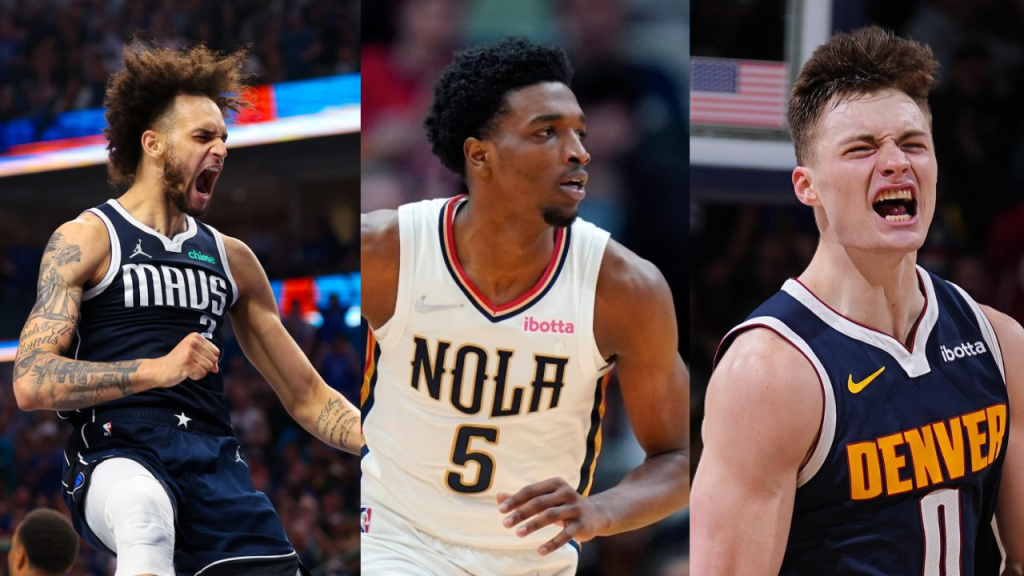
When watching the playoffs in recent years, something has stood out to me. Many rookies have made meaningful contributions deep into May and even for championship teams in June. Dereck Lively, Christian Braun, Herb Jones… the list goes on. This had me wondering, how did those guys get there? What does it take for a rookie to play in the playoffs and make a difference?
In the past five seasons (2020-2024), 35 rookies have played over 10 minutes per game in the playoffs. That’s 33% of all rookies rostered by playoff teams in that time frame. To better understand how a rookie can earn playoff playing time, let’s analyze those 35 guys and find out how and why they succeed. First, let’s take a look at some characteristics they share.
Age & Experience
(Note: all ages are according to Basketball Reference)
More often than not, “win now” prospects are on the older side and therefore have had more time to develop their game and become more complete, polished products. That type of player is clearly more likely to find a rotation role in the NBA in their first year— only two teenage rookies have been part of playoff rotations in the last five years (Darius Bazley in 2020 and Dereck Lively II in 2024). Those two guys make up just 18% of teenage rookies rostered by playoff teams in that time frame. The majority of the pool were either 21 or 22 years old, and five guys were 23 or older.
Going hand in hand with the age data, players who spent more time in college have had more success getting playoff minutes as a rookie. Twenty-three of the 33 playoff rookies who played college ball prior to the NBA spent multiple years in school. Eleven were seniors or super seniors. Of the 10 freshmen, the majority were lottery picks (Tyler Herro and Michael Porter Jr. in 2020, Scottie Barnes and Ziaire Williams in 2022, and Chet Holmgren, Dereck Lively II, and Cason Wallace in 2024).
None of that data is too surprising— it makes sense that very young and raw guys usually aren’t ready for basketball’s biggest stage. Maybe more players need to take advantage of college and spend more time honing their craft before making the jump to the NBA.
Draft Pick
In theory, the best rookies are the ones picked in the lottery. Unfortunately, lottery picks rarely get the chance to compete in the playoffs their first year because they’re usually drafted to rebuilding teams. When they do get that chance, though, they are likely to take advantage of it. Ten of the 35 playoff rookies in the last five years were lottery picks. Twenty total lottery picks have been rostered by playoff teams in the last five years, giving lottery picks a 50% chance at being in a playoff rotation. That’s the highest success rate of any draft range.
After lottery picks, the draft range most likely to produce playoff rookies is non-lottery first round picks. Thirteen rookies drafted in that range in the last five years played in the playoffs (35% of the total non-lottery first round picks rostered by playoff teams). This makes sense because the best teams pick late in the first round. Undrafted guys surprisingly find their way into playoff rotations decently often. Nine undrafted rookies played in the playoffs in the last five years (24% of the total undrafted rookies rostered by playoff teams). Notable undrafted guys to accomplish that feat include Kendrick Nunn (2020), Luguentz Dort (2020), and Jose Alvarado (2022).
Interestingly, the second round has not been a reliable source of playoff rookies at all. Forty-six second-round rookies have been rostered by playoff teams in the last five years, the most of any draft range. Only three of them have played minutes (Ayo Dosunmu and Herb Jones in 2022 and Andre Jackson Jr. in 2024).
Position
(Note: all positions are according to Basketball Reference)
Of the 35 playoff rookies from the last five years, six were point guards, 10 were shooting guards, nine were small forwards, eight were power forwards, and two were centers. Those raw totals suggest rookie point guards and centers are the least likely to play in the playoffs out of any position. Point guard is often regarded as the hardest position for players to adjust to when they get to the NBA, so that makes sense.
However, the success rates of each position paint a slightly different picture. 23% of rookie point guards rostered by playoff teams in the last five years played minutes, which is the third lowest of all positions. 20% of power forwards played and only 10% of centers played, making them the least likely positions to succeed. The most successful position has been shooting guard, with 42% of rookie two guards rostered by playoff teams in the last five years cracking playoff rotations.
Chet Holmgren and Dereck Lively II are the only two rookie centers to play in the playoffs in the last five years. Both had special rookie seasons. Holmgren anchored the first-seeded Oklahoma City Thunder while rivaling Victor Wembanyama for Rookie of the Year. Lively proved to be the perfect big man to pair with Luka Doncic and held things down for Dallas deep into the playoffs. Lively specifically is an anomaly, as he is also one of just two teenage rookies to play in the playoffs in the same time frame.
– – –
According to basic characteristics, rookies are most likely to play in the playoffs if they are shooting guards who were drafted in the first round and played multiple years in college. The four players from the last five years who fit that description are Matisse Thybulle (2020), Payton Pritchard (2021), Christian Braun (2023), and Ben Sheppard (2024). This equation is missing a key factor, though: actual basketball ability. There are multiple skills that can earn a rookie playoff minutes. Let’s take a look at each of them.
Attribute #1: Decision Making
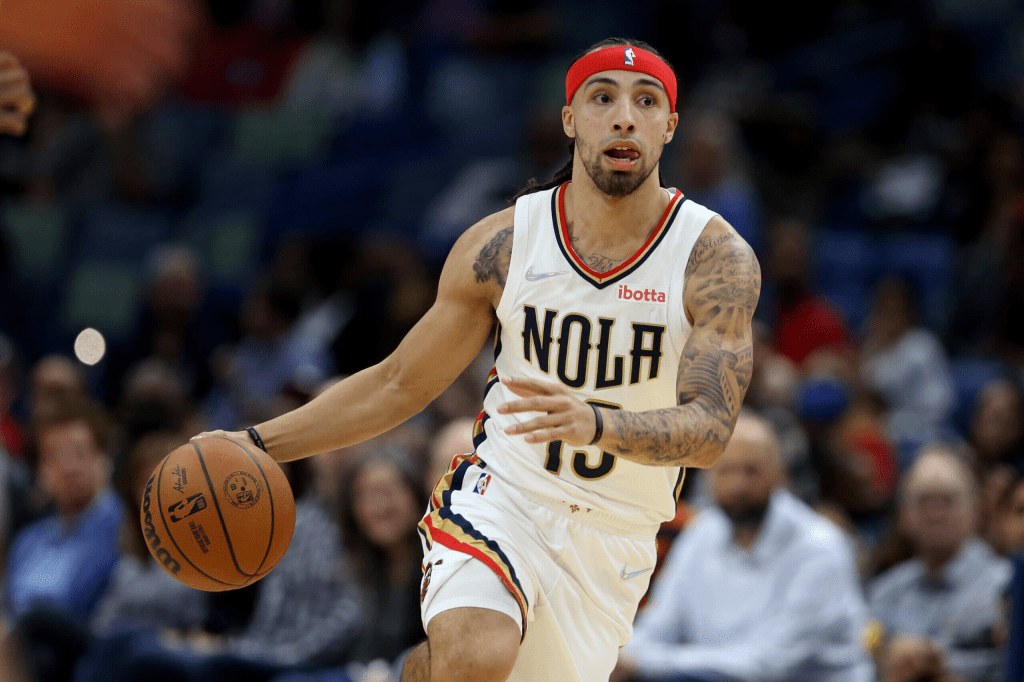
Case Study Players: Jose Alvarado (2022), Ayo Dosunmu (2022), Facundo Campazzo (2021)
This one is less of a potential pathway to success and more of a requirement. NBA teams play at a fast pace, and guys have to be able to process the game quickly and make correct decisions in split seconds. Taking care of the ball is a necessity. Of the 35 rookies to play playoff minutes in the last five years, only three of them had negative assist-to-turnover ratios (Michael Porter Jr., Darius Bazley, and Wenyen Gabriel in 2020).
While limiting turnovers and making the right reads isn’t a standout skill that can create a playoff role for a rookie, being a quality secondary playmaker is. Guys who can take pressure off primary creators by taking on some playmaking responsibility, or who can run a second unit, are super valuable and open things up for their teams. Take, for example, Facundo Campazzo, who was a rookie for the Nuggets back in 2021. Denver was missing their second star, Jamal Murray, that year and needed some help in the creation department. Passing is Campazzo’s best skill, and he was able to patch that hole because of it. The Argentinian averaged a solid 4.1 dimes while only turning it over 1.5 times per game in the playoffs. He ranked in the 87th percentile of playmaking talent that season (via BBall Index).
Another example is Jose Alvarado, an undrafted gem discovered by the Pelicans. Defense is his calling card, but the little guard also provides a ton of value as a floor general who pressures defenses and makes plays for others. He averaged 2.8 assists and only 0.7 turnovers per game his rookie season, posting an assist-to-turnover ratio of 3.8.
Attribute #2: Shooting

Case Study Players: Keegan Murray (2023), Desmond Bane (2021), Michael Porter Jr. (2020)
Shooting is king in the NBA, so there are plenty of opportunities for rookies who can fill it up from behind the arc. Interestingly, though, out of the 35 playoff rookies from the last five years, 20 of them were below league-average shooters percentage wise. Players don’t have to shoot it to succeed. However, out of the 106 rookies rostered by playoff teams in that time frame who didn’t get minutes in the postseason, 76 of them were below-average shooters. Being a good shooter definitely gives guys a better chance of seeing the court in the playoffs, and there have been many examples in the last five years to prove that statement.
The Kings were clowned in 2022 when they drafted Keegan Murray fourth overall ahead of Jaden Ivey, who was widely considered to be a better prospect. Murray shut the doubters up quickly though, proving to be one of the top players in the class (he finished way ahead of Ivey in Rookie of the Year voting). Murray’s best skill was (and is still) his shooting. He shattered the record for most threes made in a season by a rookie. Murray’s sizzling movement shooting abilities made him a seamless fit in Sacramento’s high-octane offense, and he was able to not only be a part of the team’s playoff rotation but also be a part of their starting lineup because of it.
Michael Porter Jr. was an elite shooter from the minute he first stepped on an NBA court. He was a borderline awful decision maker and a poor defender, but his shooting made up for those weaknesses and he was a key rotation piece for the Denver Nuggets during their playoff run in 2020. Desmond Bane was a key role player as a rookie for the Grizzlies during their 2020-21 campaign because he was an ultra-efficient catch-and-shoot threat.
Attribute #3: Defense
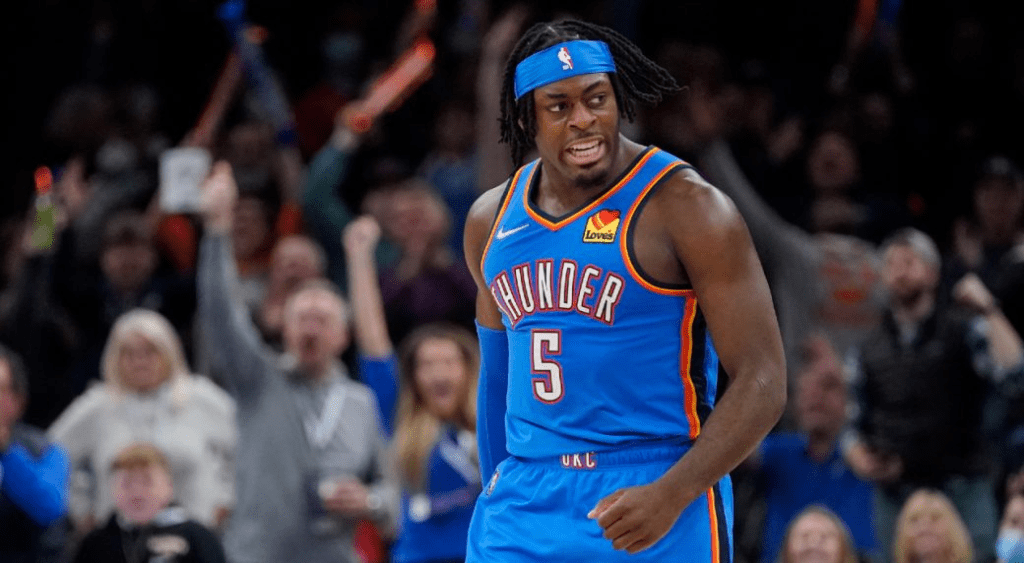
Case Study Players: Chet Holmgren (2024), Herb Jones (2022), Luguentz Dort (2020)
Historically, rookies have a tough time on defense. Adjusting to the higher level of athleticism and physicality takes time for a lot of guys. That’s why it makes sense that out of the 35 playoff rookies from the last five years, 19 of them were below average defensively according to BBall Index’s D-LEBRON metric (with 50th percentile being average). However, rookies who can excel on defense from the jump are more likely to find minutes in meaningful games. 33% of rookies rostered by playoff teams in the last five years who were above average defenders were part of rotations in the postseason, while only 21% of below average defenders found the same success.
62% of the rookies who ranked in the 90th percentile or higher in D-LEBRON got burn in the playoffs. That elite group includes Chet Holmgren, who was one of the best rim protectors in all of basketball this past season, Herb Jones, the surprise second-round pick who is now an All-Defensive First Team honoree, and Jose Alvarado, Jones’ teammate who is an absolute pest at the point of attack. The three 90th percentile defenders who didn’t play in the playoffs are Norvel Pelle (2020), Deni Avdija (2021), and Omer Yurtseven (2022).
Perhaps the best example of a rookie earning playoff minutes purely because of his defense is Lu Dort in 2020. Dort was an undrafted rookie who played just one year at Arizona State before coming to the league. He was on a two-way contract with Oklahoma City at the time, and despite being a very inefficient offensive player, he was a starter in the playoffs for the Thunder and was tasked with guarding one of the best scorers ever (James Harden) because he was a fantastic perimeter defender. Dort is an outlier in multiple ways but proves how much defense matters for young players trying to prove themselves as NBA players.
Utility Players
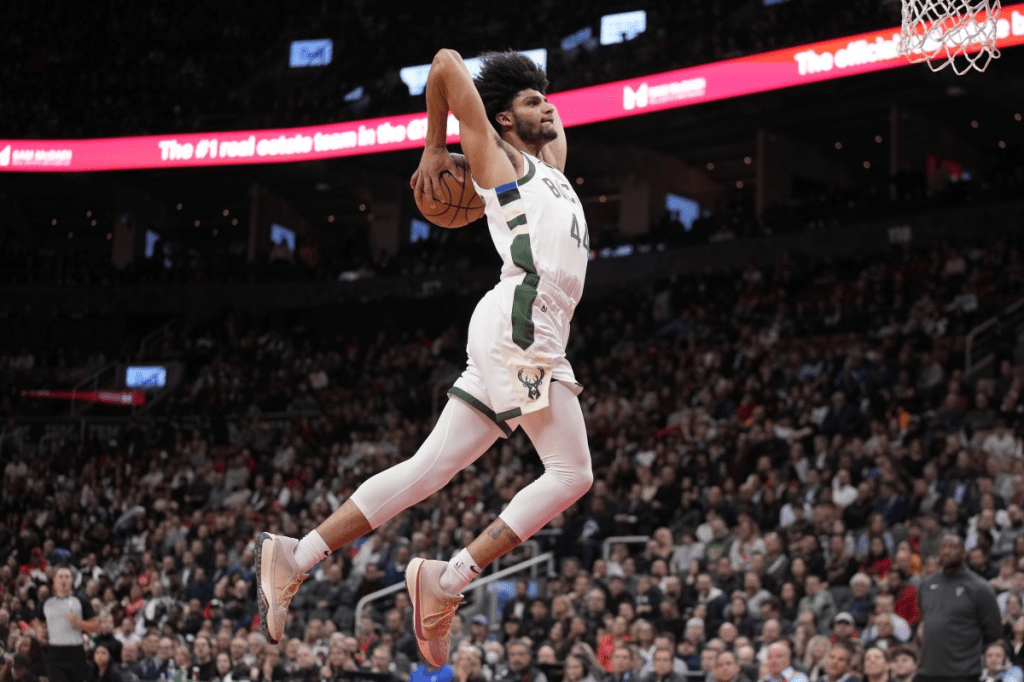
Case Study Players: Jaime Jaquez Jr. (2024), Andre Jackson Jr. (2024), Christian Braun (2023)
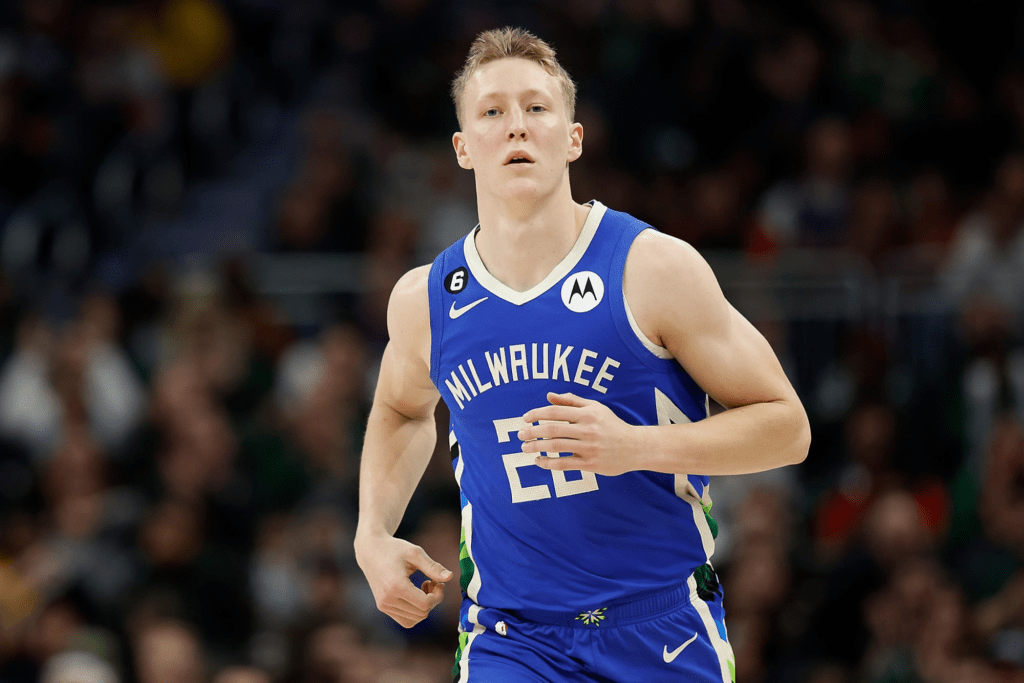
Not every player specializes in playmaking, shooting, or defense. Some guys carve out their roles by being a jack-of-all-trades and helping their teams in multiple ways. The age of the specialist is beginning to come to an end, and versatile role players who can shoot, pass, and defend are becoming trendier and trendier. Some of the 35 playoff rookies from the last five years made their mark in that fashion. Christian Braun helped the Nuggets win a championship in 2023 by competing on defense, hitting timely threes, and cutting to the hoop relentlessly. Andre Jackson Jr. was a huge spark and breath of fresh air for the Bucks this past season. The kid is an absolute winner— he flies around the court and defends his tail off. Jaime Jaquez Jr. played like a 30-year-old as a rookie, making plays out of the post and making smart decisions consistently.
Only three of the 35 rookies posted a positive assist-to-turnover ratio, shot above league average from three, and were above average defenders according to D-LEBRON: Chet Holmgren, Cason Wallace, and Andre Jackson Jr. (all three were rookies in 2023-24). One more player posted an even 1:1 assist-to-turnover ratio while being above average from three and on D: Juwan Morgan in 2020. Being good in all those areas is a tall ask for a first-year player, but just being decent in every area is enough, as proven by Braun and Jaquez Jr.
Outliers
Every statistical study features outliers, data points that don’t fit into trends at all. This one is no different. Basketball isn’t played on a spreadsheet, so let’s look at some guys who, according to the data, played in the playoffs but shouldn’t have or didn’t play but should have and figure out why they aren’t hip with the patterns.
David Roddy (2023— played)
3 seasons in college (21 y/o)
23rd pick
Small forward
1.04 AST:TO ratio
30.7% 3P
33rd percentile D-LEBRON
Roddy fits the college upperclassman, first round pick archetype that has found a lot of success, but his talent-related numbers aren’t up to par with those of his playoff rookie peers. He was a well below average shooter, a poor defender, and posted a barely positive assist-to-turnover ratio while averaging just 0.8 assists per game. So why did he play? He has a burly frame that allowed him to compete physically as a rookie and he was a pretty solid finisher. He fits the utility guy description, just to a much lesser degree. Once he got to the playoffs, he shot 28% from the field and posted a -22.7 plus/minus per 100 possessions in a series that the Grizzlies lost.
Ziaire Williams (2022— played)
1 season in college (20 y/o)
10th pick
Small forward
1.59 AST:TO ratio
31.4% 3P
7th percentile D-LEBRON
Young and raw rookies are less likely to find a rotation spot in the playoffs, but Williams was an exception. Why? He’s long, athletic, and was definitely a better defender than his atrocious D-LEBRON ranking suggests (numbers aren’t everything when it comes to examining defense!). In the playoffs, he averaged 6.9 points and shot 75% on two-pointers. The Grizzlies lost in the second round. Williams hasn’t developed much since, and he was not in the playoff rotation his sophomore season, so his minutes may have been more a result of Memphis needing wing minutes than him being a particularly impressive rookie.
Markus Howard (2021— played)
4 seasons in college (21 y/o)
Undrafted
Point guard
1 AST:TO ratio
27.7% 3P
6th percentile D-LEBRON
Howard was a really good college player (he was a two-time consensus All-American and was one of the best scorers in the NCAA), but his rookie season as a pro was very underwhelming. That may have been a result of his height— he’s just 5’10” and little guards have a tough time in the big leagues. Denver was forced to call upon Howard for the postseason after star Jamal Murray went down with an ACL tear. In the playoffs, he averaged 4.7 points and shot 42.3% from three. Howard is no longer in the NBA.
Jaylen Hoard (2020— played)
One season in college (20 y/o)
Undrafted
Power forward
1 AST:TO ratio
0.0% 3P
51st percentile D-LEBRON
Outside of his (very slightly) above average D-LEBRON, nothing about Hoard screams (or even whispers) playoff rookie. So why did he play? He was a solid energy guy who could defend, finish, and rebound. Portland had a pretty rough roster that year, so they were probably just trying things and seeing what stuck with their rotation. In the playoffs, Hoard averaged 4.7 points on 58% shooting. The Blazers lost in the first round.
Anthony Black (2024— didn’t play)
One season in college (20 y/o)
6th pick
Point guard
1.63 AST:TO ratio
39.4% 3P
77th percentile D-LEBRON
Black was projected to be a good defender and passer when he was drafted, and both of those things were proven to be true during his rookie year. He also surprised people by shooting almost 40% from deep (albeit on low volume). Black started 33 games for the Magic in the regular season, but couldn’t get any playing time in the playoffs. Why? Orlando needed scoring desperately, and that’s not Black’s strong suit. Once he proves himself as a quality outside shooter and starts filling up the scoring column more, Black will be a playoff guy. It just wasn’t his year.
Omer Yurtseven (2022— didn’t play)
4 seasons in college (23 y/o)
Undrafted
Center
1.20 AST:TO ratio
9.1% 3P
90th percentile D-LEBRON
Despite being undrafted, Omer Yurtseven became a regular rotation member for the Heat as a rookie because he protected the rim and was statistically one of the best rebounders in the NBA. He wasn’t able to keep his spot in the playoffs, though, mainly because All-Star Bam Adebayo took up most of the center minutes. Erik Spoelstra opted to give the sparse backup minutes to Dewanye Dedmon, a decision likely made due to Dedmon’s seniority in the league, but it was maybe the wrong one. In 10 minutes a game in the playoffs, Dedmon averaged 3.8 points on 47% shooting and had a -2.4 +/- per 100 possessions. In just 4 minutes per game, Yurtseven averaged 2.8 points on 67% shooting. Perhaps “Big Yurt” could have proven to be one of Miami’s patented undrafted gems had he been given a chance in the postseason.
Terance Mann (2020— didn’t play)
4 seasons in college (23 y/o)
48th pick
Small forward
2.94 AST:TO ratio
35.0% 3P
69th percentile D-LEBRON
Terance Mann checked pretty much every box that a rookie needs to check to play in the playoffs. He’s a wing who spent multiple years in college. He took care of the ball and made good decisions. He defended well. He was (almost) a league average shooter. So why didn’t he play? He was competing for minutes with the likes of Kawhi Leonard and Paul George, as well as other solid role players like Marcus Morris and Landry Shamet. He didn’t get a chance as a rookie, but Mann has played in three playoffs since and has played really well in all of them.
– – –
There are many teams in the NBA who will be hunting for instant impact players in the draft this summer. Some of them, like the Lakers or the Bucks, need to hit on those picks because that’s their best chance at getting better and winning a championship while their window is open. If win now guys are what those teams seek, then they should seek rookies who proved during their time before the NBA that they can play a role and excel in it. That’s the recipe to success.








 The Bench Mob Blog