
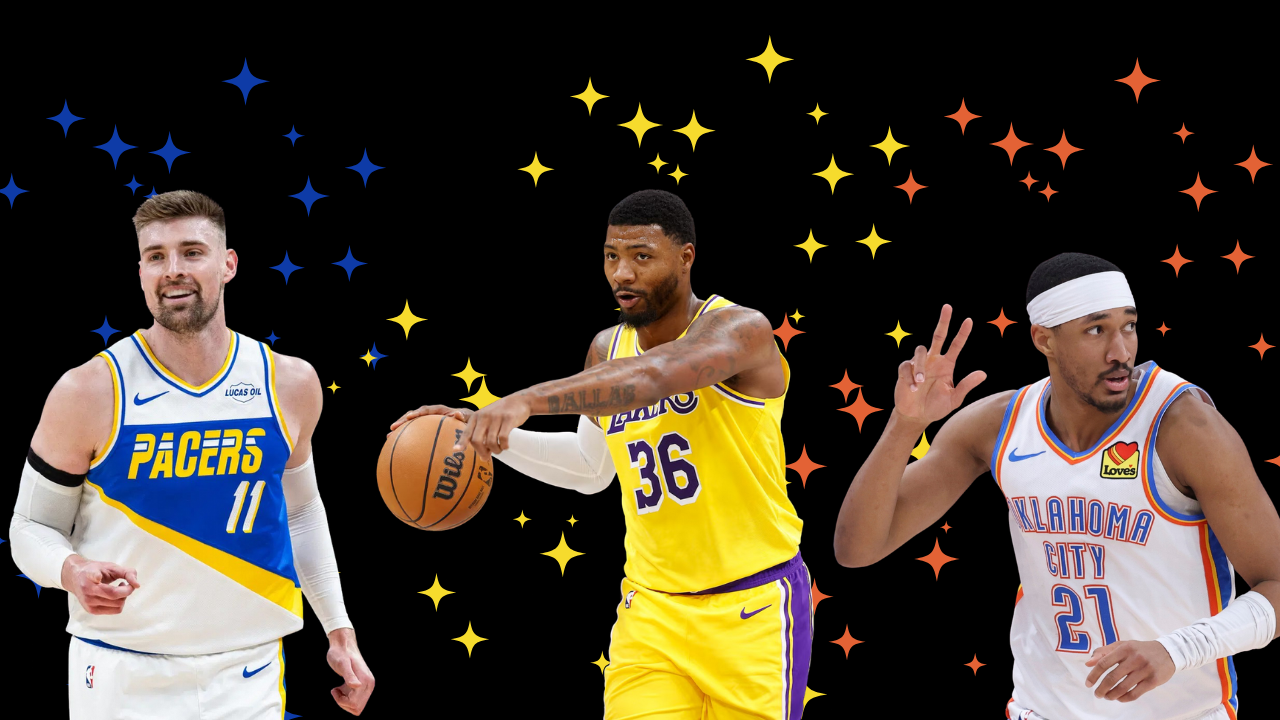
The 2026 NBA offseason has been a wild one for player movement. Giannis Antetokounmpo, LeBron James, Jaylen Brown, LaMelo Ball, Ja Morant, Kawhi Leonard (maybe?), and several other headliner names have found new homes, setting the stage for a season for the ages.
Blockbusters aren’t the only moves that matter, though. Today, we’re breaking down five of this summer’s most intriguing under-the-radar free agent/trade acquisitions. These players could be real difference makers in 2026-27. Let’s dive right in!
(Note: all percentile/rate stats in this article are from BBall Index.)
Aaron Wiggins (Atlanta Hawks)
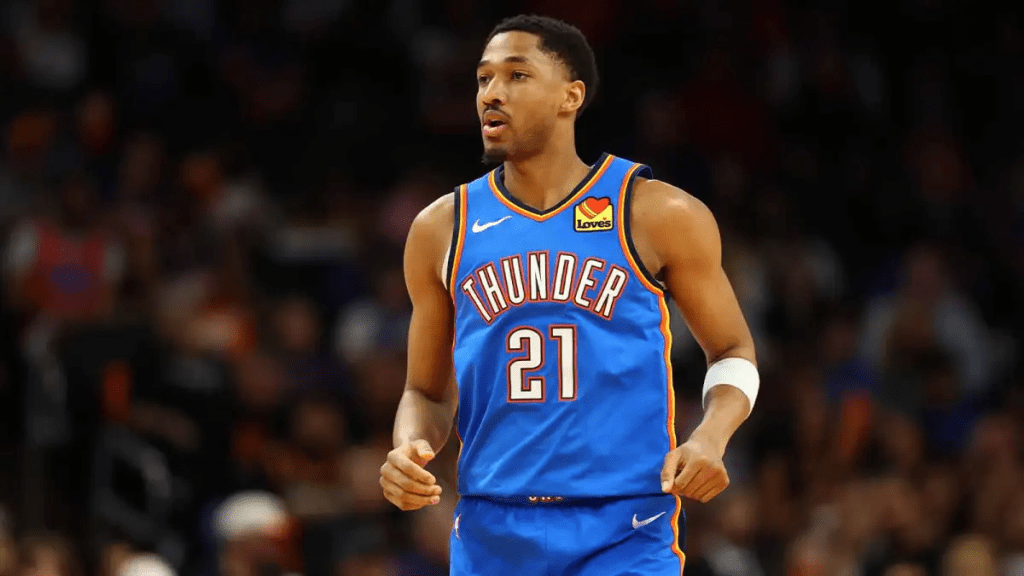
A casualty of OKC’s roster crunch, Wiggins now finds himself in Atlanta after five years with the Thunder. This trade might be the best thing to happen to him so far in his NBA career, which is saying something, because he’s won a championship and signed a deal worth nearly $50 million.
Why is this fresh opportunity so exciting for Wiggins? He has so much more to his game than he ever got to show with the ‘25 champs. The depth of OKC’s rotation made his role as inconsistent as fast food fries. Sometimes he would start, sometimes he would play 12 minutes, and sometimes he wouldn’t even take off his warmups. He carried himself like a true professional and still had some big moments despite the ups and downs, but he couldn’t put his talents on full display.
Hopefully, with the Hawks, that will change. The former 55th overall pick could be an elite sixth man, or even a fifth starter, if a team let him scale up. Offensively, Wiggins is overqualified for a situational 10th man job. He has a ton of juice on and off the ball.
First and foremost, he’s a slightly streaky, but undoubtedly good, shooter. He swung playoff wins for OKC when he found his stroke from beyond the arc. He can hit triples off the catch, but he also can knock them down on the move or off the dribble. He scored 4.28 movement points per 75 possessions last season, which included plenty of off-screen treys, as well as layups off sharp backcuts.
The shooting is just the tip of the iceberg for Wiggins, though. He punches gaps and finishes effectively as a driver, and he has a nice mid-range bag as well. He’s an overall nifty three-level scorer, and that’s fueled by his polished functional handle. His ability to get places with the ball in his hands also helps him as a playmaker, a hidden piece of his game that could shine if he was given the chance to rock out more often.
Defensively, Wiggins can hang, especially from a team perspective. He won’t wow as a one-on-one stopper, but he has keen instincts in the passing lanes, and he ranked in the 72nd percentile as an off-ball chaser in 2025-26.
In Atlanta, Wiggins’ biggest competition for minutes will come from Dyson Daniels, Luguentz Dort, and Corey Kispert. Don’t be surprised if Quin Snyder starts to favor the Maryland product and his versatility over his more one-dimensional peers.
Kelly Oubre Jr. (Indiana Pacers)
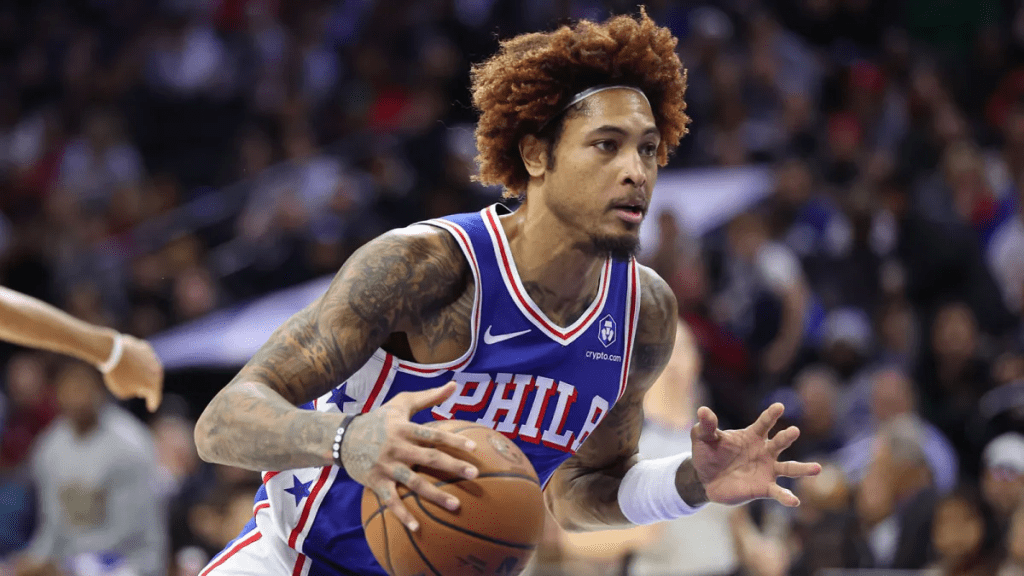
The Pacers are being underdiscussed heading into the 2026-27 season. In a “what have you done for me lately?” league, their injury-ravaged 2025-26 campaign was apparently enough to make people forget what this core has proven they can accomplish. They’ll be looking to remind the world what they’re made of this year, and Kelly Oubre is more than ready to help them do just that.
With 11 years in the association under his belt, Oubre is an established commodity, and a valuable one at that. He’s the type of hard-nosed competitor who helps teams win playoff games. The 30-year-old should be a fun fit for Indy because he can amplify their strengths and improve some of their weaknesses.
While he’s shown in the past he can fill up the scoring column, Oubre’s strongest trait at this stage of his career is his defense. For the 76ers in 2025-26, his matchup difficulty ranked in the 93rd percentile league-wide, and under the pressure of that responsibility, he rose as a 91st percentile perimeter isolation defender. Oubre embraces the challenge of guarding stars and can really bother them. Aaron Nesmith was previously Indiana’s sole wing stopper, but Oubre will give Rick Carlise another option in that department.
Oubre’s disruption is the other key to his defensive impact. He generated 4.86 deflections per 75 last season, a 95th percentile rate, and he turned a lot of those into steals. His ability to force turnovers helps him create extra possessions offensively, many of them in transition. In the open floor, Oubre is a weapon. He graded in the 91st percentile in transition shot making efficiency last year.
That fast-break prowess will serve Oubre well on a Pacers squad that excels when the tempo is high. Toss in his corner three-point shooting, general finishing talent, and infectious energy as the cherries on top, and it’s clear that Oubre could play a major role for Indiana deep into the postseason next spring.
Marcus Smart (Houston Rockets)
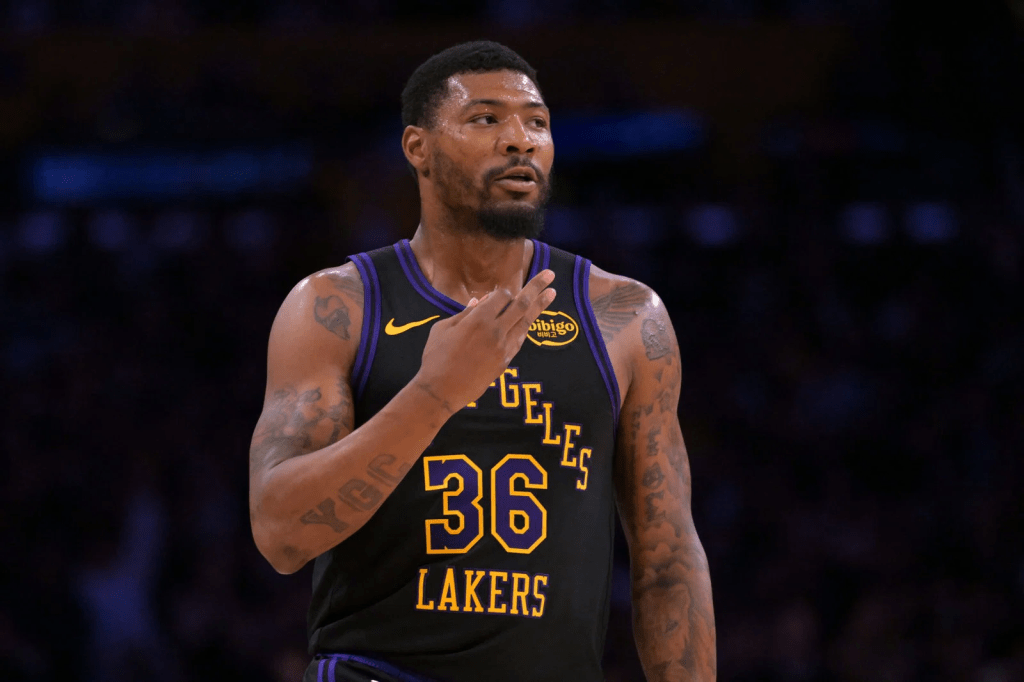
The injury-riddled seasons he had with Memphis and Washington seem to have tricked the masses into thinking Marcus Smart is washed. The former DPOY still has gas in the tank. He sent that message with his awesome first round performance for the Lakers against the Rockets in April. Ironically, he’s now joining Houston, where he’ll be a phenomenal culture fit and a sure-fire winning contributor.
Smart isn’t quite clamping up at the level he once was, but he remains a total nuisance for opposing offenses. He gets in the grill of stars, keeps the ball in front exceptionally well, and racks up steals and deflections. He’s also virtually unscreenable, grading out as a 95th percentile screen navigator last season. All told, there aren’t many point-of-attack stalwarts out there better than the Boston legend.
Houston has built their success and identity on defense, but they’ve been missing a veteran leader on that end since they traded Dillon Brooks for Kevin Durant. Marcus Smart is the perfect hire for that opening. This is a match made in heaven.
Smart’s notoriously shaky three-ball does warrant a pinch of concern here, especially with the playoffs in mind. The Rockets’ offense already has perimeter problems, and Smart isn’t going to fix that. But, he will be able to breathe some life into their attack in other ways. He’s long been an underrated playmaker; a guy who will get feet in the paint and create looks for his teammates out of the pick-and-roll. He dished out 3.34 high value assists (assists on threes, shots at the rim, or free throws) per 75 possessions in 2025-26, a 63rd percentile figure.
Jevon Carter (Orlando Magic)
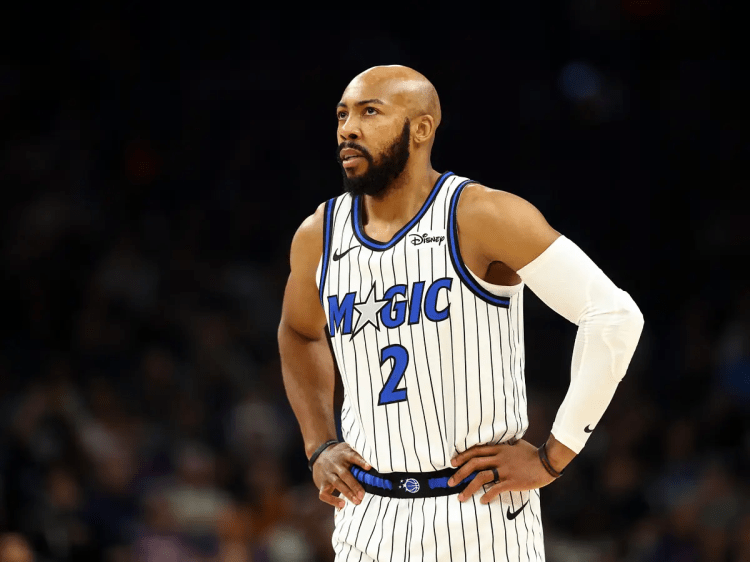
This is a re-signing, not a new addition, for the Magic. But, Carter only played 30 games for Orlando last season after they picked him up in February, and his value will only become more obvious across a full campaign. Carter is a rugged 3&D guard, and while he likely won’t be more than a 15 MPG guy, he’s going to make a difference in that time.
Defenders have to respect Carter from outside because he’s more than willing to bomb away, especially when he’s on a heater. He launched 9.02 threes per 75 possessions in 2025-26, and the 36.3% clip he drained those at undersells the level of threat he is. The West Virginia product is a trusty pull-up machine. If he finds space in transition or when coming off a ball screen, he’s going to let it fly.
Orlando’s offensive woes have been well documented, and a healthy dose of Carter in the rotation next year could patch the wounds to some degree. He can open up more room for Paolo Banchero and Franz Wagner to operate inside the arc than Jalen Suggs and Anthony Black do, and that improved spacing could do wonders for unclogging what’s been a pretty gross offensive product in recent years.
Defensively, Carter is a rugged POA ace who eagerly pesters ball handlers for 94 feet and shakes off screens like they’re nothing. He’s only 6’0” tall, which puts him at a disadvantage, but his heart, hands, and lateral quickness make him a firm positive regardless. He’s no Suggs on D, but the dropoff isn’t crazy enough to rule out Carter playing over him for stretches if the offense starts to bog down.
Micah Potter (Portland Trail Blazers)
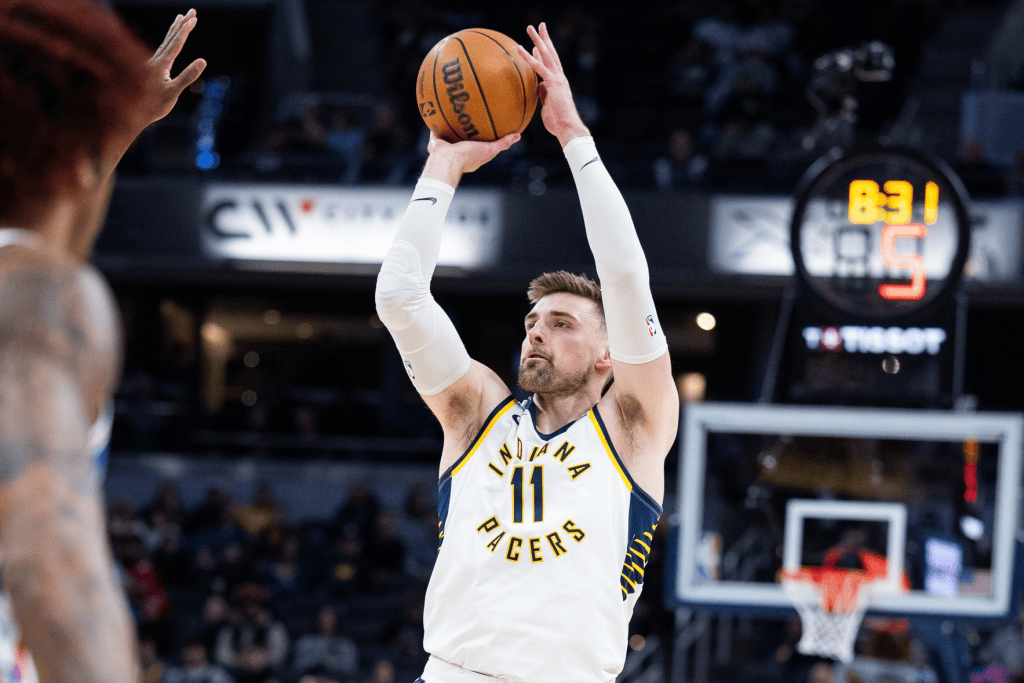
Potter will probably just be a third-stringer for Portland, but he’ll be a useful one. The big man has two specialties: shooting and rebounding. Both skills will give Micah Nori a reason to put him on the floor in certain situations.
It sounds crazy, but Potter is genuinely one of the best stretch fives in basketball. The volume is there (6.5 3PA per 75), he has a quick trigger, and he’s comfortable on spot-ups and as a popper. The former Wisconsin Badger banged home 42.2% of his catch-and-shoot triples in 2025-26, and he’s gone 38.9% from downtown for his career.
Potter’s legitimacy as a shooter could earn him more playing time than anyone is expecting. Portland will need to surround Ja Morant and Deni Avdija with as much spacing as possible, or things could get ugly for a club that was one of the worst high-volume shooting units in the league last year. Potter is one of the few above-average snipers on the roster period, and definitely the only one in the frontcourt (sorry Donovan Clingan, keep working on it). Letting him flank Morant, Avdija, and company at center makes sneaky sense.
Potter is a mediocre defender, but he does clean the glass well. He was a 87th percentile defensive rebounder and a 79th percentile offensive rebounder last season. That’s less important for him than his shooting, but still notable. Between him, Clingan, and Robert Williams, the Blazers’ bigs are going to pummel opponents on the boards.
The margins matter in the NBA. Stars raise ceilings, but players like Wiggins, Oubre, Smart, Carter, and Potter move the needle for teams and put them closer to their championship dreams. Keep an eye on these five guys in 2026-27.

